








Excavator oil pump vs hydraulic pump: what's the difference?
- 1. How can I diagnose cavitation in an excavator oil pump (hydraulic pump) on-site without teardown?
- 2. What measurable leakage, flow and pressure thresholds should trigger repair or replacement versus remanufacturing an excavator oil pump?
- 3. Can I swap a fixed-gear pump for an axial piston variable-displacement pump (or vice versa) to save cost or gain performance on my excavator?
- 4. What are the correct installation and priming steps to avoid immediate failure when fitting a replacement excavator oil pump?
- 5. How do I calculate expected service life of an excavator oil pump given operating hours, contamination level (ISO 4406), and duty cycle?
- 6. For purchasing: how to compare genuine OEM, aftermarket new, and remanufactured excavator oil pumps (performance, warranty, and ROI)?
1. How can I diagnose cavitation in an excavator oil pump (hydraulic pump) on-site without teardown?
Cavitation in excavator hydraulic pumps (commonly axial piston or gear pumps) damages rotor surfaces quickly. On-site diagnosis focuses on symptoms, measurable signals and quick checks to isolate causes before teardown.
- Audible and performance signs: a harsh, metallic whining that changes with engine RPM or pump flow, intermittent loss of directional control, or reduced lift speed under load. These indicate air ingestion or vapor formation.
- Pressure and flow checks: measure system charge and working pressure with a reliable gauge. If charge/suction pressure at the pump inlet drops below manufacturer minimum (typically near atmospheric minus a small margin), cavitation can occur. Typical excavator main pumps operate at working pressures of ~25–32 MPa (250–320 bar) with peak ratings up to ~35 MPa (350 bar); suction side must be well above vapor pressure of the oil.
- Suction-side diagnostics: quickly inspect/replace the suction strainer and in-tank return lines. Remove hose clamps (with the engine off) and look for foam or entrained air in suction lines while operating the pump at low speed—foaming confirms air ingestion.
- Temperature and viscosity checks: measure oil temperature. Low temperature increases viscosity and restricts flow to the pump; very hot oil increases vapor pressure. Aim for operating viscosity within OEM recommendations (many mobile hydraulics use ISO VG 32–46 at operating temperature). A handheld thermometer and viscosity chart help confirm suitability.
- Quick test to isolate intake issues: temporarily install a short, large-diameter suction hose and a clean strainer to see if symptoms disappear. If so, root cause is suction restriction (collapsed hose, clogged strainer, or clogged tank return/vent).
Actionable thresholds: if you detect visible air bubbles at the suction line, or inlet pressure is below -0.08 to -0.1 MPa (gauge) under pump idle (values vary by manufacturer), treat as cavitation risk. Fix suction restrictions, check reservoir venting, and verify correct oil level before pump replacement.
2. What measurable leakage, flow and pressure thresholds should trigger repair or replacement versus remanufacturing an excavator oil pump?
Deciding between repair, remanufacture, or replacement requires quantifying internal leakage, flow loss and pressure capability relative to OEM specs.
- Internal leakage (bare-shaft/bench test): manufacturers publish maximum allowable volumetric loss per minute at set pressures. As a practical field rule: if internal leakage exceeds ~10–20% of rated displacement at nominal pressure during a bench test, consider remanufacture. For severe wear (>30% loss) replacement is often more cost-effective.
- Flow loss: measure pump free-flow (at zero load) and pressure-flow curve. If measured max flow is <85% of stamped displacement under the same speed and pressure, the pump has significant wear.
- Pressure capability: if a pump cannot hold the system relief setting or requires relief to be set lower to function, it shows valve/port wear or swashplate damage—remanufacture recommended.
- Noise and vibration metrics: an increase in vibration amplitude and high-frequency noise (bearing/gear wear) correlate with imminent failure. Use portable vibration meter thresholds per OEM guidance, but note audible harsh whining + performance loss is actionable.
Document baseline OEM figures (displacement, rated flow at RPM, maximum relief pressure). If your measured values fall below ~85% flow or show >15% leakage at working pressure, start quoting remanufacture. If the pump has catastrophic damage (broken spline, cracked housing), replacement is necessary.
3. Can I swap a fixed-gear pump for an axial piston variable-displacement pump (or vice versa) to save cost or gain performance on my excavator?
Short answer: rarely without a full hydraulic system redesign. Long answer: mismatching pump type affects flow characteristics, control logic, pressure generation and energy efficiency.
- Flow characteristics: gear pumps provide nearly constant displacement per rev, while axial piston variable pumps change displacement via swashplate to match load (load-sensing and compensator variants common). Excavator control valves and electronic load-sensing (ELS) systems expect the dynamic behavior of variable pumps.
- Control compatibility: modern excavators use pilot-operated, load-sensing valves tuned to the variable pump's pressure-flow response. Replacing with a fixed gear pump can overload the relief and reduce controllability; conversely, installing a variable pump into a system without matched control electronics may not yield benefits.
- Pressure/flow sizing: if you insist on swapping, ensure the substitute pump can provide the same peak pressure (many excavator systems operate 25–32 MPa) and the required flow at engine RPM. Also confirm shaft drive, mounting flange and displacement per revolution match to avoid mechanical mismatch.
- Practical guideline: for small auxiliary circuits (e.g., hydraulic winches or auxiliary pumps for attachments), replacing with a gear pump might be acceptable if a simple open-center circuit is used and the flow/pressure specs align. Never replace the main travel/boom pump on modern variable-control excavators without consulting OEM or a hydraulic systems engineer.
Recommendation: contact pump specialists or OEM service to evaluate control architecture, pressure-compensator presence, and electronic interfacing before changing pump types. Incorrect swaps reduce efficiency, increase fuel consumption, and risk valve or actuator damage.
4. What are the correct installation and priming steps to avoid immediate failure when fitting a replacement excavator oil pump?
Many pump failures occur within hours of installation due to poor priming, contaminated oil, incorrect torque or misaligned drive connections. Follow these steps to minimize risk:
- Clean environment: work in a dust-free area; cap all ports until ready. Replace suction strainers and tank return filters if they show contamination.
- Inspect drive and shaft: verify spline engagement, keyway alignment, and no shaft play. Check coupling torque and shaft runout; exceed OEM tolerance and bearings will fail prematurely.
- Pre-fill/prime: pre-fill the pump cavity with clean hydraulic oil where possible (many axial piston pumps allow pre-oiling). Ensure tank oil level meets OEM minimum; low oil or air pockets in in-tank suction cause cavitation.
- Bleed and vent: open vent screws and operate slowly at low idle to purge air. On systems with remote charge pumps, ensure charge pressure and filter bypass are within spec (charge pressure typically low but critical for piston lubrication).
- Torque and fasteners: follow torque specs for flange bolts and shaft couplings. Uneven torque leads to flange distortion and shaft misalignment.
- Initial run monitoring: run at low idle for 10–15 minutes, monitor suction pressure, system relief, noise, temperature and leakage. Re-check torque after initial thermal cycle.
Common rookie mistakes: not replacing the suction strainer, not pre-filling the pump, and not verifying tank venting. These cause immediate cavitation or abrasive wear. Use cleaner oil (target cleanliness per system requirement) and fresh seals/gaskets during installation.
5. How do I calculate expected service life of an excavator oil pump given operating hours, contamination level (ISO 4406), and duty cycle?
Predicting pump life uses three main inputs: operating hours and duty cycle (percentage of heavy-load time), oil cleanliness (ISO 4406 contamination code), and operating pressures/temperatures. While exact life needs OEM test data, you can estimate relative life expectancy.
- Base-life reference: many OEMs rate mobile hydraulic pumps for 5,000–10,000 hours under typical construction duty when oil cleanliness and maintenance are within spec. High-duty or poorly maintained systems see much shorter life.
- Contamination factor: use ISO 4406 codes. For example, moving from 18/16/13 to 14/12/9 (cleaner) can roughly double component life for precision pumps. For mobile excavators, aiming for ≤18/16/13 is a practical target; servo-heavy or high-precision systems benefit from 16/14/11 or better.
- Duty-cycle multiplier: if heavy-load (lifting/continuous swing) time exceeds 25%, reduce expected life by 30–50% compared to the base life. Frequent starts/stops, shock loads, and high ambient temperatures also reduce life.
- Example estimate: base life 8,000 hours at ISO 4406 18/16/13 and light-medium duty. If contamination is 16/14/11 (cleaner), expected life might be ~12,000 hours. If heavy-duty 40% of time, adjust down to ~7,200 hours. These are heuristic; use as planning guidance.
Practical recommendation: monitor oil cleanliness with particle counters every 500–1,000 hours, track pressures and temperatures, and replace charge and suction filters at OEM intervals. Early intervention (filter changes, oil flush) can extend pump life significantly.
6. For purchasing: how to compare genuine OEM, aftermarket new, and remanufactured excavator oil pumps (performance, warranty, and ROI)?
Procurement decisions must balance upfront cost, warranty, expected life, and compatibility. Here's a buyer-focused comparison.
| Type | Pros | Cons | When to choose |
|---|---|---|---|
| Genuine OEM | Guaranteed fit/controls, full performance specs, OEM warranty | Highest cost, lead times | Critical machines in high-uptime fleets, electronic/ELS systems |
| Aftermarket new | Lower cost, often immediate availability | Variable quality; check supplier test data and materials | Non-critical secondary machines or budget constraints |
| Remanufactured | Cost-effective, often tested to OEM tolerances, environmental benefits | Quality depends on reman shop; ensure full dynamometer testing and replaced wear parts | Good ROI for older machines where OEM cost is prohibitive |
Key buying checklist:
- Request dated dynamometer test sheets showing displacement, leakage and pressure curves.
- Confirm compatibility with your excavator's control system (load-sensing, electronic pilot control, shaft spline and mounting flange).
- Ask for warranty terms (12 months is common for OEM; 6–12 months for quality reman units).
- Verify that seals, bearings and critical tolerances are replaced to OEM limits in reman units.
ROI tip: calculate total cost of ownership — factor downtime risk, fuel savings from a more efficient variable pump, and expected hours to replacement. A higher initial spend on a correctly specified pump often pays back via reduced cycle times and lower fuel consumption.
Conclusion — advantages of choosing the right excavator oil pump and correct hydraulic pump type: Selecting the correct pump (engine-driven oil pump vs hydraulic system pump, fixed vs variable, OEM vs reman) and following proper diagnostics, installation and maintenance procedures significantly reduces downtime, extends service life, improves hydraulic responsiveness and lowers fuel consumption. Careful attention to oil cleanliness (ISO 4406), correct priming, and matching displacement/pressure to your excavator's control system yields measurable performance and ROI gains.
For accurate quotes, compatibility checks and reman or OEM pump options tailored to your excavator model, contact us for a quote: www.jbpartsgz.com — jbparts@aliyun.com

Isuzu SP 4JG1 4JG2 4JG3 Cylinder Liner 1876182070 1-87618207-0 1876182080 1-87618208-0 1876182100 1-87618210-0
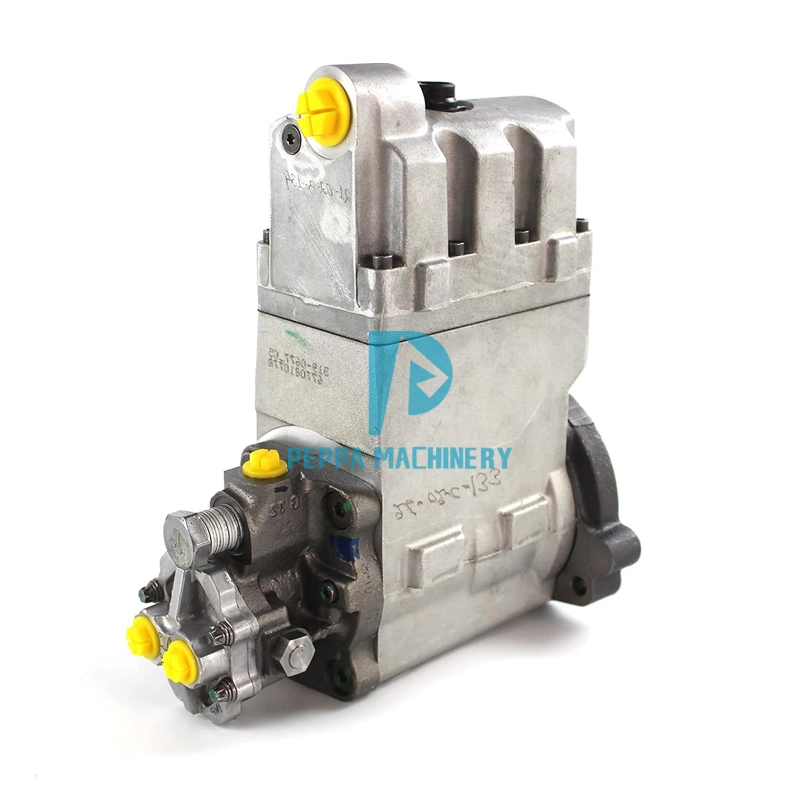
Fuel Feed / Transfer Pump Assembly for Caterpillar C7 & C9 Engines | Direct Replacement for OEM Parts #319-0678, 254-4358, 304-0678, 295-4778, 228-589
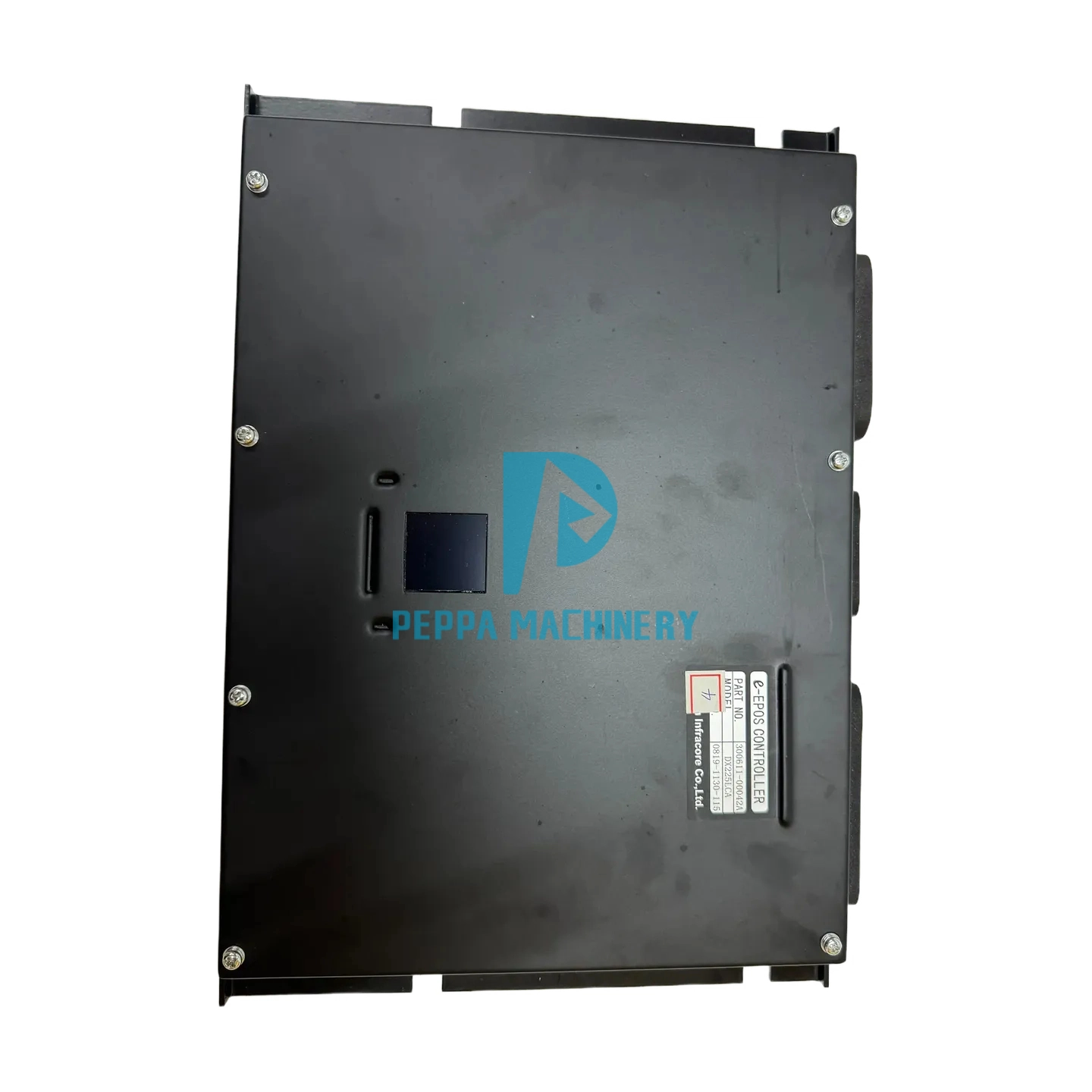
Excavator Accessories Excavator Controller DX225 DX225LCA E-EPOS Controller Computer Board 300611-00042 K1026740 K1001369C K1056425 ECU ECM

Isuzu Engine 6WG1 Turbo 1876183290 1-87618329-0 8981921861 8-98192186-1 14400-4441 1144004370 114400-4370 49188-018312 49188-11940
Excavator Parts
How can I verify compatibility before placing an order?
Please provide us with your machine brand, model number, and the part number (if available). Our team will double-check the compatibility to ensure you receive the correct parts.
Can I get help choosing the right parts for my machine?
Yes. Our experienced sales team is here to provide professional recommendations and solutions based on your excavator model, part number, or specific requirements.
What brands of excavator parts do you supply?
We supply a full range of parts compatible with major international and Chinese brands, including Caterpillar, Komatsu, Hitachi, Volvo, Doosan, Hyundai, Sany, Liugong, XCMG, Zoomlion, and more.
Are your parts genuine or OEM?
We offer both genuine parts and high-quality OEM alternatives. You can choose according to your budget and application needs. All OEM products are tested to meet or exceed original specifications.
Do you provide technical support or installation guidance?
While we do not offer on-site installation, we can provide basic technical advice, diagrams, or documentation to assist your technicians with installation and troubleshooting.
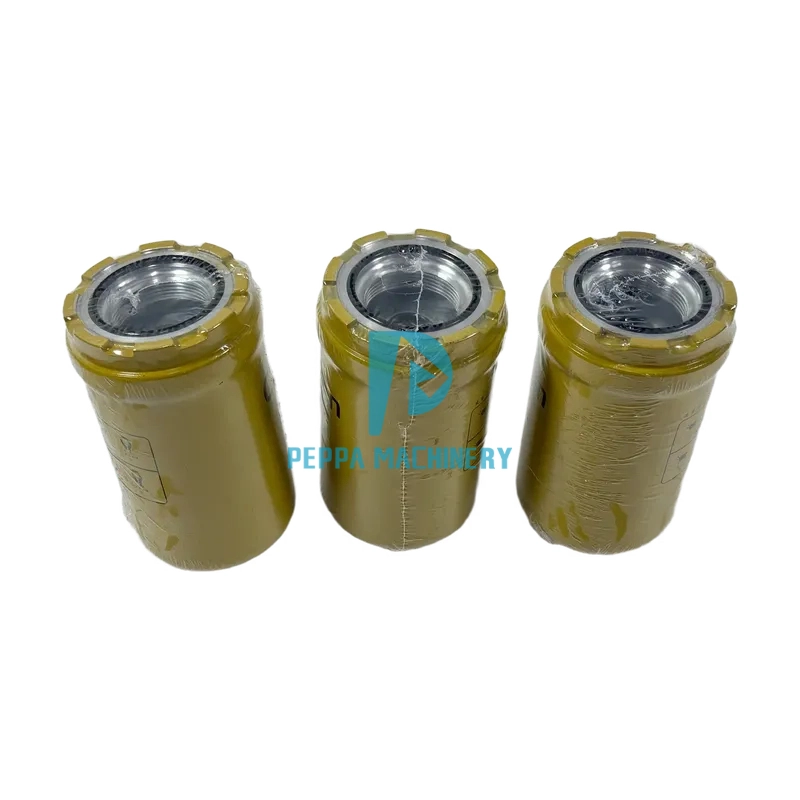
51-8670 Hydraulic Filter Applicable to HF35519 518670 2897836 518670X 1588987 Compatible with Caterpillar 352FVG 325CL
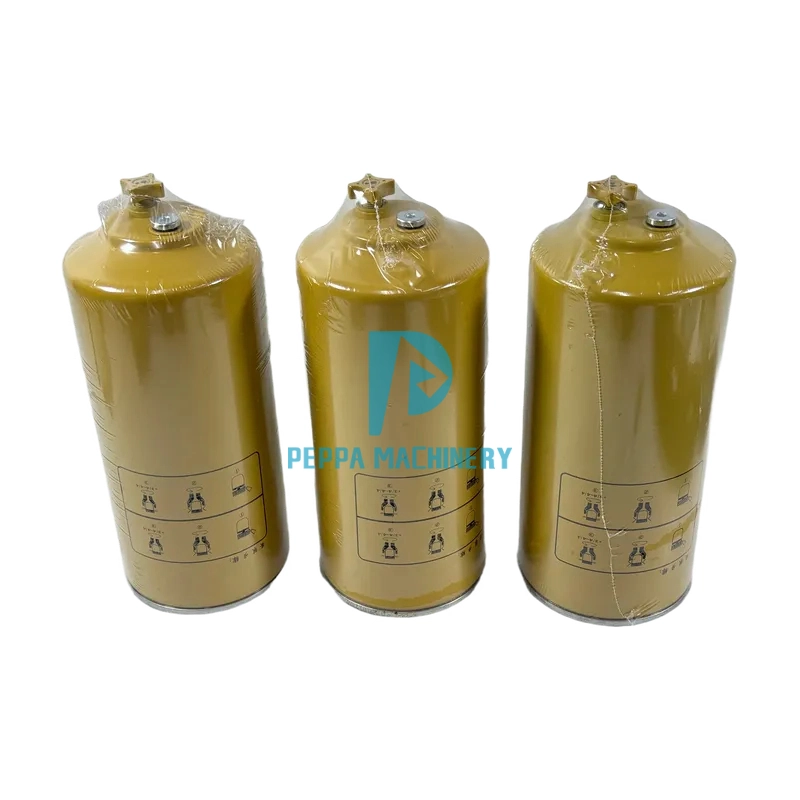
4385386 Fuel Water Separator Fuel Filter 382-0664 Oil-water Separator Hydraulic Oil Filter for CAT 312D2 320D2
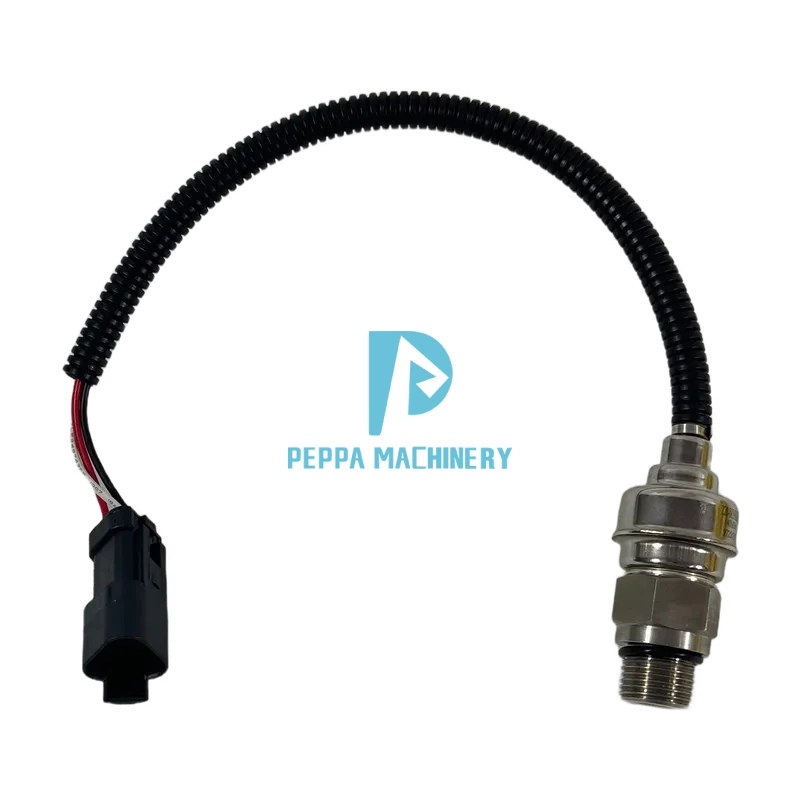
Pressure Sensor 221-8859 106-0178 for Caterpillar CAT 311B 311C 312C 314D 315B 320C 323D 324D 330C 336D 345B 385C
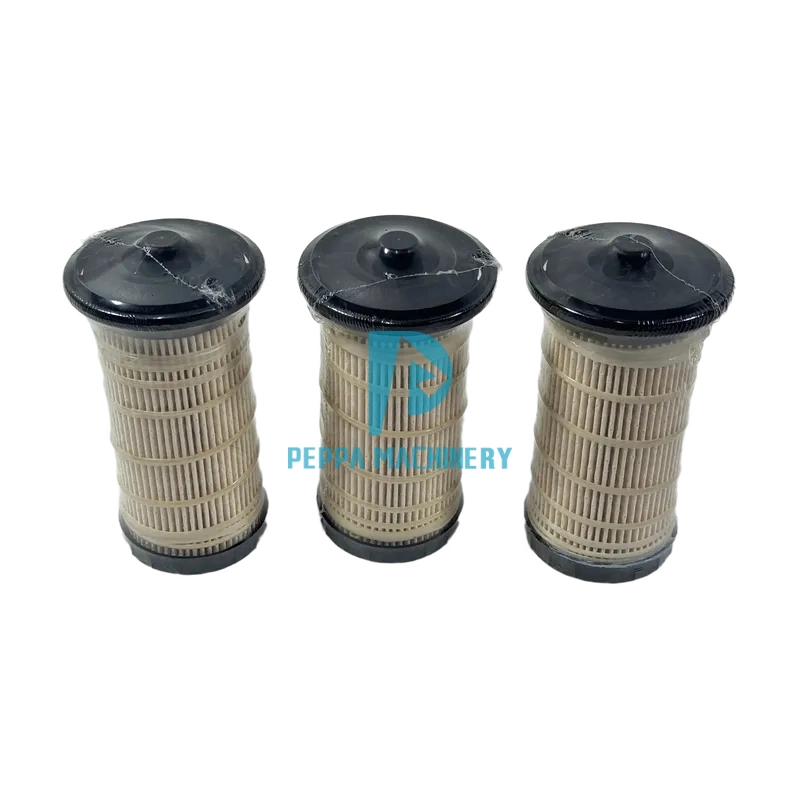
360-8960 Fuel Filter Element for Caterpillar C4.4 & C7.1 Engines | Fits 312D, 320D, 312E, 320E, 326D2, 336D2 Excavators
Get more information
Want to know more? Contact us today to get detailed product specifications, customized solutions, and a free consultation tailored to your needs.
Rest assured that your privacy is important to us, and all information provided will be handled with the utmost confidentiality.

Reliable Source for Quality Excavator Components.
Follow Us
Our Partners


Our Payment Methods


 High Quality
 7/24 Service
 Guaranteed Warranty
 Scan QR Code
Facebook
TikTok
YouTube
Pinterest
Twitter