








How to choose the best injector nozzles for excavators?
- 1) How do I select the correct nozzle orifice size and spray pattern when an older mechanical-injection excavator is smoking white at cold start?
- 2) Can I replace a damaged multi-hole nozzle with a pintle-type nozzle to save cost — what are the performance trade-offs for excavators?
- 3) How can I measure nozzle leakage, coking or tip wear on-site without a full injector test bench?
- 4) Which nozzle opening pressure (NOP) or injection pressure should I specify for high-load demolition or heavy continuous digging to avoid soot and power loss?
- 5) How do I evaluate aftermarket vs OEM injector nozzles for my excavator regarding fuel efficiency, emissions, and warranty compliance?
- 6) What are the reconditioning limits — how worn or coked must a nozzle be to justify replacement instead of cleaning/reaming?
- Concluding summary: Advantages of choosing the right injector nozzles
How to Choose the Best Injector Nozzles for Excavators: 6 Hard Questions Answered
Choosing the right injector nozzles (diesel injector nozzles, fuel injector nozzles) for excavators is technical and consequence-heavy: wrong choices cause poor atomization, soot, loss of power, higher fuel consumption and engine damage. Below are six specific beginner questions that often lack quality online answers, followed by practical, testable, OEM-aligned guidance you can apply at purchase or service.
1) How do I select the correct nozzle orifice size and spray pattern when an older mechanical-injection excavator is smoking white at cold start?
Symptoms like white smoke at cold start usually indicate incomplete combustion (poor atomization or incorrect fuel metering) or excessive fuel injected at low temperatures. For older mechanical pump systems, nozzle orifice size and spray pattern are key factors:
- Determine OEM spec first — the manufacturer publishes nozzle part numbers, orifice diameter range, and spray type (single-hole, multi-hole, pintle, sac). Never guess an orifice diameter without the service manual.
- If the OEM spec is unavailable, compare to a matched, known-good injector from the same engine model — measure orifice diameter under a microscope or send the nozzle to a qualified bench shop. Typical legacy mechanical-injection systems use larger orifices and coarser spray patterns than modern common-rail nozzles, so swapping in a smaller common-rail nozzle is not acceptable.
- Spray pattern: a wide cone or multi-hole pattern improves atomization at low RPMs and cold conditions, reducing white/gray smoke. Pintle nozzles (single central protruding tip) yield a focused, penetrating jet better for high-load but can be poorer for cold-start atomization on some engines.
- Practical steps: run a cold-start spray check on a nozzle testing bench or use a visual spray rig (safety-protected) to confirm cone angle and droplet breakup. If atomization is poor, choose a nozzle whose cone angle and hole count match OEM recommendations for cold-runability.
- Fuel quality and viscosity affect atomization — check fuel filter, heater (if equipped), and fuel thermal properties at low ambient temperatures before replacing nozzle geometry.
2) Can I replace a damaged multi-hole nozzle with a pintle-type nozzle to save cost — what are the performance trade-offs for excavators?
Short answer: avoid cross-type swaps unless explicitly allowed by the engine OEM. The trade-offs are real and often detrimental:
- Spray distribution: multi-hole nozzles (e.g., 4–8 orifices) produce multiple jets that improve air–fuel mixing across the combustion chamber, reducing soot and lowering NOx/particulates in many diesel engines. Pintle nozzles produce one concentrated jet and penetrate deeper — this can increase local fuel/air richness and soot formation if the combustion bowl geometry expects a multi-jet pattern.
- Injection timing and combustion phasing: a different spray pattern changes combustion speed and pressure rise. Engines tuned for a multi-hole pattern can experience rough idle, increased vibration, or power loss with a pintle nozzle.
- Durability and lifetime: pintle tips are sometimes more robust against erosion from poor fuel, but that advantage rarely outweighs the combustion mismatch and resulting emissions and efficiency penalties.
- When a correct replacement is unavailable, consult the OEM or engine mapping data. If a temporary substitution is unavoidable (remote jobsite), monitor smoke, exhaust temperature (EGT), power output, and fuel consumption closely and return to correct type ASAP.
3) How can I measure nozzle leakage, coking or tip wear on-site without a full injector test bench?
While a full bench (Bosch/Siemens test bench) gives the most accurate diagnosis, several reliable field checks exist:
- Return/leak-off comparison test: remove the injector return line and collect the return flow from each injector into a graduated syringe or small graduated bottle during a controlled idle run. Look for injectors with significantly higher leak-off than the fleet average (identify a baseline from a known-good injector). Large increases in return flow often indicate internal leakage or worn needle/nozzle seating.
- Cold-start and idle visual check: check for dribble or continuous dripping from the nozzle after shutoff (visible on the exhaust as fuel smell or black streaks). Dribbling usually means poor seating (needle or spring wear) or coking forcing the needle open.
- Compression and cylinder balance test: large variations in cylinder contribution can point to injector tip issues. Use a cylinder contribution test at steady throttle to highlight underperforming injectors.
- Ultrasonic or visual inspection after nozzle removal: clean the tip using approved procedures and inspect orifice edges under a 40–100x microscope. Look for rounded orifice edges, uneven enlargement or asymmetric wear—these indicate degraded spray and need replacement or reaming only if an OEM-approved rebarrel process exists.
- Field note: many trap issues (coking) are fuel or maintenance related. Check fuel water separators, pre-filters, and tank cleanliness before condemning nozzles.
4) Which nozzle opening pressure (NOP) or injection pressure should I specify for high-load demolition or heavy continuous digging to avoid soot and power loss?
Injection pressures and nozzle opening characteristics must match the injection system type and the engine’s calibration:
- Identify system type: mechanical pump systems, HEUI (Hydraulically actuated) and common-rail systems have different pressure regimes. Typical ranges (general guidance): mechanical inline/plunger pumps often operate in the low hundreds of bar; HEUI systems vary widely (several hundred to >1,000 bar); modern common-rail systems often run from ~1,000 up to 2,500 bar depending on engine/age.
- Nozzle opening pressure (spring pressure controlling needle lift) affects injection timing and initial atomization. Use the OEM-specified NOP. Increasing NOP to “tune” for heavy loads is risky: it advances effective injection timing and can cause detonation, higher peak cylinder pressures, and cylinder wear.
- For high continuous load work, prioritize nozzles with correct spray pattern, good atomization and low internal leakage over trying to increase injection pressure locally. If the system is common-rail, ensure the rail pressure curve is maintained by a healthy high-pressure pump and proper rail pressure sensor readings.
- Practical advice: if you suspect insufficient penetration leading to soot under heavy load, first validate the entire fuel system (pump output, pressure regulator, filters, return flows) and then confirm nozzle geometry/condition against OEM specs. Do not alter NOP without bench testing and ECU remap by a qualified technician.
5) How do I evaluate aftermarket vs OEM injector nozzles for my excavator regarding fuel efficiency, emissions, and warranty compliance?
Buying nozzles is a balance of cost, quality, and compliance. Follow these steps:
- Check OEM warranty and maintenance policy. Some OEMs void parts of warranty if non-OEM injectors are fitted; confirm in writing before purchase for in-warranty machines.
- Validate technical equivalence: require datasheets showing orifice diameters, spray pattern (cone angle, hole count), nozzle opening pressure, material specs (special steels, coatings) and tolerances. Genuine parts will provide these; reputable aftermarket makers should provide comparable technical data and traceability.
- Ask for bench test reports: for each nozzle batch, request flow/atomization test data from the supplier or an independent lab (flow cc/30s at specified pressure, spray pattern photos). Suppliers who can’t provide such data are higher risk.
- Consider aftermarket reputation/mileage in heavy equipment: read verified field trials and OEM-approved remanufacturers. High-quality remanufactured OEM nozzles can be a cost-effective option when backed by street-level warranty and documented bench testing.
- Operational validation: install one or two aftermarket nozzles first and monitor fuel consumption, smoke, EGT and power before converting the entire machine. Measure return leak-off and do a post-fit nozzle spray check.
6) What are the reconditioning limits — how worn or coked must a nozzle be to justify replacement instead of cleaning/reaming?
Reconditioning decisions should be made on measurable wear and functional test results, not only appearance:
- Flow and spray criteria trump cosmetic appearance. If a nozzle reconditioned to OEM geometric specs still fails flow or spray pattern tests on a calibrated nozzle tester, it must be replaced.
- Microscopic wear: if orifice diameter enlargement or out-of-round condition exceeds OEM tolerance (usually specified in microns in the service manual), replacement is needed. If you don’t have the spec, compare to a matched new part or consult the OEM service manual. Typical workshop practice: if the orifice edge shows erosion, rounding or chipping visible under 40–100x and the nozzle cannot be restored to a defined spec by approved re-machining, replace it.
- Needle seat and cone wear: if the needle-to-seat interface shows wear that prevents a good metal-to-metal seal (leading to dribble or leakage) and cannot be corrected to OEM clearance through approved regrinding, replace the assembly.
- Coking limits: mild carbon deposits can often be removed with ultrasonic cleaning following fuel-compatibility procedures; however, hardened coke deeply embedded at the nozzle sac or in orifice edges that cannot be removed without enlarging orifice geometry mandates replacement.
- Lifecycle economics: for heavy-use excavators, if the nozzle will likely be reconditioned repeatedly within a season, replacement with a new or remanufactured OEM unit is often more economical in downtime cost terms.
Field checklist before buying or reusing nozzles: compare bench flow to OEM, inspect orifice geometry under microscope, measure return/leak-off and compare to a known good injector, validate spray pattern, confirm fuel cleanliness, and check the engine ECU maps or mechanical pump calibration are compatible with the nozzle spec.
Concluding summary: Advantages of choosing the right injector nozzles
Selecting the correct diesel injector nozzles and maintaining them to OEM standards delivers measurable advantages: improved fuel atomization and combustion, lower fuel consumption, reduced smoke and particulate emissions, more consistent power under heavy load, and longer engine life. Matching nozzle orifice size, spray pattern and nozzle opening pressure to the engine’s injection system (mechanical, HEUI or common-rail) prevents premature wear, protects turbochargers and aftertreatment systems, and reduces costly downtime.
If you need bench-tested OEM or high-quality aftermarket injector nozzles, or a diagnostic report for your excavator injectors, contact us for a quote. Visit www.jbpartsgz.com or email jbparts@aliyun.com.

Isuzu SP 4JG1 4JG2 4JG3 Cylinder Liner 1876182070 1-87618207-0 1876182080 1-87618208-0 1876182100 1-87618210-0
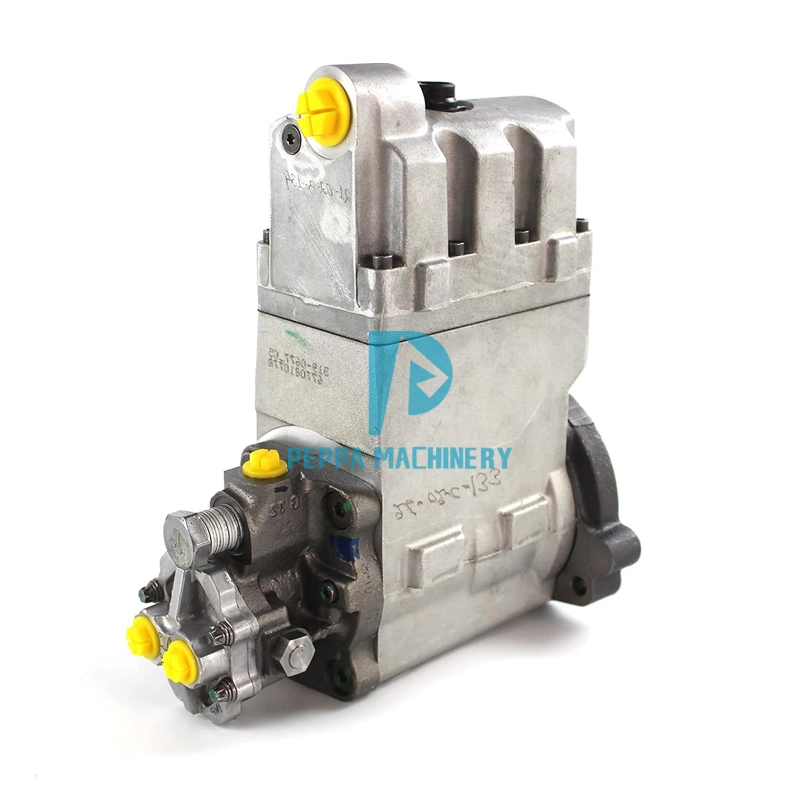
Fuel Feed / Transfer Pump Assembly for Caterpillar C7 & C9 Engines | Direct Replacement for OEM Parts #319-0678, 254-4358, 304-0678, 295-4778, 228-589
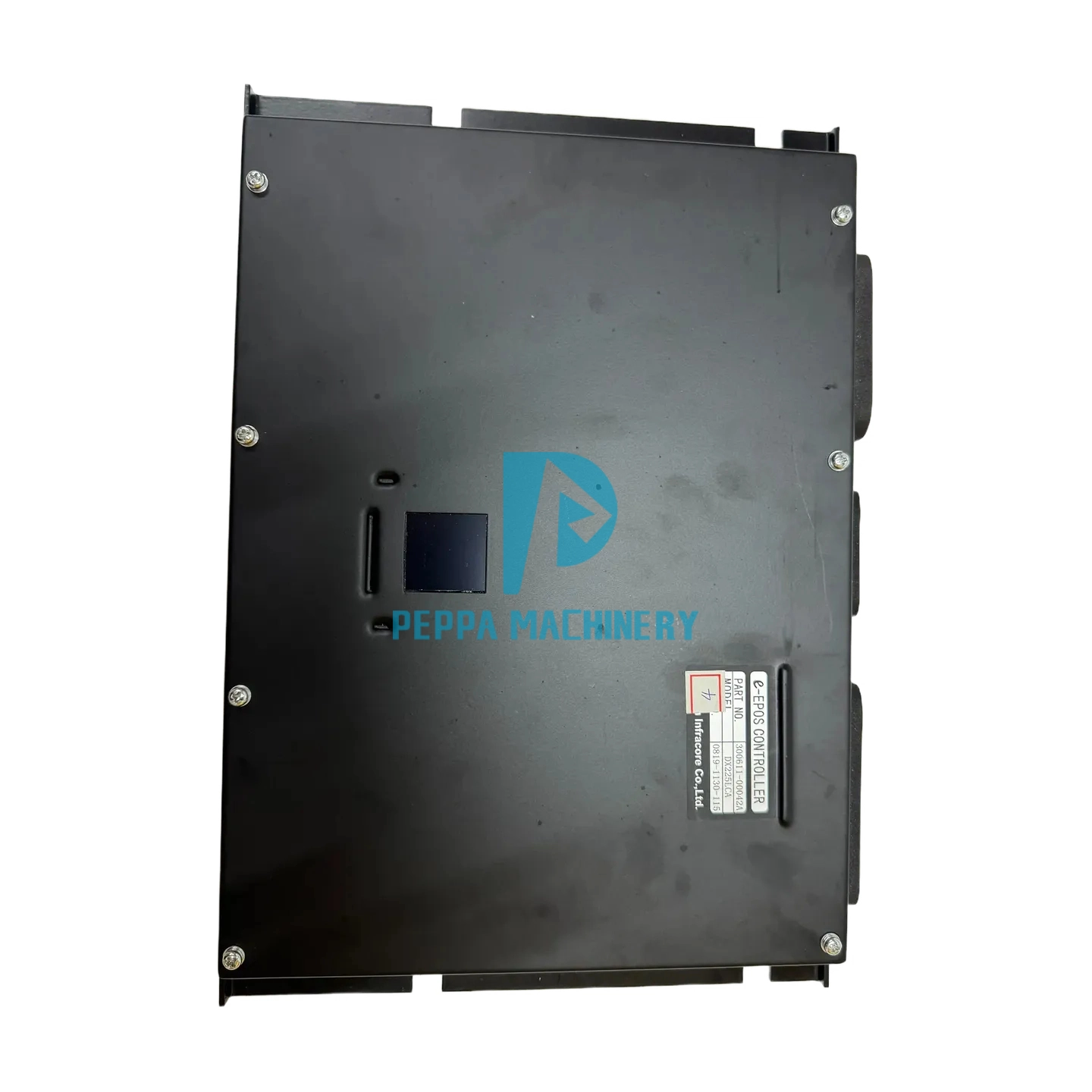
Excavator Accessories Excavator Controller DX225 DX225LCA E-EPOS Controller Computer Board 300611-00042 K1026740 K1001369C K1056425 ECU ECM

Isuzu Engine 6WG1 Turbo 1876183290 1-87618329-0 8981921861 8-98192186-1 14400-4441 1144004370 114400-4370 49188-018312 49188-11940
Excavator Parts
How can I verify compatibility before placing an order?
Please provide us with your machine brand, model number, and the part number (if available). Our team will double-check the compatibility to ensure you receive the correct parts.
What types of parts do you mainly offer?
Our main product categories include:
• Engine parts (liner kits, crankshafts, water/oil pumps, etc.)
• Electrical parts (sensors, monitors, throttle motors, wiring harnesses)
• Hydraulic parts (pumps, valves, cylinders)
• Sealing kits (NOK, SKF, PQ brands, floating seals, O-rings)
Do you provide technical support or installation guidance?
While we do not offer on-site installation, we can provide basic technical advice, diagrams, or documentation to assist your technicians with installation and troubleshooting.
Are your parts genuine or OEM?
We offer both genuine parts and high-quality OEM alternatives. You can choose according to your budget and application needs. All OEM products are tested to meet or exceed original specifications.
Can I get help choosing the right parts for my machine?
Yes. Our experienced sales team is here to provide professional recommendations and solutions based on your excavator model, part number, or specific requirements.
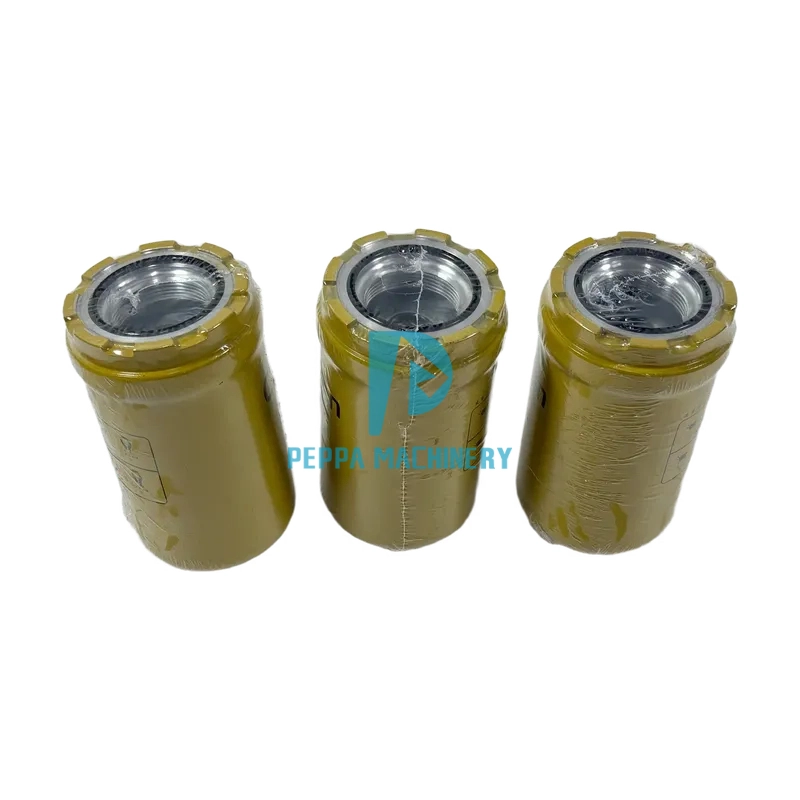
51-8670 Hydraulic Filter Applicable to HF35519 518670 2897836 518670X 1588987 Compatible with Caterpillar 352FVG 325CL
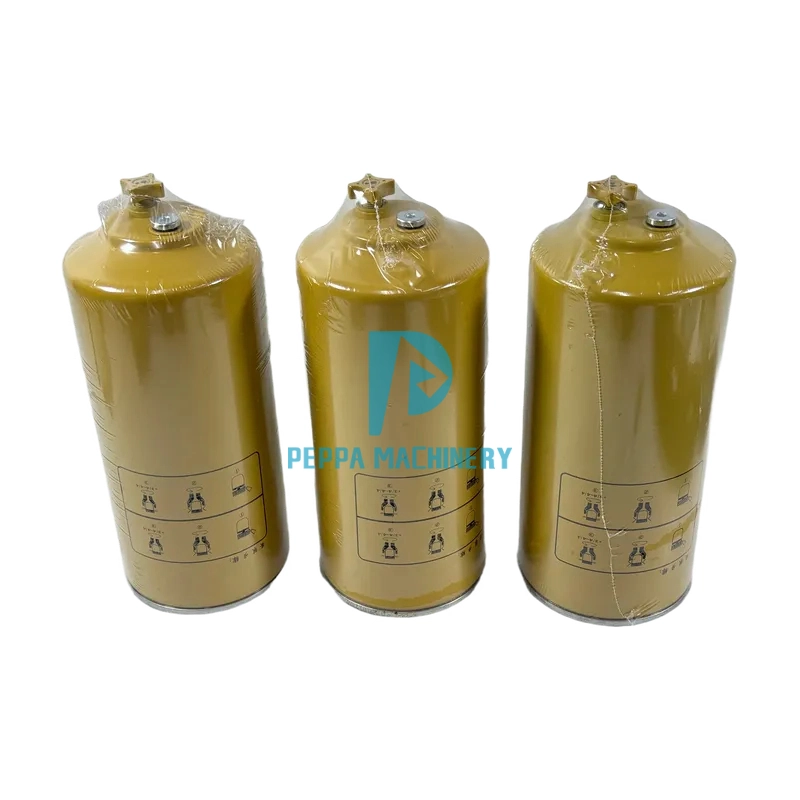
4385386 Fuel Water Separator Fuel Filter 382-0664 Oil-water Separator Hydraulic Oil Filter for CAT 312D2 320D2
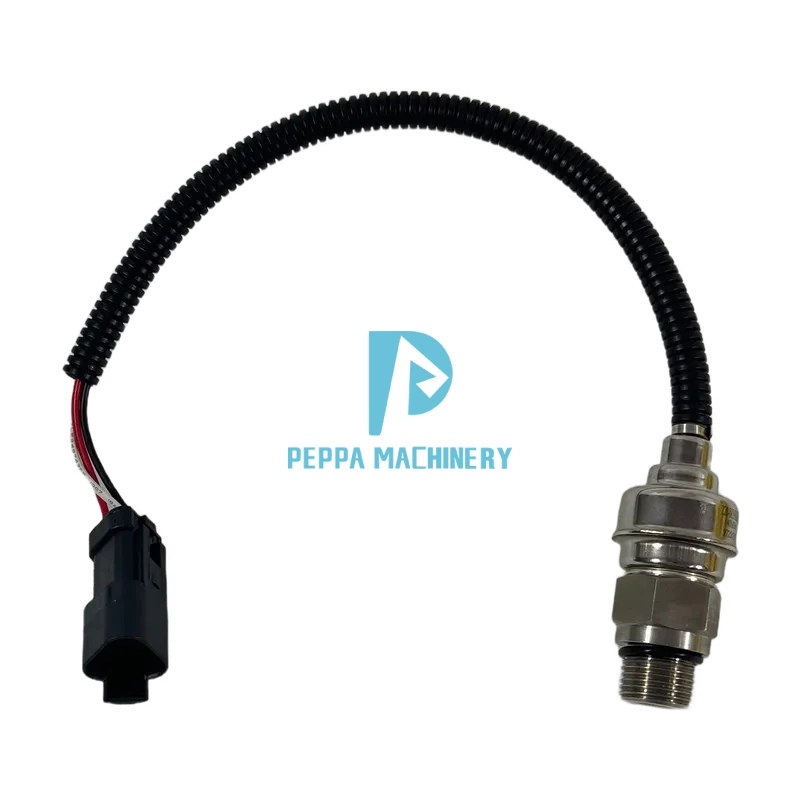
Pressure Sensor 221-8859 106-0178 for Caterpillar CAT 311B 311C 312C 314D 315B 320C 323D 324D 330C 336D 345B 385C
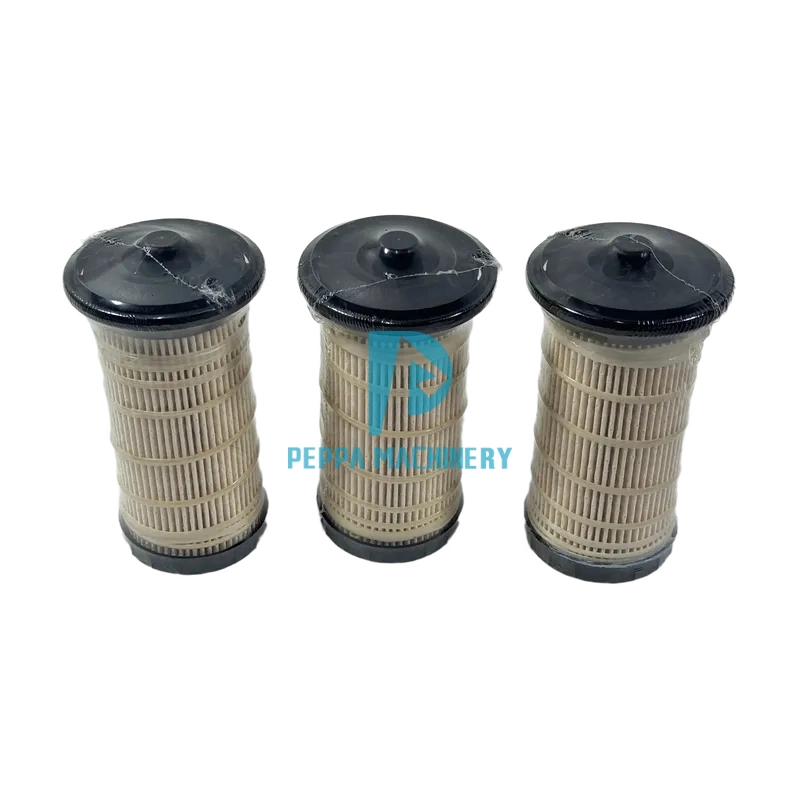
360-8960 Fuel Filter Element for Caterpillar C4.4 & C7.1 Engines | Fits 312D, 320D, 312E, 320E, 326D2, 336D2 Excavators
Get more information
Want to know more? Contact us today to get detailed product specifications, customized solutions, and a free consultation tailored to your needs.
Rest assured that your privacy is important to us, and all information provided will be handled with the utmost confidentiality.

Reliable Source for Quality Excavator Components.
Follow Us
Our Partners


Our Payment Methods


 High Quality
 7/24 Service
 Guaranteed Warranty
 Scan QR Code
Facebook
TikTok
YouTube
Pinterest
Twitter