








Which Alternator Specs Matter for Heavy-Duty Excavators?
- 1) How do I size alternator amperage to match hydraulic pumps, working lights and battery bank without overpaying?
- 2) What alternator output can I expect at typical idle RPM versus the rated RPM, and how should that affect specification?
- 3) Which regulator type (internal, external, or smart/ECU-controlled) should I choose for excavators with electronic engine management?
- 4) What pulley, mounting and belt-drive specs are critical to avoid premature bearing and belt failures on excavators?
- 5) Which environmental and thermal protection specs (IP rating, insulation class, cooling) most affect alternator longevity on high-dust and wet job sites?
- 6) What bench and on-machine acceptance tests should I require for replacement alternators to minimize installation rework and downtime?
1) How do I size alternator amperage to match hydraulic pumps, working lights and battery bank without overpaying?
Why this matters: Excavator electrical loads are not only starter/battery related; modern machines run hydraulic pumps with electric fans, LED work lights, heating elements, telemetry/GPS, and multiple attachments that draw continuous power. Undersizing leads to chronic battery discharge and premature alternator overheating; oversizing wastes money, adds weight, and can create belt-drive failures.
How to calculate a practical alternator amp requirement:
- List continuous loads (hydraulic fan, ECU, lights, heater, controller modules) and their steady-state current draw at system voltage (most large excavators run 24V; smaller units may use 12V). Use measured current or manufacturer data.
- Add reasonable duty-cycle-adjusted currents for intermittent loads (attachment clutches, winches, in-cab accessories). For an LED light bank used 50% of shift, count 50% of rated current.
- Include battery charging requirement. If you need to maintain battery state-of-charge after heavy start or accessory draw, plan for charging at approximately 5–10% of battery amp-hour capacity for continuous maintenance. For example, a 200 Ah battery bank needs ~10–20 A continuous for float maintenance after deep cycles.
- Choose a safety margin: specify a continuous alternator rating at least 20–30% above the calculated continuous load to avoid thermal derating and account for reduced output at idle.
Practical ranges: heavy excavators typically use 24V alternators rated from ~70A on small machines to 200–300A (or higher on very large units) for machines with multiple accessories. Select continuous rather than only peak/short-term ratings—manufacturers often quote peak output for a few seconds, which is insufficient for continuous hydraulic or lighting loads.
2) What alternator output can I expect at typical idle RPM versus the rated RPM, and how should that affect specification?
Why this matters: Alternator datasheets commonly publish rated output at a reference speed (often 2000 rpm). Excavators often idle at 700–1000 rpm, so the alternator may not provide its rated current at idle. This gap causes batteries to discharge while hydraulics or electric loads run at idle.
How to evaluate real-world output:
- Ask the supplier for the alternator charge curve (amps vs engine RPM). A legitimate datasheet shows output at multiple speeds (e.g., 600, 1000, 1500, 2000 rpm).
- If the manufacturer only lists a single rated speed, require the charge curve before purchase. For mission-critical machines, specify a minimum available current at the machine's normal idle RPM (for example: >50 A at 800 rpm for a machine that frequently works at idle).
- Consider pulley ratio and belt drive. A smaller alternator pulley (or a pulley step-up) increases alternator RPM relative to engine speed, improving low-idle output—ensure the belt system and bearings are rated for increased speed and that belt length/clearance permit the change.
Specification tip: For excavators that spend long periods at low engine RPM, require alternator output curves and specify the amperage at the lowest expected idle RPM rather than relying on the rated output figure alone.
3) Which regulator type (internal, external, or smart/ECU-controlled) should I choose for excavators with electronic engine management?
Why this matters: Modern machines increasingly use intelligent charging systems. An alternator with the wrong regulator type can conflict with engine ECU field-control, cause overvoltage, or prevent proper battery charge management for emission or fuel-saving modes.
Options and considerations:
- Internal (self-regulated) alternators: Simple, robust, and often easier to replace. Good for older machines or those without ECU charge control. Ensure the regulator has remote sensing or is capable of compensating for bus voltage drop over long harness runs.
- External regulators: Allow finer control and easier replacement without changing the alternator assembly. Often used where environmental protection or space constraints require a separate electronics module.
- Smart alternators / ECU-controlled: Many OEMs use alternators whose field current is modulated by the engine control unit or a dedicated charging controller (field control, CAN commands, or PWM). These provide fuel-saving charge strategies and battery state-based charging but must be matched to the machine harness and software.
How to choose:
- If the excavator has ECU-based charge control, order a compatible smart alternator or maintain the OEM regulator type. Confirm CAN/BUS pinouts and whether the alternator expects a field-control signal or a simple excitation.
- When retrofitting a modern alternator on an older machine, prefer an alternator with an internal regulator and remote sensing to avoid ECU conflicts.
- Request wiring diagrams and regulator pinout from the supplier and verify voltage sensing points to avoid false over/under-voltage tripping caused by harness voltage drop.
4) What pulley, mounting and belt-drive specs are critical to avoid premature bearing and belt failures on excavators?
Why this matters: Heavy-duty operation, frequent reversal, and accessories impose significant mechanical stress. Wrong pulley diameter, groove type, or improper mounting offset will reduce alternator life and increase downtime.
Key mechanical specs to verify:
- Pulley diameter and groove count: Match the machine’s belt type (V-belt vs serpentine) and ensure the pulley diameter yields adequate alternator RPM at low engine speeds while keeping bearing RPM within manufacturer limits.
- Clutch pulleys: Damp vibration and reduce shock loads on alternator bearings—useful for machines with frequent reversing or high transient loads.
- Mounting bolt pattern and clearance: Confirm mount points, spacer requirements, and that the alternator housing doesn’t interfere with hydraulic lines or engine covers.
- Bearing specification and sealing: Choose alternators with heavy-duty, lubricated bearings and robust seals rated for dust, water spray, and common site contaminants (oil, fine abrasives).
Installation checks: Inspect belt alignment, tensioning method, and pulley runout. Incorrect alignment is the most common root cause of early bearing and belt wear.
5) Which environmental and thermal protection specs (IP rating, insulation class, cooling) most affect alternator longevity on high-dust and wet job sites?
Why this matters: Excavators operate in dusty, muddy, and washdown environments. Alternators not rated for those conditions corrode, clog cooling passages, and suffer diode/rectifier failures.
Critical protection items:
- Ingress protection (IP) rating: For excavators, seek alternators at least IP54 for dust/spray protection; IP66/IP67 is preferred where frequent washdown, mud immersion, or high-pressure cleaning occurs.
- Cooling design: Forced-air cooled or externally ducted cooling helps maintain output under load and high ambient temperatures. Check manufacturer thermal derating curves (output vs ambient temperature) and choose alternators with higher thermal margins for hot climates.
- Insulation class and temperature rating: Insulation class H (180°C) or similar provides higher tolerance to elevated temperatures and voltage spikes common in heavy equipment circuits.
- Sealed rectifier/diode assemblies: Corrosion-resistant diode packs reduce failures caused by moisture. Brushless alternators eliminate wear-prone brushes and can improve life on dusty sites.
Purchase requirement: Ask for the IP rating, thermal derating chart, and whether the alternator uses sealed or coated electronics. Require these items in vendor specifications for site-appropriate equipment.
6) What bench and on-machine acceptance tests should I require for replacement alternators to minimize installation rework and downtime?
Why this matters: New alternators may have manufacturing defects, mismatched regulators, or wiring incompatibilities. Running a set of acceptance tests catches problems before the machine is out of service.
Recommended pre-install and post-install tests:
- Visual and mechanical inspection: Verify mounting pattern, pulley type, terminal sizes (B+ stud), plug/pinout, and that the part number/OEM cross-reference matches the purchase order.
- Bench electrical checks before installation: continuity and insulation resistance tests (megohm), diode/rectifier polarity test with a digital multimeter or diode-tester, and open-circuit resistance of stator/rotor windings.
- No-load run and regulator check: On a test stand, run the alternator at target RPM to verify regulator function, voltage stability, and that the alternator reaches expected voltage without noise or abnormal vibration.
- Load test at expected RPMs: Verify amperage output at the machine’s normal idle and mid-range RPM (use a carbon pile or electronic load) and confirm the alternator meets the specified amp output at those speeds.
- On-machine validation: After installation, perform system voltage checks at battery and at the alternator B+ under idle and load, test remote sensing lines (if present), and confirm the engine ECU/charging controller communicates correctly with the alternator when fitted.
- Warranty and traceability: Ensure the supplier provides serial-numbered units, test reports, and a clear warranty with turnaround for replacements and trained technical support for failure analysis.
Document results and require signed acceptance before returning old part for core credit. This protects uptime and avoids repeated shipping/fitment costs.
Concluding summary — advantages of choosing correct alternator specs: Selecting an alternator with the correct continuous amp rating at the excavator’s idle speed, the appropriate regulator architecture for ECU integration, heavy-duty mounting and pulley options, and adequate environmental protection reduces battery cycling, prevents overheating, extends alternator and belt life, and minimizes machine downtime. Specifying these attributes up front simplifies maintenance, increases site reliability, and lowers total cost of ownership.
JB Parts (www.jbpartsgz.com) provides technical datasheets, charge curves, and compatibility checks for heavy-duty alternators. Contact us for a quote at www.jbpartsgz.com or jbparts@aliyun.com.
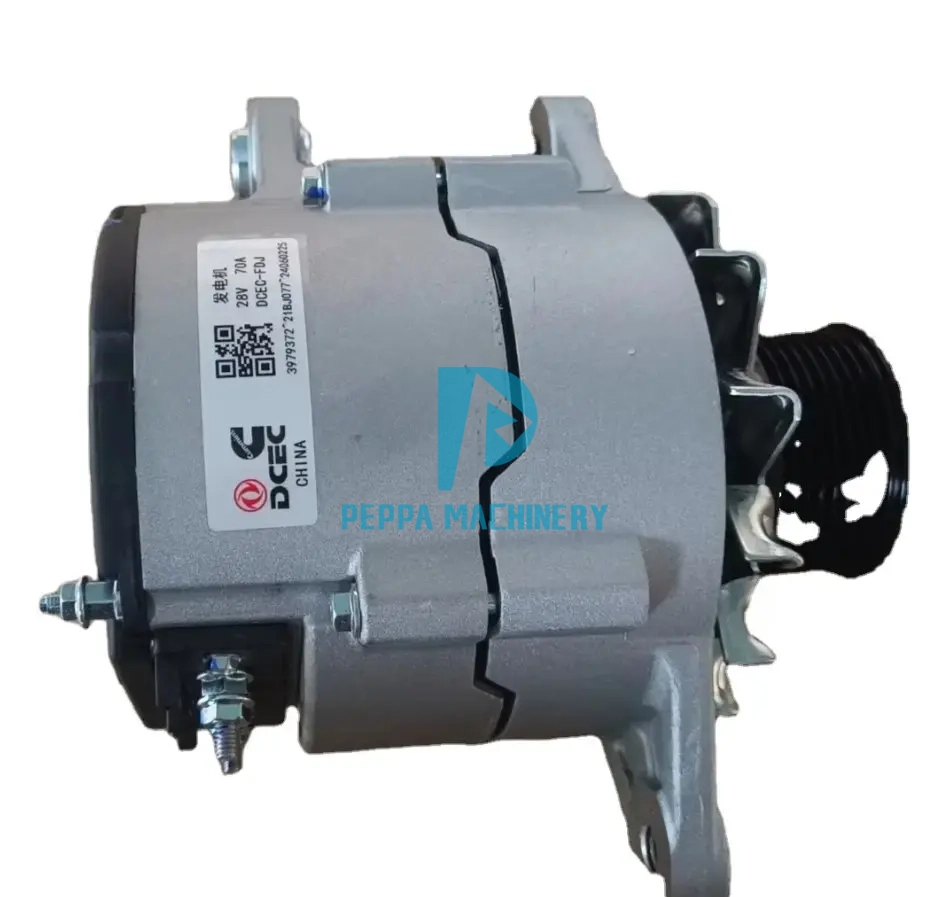
Cummins 24V AC Alternator - Genuine OEM Part #3979372 | Fits Mining & Construction Equipment
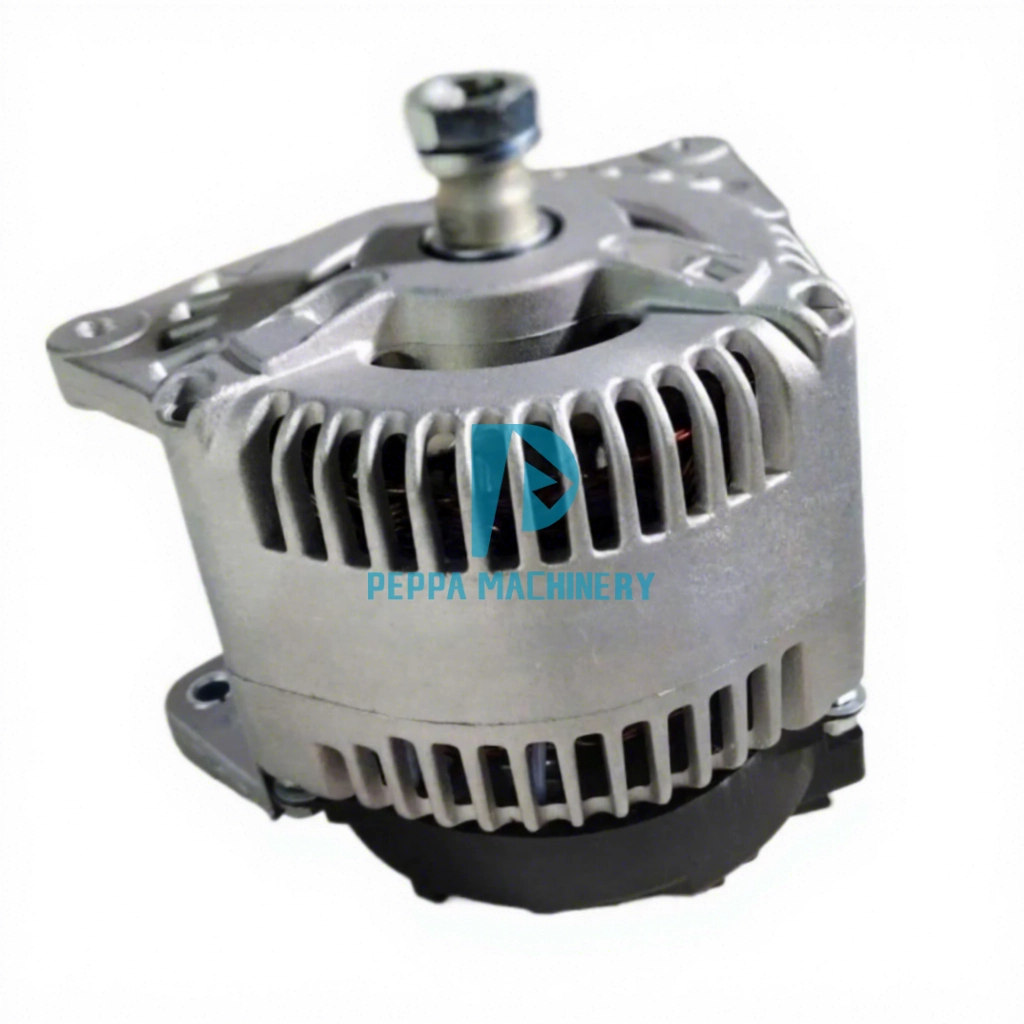
Direct Replacement Alternator for Caterpillar C4.4 & 3054C Industrial Engines | Part #4246821
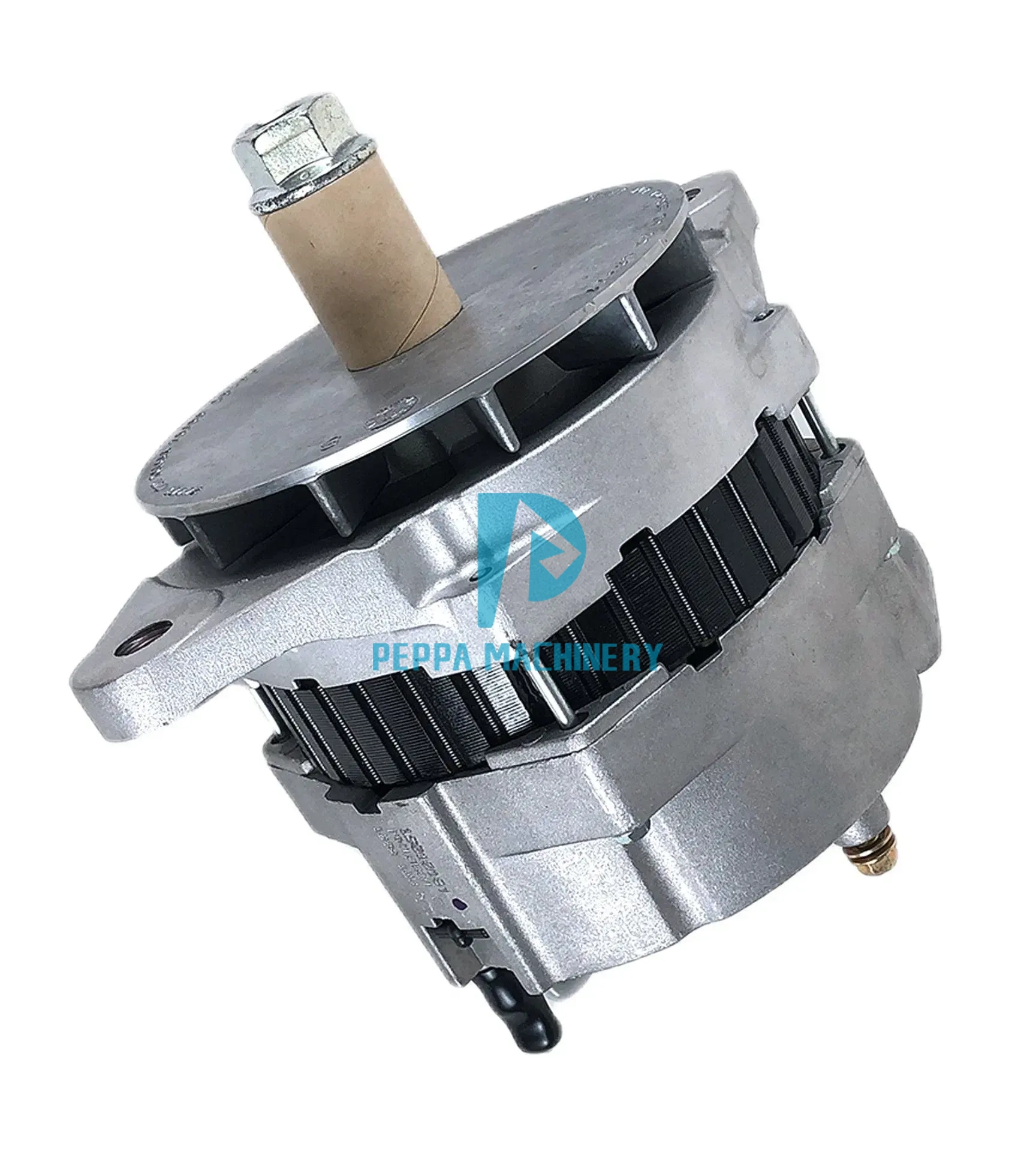
19010108 OEM Replacement Alternator for Diesel Engine Models | Fits Select Trucks & Excavators
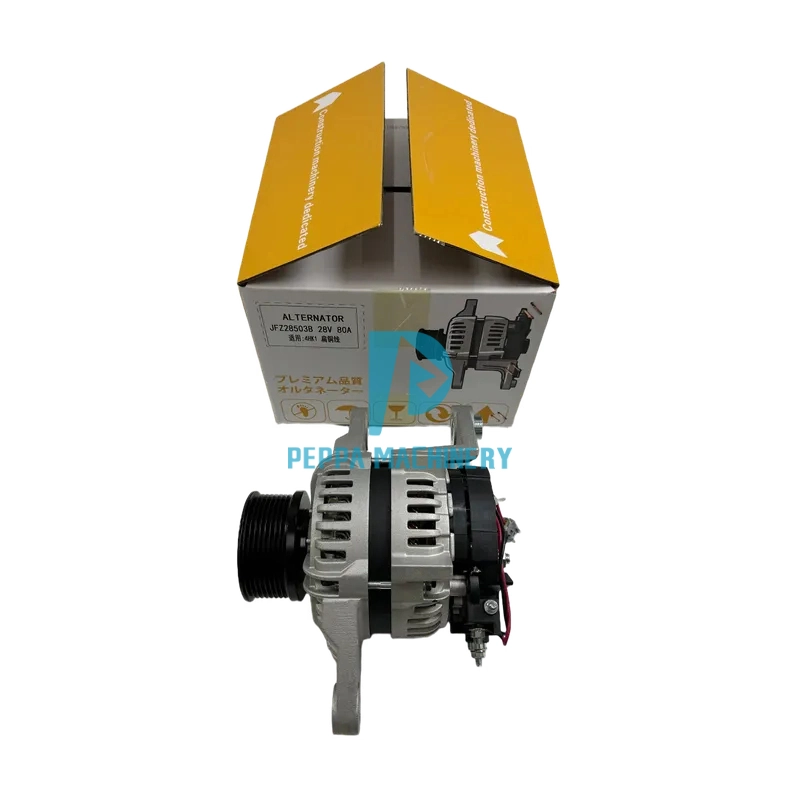
Excavator parts Alternator JF728503B for 4HK1
Excavator Parts
Do you provide technical support or installation guidance?
While we do not offer on-site installation, we can provide basic technical advice, diagrams, or documentation to assist your technicians with installation and troubleshooting.
How can I verify compatibility before placing an order?
Please provide us with your machine brand, model number, and the part number (if available). Our team will double-check the compatibility to ensure you receive the correct parts.
Can I get help choosing the right parts for my machine?
Yes. Our experienced sales team is here to provide professional recommendations and solutions based on your excavator model, part number, or specific requirements.
What brands of excavator parts do you supply?
We supply a full range of parts compatible with major international and Chinese brands, including Caterpillar, Komatsu, Hitachi, Volvo, Doosan, Hyundai, Sany, Liugong, XCMG, Zoomlion, and more.
What types of parts do you mainly offer?
Our main product categories include:
• Engine parts (liner kits, crankshafts, water/oil pumps, etc.)
• Electrical parts (sensors, monitors, throttle motors, wiring harnesses)
• Hydraulic parts (pumps, valves, cylinders)
• Sealing kits (NOK, SKF, PQ brands, floating seals, O-rings)
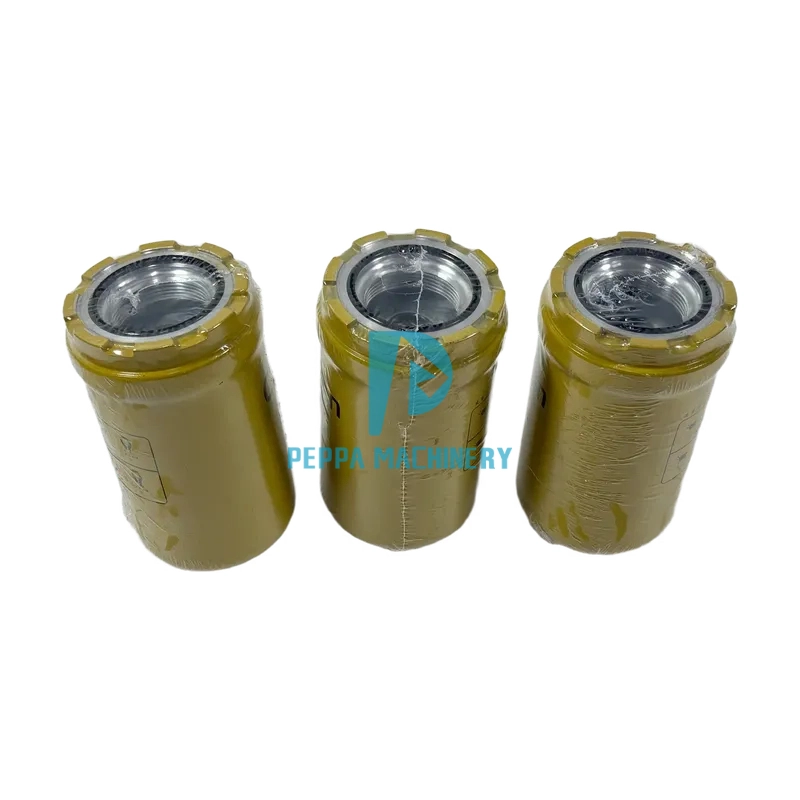
51-8670 Hydraulic Filter Applicable to HF35519 518670 2897836 518670X 1588987 Compatible with Caterpillar 352FVG 325CL
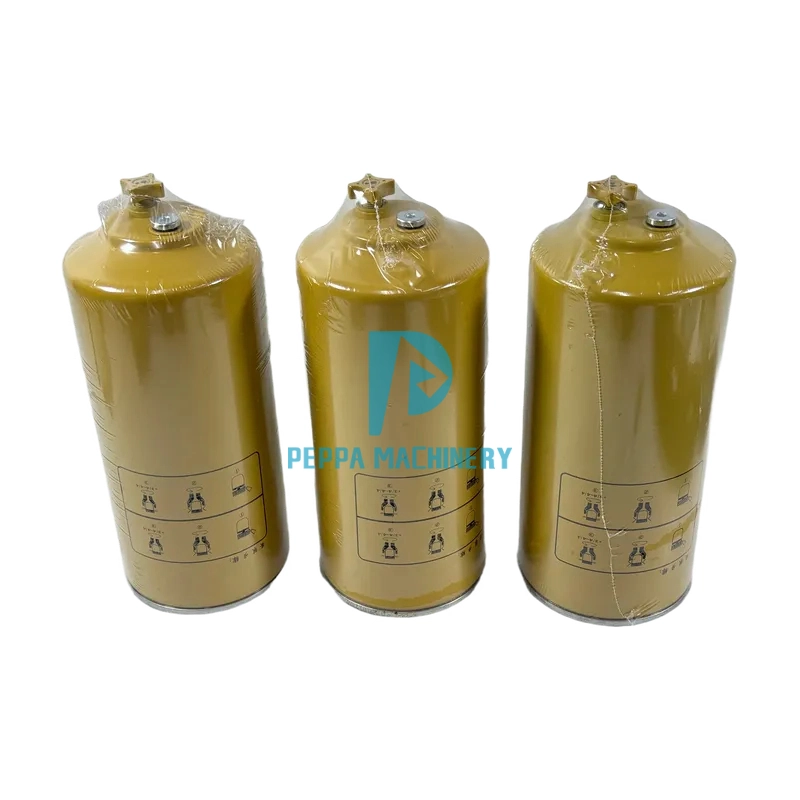
4385386 Fuel Water Separator Fuel Filter 382-0664 Oil-water Separator Hydraulic Oil Filter for CAT 312D2 320D2
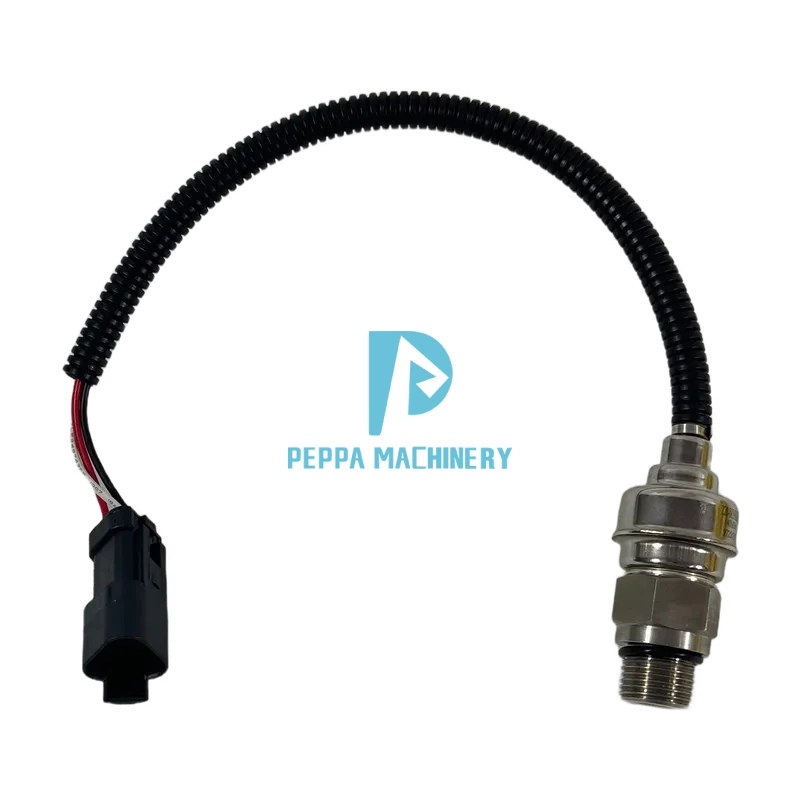
Pressure Sensor 221-8859 106-0178 for Caterpillar CAT 311B 311C 312C 314D 315B 320C 323D 324D 330C 336D 345B 385C
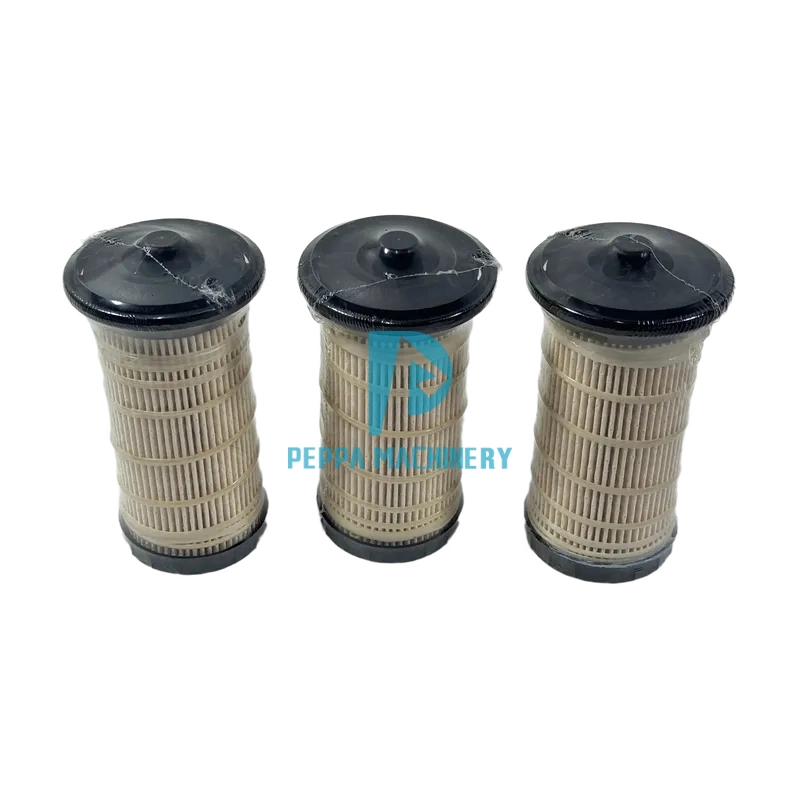
360-8960 Fuel Filter Element for Caterpillar C4.4 & C7.1 Engines | Fits 312D, 320D, 312E, 320E, 326D2, 336D2 Excavators
Get more information
Want to know more? Contact us today to get detailed product specifications, customized solutions, and a free consultation tailored to your needs.
Rest assured that your privacy is important to us, and all information provided will be handled with the utmost confidentiality.

Reliable Source for Quality Excavator Components.
Follow Us
Our Partners


Our Payment Methods


 High Quality
 7/24 Service
 Guaranteed Warranty
 Scan QR Code
Facebook
TikTok
YouTube
Pinterest
Twitter