








OEM vs aftermarket fuel injector nozzles: which to buy?
- Introduction
- 1) How can I measure a diesel fuel injector nozzle's flow rate and spray pattern on-site without a professional test bench?
- 2) What specific wear indicators on the nozzle tip predict imminent injector failure for excavator diesel engines?
- 3) Can I safely use a lower-cost aftermarket nozzle tip in a common-rail excavator without recalibrating the ECU or changing injectors?
- 4) When ordering replacement nozzle tips for Komatsu/Cat/Hitachi, how do I decode nozzle part numbers and CAV/DN codes to ensure fit and flow match?
- 5) Is reconditioning (ultrasonic cleaning + new needle & seat) as reliable as buying a new OEM nozzle for heavy-duty excavator duty cycles?
- 6) How do variations in nozzle spray angle and hole count affect low-RPM lugging and soot on hydraulic excavator engines?
- Conclusion: Advantages of choosing the right nozzle strategy (OEM, remanufactured, or trusted aftermarket)
Introduction
This guide answers six specific, pain-point questions excavator owners and maintenance teams ask when sourcing diesel fuel injector nozzles for heavy equipment. The focus is on measurable tests, fitment and calibration risks, decoding nozzle codes, and realistic performance expectations when choosing OEM, remanufactured, or aftermarket nozzle tips for Komatsu, Caterpillar, Hitachi and other excavator platforms. Embedded here are diesel injector nozzle, nozzle tip, spray pattern, flow rate and injector calibration insights you can use immediately when purchasing parts.
1) How can I measure a diesel fuel injector nozzle's flow rate and spray pattern on-site without a professional test bench?
Why this matters: Incorrect flow or a distorted spray pattern causes poor combustion, higher fuel consumption, black smoke, and rapid soot loading of the DPF/turbo on modern excavators. Many on-line answers are superficial; a robust, safe on-site check can tell you whether a nozzle is grossly out of spec before ordering replacements.
Step-by-step on-site method (relative test — not a substitute for a bench):
- Safety first: work in a well-ventilated area, depressurize the fuel system, wear PPE. For common-rail systems, only perform low-pressure checks unless you have certified tools.
- Remove the injector assembly according to the OEM service manual. If you cannot remove it, you cannot reliably test the nozzle.
- Set up a stable fuel supply (clean diesel or test fluid) and a return line into a graduated cylinder or accurate measuring container. Use a controlled low-pressure pump (or the engine’s fuel pump at cranking) to actuate injectors in timed bursts of known duration — e.g., 10 crank cycles or a defined test pulse from a low-voltage bench adapter where safe.
- Measure volume: collect fuel output per injector for identical test pulses and compare to a known-good injector from the same bank. For common-rail injectors flow is often evaluated in mg/stroke or mm3/stroke; on-site you will get relative ml/unit-time. Good rebuild shops accept ±3–5% deviation vs a matched reference.
- Spray pattern check: direct the nozzle into a clear glass cylinder filled with a small amount of fuel or a water-based, low-flammability spray test fluid. Trigger short pulses and visually inspect the cone: look for symmetrical cone, no large drips after pulse (indicates needle seating leak), and no fragmented jetting. Photograph or record for supplier comparison.
- Compare results: if flow differs more than ~5% or the spray cone is asymmetric/streaming rather than atomized, the nozzle needs bench testing or replacement.
Limitations and recommendations: On-site checks give a relative assessment. Accurate flow rate, spray angle (degrees) and micro-leakage require an injector test bench (common-rail bench at specified pressure e.g., 1,600–2,000 bar for many modern systems). Always send suspect nozzles to a certified bench for final calibration and certification before critical installations.
2) What specific wear indicators on the nozzle tip predict imminent injector failure for excavator diesel engines?
Why this matters: Catching nozzle wear early prevents downtime and catastrophic cylinder damage. Generic advice exists, but diagnostic thresholds are often missing.
Key wear indicators and what they mean:
- Orifice enlargement or uneven hole edges — measured under microscope or comparator. A change >5% in diameter versus OEM spec typically alters flow and spray pattern enough to require replacement.
- Rounded or eroded needle seat contact surface — results in leakage after the injection pulse, poor atomization and black smoke. If you see burn marks or pitting at the seat, plan for replacement rather than polishing.
- Asymmetric spray cone or multiple jets merging — indicates damaged nozzle holes or partial clogging causing erratic combustion and increased NOx/soot.
- Excessive carbon build-up that won’t remove with ultrasonics — suggests repeated soft-fouling and possible thermal damage to the nozzle material or coating.
- Needle scuffing or lateral play — measured by feeler gauge or microscope; indicates mechanical wear that causes inconsistent shut-off and dribble.
- Metallic scoring or galling on the nozzle body — can prevent proper sealing and alignment, leading to leaks and pressure loss.
Practical decision rules:
- If orifice diameter or spray cone differs by more than ~5–7% relative to the OEM spec or a matched known-good nozzle, replace the nozzle. Small visual differences compound under load.
- If the injector shows leakage after pulse or prolonged dribble, do not reinstall: bench test and replace nozzle tip or the whole injector.
- When in doubt, send to a remanufacturer or OEM service center for bench certification. Excavator duty cycles and high-hour machines demand tight tolerances.
3) Can I safely use a lower-cost aftermarket nozzle tip in a common-rail excavator without recalibrating the ECU or changing injectors?
Why this matters: The temptation to save on parts can cause poor drivability, emissions failures, and ECU fault codes if nozzle flow or spray pattern diverges from the original spec.
Short answer: maybe — but only if the aftermarket nozzle is proven to match OEM flow, spray angle, material hardness and nozzle code within tight tolerances (typically ±3%).
Detailed considerations:
- Modern common-rail ECUs rely on matched injector behavior. Small changes in injector flow or latency can cause the ECU to log misfire, over-fueling or imbalance errors.
- Some high-tier aftermarket suppliers (and authorized remanufacturers) produce nozzle tips to OEM dimensions and provide flow-matched sets or bench test certificates. These are generally safe if you verify documentation and warranty.
- Lower-tier nozzles may differ in spray angle, metallurgy or hole finish. Those differences are not always compensated by ECU adaptations and can cause black smoke, reduced torque, increased fuel use or DPF/Turbo problems.
- If replacing only nozzle tips (not full injectors), you must ensure the replacement tip is the correct nozzle code or flow-matched to the injector body and ECU mapping. Otherwise, recalibration or injector matching on a bench is required.
Best practice: request a bench flow curve and spray pattern photo from the supplier. Use only aftermarket nozzle tips from reputable manufacturers with traceable test reports and a warranty that covers failure under heavy-duty excavator duty cycles.
4) When ordering replacement nozzle tips for Komatsu/Cat/Hitachi, how do I decode nozzle part numbers and CAV/DN codes to ensure fit and flow match?
Why this matters: Ordering by part number alone can result in physically compatible but hydraulically incompatible nozzles. Nozzle codes contain the flow/angle data you must match.
How to decode and confirm fitment:
- OEM part numbers usually identify the complete injector assembly. Nozzle tips often carry a code (CAV/DN/EC or supplier-specific codes) that denotes orifice size, hole count and spray angle. The owner's manual or parts catalog lists the valid nozzle codes for each engine serial range.
- Common interpretation: a nozzle code (e.g., “DN” or “0 434 250 XXX”) is cross-referenced in Bosch/Denso/Delphi catalogs to a flow characteristic table (flow at given pressure, spray cone angle, hole count). For excavator engines, always cross-check engine model, serial number and turbo configuration.
- Ask the supplier for the nozzle code and a bench flow certificate (showing mm3/stroke or mg/stroke at specified pressure). If they cannot provide it, do not proceed for critical machines.
- When in doubt, provide the OEM injector serial number and the engine serial number to the supplier — many OEMs mandate the engine SN to ensure correct mapping and emissions compliance.
Practical tip: document the old nozzle code before removing injectors. Photograph the marking and transcribe it. Your supplier will cross-reference codes to ensure true flow and spray match rather than relying only on physical fit.
5) Is reconditioning (ultrasonic cleaning + new needle & seat) as reliable as buying a new OEM nozzle for heavy-duty excavator duty cycles?
Why this matters: Reconditioning can be cost-effective, but for heavy, continuous-duty excavators the lifetime and reliability expectations are higher than small engines.
What to expect from quality reconditioning:
- Reconditioning that includes ultrasonic cleaning, precision lapping, replacement of needle and seat, and bench-flow calibration can restore nozzle performance to near-OEM specifications — provided worn or heat-damaged components are replaced, not simply reworked.
- Limitations: metal fatigue, heat-affected zones and micro-cracking in the nozzle body or needle cannot always be fixed. On high-hour units you may have little remaining service life even after a rebuild.
- Verified remanufacturers will bench-test each injector and issue a flow report and warranty. These units can be as reliable as new if the reman shop follows OEM tolerances, uses equivalent materials and performs final calibration at operating pressures.
Decision factors:
- For fleets or high-hour machines in continuous service (excavation, mining), new OEM nozzles or fully remanufactured injectors with documented bench calibration are recommended.
- For cost-sensitive repairs or older machines near end-of-life, a high-quality reman nozzle tip with flow certification is an acceptable compromise. Require a warranty and test data.
In short: a certified remanufactured nozzle calibrated on an injector test bench can approach OEM reliability — but unverified cleaning-and-replace services often fall short for heavy excavation duty.
6) How do variations in nozzle spray angle and hole count affect low-RPM lugging and soot on hydraulic excavator engines?
Why this matters: Excavator operating profiles involve frequent low-speed, high-torque work. Incorrect spray geometry amplifies soot and poor low-end response.
Technical explanation:
- Spray cone angle controls penetration vs. dispersion. Narrow cones (smaller angle) penetrate deeper into the combustion chamber — beneficial at high load and high swirl but poor for low-speed, low-air scenarios because mixing is worse and incomplete combustion creates soot.
- Hole count and per-hole orifice size determine droplet size distribution. More holes with smaller per-hole flow improve atomization and reduce soot formation at low rpm; fewer larger holes give higher penetration but coarser droplets.
- Modern combustion relies on precisely matched nozzle geometry for the chamber shape, compression ratio and turbocharger/air management. Deviating nozzle spray angle/hole count from OEM spec can cause lugging, black smoke and increased particulate emissions.
Practical guidance:
- Match OEM nozzle code. If you must change geometry (e.g., to reduce soot), consult engine OEM technical guidance — many engines can accept multiple nozzle codes listed in the parts catalog for different operating environments.
- For excavators that operate mostly at low RPM and intermittent heavy loads (digging), prefer nozzle tips with slightly wider cone angles and higher hole counts as specified by OEM low-load kits, if available.
- Always verify the result with smoke opacity and fuel consumption logging — objective data will tell whether the change improved lugging or increased fuel use.
Conclusion: Advantages of choosing the right nozzle strategy (OEM, remanufactured, or trusted aftermarket)
Choosing the correct fuel injector nozzle (nozzle tip) for excavators balances cost, reliability and emissions compliance. OEM new nozzles provide guaranteed fit, traceability and full service life with minimal risk — best for high-duty and emissions-critical machines. Certified remanufactured injectors/nozzles can match OEM performance at lower cost if they include bench flow certificates, nozzle codes and a warranty. Lower-cost aftermarket tips may be acceptable only when the supplier provides test data and a documented match to the OEM nozzle code; otherwise the cost savings are often offset by higher fuel consumption, higher emissions, and unpredictable downtime.
When ordering, insist on nozzle code verification, bench flow curves, spray pattern photos, material specifications and a warranty. For any critical installation, request a matched set and bench calibration to ensure injector calibration and spray pattern conformity.
Contact us for a quote and certified nozzle options — www.jbpartsgz.com or jbparts@aliyun.com.

Isuzu SP 4JG1 4JG2 4JG3 Cylinder Liner 1876182070 1-87618207-0 1876182080 1-87618208-0 1876182100 1-87618210-0
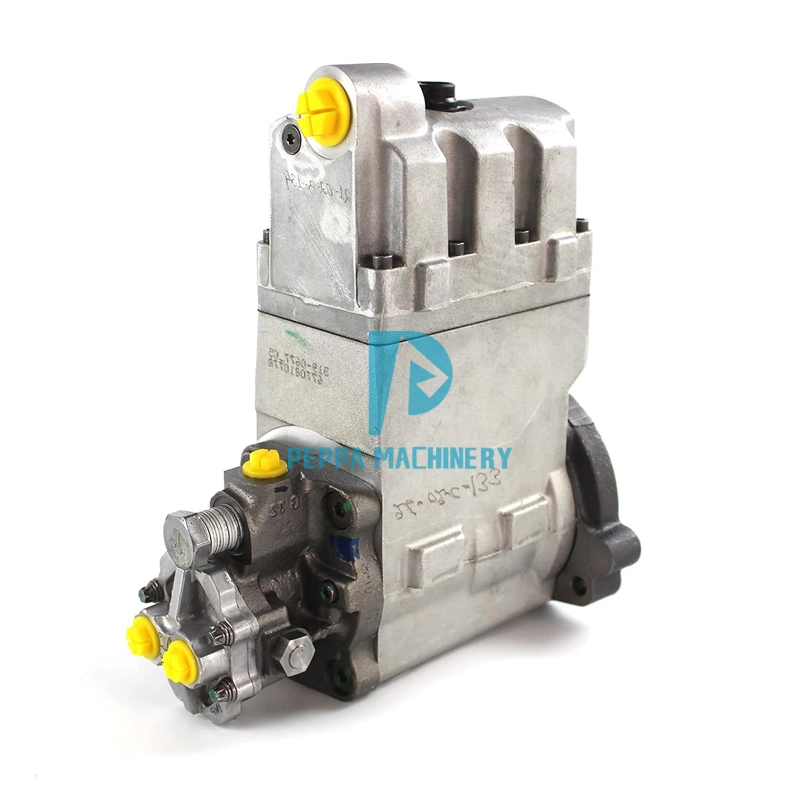
Fuel Feed / Transfer Pump Assembly for Caterpillar C7 & C9 Engines | Direct Replacement for OEM Parts #319-0678, 254-4358, 304-0678, 295-4778, 228-589
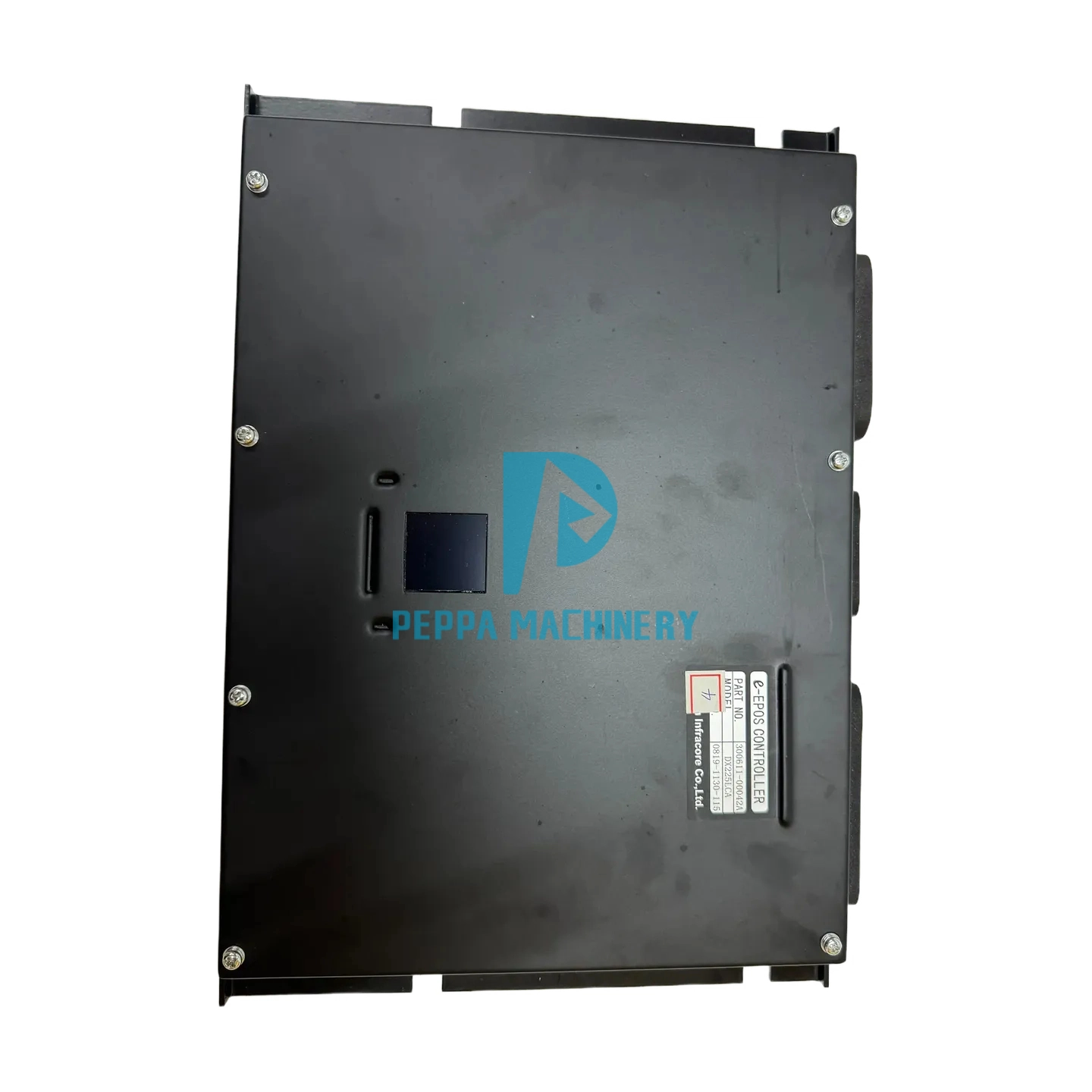
Excavator Accessories Excavator Controller DX225 DX225LCA E-EPOS Controller Computer Board 300611-00042 K1026740 K1001369C K1056425 ECU ECM

Isuzu Engine 6WG1 Turbo 1876183290 1-87618329-0 8981921861 8-98192186-1 14400-4441 1144004370 114400-4370 49188-018312 49188-11940
Excavator Parts
What brands of excavator parts do you supply?
We supply a full range of parts compatible with major international and Chinese brands, including Caterpillar, Komatsu, Hitachi, Volvo, Doosan, Hyundai, Sany, Liugong, XCMG, Zoomlion, and more.
Do you provide technical support or installation guidance?
While we do not offer on-site installation, we can provide basic technical advice, diagrams, or documentation to assist your technicians with installation and troubleshooting.
How can I verify compatibility before placing an order?
Please provide us with your machine brand, model number, and the part number (if available). Our team will double-check the compatibility to ensure you receive the correct parts.
Are your parts genuine or OEM?
We offer both genuine parts and high-quality OEM alternatives. You can choose according to your budget and application needs. All OEM products are tested to meet or exceed original specifications.
What types of parts do you mainly offer?
Our main product categories include:
• Engine parts (liner kits, crankshafts, water/oil pumps, etc.)
• Electrical parts (sensors, monitors, throttle motors, wiring harnesses)
• Hydraulic parts (pumps, valves, cylinders)
• Sealing kits (NOK, SKF, PQ brands, floating seals, O-rings)
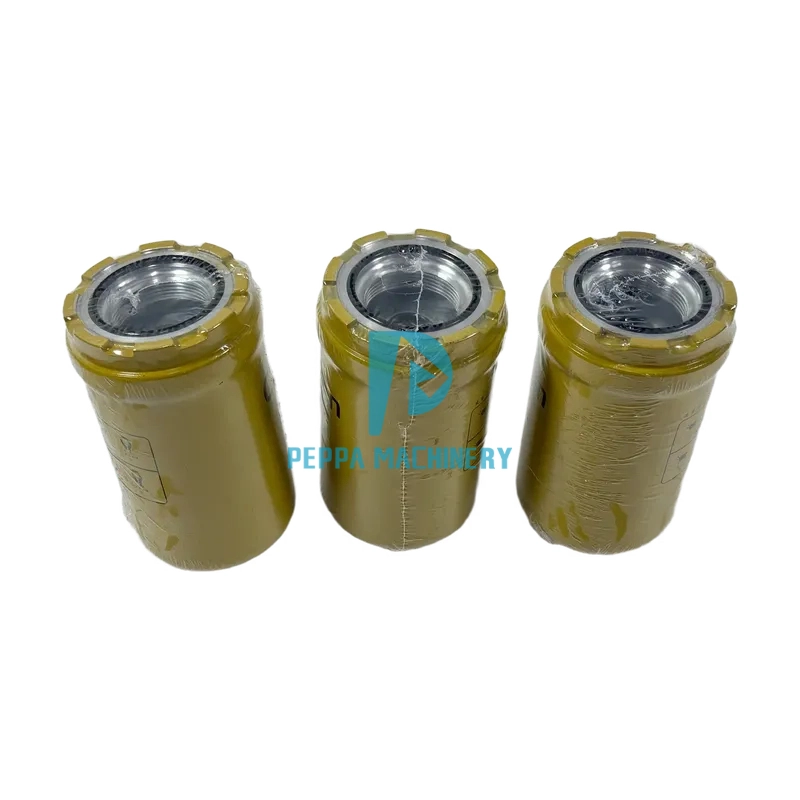
51-8670 Hydraulic Filter Applicable to HF35519 518670 2897836 518670X 1588987 Compatible with Caterpillar 352FVG 325CL
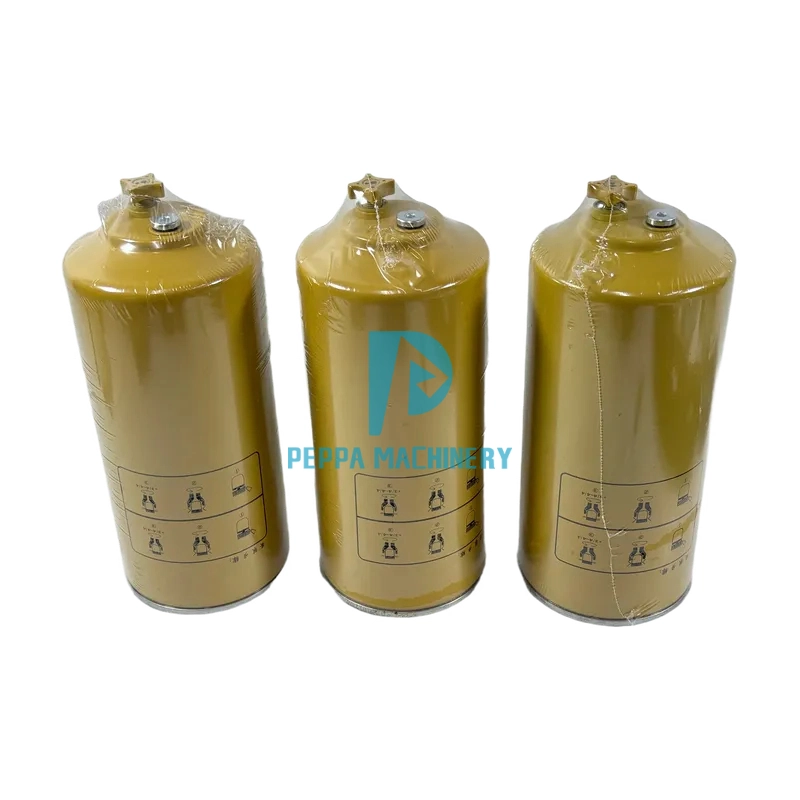
4385386 Fuel Water Separator Fuel Filter 382-0664 Oil-water Separator Hydraulic Oil Filter for CAT 312D2 320D2
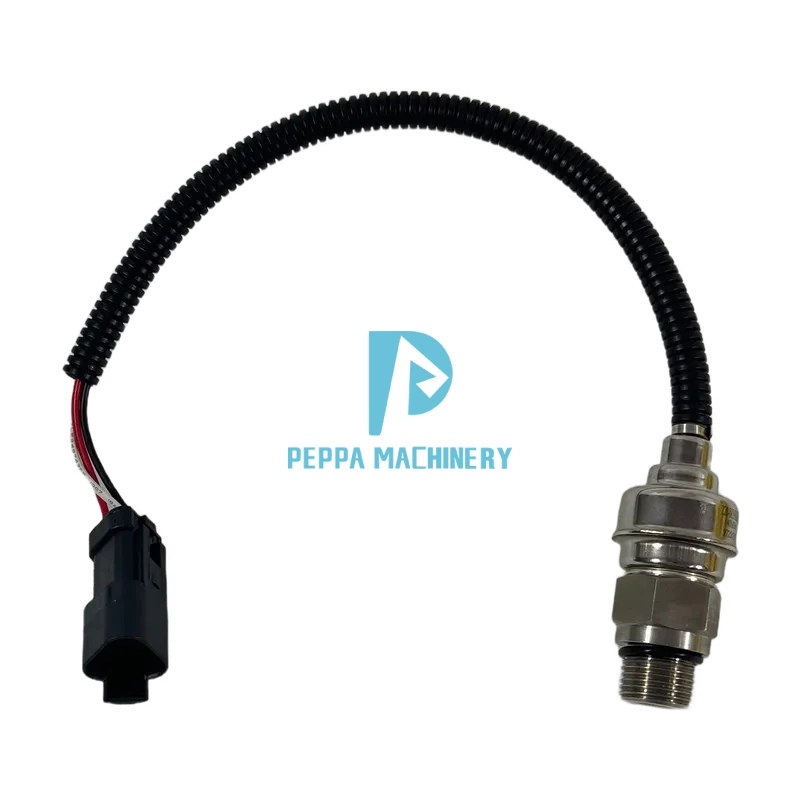
Pressure Sensor 221-8859 106-0178 for Caterpillar CAT 311B 311C 312C 314D 315B 320C 323D 324D 330C 336D 345B 385C
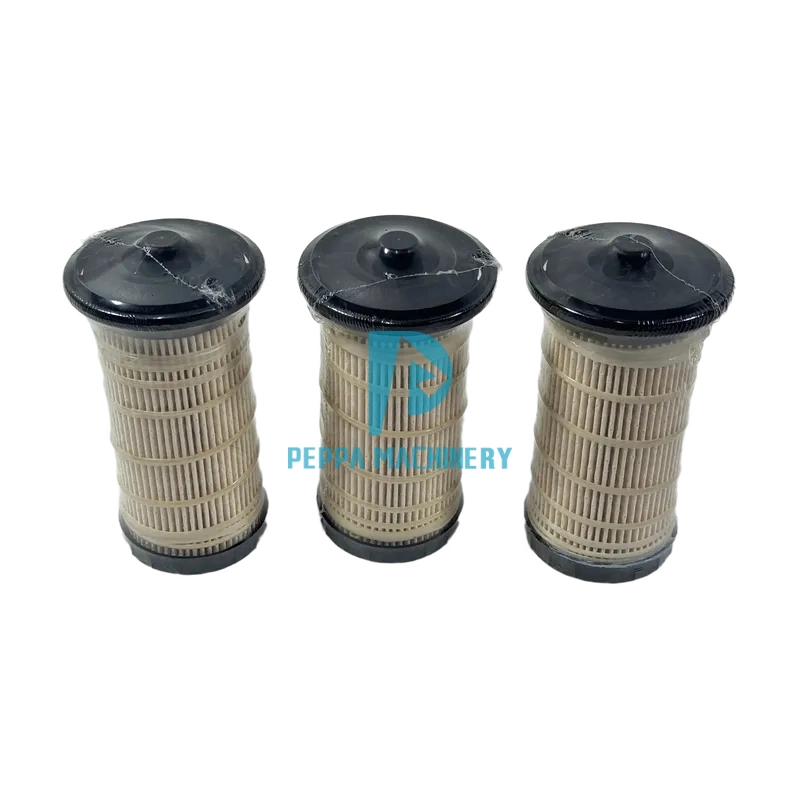
360-8960 Fuel Filter Element for Caterpillar C4.4 & C7.1 Engines | Fits 312D, 320D, 312E, 320E, 326D2, 336D2 Excavators
Get more information
Want to know more? Contact us today to get detailed product specifications, customized solutions, and a free consultation tailored to your needs.
Rest assured that your privacy is important to us, and all information provided will be handled with the utmost confidentiality.

Reliable Source for Quality Excavator Components.
Follow Us
Our Partners


Our Payment Methods


 High Quality
 7/24 Service
 Guaranteed Warranty
 Scan QR Code
Facebook
TikTok
YouTube
Pinterest
Twitter