








OEM vs aftermarket alternators: which is best for excavators?
- 1) How do I size an alternator for a 20-ton excavator if I’m adding LED work lights, camera systems, a heater and telemetry?
- 2) My excavator charges fine at high RPM but the battery drains at low idle — can I retrofit a regulator or replace the alternator to fix low-idle charging?
- 3) What alternator failure modes are unique to excavators (hydraulic and dusty environments) and how do I diagnose them in the field?
- 4) Are remanufactured (reman) OEM alternators reliable for excavators, and what quality criteria should I require before buying?
- 5) How do I verify alternator compatibility with CAN-bus or ECM-managed charging systems on modern excavators?
- 6) What is a realistic service life and maintenance schedule for alternators on excavators under heavy-duty use, and how does that affect whether I choose OEM or aftermarket?
Introduction
As a seasoned excavator-parts specialist and technical writer, this guide answers six highly specific, under-covered questions buyers face when choosing an alternator for excavators. It embeds practical checks — alternator output, regulator type, CAN-bus compatibility, remanufactured quality criteria and real maintenance steps — so fleet managers and technicians can make evidence-based purchases.
1) How do I size an alternator for a 20-ton excavator if I’m adding LED work lights, camera systems, a heater and telemetry?
Sizing an alternator for added electrical accessories requires a step-by-step, load-based approach rather than relying on vague amp ratings. For excavators the critical factors are continuous loads, inrush currents, low-idle charging capability and service environment.
Step-by-step sizing:
- Make a complete electrical load list: include OEM charging (battery float and recharge), starter-related loads if applicable, continuous accessories (GPS, telemetry modem, heated cab accessories), and peak/inrush loads (LED floods, camera heaters, electric hydraulic valves). Use manufacturer specs for each device (amps at operating voltage).
- Calculate continuous amperage: add all continuous loads. Example: 2 x 50W LED bars (100W) at 24V = 4.2A each if 24V system; convert to machine system voltage (typically 12V or 24V depending on model).
- Add peak/inrush margin: lighting and DC motors can draw 3–10x steady current briefly. Add 25–50% headroom to handle inrush without dropping system voltage.
- Add charging allowance: aggressive charging at low idle requires extra capability. Allow 20–40% additional amps above continuous loads to ensure the alternator can both supply accessories and recharge batteries during working cycles.
- Account for derating: alternator output is manufacturer-rated at a specified RPM and temperature. At low idle output can drop 30–60% depending on pulley ratio and design. Check the alternator’s output curve or OEM spec and size to ensure required amps at the machine’s minimum idle.
Rule-of-thumb sizing for excavators:
- Mini-excavators (compact): alternators commonly 35–70 A.
- Medium excavators (10–30 t): 70–150 A typical.
- Large excavators (>30 t): 150–250+ A, especially if many accessories or telematics.
Practical example (20-ton machine): if accessories require 40 A continuous and you need charging allowance + inrush headroom, target an alternator rated 80–120 A at the machine’s low-idle RPM. If the machine is 24V electrical system, convert accordingly.
If uncertain, measure real-world currents with a clamp meter during typical operation (lights on, telematics active, low idle) — this empirical approach reduces oversizing or under-sizing. Consider adding an auxiliary battery bank or DC-DC charger when adding large accessory loads instead of oversizing the primary alternator.
2) My excavator charges fine at high RPM but the battery drains at low idle — can I retrofit a regulator or replace the alternator to fix low-idle charging?
Symptoms where charging voltage is adequate at high RPM but falls at low idle come from one or several root causes: alternator design not delivering rated output at low RPM, pulley ratio mismatch, worn brushes/diodes, voltage regulator behavior, or CAN-controlled charging profiles.
Diagnosis checklist:
- Measure system voltage at battery and alternator output at low idle and at higher RPM. A healthy charging system should typically show ~13.8–14.5 V under charge for 12V systems. For 24V systems look for ~27–28.5 V.
- Check belt condition and tension. Slippage reduces alternator RPM and output.
- Inspect alternator slip rings/brushes (if applicable). Worn brushes or pitted slip rings reduce low-speed excitation current and output.
- Test diode/rectifier for AC ripple using a multimeter (AC volts across battery while running). Excessive ripple (>0.5–1.0 VAC on 12V systems) signals diode failure.
- Verify regulator type: internal, external or CAN/LIN-controlled smart regulator. If the unit uses ECU-managed charging profiles (smart alternator), an aftermarket non-smart unit may not behave correctly.
Repair/retrofit options:
- If the alternator is a conventional internally-regulated unit and brushes/diodes are worn, rebuild or fit a reman/new unit with identical low-RPM performance curve.
- If low-idle output is due to pulley ratio, change to a smaller-diameter alternator pulley (or larger crank pulley) only per OEM guidance; incorrect ratios can harm bearings and reduce service life.
- If the machine has a smart/CAN-controlled charging system, retrofit should use a CAN-compatible alternator or a smart external regulator module designed for that machine. Simply fitting a generic aftermarket alternator with a fixed regulator often causes undercharging at idle or ECM fault codes.
Cost-effective interim fix: add an auxiliary battery and a DC-DC charger that provides stable charging to accessories and batteries at low RPM, preserving alternator life while addressing immediate charging needs.
3) What alternator failure modes are unique to excavators (hydraulic and dusty environments) and how do I diagnose them in the field?
Excavators operate in high-vibration, dusty, sometimes wet and oil-contaminated environments. This creates failure modes more common than in on-road vehicles:
Common excavator-specific failure modes:
- Bearing wear due to ingress of dust, water, or hydraulic/oil contamination — leads to noise, increased shaft play, and premature seizure.
- Slip-ring and rotor contamination from oil or dust — causes poor brush contact and intermittent charging.
- Rectifier/diode failure from voltage spikes produced by starter-generator interactions or poor battery connections.
- Thermal degradation from restricted airflow (excavator engine bays can trap heat), shortening insulation and diodes’ life.
- Mechanical damage from impact or dropped tools, bent mounting flanges or misalignment.
Field diagnostic steps (fast and effective):
- Visual inspection: check for oil, grease, broken fins, cracked housings, disconnected wires, and harness chafing.
- Belt and pulley check: ensure correct tension and alignment; look for glazing or oil contamination.
- Voltage measurement: battery voltage with engine off (resting) and with engine idling. Charging voltage below 13.2 V (12V system) at working rpm usually indicates a problem.
- Ripple/diode test: measure AC ripple voltage across the battery while running. High ripple indicates rectifier diode failure.
- Current test: use a clamp meter to measure charging current at idle and under load to verify output meets expectations.
- Audible checks: grinding or growling usually implies bearing failure; intermittent charging often indicates brush or slip ring issues.
Maintain a failure log: record hours, operating environment (dusty, wet), and previous alternator work. In dusty or contaminated environments, shorter inspection intervals (e.g., every 250–500 hours) are prudent.
4) Are remanufactured (reman) OEM alternators reliable for excavators, and what quality criteria should I require before buying?
Remanufactured OEM alternators can be a cost-effective solution when done to strict standards. The difference between a reliable reman and a poor rebuild is process control, parts replaced, and testing.
Quality criteria to require:
- Core traceability: supplier should trace the reman to OEM part numbers and produce a remanified unit that meets the same mechanical fit and electrical output curve.
- Components replaced: new bearings, new rectifier/diodes, new voltage regulator (or fully tested if retained), new brushes and slip rings turned/reconditioned to spec. Stator and rotor windings should be tested for insulation resistance.
- Load testing: 100% load-test to rated amps and at temperatures representative of under-hood conditions. Demand a test certificate showing output at specified RPMs (including low-idle figures if critical).
- Environmental protection: re-seal and add proper IP ratings where needed for dusty/wet excavator service.
- Warranty: a minimum 12-month or defined operating-hours warranty (longer for fleet use) indicates supplier confidence.
When to prefer reman OEM:
- The machine is older and OEM new part is costly or discontinued, but cores and parts exist.
- You need OEM fit and mounting patterns but want lower cost than new.
When to avoid reman:
- No documentation of testing or component replacement.
- The alternator will operate in extreme conditions and the reman supplier lacks proven heavy-equipment experience.
Examples of trusted practice: many large fleet owners use reman units from suppliers with ISO-certified facilities, documented load testing and component replacement records. Ask your reman vendor for the test sheet and warranty terms before purchase.
5) How do I verify alternator compatibility with CAN-bus or ECM-managed charging systems on modern excavators?
Modern excavators increasingly use intelligent charging: the ECM or an auxiliary controller manages alternator field current and charging profile via CAN or LIN signals. Replacing a smart alternator with a conventional one will often trigger fault codes, incorrect charging, or battery health issues.
Compatibility verification steps:
- Obtain the electrical schematic: the OEM parts manual or wiring diagram will indicate whether the alternator communicates with the ECM and if there is a separate external regulator or CAN/LIN link.
- Identify the alternator part number and regulator type: OEM part references often indicate “smart” or list CAN protocol. Compare to candidate replacement part numbers.
- Check for a dedicated regulator harness or communication lines: an aftermarket non-communicating unit cannot emulate ECM charging commands.
- Confirm software/firmware support: some aftermarket smart alternators require configuring an ID or module code to match the machine; ensure the supplier supports your machine model and year.
- Ask for a compatibility statement: a responsible aftermarket supplier will state which excavator models a given smart alternator supports and will supply a wiring harness or adapter if needed.
If your excavator uses a CAN-bus managed alternator and no compatible smart replacement exists, options are:
- Fit an OEM or OEM-equivalent smart alternator with documented compatibility.
- Use a diagnosed external regulator module that interfaces with CAN to provide proper charge profiles (rare, usually OEM solution required).
Incorrectly installing a non-compatible alternator can cause overcharging (damaging batteries/electronics) or undercharging (battery drain, starting problems) and trigger ECM derate or fault codes.
6) What is a realistic service life and maintenance schedule for alternators on excavators under heavy-duty use, and how does that affect whether I choose OEM or aftermarket?
Realistic service life depends on machine usage (hours per year), environment (dust, water, oil), and maintenance regimen. Typical ranges based on field data and fleet experience:
- Severe conditions (high dust, frequent wetting, heavy cyclic loads): 2,000–5,000 operating hours.
- Typical heavy construction duty: 4,000–8,000 hours.
- Light or well-maintained machines: 8,000+ hours possible.
Factors shortening life:
- Oil/water contamination, high ambient temperatures, long idle periods with heavy accessory loads, misaligned belts and improper tension, and mechanical shock.
Recommended maintenance schedule (fleet best practice):
- Daily/shift: quick visual check for oil, loose wiring, and belt condition.
- Every 250–500 hours (or sooner in severe environments): inspect wiring harness, belt tension, and clean cooling fins and ventilation paths.
- Every 1,000–2,000 hours: check brushes (if applicable), bearings for play or noise, and perform a charging load test; inspect rectifier diode behavior (ripple test).
How maintenance affects OEM vs aftermarket choice:
- For mission-critical fleets with predictable maintenance discipline, a high-quality aftermarket alternator from a reputable supplier with documented testing and warranty can match OEM performance and save cost.
- For minimal-maintenance or severe-environment machines where downtime is very costly, OEM or fully-certified reman with documented low-idle output curves and extended warranty reduces risk.
Decision model: weigh total cost of ownership (purchase price, downtime risk, warranty support and local parts/service availability). For multi-machine fleets, standardizing on one trusted OEM or tested aftermarket supplier simplifies stocking and reduces misfit errors.
Conclusion
Choosing the right alternator for an excavator is not just about amp numbers — it requires matching alternator output curves to low-idle performance, confirming regulator/CAN compatibility, understanding failure modes driven by dust and hydraulic environments, and evaluating remanufacture quality. OEM units excel in guaranteed compatibility and predictable service support; well-documented remanufactured or high-grade aftermarket alternators can offer comparable performance and savings if they include full testing, component replacement and a solid warranty. For machines with CAN/ECM-managed charging, prioritize smart/CAN-compatible units to avoid faults and improper charging.
For a quote or to confirm exact alternator part compatibility for your excavator model, contact us for a quote at www.jbpartsgz.com or email jbparts@aliyun.com. We can provide OEM, reman, and tested aftermarket options with load-test records and warranty details.
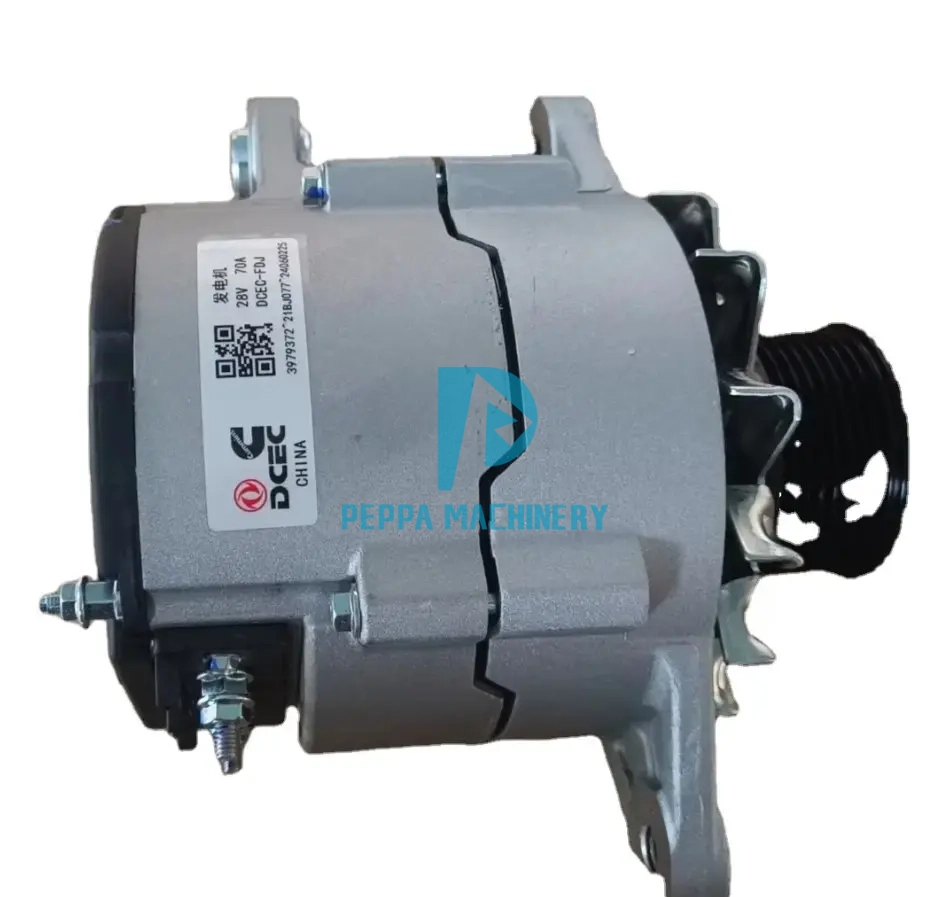
Cummins 24V AC Alternator - Genuine OEM Part #3979372 | Fits Mining & Construction Equipment
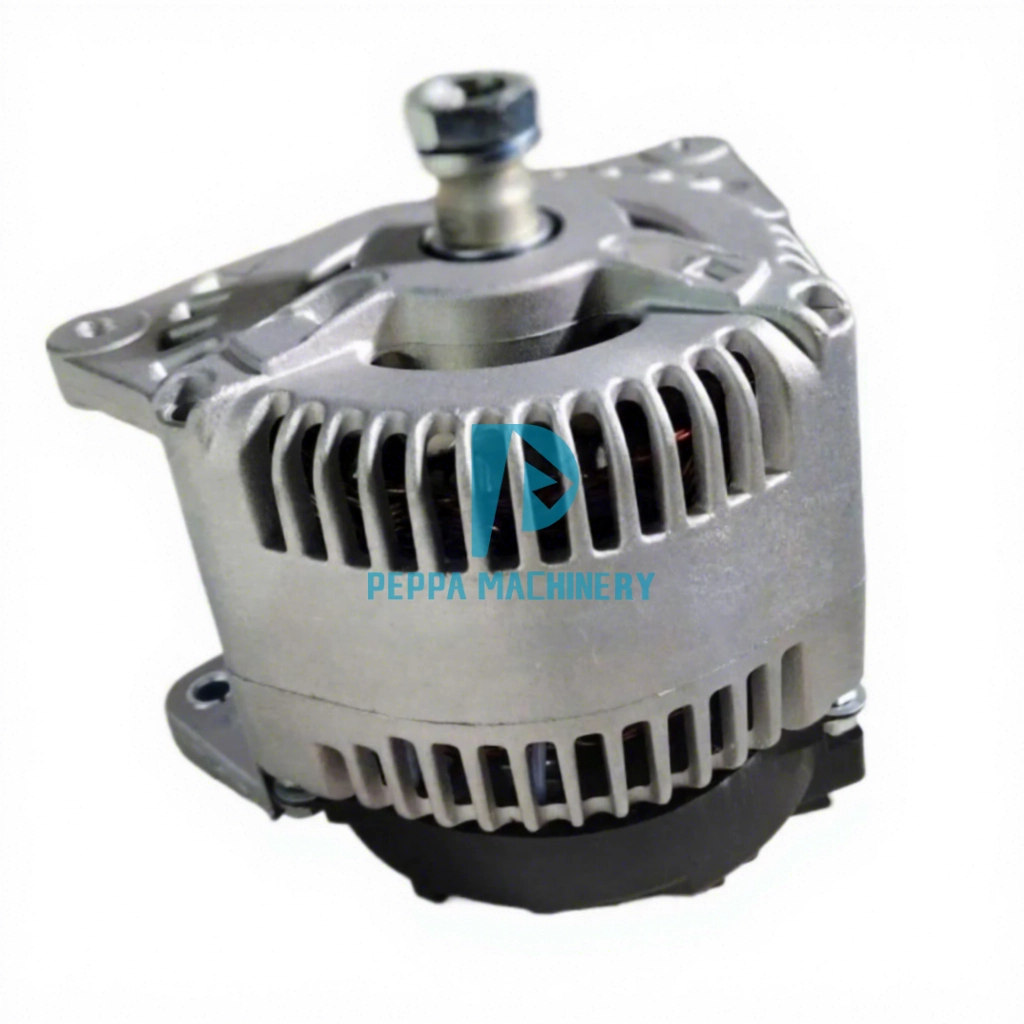
Direct Replacement Alternator for Caterpillar C4.4 & 3054C Industrial Engines | Part #4246821
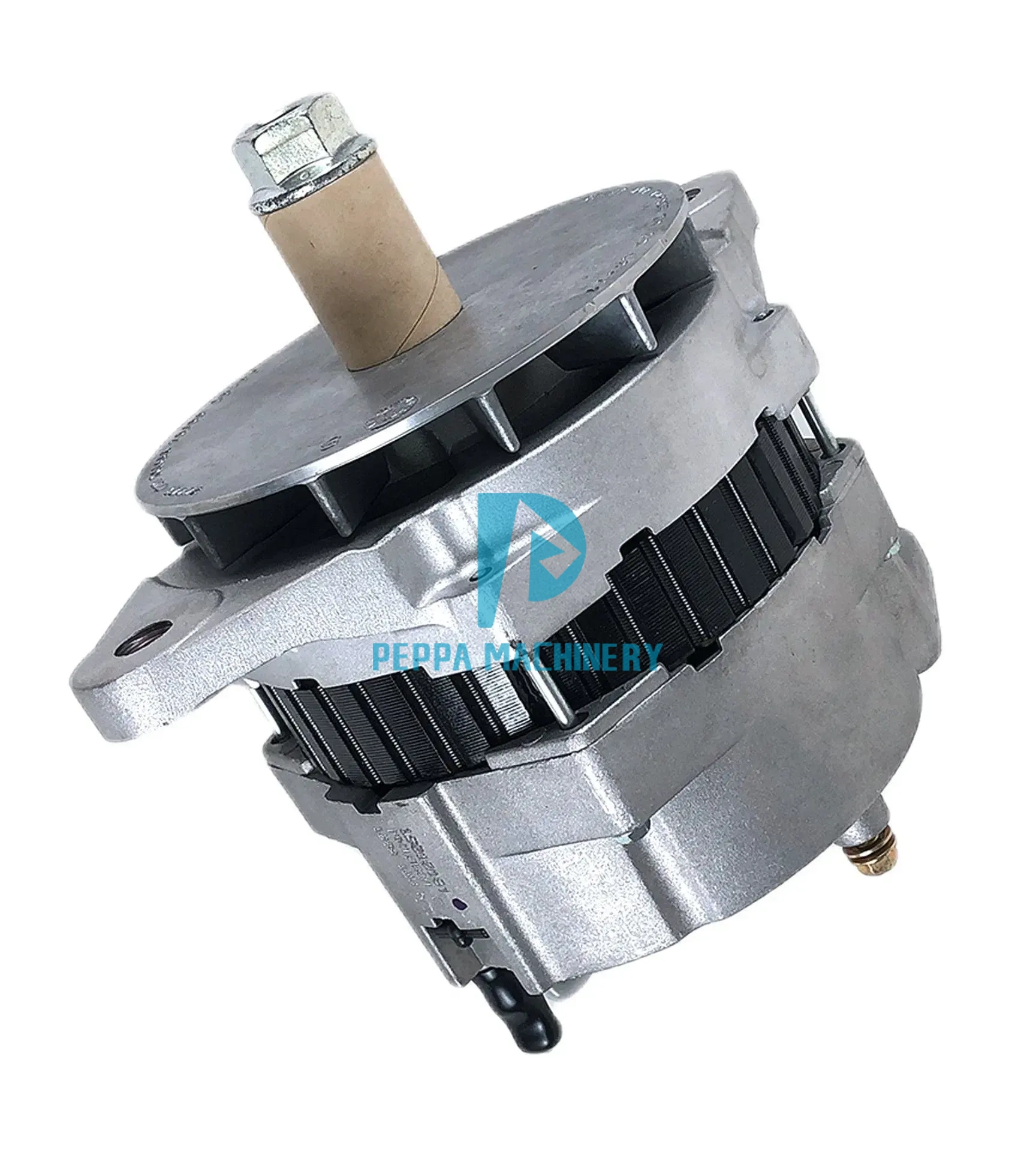
19010108 OEM Replacement Alternator for Diesel Engine Models | Fits Select Trucks & Excavators
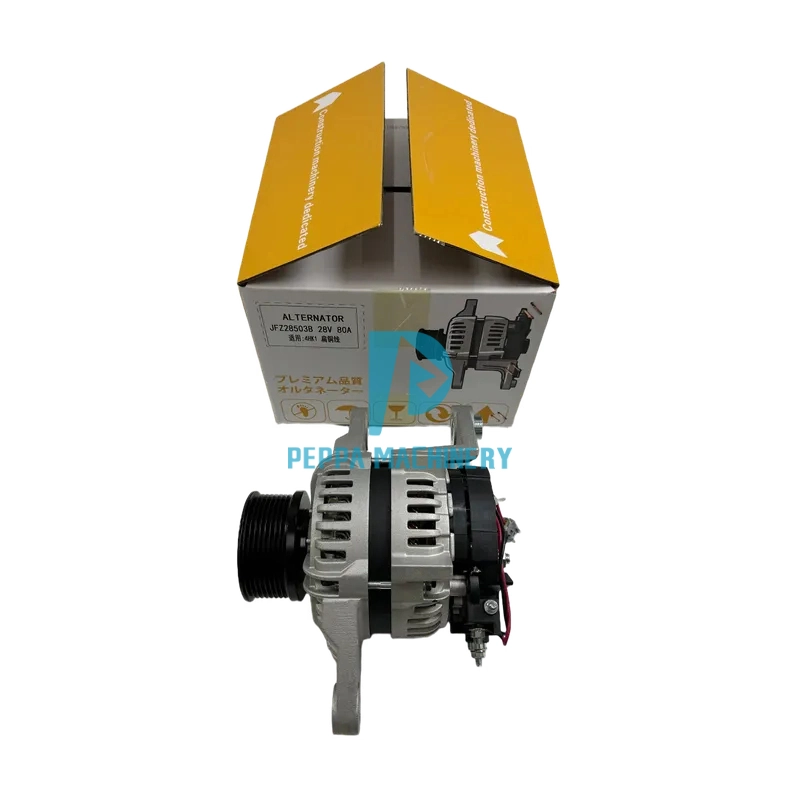
Excavator parts Alternator JF728503B for 4HK1
Excavator Parts
Are your parts genuine or OEM?
We offer both genuine parts and high-quality OEM alternatives. You can choose according to your budget and application needs. All OEM products are tested to meet or exceed original specifications.
Can I get help choosing the right parts for my machine?
Yes. Our experienced sales team is here to provide professional recommendations and solutions based on your excavator model, part number, or specific requirements.
What types of parts do you mainly offer?
Our main product categories include:
• Engine parts (liner kits, crankshafts, water/oil pumps, etc.)
• Electrical parts (sensors, monitors, throttle motors, wiring harnesses)
• Hydraulic parts (pumps, valves, cylinders)
• Sealing kits (NOK, SKF, PQ brands, floating seals, O-rings)
What brands of excavator parts do you supply?
We supply a full range of parts compatible with major international and Chinese brands, including Caterpillar, Komatsu, Hitachi, Volvo, Doosan, Hyundai, Sany, Liugong, XCMG, Zoomlion, and more.
Do you provide technical support or installation guidance?
While we do not offer on-site installation, we can provide basic technical advice, diagrams, or documentation to assist your technicians with installation and troubleshooting.
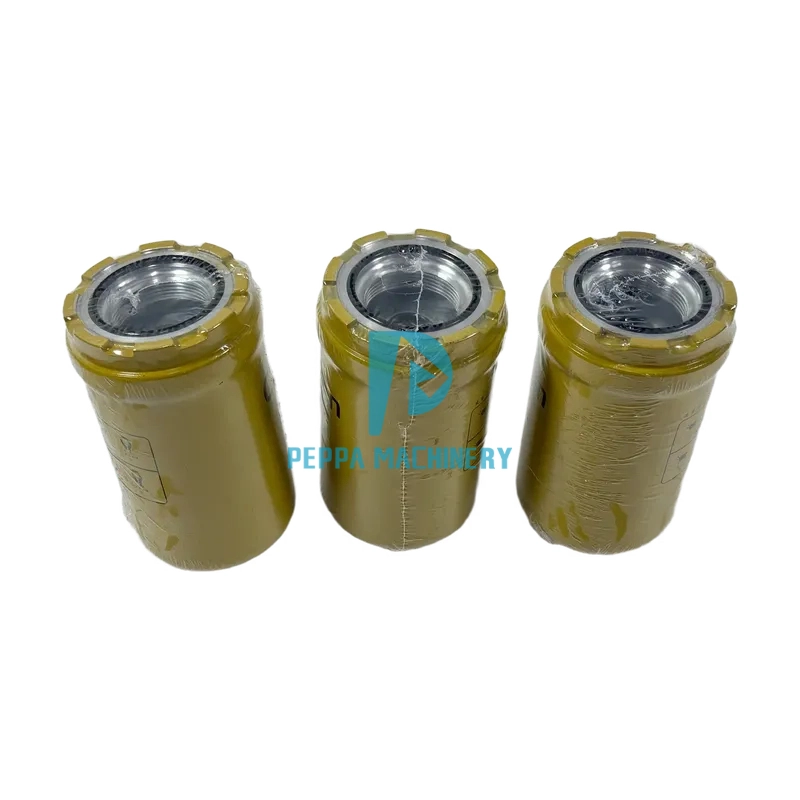
51-8670 Hydraulic Filter Applicable to HF35519 518670 2897836 518670X 1588987 Compatible with Caterpillar 352FVG 325CL
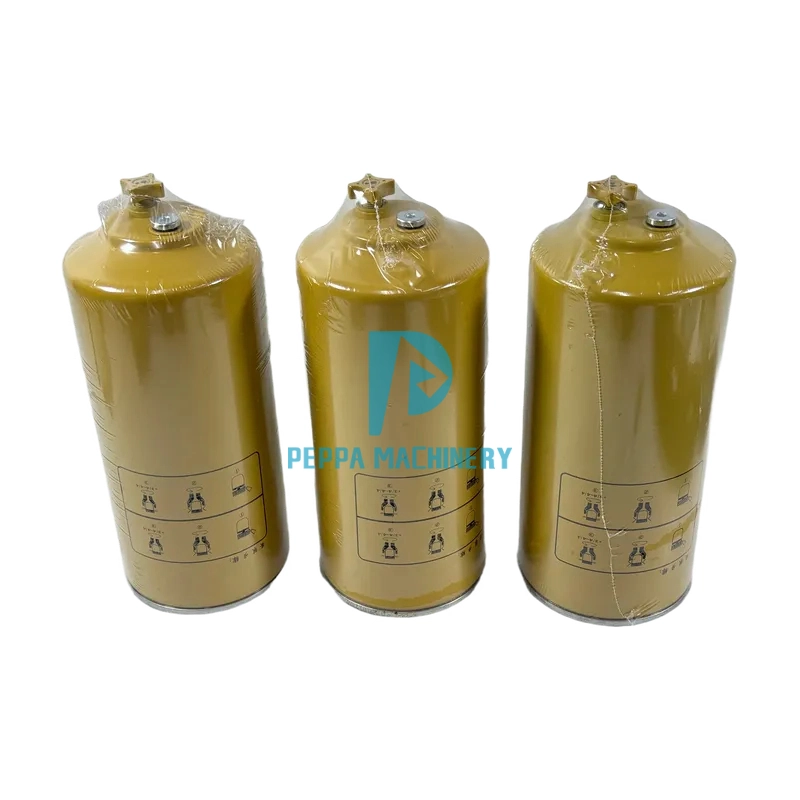
4385386 Fuel Water Separator Fuel Filter 382-0664 Oil-water Separator Hydraulic Oil Filter for CAT 312D2 320D2
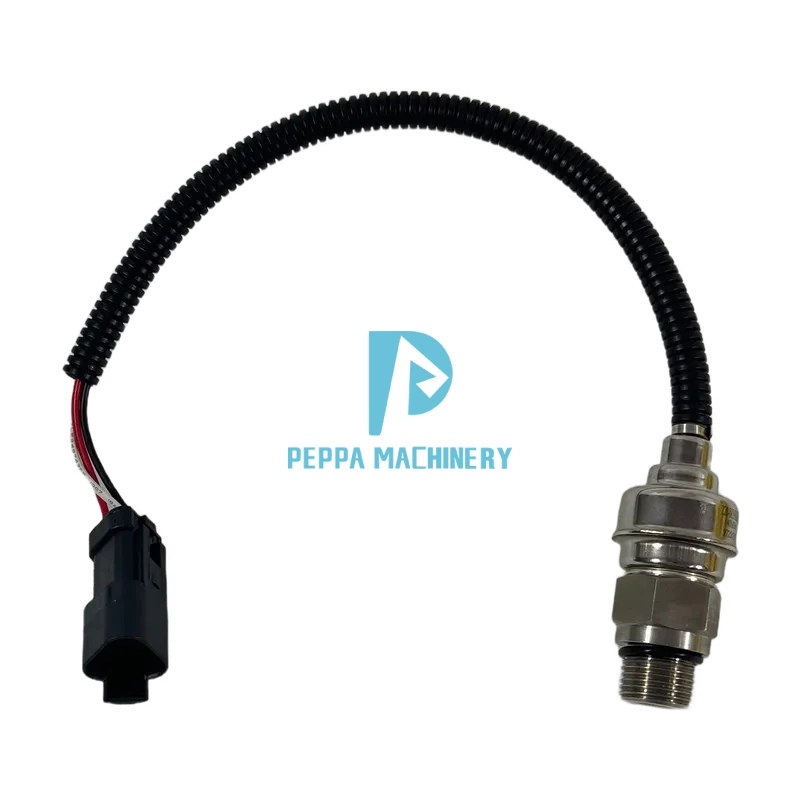
Pressure Sensor 221-8859 106-0178 for Caterpillar CAT 311B 311C 312C 314D 315B 320C 323D 324D 330C 336D 345B 385C
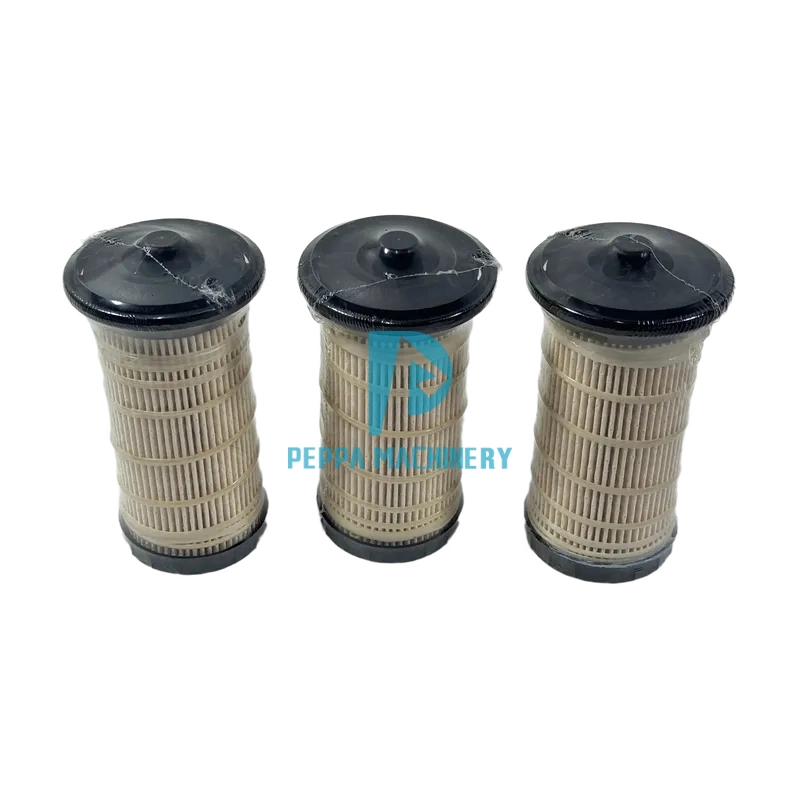
360-8960 Fuel Filter Element for Caterpillar C4.4 & C7.1 Engines | Fits 312D, 320D, 312E, 320E, 326D2, 336D2 Excavators
Get more information
Want to know more? Contact us today to get detailed product specifications, customized solutions, and a free consultation tailored to your needs.
Rest assured that your privacy is important to us, and all information provided will be handled with the utmost confidentiality.

Reliable Source for Quality Excavator Components.
Follow Us
Our Partners


Our Payment Methods


 High Quality
 7/24 Service
 Guaranteed Warranty
 Scan QR Code
Facebook
TikTok
YouTube
Pinterest
Twitter