








How to choose the right fuel injector nozzle for excavators?
- 1. How do I decode the factory part number on an excavator fuel injector nozzle to ensure exact fit?
- 2. What measurable nozzle orifice tolerances indicate a worn fuel injector nozzle on my excavator?
- 3. Can I safely clean a clogged excavator fuel injector nozzle with diesel, a small wire brush, or after-market “jet-clean” tools?
- 4. Which nozzle spray pattern (single-hole pintle vs multi-hole) is best for hydraulic excavators operating low RPM and heavy load cycles?
- 5. How do I choose correct nozzle opening pressure and seat type when retrofitting aftermarket nozzles to a turbocharged excavator?
- 6. What reliable bench test flow and spray-pattern checks should I request from suppliers before installing new excavator fuel injector nozzles?
- Conclusion: Advantages of choosing the correct fuel injector nozzle and working with verified suppliers
1. How do I decode the factory part number on an excavator fuel injector nozzle to ensure exact fit?
Decoding a factory part number is the single most reliable way to ensure compatibility. Excavator fuel injector nozzle part numbers aren’t arbitrary — they encode nozzle type (pintle or hole), spray pattern, orifice configuration, seat/sealing style and sometimes opening pressure or OEM family code. Steps to decode and verify:
- Gather identifiers: full OEM part number stamped on the nozzle tip, any numbers on the injector body, plus the excavator engine model and serial number. For many OEMs (Caterpillar, Komatsu, Volvo, Doosan), the injector assembly and nozzle have interconnected part numbers — matching engine serial + injector assembly is essential.
- Cross-reference OEM catalogs: use the engine model + serial to pull the exact nozzle spec from the OEM parts manual or online parts lookup. This confirms spray pattern, nozzle hole count and direction (rotational index), seat diameter and sealing style. If you do not have the manual, request the OEM reference from the supplier before purchase.
- Check physical characteristics: nozzle tip shape (pintle vs multi-hole), number of outlet holes, thread/seal dimensions, and nozzle holder interfacing. Visual mismatch is a red flag even if numbers look similar.
- Ask for a supplier test report: reputable suppliers provide a bench-flow test and spray photo showing the nozzle matches the OEM flow / pattern.
Why this matters: wrong nozzle geometry or seating can change fuel distribution, leading to poor combustion, smoke, loss of power or accelerated wear. If the OEM code is unavailable, insist on a dimensional match and bench test from your supplier rather than relying on a similar-sounding part number.
2. What measurable nozzle orifice tolerances indicate a worn fuel injector nozzle on my excavator?
Directly measuring the orifice diameter and comparing it to OEM tolerances is the most objective way to detect nozzle wear. Practical approach:
- Measurement methods: use an optical microscope with measurement reticle or a calibrated borescope for hole inspection. For high-accuracy checks, remove the nozzle tip and use an optical comparator or precision pin gauges only if the OEM procedure allows disassembly.
- Compare to OEM specs: OEM service manuals list acceptable orifice diameters or bench flow values for the nozzle family. If you cannot access exact diameter specs, use bench flow comparison (see next question) — a worn nozzle typically produces higher flow than new.
- Acceptable variation: industry procurement and test houses commonly accept new and repaired nozzles within ±5% of OEM bench flow values. If measured flow exceeds the OEM flow by more than ~5%, that indicates significant wear or enlarged orifices.
- Other indicators of wear: asymmetric hole shapes, burrs, pitting at the orifice, and deformation of the seating surface. These defects change spray pattern and penetration even when diameter change is small.
Bottom line: physical measurement must be tied to OEM specs or bench flow tests. If you cannot confirm to OEM tolerances, replace rather than reuse — small diameter/shape changes can cause large combustion and emissions effects in diesel excavator engines.
3. Can I safely clean a clogged excavator fuel injector nozzle with diesel, a small wire brush, or after-market “jet-clean” tools?
Short answer: Cleaning is possible but risky; improper methods corrupt the spray pattern and seating and can worsen performance. Best practice and safe methods:
- Don’t use wire brushes or drills on nozzle holes. Mechanical abrasion changes hole geometry and edge sharpness, which ruins atomization and can increase soot and fuel consumption.
- Solvent soak (diesel/approved solvent) can loosen soft carbon deposits but won’t remove hard coking. Small ultrasonic baths with proper detergent and controlled temperature are the industry standard for removing deposits without mechanical damage.
- Professional bench cleaning and calibration: after ultrasonic cleaning, nozzles should be bench-tested (flow and spray) at correct injection pressure to verify restored performance. Some supply houses provide ultrasonic cleaning plus reflow testing and replace tips when needed.
- Avoid DIY “chemical jet cleaners” injected under pressure into the nozzle — they can remove deposits but may leave residues, and without subsequent bench testing you won’t know if spray quality is restored.
When to replace instead of clean: if orifice edges are pitted, the tip seat is corroded, or flow/spray after cleaning is outside OEM tolerance, replace the nozzle. For modern common-rail and high-pressure systems, the cost of installing a suspect nozzle (downtime, increased fuel, potential turbo/aftertreatment damage) far outweighs replacement cost.
4. Which nozzle spray pattern (single-hole pintle vs multi-hole) is best for hydraulic excavators operating low RPM and heavy load cycles?
Choosing spray pattern must be matched to the engine’s combustion chamber geometry, cam/ECU fueling strategy and typical duty cycle. Key points:
- Multi-hole (hole-type) nozzles: provide better atomization and more uniform fuel distribution in modern diesel engines, improving combustion efficiency, lower smoke and better transient response. They are generally preferred for modern high-speed/high-pressure common-rail engines.
- Pintle or single-hole designs: historically used in low-speed heavy-duty engines and offer robust droplet penetration and mixing at low injection pressures. They can be forgiving in dirty-fuel situations but usually generate coarser spray and more soot at partial load.
- For excavators with prolonged low-RPM heavy load: the ideal nozzle gives good penetration to reach the flame front and also fine atomization to burn completely. In practice that means using the OEM-recommended nozzle geometry that complements the engine’s combustion chamber design. Retrofitting to a different spray type is not recommended without re-mapping the fuel injection system.
Recommendation: follow OEM nozzle family and, if considering performance changes, consult an engine specialist who can bench-test nozzle flow and spray at working pressures and simulate low-RPM injection events. Mismatched spray patterns can increase smoke, reduce fuel economy and stress aftertreatment systems.
5. How do I choose correct nozzle opening pressure and seat type when retrofitting aftermarket nozzles to a turbocharged excavator?
Nozzle opening (crack) pressure and the seat type determine WHEN and HOW the fuel begins to spray and thus strongly affect timing and combustion. For retrofits:
- Don’t change opening pressure without engine calibration: modern injectors and ECUs expect specific injection timing. Changing opening pressure alters start-of-injection and can increase NOx or cause knocking. For common-rail systems, the rail pressure range is high (commonly up to 1000–2500 bar depending on the engine generation) and the injector’s response is calibrated to that range.
- Match seat type and sealing: there are different seat diameters and sealing geometries; an incorrect seat can cause leaks and return flow, leading to poor atomization or no injection. Ensure the nozzle seat, holder, and injector body are matched to the injector family (OEM or fully specified aftermarket equivalent).
- If replacing nozzle tips only: confirm the nozzle tip is a certified match for that injector body. Many injector bodies accept only specific tips; users sometimes assume tips are interchangeable — this is a common cause of retrofit failures.
Best practice: purchase aftermarket nozzles that explicitly list compatible injector bodies and engine models and request bench certification of opening response and leakage. If you must change opening pressure for an upgrade, plan for ECU remapping by a diesel calibration specialist.
6. What reliable bench test flow and spray-pattern checks should I request from suppliers before installing new excavator fuel injector nozzles?
A proper supplier should provide a test certificate showing several objective checks. Request at minimum:
- Static flow test: measure total fuel flow through the nozzle at specified test pressure(s) and temperature. For common-rail style testing, provide flow at a reference pressure (supplier should state the pressure used). Acceptable tolerance commonly used in industry is flow within ±5% of OEM new-nozzle specification.
- Spray pattern photos: high-resolution spray image at test pressure to confirm atomization and symmetry. For multi-hole nozzles, hole integrity and equal distribution must be visible.
- Leak/seat test: verify no significant leakage when needle is closed at test pressure. Excessive leakage indicates seating or manufacturing defects.
- Needle lift and response time: measure needle lift vs pressure to show correct opening characteristics; this is especially important for nozzles used in electronically controlled systems.
- Reverse/return flow and air check: confirm no air ingress and acceptable return flow values. Some suppliers include a bench-run report showing multiple cycles to detect fatigue.
Insist on supplier test data with clear test conditions — pressure, temperature, and test equipment used. If a supplier cannot provide this, treat the nozzle as unverified. For critical fleets, request batch sample testing by an independent test house.
Conclusion: Advantages of choosing the correct fuel injector nozzle and working with verified suppliers
Choosing the correct fuel injector nozzle — verified by OEM cross-reference, dimensional checks and bench flow/spray testing — delivers concrete operational benefits: improved fuel economy, reduced smoke and emissions, smoother idle and better low-RPM torque, less risk of aftertreatment damage, and longer engine life with fewer unplanned outages. Working with suppliers who provide detailed bench-test certificates and OEM-fit guarantees (or who can supply remanufactured OEM-standard nozzles) reduces procurement risk and total cost of ownership.
For assurance and a verified quote, contact JB Parts at www.jbpartsgz.com or email jbparts@aliyun.com for nozzle identification, bench-test reports and OEM-matched options.

Isuzu SP 4JG1 4JG2 4JG3 Cylinder Liner 1876182070 1-87618207-0 1876182080 1-87618208-0 1876182100 1-87618210-0
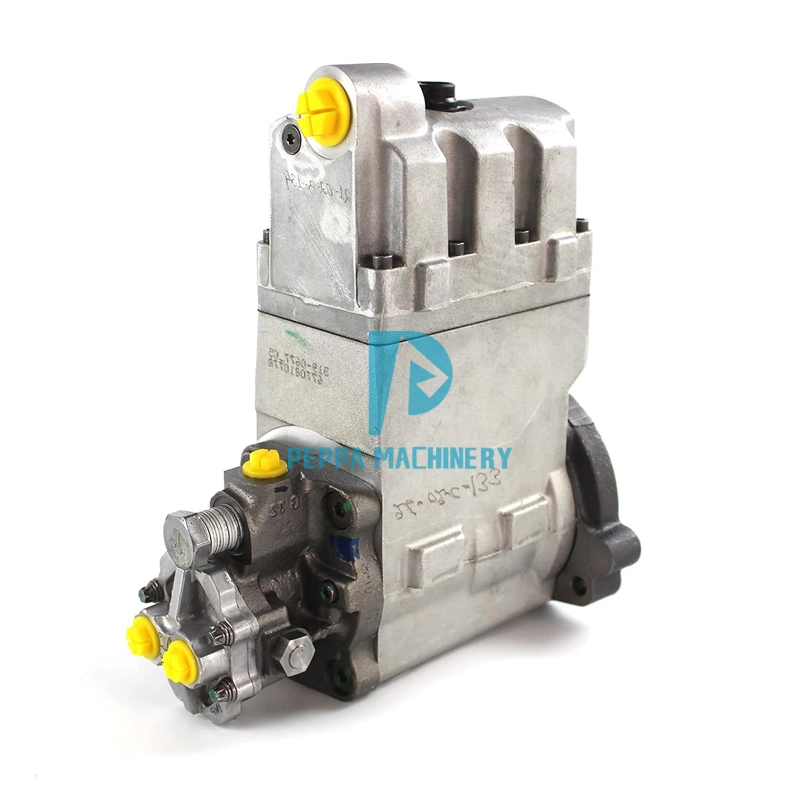
Fuel Feed / Transfer Pump Assembly for Caterpillar C7 & C9 Engines | Direct Replacement for OEM Parts #319-0678, 254-4358, 304-0678, 295-4778, 228-589
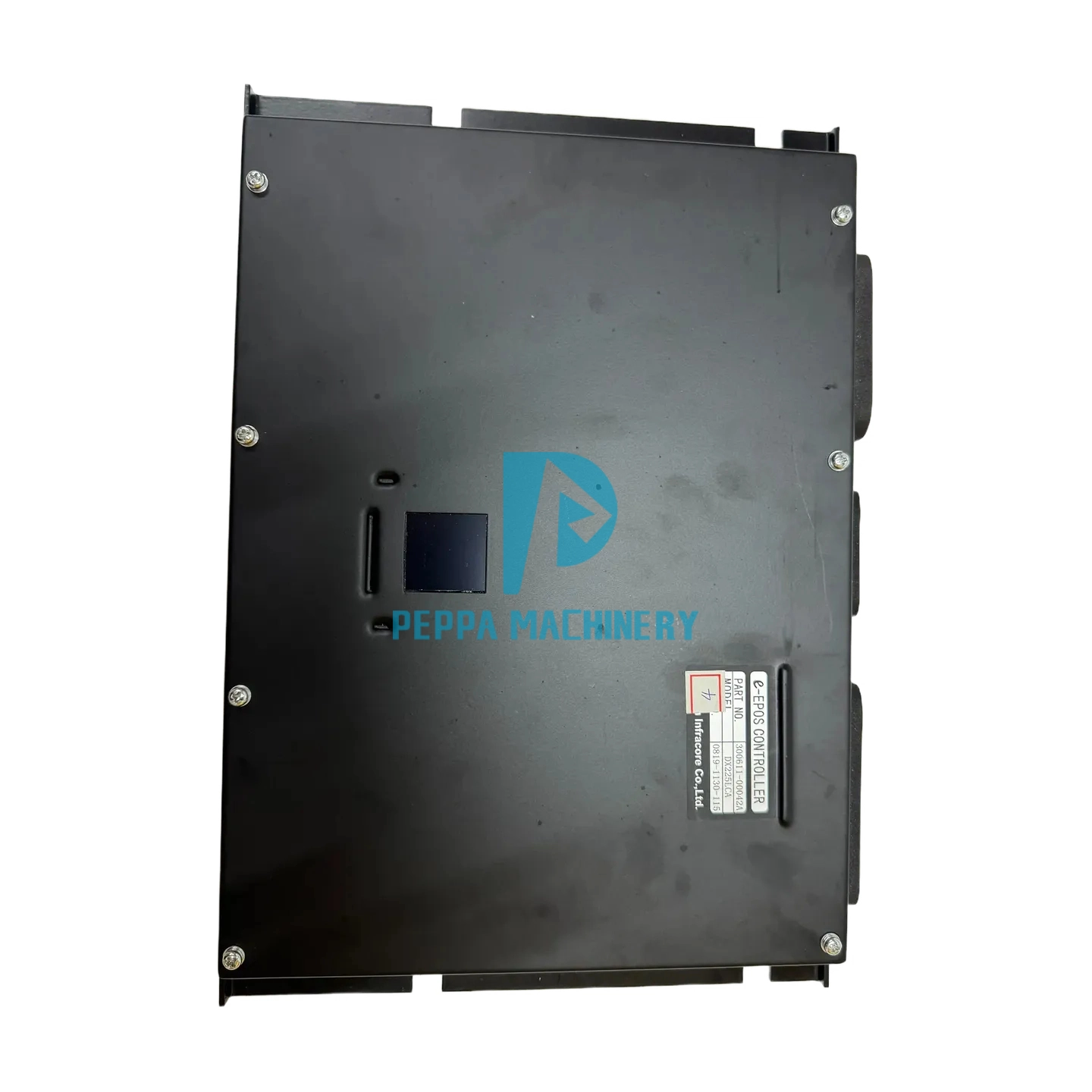
Excavator Accessories Excavator Controller DX225 DX225LCA E-EPOS Controller Computer Board 300611-00042 K1026740 K1001369C K1056425 ECU ECM

Isuzu Engine 6WG1 Turbo 1876183290 1-87618329-0 8981921861 8-98192186-1 14400-4441 1144004370 114400-4370 49188-018312 49188-11940
Excavator Parts
How can I verify compatibility before placing an order?
Please provide us with your machine brand, model number, and the part number (if available). Our team will double-check the compatibility to ensure you receive the correct parts.
What brands of excavator parts do you supply?
We supply a full range of parts compatible with major international and Chinese brands, including Caterpillar, Komatsu, Hitachi, Volvo, Doosan, Hyundai, Sany, Liugong, XCMG, Zoomlion, and more.
What types of parts do you mainly offer?
Our main product categories include:
• Engine parts (liner kits, crankshafts, water/oil pumps, etc.)
• Electrical parts (sensors, monitors, throttle motors, wiring harnesses)
• Hydraulic parts (pumps, valves, cylinders)
• Sealing kits (NOK, SKF, PQ brands, floating seals, O-rings)
Do you provide technical support or installation guidance?
While we do not offer on-site installation, we can provide basic technical advice, diagrams, or documentation to assist your technicians with installation and troubleshooting.
Are your parts genuine or OEM?
We offer both genuine parts and high-quality OEM alternatives. You can choose according to your budget and application needs. All OEM products are tested to meet or exceed original specifications.
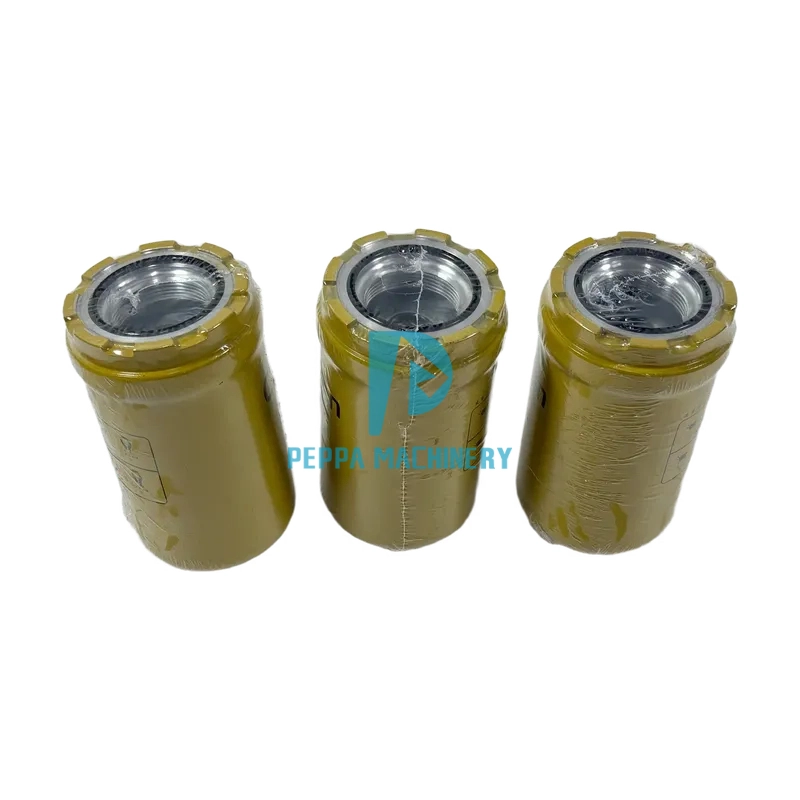
51-8670 Hydraulic Filter Applicable to HF35519 518670 2897836 518670X 1588987 Compatible with Caterpillar 352FVG 325CL
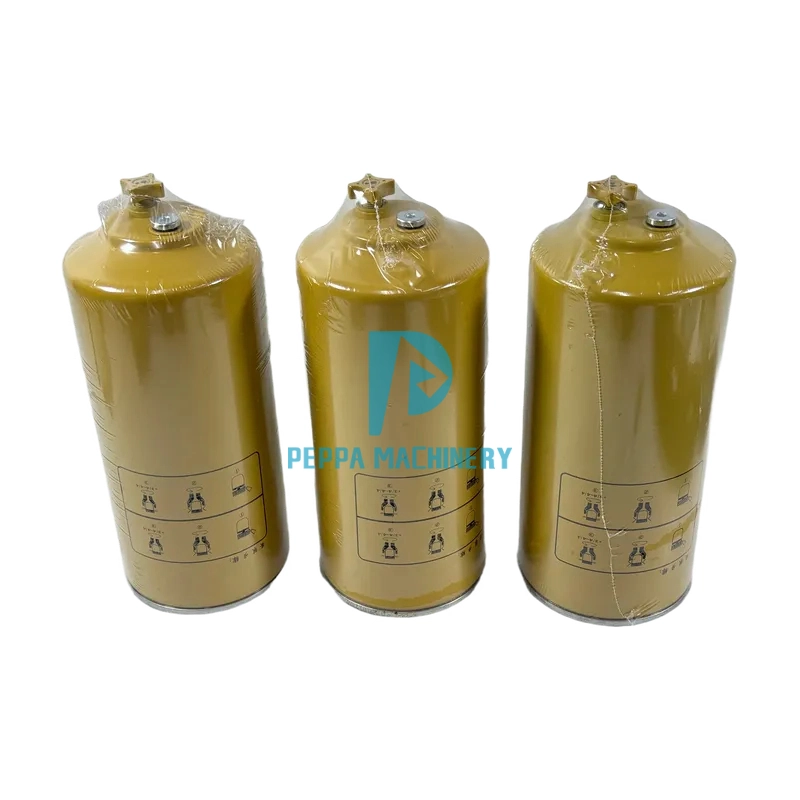
4385386 Fuel Water Separator Fuel Filter 382-0664 Oil-water Separator Hydraulic Oil Filter for CAT 312D2 320D2
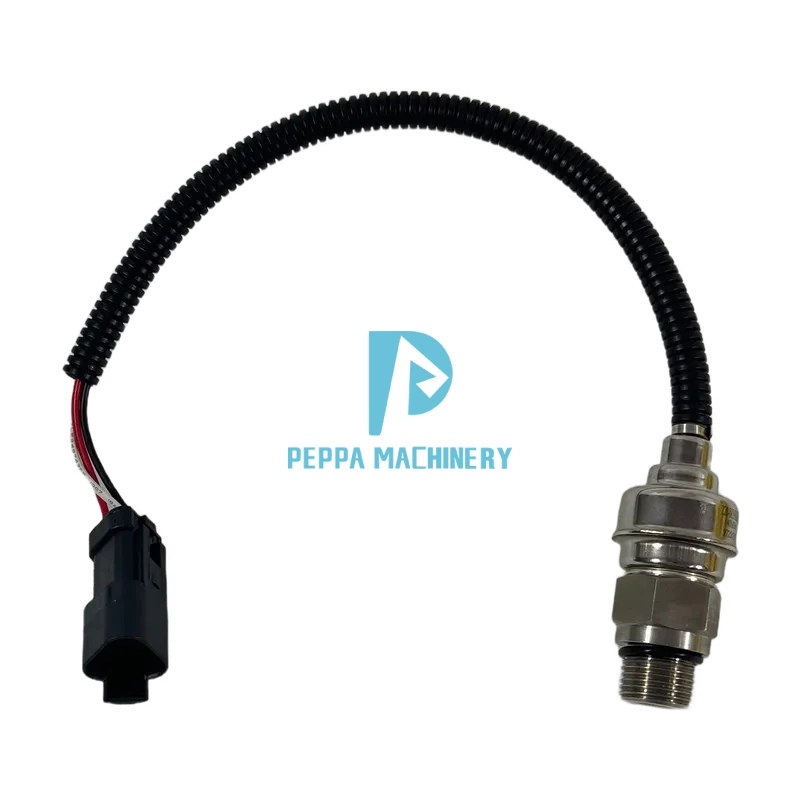
Pressure Sensor 221-8859 106-0178 for Caterpillar CAT 311B 311C 312C 314D 315B 320C 323D 324D 330C 336D 345B 385C
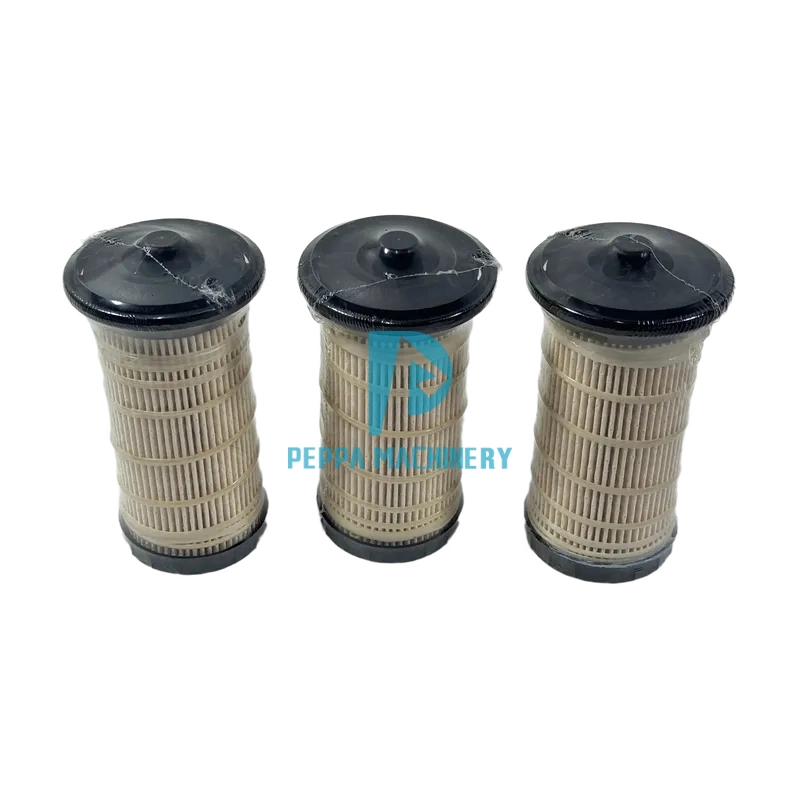
360-8960 Fuel Filter Element for Caterpillar C4.4 & C7.1 Engines | Fits 312D, 320D, 312E, 320E, 326D2, 336D2 Excavators
Get more information
Want to know more? Contact us today to get detailed product specifications, customized solutions, and a free consultation tailored to your needs.
Rest assured that your privacy is important to us, and all information provided will be handled with the utmost confidentiality.

Reliable Source for Quality Excavator Components.
Follow Us
Our Partners


Our Payment Methods


 High Quality
 7/24 Service
 Guaranteed Warranty
 Scan QR Code
Facebook
TikTok
YouTube
Pinterest
Twitter