








What fuel injector nozzle suits my excavator model?
- 1. How can I determine the correct nozzle orifice size and spray pattern for my excavator's specific engine model?
- 2. Can I replace a damaged multi-hole nozzle with a universal aftermarket nozzle — what are the real risks?
- 3. My excavator won’t start after nozzle replacement — what installation mistakes should I check first?
- 4. How do I decode nozzle and injector part codes to match injectors to excavator models without dealer-only access?
- 5. What are the real signs of nozzle cavitation or tip erosion in excavator injectors, and how can I prevent them?
- 6. How should I choose nozzle opening pressure and calibration when using biodiesel blends or variable fuel qualities in excavators?
1. How can I determine the correct nozzle orifice size and spray pattern for my excavator's specific engine model?
Start by identifying your engine model and serial number (usually on the engine plate). Then locate the injector body code stamped on the injector (serial/part number) or in the engine service manual — these identify nozzle type and flow class. If you don’t have OEM documents, use this process:
- Decode the injector stamp: the injector body or nozzle tip commonly carries a code that maps to nozzle orifice size and hole-count in OEM parts catalogs. If the code is missing or unreadable, treat the injector as unknown until bench-tested.
- Use a flow-bench spray test: measure the nozzle’s flow rate and inspect spray pattern under the same pressure range your engine’s fuel system uses (for modern common-rail excavator engines this may be high pressure; test houses simulate required conditions). Record cc/min (or cc/30s) and inspect atomization/penetration.
- Match spray pattern to combustion design: older indirect-injection diesel engines use different spray targeting than modern direct-injection common-rail engines. Multi-hole, fine-orifice nozzles produce better atomization for direct-injection engines, while different hole counts/angles control swirl and fuel distribution for specific combustion chambers.
- Flow-matching: when replacing more than one injector, ensure all injectors are flow-matched (within OEM tolerance) to avoid cylinder imbalance and uneven wear. Professional shops adjust with nozzle selection and, if necessary, replace or calibrate injector assemblies.
Why it matters: orifice size and spray pattern determine atomization, combustion efficiency, smoke, and fuel economy. Selecting the physically correct nozzle by part number or measured flow/spray profile prevents power loss and excessive soot.
2. Can I replace a damaged multi-hole nozzle with a universal aftermarket nozzle — what are the real risks?
Short answer: Not without careful specification. Universal nozzles that don’t match orifice size, hole count, spray angle, or opening (cracking) pressure risk measurable performance loss and damage.
Risks and consequences:
- Poor atomization and altered spray penetration cause incomplete combustion, increased soot/black smoke, higher particulate emissions, and possible DPF/EGR issues on emission-controlled machines.
- Cylinder imbalance: unmatched flow causes one cylinder to run rich/lean relative to others, producing vibration, reduced power, and accelerated wear on bearings and piston rings.
- Increased fuel consumption and reduced torque under load.
- Shorter injector life: mismatched back-pressure and spray hitting piston crown can cause carbon build-up and nozzle tip erosion.
Best practice: use OEM or high-quality aftermarket nozzles specified by or cross-referenced to your engine model and injector flow class. If you must use a generic option in an emergency, only do so temporarily and perform a full flow/spray bench test and subsequent engine checks.
3. My excavator won’t start after nozzle replacement — what installation mistakes should I check first?
Common installation errors that prevent starting or cause poor running:
- Incorrect torque or missing/crushed sealing washer: a leaking nozzle-to-seat joint allows air into the fuel system or causes timing/quantity errors. Always use the OEM-specified crush washer and torque spec from the engine manual. If you don’t have the manual, contact the OEM or a certified parts supplier for exact torque values.
- Wrong nozzle orientation: some nozzle tips have swirl slots or asymmetrical spray geometry and must sit with the correct rotation relative to the combustion bowl. Check OEM fitment notes.
- Air in the fuel lines: after replacing injectors/nozzles, properly bleed the system and prime the lift pump. Air pockets will prevent injection or cause intermittent starting.
- Damaged return or high-pressure lines: ensure all fittings are sealed and not kinked.
- Contaminated fuel: debris introduced during work can block passages — check and replace fuel filters and screen, and inspect fuel lines.
- Incorrect nozzle or flow class: if the nozzle supplies too little fuel or opens at the wrong pressure, the engine may crank but not start. Use a bench test to confirm nozzle opening and flow.
Troubleshooting steps:
- Visual check: fittings, washers, clamps, seals.
- Bleed fuel system per OEM procedure.
- Replace primary/secondary fuel filters if contamination suspected.
- Perform an injector bench test (spray pattern, flow) and a leak-off/leak-back check if available.
- Reinstall with correct torque and confirm nozzle orientation.
4. How do I decode nozzle and injector part codes to match injectors to excavator models without dealer-only access?
A practical step-by-step approach:
- Record all visible markings on the injector body and nozzle tip (numbers/letters). Take clear photos of the full injector and tip.
- Use the engine model and serial number to search OEM parts catalogs online — most manufacturers publish parts diagrams that show injector assemblies and nozzle part numbers. Cross-reference the injector body code to the catalog entry.
- Utilize reputable cross-reference databases and specialist suppliers (reputable injector rebuilders and industrial parts vendors maintain internal cross-reference tables that map OEM codes to compatible nozzle types).
- When in doubt, flow-bench the nozzle and compare against known OEM flow charts (many suppliers can provide flow tables). Provide measured cc/30s (or cc/min) and spray photos to a specialist to get a match.
Limitations and red flags:
- Different engines may share injector housings but use distinct nozzle tips (hole-count and spray angle), so matching only the injector body can produce errors if you ignore the nozzle tip code.
- Aftermarket codings differ; always ask the supplier for a cross-reference certificate and flow tolerance.
If you need help decoding a marking, send photos, engine model, and serial to jbparts@aliyun.com or via www.jbpartsgz.com and we can verify the correct nozzle match.
5. What are the real signs of nozzle cavitation or tip erosion in excavator injectors, and how can I prevent them?
Signs of nozzle tip erosion or cavitation:
- Poor atomization and dribbling: spray breaks into a mist or drips rather than forming a clean cone/pattern.
- Increased black smoke, especially under load, and reduced power.
- Progressive increase in fuel consumption and oil dilution with diesel (fuel washing piston rings).
- Nozzle tip pitting/visible erosion under microscope inspection.
- Erratic idle and misfiring due to inconsistent injection quantities.
Causes:
- Contaminated fuel (particulates, silica, sand) abrade the nozzle or block holes.
- Water in fuel leading to corrosion or cavitation damage.
- Incorrect fuel filtration (filters not changed or wrong micron ratings).
- Incorrect nozzle seating or damaged seat leading to flow disturbance.
- High-temperature or pressure spikes from malfunctioning pumps or return-line restrictions.
Prevention and mitigation:
- Maintain proper fuel filtration: use OEM-specified primary and secondary filters and change them at recommended intervals. Final filters typically target sub-10 µm particle levels; follow OEM specifications.
- Use water separators and drain bowls where appropriate; remove free water promptly.
- Ensure compatible fuel: avoid contaminated or unknown blends; if using biodiesel (FAME) follow OEM blend limitations.
- Regularly bench-test injectors during planned maintenance windows to detect gradual flow changes and tip wear.
- Replace nozzles showing erosion rather than trying to compensate by adjusting pumps or ECU maps.
6. How should I choose nozzle opening pressure and calibration when using biodiesel blends or variable fuel qualities in excavators?
Key considerations:
- OEM guidance first: manufacturers often specify allowable maximum biodiesel content and may require different service intervals or components for higher blends. Always check the engine manual.
- Nozzle opening (cracking) pressure and flow must remain within the engine’s combustion design window. A nozzle that opens at the wrong pressure changes injection timing and quantity — advanced systems compensate electronically, but mechanical pumps and older engines do not.
- Fuel properties (viscosity and lubricity) change with biodiesel, which can alter atomization and wear. Biodiesel often provides better lubricity but can increase solvent effect on seals and mobilize deposits.
Practical steps:
- Keep nozzle orifice size and flow matched to OEM values even when using blends. Do not change hole-count or orifice size unless you are executing a controlled, engineered re-map.
- Use fuel-compatible seals and materials for higher FAME blends; confirm injector and sealing material compatibility with the supplier.
- Increase inspection frequency: bench-test injectors sooner and inspect for tip deposits or flow drift when switching fuel types.
- If engine management allows, recalibrate injection timing or pump settings only after confirming nozzle flow and spray remain within specs.
When in doubt, request tested nozzle options rated for the fuel type and provide your engine model, serial, and typical blend percentage to JB Parts so we can recommend a matched nozzle and calibration service.
Concluding summary — advantages of correct nozzle selection and buying matched parts from a reputable supplier:
Choosing the correct fuel injector nozzle by part number or by flow-and-pattern testing ensures optimal atomization, balanced cylinder flow, lower emissions, and better fuel economy. Buying matched, tested nozzles from a qualified supplier reduces downtime risk, prevents premature engine wear caused by cylinder imbalance and tip erosion, and provides traceability for warranty and emissions compliance. Professional flow-matching and bench testing are worth the investment for medium and heavy-duty excavators working under load cycles.
For exact nozzle matches, flow certificates, and a competitive quote, contact us at www.jbpartsgz.com or jbparts@aliyun.com.

Isuzu SP 4JG1 4JG2 4JG3 Cylinder Liner 1876182070 1-87618207-0 1876182080 1-87618208-0 1876182100 1-87618210-0
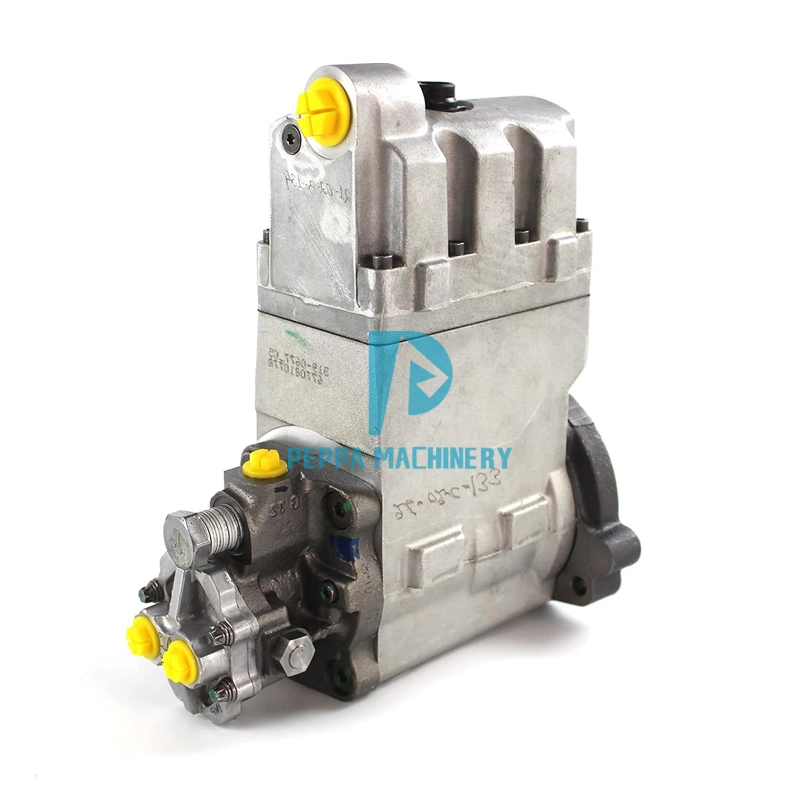
Fuel Feed / Transfer Pump Assembly for Caterpillar C7 & C9 Engines | Direct Replacement for OEM Parts #319-0678, 254-4358, 304-0678, 295-4778, 228-589
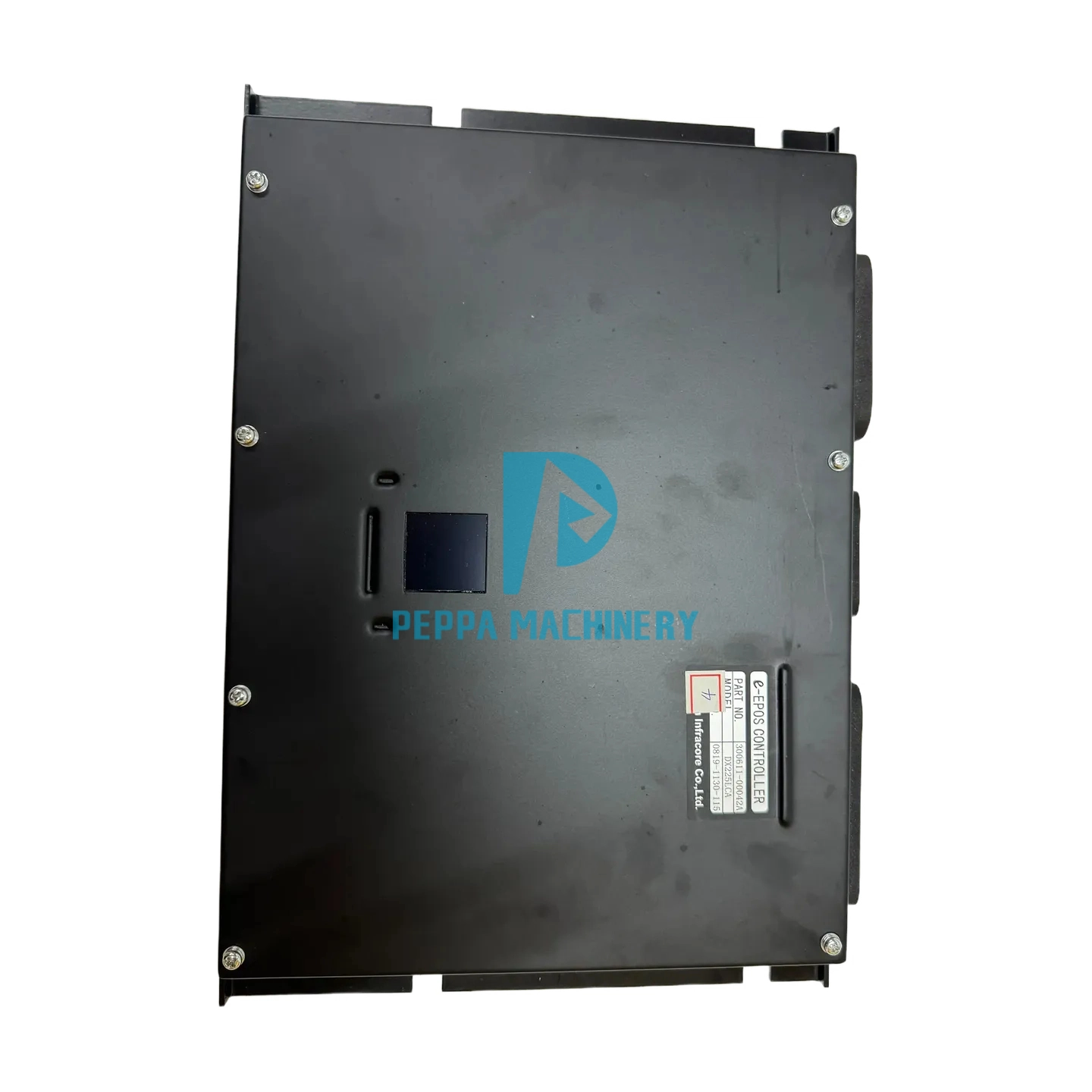
Excavator Accessories Excavator Controller DX225 DX225LCA E-EPOS Controller Computer Board 300611-00042 K1026740 K1001369C K1056425 ECU ECM

Isuzu Engine 6WG1 Turbo 1876183290 1-87618329-0 8981921861 8-98192186-1 14400-4441 1144004370 114400-4370 49188-018312 49188-11940
Excavator Parts
What brands of excavator parts do you supply?
We supply a full range of parts compatible with major international and Chinese brands, including Caterpillar, Komatsu, Hitachi, Volvo, Doosan, Hyundai, Sany, Liugong, XCMG, Zoomlion, and more.
What types of parts do you mainly offer?
Our main product categories include:
• Engine parts (liner kits, crankshafts, water/oil pumps, etc.)
• Electrical parts (sensors, monitors, throttle motors, wiring harnesses)
• Hydraulic parts (pumps, valves, cylinders)
• Sealing kits (NOK, SKF, PQ brands, floating seals, O-rings)
Are your parts genuine or OEM?
We offer both genuine parts and high-quality OEM alternatives. You can choose according to your budget and application needs. All OEM products are tested to meet or exceed original specifications.
How can I verify compatibility before placing an order?
Please provide us with your machine brand, model number, and the part number (if available). Our team will double-check the compatibility to ensure you receive the correct parts.
Can I get help choosing the right parts for my machine?
Yes. Our experienced sales team is here to provide professional recommendations and solutions based on your excavator model, part number, or specific requirements.
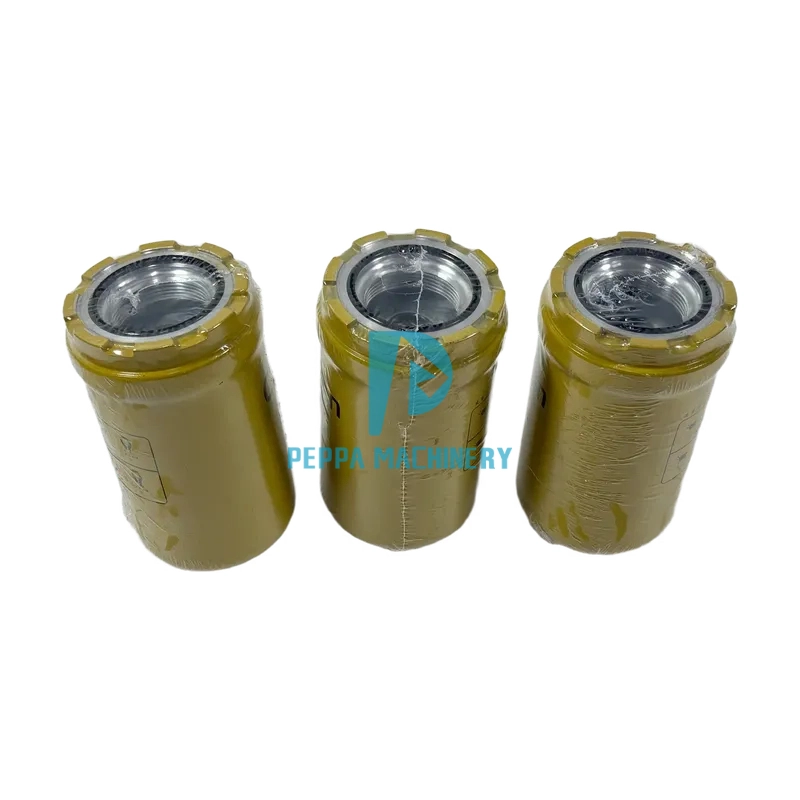
51-8670 Hydraulic Filter Applicable to HF35519 518670 2897836 518670X 1588987 Compatible with Caterpillar 352FVG 325CL
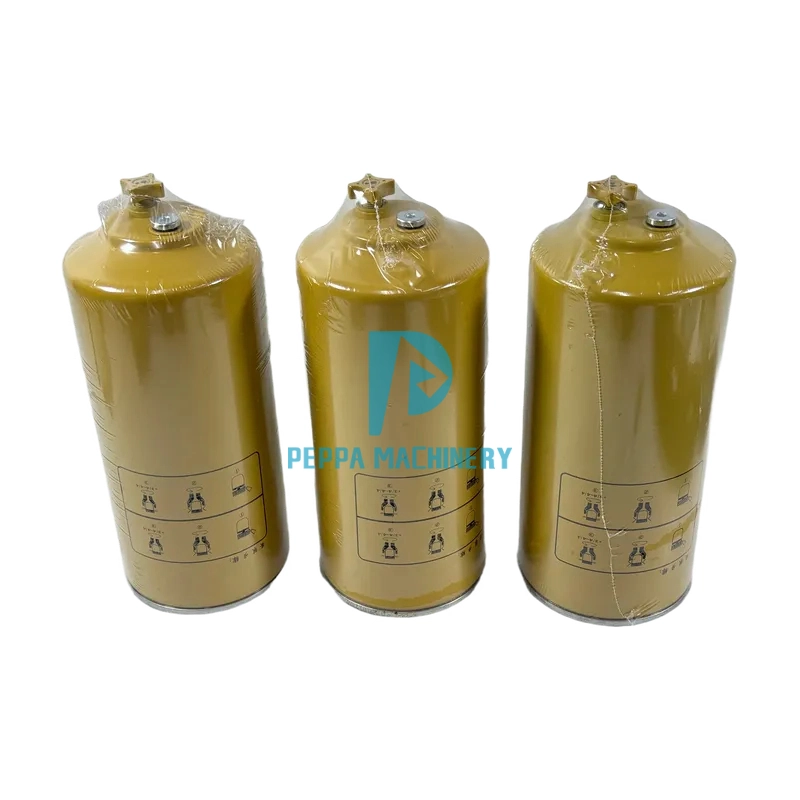
4385386 Fuel Water Separator Fuel Filter 382-0664 Oil-water Separator Hydraulic Oil Filter for CAT 312D2 320D2
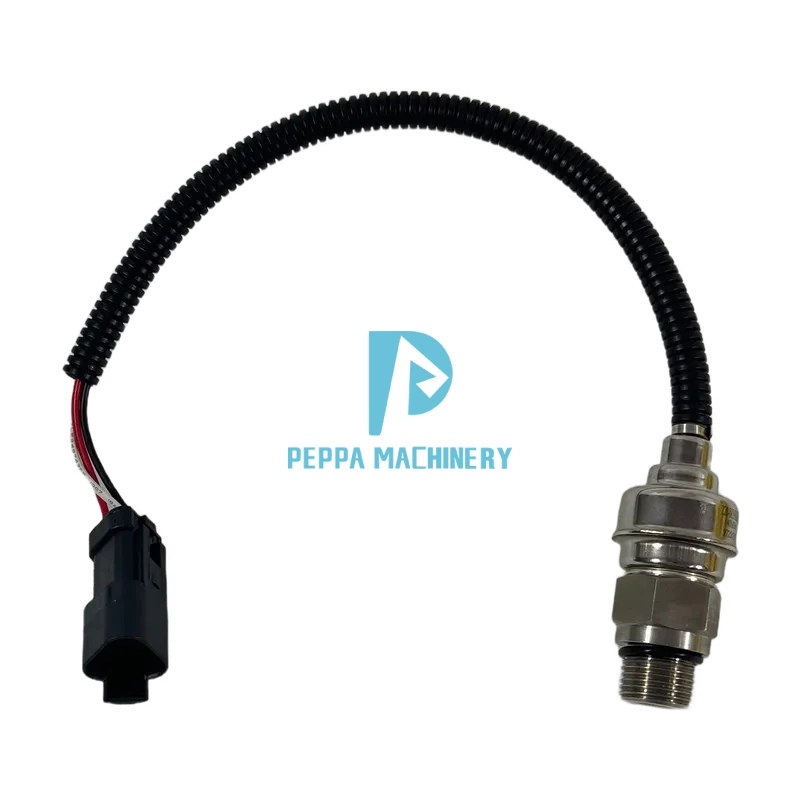
Pressure Sensor 221-8859 106-0178 for Caterpillar CAT 311B 311C 312C 314D 315B 320C 323D 324D 330C 336D 345B 385C
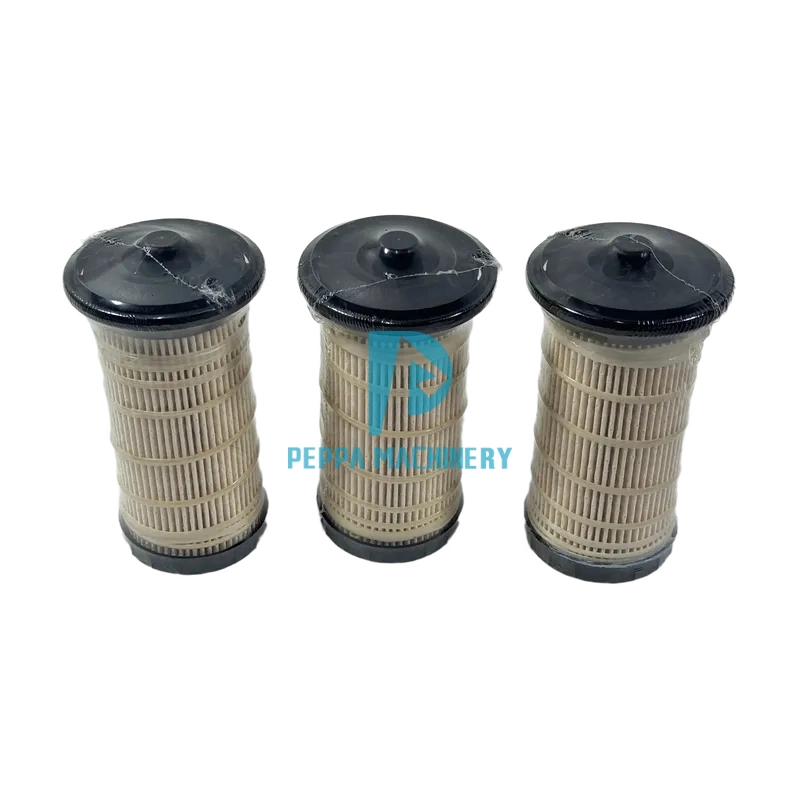
360-8960 Fuel Filter Element for Caterpillar C4.4 & C7.1 Engines | Fits 312D, 320D, 312E, 320E, 326D2, 336D2 Excavators
Get more information
Want to know more? Contact us today to get detailed product specifications, customized solutions, and a free consultation tailored to your needs.
Rest assured that your privacy is important to us, and all information provided will be handled with the utmost confidentiality.

Reliable Source for Quality Excavator Components.
Follow Us
Our Partners


Our Payment Methods


 High Quality
 7/24 Service
 Guaranteed Warranty
 Scan QR Code
Facebook
TikTok
YouTube
Pinterest
Twitter