








How much does a quality excavator gear pump cost to replace?
- 1. How much does it cost to replace a quality excavator gear pump on a mid‑size (15–25 t) machine — parts, labor, and expected downtime?
- 2. Can a gear pump be rebuilt instead of replaced, and is rebuilding cost‑effective for excavators?
- 3. How do I match displacement, flow rate and pressure rating when ordering a replacement gear pump (so I don't buy the wrong hydraulic gear pump)?
- 4. What early signs indicate a failing gear pump on an excavator, and how do I distinguish pump failure from control valve or motor problems?
- 5. What hidden costs and warranty pitfalls should I expect when buying aftermarket or remanufactured excavator gear pumps internationally?
- 6. How long will a high‑quality excavator gear pump last, and what maintenance extends pump life?
How Much Does a Quality Excavator Gear Pump Cost to Replace? Answers & Guidance
As an industry-informed content writer and excavator-parts specialist, this guide addresses six specific long-tail questions beginners commonly search for but rarely find complete answers to. The focus is on real-world data, hydraulic gear pump specification matching, cost ranges (parts, labor, downtime), rebuild vs replace trade-offs, diagnostics, hidden international purchase costs, and maintenance practices that extend pump life. Semantic terms such as hydraulic gear pump, displacement (cc/rev), flow rate (L/min), pressure rating (bar/psi), cavitation, remanufactured units and volumetric efficiency are used naturally throughout.
1. How much does it cost to replace a quality excavator gear pump on a mid‑size (15–25 t) machine — parts, labor, and expected downtime?
Short answer: replacement total usually ranges from about USD 700 to USD 6,000 depending on whether you choose aftermarket, remanufactured (exchange), or OEM, plus labor and downtime. Here’s a breakdown based on industry pricing ranges and labor profiles:
- Parts (pump only):
- Aftermarket: roughly USD 400–1,200 for common mid‑size excavator gear pumps.
- Remanufactured / exchange: roughly USD 600–1,800 (often includes limited warranty and tested volumetric efficiency).
- OEM new pump: roughly USD 1,200–3,500+ depending on brand and model (large or high‑pressure units can exceed this).
- Rebuild kit (if rebuilding): USD 80–600 for seals, gears, bearings and machining, depending on model and parts availability.
- Labor: typical bench or field replacement time for a mid‑size excavator is 2–6 hours depending on access, mounting, and hydraulic lines. Labor rates vary by region: USD 50–150/hour. Expect USD 100–900 in labor charges.
- Downtime / opportunity cost: excavator hire or lost production cost ranges widely. Typical hourly operating value is USD 100–300; a full day of downtime (8 hours) can be USD 800–2,400 in lost productivity.
Example realistic totals (mid‑size 20 t machine):
- Budget aftermarket replacement: pump USD 600 + labor USD 300 + one day downtime USD 1,200 = ~USD 2,100.
- OEM new replacement: pump USD 2,000 + labor USD 400 + one day downtime USD 1,200 = ~USD 3,600.
- Rebuild (in‑house shop): rebuild kit & machining USD 600 + labor USD 300 + partial downtime = ~USD 1,200.
Key variables: machine model (attachment pumps for large excavators cost more), hydraulic system pressure rating, supplier exchange programs, and regional labor rates. For a precise quote, supply OEM part numbers or pump serial code, operating hours, and typical working pressure.
2. Can a gear pump be rebuilt instead of replaced, and is rebuilding cost‑effective for excavators?
Yes — rebuilding is often viable and cost‑effective, but depends on wear patterns and supplier capability. Rebuild options:
- Seal/kit rebuild: replace shaft seals, O‑rings, and wear plates — inexpensive (USD 80–300) if internal gear and housing are within tolerance.
- Full reman (exchange or shop remanufacture): machining, gear replacement, bearing and shaft rework — USD 400–1,800 depending on pump size and parts availability.
When rebuilding is cost‑effective:
- External inspection or metal particle analysis shows limited scoring on gears and housing.
- Pump body and shaft runout are within manufacturer tolerances and not cracked.
- Exchange programs are available that include tested volumetric efficiency guarantees.
When to replace rather than rebuild:
- Severe gear pitting, deep scoring, or housing deformation—remanufactured or OEM new is safer.
- Obsolete models where parts are unavailable — replacement with a compatible modern pump may be required.
Performance tradeoff: a properly remanufactured pump from a certified rebuilder should meet original volumetric efficiency and pressure ratings. A low‑cost rebuild that skips bearing or gear replacement can lead to early re‑failure; insist on documented tolerance checks and efficiency testing.
3. How do I match displacement, flow rate and pressure rating when ordering a replacement gear pump (so I don't buy the wrong hydraulic gear pump)?
Matching is critical. Key pump specs to verify:
- OEM part number and pump code: the single most reliable match — find it stamped on the pump housing or in the machine parts manual.
- Displacement (cc/rev): this gives theoretical flow at a given input speed. Conversion: Flow (L/min) ≈ Displacement (cc/rev) × RPM ÷ 1000 (theoretical). Real flow is lower due to internal leakage (volumetric efficiency). Example: 100 cc/rev at 2,000 RPM ≈ 200 L/min theoretical.
- Rated pressure (bar or psi): ensure max working pressure meets or exceeds system relief valve settings. Common excavator main pump working pressures: roughly 200–350 bar (≈2,900–5,075 psi) depending on model and function.
- Mounting flange and shaft interface: pump shaft type (splined or keyed), pilot diameter, and bolt pattern must match pump housing or adapter kit.
- Flow curve vs rpm and allowable temperature range: confirm pump materials and seals are compatible with your hydraulic oil and operating temperatures.
Diagnostic steps before ordering:
- Record the stamped pump code / OEM number and take photos.
- Note typical engine RPM during maximum hydraulic demand and measure system relief pressure if possible.
- If OEM part number is missing, measure displacement or note original flow rate and pressure from service manuals; share these with suppliers.
Tip: when in doubt, request a direct cross‑reference from a parts supplier or share the machine chassis + serial number — many suppliers can identify the correct hydraulic gear pump by excavator serial number.
4. What early signs indicate a failing gear pump on an excavator, and how do I distinguish pump failure from control valve or motor problems?
Symptoms of gear pump issues (and diagnostics to separate causes):
- Reduced digging speed or sluggish response: could be low flow (pump wear) or pressure loss downstream. Measure system flow with a flow meter. If flow is below spec at given RPM, suspect pump volumetric loss.
- Whining or groaning noise, especially under load: common with cavitation or worn gears in the pump. Inspect suction line for restrictions and check reservoir for air entrainment.
- Overheating hydraulic oil: internal leakage in pump reduces efficiency and increases oil heat; perform oil temperature and particle analysis.
- Foamy oil or air in reservoir: indicates suction leak or cavitation at pump inlet rather than valve/motor issue.
- Metal particles in filter or magnetic plugs: indicate internal wear (pump gears, bearings). Send a sample for particle count and ferrography if available.
- Pressure fluctuations under steady command: use a pressure gauge at pump outlet. If pump outlet pressure cannot reach or maintain relief setpoint while engine RPM is stable, suspect pump mechanical failure or severe internal leakage.
To distinguish from control valve or motor issues:
- Test pump flow at the pump outlet with service ports open or use a known good test valve — if flow is normal, problem likely downstream (valve spool, actuators).
- Swap the suspected actuator (if feasible) or isolate circuits; intermittent loss only under high pressure often implicates relief valves or load-sensing components.
- Check suction conditions: a clogged suction strainer causes symptoms that mimic pump failure (noise, cavitation) but resolving suction fixes it.
5. What hidden costs and warranty pitfalls should I expect when buying aftermarket or remanufactured excavator gear pumps internationally?
Hidden costs and common warranty pitfalls:
- Shipping and customs: heavy hydraulic pumps incur higher freight and customs duties; factor in import VAT, duties, and brokerage fees that can add 5–25% to landed cost depending on origin and destination.
- Return shipping and inspection costs: many sellers charge a restocking fee, and warranty returns often require you to ship the pump back at your cost unless an exchange program exists.
- Limited warranty scope: many aftermarket providers limit warranties to a fixed period (90–180 days) and exclude consequential damages (e.g., contamination, installation errors). OEMs often provide longer warranties but at higher price.
- Compatibility and fitment risk: incorrect shaft spline, flange or displacement selection can result in delays and extra shipping costs for returns or exchanges.
- Counterfeit or low‑quality cores: some low‑cost sellers resell poorly remanufactured cores that fail early; demand evidence of testing (pressure/flow curves, leakdown specs) and reman reports.
Recommendations:
- Prefer suppliers who offer exchange programs with tested volumetric efficiency and documented test certificates.
- Request a clear warranty policy in writing that covers replacement shipping for warranty failures.
- Use certified remanufacturers or OEM distributors for mission‑critical machines or when downtime cost is high.
6. How long will a high‑quality excavator gear pump last, and what maintenance extends pump life?
Typical life expectancy and maintenance best practices:
- Expected service life: for main hydraulic gear pumps on excavators under normal operating conditions, useful life commonly ranges from about 3,000 to 8,000 operating hours. Factors affecting life include contamination, operating temperature, system pressure, and duty cycle (continuous heavy work shortens life).
- Key maintenance actions that extend life:
- Hydraulic filtration: maintain cleanliness target. For many excavator hydraulic systems, aim for ISO 4406 cleanliness codes 18/16/13 or better; critical hydraulic components often need 17/15/12 or better. Replace filters at scheduled intervals.
- Regular oil analysis: detect wear metals (Fe, Cu), water content, and viscosity drift; early detection of metal particles prevents catastrophic failure.
- Suction maintenance: keep reservoir fluid levels adequate and service suction strainers; avoid air entrainment and cavitation.
- Correct oil type and viscosity: use manufacturer‑recommended hydraulic fluid and maintain temperature to prevent viscosity thinning or additive depletion.
- Routine inspections: check for shaft seal leakage, unusual noises, and residual magnet plugs at each service interval.
- Proper mounting and alignment: reduce shaft misalignment and stresses that damage bearings and seals.
Replacing with a quality OEM or certified reman pump and maintaining cleanliness and correct operating conditions are the most effective ways to reach or exceed the upper range of pump life expectancy.
For pricing, cross‑referencing, or to request a verified reman/exchange unit with test certificates, contact us for a tailored quote. Visit www.jbpartsgz.com or email jbparts@aliyun.com.
Conclusion — Advantages of choosing a quality excavator gear pump and professional replacement
Investing in a high‑quality OEM or certified remanufactured hydraulic gear pump and professional installation reduces downtime, improves volumetric efficiency, and lowers total cost of ownership. Quality pumps deliver predictable flow rates and pressure ratings, better resistance to cavitation, documented test curves, and longer service life when combined with proper filtration and maintenance. Exchange programs and documented warranties further reduce risk and financial exposure. For exact fitment, tested units, and a no‑obligation quotation, contact www.jbpartsgz.com or email jbparts@aliyun.com.
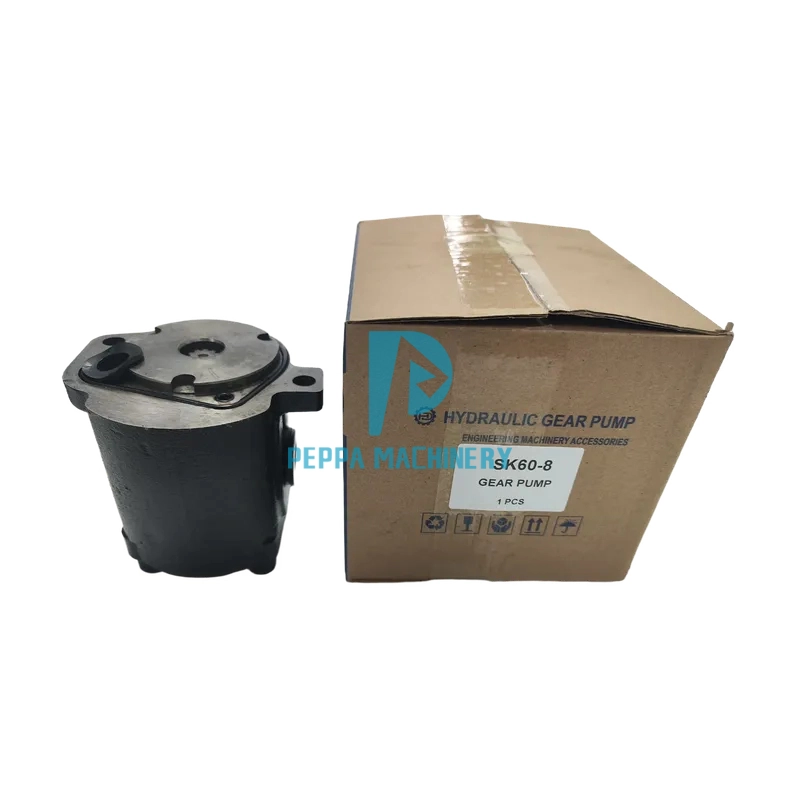
Excavator parts Gear pump SK60-8
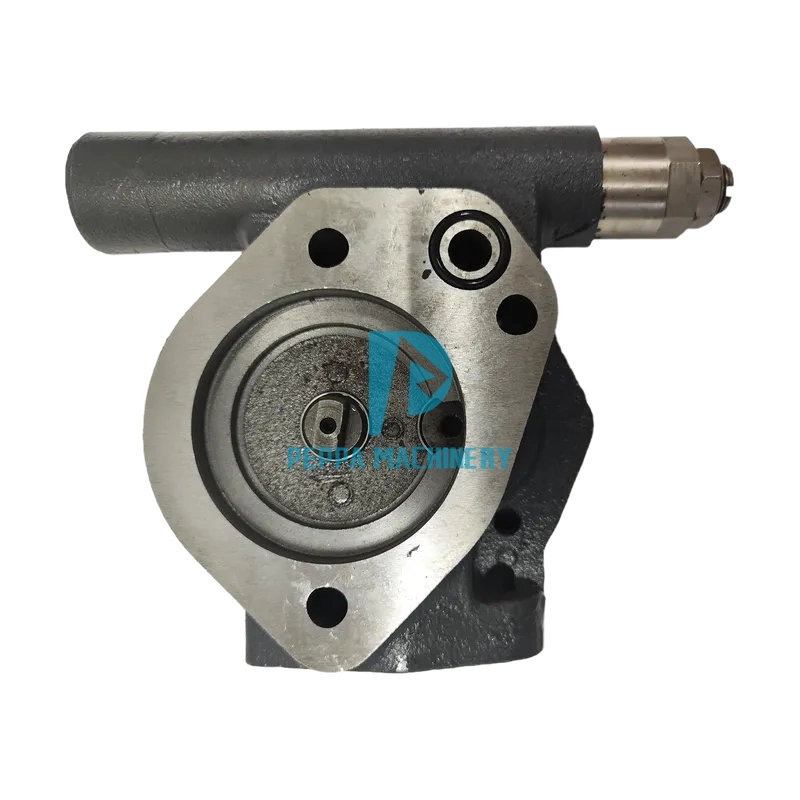
Excavator parts Gear pump PC120-5
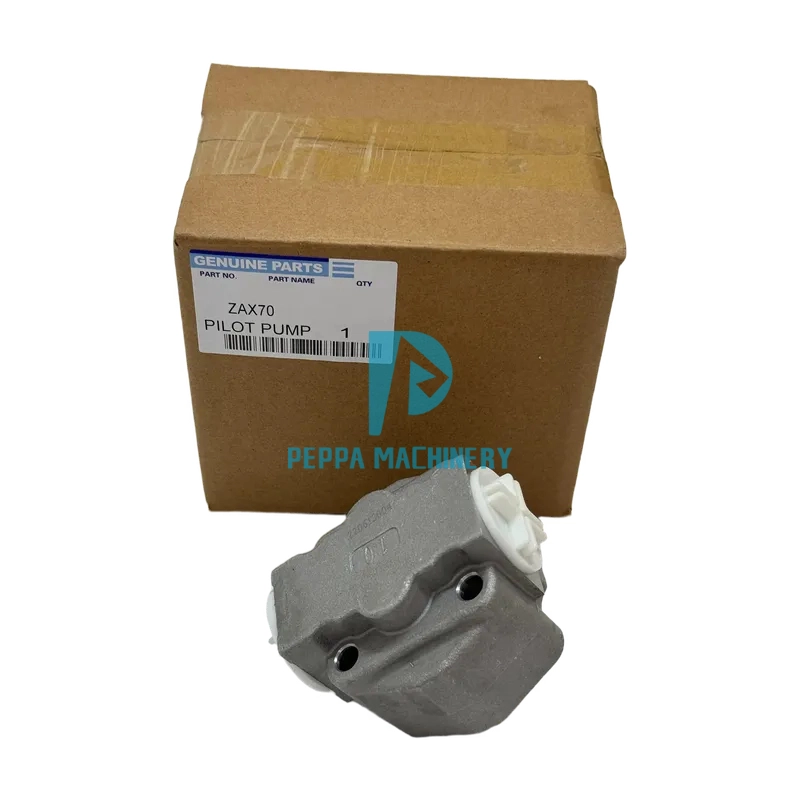
ZAX70 PILOT PUMP GEAR PUMP
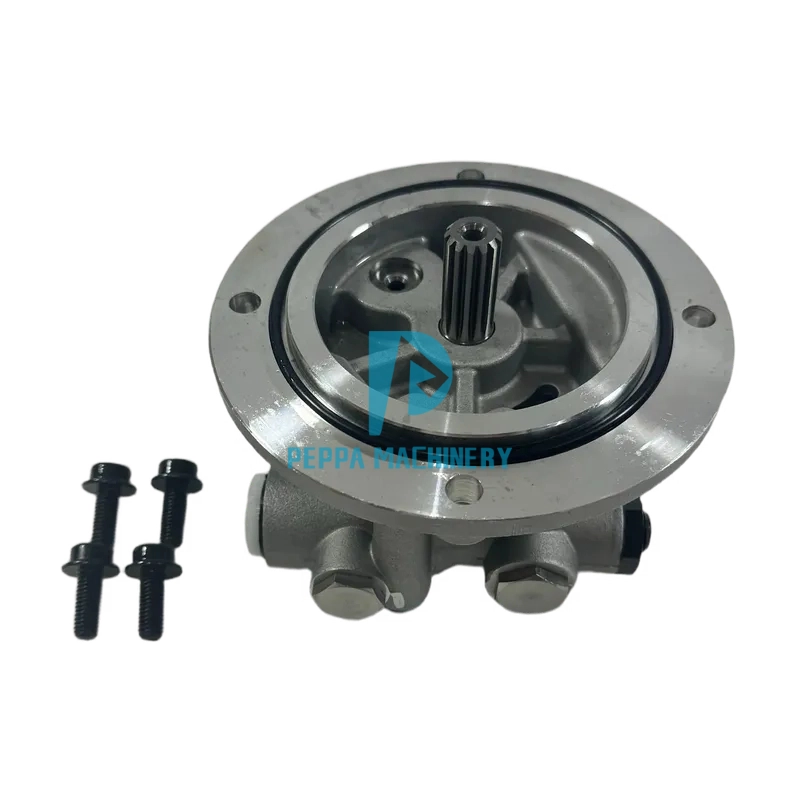
High Quality BRAND NEW 333-k5495 K7V125 PILOT PUMP GEAR PUMP for Excavator
Excavator Parts
Can I get help choosing the right parts for my machine?
Yes. Our experienced sales team is here to provide professional recommendations and solutions based on your excavator model, part number, or specific requirements.
What brands of excavator parts do you supply?
We supply a full range of parts compatible with major international and Chinese brands, including Caterpillar, Komatsu, Hitachi, Volvo, Doosan, Hyundai, Sany, Liugong, XCMG, Zoomlion, and more.
Do you provide technical support or installation guidance?
While we do not offer on-site installation, we can provide basic technical advice, diagrams, or documentation to assist your technicians with installation and troubleshooting.
Are your parts genuine or OEM?
We offer both genuine parts and high-quality OEM alternatives. You can choose according to your budget and application needs. All OEM products are tested to meet or exceed original specifications.
What types of parts do you mainly offer?
Our main product categories include:
• Engine parts (liner kits, crankshafts, water/oil pumps, etc.)
• Electrical parts (sensors, monitors, throttle motors, wiring harnesses)
• Hydraulic parts (pumps, valves, cylinders)
• Sealing kits (NOK, SKF, PQ brands, floating seals, O-rings)
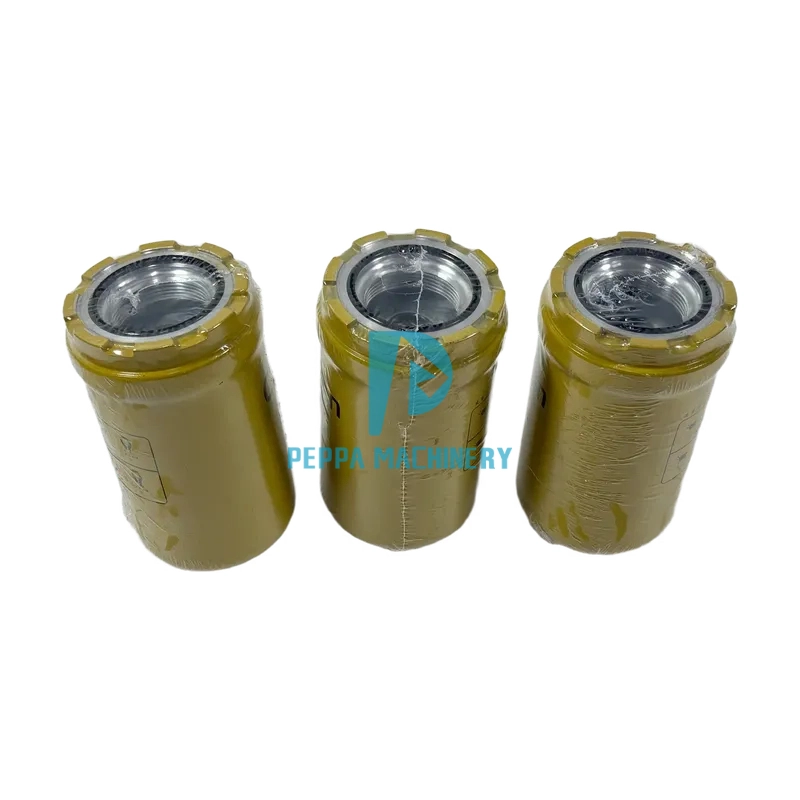
51-8670 Hydraulic Filter Applicable to HF35519 518670 2897836 518670X 1588987 Compatible with Caterpillar 352FVG 325CL
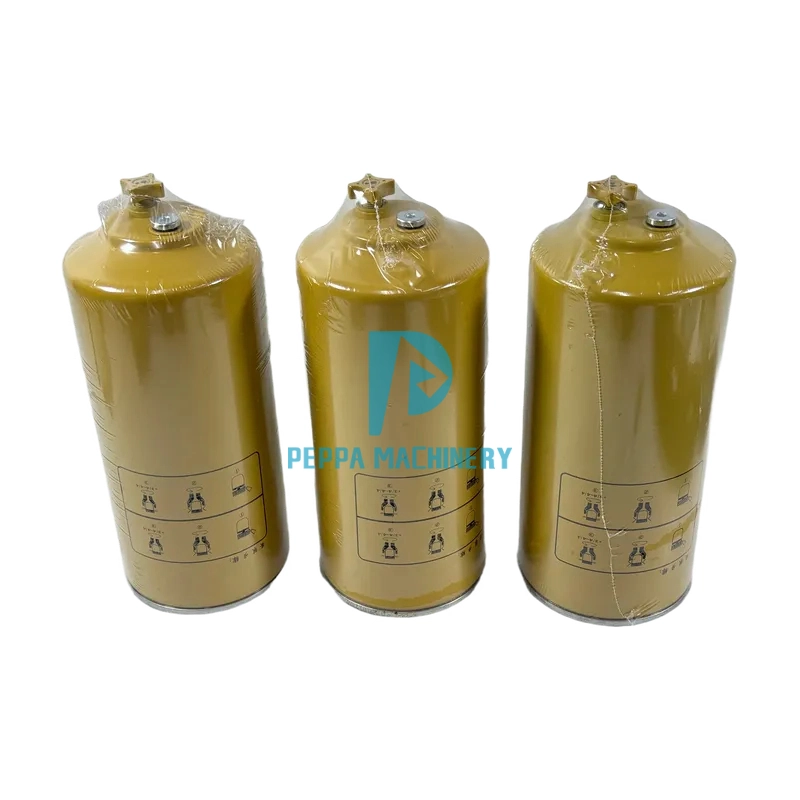
4385386 Fuel Water Separator Fuel Filter 382-0664 Oil-water Separator Hydraulic Oil Filter for CAT 312D2 320D2
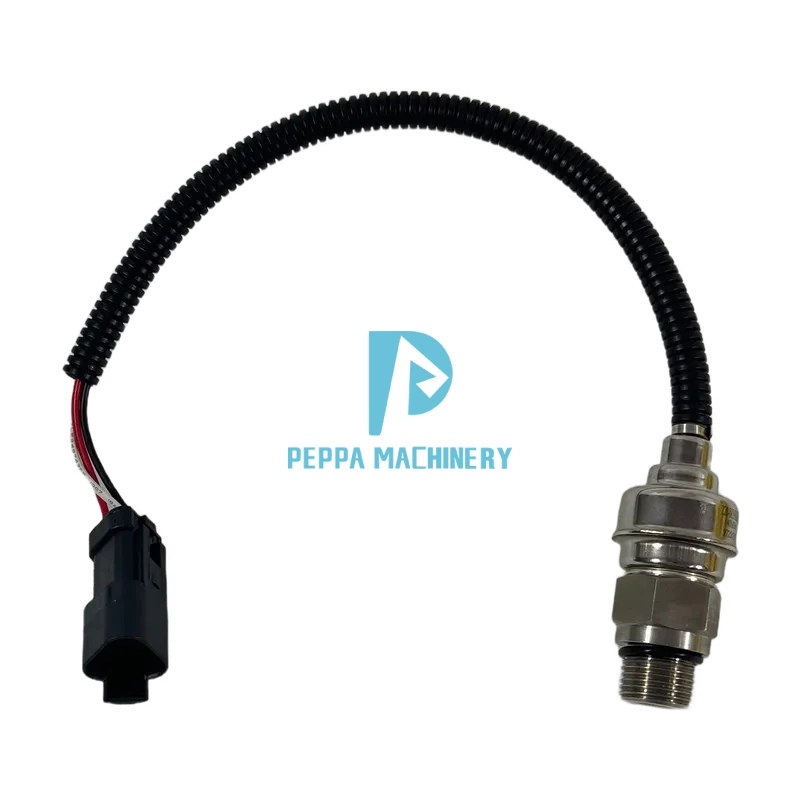
Pressure Sensor 221-8859 106-0178 for Caterpillar CAT 311B 311C 312C 314D 315B 320C 323D 324D 330C 336D 345B 385C
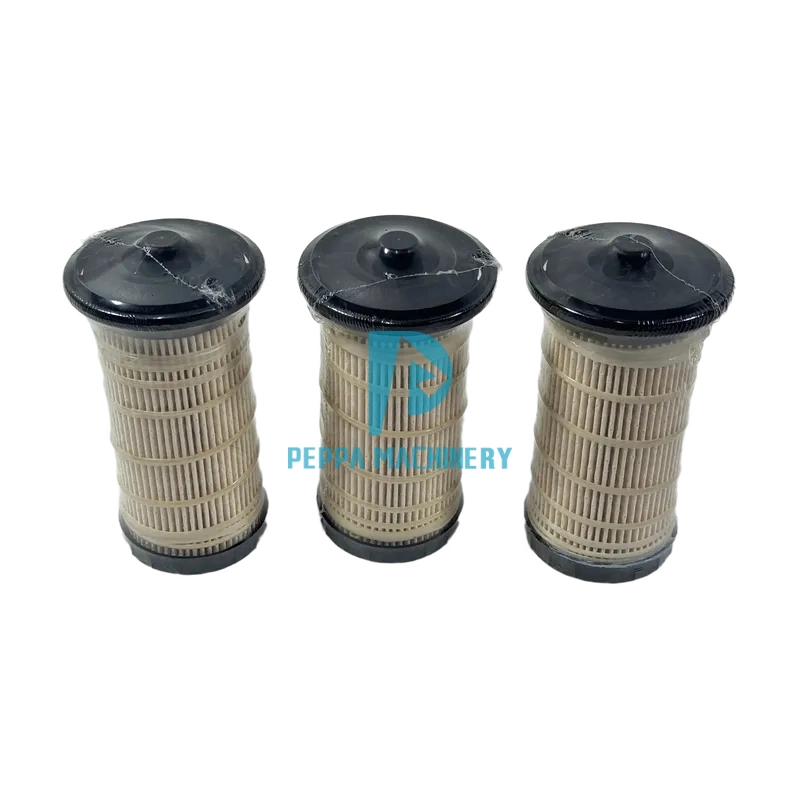
360-8960 Fuel Filter Element for Caterpillar C4.4 & C7.1 Engines | Fits 312D, 320D, 312E, 320E, 326D2, 336D2 Excavators
Get more information
Want to know more? Contact us today to get detailed product specifications, customized solutions, and a free consultation tailored to your needs.
Rest assured that your privacy is important to us, and all information provided will be handled with the utmost confidentiality.

Reliable Source for Quality Excavator Components.
Follow Us
Our Partners


Our Payment Methods


 High Quality
 7/24 Service
 Guaranteed Warranty
 Scan QR Code
Facebook
TikTok
YouTube
Pinterest
Twitter