








How to choose the right gear pump for your excavator?
- 1. How do I calculate the correct gear pump displacement (cc/rev) for my excavator hydraulic circuit at a given pump RPM?
- 2. What pressure rating and relief valve setting should a gear pump for my 20-ton excavator have to avoid cavitation and overload?
- 3. How can I cross-reference and verify OEM gear pump part numbers, shaft splines, and flange fits to ensure drop-in fitment?
- 4. Which gear pump gear materials, coatings and internal components are best for excavators working in high-abrasion, dirty-fluid conditions?
- 5. How do I diagnose and quantify internal wear (clearance/leakage) in a gear pump before deciding to rebuild or replace it?
- 6. What seal types, flange standards and mounting options best prevent external leaks under high temperature and vibration typical of excavators?
1. How do I calculate the correct gear pump displacement (cc/rev) for my excavator hydraulic circuit at a given pump RPM?
Selecting the right displacement starts with the required flow (L/min) at the actual pump shaft rpm. Use the real hydraulic demand (boom, arm, travel combined) or the specification you must meet. The basic relation is: Flow (L/min) = Displacement (cc/rev) × RPM / 1000. Example: if your circuit needs 120 L/min and the pump shaft runs at 2000 rpm, required displacement = (120 × 1000) / 2000 = 60 cc/rev.
Key practical points:
- Measure real-world flow where possible—use a calibrated flow meter on the excavator or test bench. Manufacturer ratings are ideal starting points but measure at operating temperature and viscosity.
- Consider peak vs continuous flow. If the system has intermittent peak demand (e.g., fast cycle valves), you may select a pump that provides continuous base flow and supplement with an accumulator or a secondary pump.
- Match torque and motor limits. Pump torque = displacement × pressure (bar) × constant; larger displacement increases input torque and engine load. Verify the engine/pump drive (hydraulic motor/axle/gearbox) can deliver the required torque at chosen rpm.
- Verify volumetric efficiency under expected pressure and temperature; a new gear pump typically has >85–90% volumetric efficiency but will be lower under pressure and wear.
Embed: this calculation uses the hydraulic gear pump displacement and determines the flow rate (L/min) needed at a specified rpm to avoid undersizing the hydraulic supply.
2. What pressure rating and relief valve setting should a gear pump for my 20-ton excavator have to avoid cavitation and overload?
Excavator hydraulic systems vary by machine size. Typical operating main-circuit pressures:
- Small compact excavators: 120–180 bar (1740–2610 psi)
- Medium excavators (10–30 t): 200–280 bar (2900–4060 psi)
- Large/heavy excavators: 300+ bar (4350+ psi)
Advice for pump selection and relief settings:
- Choose a pump whose maximum continuous pressure rating exceeds your system maximum by at least 15–25% to provide a safety margin. For example, if your system runs 250 bar, use a pump rated ≥290–310 bar.
- Relief valve settings should be set slightly above the highest expected working pressure but below the pump's maximum rating. Typical practice is to set the system relief at 5–10% below the weakest component rating in the pressure loop.
- To prevent cavitation, maintain adequate inlet conditions: ensure the suction line design provides sufficient NPSH, keep oil temperature and viscosity in the recommended range (often ISO VG 32–46 for many excavators), and avoid high suction velocities.
- Monitor pressure spikes. Use a pressure transducer or high-speed gauge to detect transient spikes during fast valve operations; spikes can exceed steady-state figures and cause immediate damage.
Embed: consider the pump pressure rating (bar/psi), relief valve setting, and cavitation control when specifying a hydraulic gear pump for excavators.
3. How can I cross-reference and verify OEM gear pump part numbers, shaft splines, and flange fits to ensure drop-in fitment?
Cross-referencing OEM parts requires objective measurement, not just part number lookups that may be outdated. Steps to verify fitment:
- Measure critical mechanical dimensions: flange bolt circle and pattern (SAE A/B/C), shaft diameter and spline specification (spline count, major/minor diameters, pressure angle), pilot diameter, and overall pump face thickness.
- Check port type and thread standard (SAE, BSP, NPT) and port locations (rear/top/side). Confirm suction and pressure port IDs and orientations.
- Compare mounting and drive details against the excavator drive (gearbox or motor). Some pumps share identical part numbers but different rotation (clockwise vs counter-clockwise) or shaft hand.
- Use cross-reference resources but verify physically: OEM interchange lists can be helpful but often omit revisions. If possible, remove the fitted pump and measure or photograph with calipers and spline gauges.
- Confirm serial/control codes embossed on body: many manufacturers include codes that indicate internal gear size, displacement, and revision.
Embed: verifying OEM part number and shaft spline prevents ordering the wrong hydraulic gear pump or incorrect SAE flange. When in doubt, send photos and measured dimensions to the supplier.
4. Which gear pump gear materials, coatings and internal components are best for excavators working in high-abrasion, dirty-fluid conditions?
Construction sites commonly expose pumps to contaminated fluids and abrasives. Material and surface treatments matter:
- Gears: case-hardened alloy steel or through-hardened alloy with nitriding/carburizing are common. Case hardness in quality pumps is typically in the mid-high RC range, improving wear resistance in gear teeth contact areas.
- Wear plates and bushings: replaceable bronze or hardened-steel wear plates extend housing life. Bronze bushings absorb some contamination and are easier to replace than integral cast housings.
- Coatings: phosphate or chrome plating on shafts and wear surfaces reduces galling. Corrosion-resistant finishes on external ports reduce fretting and leakage risk.
- Seals: choose materials tolerant of particulate and elevated temperatures—polyurethane and HNBR are common; FKM (Viton) for higher temp/chemical resistance.
- Filtration and breathers: the best pump material choices are undermined without proper filtration—use high-quality return and suction filters (micron ratings appropriate to your pump) and maintain them per site operating schedules.
Embed: when specifying a hydraulic gear pump, ask for case-hardened gears, replaceable wear plates, heavy-duty bushings and suitable seal compounds for high-abrasion environments.
5. How do I diagnose and quantify internal wear (clearance/leakage) in a gear pump before deciding to rebuild or replace it?
Diagnosis should be both symptom-based and measured. Practical diagnostic workflow:
- Symptom check: reduced flow at rated rpm, increased oil temperature, intermittent cavitation noise, and metal contamination in filters. Those are red flags.
- Bench flow test: with a test bench or field flow meter, measure no-load flow (L/min at a given rpm with minimal pressure) and loaded flow at typical working pressure. Compare to OEM displacement: volumetric efficiency = measured flow / theoretical flow. New gear pumps typically show >85% volumetric efficiency; when efficiency drops below ~70–75% the pump is usually due for overhaul.
- Pressure test: run pressure rise tests to detect internal leakage. Excessive pressure drop or inability to hold pressure indicates internal leakage past gears or seals.
- Visual/particle analysis: inspect returned oil for ferrous particle counts and examine filters for gear tooth metal. SEM or lab analysis can differentiate abrasive vs fatigue wear.
- Dimensional check after teardown: measure gear backlash, gear-to-housing and gear-to-shaft clearances with micrometers and feeler gauges. Compare to OEM tolerances; wear beyond factory spec indicates replacement or rework.
Embed: measuring volumetric efficiency and inspecting for internal leakage gives data-driven justification for pump rebuild vs replacement of the hydraulic gear pump.
6. What seal types, flange standards and mounting options best prevent external leaks under high temperature and vibration typical of excavators?
Robust sealing and correct mounting reduce downtime and oil loss:
- Seal material: for high temp and fluctuating temperatures use FKM (Viton) or high-temp HNBR. For abrasive, high-pressure dynamic seals, polyurethane lip seals are common but have lower chemical resistance—choose based on oil type and expected temperature.
- Backup rings and anti-extrusion devices: when system pressure exceeds 200 bar, use backup rings and energized seals to prevent extrusion and lip roll-out under transient spikes.
- Shaft sealing: spring-energized lip seals with corrosion-resistant metal housings resist vibration. Rotational shaft ends should use double-lipped seals with a dust lip facing the environment.
- Flange and mounting: use correct SAE flange size and bolt pattern with torque to OEM spec; improper torque leads to distortion and leaks. Use flat gaskets or O-ring face seals per manufacturer recommendation.
- Vibration isolation: use compliant mounts or flexible couplings where feasible. Rigid mountings transmit vibration into the pump housing and accelerate seal wear.
Embed: specifying the correct seal compound, backup rings and SAE flange while following OEM torque and port standards minimizes external leaks in a hydraulic gear pump on excavators.
Concluding summary: Choosing the right hydraulic gear pump for your excavator means matching displacement to flow needs, sizing pressure capability with safety margins, verifying OEM fitment by dimension and spline, selecting case-hardened gears and replaceable wear components for abrasive sites, diagnosing wear quantitatively by volumetric efficiency and bench testing, and specifying seals, backup rings and proper mounting to resist heat and vibration. These steps reduce downtime, improve efficiency and extend service life of the hydraulic gear pump.
For tailored part selection, dimension cross-checks or a competitive quote, contact us at www.jbpartsgz.com or jbparts@aliyun.com — we can verify OEM interchangeability and provide pump/build options.
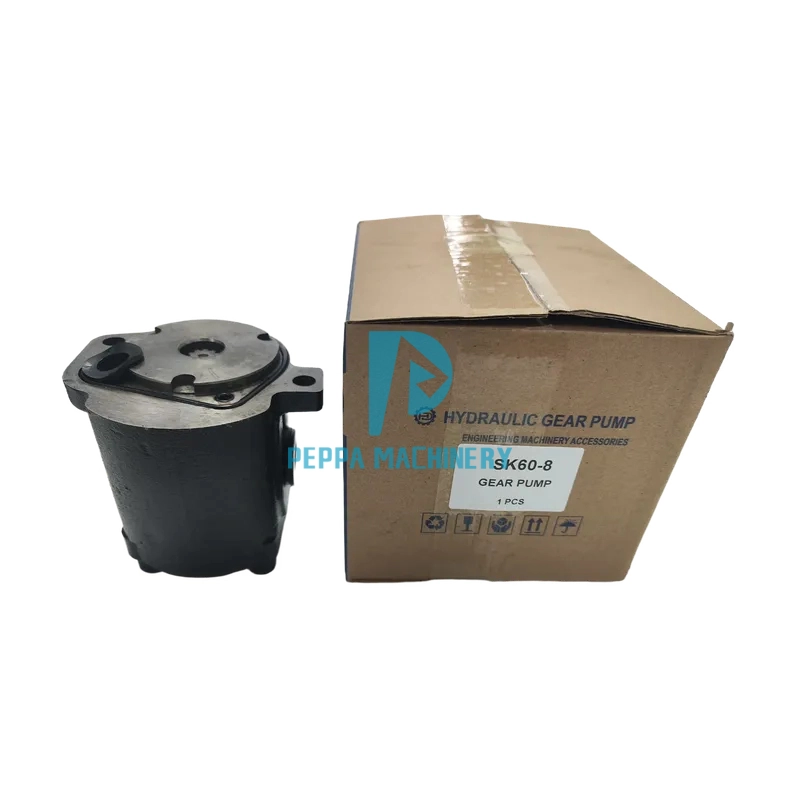
Excavator parts Gear pump SK60-8
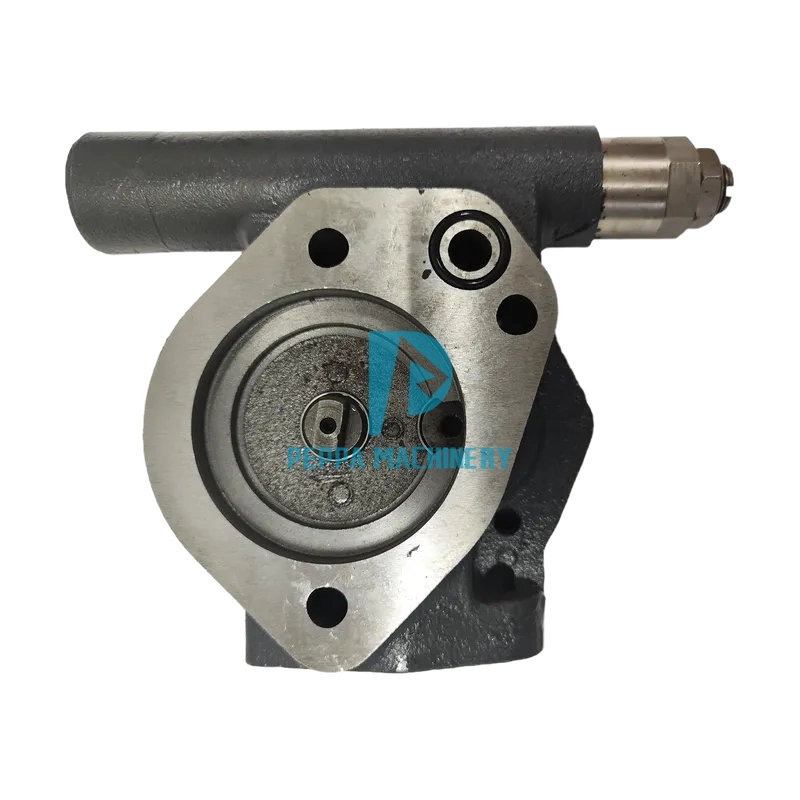
Excavator parts Gear pump PC120-5
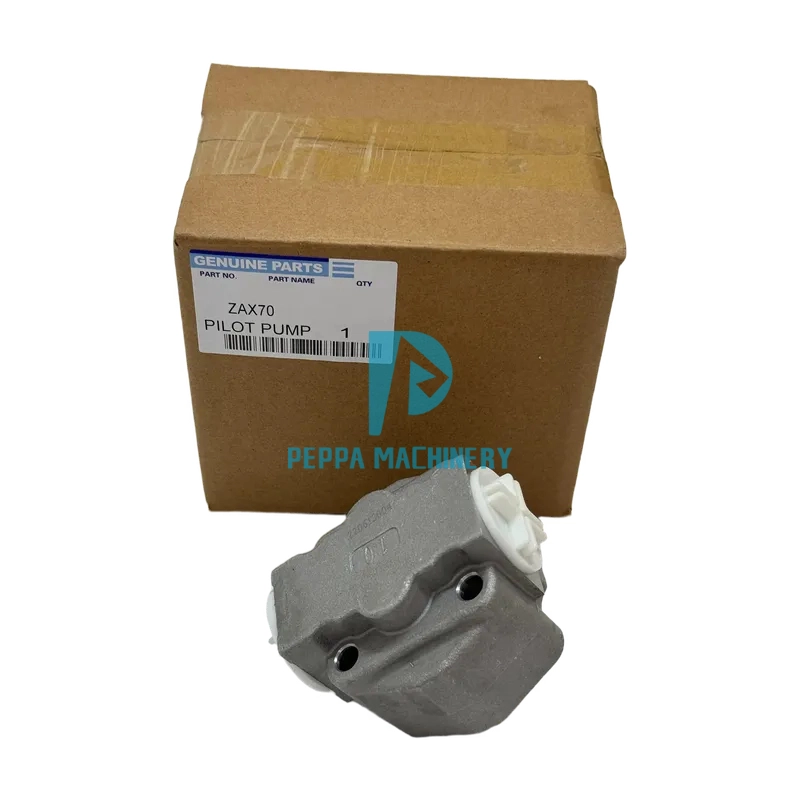
ZAX70 PILOT PUMP GEAR PUMP
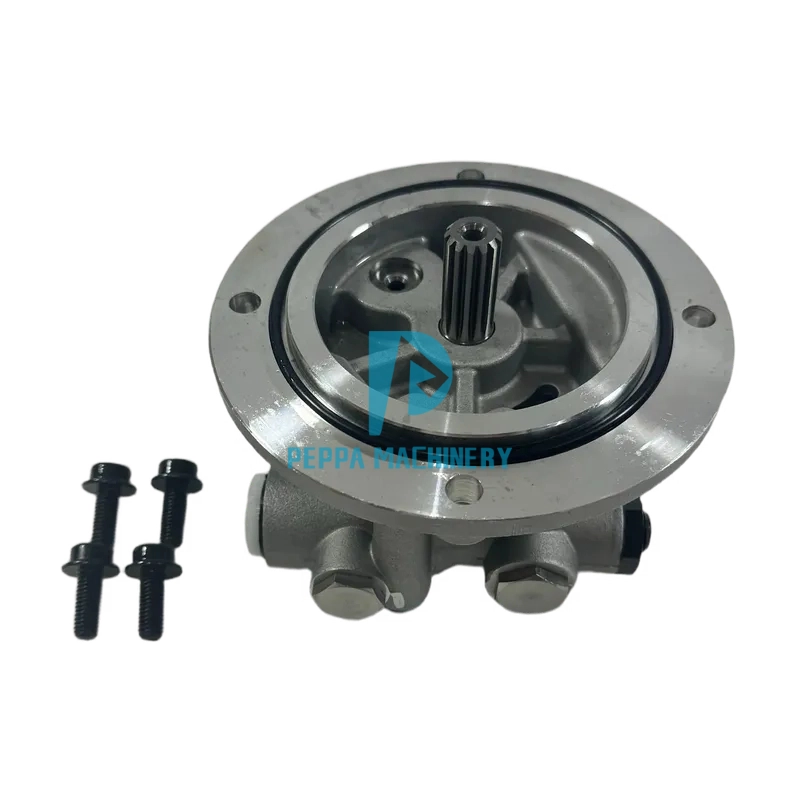
High Quality BRAND NEW 333-k5495 K7V125 PILOT PUMP GEAR PUMP for Excavator
Excavator Parts
What types of parts do you mainly offer?
Our main product categories include:
• Engine parts (liner kits, crankshafts, water/oil pumps, etc.)
• Electrical parts (sensors, monitors, throttle motors, wiring harnesses)
• Hydraulic parts (pumps, valves, cylinders)
• Sealing kits (NOK, SKF, PQ brands, floating seals, O-rings)
Do you provide technical support or installation guidance?
While we do not offer on-site installation, we can provide basic technical advice, diagrams, or documentation to assist your technicians with installation and troubleshooting.
How can I verify compatibility before placing an order?
Please provide us with your machine brand, model number, and the part number (if available). Our team will double-check the compatibility to ensure you receive the correct parts.
Can I get help choosing the right parts for my machine?
Yes. Our experienced sales team is here to provide professional recommendations and solutions based on your excavator model, part number, or specific requirements.
Are your parts genuine or OEM?
We offer both genuine parts and high-quality OEM alternatives. You can choose according to your budget and application needs. All OEM products are tested to meet or exceed original specifications.
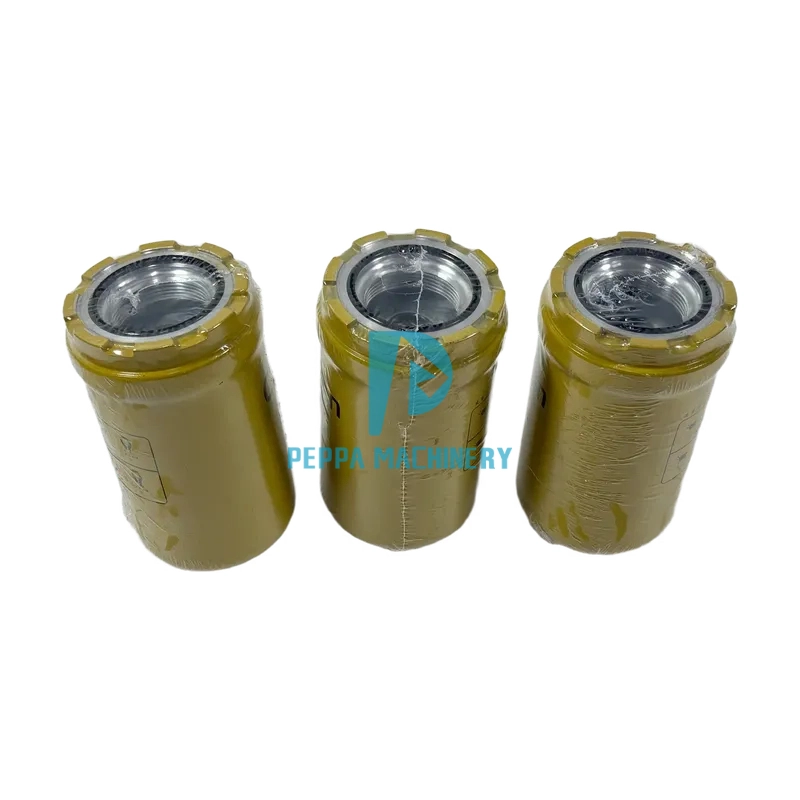
51-8670 Hydraulic Filter Applicable to HF35519 518670 2897836 518670X 1588987 Compatible with Caterpillar 352FVG 325CL
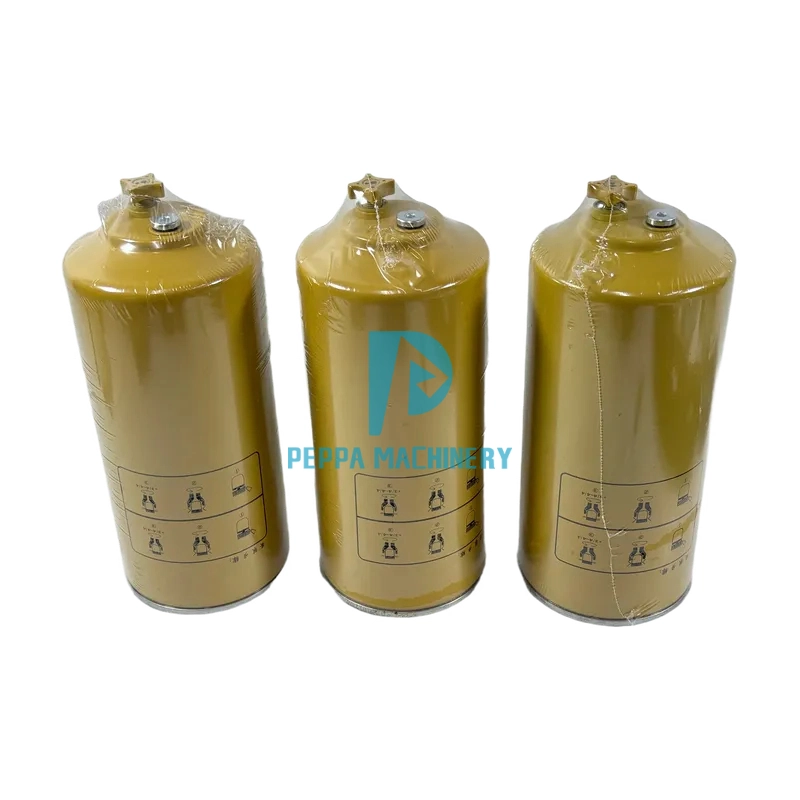
4385386 Fuel Water Separator Fuel Filter 382-0664 Oil-water Separator Hydraulic Oil Filter for CAT 312D2 320D2
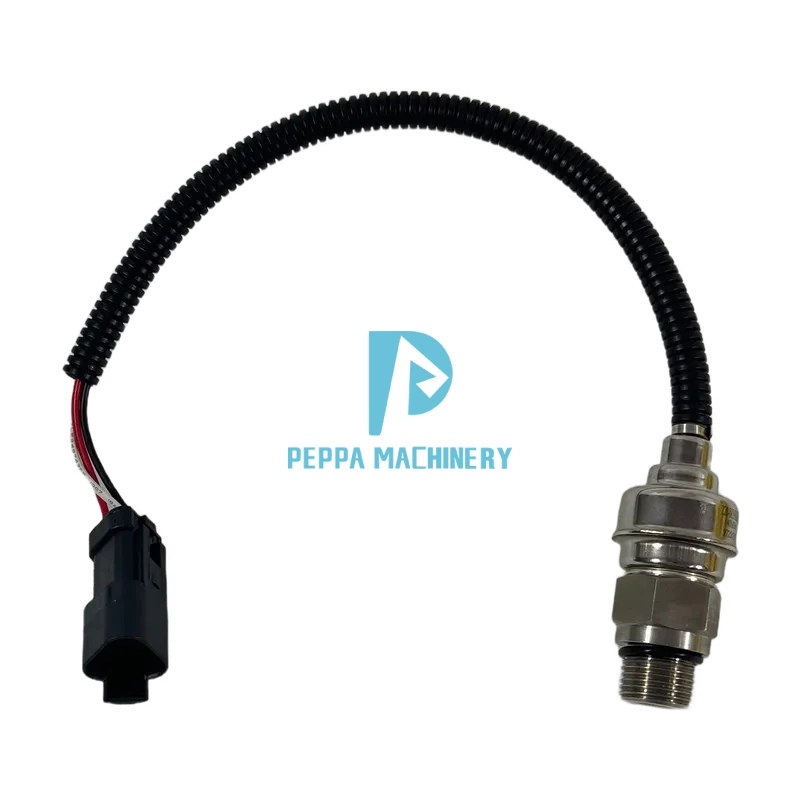
Pressure Sensor 221-8859 106-0178 for Caterpillar CAT 311B 311C 312C 314D 315B 320C 323D 324D 330C 336D 345B 385C
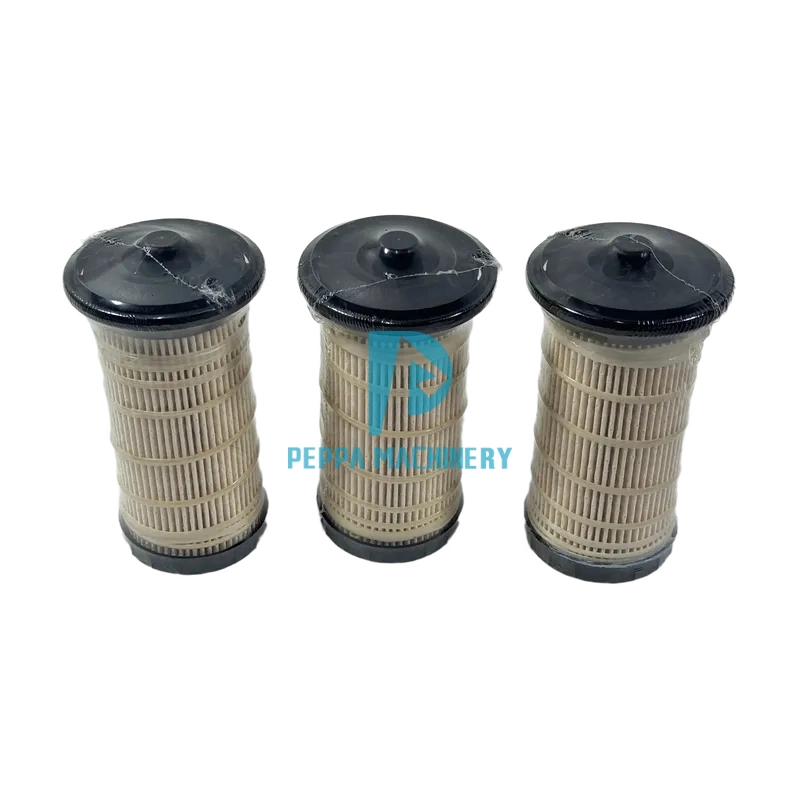
360-8960 Fuel Filter Element for Caterpillar C4.4 & C7.1 Engines | Fits 312D, 320D, 312E, 320E, 326D2, 336D2 Excavators
Get more information
Want to know more? Contact us today to get detailed product specifications, customized solutions, and a free consultation tailored to your needs.
Rest assured that your privacy is important to us, and all information provided will be handled with the utmost confidentiality.

Reliable Source for Quality Excavator Components.
Follow Us
Our Partners


Our Payment Methods


 High Quality
 7/24 Service
 Guaranteed Warranty
 Scan QR Code
Facebook
TikTok
YouTube
Pinterest
Twitter