








Cummins Injector Nozzles: Symptoms, Upgrades, and the SAC vs. VCO Guide
- Introduction
- What is the difference between SAC and VCO Cummins injector nozzles?
- Should I upgrade the whole injector or just the injector nozzles on my Cummins?
- What are the common symptoms of a bad Cummins injector nozzle?
- How do you identify the correct injector nozzles for a Cummins engine?
- What is the difference between 7mm and 9mm Cummins injector nozzles?
- How much horsepower can you gain from upgrading Cummins injector nozzles?
- Can you clean and rebuild dirty Cummins injector nozzles?
- Do I need a larger CP3 pump or turbo when upgrading my Cummins injector nozzles?
- Conclusion
- Call to Action
Introduction
Unlocking the true potential of your diesel engine often starts at the very tip of your fuel system. Whether you are dealing with sluggish acceleration, chasing massive horsepower gains, or simply trying to clear up a hazy exhaust, understanding your cummins injector nozzles is absolutely critical. The nozzles are responsible for atomizing diesel into a fine mist under extreme pressures, dictating how cleanly and powerfully your engine runs.
Navigating the world of diesel fuel injection can feel overwhelming due to the sheer variety of technical terms, spray angles, and sizing measurements. From vintage 12-valve mechanical setups to modern ultra-high-pressure electronic systems, your injectors dictate the lifeblood of your engine's performance.
In this comprehensive guide, we will break down the exact differences between popular nozzle styles, diagnose common failure symptoms, and map out the supporting modifications you need to successfully execute your next diesel performance upgrade.
What is the difference between SAC and VCO Cummins injector nozzles?
When choosing upgraded nozzles, the primary engineering distinction you will encounter is between VCO (Valve Covered Orifice) and SAC (Sintered Alloy Composite / Sac Hole) designs. In a VCO nozzle, the internal moving needle (or pintle) drops down and directly covers the spray holes to end the injection event. Because the needle physically seals the orifices, VCO nozzles tend to provide a very crisp end to the injection cycle, resulting in a cleaner, quieter idle with less exhaust haze.
On the other hand, an SAC nozzle features a small cavity (the sac) at the bottom of the injector tip where the spray holes are located. The needle seals the main fuel gallery above this cavity, rather than plugging the individual holes. Because fuel remains in this small sac after the valve closes, SAC nozzles provide excellent cooling properties and unmatched durability. In fact, aftermarket leaders like S&S Diesel Motorsport have specifically developed SAC replacements to outlast obsolete, factory VCO nozzles that are prone to premature wear.
Choosing between the two depends heavily on your application. VCO nozzles are excellent for street trucks where a perfectly clean, quiet idle is the priority, or for massive custom EDM competition setups where the nozzle tip requires maximum physical real estate. Conversely, SAC nozzles are widely preferred for overall longevity and modern common rail applications, offering superior internal flow characteristics and unmatched reliability under heavy towing conditions.
Should I upgrade the whole injector or just the injector nozzles on my Cummins?
Deciding whether to replace the entire injector assembly or just the cummins injector nozzles usually comes down to your budget, your engine's mileage, and the specific generation of your fuel system. Swapping just the nozzles is a highly cost-effective route if your injector bodies and internal solenoids are in excellent health. If you have a low-mileage truck and just want a quick 50hp bump, pressing on new nozzle tips is a fantastic, budget-friendly strategy.
However, upgrading the entire injector is often the safer, more reliable choice for high-mileage trucks or modern electronic engines. Modern common rail injectors operate under immense rail pressures (often exceeding 24,000 PSI). Over tens of thousands of miles, the internal check balls, seats, and electronic solenoids inside the injector body experience severe wear. Putting a brand-new, high-flow nozzle on a worn-out injector body will only amplify existing internal leaks and performance issues.
Furthermore, calibration is a massive factor. If you only swap the nozzles, you must have the assembled units professionally pop-tested (for mechanical 12-valves) or electronically balanced on a test bench. Failing to properly balance the injectors can lead to uneven fuel delivery, aggressive engine vibrations, and dangerous spikes in Exhaust Gas Temperatures (EGTs). Buying a complete, pre-balanced injector set removes this risky guesswork.
What are the common symptoms of a bad Cummins injector nozzle?
Failing cummins injector nozzles disrupt your engine's precision fuel delivery, and the first major warning sign usually appears right at your tailpipe. Excessive smoke is a primary indicator: black smoke points to an overly rich condition where raw fuel is not burning completely, while continuous white or gray smoke at idle often means a cracked nozzle is dribbling unatomized fuel directly onto the pistons, washing away vital cylinder lubrication.
Engine misfiring and a rough, shaking idle are also major red flags that should never be ignored. When the microscopic orifices on the tip become clogged with carbon soot, the fuel spray pattern becomes distorted. As noted by the experts at Firestone Complete Auto Care, dirty or damaged fuel injectors create an imbalance in the air-to-fuel ratio, leading directly to engine misfires, rough idling, and noticeable hesitation during acceleration.
Another critical and dangerous symptom is oil dilution (fuel in the engine oil). If an injector nozzle cracks or the internal pintle seat fails to hold pressure, raw diesel can leak past the piston rings and into the crankcase. This dilutes the engine oil, stripping away its lubricating properties. If you notice a sharp drop in fuel economy, a sudden loss of pulling power, or an oil dipstick that smells heavily of diesel, your nozzles require immediate attention.
How do you identify the correct injector nozzles for a Cummins engine?
Identifying the correct replacement nozzles requires knowing the exact generation of your engine and the specifics of its internal combustion design. The 5.9L 12-valve utilizes purely mechanical injectors, while the early 24-valve relies on VP44-driven injectors. Meanwhile, as explained by Wikipedia, modern 2003+ Cummins engines utilize an advanced common-rail injection system where fuel is supplied from a high-pressure accumulator to electronic injectors. You cannot cross-contaminate mechanical nozzles with electronic common rail bodies.
Beyond just the engine year, you must perfectly match the nozzle's fuel spray pattern angle to your specific piston bowl. For example, early non-intercooled 1st Gen Cummins engines feature a wider 155-degree piston bowl, whereas later intercooled models use a narrower 145-degree bowl. Installing a 155-degree spray nozzle into an engine with a 145-degree piston bowl will spray diesel directly onto the cylinder walls rather than inside the bowl, causing catastrophic heat damage and engine melting.
To eliminate the guesswork, always reference your engine's CPL (Control Parts List) number. This identification number is stamped onto the engine data plate located on the timing gear housing. Providing the CPL number to your diesel performance parts supplier is the most foolproof way to ensure you receive a nozzle with the correct thread pitch, hole count, and spray angle for your exact engine block.
What is the difference between 7mm and 9mm Cummins injector nozzles?
This specific size distinction applies exclusively to the legendary 5.9L 12-valve Cummins engines produced between 1989 and 1993. The earliest non-intercooled 1st Gen engines (1989 to early 1991) were machined from the factory with massive 9mm injector bores in the cylinder head. These original 9mm injectors flowed a tremendous volume of fuel, making them a favorite for vintage hot-rodders, but they harbored a significant engineering flaw.
Because the 9mm bore was so large, it left very little cast iron material in the cylinder head between the injector port and the exhaust valves. Consequently, these early 9mm cylinder heads became highly susceptible to heat cracking under heavy towing loads. To resolve this durability issue, Cummins implemented a structural redesign in mid-1991 (alongside the introduction of factory intercoolers), shrinking the injector bore and nozzle size down to 7mm.
If you are rebuilding a 1st Gen today, compatibility is key. You can successfully run the newer, more common 7mm injectors inside an older 9mm cylinder head, but you must use specially machined 7mm-to-9mm copper adapter sleeves to properly seal the bore. Conversely, you cannot install vintage 9mm injectors into a newer 7mm cylinder head without highly expensive and complex machine shop modifications.
How much horsepower can you gain from upgrading Cummins injector nozzles?
Upgrading your nozzles is arguably one of the most cost-effective Cummins performance upgrades available on the aftermarket. By increasing the size of the microscopic holes on the nozzle tip (often measured in liters per minute or a blanket horsepower rating like "+50hp" or "+100hp"), you drastically increase the volume of fuel delivered during a single injection cycle.
For the average enthusiast looking for a reliable daily driver or a stronger tow rig, a mild 50hp to 75hp nozzle upgrade is the sweet spot. This level of upgrade provides a highly noticeable bump in bottom-end torque, faster turbo spooling, and improved throttle response. In some cases, drivers even report a slight bump in fuel economy due to the more efficient atomization provided by modernized aftermarket hole designs.
For extreme competition builds, the sky is the limit. Massive 100hp, 200hp, or custom-drilled EDM nozzles can supply enough fuel to push a Cummins engine well beyond the 1,000-horsepower threshold. However, these massive fuel gains come with strict requirements. Dropping 200hp nozzles into a stock truck will not net you 200 horsepower; it will only generate excessive black smoke and dangerous exhaust temperatures until you upgrade the rest of the engine to handle the fuel.
Can you clean and rebuild dirty Cummins injector nozzles?
Yes, cleaning and rebuilding dirty injector nozzles is a very common and practical maintenance procedure, particularly for the older, fully mechanical 12-valve and VP44-driven 24-valve engines. Over years of operation, lower-quality diesel fuel and high heat can cause severe carbon coking—a hard buildup that physically blocks the nozzle orifices and distorts the crucial fuel spray pattern.
A professional diesel technician will disassemble the mechanical injector body and clean the nozzles in a high-frequency ultrasonic bath to strip away the baked-on carbon. After reassembly with fresh springs, sealing washers, and shims, the technician mounts the injector on a specialized pop-tester. This manual pump allows them to verify that the injector "pops" open at the exact bar pressure specified by the factory and delivers a uniform, clean mist without dripping.
However, rebuilding modern high-pressure common rail injectors is an entirely different beast. The tolerances inside a common rail nozzle are measured in microns, and any microscopic scoring from dirt or water contamination permanently ruins the nozzle. Rebuilding these requires a highly sterile clean-room environment and computerized test benches. In many common rail scenarios, simply replacing the damaged nozzles with brand-new units is far more cost-effective than attempting a complicated rebuild.
Do I need a larger CP3 pump or turbo when upgrading my Cummins injector nozzles?
The short answer is: it heavily depends on the size of the nozzles you choose, but going big absolutely requires supporting airflow and fuel supply modifications. Diesel engines run on a delicate balance of air and fuel. If you install massively oversized cummins injector nozzles without increasing the incoming air volume, you will create an excessively rich mixture. This results in heavy black smoke (wasted fuel) and skyrocketing Exhaust Gas Temperatures (EGTs) that can melt your pistons in seconds.
To properly utilize the extra fuel and keep engine temperatures safe, upgrading your turbocharger is mandatory for larger nozzles. A larger single turbo—or a compound turbo setup—forces a higher volume of dense, compressed air into the engine. This abundant air supply ensures that the extra diesel injected by your upgraded nozzles is completely burned, turning potential smoke and heat into raw, usable horsepower.
On the fuel supply side, your factory CP3 injection pump only flows so much volume. While a healthy stock CP3 can generally keep up with a mild 50hp nozzle upgrade, anything larger will rapidly drain your fuel rail pressure under heavy acceleration. To support 100hp+ nozzles, you will need to install a modified high-flow CP3 (or a dual CP3 kit) along with a high-capacity aftermarket lift pump to ensure your injection system never starves for fuel.
Conclusion
Upgrading or maintaining your cummins injector nozzles is a critical aspect of diesel ownership that yields massive dividends in drivability, power, and efficiency. Whether you are navigating the historical quirks of 7mm vs. 9mm bore sizes, choosing between the longevity of SAC and the cleanliness of VCO designs, or matching spray angles to your piston bowls, precision is everything in the world of diesel fuel injection.
Remember that larger nozzles are only one piece of the high-performance puzzle. Coupling your new nozzles with clean fuel filtration, a robust lift pump, and adequate turbocharger airflow will ensure your Cummins runs cleanly and powerfully for hundreds of thousands of miles.
Call to Action
If you are ready to unlock your truck's true potential or need expert assistance diagnosing failing injectors, contact our diesel performance team today for a personalized consultation!

Isuzu SP 4JG1 4JG2 4JG3 Cylinder Liner 1876182070 1-87618207-0 1876182080 1-87618208-0 1876182100 1-87618210-0
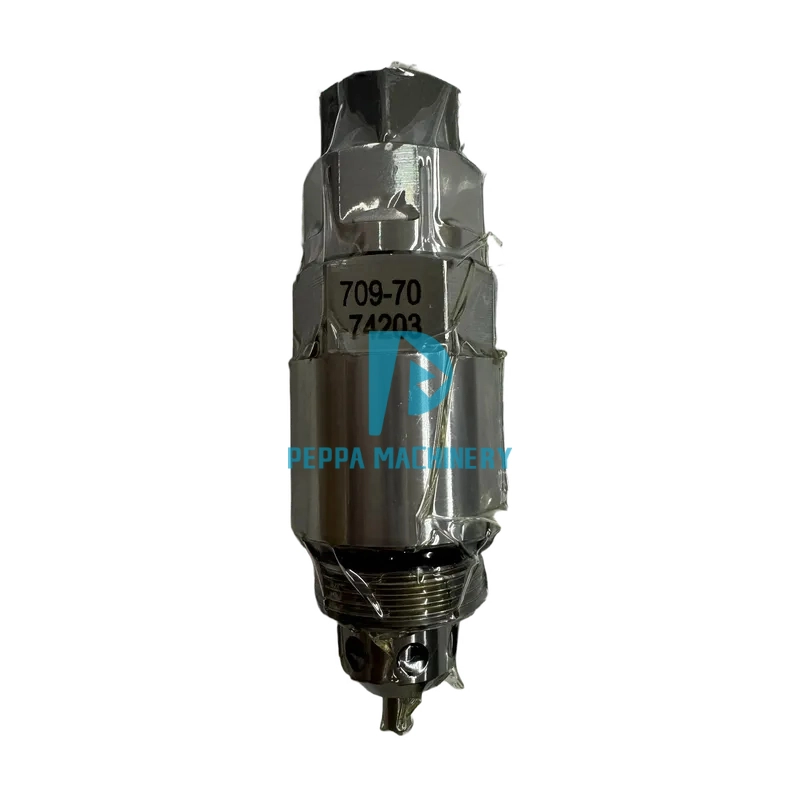
709-70-74203 7097074203 Relief Valve for PC200-5 PC200-6

New for CAT 312D 320D Excavator Spare Parts 4343436 434-3436 221-8859 Metal Pressure Switch and Sensor
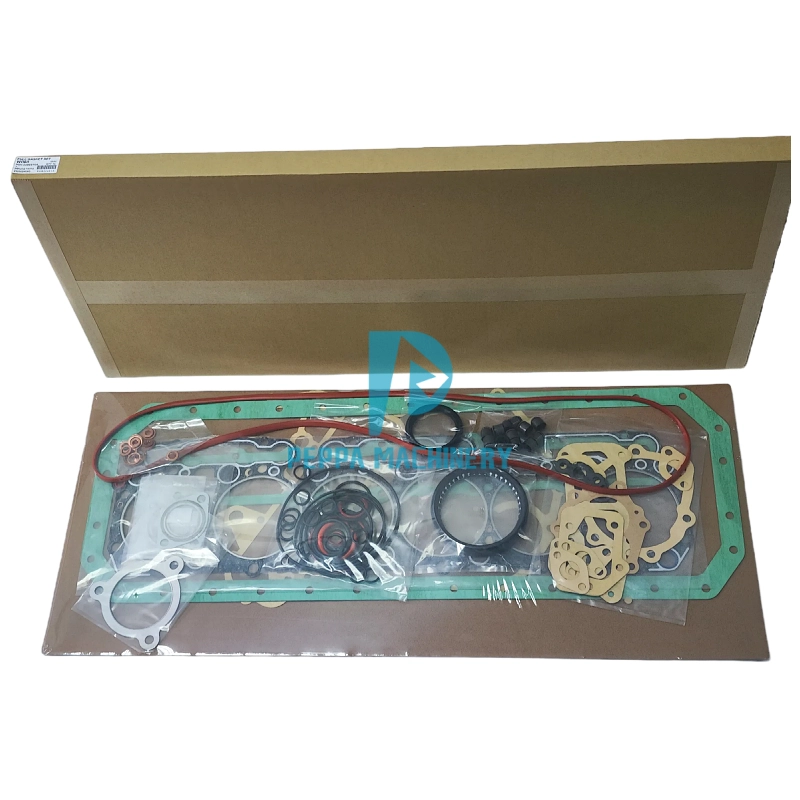
W06D W06DT Engine Overhaul Repair Kit Full Gasket
Excavator Parts
How can I verify compatibility before placing an order?
Please provide us with your machine brand, model number, and the part number (if available). Our team will double-check the compatibility to ensure you receive the correct parts.
Do you provide technical support or installation guidance?
While we do not offer on-site installation, we can provide basic technical advice, diagrams, or documentation to assist your technicians with installation and troubleshooting.
What brands of excavator parts do you supply?
We supply a full range of parts compatible with major international and Chinese brands, including Caterpillar, Komatsu, Hitachi, Volvo, Doosan, Hyundai, Sany, Liugong, XCMG, Zoomlion, and more.
What types of parts do you mainly offer?
Our main product categories include:
• Engine parts (liner kits, crankshafts, water/oil pumps, etc.)
• Electrical parts (sensors, monitors, throttle motors, wiring harnesses)
• Hydraulic parts (pumps, valves, cylinders)
• Sealing kits (NOK, SKF, PQ brands, floating seals, O-rings)
Are your parts genuine or OEM?
We offer both genuine parts and high-quality OEM alternatives. You can choose according to your budget and application needs. All OEM products are tested to meet or exceed original specifications.
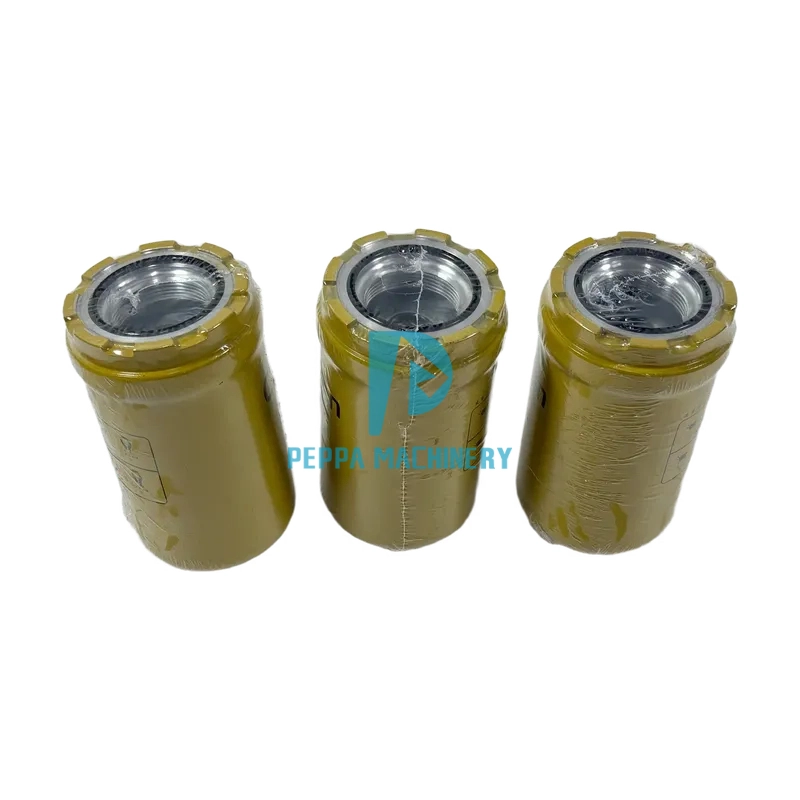
51-8670 Hydraulic Filter Applicable to HF35519 518670 2897836 518670X 1588987 Compatible with Caterpillar 352FVG 325CL
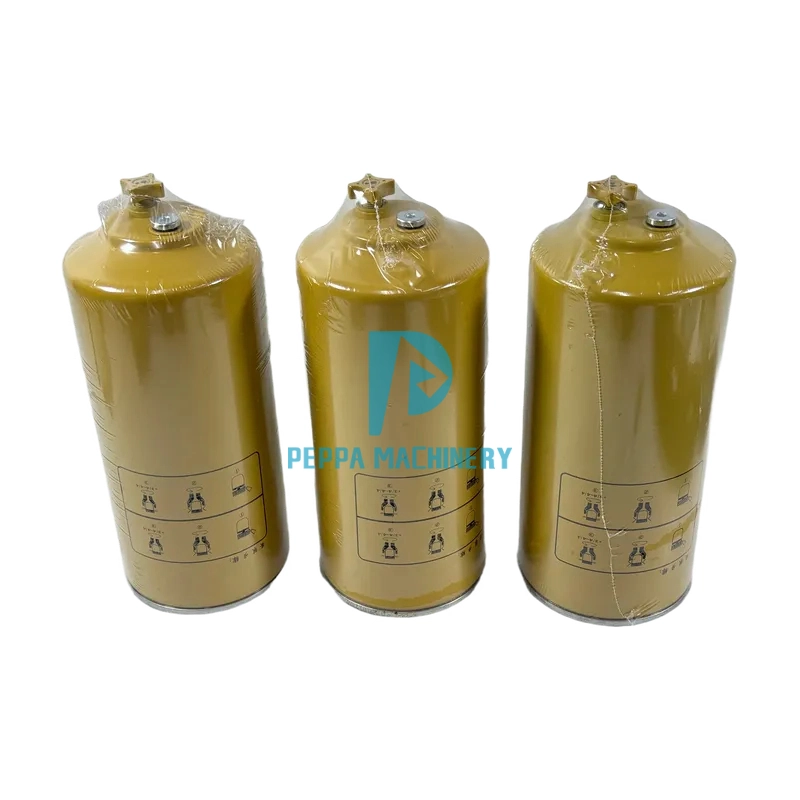
4385386 Fuel Water Separator Fuel Filter 382-0664 Oil-water Separator Hydraulic Oil Filter for CAT 312D2 320D2
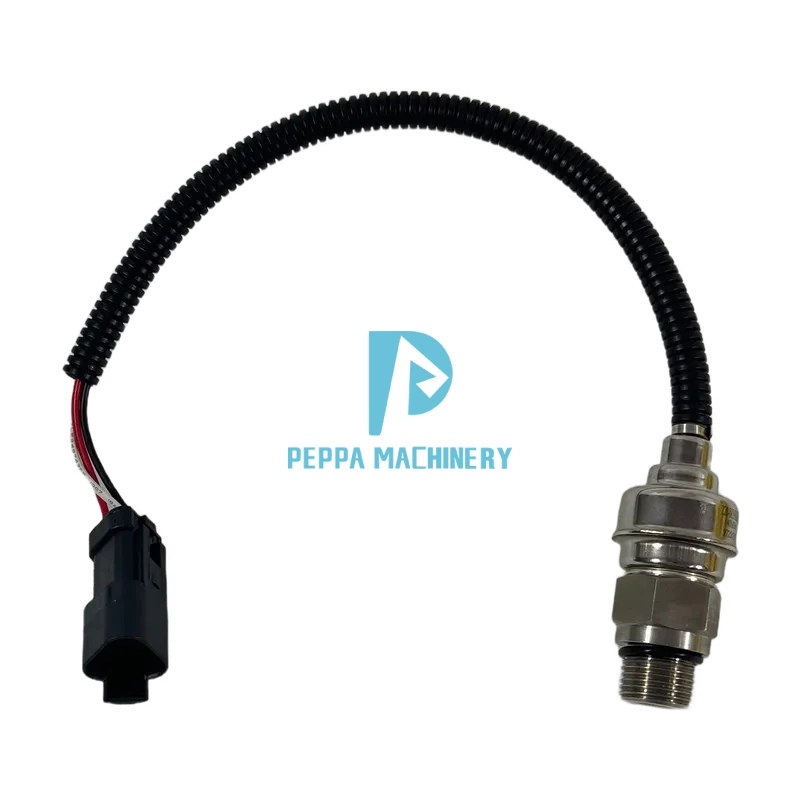
Pressure Sensor 221-8859 106-0178 for Caterpillar CAT 311B 311C 312C 314D 315B 320C 323D 324D 330C 336D 345B 385C
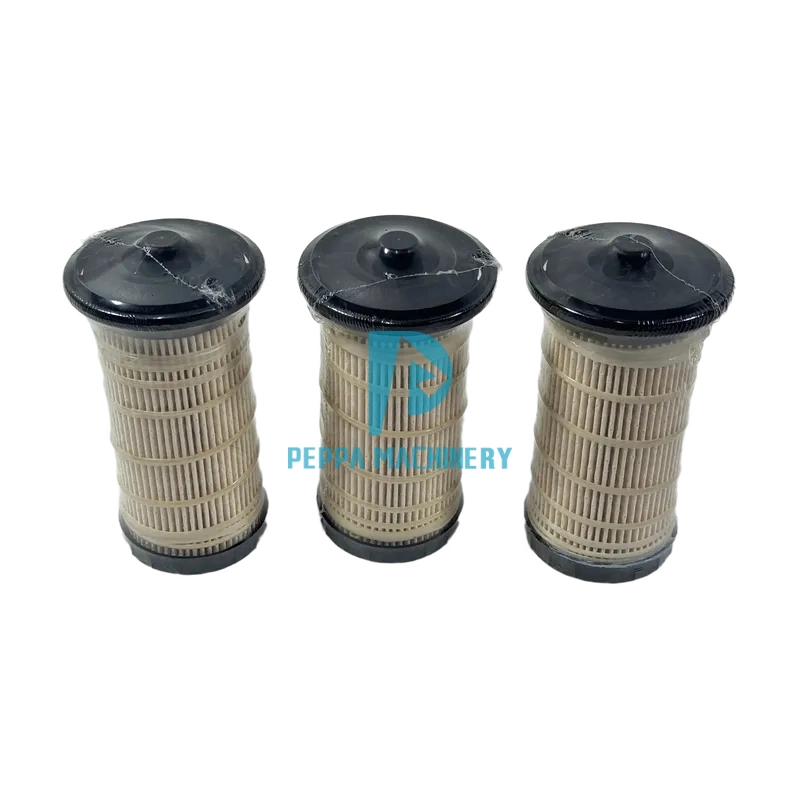
360-8960 Fuel Filter Element for Caterpillar C4.4 & C7.1 Engines | Fits 312D, 320D, 312E, 320E, 326D2, 336D2 Excavators
Get more information
Want to know more? Contact us today to get detailed product specifications, customized solutions, and a free consultation tailored to your needs.
Rest assured that your privacy is important to us, and all information provided will be handled with the utmost confidentiality.

Reliable Source for Quality Excavator Components.
Follow Us
Our Partners


Our Payment Methods


 High Quality
 7/24 Service
 Guaranteed Warranty
 Scan QR Code
Facebook
TikTok
YouTube
Pinterest
Twitter