








How to choose the right alternator for your excavator?
- 1) How do I calculate the alternator amperage my excavator really needs when I add LED work lights, a camera system, heated seats and a compressor?
- 2) My excavator idles most of the day. How do I ensure the alternator charges at low engine RPM?
- 3) How do I pick the correct alternator for 12V vs 24V excavators and for dual‑battery/series battery systems?
- 4) What environmental and durability specs matter when choosing an excavator alternator (dust, water, vibration, high temp)?
- 5) How do I ensure physical and electrical fitment — pulley, rotation, mounting flange, and OEM cross references — before buying a replacement alternator?
- 6) How can I test alternator performance on site and verify a replacement unit is functioning correctly (voltage, amperage, ripple, regulator)?
How to Choose the Right Alternator for Your Excavator: 6 Deep Questions Answered
This technical guide answers six specific, high‑value long‑tail questions excavator owners, fleet managers and parts buyers frequently have about alternator selection. It embeds real diagnostic tests and selection steps for heavy equipment charging systems, including voltage regulator types, low‑RPM charging, mounting and environmental protection. Semantic terms used include charging system, voltage regulator, rotor, stator, rectifier diodes, amperage rating, low‑rpm alternator, 24V alternator, IP rating and OEM cross references.
1) How do I calculate the alternator amperage my excavator really needs when I add LED work lights, a camera system, heated seats and a compressor?
Why this matters: many online answers give rough rules of thumb. In practice you must size the alternator to handle the expected simultaneous running (continuous) loads at normal engine idle/RPM and still leave charging capacity for the battery—otherwise batteries will discharge during operation.
Step‑by‑step method:
- List every electrical load and its rated current at system voltage (amps). Use nameplate values or manufacturer data: LED work lights (each 2–15 A depending on wattage), cameras (0.2–2 A), heated seats (5–10 A), small air compressors (running 10–30 A but start current higher).
- Decide which loads run simultaneously. For example, if you run lights + HVAC blower + camera + control electronics simultaneously, sum those currents.
- Add the battery charging current needed. Typical practice: assume the battery will need 20–30% of its CCA capacity (in amps) to be replenished over operation periods, or estimate how many amps are required to maintain battery state of charge. For fleet use, a practical approach is to add a charge margin equal to 20–30% of the summed accessory current to cover charging and transient needs.
- Account for accessory motor start currents. Alternators rarely supply motor stall currents (e.g., winches, starter motors, large compressors). Ensure batteries and starter system can supply these peaks; the alternator should provide steady‑state current after startup. If the accessory requires continuous high motor current, size alternator for continuous running amps of that accessory or use a separate power unit.
- Apply a safety margin of 20–30% for future additions and derating at high ambient temperatures.
Example (12 V system): LED bar 10 A + camera 1 A + radio/controls 5 A = 16 A. Add 30% charge margin = 20.8 A. Add 30% safety margin = 27 A. Choose an alternator with continuous output ≥30 A at the actual operating RPM where you spend most time (see low‑RPM section below).
Key notes: use alternator output specified at the RPM you operate at (many alternators are rated at ~2000–3000 rpm). If you idle for long periods, choose a unit with good low‑RPM output or a higher rated alternator so you still produce net charge at idle.
2) My excavator idles most of the day. How do I ensure the alternator charges at low engine RPM?
Problem: standard automotive alternators often require higher pulley speeds to reach rated output; excavator hydraulic engines often spend long periods at low RPM, which can result in undercharging and battery discharge.
Solutions and selection criteria:
- Low‑RPM (auxiliary) alternators: choose heavy‑equipment alternators designed to deliver rated output at lower engine speeds. Manufacturers publish output vs. RPM curves—request these curves and ensure the alternator reaches the necessary amperage at your typical idle RPM.
- Pulley ratio: increase alternator pulley diameter (or change drive ratio) to spin the alternator faster relative to the engine. Confirm the pulley and belt system is compatible (serpentine vs V‑belt). Avoid excessive overspeed.
- Built‑in low‑speed regulators and external voltage regulators: some alternators include regulators tuned for low‑RPM charging; external regulators can boost excitation to increase low‑speed output where permitted by the alternator design.
- Brushless alternators and dedicated low‑RPM designs: these provide better efficiency and reliability at low speeds because of reduced brush losses and improved magnetic design.
- Add a DC‑DC charger or battery management system: if low‑RPM charging is insufficient, a DC‑DC converter between alternator and batteries can provide stable, multi‑stage charging regardless of alternator characteristics.
Actionable test: with a clamp meter and multimeter, measure alternator amps and battery voltage at the actual idle RPM you use in the field. If measured charging amperage is lower than your calculated required continuous current (from Q1), upgrade to a low‑RPM alternator or change pulley ratio.
3) How do I pick the correct alternator for 12V vs 24V excavators and for dual‑battery/series battery systems?
Common mistake: ordering a 12V alternator for a 24V machine (or vice versa), or assuming a single alternator will reliably charge a mismatched battery bank.
Guidelines:
- Match system voltage. If the machine is a 24V system (common on larger excavators and heavy equipment), you must use a 24V alternator or a 12V alternator with a step‑up charging solution—not recommended. Alternator voltage rating is fundamental.
- Dual‑battery setups: in 12V systems where two batteries are used for capacity, ensure proper charging topology. If batteries are paralleled, a single correctly sized 12V alternator can charge both; use a good split‑charge or isolator system to prevent one weak battery from dragging the other down. For series 24V battery banks, use a single 24V alternator designed for that bank.
- Starter/auxiliary considerations: for vehicles with heavy starter loads, do not oversize alternator voltage too high relative to battery specs—this can reduce battery life. Use alternators with proper voltage regulation (13.8–14.6 V for 12V systems; 27.6–29.2 V for 24V systems) and multi‑stage charging if possible.
Testing tip: measure resting battery voltage and charging voltage at operating RPM. Expected charging ranges: approximately 13.8–14.6 V for healthy 12V charging systems, and roughly double that for 24V systems. Confirm alternator type in OEM manual or parts cross reference before ordering.
4) What environmental and durability specs matter when choosing an excavator alternator (dust, water, vibration, high temp)?
Excavators operate in harsh conditions; alternator failures often stem from ingress, overheating, vibration, or regulator failures. Generic alternators for passenger cars are often underspecified.
Key specifications to require:
- IP rating: look for IP65 or IP67‑rated housings for aggressive dust and water protection. Sealed connectors and sealed bearing assemblies reduce failure points.
- Vibration and shock rating: alternators for heavy equipment should have bearings and mounting designed to withstand high vibration; ask for vibration test data or heavy‑duty designation from the supplier.
- Thermal ratings and insulation class: stator/rotor insulation rated at least Class H (180°C) or equivalent for heavy duty; thermal protection on the voltage regulator is a plus.
- Brushless vs brushed: brushless alternators eliminate brush wear and contamination problems—preferred for long life in dusty environments. If brushed, ensure replaceable high‑duty brushes and protective dust seals.
- Connector type and harness: use sealed, keyed connectors and heavy‑gauge B+ cable with correct lug sizes. Corrosion‑resistant terminals (tin‑plated) and strain relief extend life.
Request manufacturer test certificates or datasheets showing IP, temperature, and vibration specs. When possible, choose alternators used in similar off‑road or marine applications where salt, dust and vibration are comparable.
5) How do I ensure physical and electrical fitment — pulley, rotation, mounting flange, and OEM cross references — before buying a replacement alternator?
Fitment errors are the most common cause of returns. Online catalogs often lack full fitment detail. Use this checklist:
- OEM part number cross reference: obtain the OEM alternator part number from the machine serial plate or parts manual and verify cross references with the supplier. Provide engine/machine serial and model when requesting a quote.
- Mounting points and flange dimensions: measure hole spacing, bolt diameter and thread pitch if possible. Confirm the bracket geometry matches (ear‑to‑ear distances and offset).
- Pulley type and size: identify pulley type (V‑belt vs serpentine), number of grooves, diameter and rotation direction. Check whether the unit uses an overrunning alternator pulley (OAP) or fixed pulley—these affect belt dynamics.
- Rotation direction: most alternators are rotation‑specific. Confirm CW/CCW rotation relative to engine. Some modern alternators are reversible or symmetric—verify before ordering.
- Electrical connector and pinout: get the plug type, the number of pins for the regulator/field sense, and location of the B+ stud. Ensure built‑in regulator vs external regulator compatibility.
- Physical envelope: check overall length and clearance for surrounding components (hydraulic lines, frames) so the new alternator doesn’t interfere with service access.
Practical tip: provide the supplier high‑resolution photos of the existing alternator (front, rear, pulley side, mounting ears, connector close‑ups). This speeds correct cross‑reference and reduces misfit risk.
6) How can I test alternator performance on site and verify a replacement unit is functioning correctly (voltage, amperage, ripple, regulator)?
Field diagnostics prevent installing a bad part or returning a working one. Use a multimeter, clamp ammeter and (if available) an oscilloscope for ripple testing.
Step‑by‑step field test:
- Pre‑check: with engine off, measure battery resting voltage. A fully charged 12V battery should read ~12.6 V; 24V banks ~25.2 V (approx). If batteries are low, charge or replace before alternator testing.
- Idle charging voltage: start the engine. Measure voltage across battery terminals at idle and at moderate RPM (e.g., 1500–2000 RPM). Expect ~13.8–14.6 V for 12V systems and ~27.6–29.2 V for 24V systems. If voltage is below these ranges, regulator or alternator may be faulty or wiring is compromised.
- Load test while running: turn on typical electrical loads (lights, blower). Use a DC clamp ammeter around the B+ cable to measure charging current. Compare measured amps to the alternator’s rated continuous output at that RPM. If substantially lower, the alternator is not delivering rated output.
- Ripple test: place an oscilloscope or AC multimeter across the battery terminals while engine runs. Excessive AC ripple (>0.5 V AC for many heavy‑equipment standards) indicates bad rectifier diodes. Replace alternator if diodes are failing.
- Field connection check: inspect B+ cable and ground for corrosion or high resistance. Voltage drop on these paths can make a healthy alternator appear weak. Measure voltage at alternator B+ stud and at battery; drops >0.5 V indicate wiring issues.
- Regulator function: if available, command alternator field or sense lines per manufacturer testing procedure (some alternators allow external tester or have diagnostic pins). Verify the regulator maintains correct voltage under temperature and load.
Document test results and include them when requesting a replacement: measured idle/loaded voltage, measured charging amps, ripple, and photos of connectors. This helps the supplier match a unit with the right electrical characteristics and regulator behavior.
Concluding summary — Advantages of choosing the right alternator
Selecting the correct, heavy‑duty alternator for your excavator minimizes downtime, extends battery life, maintains reliable electronics (telemetry, cameras, controls), reduces heat and electrical faults, and keeps hydraulic and starting systems ready. Proper selection (matched voltage, correct amperage at real operating RPM, IP/vibration rating, correct physical fit and regulator type) lowers total cost of ownership by avoiding repeated replacements and unexpected failures in the field.
If you need help verifying OEM cross‑references, alternator output curves at low RPM, or a plug‑and‑play harness for your machine, contact JB Parts — we can supply heavy‑duty alternators, datasheets and fitment checks. Request a quote at www.jbpartsgz.com or email jbparts@aliyun.com.
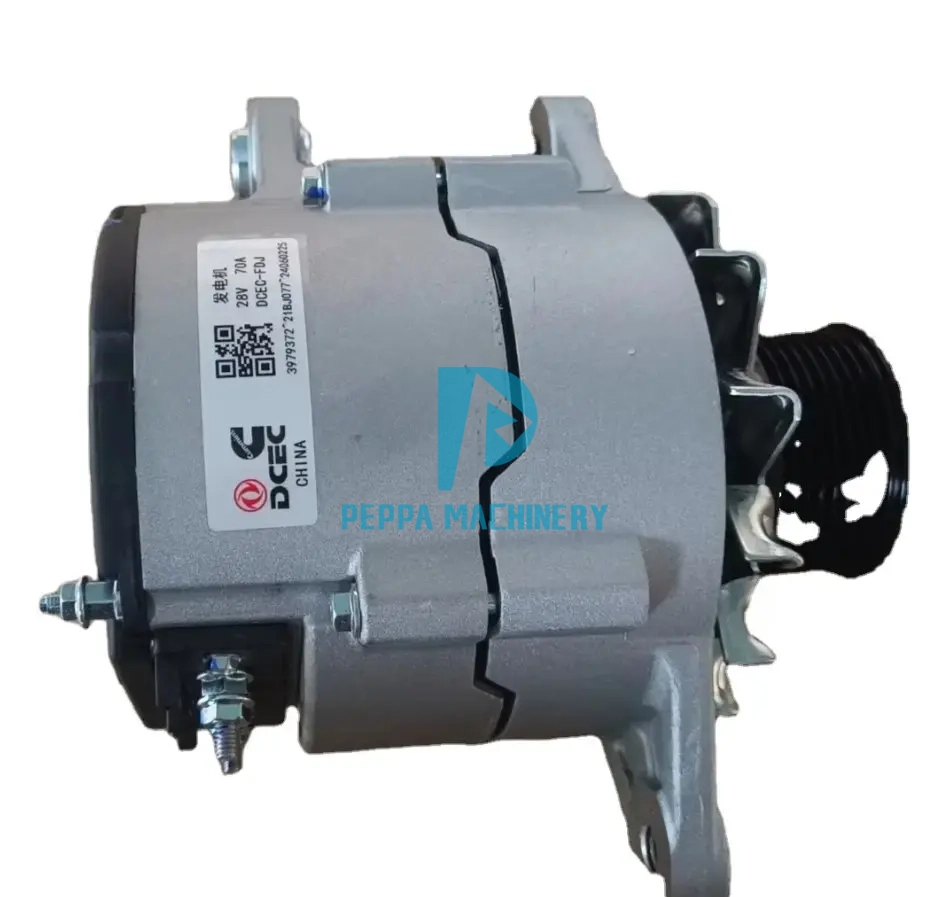
Cummins 24V AC Alternator - Genuine OEM Part #3979372 | Fits Mining & Construction Equipment
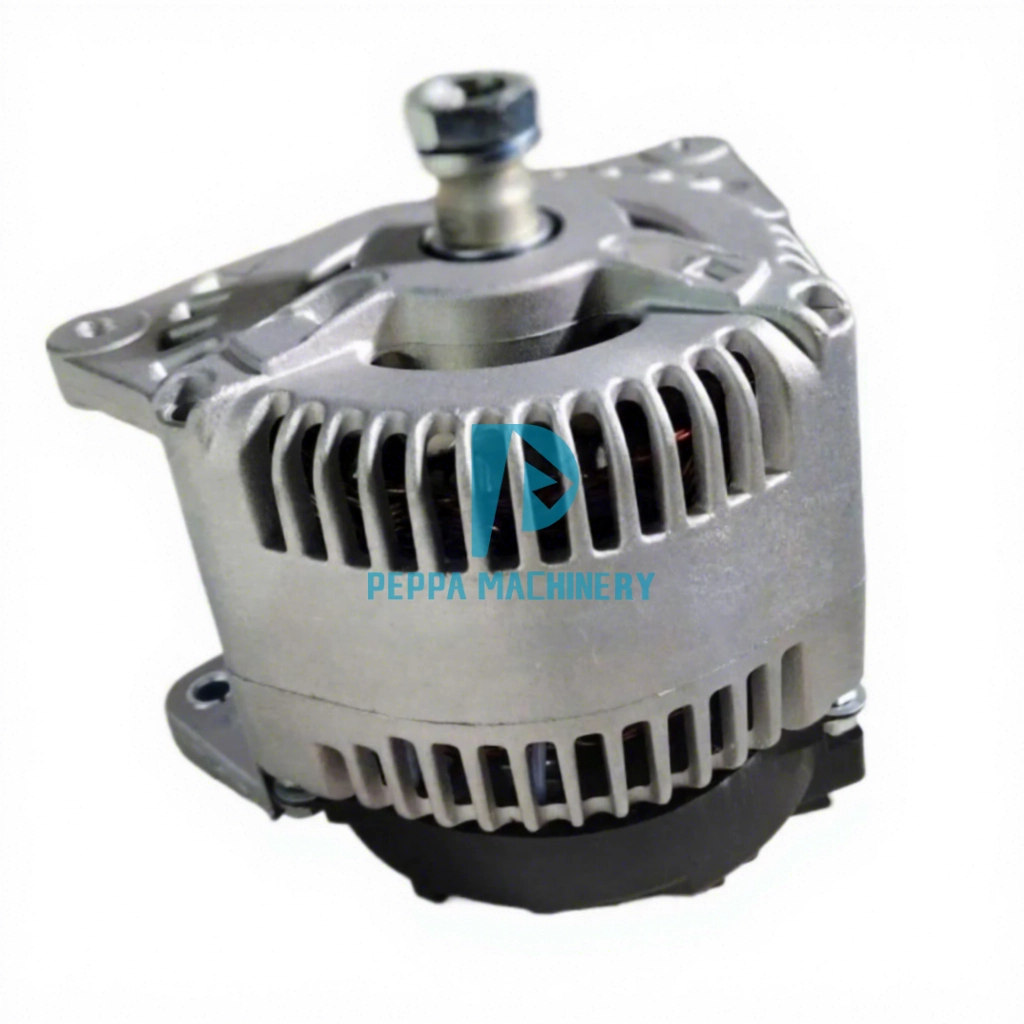
Direct Replacement Alternator for Caterpillar C4.4 & 3054C Industrial Engines | Part #4246821
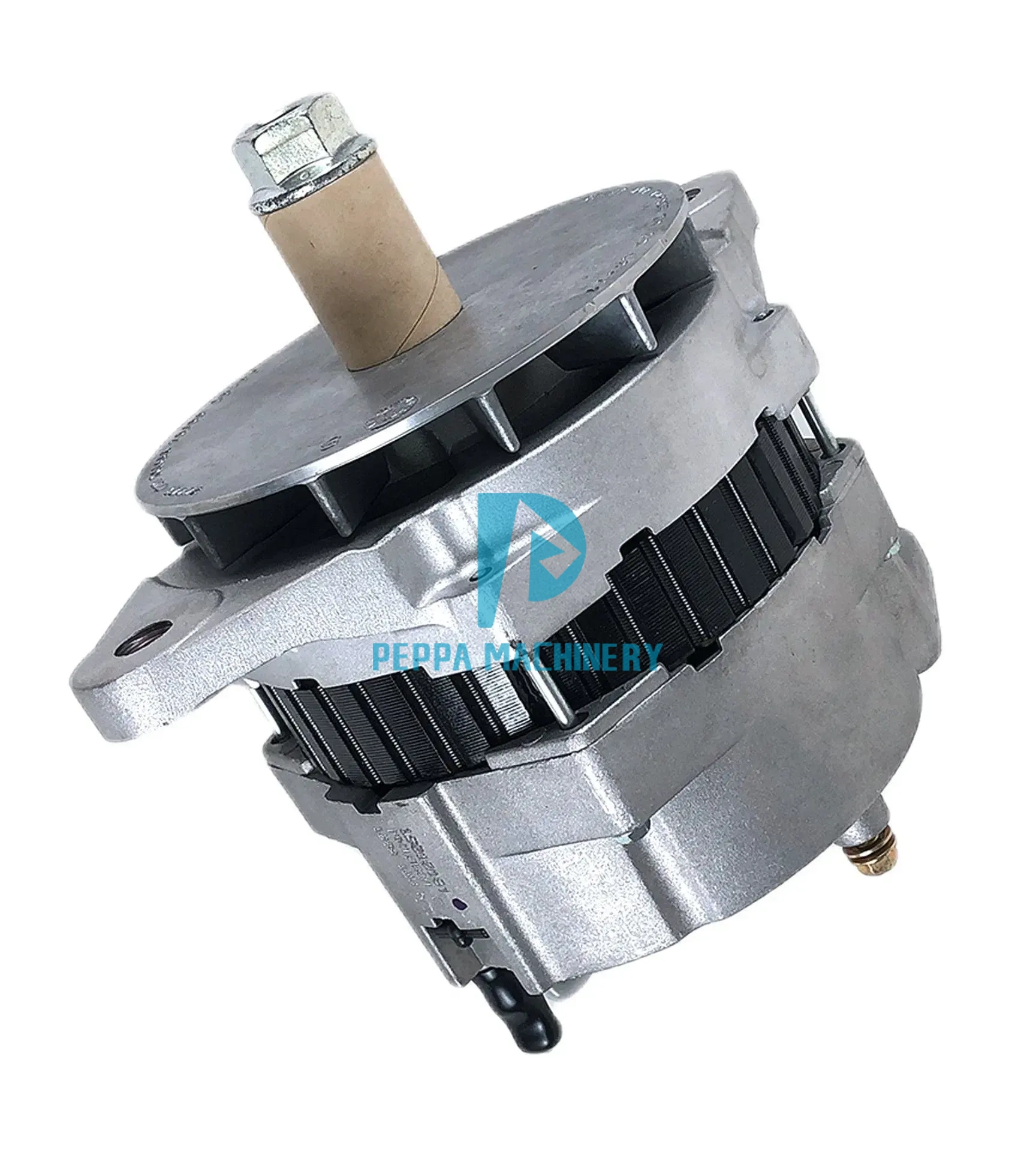
19010108 OEM Replacement Alternator for Diesel Engine Models | Fits Select Trucks & Excavators
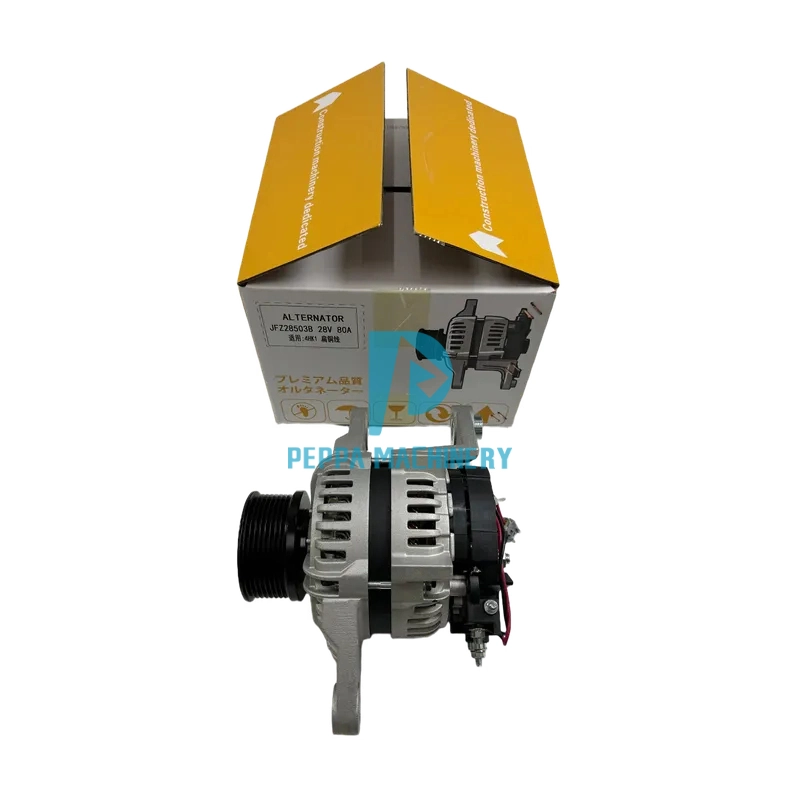
Excavator parts Alternator JF728503B for 4HK1
Excavator Parts
Do you provide technical support or installation guidance?
While we do not offer on-site installation, we can provide basic technical advice, diagrams, or documentation to assist your technicians with installation and troubleshooting.
How can I verify compatibility before placing an order?
Please provide us with your machine brand, model number, and the part number (if available). Our team will double-check the compatibility to ensure you receive the correct parts.
Are your parts genuine or OEM?
We offer both genuine parts and high-quality OEM alternatives. You can choose according to your budget and application needs. All OEM products are tested to meet or exceed original specifications.
Can I get help choosing the right parts for my machine?
Yes. Our experienced sales team is here to provide professional recommendations and solutions based on your excavator model, part number, or specific requirements.
What types of parts do you mainly offer?
Our main product categories include:
• Engine parts (liner kits, crankshafts, water/oil pumps, etc.)
• Electrical parts (sensors, monitors, throttle motors, wiring harnesses)
• Hydraulic parts (pumps, valves, cylinders)
• Sealing kits (NOK, SKF, PQ brands, floating seals, O-rings)
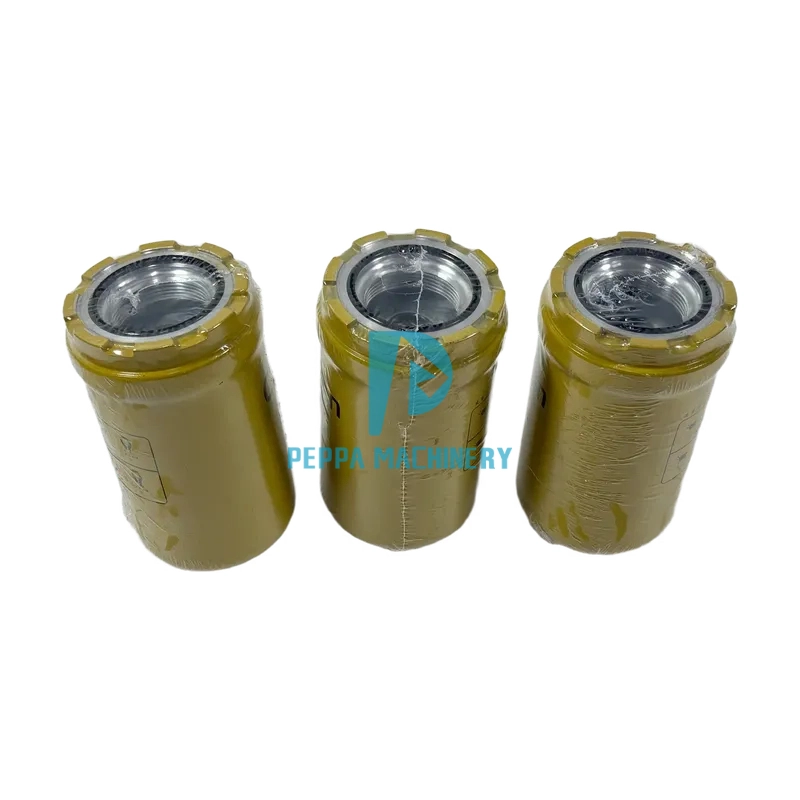
51-8670 Hydraulic Filter Applicable to HF35519 518670 2897836 518670X 1588987 Compatible with Caterpillar 352FVG 325CL
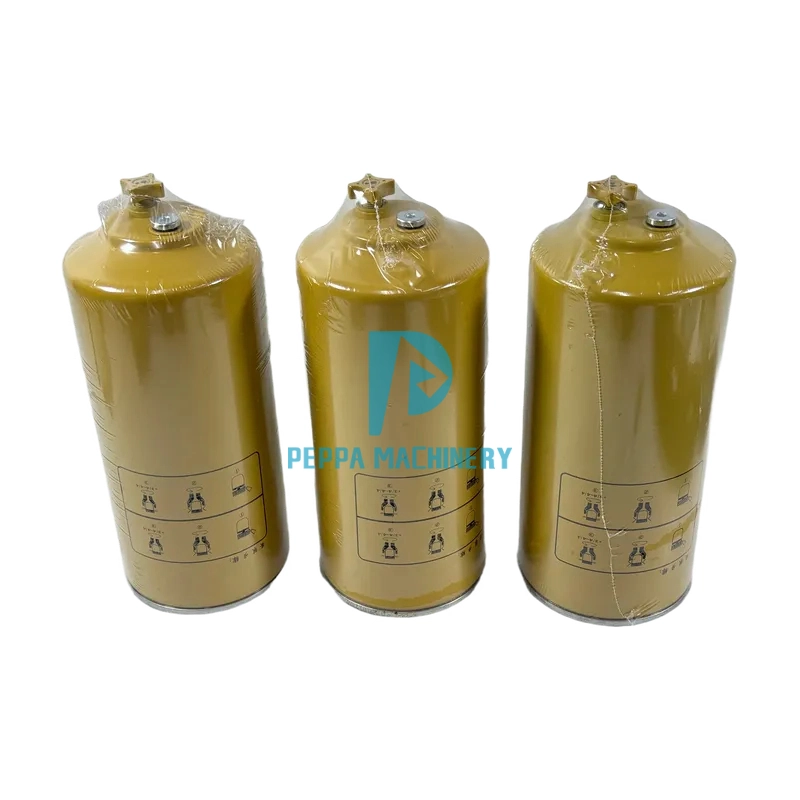
4385386 Fuel Water Separator Fuel Filter 382-0664 Oil-water Separator Hydraulic Oil Filter for CAT 312D2 320D2
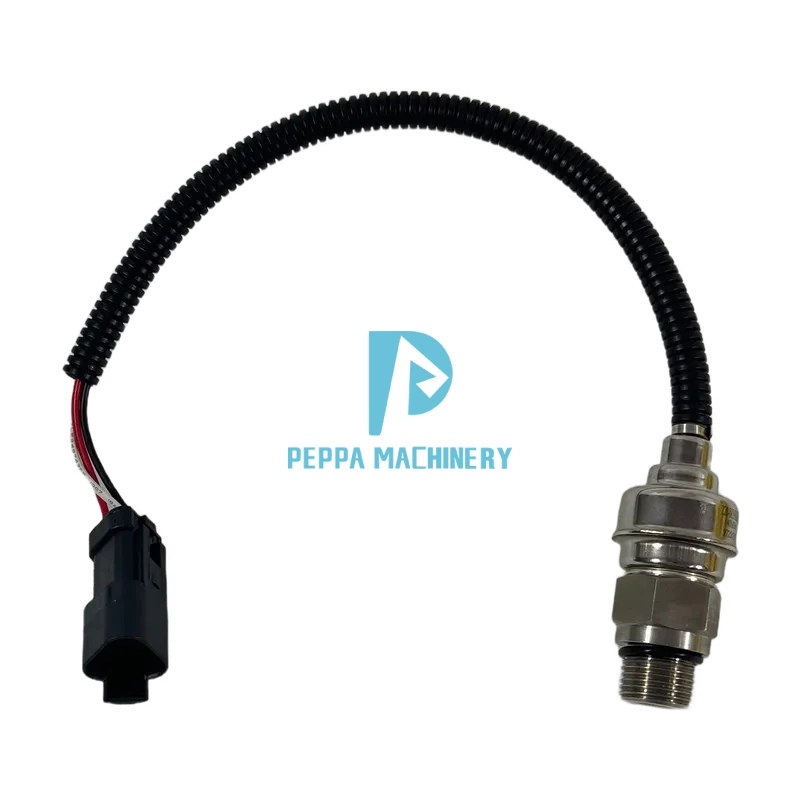
Pressure Sensor 221-8859 106-0178 for Caterpillar CAT 311B 311C 312C 314D 315B 320C 323D 324D 330C 336D 345B 385C
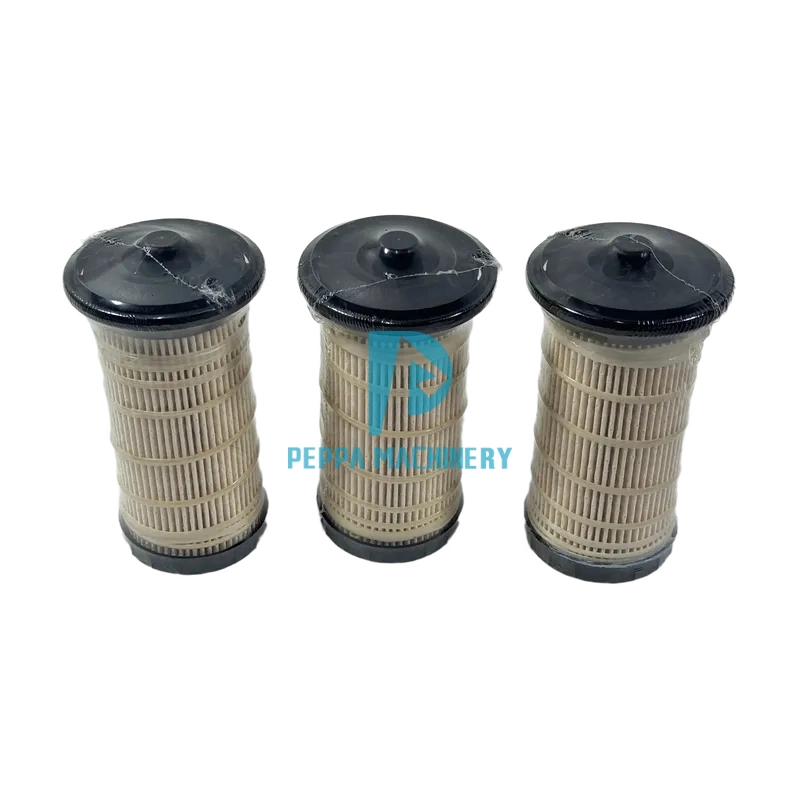
360-8960 Fuel Filter Element for Caterpillar C4.4 & C7.1 Engines | Fits 312D, 320D, 312E, 320E, 326D2, 336D2 Excavators
Get more information
Want to know more? Contact us today to get detailed product specifications, customized solutions, and a free consultation tailored to your needs.
Rest assured that your privacy is important to us, and all information provided will be handled with the utmost confidentiality.

Reliable Source for Quality Excavator Components.
Follow Us
Our Partners


Our Payment Methods


 High Quality
 7/24 Service
 Guaranteed Warranty
 Scan QR Code
Facebook
TikTok
YouTube
Pinterest
Twitter