








How to match alternator compatibility across excavator models?
- 1. How do I identify the exact alternator model and OEM part number when the label is worn or missing?
- 2. Can I replace a 12V alternator with a 24V alternator across excavator models, and what wiring changes are required?
- 3. How do I match alternator amperage (output rating) to an excavator's loads and avoid undercharging or overheating?
- 4. How do I verify alternator pinout and regulator compatibility to avoid damaging ECUs or CAN-controlled systems?
- 5. What physical mounting and pulley mismatches commonly cause failures after swapping alternators, and how do I avoid them?
- 6. Are remanufactured alternators reliable across different excavator brands, and what QC checks should buyers require?
1. How do I identify the exact alternator model and OEM part number when the label is worn or missing?
Begin with the machine identity: use the excavator’s serial number (VIN/engine serial) and model to pull OEM parts catalogs (e.g., Caterpillar ET, Komatsu EPC, Volvo Penta parts). If you cannot access digital catalogs, identify the alternator by measured and observed attributes:
- Housing cast or stamping numbers (photograph and read any remaining digits).
- Mounting flange pattern: measure bolt hole centers, thickness and orientation relative to the housing.
- Pulley style and diameter (V-belt vs. serpentine vs. one-way clutch) and number of grooves—record diameter in mm and spline/key dimensions if present.
- Electrical connector type and pin count (note connector shape, latch type, and wire colors), plus whether the regulator is internal or external.
- Rotation direction (CW or CCW when viewed from pulley side) and shaft diameter/length.
- Stamped rotor/stator dimensions or the visible part of a serial tag—photograph every visible marking.
With those measurements you can cross-reference aftermarket catalogs or use supplier lookup tools and reverse-image search. If possible, verify candidate part numbers by comparing the alternator’s rated output (amps and voltage), physical mounting, and pinout diagram to the excavator wiring schematic. When labels are missing, a physical-dimension match plus matching pinout and amp rating is essential—visual similarity alone often causes failures.
2. Can I replace a 12V alternator with a 24V alternator across excavator models, and what wiring changes are required?
Short answer: not safely without converting the entire charging and starting system. Excavator electrical systems are built as integrated 12V or 24V systems. Replacing a 12V alternator with a 24V unit will overcharge and destroy 12V batteries and sensitive electronics. If you must convert between systems, follow these steps (this is a major conversion):
- Change batteries to match system voltage (2x 12V in series for 24V) and ensure battery capacity and CCA meet starter and load needs.
- Replace or adapt starter motor and starter solenoid rated for 24V.
- Rewire main harness conductors and fusing to handle different voltage/current characteristics and insulation ratings; update protective relays and breakers.
- Ensure instrument cluster, ECU, sensors, heaters, and control modules are compatible with 24V or replaced; many modules are voltage-sensitive and will fail if overvolted.
- Replace or reprogram the voltage regulator to the correct setpoint; alternator internal regulator swaps are not recommended as a standalone fix.
Unless you have a documented OEM conversion kit or complete electrical redesign, do not mix 12V and 24V alternators. The safer approach is to source an alternator that matches the excavator’s original voltage system.
3. How do I match alternator amperage (output rating) to an excavator's loads and avoid undercharging or overheating?
Matching amperage requires calculating actual electrical demand and comparing it to alternator continuous output, not just peak rating. Steps to size correctly:
- Inventory all continuous and high-current loads: lights, beacon, cab HVAC blower, heater, hydraulic solenoids, ECU and sensors, onboard telemetry/GPS, auxiliary hydraulic pumps, engine glow plugs, and any aftermarket accessories.
- Add starting current requirement (peak) but size the alternator for continuous duty—starters draw huge current but intermittently; alternator should supply charge replenishment between cranking events.
- Use a clamp meter during typical operation (engine at working RPM) to measure charge current into the battery and total alternator output under load. Typical modern excavator alternators are rated from ~50A to 200A depending on size and accessories; heavy-duty machines may require higher outputs.
- Prefer an alternator whose continuous rating equals or slightly exceeds measured continuous demand. Choosing a higher-capacity alternator is acceptable if the regulator and wiring are compatible and fuse/breaker sizes are adjusted.
- Confirm the alternator’s thermal rating and duty cycle: some units are designed for intermittent high outputs (peak) while others are continuous-duty units. For machines working long shifts, continuous duty is necessary.
Undersized alternators can lead to chronic battery discharge, ECU faults and reduced accessory performance. Oversized alternators that are improperly installed (wrong pulley ratio or regulator mismatch) can overheat or overcharge—so always verify regulator setpoints and wiring adequacy.
4. How do I verify alternator pinout and regulator compatibility to avoid damaging ECUs or CAN-controlled systems?
Modern excavators may use control modules that monitor the charging circuit. Incorrect pin wiring or an incompatible regulator can feed improper voltage/sense signals back to the ECU. Verify compatibility by:
- Obtaining the excavator wiring diagram and alternator pinout schematic from the OEM service manual.
- Identifying wires: common terminals are B+ (battery positive/output), field/DF (exciter), sense (S) for voltage feedback, lamp (L) for charge indicator, and sometimes ignition (IG) or ground (G). Some alternators include CAN or communications lines in advanced systems—verify these explicitly.
- Confirm whether the alternator uses an internal regulator or external regulator/rectifier assembly. If external, ensure the external regulator’s control signals match the machine’s harness (voltage reference, switching type).
- Use a multimeter to check continuity and expected voltage states: expect ~battery voltage on B+ and ~ignition voltage on IG when key ON. Lamp circuits should show ground path through ignition lamp when alternator is not charging.
- If replacing with an aftermarket alternator, request a pinout diagram or an adapter harness. Never hard-wire mismatched pins—use a harness adapter and verify each wire’s function before energizing the circuit.
When in doubt, bench-test the alternator using a regulated load or alternator tester to verify that sense and regulator behavior match OEM expectations. This prevents feeding erroneous voltage readings to engine control modules or telematics units.
5. What physical mounting and pulley mismatches commonly cause failures after swapping alternators, and how do I avoid them?
Common mechanical mismatches that lead to premature bearing failure, belt slip, or electrical failure:
- Belt alignment: an alternator mounted even a few millimeters out of line increases belt wear and loads on bearings. Measure centerline-to-centerline distance and belt plane before fitting.
- Pulley diameter and groove count: changing pulley diameter alters alternator RPM at engine speed, affecting output and maximum allowable speed. One-way clutch pulleys (sprag-type) used to reduce torsional vibration are critical; replacing with a fixed pulley can significantly shorten alternator life.
- Shaft and spline mismatch: many alternator pulleys are pressed or bolted to the shaft—ensure spline count and keyway dimensions match or use a correct pulley assembly.
- Mounting bolt length and bracket geometry: incorrect bolt lengths can bottom out or fail to clamp; brackets may need shims or a model-specific adapter to preserve belt tension and alignment.
- Cooling airflow: some housings are designed to draw cooling air in a specific direction; swapping to a housing with different vanes or orientation reduces cooling efficiency and overheats the rectifier/diodes.
Avoid failures by matching pulley type, verifying bracket/bolt dimensions, retaining any overrunning (one-way) clutch pulley where OEM fitted, and ensuring proper belt tension and alignment using a dial indicator or straightedge. When exact replacements are not available, use manufacturer-approved adapter kits rather than ad-hoc modifications.
6. Are remanufactured alternators reliable across different excavator brands, and what QC checks should buyers require?
Remanufactured alternators can be reliable and cost-effective if the remanufacturer follows OEM tolerances and quality control. Key checks and purchase requirements:
- Core inspection and documentation: insist on serial or batch numbers and a documented core acceptance process to ensure the reman started life as the correct family of unit.
- Component replacement: diodes, brushes, slip rings, bearings, regulator and rectifier should be replaced with OEM-equivalent parts. Bearings should be rated for heavy-duty 24/7 operation where applicable.
- Functional testing: require dynamometer testing under load at specified RPMs, voltage regulation tests, and diode/insulation tests. Request test reports showing output at working RPMs and regulator performance (voltage setpoint and stability).
- Environmental testing: temperature cycling or soak tests are preferred for heavy equipment use; alternators in excavators face extremes of heat, dust and vibration.
- Warranty and return policy: a minimum 12-month warranty with clear coverage for electrical failures, and a core refund policy that incentivizes good cores, is standard industry practice.
Buyers should request datasheets specifying continuous amp rating, max RPM, regulator type, and thermal limits. Also ask for evidence of compatibility with the intended excavator models (cross-reference list). Good remanufacturers will document that they matched internal regulator firmware/thresholds where applicable and used OEM-grade rectifiers and brushes.
Practical testing checklist before installation: measure no-load voltage (for 12V systems expect ~13.8–14.6V during charging at operating RPM), perform diode tests with a DMM (reverse-bias diodes should block), measure rotor field coil resistance for continuity, and verify output current with a clamp meter under accessory load. These steps reduce the chance of immediate failures after replacement.
Concluding summary: Matching the correct alternator across excavator models requires verifying voltage system (12V/24V), physical mounting and pulley characteristics, amp rating for continuous duty, regulator and pinout compatibility, and quality controls when choosing remanufactured units. Following a rigorous identification and test protocol—using OEM parts catalogs, wiring diagrams and dynamometer or bench tests—prevents misfits, electrical faults and costly downtime. The main advantages of correct alternator matching are improved charging reliability, longer service life, fewer electrical faults, and reduced unscheduled downtime.
For a competitive quote or help identifying the right alternator for your excavator model, contact us at www.jbpartsgz.com or email jbparts@aliyun.com.
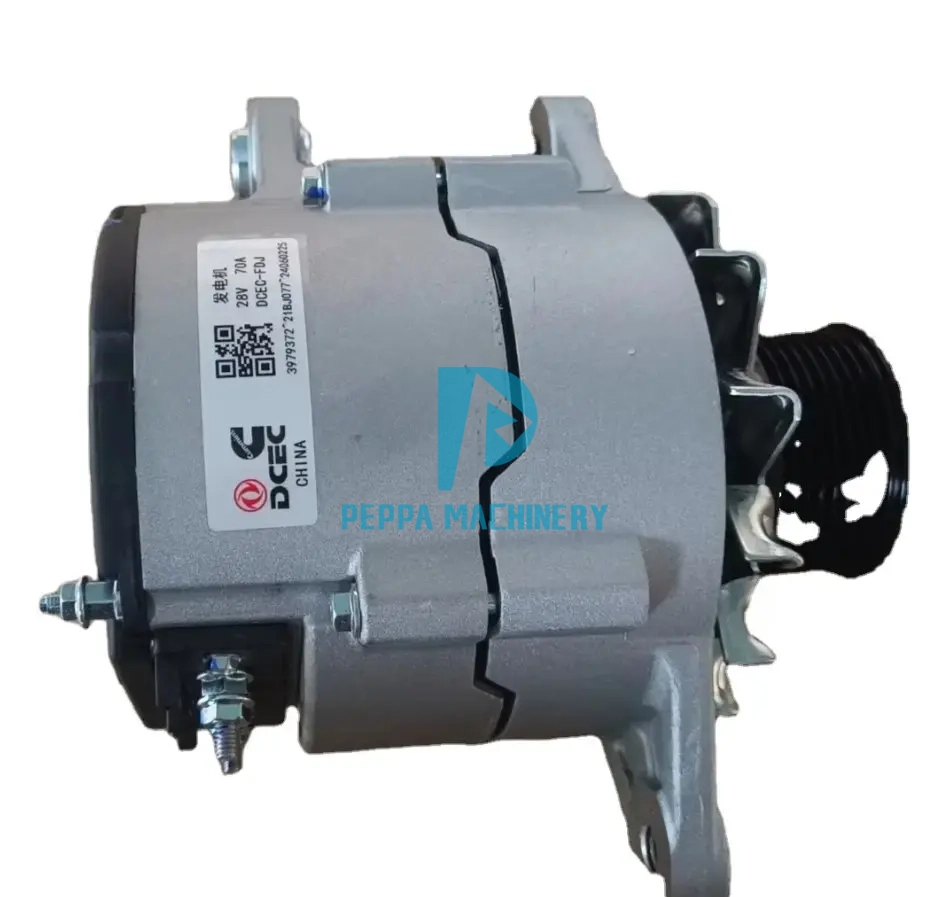
Cummins 24V AC Alternator - Genuine OEM Part #3979372 | Fits Mining & Construction Equipment
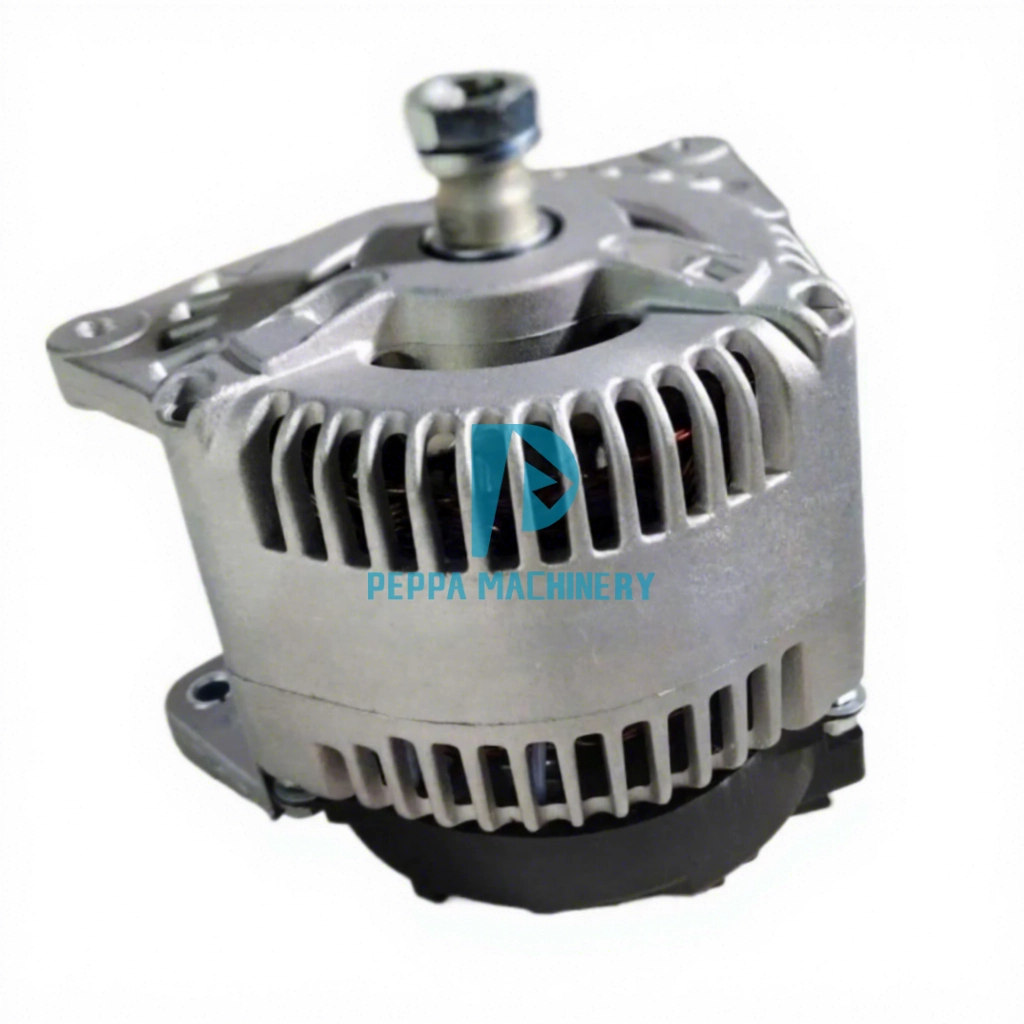
Direct Replacement Alternator for Caterpillar C4.4 & 3054C Industrial Engines | Part #4246821
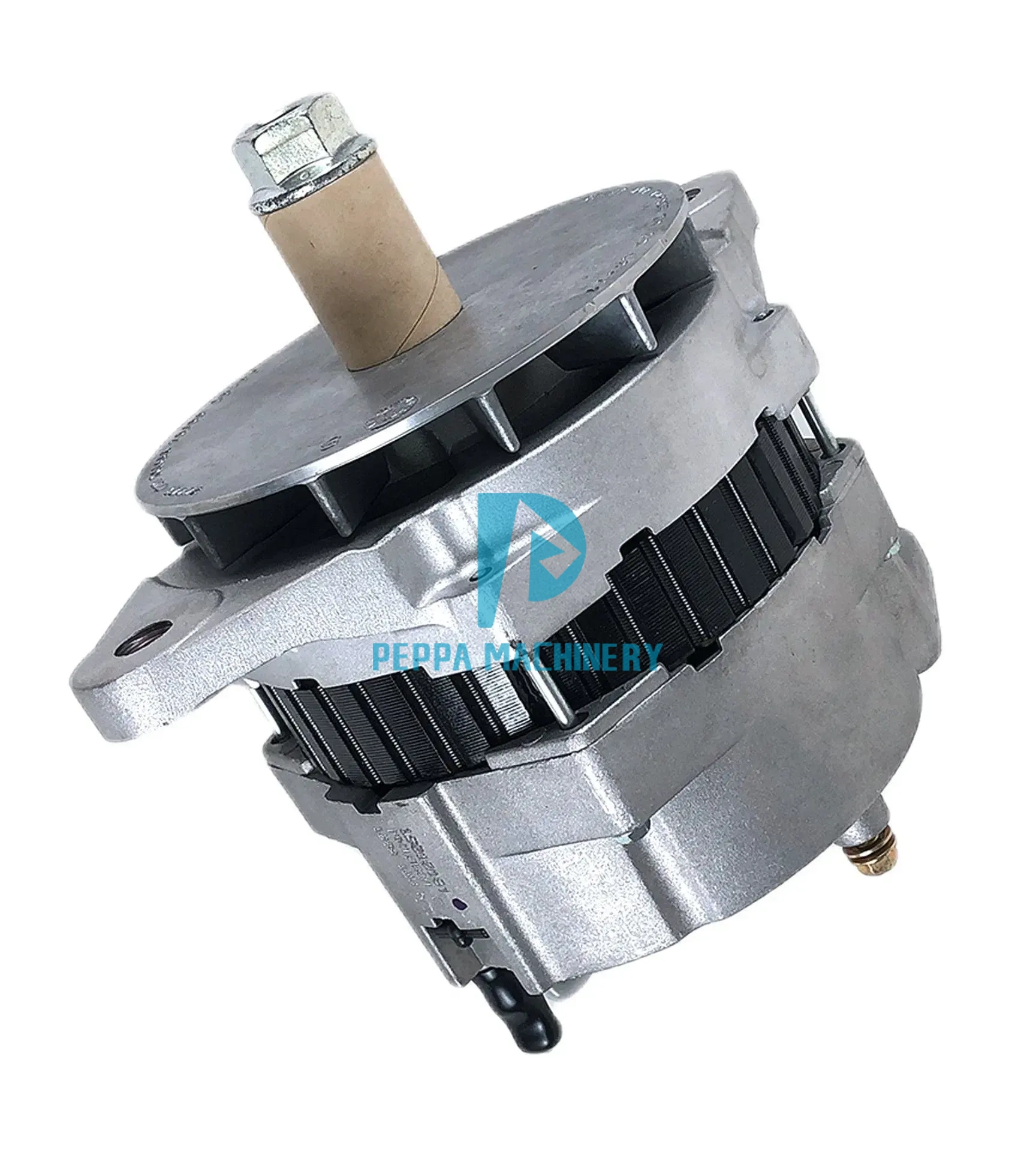
19010108 OEM Replacement Alternator for Diesel Engine Models | Fits Select Trucks & Excavators
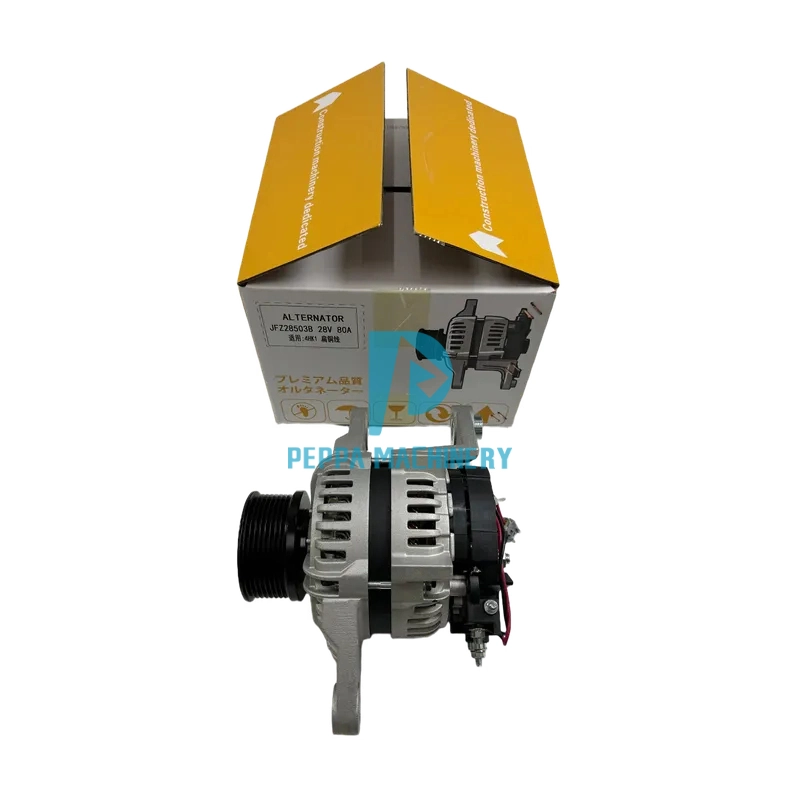
Excavator parts Alternator JF728503B for 4HK1
Excavator Parts
Are your parts genuine or OEM?
We offer both genuine parts and high-quality OEM alternatives. You can choose according to your budget and application needs. All OEM products are tested to meet or exceed original specifications.
What brands of excavator parts do you supply?
We supply a full range of parts compatible with major international and Chinese brands, including Caterpillar, Komatsu, Hitachi, Volvo, Doosan, Hyundai, Sany, Liugong, XCMG, Zoomlion, and more.
Do you provide technical support or installation guidance?
While we do not offer on-site installation, we can provide basic technical advice, diagrams, or documentation to assist your technicians with installation and troubleshooting.
What types of parts do you mainly offer?
Our main product categories include:
• Engine parts (liner kits, crankshafts, water/oil pumps, etc.)
• Electrical parts (sensors, monitors, throttle motors, wiring harnesses)
• Hydraulic parts (pumps, valves, cylinders)
• Sealing kits (NOK, SKF, PQ brands, floating seals, O-rings)
Can I get help choosing the right parts for my machine?
Yes. Our experienced sales team is here to provide professional recommendations and solutions based on your excavator model, part number, or specific requirements.
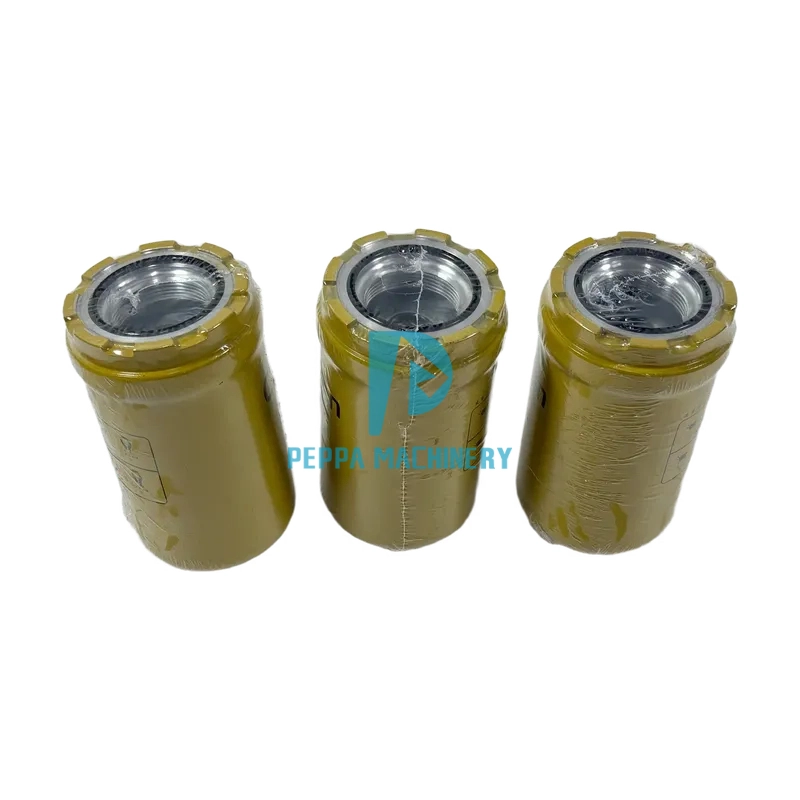
51-8670 Hydraulic Filter Applicable to HF35519 518670 2897836 518670X 1588987 Compatible with Caterpillar 352FVG 325CL
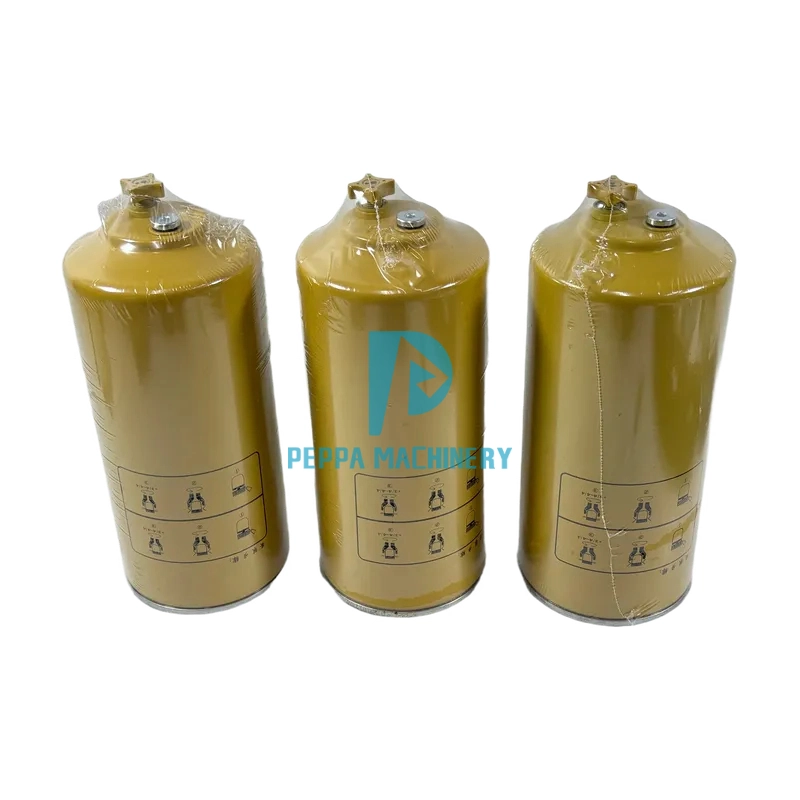
4385386 Fuel Water Separator Fuel Filter 382-0664 Oil-water Separator Hydraulic Oil Filter for CAT 312D2 320D2
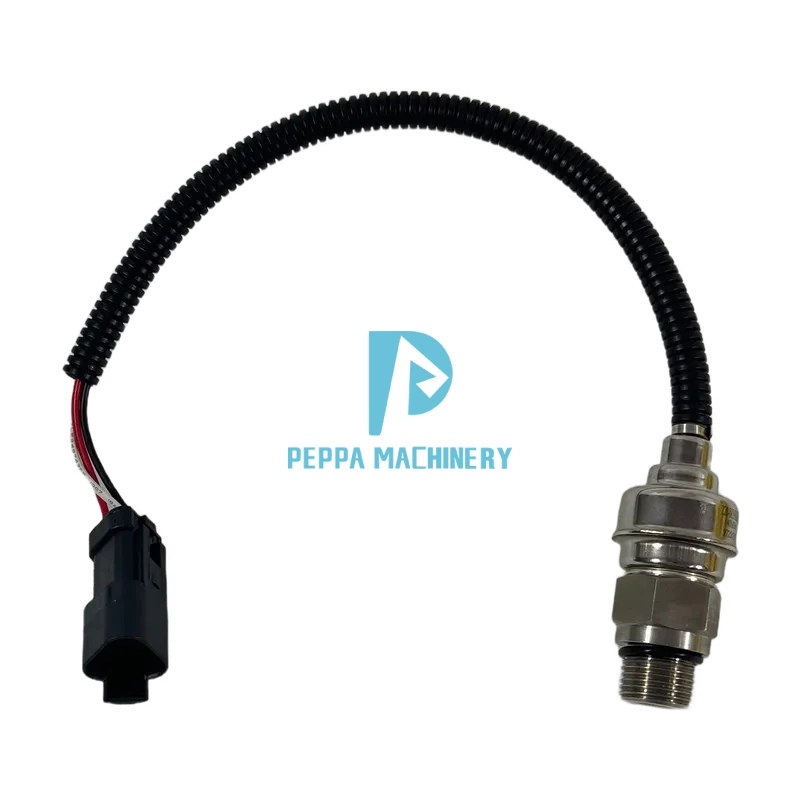
Pressure Sensor 221-8859 106-0178 for Caterpillar CAT 311B 311C 312C 314D 315B 320C 323D 324D 330C 336D 345B 385C
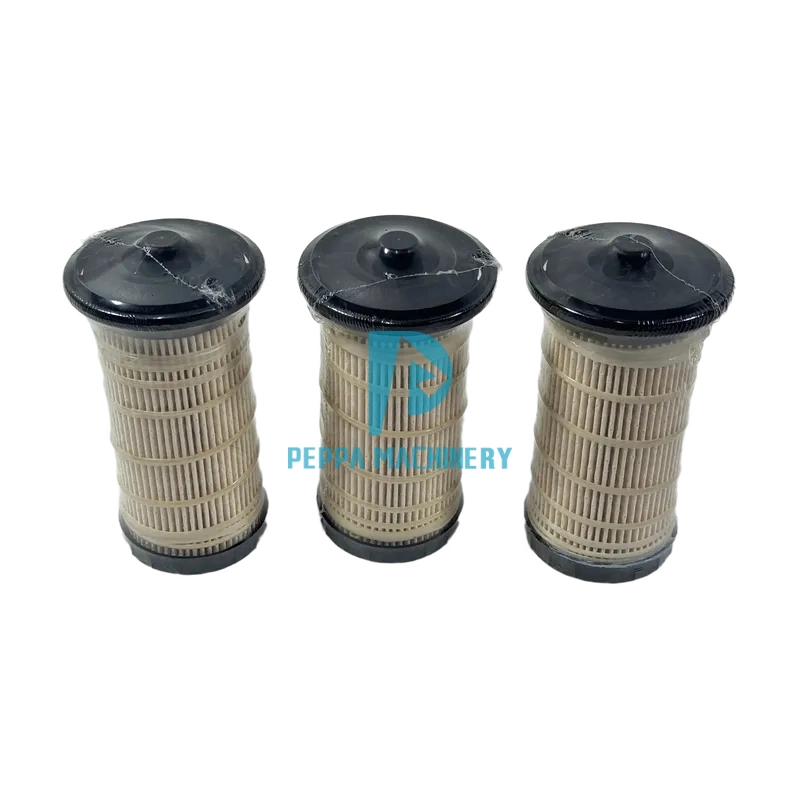
360-8960 Fuel Filter Element for Caterpillar C4.4 & C7.1 Engines | Fits 312D, 320D, 312E, 320E, 326D2, 336D2 Excavators
Get more information
Want to know more? Contact us today to get detailed product specifications, customized solutions, and a free consultation tailored to your needs.
Rest assured that your privacy is important to us, and all information provided will be handled with the utmost confidentiality.

Reliable Source for Quality Excavator Components.
Follow Us
Our Partners


Our Payment Methods


 High Quality
 7/24 Service
 Guaranteed Warranty
 Scan QR Code
Facebook
TikTok
YouTube
Pinterest
Twitter