








How to choose the best alternator excavator for my fleet?
- 1) How to choose the best alternator excavator for my fleet?
- 2) How do I calculate the right alternator amp rating for a mixed excavator fleet with hydraulic accessories?
- 3) What wiring and CAN/ECM compatibility checks ensure a replacement alternator works with my excavator's electrical system?
- 4) How to verify alternator pulley ratio and belt compatibility for high-idle or slow-idle excavator models?
- 5) When is remanufactured vs new alternator the right choice for heavy-duty excavators (life-cycle cost analysis)?
- 6) What field diagnostic steps identify a failing excavator alternator under heavy hydraulic load?
How to Choose the Best Alternator Excavator for My Fleet
1) How to choose the best alternator excavator for my fleet?
Answer:Choosing the best alternator for your excavator fleet means matching electrical capacity, mechanical fit, and control compatibility to minimize downtime and lifecycle cost. Start by documenting each machine’s electrical profile: battery voltage (12V or 24V), baseline continuous loads (ECU, lights, controls), and peak/additional loads (winches, heaters, beacon lights, onboard welders, HVAC). For most modern medium-to-large excavators, alternators fall into two categories: traditional regulated alternators (internal or external regulator) and smart/CAN-controlled alternators.
Steps:
- Confirm system voltage: fleet machines typically use 12V for smaller units and 24V for larger hydraulic excavators. Never mix without checking the battery bank and starter system.
- Calculate required output: sum continuous loads (in amps) and add peak currents, then apply a 20–30% safety margin (detailed calculation in Q2).
- Select physical compatibility: ensure mounting flange, pulley type (serpentine vs V‑belt), rotation, and shaft detail match the engine bracket and belt path.
- Match regulator type: if the OEM alternator is CAN/smart-controlled, replace with a compatible smart alternator or retain communication adapters. For simple systems, an internal or externally regulated alternator is fine.
- Prioritize heavy-duty designs: brushless or heavy-duty bearing assemblies and higher IP/thermal ratings improve uptime in dusty, hot excavator environments.
Why this matters: an undersized alternator leads to chronic battery discharge and premature battery and starter wear; an incompatible regulator or connector can cause voltage spikes or ECM fault codes. Aim for a supplier offering clear OEM cross-references, warranty, and technical support.
2) How do I calculate the right alternator amp rating for a mixed excavator fleet with hydraulic accessories?
Answer:This is a common pain point because auxiliary hydraulic accessories (pumps, heaters, radios, lighting, sensor suites) create variable electrical demands. Use this step-by-step method:
- Inventory loads per machine in amps (or watts divided by volts):
- Base systems: ECM, instrument cluster, low-voltage sensors (typically 10–30 A on modern machines).
- Lighting and work lamps: 5–30 A per lamp cluster.
- HVAC blowers/heaters and heated components: 10–40 A peaks.
- Auxiliary equipment (cameras, radios, remote control receivers): 5–20 A each.
- Identify continuous vs peak loads:
- Continuous loads run for long periods (ECU, lights during night shifts); use continuous values.
- Peak loads are intermittent (starter motor not included in alternator sizing, but inrush charging and heater peaks matter).
- Compute required alternator current:Required Amps = (Sum of continuous amps) + (largest expected peak amp load that may overlap) + 25% safety factor.Example: If continuous = 60 A, overlapping peak = 40 A, Required = (60 + 40) * 1.25 = 125 A.
- Select the alternator with continuous output at rated temperature and engine idle speed: verify spec sheets for output at low RPM (e.g., output at 1,000–1,500 rpm). Excavator alternator performance at idle matters because many jobs run with low engine RPM.
Notes:
- Use continuous output specs, not peak or short-term ratings.
- For fleets with variable auxiliary packages, standardize on a higher-capacity alternator (with proper belt/pulley changes) to simplify parts stocking.
3) What wiring and CAN/ECM compatibility checks ensure a replacement alternator works with my excavator's electrical system?
Answer:Compatibility problems are a frequent cause of replacement alternator failures or ECU fault codes. Modern excavators sometimes use CAN-controlled alternators or require specific sense/field wiring. Check these items:
- Voltage system and sense wire: ensure the alternator has the proper sense wire or voltage feedback terminal location. If the OEM used a remote sense to compensate for voltage drop, replacement must match or be adapted.
- Excitation and warning lamp circuits: confirm connector pinout for the charge warning lamp or exciter. Incorrect wiring can prevent charging or throw faults.
- CAN or LIN bus interface: if the OEM alternator communicates on J1939/CAN for load management, you must install a CAN-enabled alternator with the correct protocol and termination or use an interface module specified by the OEM.
- Regulator mode: internal vs external regulator—some excavators use an external regulator module mounted on the machine harness; the alternator must be compatible.
- Grounding and connector sealing: poor ground paths change regulator control and will cause intermittent charging. Use OEM‑matched sealed connectors (IP67 or similar) to prevent corrosion.
Practical check: obtain the OEM alternator part number and wiring diagram from the machine service manual or ECM documentation. If that’s not available, trace the alternator harness on a sample machine to document each conductor and test continuity and voltage behavior at key pins while running. Suppliers like JB Parts can often match alternators by engine serial and machine serial to avoid wiring mismatches.
4) How to verify alternator pulley ratio and belt compatibility for high-idle or slow-idle excavator models?
Answer:Pulley ratio and belt type determine alternator speed relative to the engine. Excavators frequently idle at low rpm and rely on proper pulley sizing to achieve charging at idle or under load. Steps to verify fit:
- Identify belt type: determine if the machine uses a multi-rib serpentine belt, V-belt, or cogged belt. Alternator pulley must be compatible.
- Measure pulley diameter and count grooves: replacement pulley must match groove count and profile to avoid slippage or belt wear.
- Check direction and rotation: alternator must rotate the same direction as OEM; some alternators are reversible but many are not.
- Calculate pulley ratio: Alternator RPM = Engine RPM * (Engine pulley diameter / Alternator pulley diameter). Ensure the alternator spins fast enough at low idle to reach its rated output. Manufacturer spec sheets usually give output at specified RPMs (e.g., output at 1,500 rpm).
Guideline: for low-idle machines, choose a pulley that provides higher alternator RPM at idle without exceeding alternator maximum RPM at high engine speed. Verify maximum alternator RPM in the spec sheet to avoid overspeeding at full throttle.
5) When is remanufactured vs new alternator the right choice for heavy-duty excavators (life-cycle cost analysis)?
Answer:Decision factors: upfront cost, warranty, expected duty cycle, downtime cost, and availability.
Consider remanufactured alternators when:
- Cost sensitivity is high and the remanufacturer uses OEM-grade cores and provides a documented reman process (new diodes, bearings, regulators, balancing).
- You need quick turnaround and OEM new parts have long lead times.
- The alternator model is a legacy part with no active new production, but quality remanufacturers supply modern internals and test certifications.
Consider new OEM or new aftermarket heavy-duty alternators when:
- Machines operate under extreme duty cycles (continuous long shifts, high ambient temp, heavy accessory loads) and you need maximum MTBF.
- You require the longest warranty and lower risk of early failures.
- The alternator involves integrated electronics (smart/CAN regulators) where newer designs offer improved thermal protection.
Life-cycle cost analysis:
- Compare purchase cost + expected mean time between failures + downtime cost + warranty coverage.
- A remanufactured alternator often costs 40–60% of new price and may have a 6–12 month warranty; a new OEM alternator tends to carry 12–24 months. For high‑hour units where downtime is very costly, new OEM is often justified. For low-hour or older machines, reman can be the economical choice.
Always request test data (no-load, full-load tests, insulation resistance) from reman vendors and prefer vendors that return cores with traceable serials.
6) What field diagnostic steps identify a failing excavator alternator under heavy hydraulic load?
Answer:Excavator alternators often fail under thermal and vibrating conditions. A concise diagnostic procedure for field techs:
- Measure static battery voltage (engine off): 12.4–12.8 V for a healthy 12V battery; 24.8–25.6 V for 24V systems.
- Start engine and measure charging voltage at battery terminals at idle and at 1,500–2,000 rpm: expected 13.8–14.8 V (12V systems) and about 27.6–29.6 V (24V systems). Voltage should be stable and not drop under load.
- Use a clamp ammeter on the alternator output lead to confirm output current matches expected charging current. Compare to alternator rated output. Low current with correct voltage may indicate internal limiting or slipping belt.
- Test AC ripple: with a quality multimeter or oscilloscope, check AC voltage leak (typically < 0.5–1.0 Vrms for 12V systems). Excessive ripple suggests diode/trio failure.
- Inspect belt and pulley: frayed belts, glazing, or slipping reduce output. Check belt tension and pulley alignment.
- Check for erratic voltage under hydraulic load shifts: if voltage dips when hydraulic pumps engage, suspect battery capacity (voltage sag) or alternator response speed. Smart alternator communication faults often appear as ECM codes; pull codes and verify CAN messages.
- Heat and bearing checks: abnormal noise, grinding, or high bearing play suggests mechanical failure. Overheating of alternator housing under load is a sign of internal regulator or diode stress.
Action thresholds:
- Charging voltage outside the expected range at rated RPM indicates regulator/alternator issues.
- High AC ripple/diode failure values will cause battery and electronic noise issues and should be replaced immediately.
Supplier tip: keep a handheld DC clamp meter, a quality multimeter capable of measuring ripple, and a laptop or code reader for ECM/CAN diagnostics in the field.
Conclusion:Choosing the right alternator for your excavator fleet reduces failures, protects batteries and ECMs, and lowers total cost of ownership. Focus on correct amp rating (continuous output at low RPM), wiring and CAN compatibility, correct pulley/belt matching, and durable heavy‑duty internals or brushless designs. For many fleets, standardizing on a heavy-duty alternator spec simplifies stocking, service, and lifecycle planning. JB Parts can match OEM references, supply reman or new heavy equipment alternators, and provide technical wiring compatibility guidance.
Advantages of selecting the right alternator excavator replacement include improved charging reliability at idle, reduced battery replacements, fewer ECM faults from voltage irregularities, and lower total cost over the alternator lifecycle. For a quote and assist with part matching, contact us at www.jbpartsgz.com or email jbparts@aliyun.com.

Isuzu SP 4JG1 4JG2 4JG3 Cylinder Liner 1876182070 1-87618207-0 1876182080 1-87618208-0 1876182100 1-87618210-0
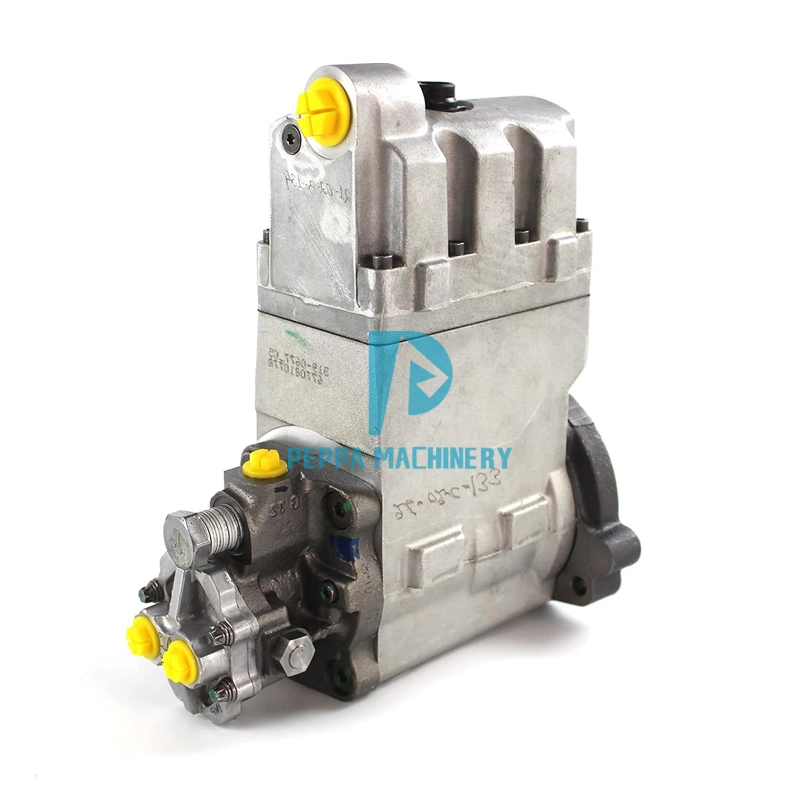
Fuel Feed / Transfer Pump Assembly for Caterpillar C7 & C9 Engines | Direct Replacement for OEM Parts #319-0678, 254-4358, 304-0678, 295-4778, 228-589
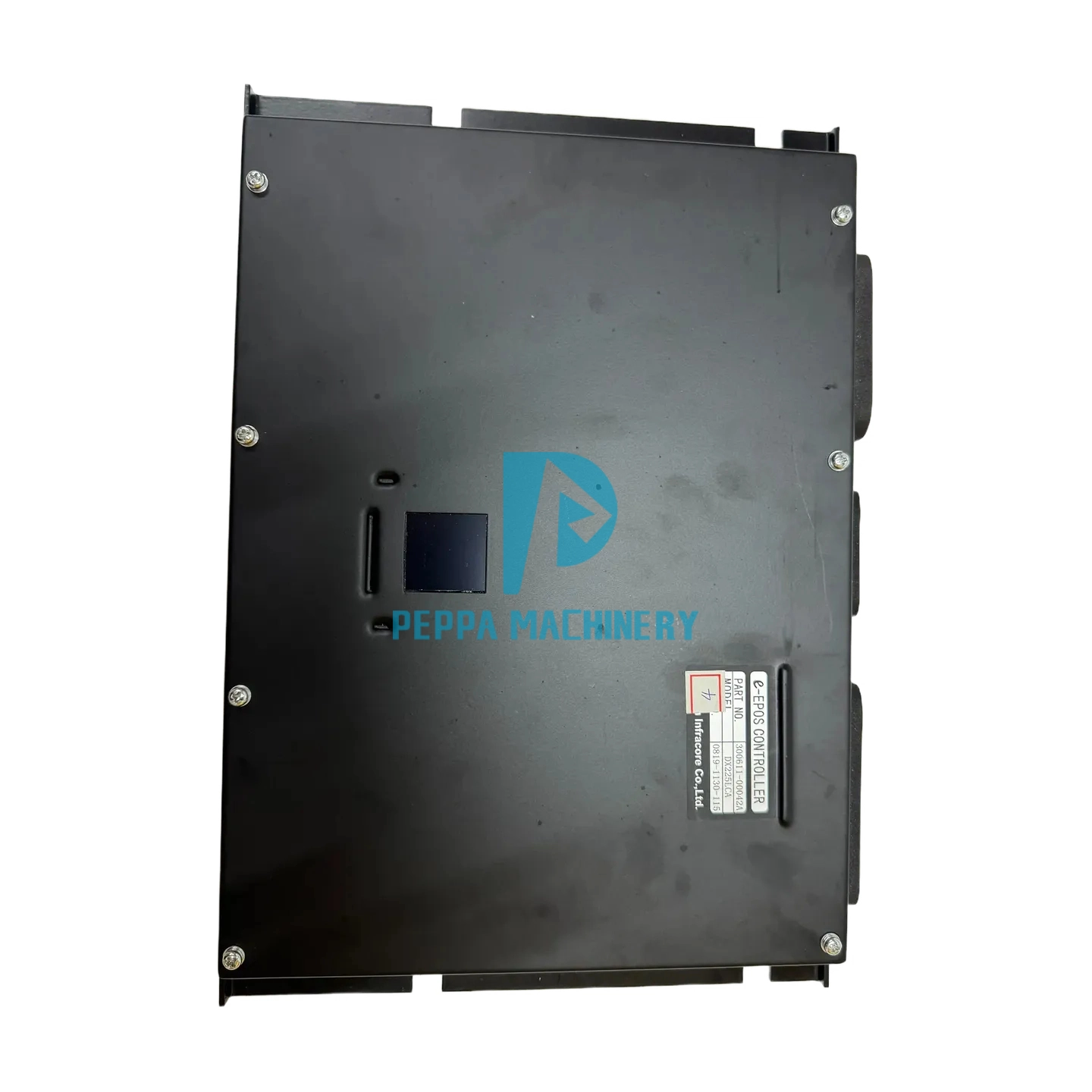
Excavator Accessories Excavator Controller DX225 DX225LCA E-EPOS Controller Computer Board 300611-00042 K1026740 K1001369C K1056425 ECU ECM

Isuzu Engine 6WG1 Turbo 1876183290 1-87618329-0 8981921861 8-98192186-1 14400-4441 1144004370 114400-4370 49188-018312 49188-11940
Excavator Parts
What brands of excavator parts do you supply?
We supply a full range of parts compatible with major international and Chinese brands, including Caterpillar, Komatsu, Hitachi, Volvo, Doosan, Hyundai, Sany, Liugong, XCMG, Zoomlion, and more.
What types of parts do you mainly offer?
Our main product categories include:
• Engine parts (liner kits, crankshafts, water/oil pumps, etc.)
• Electrical parts (sensors, monitors, throttle motors, wiring harnesses)
• Hydraulic parts (pumps, valves, cylinders)
• Sealing kits (NOK, SKF, PQ brands, floating seals, O-rings)
Do you provide technical support or installation guidance?
While we do not offer on-site installation, we can provide basic technical advice, diagrams, or documentation to assist your technicians with installation and troubleshooting.
Can I get help choosing the right parts for my machine?
Yes. Our experienced sales team is here to provide professional recommendations and solutions based on your excavator model, part number, or specific requirements.
Are your parts genuine or OEM?
We offer both genuine parts and high-quality OEM alternatives. You can choose according to your budget and application needs. All OEM products are tested to meet or exceed original specifications.
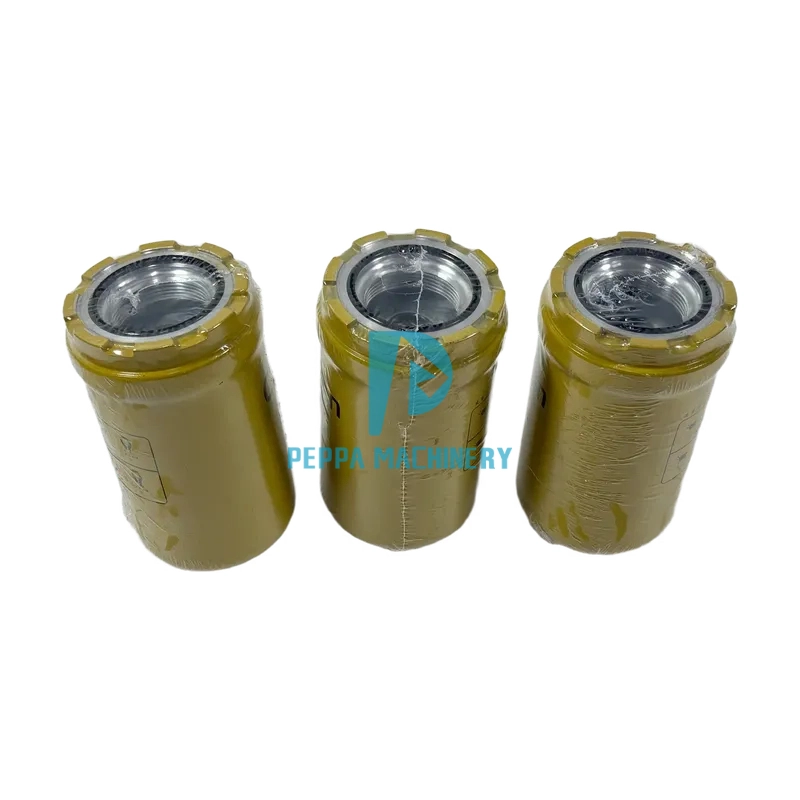
51-8670 Hydraulic Filter Applicable to HF35519 518670 2897836 518670X 1588987 Compatible with Caterpillar 352FVG 325CL
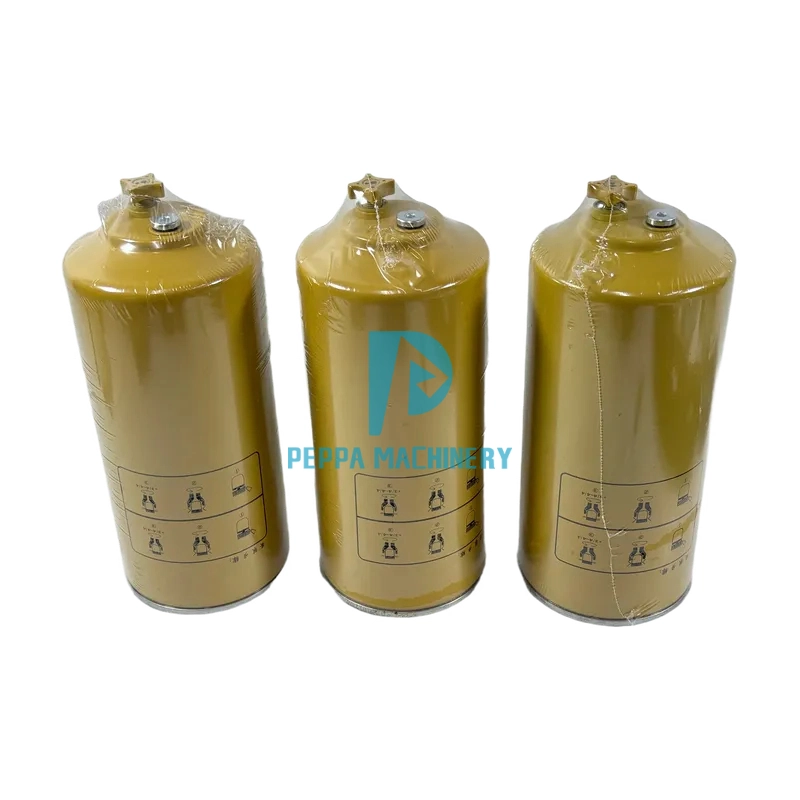
4385386 Fuel Water Separator Fuel Filter 382-0664 Oil-water Separator Hydraulic Oil Filter for CAT 312D2 320D2
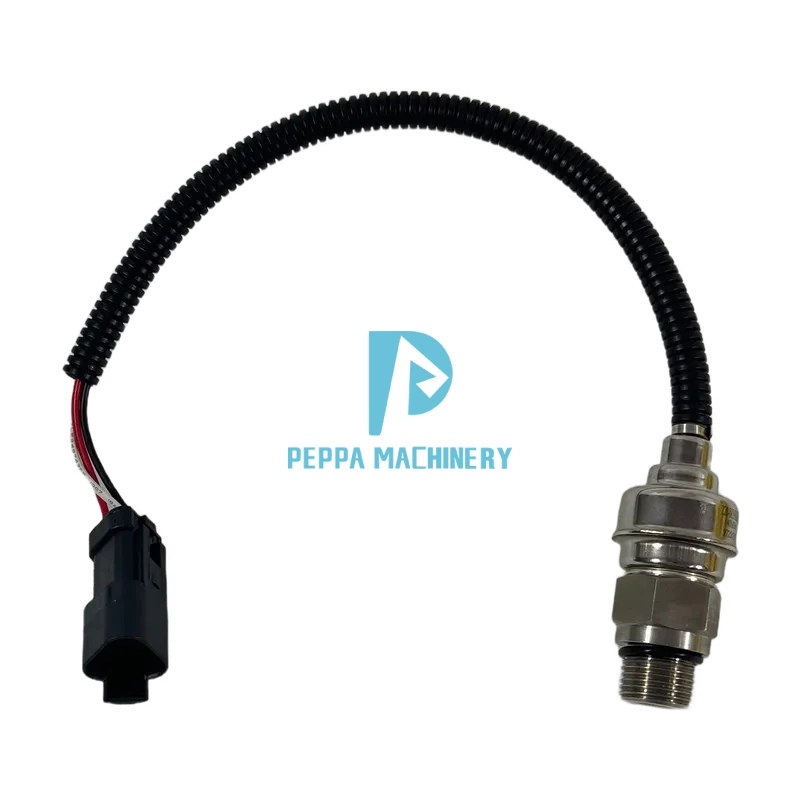
Pressure Sensor 221-8859 106-0178 for Caterpillar CAT 311B 311C 312C 314D 315B 320C 323D 324D 330C 336D 345B 385C
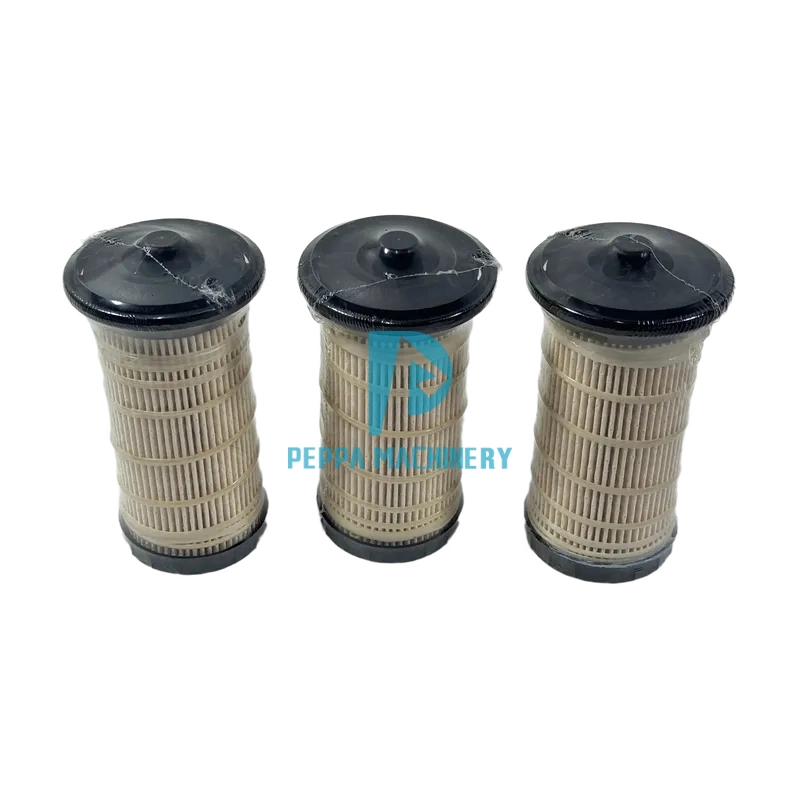
360-8960 Fuel Filter Element for Caterpillar C4.4 & C7.1 Engines | Fits 312D, 320D, 312E, 320E, 326D2, 336D2 Excavators
Get more information
Want to know more? Contact us today to get detailed product specifications, customized solutions, and a free consultation tailored to your needs.
Rest assured that your privacy is important to us, and all information provided will be handled with the utmost confidentiality.

Reliable Source for Quality Excavator Components.
Follow Us
Our Partners


Our Payment Methods


 High Quality
 7/24 Service
 Guaranteed Warranty
 Scan QR Code
Facebook
TikTok
YouTube
Pinterest
Twitter