








Alternator vs. Generator: Which Is Best for Excavators?
- How do I calculate the exact alternator amp rating needed to reliably charge batteries and run hydraulic monitors and heaters on a 5–20 ton excavator at low idle?
- Can a modern alternator with an internal voltage regulator replace an older excavator generator without rewiring the harness, and how do I adapt the connector and ground?
- What diagnostic steps isolate alternator failure from battery or rectifier diode issues on excavators that show intermittent charging at low RPM?
- Are brushless alternators worth upgrading to for excavators operating in high-dust or high-moisture environments?
- When choosing between OEM, remanufactured or aftermarket alternators for excavators, what acceptance tests and warranty terms should I demand to avoid early failures?
- How do pulley ratios and belt drive selection affect alternator output and belt life on low-idle excavator engines?
How do I calculate the exact alternator amp rating needed to reliably charge batteries and run hydraulic monitors and heaters on a 5–20 ton excavator at low idle?
Calculating required alternator capacity is a step-by-step electrical load and battery recharge assessment. Use this industry-proven method:
1) Inventory continuous running loads (lights, monitors, control modules, heaters, GPS, radio). Convert watts to amps: Amps = Watts ÷ System Voltage (usually 12 V or 24 V on excavators). Example: a 150 W heater at 12 V = 12.5 A.
2) Add duty-cycle or startup loads separately. Electric hydraulic valves and heater blowers can have higher inrush — estimate 2–3× running current for short bursts (confirm with OEM specs).
3) Add battery recharge requirement: if the battery is used after a long standby or repeated cranking, plan to replace that energy at low idle. Practical rule: allow a 20–50% charge-recovery margin over continuous loads depending on duty. For machines operating long shifts at low idle, use the higher margin.
4) Include alternator derating: heat, belt slip and ambient altitude reduce output. Apply a conservative derate of 10–20% for hot/humid or dusty environments.
5) Final sizing: Required alternator amps = (Sum of continuous amps + average inrush allowance + battery recharge margin) ÷ (1 − derate fraction).
Practical example (12 V system, mid-size excavator):
- Monitors/electronics: 8 A
- Lights + beacon: 10 A
- Heated cab or seat: 6 A
- Heater blower intermittent average: 20 A (inrush peaks higher)
- Battery recharge margin: 30 ASum = 74 A. With 15% derate → 74 ÷ 0.85 ≈ 87 A. Choose the next available rating (e.g., 100 A) to avoid chronic undercharging at idle.
Notes and best practice: compact excavators with few accessories often use alternators in the 50–120 A range; larger machines or fleets with cameras, telematics, heated cabs and multiple lights may need 150 A or more. Always confirm system voltage (12 V vs 24 V) and use the machine’s electrics schematic when available.
Can a modern alternator with an internal voltage regulator replace an older excavator generator without rewiring the harness, and how do I adapt the connector and ground?
Yes—often but not always. Generators (dynamos) differ electrically and mechanically from alternators: generators output DC directly and frequently required external regulators, whereas modern alternators produce AC and use internal or external rectifiers and regulators.
Checklist and steps for conversion:
1) Check electrical system voltage (12/24 V) and confirm that the new alternator matches it. Mismatched voltage is immediate failure.
2) Verify mounting and pulley alignment. Generators may use different shaft diameters, mounting pads and pulley types. You may need an adapter bracket or a conversion pulley to maintain belt alignment and safe belt tension.
3) Determine regulator configuration: if your alternator has an internal regulator and the harness originally used an external regulator, you must remove the external regulator or isolate it. Some external regulators can be left in place but wired to accept a fixed reference only — consult the alternator manufacturer.
4) Connector and wiring: alternators usually have a battery output terminal (B+) and one or two control/field sense terminals (L, S, IG). Map the old wiring: join the generator’s B+/battery cable to the alternator B+ with proper lug and torque; ensure a high-quality ground between alternator housing and engine block. Use the alternator’s 'sense' terminal to connect to the battery positive after the main fuse or distribution point so the regulator senses true battery voltage.
5) Fusing and protection: add or verify a fusible link or line fuse on the B+ feed per OEM specs to protect against short circuits.
6) Polarity and rotation: ensure the alternator’s rotational direction matches shaft rotation or that the alternator is not polarity-sensitive. Most modern alternators are designed for standard rotation, but check.
7) Post-install calibration: with a multimeter, confirm charging voltage at idle (see diagnostic thresholds below). If equipped, check that telematics and ECU don’t interpret the new alternator as a fault (software reconfigure if needed).
If wiring expertise is limited, have a qualified technician or electrical shop perform the swap—incorrect wiring or missing ground can damage the regulator or the machine’s electronic modules.
What diagnostic steps isolate alternator failure from battery or rectifier diode issues on excavators that show intermittent charging at low RPM?
Intermittent charging is commonly misdiagnosed. Follow this diagnostic sequence using a multimeter and, if available, a clamp meter and oscilloscope for ripple tests:
1) Static battery test (engine off): Measure battery voltage; a healthy 12 V battery should show ~12.6–12.8 V (12.7 V fully charged). If <12.2 V, charge and retest — a weak battery can mask alternator performance.
2) Running voltage test: Start engine. At normal operating RPM, measure voltage at the battery positive: healthy alternator voltage should read ~13.6–14.8 V. At low idle (quiescent), a well-sized alternator should read ≥13.2 V (this varies by system; modern 'smart' alternators may regulate differently). If voltage is within spec at higher RPM but drops below ~13 V at idle, the alternator may be undersized or derated.
3) Ripple test (diode/rectifier test): With engine running, measure AC ripple on top of DC. Using a multimeter with AC capability across the battery, ripple should be very low (typically <0.5 V AC on 12 V systems). High ripple indicates bad rectifier diodes.
4) Load test: Turn on major electrical loads (lights, heater) and observe if charging voltage collapses. If voltage falls only under load, inspect belt condition/tension, battery health, and alternator output under load with a clamp meter at the B+ lead. If alternator current is low while belt speed is sufficient, the alternator is likely failing.
5) Field/IG terminal checks: With engine running, monitor the voltage on the alternator’s sense and regulator terminals. A missing excitation or broken field circuit may prevent charging until RPM rises.
6) Bearing and mechanical checks: Noise, wobble or oil ingress can damage internal components leading to intermittent output.
7) Confirm grounding: poor chassis/engine ground can show symptoms identical to alternator failure. Clean ground points and re-measure.
Document results and replace only the failing component: rectifier/diode pack, regulator, brushes (if applicable), or the entire alternator if internal faults are present.
Are brushless alternators worth upgrading to for excavators operating in high-dust or high-moisture environments?
Yes—often. Brushless alternators eliminate brushes and slip rings, reducing wear parts and points of ingress for dust and moisture. Advantages:
- Lower maintenance (no brush replacement, fewer service intervals).
- Higher reliability in contaminated environments due to sealed rotors and improved IP ratings.
- Better high-temperature performance and longer bearing life in many designs.
Considerations before upgrading:
- Compatibility: brushless units may have different mounting, pulley and electrical connectors.
- Cost vs downtime: brushless alternators are typically more expensive up-front but can lower total cost of ownership by reducing service visits and unscheduled downtime.
- Thermal management and cooling: some brushless designs run hotter under certain loads—confirm thermal ratings match your operating profile.
When selecting a brushless upgrade, insist on an IP (ingress protection) rating appropriate for construction sites (IP55 or better is common for splash/dust resistance) and a proven heavy-equipment pedigree. For excavators working in extremely wet or corrosive conditions, choose corrosion-resistant housings and sealed connectors.
When choosing between OEM, remanufactured or aftermarket alternators for excavators, what acceptance tests and warranty terms should I demand to avoid early failures?
Acceptance criteria you should require:
- Bench test report showing rated amp output at 3 RPM speeds (low idle, mid and rated engine speed) and temperature conditions if available.
- Voltage regulation curve (voltage vs RPM) demonstrating stable 13.6–14.8 V at normal operating speeds.
- Diode/rectifier ripple measurement and rotor insulation resistance value.
- Mechanical inspection checklist: shaft runout, bearing noise, pulley balance and alignment test, correct mounting dimensions.
- Environmental sealing verification (IP rating) and connector pinout confirmation.
Warranty and commercial terms to demand:
- Minimum 12 months or 1,000 operating hours warranty for remanufactured units; 24 months preferred for new OEM parts.
- Clear core-return policy, no hidden core fee if the old unit is returned in agreed condition.
- On-site failure support or exchange options within a specified radius or lead time.
- Explicit coverage for oil/hydraulic contamination if alternator location is prone to such exposure, or clear exclusion language.
Remanufactured parts are cost-effective but insist on documented reconditioning processes (new bearings, new voltage regulator/diodes, full load testing). Aftermarket vendors vary widely; choose suppliers with heavy-equipment references and a verifiable quality management system.
How do pulley ratios and belt drive selection affect alternator output and belt life on low-idle excavator engines?
Pulley ratio directly controls alternator shaft speed relative to engine crankshaft speed. Alternator output is roughly proportional to RPM (within design limits). Key points:
Underspeeding (small alternator pulley or very large crank pulley) reduces alternator RPM, decreasing current output at idle — a common retrofit mistake when upgrading to higher-amp alternators without re-evaluating pulley sizes.
Overspeeding the alternator (too small crank pulley or too large alternator pulley) can increase output but risks exceeding alternator’s maximum safe RPM and reduces bearing life. Always ensure alternator shaft RPM stays within manufacturer’s maximum rating.
Belt selection: serpentine belts distribute load and reduce tension variation, often increasing belt life on multi-accessory drives. V-belts can provide higher single-drive friction but require spot-on alignment and more frequent tension checks.
Tension and belt slip: belt slip reduces effective alternator speed and causes heat that accelerates belt and pulley wear. Use a proper tensioner and check tension at service intervals.
Design recommendation: compute alternator shaft RPM at engine idle using pulley ratios. Confirm that alternator output at that shaft RPM meets the charging needs. If not, adjust pulley ratio modestly or increase idle speed during charging-heavy operations (if safe and allowed by OEM operating procedures).
Concluding paragraph:
Overall, alternators are typically the better choice for modern excavators because they deliver higher usable charging current at varying engine speeds, integrate solid-state rectifiers and voltage regulators, reduce maintenance options (especially with brushless designs), and scale more easily to the higher electrical loads of cameras, telematics and heated cabs. Generators remain serviceable in legacy systems but generally lose out on efficiency, low-idle charging and maintainability.
Contact us for a quote and application-specific alternator recommendations. Visit www.jbpartsgz.com or email jbparts@aliyun.com for OEM, remanufactured and aftermarket alternator solutions.
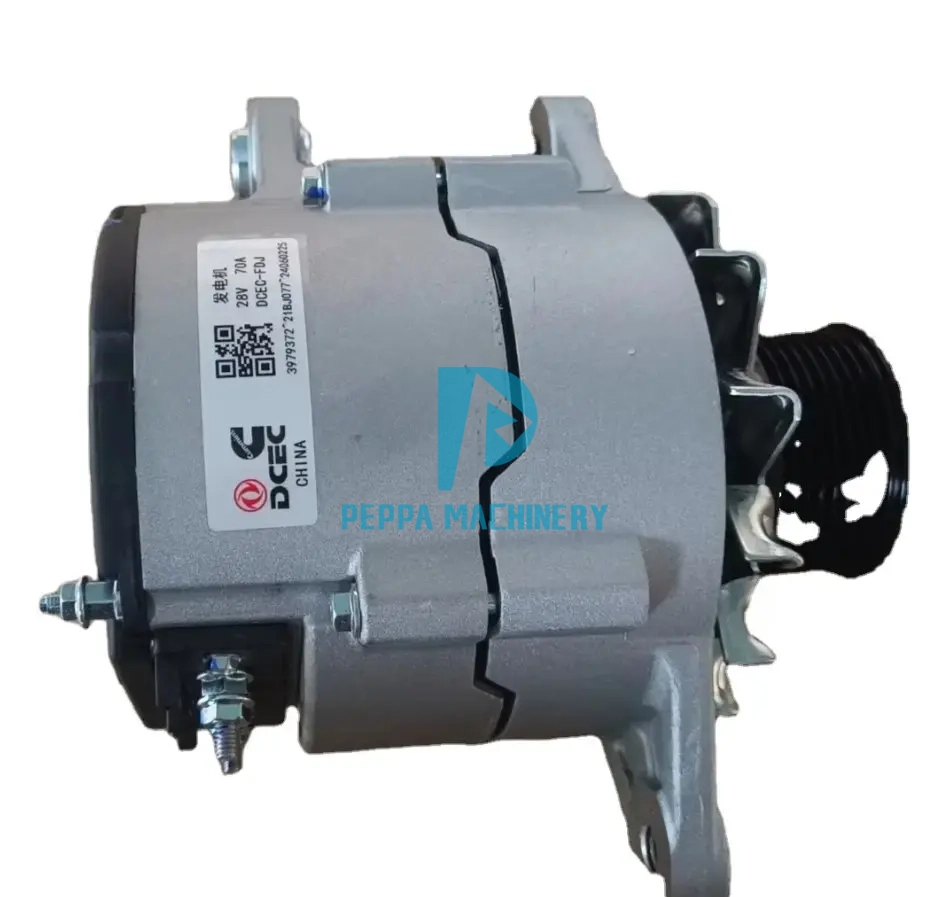
Cummins 24V AC Alternator - Genuine OEM Part #3979372 | Fits Mining & Construction Equipment
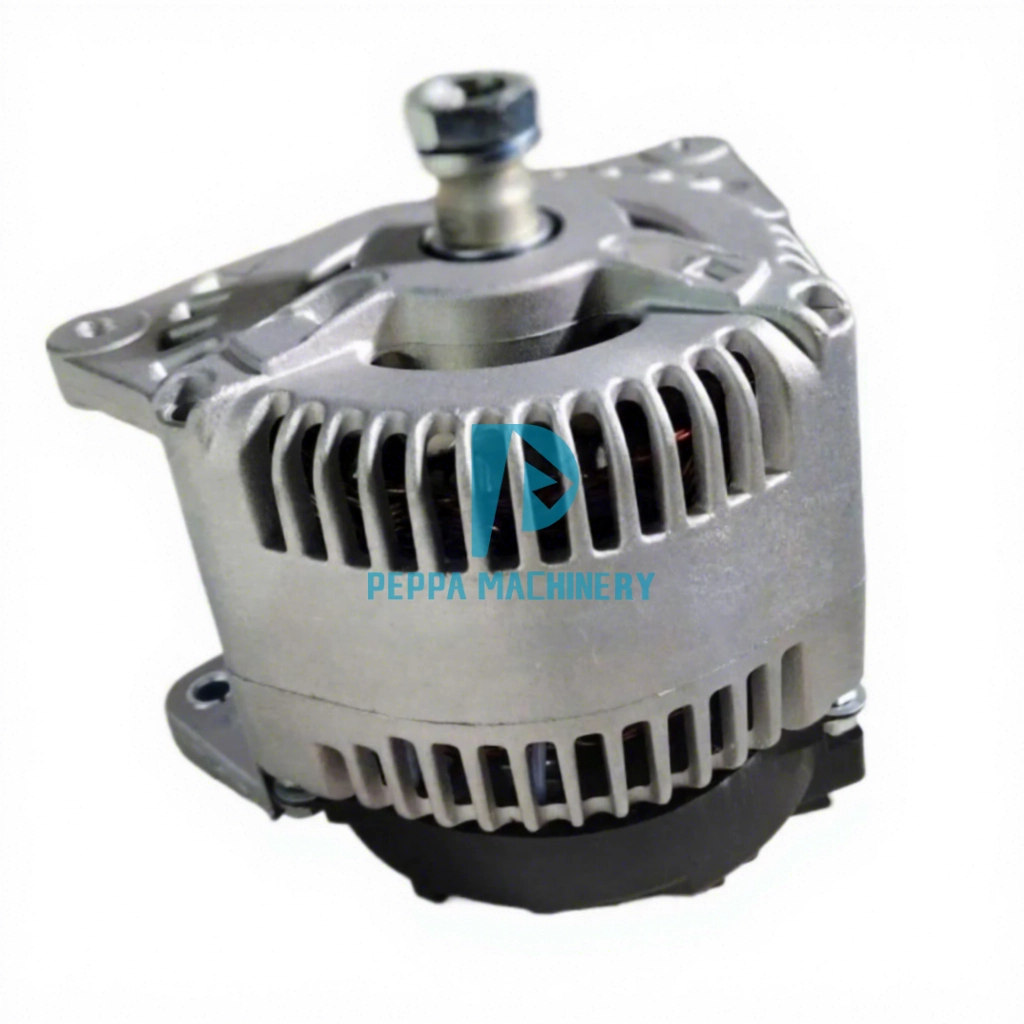
Direct Replacement Alternator for Caterpillar C4.4 & 3054C Industrial Engines | Part #4246821
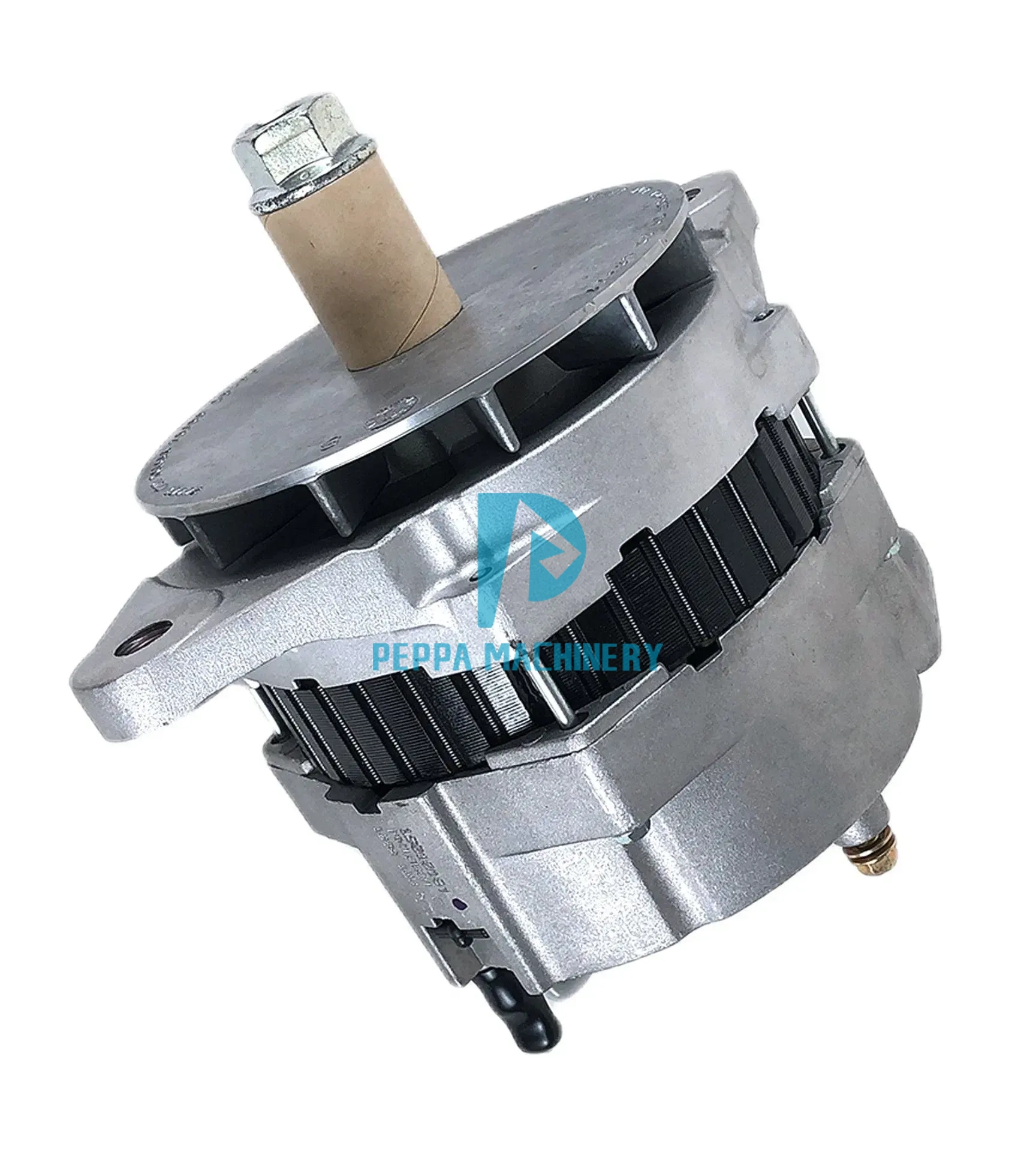
19010108 OEM Replacement Alternator for Diesel Engine Models | Fits Select Trucks & Excavators
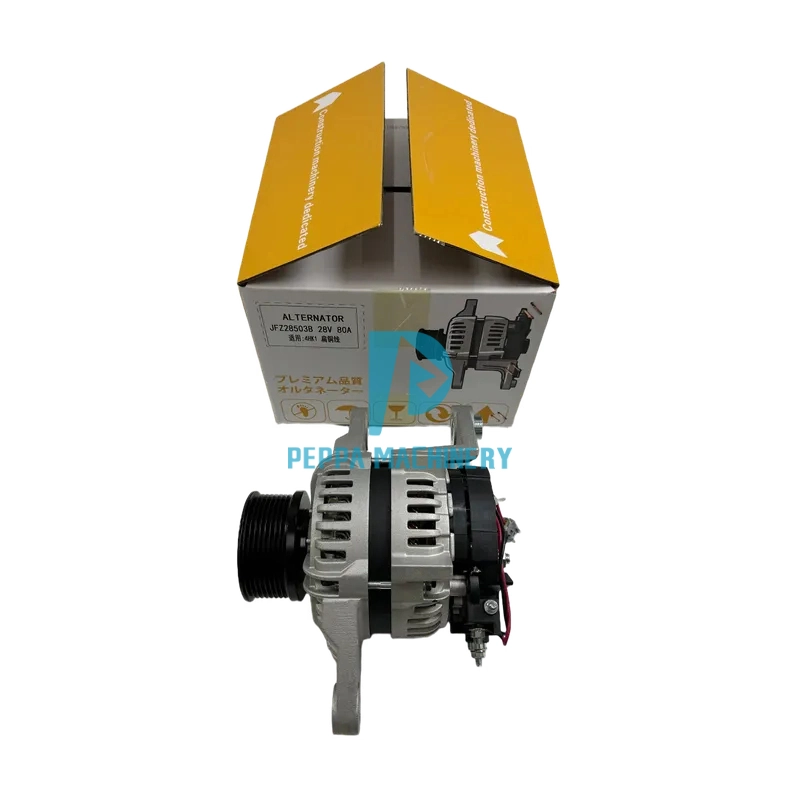
Excavator parts Alternator JF728503B for 4HK1
Excavator Parts
Are your parts genuine or OEM?
We offer both genuine parts and high-quality OEM alternatives. You can choose according to your budget and application needs. All OEM products are tested to meet or exceed original specifications.
Do you provide technical support or installation guidance?
While we do not offer on-site installation, we can provide basic technical advice, diagrams, or documentation to assist your technicians with installation and troubleshooting.
Can I get help choosing the right parts for my machine?
Yes. Our experienced sales team is here to provide professional recommendations and solutions based on your excavator model, part number, or specific requirements.
What brands of excavator parts do you supply?
We supply a full range of parts compatible with major international and Chinese brands, including Caterpillar, Komatsu, Hitachi, Volvo, Doosan, Hyundai, Sany, Liugong, XCMG, Zoomlion, and more.
How can I verify compatibility before placing an order?
Please provide us with your machine brand, model number, and the part number (if available). Our team will double-check the compatibility to ensure you receive the correct parts.
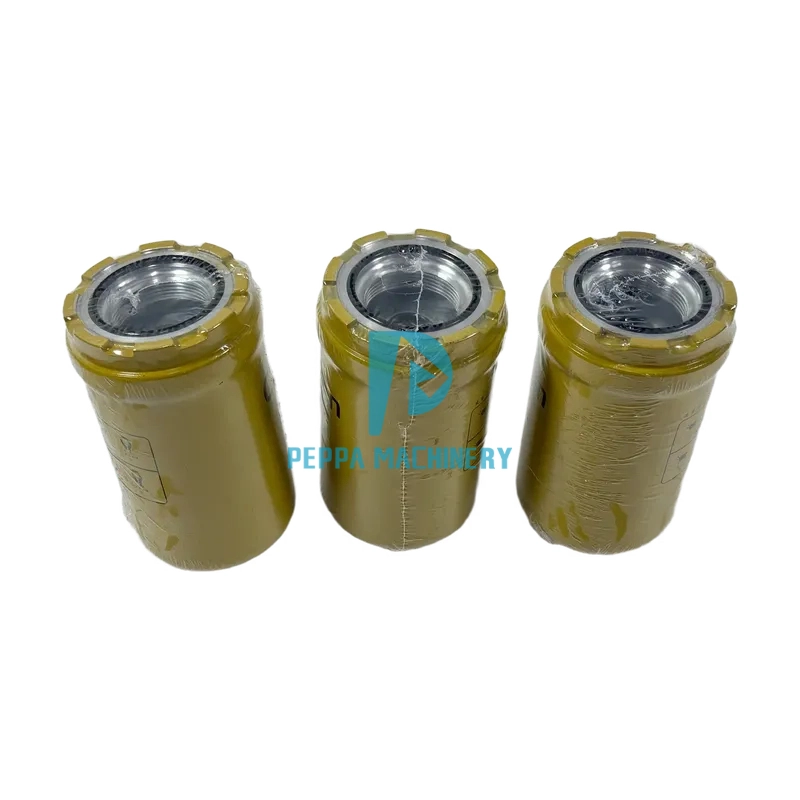
51-8670 Hydraulic Filter Applicable to HF35519 518670 2897836 518670X 1588987 Compatible with Caterpillar 352FVG 325CL
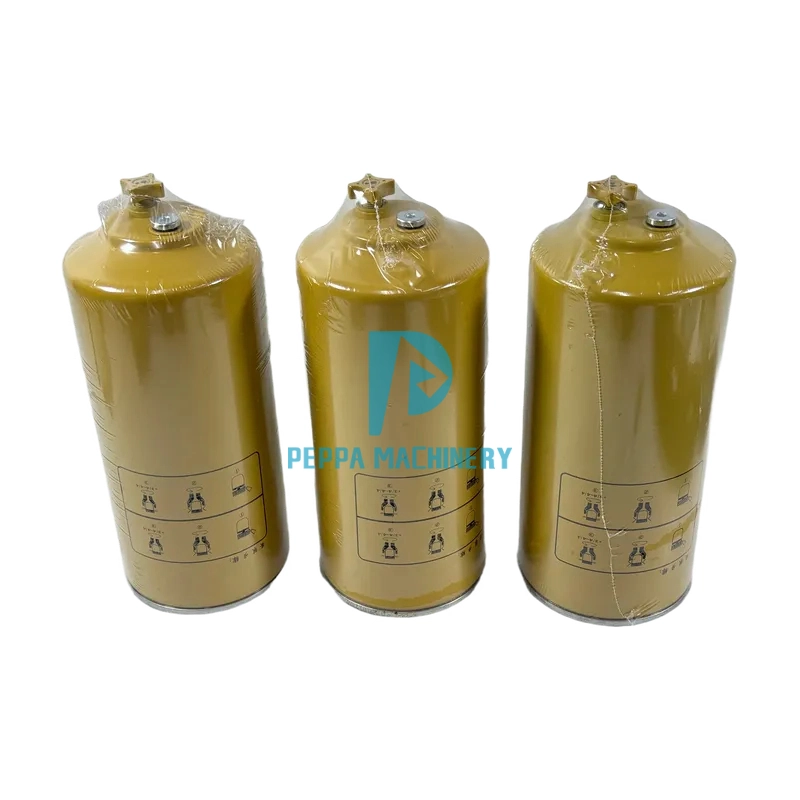
4385386 Fuel Water Separator Fuel Filter 382-0664 Oil-water Separator Hydraulic Oil Filter for CAT 312D2 320D2
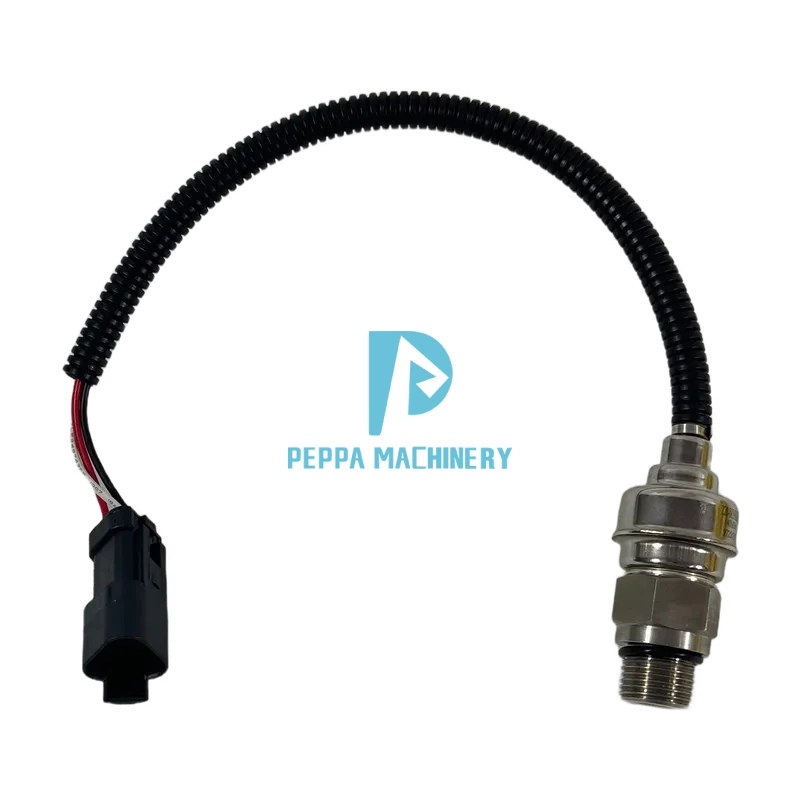
Pressure Sensor 221-8859 106-0178 for Caterpillar CAT 311B 311C 312C 314D 315B 320C 323D 324D 330C 336D 345B 385C
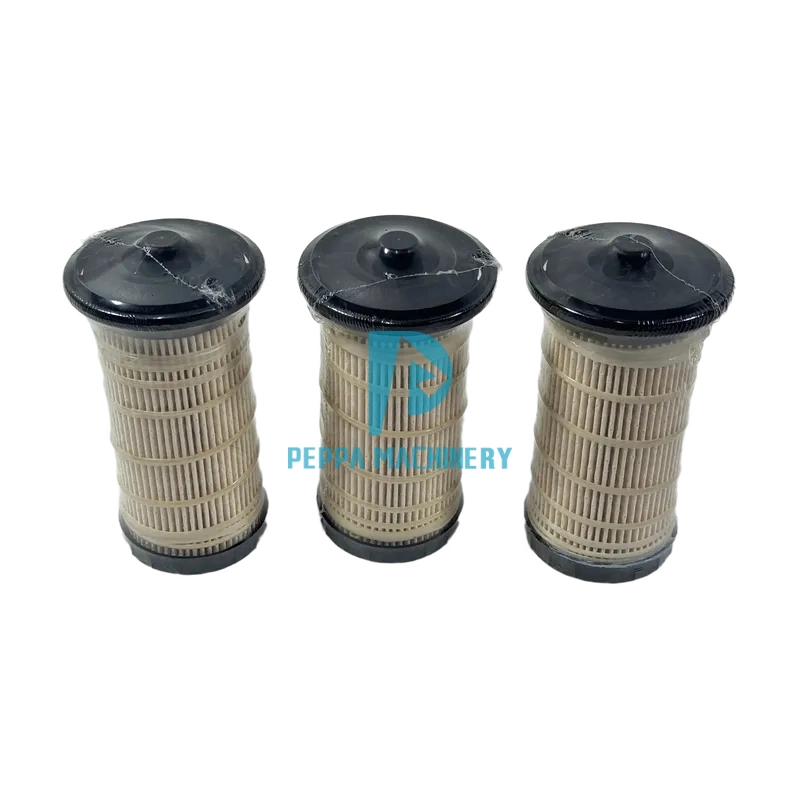
360-8960 Fuel Filter Element for Caterpillar C4.4 & C7.1 Engines | Fits 312D, 320D, 312E, 320E, 326D2, 336D2 Excavators
Get more information
Want to know more? Contact us today to get detailed product specifications, customized solutions, and a free consultation tailored to your needs.
Rest assured that your privacy is important to us, and all information provided will be handled with the utmost confidentiality.

Reliable Source for Quality Excavator Components.
Follow Us
Our Partners


Our Payment Methods


 High Quality
 7/24 Service
 Guaranteed Warranty
 Scan QR Code
Facebook
TikTok
YouTube
Pinterest
Twitter