








How to match camshaft timing for different excavator models?
- 1) How do I verify camshaft-to-crankshaft timing on a Caterpillar 320D after a crankshaft replacement when timing marks are worn or missing?
- 2) What alignment tolerance (degrees of crank rotation) is acceptable for camshaft-crankshaft timing on Komatsu PC200-series diesel engines to avoid piston-valve contact?
- 3) How do I set camshaft timing on an Isuzu-based excavator diesel when replacing only the camshaft gear and there is no timing chain (gear train only)?
- 4) How do I use crankshaft and camshaft position sensors to diagnose subtle timing drift on modern excavators with VGT turbos and electronic injection?
- 5) What inspection steps ensure remanufactured camshaft and crankshaft are matched correctly for a high-hour Volvo EC210 engine purchase?
- 6) How can I adjust camshaft timing when swapping a different-profile cam (e.g., service/repair cam) into an excavator engine without ECU remap and avoid drivability issues?
1) How do I verify camshaft-to-crankshaft timing on a Caterpillar 320D after a crankshaft replacement when timing marks are worn or missing?
Problem: On older or high-hour engines the punch marks on the crank gear and cam gear are often damaged or removed. Relying on incomplete marks risks incorrect valve timing, piston-valve contact and catastrophic engine damage.
Step-by-step verification (practical method used in heavy-diesel shops):
- Obtain the OEM service manual for the exact engine variant (Cat serial, S/N) and the gear-mark diagram. If unavailable, request engine serial number info from the OEM or authorized dealer.
- Find Cylinder 1 Top Dead Center (TDC) on the compression stroke: remove the injector for cylinder 1 and slowly rotate the crank by hand (use suitable socket on crank pulley) while watching cylinder pressure or using a piston stop to detect compression stroke. Use a dial indicator at the injector bore to find true TDC if harmonic balancer marks are unreliable.
- Align the crankshaft to TDC according to the manual. Install and lightly snug the crank gear or damper so it cannot shift, then align camshaft so both intake and exhaust followers (tappets) for cylinder 1 are fully seated (valves closed). A clear indicator is that valve lash is at maximum seating and rocker arms move freely with no lift.
- Use a degree wheel or a dial indicator on a valve (or on the cam lobe) to confirm valve events. Rotate the engine two full turns and recheck TDC and timing advance—correctly timed systems return to identical marks after two revolutions of the crank.
- Tighten timing gear fasteners to OEM torque with specified threadlocker where indicated. Reinstall components, rotate by hand 2–3 turns and re-verify valve clearance and TDC before attempting start.
Notes: When marks are missing, the piston-stop/dial-indicator method and a degree wheel are the most reliable. Never start the engine until valve-to-piston clearance and timing have been double-checked.
2) What alignment tolerance (degrees of crank rotation) is acceptable for camshaft-crankshaft timing on Komatsu PC200-series diesel engines to avoid piston-valve contact?
Problem: Shops often ask how much “slop” is permissible. Too permissive a tolerance risks valve overlap and contact; too strict can cause unnecessary rework.
Guidance:
- Diesel heavy-duty excavator engines require tight timing control. OEM specifications commonly call for cam timing within ±0.5°–1.0° of specified crankshaft degrees for high-compression engines; some service manuals allow up to ±2° for low-speed diesel accessory timing. Always consult the engine-specific service manual for exact tolerance.
- If you cannot meet OEM spec, do not run the engine. Use shims, adjustable timing gears or replacement matched components to bring timing within tolerance.
- Confirm dynamic timing with a dial indicator on valve lift and a degree wheel on the crank. Acceptable valve overlap or opening/closing points must match the specification curve for that engine.
Why: Diesel combustion and valve timing are tightly coupled to compression ratio and injection timing. Even a 2° error can raise peak cylinder pressures, increasing risk of piston damage or ring failure.
3) How do I set camshaft timing on an Isuzu-based excavator diesel when replacing only the camshaft gear and there is no timing chain (gear train only)?
Problem: Replacing only the cam gear can shift timing if gear runout or keyways are mismatched. Shops sometimes reuse a stock gear that appears identical but has different tooth indexing.
Procedure and checks:
- Confirm part numbers: Compare OEM part numbers and tooth counts. Even the same diameter gear may have different indexing positions (index keyways or dowel positions).
- Inspect bore and keyway: Check for wear, elongation or burrs on the camshaft key and gear bore. Replace or true-up if wear exists; worn keyways will allow angular shift under load.
- Use alignment tools if provided by Isuzu/derivative manufacturers: many gear-train engines include a cam locking fixture or alignment dowel for accurate reinstallation.
- After installation, set to TDC on cylinder 1 compression stroke, align cam mark per manual, torque gear fasteners to spec, then rotate by hand two turns and re-confirm. Check camshaft endplay, bearing clearance and valve lash.
- If the cam gear has a timing spline with multiple possible spline positions, fit the gear to the same spline slot as the original or purchase an OEM-matched gear to guarantee indexing.
Tip: When only replacing one gear, consider replacing the mating gear fastener (some are torque-to-yield) and applying threadlocker as recommended to prevent loosening under vibration.
4) How do I use crankshaft and camshaft position sensors to diagnose subtle timing drift on modern excavators with VGT turbos and electronic injection?
Problem: Electronic engines use CMP and CKP signals to time injection and valve events. A small drift or sensor phasing error can show up as soot, loss of power or irregular idle rather than an obvious mechanical noise.
Diagnostic workflow:
- Capture signals: Use an oscilloscope or a high-quality scan tool that can graph CMP and CKP waveforms concurrently. Manufacturer tools (Cat ET, Komatsu PC, Volvo Tech Tool) can display timing offsets and adaptation values. For generic use, an oscilloscope with inductive probes or crank/cam scope attachments works.
- Compare waveform phase: The CKP/CMP timing offset must match the OEM waveform (service manual usually includes a sample). Look for missing teeth on the crank reluctor, noisy sensor signal, or jitter introduced by defective reluctor rings or loose sensors.
- Static check: With cylinder 1 at TDC compression, confirm the cam pulse aligns to the indicated crank tooth as per OEM degrees. If the offset is outside spec, the timing chain/gears or a skipped tooth on reluctor may be the cause.
- ECU adaptation: Some ECMs adapt ignition/injection based on sensor drift. After mechanical correction, clear adaptations and codes, and perform the ECU’s cam/crank relearn procedure with the diagnostic tool to restore correct timing maps.
Warning: Never alter injections or turbo actuation maps to compensate for mechanical timing errors. Fix the mechanical source first, then reset ECU adaptations.
5) What inspection steps ensure remanufactured camshaft and crankshaft are matched correctly for a high-hour Volvo EC210 engine purchase?
Problem: Buyers receive reman parts that meet dimensional drawing but were not matched as sets—resulting in mismatched journals, bearings, and phasing that cause accelerated wear.
Buyer’s inspection checklist (pre-install or at receipt):
- Serial and traceability: Require remanufacturer traceability: original engine serial, regrind records, metallurgy reports, and heat-treatment certificates. A reputable reman supplier provides matching records for cam and crank sets.
- Dimensional checks: Measure crankshaft main and rod journal diameters, roundness (out-of-round), runout (TIR), and camshaft journal diameters and lobe profiles with micrometers and a runout gauge. Compare against OEM rebuild specs.
- Hardness and surface finish: Check journal hardness and surface finish Ra where possible. Polished journals and proper nitriding help bearing life; poor finishes accelerate Babbitt wear.
- End-play and phasing: Check cam/crank endplay and ensure cam timing key/keyway fit and timing gear tooth patterns are correct. For gear-train engines, ensure gear backlash is within spec.
- Balancing and vibration: For crankshafts, ask for dynamic balance reports. Unbalanced cranks cause higher bearing loads and premature failure.
- Warranty & testing: Prefer remanufacturers that load-test rotating assemblies and provide a warranty and a return policy if run-in failures occur.
Buy smart: Request matched assemblies (crank + cam + rods) rather than piecemeal parts. Matched sets reduce guesswork during installation and often come with professional regrind and balance reports.
6) How can I adjust camshaft timing when swapping a different-profile cam (e.g., service/repair cam) into an excavator engine without ECU remap and avoid drivability issues?
Problem: Some repairs require replacing a cam with a service grind or aftermarket alternative. That changes valve events and can alter exhaust gas temperature, injection timing interactions and turbo performance in electronically controlled engines.
Practical approach:
- Confirm compatibility: Use a cam that matches the engine family and does not change gross lift or duration beyond OEM tolerance. OEM service cams are preferred as they preserve injection and emissions timing.
- Re-establish mechanical timing: Install cam and set timing to OEM TDC specifications. Use a degree wheel and dial indicator to verify intake opening and closing versus crank degrees. Make the timing match OEM spec, not the old cam’s events.
- ECU considerations: If the replacement cam slightly alters valve timing, most modern diesel ECUs can adapt within narrow ranges, but larger changes may trigger derate or diagnostic codes. After mechanical installation clear codes and perform a cam/crank relearn with the manufacturer diagnostic tool.
- Test and tune: Run a controlled break-in and use exhaust gas temperature (EGT), smoke level and power checks. If adverse symptoms remain (surging, excessive smoke, EGT spikes), consult dealer diagnostic tools—do not attempt ad hoc fuel or turbo actuator adjustments to mask timing mismatch.
- Recommendation: For performance-oriented cams, plan an ECU calibration step performed by a dealer or experienced calibrator to match injection timing and EGR/VGT control to the new valve events.
Summary of risks: Wrong cam profile or incorrect installation leads to higher soot, reduced power, increased fuel consumption, and potential mechanical interference. Keep recording and serial documentation for warranty purposes.
Concluding paragraph summarizing the advantages of proper camshaft-crankshaft matching and using OEM/matched remanufactured parts:
Correct camshaft and crankshaft matching—using OEM or properly documented remanufactured matched assemblies—delivers predictable valve timing, longer bearing and piston life, improved fuel efficiency, lower emissions and reduced downtime. Matched parts reduce the risk of piston-valve contact, minimize ECU adaptation issues, and simplify warranty and service traceability. For purchases, insist on serial traceability, balance and regrind reports, and OEM torque/installation procedures to protect engine life and operator reliability.
If you need a matched camshaft and crankshaft set, certified reman parts, or a technical quote, contact us for a quote at www.jbpartsgz.com or email jbparts@aliyun.com.

Isuzu SP 4JG1 4JG2 4JG3 Cylinder Liner 1876182070 1-87618207-0 1876182080 1-87618208-0 1876182100 1-87618210-0
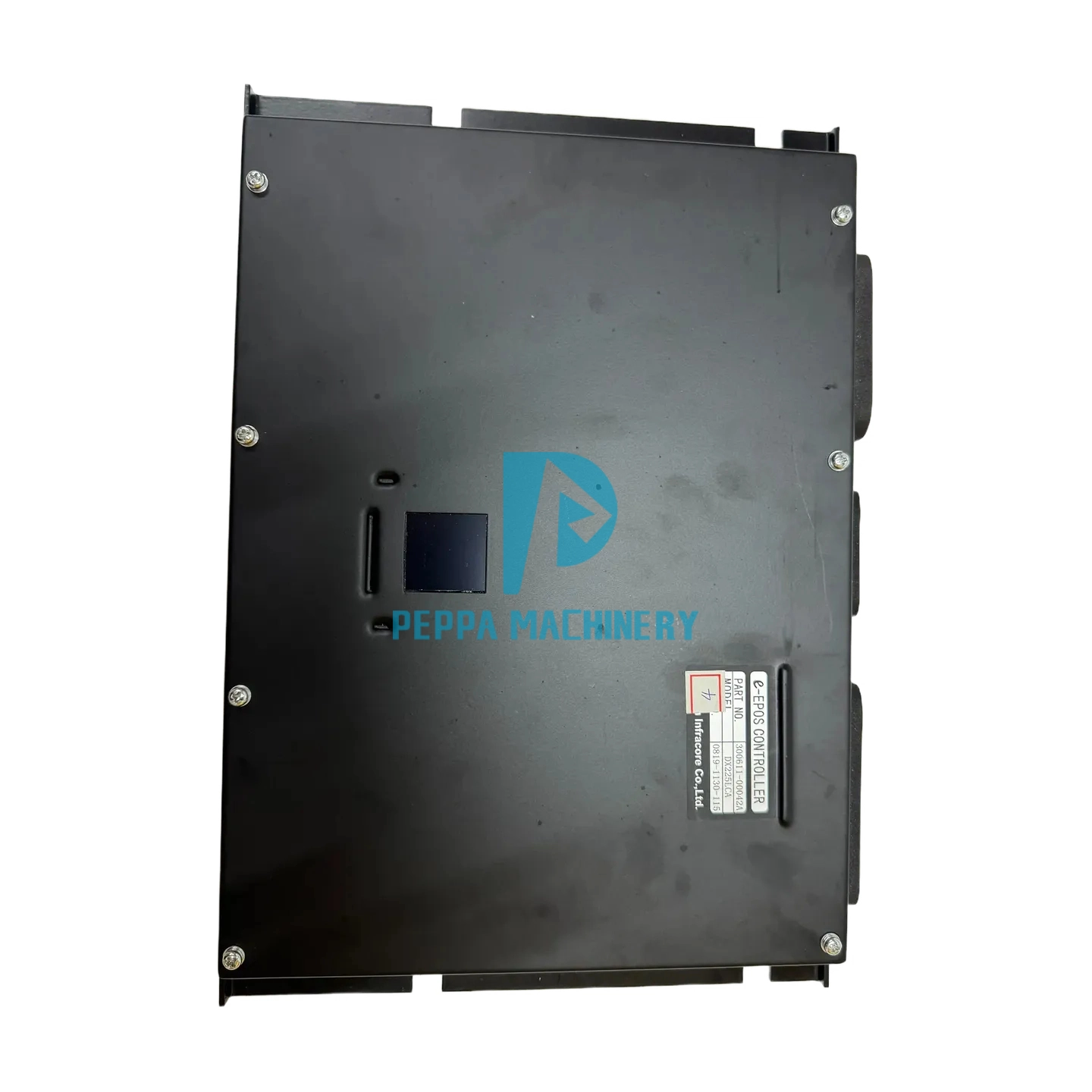
Excavator Accessories Excavator Controller DX225 DX225LCA E-EPOS Controller Computer Board 300611-00042 K1026740 K1001369C K1056425 ECU ECM

Isuzu Engine 6WG1 Turbo 1876183290 1-87618329-0 8981921861 8-98192186-1 14400-4441 1144004370 114400-4370 49188-018312 49188-11940
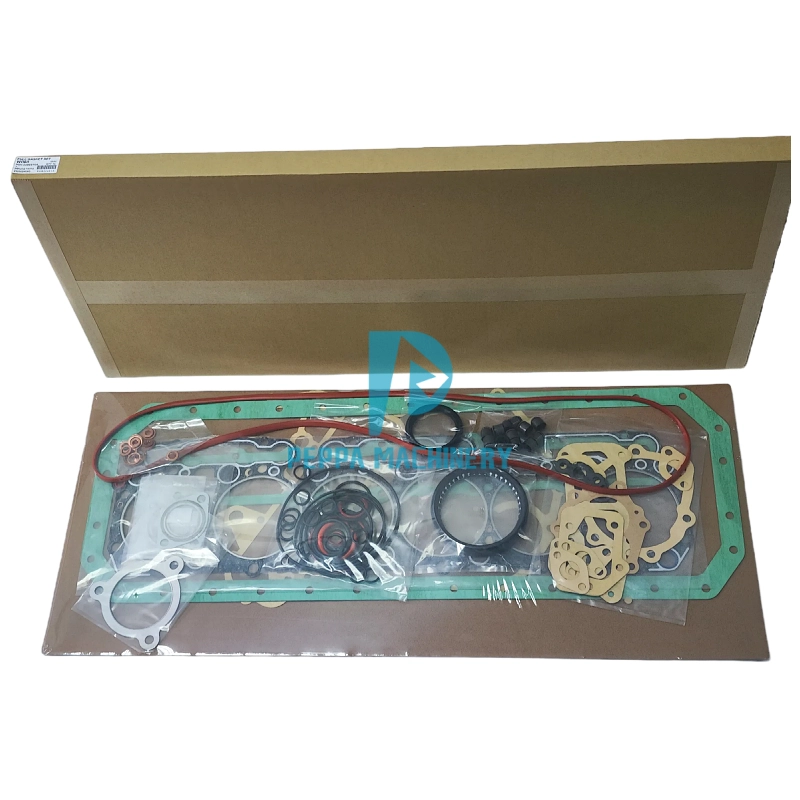
W06D W06DT Engine Overhaul Repair Kit Full Gasket
Excavator Parts
How can I verify compatibility before placing an order?
Please provide us with your machine brand, model number, and the part number (if available). Our team will double-check the compatibility to ensure you receive the correct parts.
What brands of excavator parts do you supply?
We supply a full range of parts compatible with major international and Chinese brands, including Caterpillar, Komatsu, Hitachi, Volvo, Doosan, Hyundai, Sany, Liugong, XCMG, Zoomlion, and more.
Can I get help choosing the right parts for my machine?
Yes. Our experienced sales team is here to provide professional recommendations and solutions based on your excavator model, part number, or specific requirements.
Are your parts genuine or OEM?
We offer both genuine parts and high-quality OEM alternatives. You can choose according to your budget and application needs. All OEM products are tested to meet or exceed original specifications.
Do you provide technical support or installation guidance?
While we do not offer on-site installation, we can provide basic technical advice, diagrams, or documentation to assist your technicians with installation and troubleshooting.
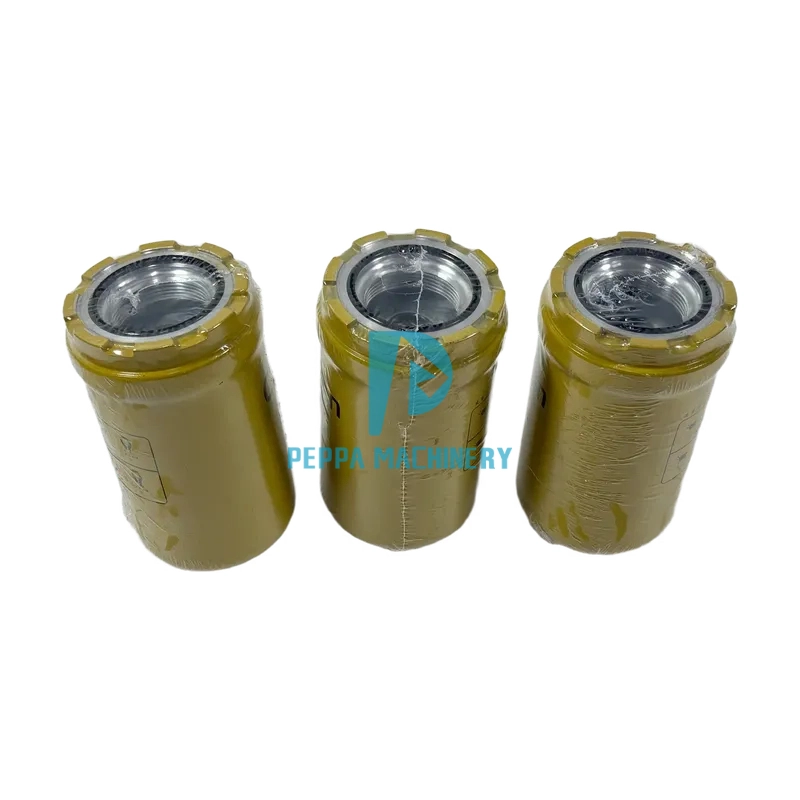
51-8670 Hydraulic Filter Applicable to HF35519 518670 2897836 518670X 1588987 Compatible with Caterpillar 352FVG 325CL
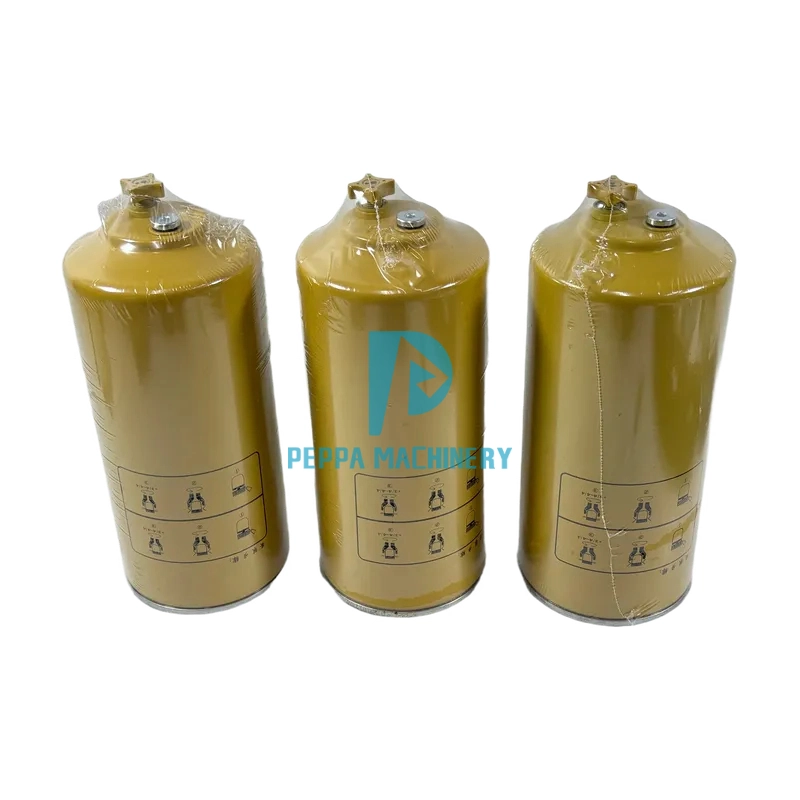
4385386 Fuel Water Separator Fuel Filter 382-0664 Oil-water Separator Hydraulic Oil Filter for CAT 312D2 320D2
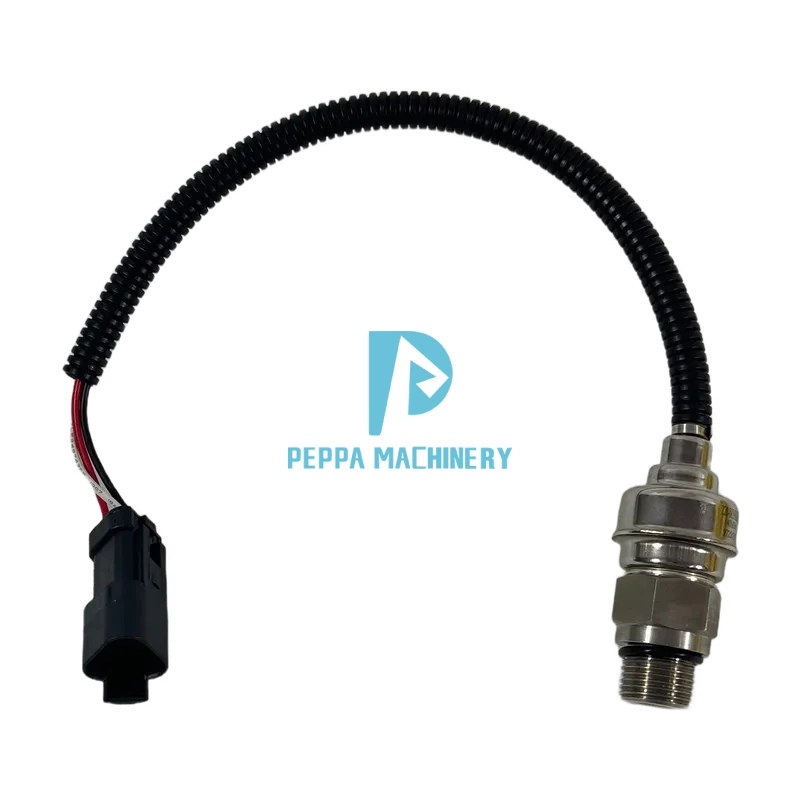
Pressure Sensor 221-8859 106-0178 for Caterpillar CAT 311B 311C 312C 314D 315B 320C 323D 324D 330C 336D 345B 385C
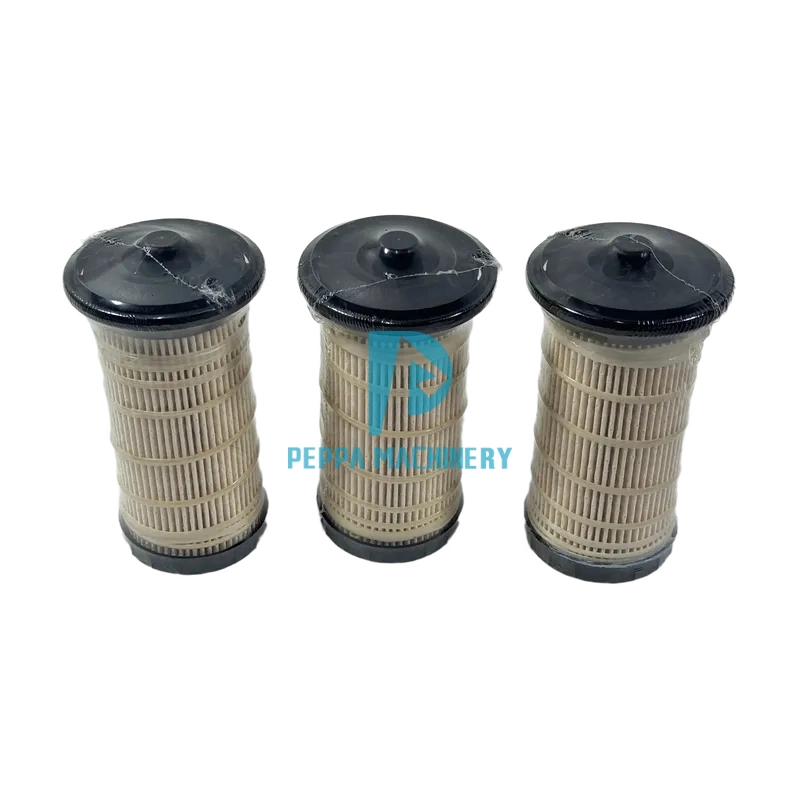
360-8960 Fuel Filter Element for Caterpillar C4.4 & C7.1 Engines | Fits 312D, 320D, 312E, 320E, 326D2, 336D2 Excavators
Get more information
Want to know more? Contact us today to get detailed product specifications, customized solutions, and a free consultation tailored to your needs.
Rest assured that your privacy is important to us, and all information provided will be handled with the utmost confidentiality.

Reliable Source for Quality Excavator Components.
Follow Us
Our Partners


Our Payment Methods


 High Quality
 7/24 Service
 Guaranteed Warranty
 Scan QR Code
Facebook
TikTok
YouTube
Pinterest
Twitter