








Which crankshaft materials last longest in heavy-duty excavators?
- 1. How does crankshaft fillet radius and surface finish affect fatigue life in heavy-duty excavators, and what specs should I require when buying replacements?
- 2. Which crankshaft materials last longest in heavy-duty excavators when operating with contaminated lube oil or high soot—what is the best material+treatment combo?
- 3. For excavator camshaft lobes showing pitting after ~10,000 hours, is the issue material, heat treatment, or lubrication—and what inspection steps and replacement specs should I demand?
- 4. Are remanufactured crankshafts with welded counterweights or welded journals safe for heavy-duty excavators, and what certifications/tests should I insist on?
- 5. How do balancing and journal alignment tolerances influence camshaft and crankshaft longevity in high-cycle digging operations, and what tolerances are acceptable?
- 6. What surface treatments (nitriding, induction hardening, chrome plating) actually extend camshaft and crankshaft life in excavators, and what test results should suppliers provide?
- Concluding summary: Advantages of specifying the right camshaft and crankshaft materials and processes
1. How does crankshaft fillet radius and surface finish affect fatigue life in heavy-duty excavators, and what specs should I require when buying replacements?
A crankshaft’s fillet radius and journal surface finish are primary fatigue-life drivers because cracks nearly always initiate at stress concentrators. For heavy-duty excavators that see repeated torque peaks (rock-loading, reversing digs), insist on these minimums when purchasing a replacement or remanufactured crankshaft:
- Fillet radius: specify the fillet radius used in original equipment manufacturer (OEM) designs or larger; typical heavy-duty crankshafts use fillet radii in the 1.5–4.0 mm range depending on journal size. Larger radii reduce stress concentration but must be compatible with bearing geometry.
- Surface finish (Ra): journal surfaces should be finished to Ra 0.2–0.8 µm (8–32 µin). A finer finish reduces friction and subsurface crack initiation risks. Avoid parts with Ra >1.0 µm unless explicitly engineered.
- Edge rounding: no sharp transitions; transitional radii where counterweights meet journals prevent hairline cracks.
- Quality evidence: require surface roughness reports, fillet radius measurements, and a micrograph or NDT (MPI/UT) showing no subsurface defects.
Note: Even with the best material and heat treatment, a small fillet radius or poor finishing will dramatically reduce fatigue life. Combine geometry specs with surface treatments (shot peening or nitriding) for best results.
2. Which crankshaft materials last longest in heavy-duty excavators when operating with contaminated lube oil or high soot—what is the best material+treatment combo?
For excavators operating in dirty environments or with elevated soot and particulate ingress, the best practical combination for longevity is a forged alloy steel crankshaft (e.g., 42CrMo / AISI 4140 class or 4340 where available) with a nitrided or induction-hardened wearing surface, plus shot peening of fillets:
- Material: forged alloy steels such as 42CrMo/4140 or 4340 are industry-standard for heavy-duty crankshafts because of high tensile strength, toughness, and fatigue resistance compared with cast irons.
- Surface treatments: nitriding (gas or plasma) produces a hard case that resists abrasive wear from particles and improves rolling-contact fatigue; induction hardening on journals gives a deeper hardened layer for heavy contact loading. Nitrided case depths are typically shallow (0.2–0.6 mm) but provide very high surface hardness; induction hardening gives case depths of ~0.8–2.0 mm depending on specification.
- Complementary processes: shot peening raises compressive residual stresses at fillets and reduces crack initiation under contaminants and shock loads.
Why this combo? Contaminated oil causes abrasive wear and micro-pitting. A hardened, wear-resistant surface (nitriding or induction hardening) plus a tough core (forged alloy) allows the part to tolerate some abrasive action and shock. In contrast, plain cast iron crankshafts or under-hardened reman parts will wear and crack earlier under contamination.
When you buy, ask for a material certificate (chemical composition), hardness profile (surface and core), case-depth measurement, and NDT (MPI and UT) confirming no defects.
3. For excavator camshaft lobes showing pitting after ~10,000 hours, is the issue material, heat treatment, or lubrication—and what inspection steps and replacement specs should I demand?
Pitting on cam lobes at that service interval is typically a lubrication/contamination problem compounded by inadequate surface hardness or poor residual compressive stress. Steps to diagnose and specifications to demand:
- Inspect oil: check oil analysis (particle count ISO 4406, presence of water, acidity, and viscosity change). Elevated particle counts (e.g., ISO codes worse than 19/17/13) or high soot accelerate lobe pitting.
- Metallurgy and hardness: request a hardness profile on the cam nose and base circle. Camshafts in heavy-duty engines are commonly nitrided or induction-hardened; surface hardness should be significantly higher than the base material (nitrided surfaces commonly achieve >700 HV in many industrial processes) and show an appropriate case depth.
- Surface verification: ask for microscopic cross-sections showing case depth and microstructure, plus MPI for near-surface cracks.
- Root cause: if oil cleanliness is poor, fix filtration and change intervals first. If oil is clean but lobes pit, the camshaft heat treatment or surface finish is likely inadequate.
Replacement specs to demand: camshafts made from chilled cast iron or forged steel with nitrided lobes (or induction-hardened) and shot peened lobes/roots; hardness and case-depth reports; and NDT certificates.
4. Are remanufactured crankshafts with welded counterweights or welded journals safe for heavy-duty excavators, and what certifications/tests should I insist on?
Weld repairs can be acceptable if executed to strict procedures, but for heavy-duty excavators where fatigue life is critical, welded counterweights or welded journals are higher risk and require strict qualification:
- Allowed repairs: welding counterweights is common if performed by certified procedures (preheat, control of HAZ, post-weld heat treatment) and by technicians certified to EN/ISO welding standards. Welding on main journals or fillets is far more critical and generally discouraged unless the repair shop provides full metallurgical proof.
- Tests to demand: full NDT (magnetic particle inspection and ultrasonic testing) before and after welding; hardness profiles across the heat-affected zone (HAZ); chemical analysis to confirm filler compatibility; and a metallographic report showing grain structure and absence of hydrogen cracking.
- Fatigue qualification: ask for a signed quality statement and, for safety-critical parts, sample fatigue test reports or an engineer’s fitness-for-service assessment per recognized standards. For highly loaded service, insist on reman parts refurbished by OEM-approved facilities.
Practical buyer rule: if the crankshaft had a welded journal or significant rework, treat it as a short-term cost-saving measure, not a long-term solution, unless the supplier provides documented fatigue life validation.
5. How do balancing and journal alignment tolerances influence camshaft and crankshaft longevity in high-cycle digging operations, and what tolerances are acceptable?
Imbalance and misalignment multiply dynamic loads and accelerate bearing wear, fatigue cracking, and vibration-related failure modes. For heavy-duty excavators:
- Dynamic balancing: crankshafts should be dynamically balanced. For main rotating engine assemblies, aim for balancing to ISO 1940 G2.5 or better where possible; many heavy-duty engine manufacturers specify G2.5–G6.3 depending on engine rpm and duty cycle. Request a balancing report showing residual unbalance (g·mm) and the balancing grade achieved.
- Journal runout and alignment: journal concentricity and runout tolerances should typically be within 0.01–0.02 mm (10–20 µm) for heavy-duty crankshafts; excessive runout increases bearing edge loading and localized wear. Specify roundness and journal surface runout values on purchase orders.
- Tolerance evidence: require dimensional inspection reports, coordinate-measuring machine (CMM) data, and balancing certificates.
Result: correct balancing and tight journal tolerances reduce cyclic bending stresses on fillets and bearings, extending camshaft and crankshaft life significantly—often by multiples compared with poorly balanced parts.
6. What surface treatments (nitriding, induction hardening, chrome plating) actually extend camshaft and crankshaft life in excavators, and what test results should suppliers provide?
Surface treatments matter more than many buyers realize. Each process addresses different failure modes:
- Nitriding: excellent for wear and contact fatigue; produces a hard, wear-resistant case with good fatigue properties and minimal distortion. Typical deliverables from suppliers: microhardness profile, case-depth measurement (0.2–0.6 mm common), and nitride layer uniformity report.
- Induction hardening: creates a deeper hardened layer on journals and cam lobes (often 0.8–2.0 mm) and is effective against heavy contact loads. Request hardness depth curves and surface hardness (HRC) or HV values.
- Shot peening: introduces compressive residual stresses at fillets, delaying crack initiation. Ask for shot-peening intensity (e.g., Almen A values) and coverage reports.
- Chrome plating/hard chrome: improves wear resistance and corrosion protection but can mask dimensional and fatigue issues if not correctly applied. If chrome is used, require coating thickness, adhesion testing, and post-plating hardness checks.
What test evidence to demand from any supplier:
- Chemical composition certificate (EN 10204 3.1 or equivalent).
- Hardness profiles: surface and core values, with measurement positions shown.
- Case depth / layer depth measurements for nitriding/induction with method described (microsection or other approved method).
- NDT: MPI and ultrasonic testing reports showing no cracks or inclusions.
- Shot peening reports: intensity and coverage.
- Dimensional inspection and balancing certificates.
Combine treatments: the most durable industrial solutions for heavy-duty excavators are forged alloy steel with induction-hardened journals, nitrided cam lobes, and shot-peened fillets. These layered protections address wear, pitting, and fatigue simultaneously.
Concluding summary: Advantages of specifying the right camshaft and crankshaft materials and processes
Choosing forged alloy-steel crankshafts (e.g., 42CrMo/4140 or 4340) and properly heat-treated camshafts—paired with nitriding, induction hardening, and shot peening—delivers superior fatigue resistance, wear performance, and tolerance to contaminated oil and shock loading. Requiring material certificates, hardness profiles, case-depth data, MPI/UT reports, balancing certificates (ISO 1940), and dimensional inspections (runout and fillet radius) reduces field failures and unplanned downtime. For replacements, insist on OEM-equivalent specifications or validated remanufacturer documentation; avoid undocumented weld repairs on journals.
For a quote or to discuss specifications for camshaft and crankshaft replacements that match your excavator’s duty cycle, contact us at www.jbpartsgz.com or jbparts@aliyun.com.

Isuzu SP 4JG1 4JG2 4JG3 Cylinder Liner 1876182070 1-87618207-0 1876182080 1-87618208-0 1876182100 1-87618210-0
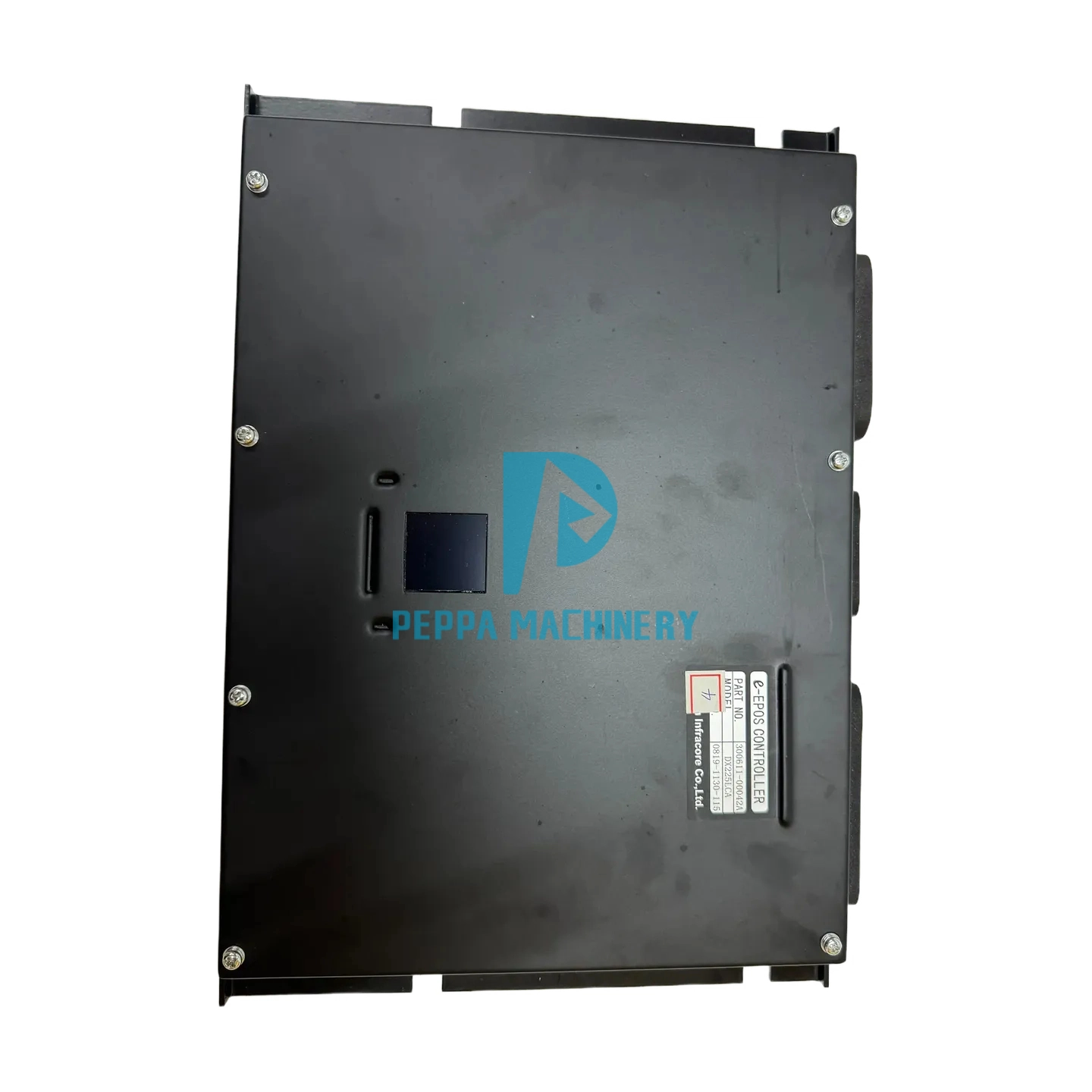
Excavator Accessories Excavator Controller DX225 DX225LCA E-EPOS Controller Computer Board 300611-00042 K1026740 K1001369C K1056425 ECU ECM

Isuzu Engine 6WG1 Turbo 1876183290 1-87618329-0 8981921861 8-98192186-1 14400-4441 1144004370 114400-4370 49188-018312 49188-11940
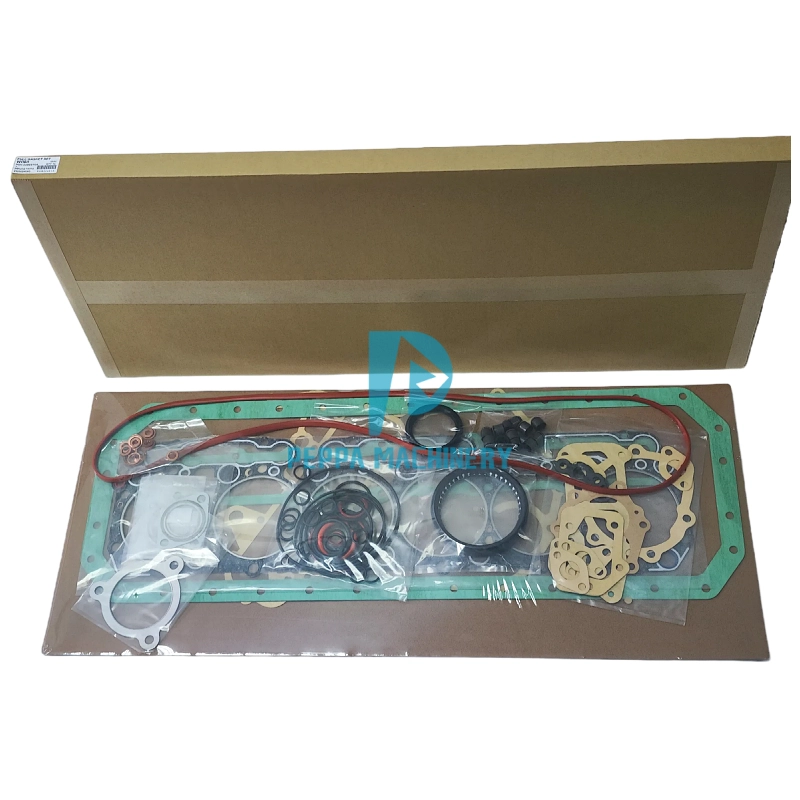
W06D W06DT Engine Overhaul Repair Kit Full Gasket
Excavator Parts
Can I get help choosing the right parts for my machine?
Yes. Our experienced sales team is here to provide professional recommendations and solutions based on your excavator model, part number, or specific requirements.
What brands of excavator parts do you supply?
We supply a full range of parts compatible with major international and Chinese brands, including Caterpillar, Komatsu, Hitachi, Volvo, Doosan, Hyundai, Sany, Liugong, XCMG, Zoomlion, and more.
Do you provide technical support or installation guidance?
While we do not offer on-site installation, we can provide basic technical advice, diagrams, or documentation to assist your technicians with installation and troubleshooting.
Are your parts genuine or OEM?
We offer both genuine parts and high-quality OEM alternatives. You can choose according to your budget and application needs. All OEM products are tested to meet or exceed original specifications.
How can I verify compatibility before placing an order?
Please provide us with your machine brand, model number, and the part number (if available). Our team will double-check the compatibility to ensure you receive the correct parts.
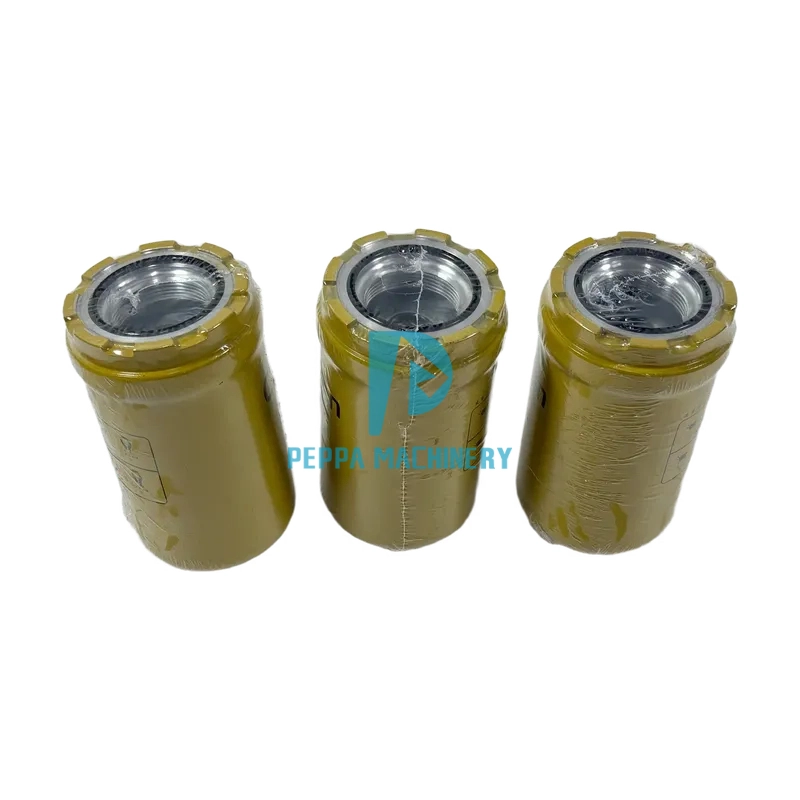
51-8670 Hydraulic Filter Applicable to HF35519 518670 2897836 518670X 1588987 Compatible with Caterpillar 352FVG 325CL
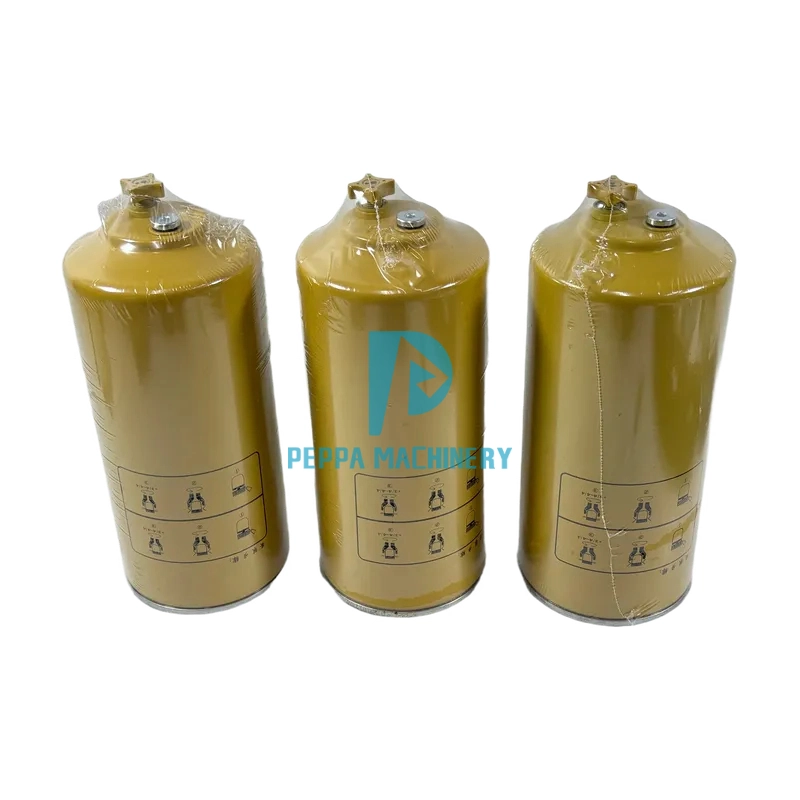
4385386 Fuel Water Separator Fuel Filter 382-0664 Oil-water Separator Hydraulic Oil Filter for CAT 312D2 320D2
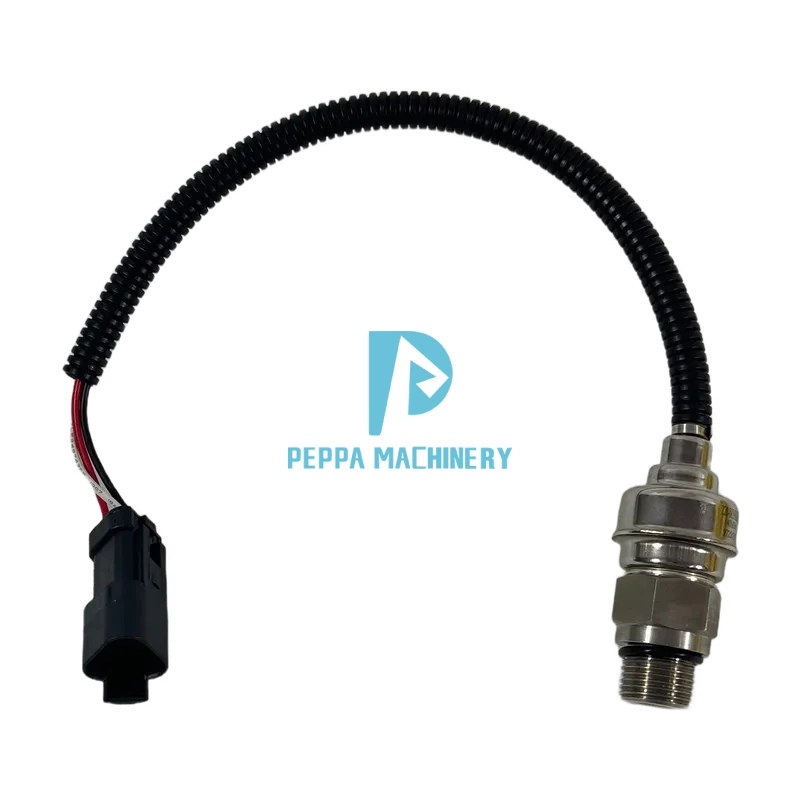
Pressure Sensor 221-8859 106-0178 for Caterpillar CAT 311B 311C 312C 314D 315B 320C 323D 324D 330C 336D 345B 385C
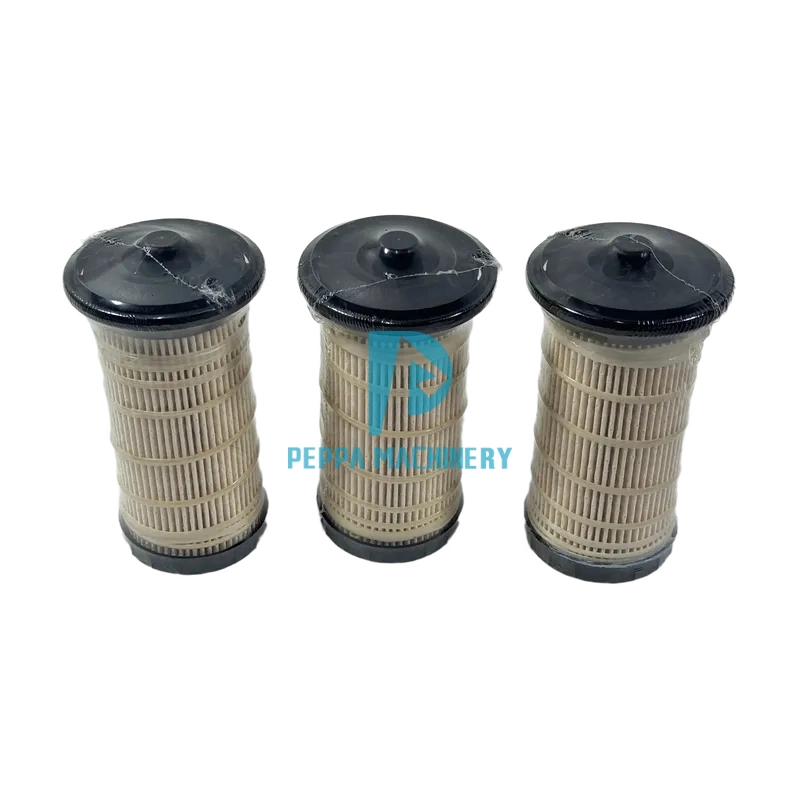
360-8960 Fuel Filter Element for Caterpillar C4.4 & C7.1 Engines | Fits 312D, 320D, 312E, 320E, 326D2, 336D2 Excavators
Get more information
Want to know more? Contact us today to get detailed product specifications, customized solutions, and a free consultation tailored to your needs.
Rest assured that your privacy is important to us, and all information provided will be handled with the utmost confidentiality.

Reliable Source for Quality Excavator Components.
Follow Us
Our Partners


Our Payment Methods


 High Quality
 7/24 Service
 Guaranteed Warranty
 Scan QR Code
Facebook
TikTok
YouTube
Pinterest
Twitter