








What are cost differences: OEM vs aftermarket crankshafts?
- 1. How can I verify crankshaft straightness and journal condition on a used excavator crankshaft before purchase?
- 2. Can I use a remanufactured crankshaft from a different model if journal dimensions match?
- 3. What additional machining, balancing and hidden costs will an aftermarket crankshaft need before installation?
- 4. How should I inspect camshaft lobes and timing surfaces to avoid early valve-train wear in excavator engines?
- 5. What are cost differences: OEM vs aftermarket crankshafts? (lifecycle cost including machining, warranty and downtime)
- 6. How do I detect hidden cracks or fatigue in camshafts and crankshafts — what level of NDT is necessary for reliability?
- Concluding summary
Camshaft and Crankshaft: 6 Specific Buyer Questions for Excavator Parts
This article answers six specific, under-covered questions that excavator owners, maintenance managers and parts buyers ask when evaluating camshaft and crankshaft replacements. Each answer covers inspection steps, remanufacture considerations, expected additional costs, compatibility risks and testing standards to reduce downtime and warranty exposure.
1. How can I verify crankshaft straightness and journal condition on a used excavator crankshaft before purchase?
Why this matters: A bent crankshaft or damaged journals will cause low oil pressure, bearing failure and vibration—often after installation when repairs are far costlier. Buyers often rely only on visual checks and miss subtle runout or taper.
Step-by-step practical check (shop or seller side):
- Visual inspection: look for corrosion in oil passages, scoring on journals, surface spalls, and repaired welds. Surface pitting in journals normally indicates replacement or regrind need.
- Straightness/runout: place the crankshaft on V-blocks and use a dial indicator on each journal and the main snout. For most excavator diesel engines the acceptable total indicated runout is extremely low—typically measured in hundredths of millimeters. If runout exceeds 0.03–0.08 mm (0.001–0.003 in) depending on OEM spec, it usually requires correction or rejection.
- Journal taper and diameter: measure with a micrometer at multiple axial positions on each journal. Compare against the engine manual or OEM part data for nominal and undersize options. Common undersize corrections are offered in standard increments (e.g., 0.25 mm / 0.010 in) for many heavy-duty engines.
- Oil-feed passages: blow compressed air through passages and check for blockages or evidence of previous welding. Blocked passages or signs of weld repair near passages are red flags.
- NDT screening before purchase: magnetic particle inspection (MPI) for surface and near-surface cracks is the industry minimum for used diesel crankshafts. If MPI reveals indications, ultrasonic testing (UT) should follow; UT can detect subsurface fatigue or laminations.
Red flags to walk away: repaired cracks near fillets, non-uniform journal geometry, evidence of overheating (blueing or temper colors), welded repairs on counterweights near oil passages, and blocked or excessively corroded oil holes. If you cannot perform these checks at the seller’s site, require MPI/UT certification and measured runout/journal diameter reports before purchase.
2. Can I use a remanufactured crankshaft from a different model if journal dimensions match?
Why this matters: Buyers assume identical journal dimensions equal compatibility; they often overlook dynamic balance, counterweight geometry, and oil feed alignment—critical for engine life and vibration control.
Compatibility checklist:
- Journal centerlines and spacing: identical diameters are necessary but insufficient. Rod journal and main journal center-to-center distances must match OEM drawings; mismatches will change piston/rod geometry and clearance.
- Counterweight shape and mass: counterweights control assembly balance and torsional vibration characteristics. A crankshaft from another model—even with matching journals—can alter engine balance factor and increase harmonic stresses unless dynamically balanced to match the engine’s flywheel and piston/rod assembly.
- Oil feed/return geometry: oil drilling positions and cross-drillings must align with bearing feeds; misaligned passages will starve bearings or allow air pockets leading to bearing failure.
- Timing drive and snout: nose dimensions, keyways and timing gear interfaces must match; different snout designs can prevent proper timing gear fit or create misalignment with the vibration damper and front accessories.
Recommendation: only accept remanufactured cranks that come with a full OEM cross-reference and a remanufacturer’s documentation showing dynamic balancing to the target engine, machining records, undersize journal tolerances (if ground), and confirmed oil-drilling alignment. If those are absent, treat the crank as non-interchangeable.
3. What additional machining, balancing and hidden costs will an aftermarket crankshaft need before installation?
Why this matters: Initial purchase price of an aftermarket crankshaft can look attractive, but unanticipated machining, balancing, or NDT can erase savings.
Common additional costs and why they arise:
- Journal grind and micropolish: many aftermarket cranks are supplied raw and require regrind to undersize and precision polishing to meet bearing fitment. Expect machine shop time and new undersize bearings — cost depends on the number of journals ground.
- Dynamic balancing: to avoid vibration and premature wear, finish dynamic balancing on the assembled crank along with the flywheel/flexplate. Shops often charge for spin balancing and bobweight setup.
- Oil-drill alignment and bushings: aftermarket cranks sometimes need rework of oil passages or installation of bushings to match engine feed geometry.
- NDT: suppliers should provide MPI/UT certification. If absent, budget for MPI and selective UT — these are non-negotiable for reliability and insurance claims.
- Hardening/nitriding or induction treatment: some aftermarket cranks are only machined without proper surface hardening. If the crank lacks nitriding/induction hardening, longevity will be reduced—adding this process post-purchase is expensive or impossible without re-manufacture.
- Warranty and return handling: limited warranty periods or restocking fees for incorrect fitment increase effective cost; include shipping and downtime costs in comparisons.
Estimate approach: when evaluating quotes, add estimated shop hours for grind/polish, dynamic balancing, MPI/UT, and new bearing kits. For many mid-size excavator engines those shop services can add several hundred to a few thousand dollars to the base part price; for large engines the additional work is proportionally higher. Always request pre-shipment NDT reports and a machining checklist from aftermarket suppliers.
4. How should I inspect camshaft lobes and timing surfaces to avoid early valve-train wear in excavator engines?
Why this matters: cam lobe wear or timing gear damage causes loss of power, smoke, and rapid valve-train failures. Visual checks alone often miss fatigue on lobes and journals.
Inspection steps:
- Visual and tactile check: look for pitting, flaking, scoring, or flattened lobes. Run your finger over lobes and journals—feel for roughness or ridges.
- Measure lobe lift and base circle: use a micrometer and dial gauge to measure each lobe’s lift and compare to service limits in the engine manual. Small differences across lobes indicate uneven wear and possible lifter/pushrod problems.
- Journal roundness and surface finish: measure journal diameters at multiple positions and check for taper. Rough or out-of-round journals require regrinding and aftermarket camshaft re-honing (if offered).
- Timing gear face and keyway check: inspect for chipped teeth, wear patterns, and keyway damage. Replace timing gears if there's evidence of misalignment or tooth fatigue; worn timing gear backlash accelerates cam lobe wear.
- Hardness and coating: many modern diesel camshafts are induction-hardened or nitrided on lobes. If hardness treatment is absent, expect shortened life; hardness testing is available if supplier documentation is missing.
Operational notes: If the engine has been run with low oil pressure, check for shear on lifters or roller-follower damage. On hydraulic lifters, loss of preload or internal collapse can mimic cam wear—inspect lifters when checking the camshaft. For camshafts bought used, require a hardness or heat-treatment certificate and dimensional measurements before acceptance.
5. What are cost differences: OEM vs aftermarket crankshafts? (lifecycle cost including machining, warranty and downtime)
This is a frequent, high-impact question. Buyers must compare total lifecycle cost rather than sticker price.
Direct purchase price: OEM new crankshafts typically cost more than aftermarket equivalents. Typical market observations (approximate and model-dependent): aftermarket replacements can be roughly 20–60% cheaper on list price versus new OEM. Remanufactured OEM cranks sometimes sit between aftermarket and new OEM pricing.
Total lifecycle cost factors to include:
- Pre-delivery testing and machining: OEM cranks usually arrive fully finished, hardened and tested; many aftermarket cranks require journal grinding, dynamic balancing and NDT. If you must pay for these services, factor them into unit cost.
- Warranty and liability: OEM parts commonly carry longer warranties and clearer traceability. A defective OEM crank with an OEM warranty can reduce cost-of-failure risks (repair, towing, machine downtime). Aftermarket warranties vary and can be limited.
- Downtime risk: an early failure of a cheaper aftermarket crankshaft can lead to engine teardown and higher downtime cost. For critical machines, reduced downtime risk often justifies OEM spend.
- Remanufactured option: professionally remanufactured OEM crankshafts that include MPI/UT, regrind, surface-treat and balancing offer a middle ground—lower cost than new OEM but with documented processes and warranty.
- Hidden compatibility costs: If an aftermarket crank requires rework to adapt oil feeds or timing fitments, these retrofit costs may negate initial savings.
Decision framework: For fleet-critical machines or high-hour engines, OEM (or certified reman) minimizes total cost-of-ownership due to predictable life and warranty. For non-critical, budget-limited repairs with proper NDT and machine-shop support, aftermarket can be cost-effective—provided you account for machining, NDT and balancing costs. Always obtain written NDT/machine records, compatibility confirmation, and a clear warranty before purchase.
6. How do I detect hidden cracks or fatigue in camshafts and crankshafts — what level of NDT is necessary for reliability?
Why this matters: Surface-only inspections miss subsurface or early-stage fatigue. Engines under cyclic loads (excavators under heavy duty) require higher confidence before reinstallation.
Recommended NDT hierarchy:
- MPI (Magnetic Particle Inspection): the baseline for ferrous crankshafts and camshafts. MPI detects surface and near-surface cracks, especially at fillets and key stress concentration areas. Always request MPI reports with indications mapped by location.
- UT (Ultrasonic Testing): follow-up when MPI shows indications or for parts with high operational criticality. UT detects internal laminations, voids and deep fatigue cracks that MPI cannot see.
- Penetrant testing (PT): useful on cam lobes and timing gears if geometry precludes MPI, but PT is surface-only and less effective on rough surfaces or heavy corrosion.
- Hardness and metallurgical sampling: if surface flaking or abnormal wear is present, hardness testing and a micrograph (if available) determine if heat treatment/nitriding is correct. Improper heat treatment frequently causes premature fatigue.
- Dimensional & dynamic tests: runout and journal taper measurement and dynamic balancing provide indirect evidence of straightness and integrity—excessive vibration signatures often correlate with internal defects.
Minimum requirement for purchase: MPI for any used or aftermarket crankshaft/camshaft. For critical components or any MPI indications, require UT before acceptance. Keep NDT reports with the machine’s service records to support warranty and insurance claims.
Concluding summary
Choosing the right camshaft and crankshaft for an excavator requires more than comparing part numbers or sticker prices. The advantages of each option:
- OEM new: highest predictability, consistent heat-treatment, finished journals and full OEM traceability—best for critical machines and fleets where downtime costs dominate.
- Certified remanufactured OEM: balanced middle ground—lower cost with documented machining, MPI/UT and balancing; often the best lifecycle value if from a reputable remanufacturer.
- Aftermarket: cost-effective upfront but requires strict verification—MPI/UT, hardness certification and often additional machining and dynamic balancing; suitable where skilled shop support is available and downtime risk is acceptable.
Best practice: require pre-shipment NDT (MPI/UT), machining and balancing records, and a warranty. If in doubt, use OEM or certified remanufactured crankshafts and camshafts to reduce hidden risks and long-term costs.
For a precise quote, compatibility check or certified reman options for camshaft and crankshaft replacements, contact us at www.jbpartsgz.com or jbparts@aliyun.com — we can provide NDT reports, machining records and OEM cross-references on request.

Isuzu SP 4JG1 4JG2 4JG3 Cylinder Liner 1876182070 1-87618207-0 1876182080 1-87618208-0 1876182100 1-87618210-0
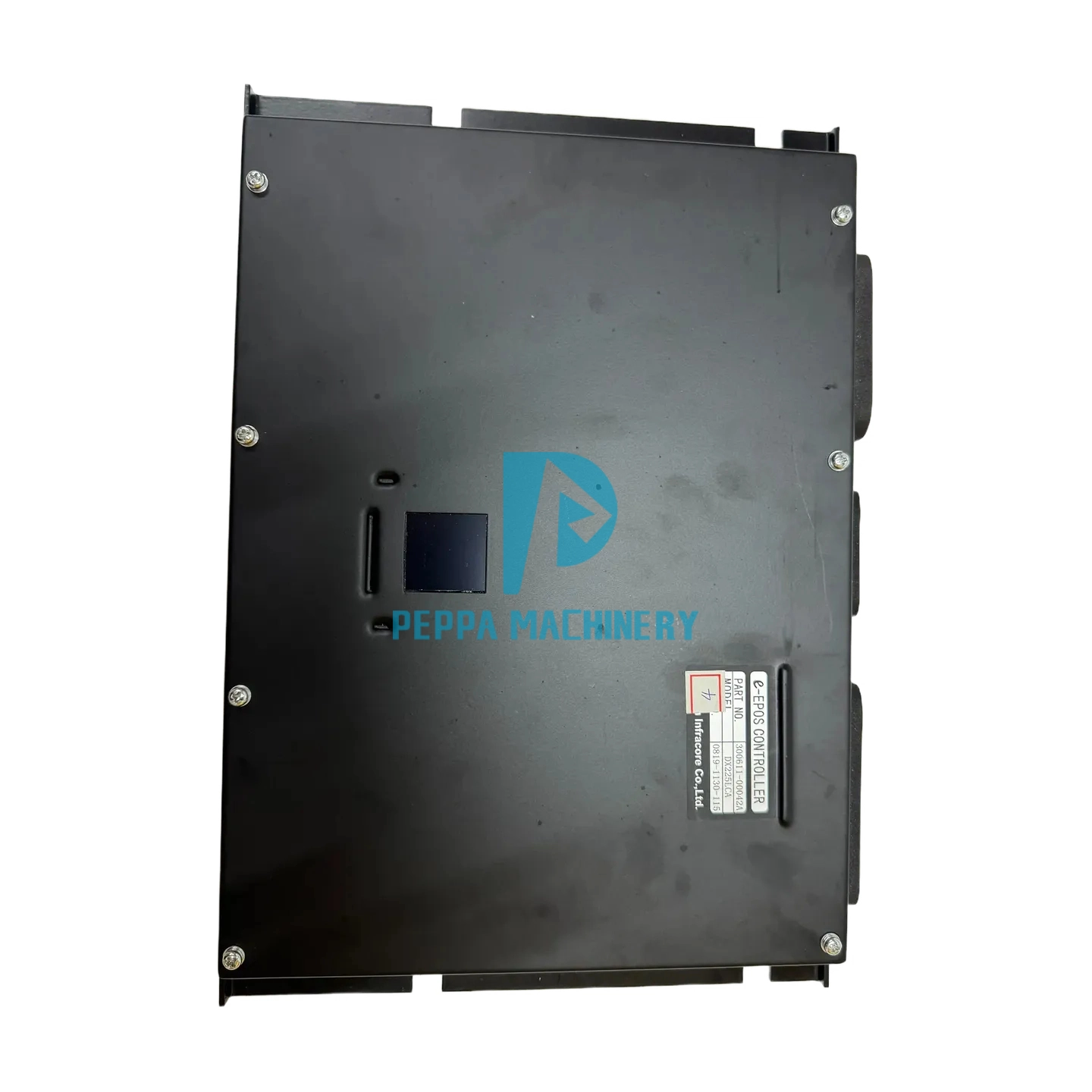
Excavator Accessories Excavator Controller DX225 DX225LCA E-EPOS Controller Computer Board 300611-00042 K1026740 K1001369C K1056425 ECU ECM

Isuzu Engine 6WG1 Turbo 1876183290 1-87618329-0 8981921861 8-98192186-1 14400-4441 1144004370 114400-4370 49188-018312 49188-11940
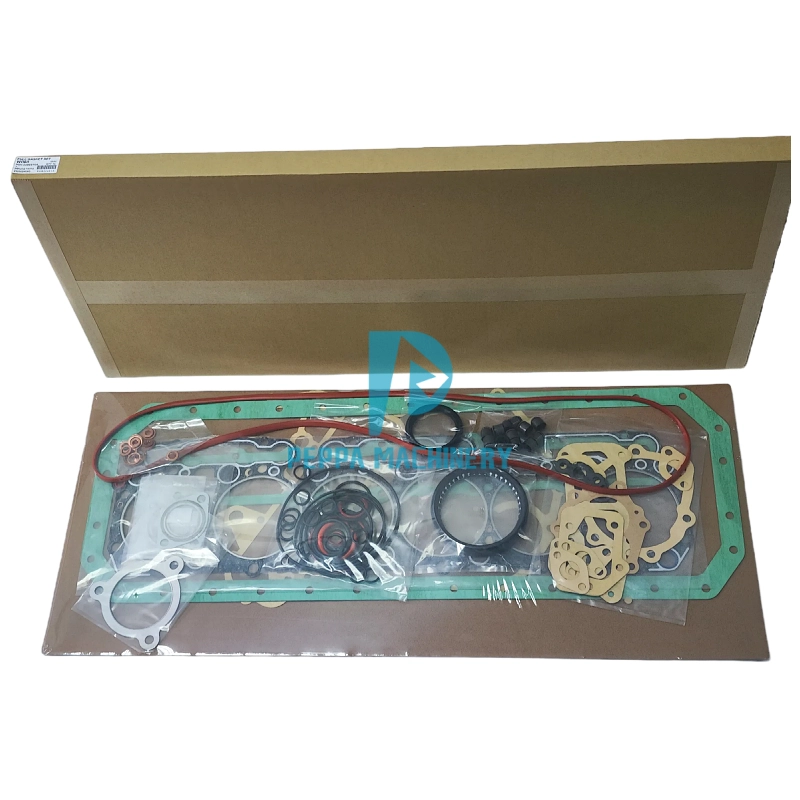
W06D W06DT Engine Overhaul Repair Kit Full Gasket
Excavator Parts
What types of parts do you mainly offer?
Our main product categories include:
• Engine parts (liner kits, crankshafts, water/oil pumps, etc.)
• Electrical parts (sensors, monitors, throttle motors, wiring harnesses)
• Hydraulic parts (pumps, valves, cylinders)
• Sealing kits (NOK, SKF, PQ brands, floating seals, O-rings)
Do you provide technical support or installation guidance?
While we do not offer on-site installation, we can provide basic technical advice, diagrams, or documentation to assist your technicians with installation and troubleshooting.
What brands of excavator parts do you supply?
We supply a full range of parts compatible with major international and Chinese brands, including Caterpillar, Komatsu, Hitachi, Volvo, Doosan, Hyundai, Sany, Liugong, XCMG, Zoomlion, and more.
Can I get help choosing the right parts for my machine?
Yes. Our experienced sales team is here to provide professional recommendations and solutions based on your excavator model, part number, or specific requirements.
Are your parts genuine or OEM?
We offer both genuine parts and high-quality OEM alternatives. You can choose according to your budget and application needs. All OEM products are tested to meet or exceed original specifications.
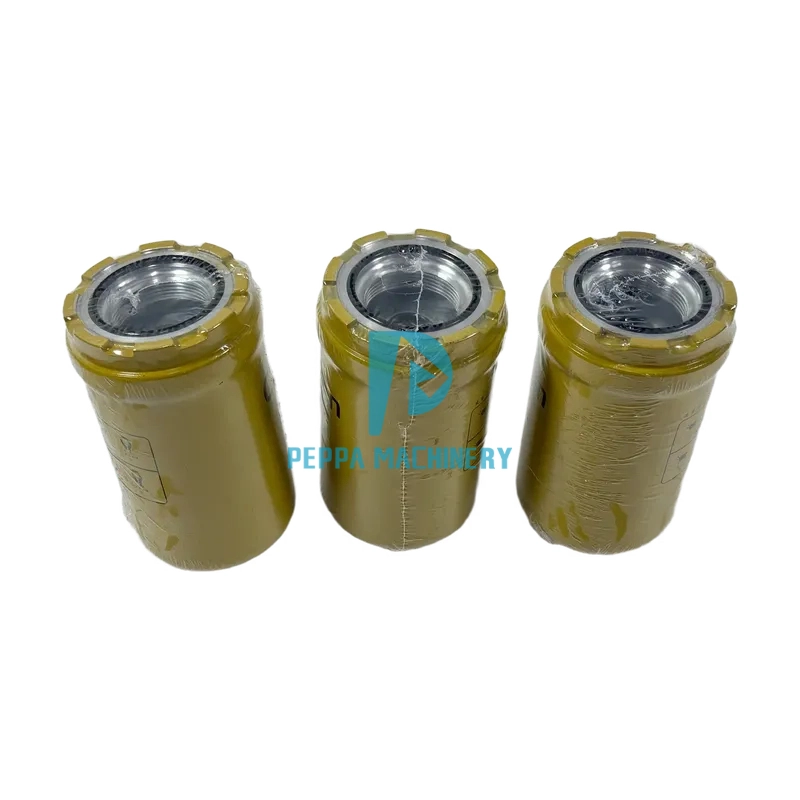
51-8670 Hydraulic Filter Applicable to HF35519 518670 2897836 518670X 1588987 Compatible with Caterpillar 352FVG 325CL
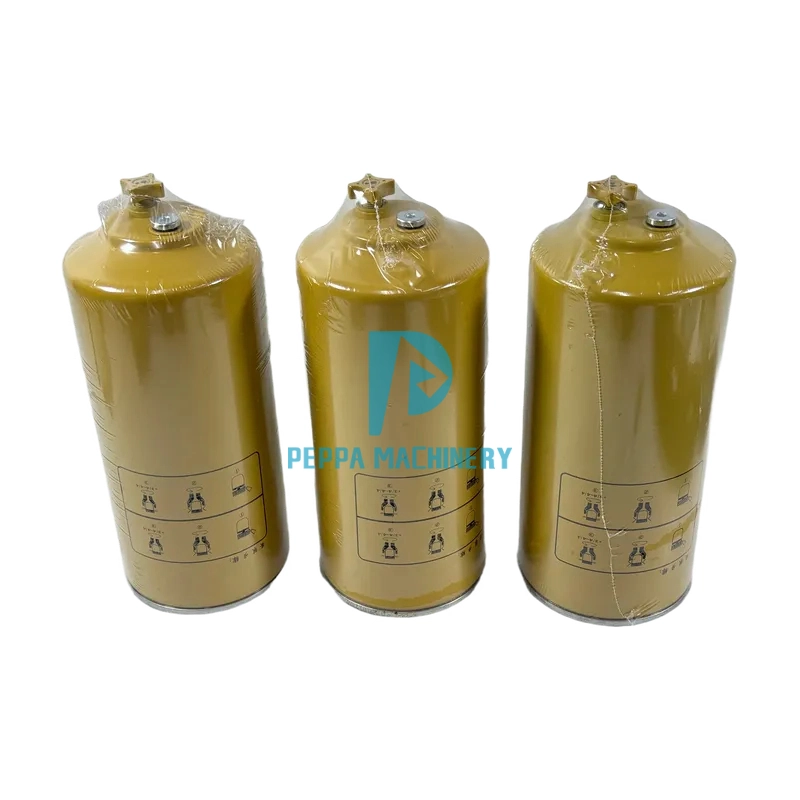
4385386 Fuel Water Separator Fuel Filter 382-0664 Oil-water Separator Hydraulic Oil Filter for CAT 312D2 320D2
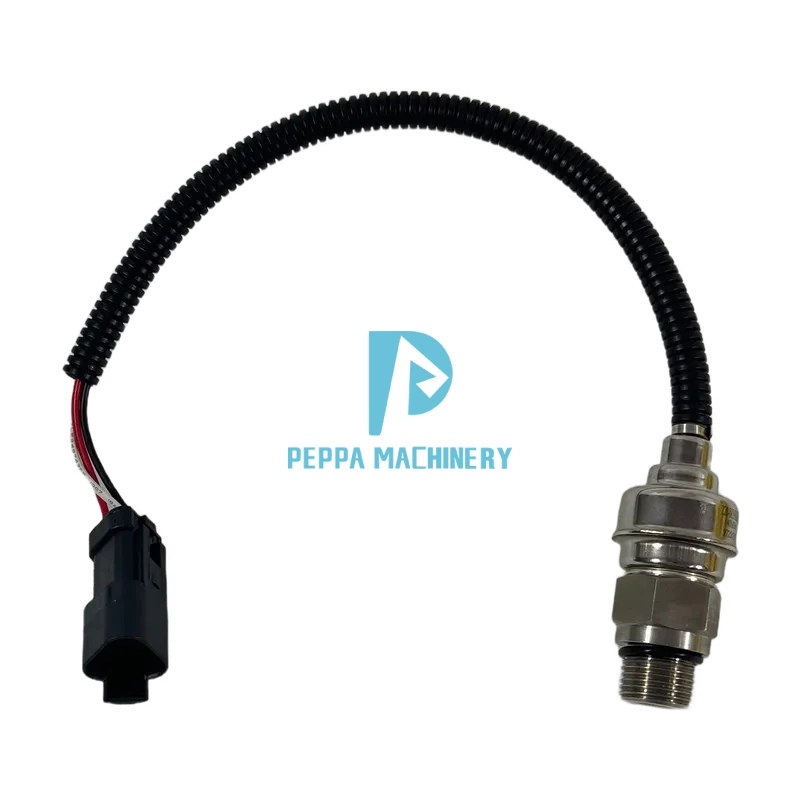
Pressure Sensor 221-8859 106-0178 for Caterpillar CAT 311B 311C 312C 314D 315B 320C 323D 324D 330C 336D 345B 385C
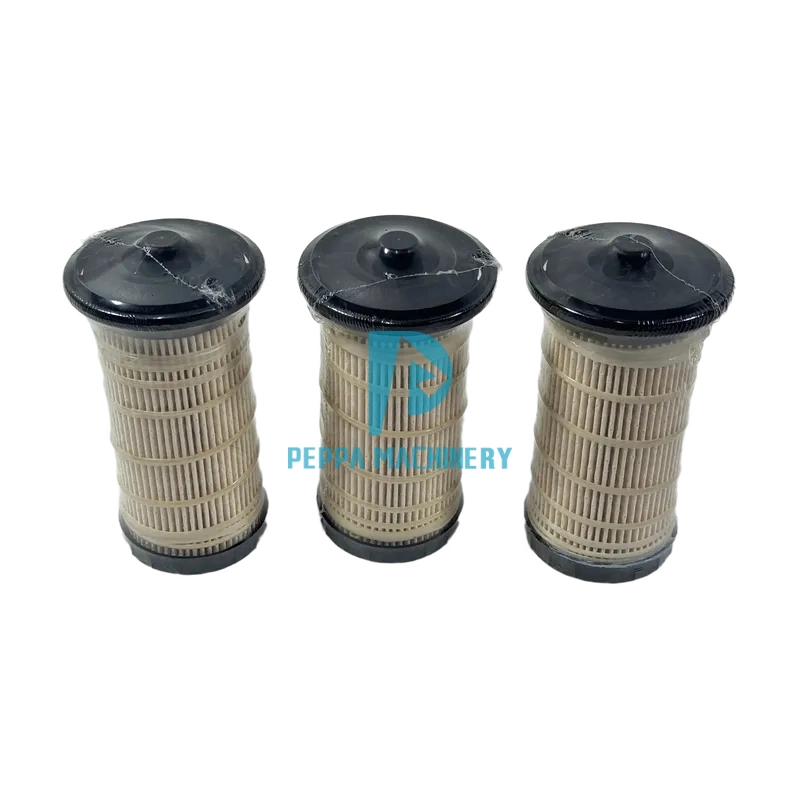
360-8960 Fuel Filter Element for Caterpillar C4.4 & C7.1 Engines | Fits 312D, 320D, 312E, 320E, 326D2, 336D2 Excavators
Get more information
Want to know more? Contact us today to get detailed product specifications, customized solutions, and a free consultation tailored to your needs.
Rest assured that your privacy is important to us, and all information provided will be handled with the utmost confidentiality.

Reliable Source for Quality Excavator Components.
Follow Us
Our Partners


Our Payment Methods


 High Quality
 7/24 Service
 Guaranteed Warranty
 Scan QR Code
Facebook
TikTok
YouTube
Pinterest
Twitter