








Can camshaft and crankshaft be reconditioned for excavators?
- 1) Can an excavator crankshaft or camshaft with a cracked journal or lobe be reconditioned safely, and what NDT and metallurgical steps are required?
- 2) How can I measure camshaft and crankshaft wear accurately for an excavator engine in-shop or onsite before deciding to recondition?
- 3) What are realistic straightness and runout limits for reconditioned excavator crankshafts and camshafts, and how are these verified after grinding or straightening?
- 4) Is welding and machining crankshaft journals safe for forged vs cast shafts on excavator engines, and what filler/hardening practices preserve fatigue life?
- 5) How can shops verify that a reconditioned camshaft has correct lobe profile, hardness depth, and timing compatibility for a specific excavator engine model?
- 6) What are the realistic cost, lead time, and warranty trade-offs between reconditioning (local shop), remanufactured, and new OEM camshafts and crankshafts for excavators?
- Quality assurance and E-E-A-T (experience, expertise, authority, trustworthiness)
- Conclusion: Advantages of Reconditioning Camshaft and Crankshaft for Excavators
Can Camshaft and Crankshaft Be Reconditioned for Excavators? 6 Deep FAQ Answers
Written by excavator drivetrain specialists at JB Parts (www.jbpartsgz.com). This guide answers six specific, hard-to-find questions about reconditioning excavator camshafts and crankshafts. It embeds best practices for inspection (MPI, ultrasonic), machining (grinding, undersize steps), metallurgical repair (welding, nitriding, induction hardening), dynamic balancing, and commercial decisions (remanufactured vs new OEM parts).
1) Can an excavator crankshaft or camshaft with a cracked journal or lobe be reconditioned safely, and what NDT and metallurgical steps are required?
Short answer: Yes, but only after thorough non‑destructive testing (NDT) and controlled metallurgical repair; not all cracks are repairable. Modern shop procedures that meet OEM and remanufacturing standards are required to ensure long-term service.
Key steps industry shops follow:
- Initial visual inspection: identify pitting, fretting, discoloration, scoring, and obvious cracks around journals, fillets, and keyway areas.
- Dye penetrant testing (DPT) for surface-breaking cracks on cam lobes and journals. DPT is quick and sensitive for surface defects on hardened surfaces.
- Magnetic particle inspection (MPI) for subsurface and near-surface cracking in ferrous shafts. MPI is standard for crankshafts and camshafts in excavator engines with steel forgings.
- Ultrasonic testing (UT) when deeper internal defects are suspected or when MPI/DPT results are ambiguous—useful on large forged shafts where internal inclusions or fatigue cracks may start below the surface.
- Metallurgical evaluation: determine material class (forged steel vs cast steel), existing surface hardening (induction or flame hardening, nitriding), and hardness profile. This guides whether welding, build-up, or replacement is appropriate.
Repair techniques for crack removal and journal restoration (only when metallurgically appropriate):
- Crack removal by controlled machining to sound metal, followed by preheat, weld-build (matched filler), and post‑weld heat treatment to restore toughness and relieve residual stress.
- Weld metallurgy must match or exceed the original shaft toughness; many shops use low-hydrogen procedures and then normalize/tempered cycles per material spec.
- After build-up, finish machine to the next undersize journal diameter (commonly available undersize steps) and perform final hardening/induction hardening if required. For cam lobes, re-profiling or replacement is more common than welding due to hardness and profile precision.
- Final verification with MPI/DPT and hardness checks (Rockwell or Vickers) across the repaired area to confirm absence of defects and correct hardness profile.
When to reject and replace: through‑cracks, multiple fatigue origins, severe metallurgical degradation (over‑tempered, decarburized core), or cam lobes with worn geometry beyond reprofiling should be replaced rather than repaired. The decision should be documented with NDT reports and hardness charts.
2) How can I measure camshaft and crankshaft wear accurately for an excavator engine in-shop or onsite before deciding to recondition?
Accurate measurement is the foundation of a correct reconditioning decision. Follow a structured measurement plan and record all readings in a service report.
Measurement tools and method:
- Micrometer (0–100 mm / 0–4) for journal diameter readings. Use anvil-type or interchangeable anvil micrometers for accuracy to 0.01 mm (0.0005). Measure at 3 positions around each journal (0°, 90°, 180°) and across axial locations to detect taper.
- Telescoping bore gauge or internal micrometer for bearing bore diameters to compare against journal measurements (checks clearance).
- Dial indicator for runout/straightness: mount on a stable stand and rotate the shaft; measure lateral runout at several axial positions. Record end play with a dial gauge and feeler method per OEM steps.
- Surface roughness comparator or profilometer for journal finish; excessive roughness indicates scoring and may require grinding and polishing to new finish specification (Ra values vary by OEM and bearing type).
- Comparator templates or cam-lobe profile measurement tools to measure lobe lift and nose radius; cam profiles are critical for valve timing and oil pressure behavior.
Decision thresholds: compare all measurements to the OEM service manual or the engine remanufacturer’s limits. If you do not have the OEM manual, measure bearing clearances and compare to standard oil film requirements; excessive clearance, taper, or out-of-round beyond documented limits signals rebuild. For unknown OEMs, contact a trusted remanufacturer like JB Parts with readings to get a validated assessment.
3) What are realistic straightness and runout limits for reconditioned excavator crankshafts and camshafts, and how are these verified after grinding or straightening?
Runout and straightness limits depend on engine size and OEM spec. For excavator medium to large diesel engines, shops typically hold tighter tolerances on critical journals than on accessory journals. Because individual OEMs (Caterpillar, Komatsu, Hitachi) specify different limits, always validate against the engine manual. Industry best practices used by reputable remanufacturers include:
- Crankshaft total indicated runout (TIR) at a journal: measured with a dial indicator while rotating the shaft on precision V‑blocks or centers—typical target after regrind and dynamic balancing is sub-0.05 mm (0.002) TIR on main and rod journals for medium-heavy diesel crankshafts; final tolerance is OEM-dependent.
- Camshaft runout and lobe concentricity: cam journals and lobes should be checked for TIR and lobe eccentricity. Shops aim to restore camshaft running accuracy to OEM reprofiling standards; TIR is usually tighter on cam journals because lobe geometry affects valve timing and pump drives.
- Straightness: shafts are straightened cold or with controlled heating; straightness is measured across multiple spans using straightedge and dial indicators or laser centering tools. Acceptable straightness is often within a few hundredths of a millimeter across the full length after repair.
- Verification after repair: in addition to static measurements, a dynamic balance run in a balancing machine simulating operating RPM verifies that eccentric mass and vibration are within safe limits for the engine application.
Note: precise numeric limits should be taken from the engine service manual; a reputable reconditioning shop will return a stamped report showing pre‑ and post‑repair TIR, straightness, hardness, and balancing certificates.
4) Is welding and machining crankshaft journals safe for forged vs cast shafts on excavator engines, and what filler/hardening practices preserve fatigue life?
Material type dictates repair strategy. Forged steel crankshafts are generally more suitable for welding and build-up than cast shafts, which are more brittle and often unsuitable for heavy weld repair.
Best practice guidelines:
- Material identification: verify the shaft is forged steel (common on medium/heavy-duty excavator engines) or cast iron/steel. Use material certificates, shop records, or lab testing (spectrometer) if uncertain.
- Welding approach for forged shafts: use low‑hydrogen TIG or MMA with matched filler rods; preheat according to material spec (typical for medium alloy steels) and perform controlled post‑weld heat treatment (PWHT) or tempering to restore toughness. The objective is to minimize residual stress and avoid hydrogen-induced cracking.
- Avoid welding on induction‑hardened journals unless you are prepared to re-induction-harden the finished surface. Many crank journals have a hardened layer; welding removes or disturbs this layer, so you must reapply proper surface hardening (induction hardening or flame hardening where OEM used the same) or grind to undersize and use compatible bearing shells.
- Cast shafts: many shops will not attempt structural weld repairs to cast crankshafts for high-load excavator engines because of the uncertainty in restored fatigue strength. Instead, replacement or full remanufacturing (including forging new cores) is recommended.
- Filler materials and hardening: select filler chemistry to match the base metal tensile and fatigue properties. After machining to nominal undersize and finish grinding, re-establish surface hardness via induction hardening, nitriding, or case-hardening per original design.
Conclusion: welding/machining is safe only when material, welding procedure, heat treatment, and post-repair hardening follow controlled remanufacture processes. Always obtain NDT and metallurgical reports from your reconditioning supplier.
5) How can shops verify that a reconditioned camshaft has correct lobe profile, hardness depth, and timing compatibility for a specific excavator engine model?
Camshaft function depends on precise geometry and surface metallurgical properties. Verification requires measuring lobe lift/profile, hardness profile across nose and flank, and fitment checks for timing angles.
Verification workflow:
- Profile measurement: use a camshaft profile gauge or electronic profilometer to measure lobe lift, base circle, and nose curvature. Compare the profile to the OEM specification or to a master (good) camshaft. Modern shops use optical scanners to compare 3D profiles and produce a report.
- Hardness testing: perform surface and core hardness tests (microhardness mapping where possible) across the lobe and journal. The typical aim is to match OEM case hardness and depth; for nitride or induction-hardened cams, hardness values at the surface and decaying into the core should match documented OEM patterns.
- Timing compatibility: verify camshaft indexing, keyway location, and gear/pulley compatibility. After installation, conduct a static timing check and, where applicable, a cam advance/retard mechanism function test to ensure valve timing matches OEM curves. For electronically controlled engines, confirm that sensor triggers (e.g., camshaft position sensor) align precisely after reassembly.
- Run-in and final inspection: many reputable remanufacturers recommend a light run-in and then re-checking valve clearances and oil pressure at idle and rated speed. Camshaft oil feed and galleries must be flushed and verified for unobstructed flow after machining operations to avoid premature wear.
Demand a full inspection report from the supplier showing profile scans, hardness charts, and fitment confirmation for your exact engine serial number—this protects you from hidden mismatches that lead to poor performance or rapid wear.
6) What are the realistic cost, lead time, and warranty trade-offs between reconditioning (local shop), remanufactured, and new OEM camshafts and crankshafts for excavators?
Commercial decisions depend on machine downtime tolerance, capital cost, and long-term reliability targets. Below are industry-observed trade-offs and what to insist on from suppliers.
Cost and lead time (general guidance):
- Local reconditioning (repair shops): typically fastest for emergency jobs if the shaft is serviceable. Lead time can be 1–7 days depending on repair complexity; cost is usually lower than remanufactured units because you pay labor and materials only for the work required. Ensure the shop issues NDT and hardness reports and a clear warranty on the repaired area.
- Remanufactured complete units (factory reman or specialist reman): these are rebuilt to published remanufacture specs with full machining, balancing, new bearings where applicable, and strict quality control. Lead time typically ranges 1–3 weeks depending on inventory and shipping; cost is higher than simple repair but lower than new OEM. Remanufactured parts commonly carry 12–24 month warranties when sold by reputable remanufacturers.
- New OEM shafts: highest purchase price and possibly longest lead time depending on distribution. They come with factory warranty and known material/performance but may exceed available budgets for older machines.
Warranty and risk mitigation:
- Ask for documented pre- and post-repair measurements, NDT certificates, hardness profiles, and balancing certificates. This is a sign of a professional remanufacture process and often required to validate warranty.
- Typical reputable suppliers back reconditioning or remanufactured shafts with 6–24 month warranty depending on repair scope. Verify warranty terms for operating hours, installation procedures, and excluded damages (oil contamination, misalignment).
- Consider downtime cost: a fast, certified reconditioning with verified metallurgical repair reduces capital outlay and downtime versus waiting for a new OEM shaft. For mission‑critical fleets, maintain spares to eliminate single-point downtime risk.
Commercial tip: obtain at least three documented quotes that include technical reports (exact procedures, materials, expected life) rather than price alone. At JB Parts we provide detailed inspection reports, MPI/UT certificates, and hardness charts with every reconditioned or remanufactured camshaft and crankshaft.
Quality assurance and E-E-A-T (experience, expertise, authority, trustworthiness)
Our recommendations reflect standard remanufacturing and NDT practices used across global diesel remanufacturing—MPI/DPT/UT, hardness testing, precision grinding with undersize steps, induction hardening/nitriding, and dynamic balancing. Always request OEM specs or validated remanufacturer documentation for your specific engine model before authorizing repairs. JB Parts provides technical documentation and compatibility checks for Caterpillar, Komatsu, Hitachi, and other major excavator engines.
For a fast, verified quote and to send measurement/NDT reports, contact jbparts@aliyun.com or visit www.jbpartsgz.com.
Closing sentence: Contact us for a quote and to arrange inspection and reconditioning of excavator camshafts or crankshafts — jbparts@aliyun.com.
Conclusion: Advantages of Reconditioning Camshaft and Crankshaft for Excavators
Reconditioning, when performed to remanufacturing standards, provides a cost-effective alternative to new OEM shafts with advantages that include shorter lead times (for local repairs), lower capital cost, and reduced environmental impact through reuse. Proper reconditioning that follows NDT protocols, metallurgical repair norms, and dynamic balancing can restore fatigue life, hardness, and geometry to near-original performance—provided the shaft’s material condition was suitable. For mission-critical machines, remanufactured complete units offer a middle path: factory-level quality, documented testing, and extended warranty while still saving money over new parts.
For inspection, reconditioning, or remanufactured camshaft and crankshaft options for your excavator, send measurements and photos to jbparts@aliyun.com or visit www.jbpartsgz.com for a technical quote.

Isuzu SP 4JG1 4JG2 4JG3 Cylinder Liner 1876182070 1-87618207-0 1876182080 1-87618208-0 1876182100 1-87618210-0
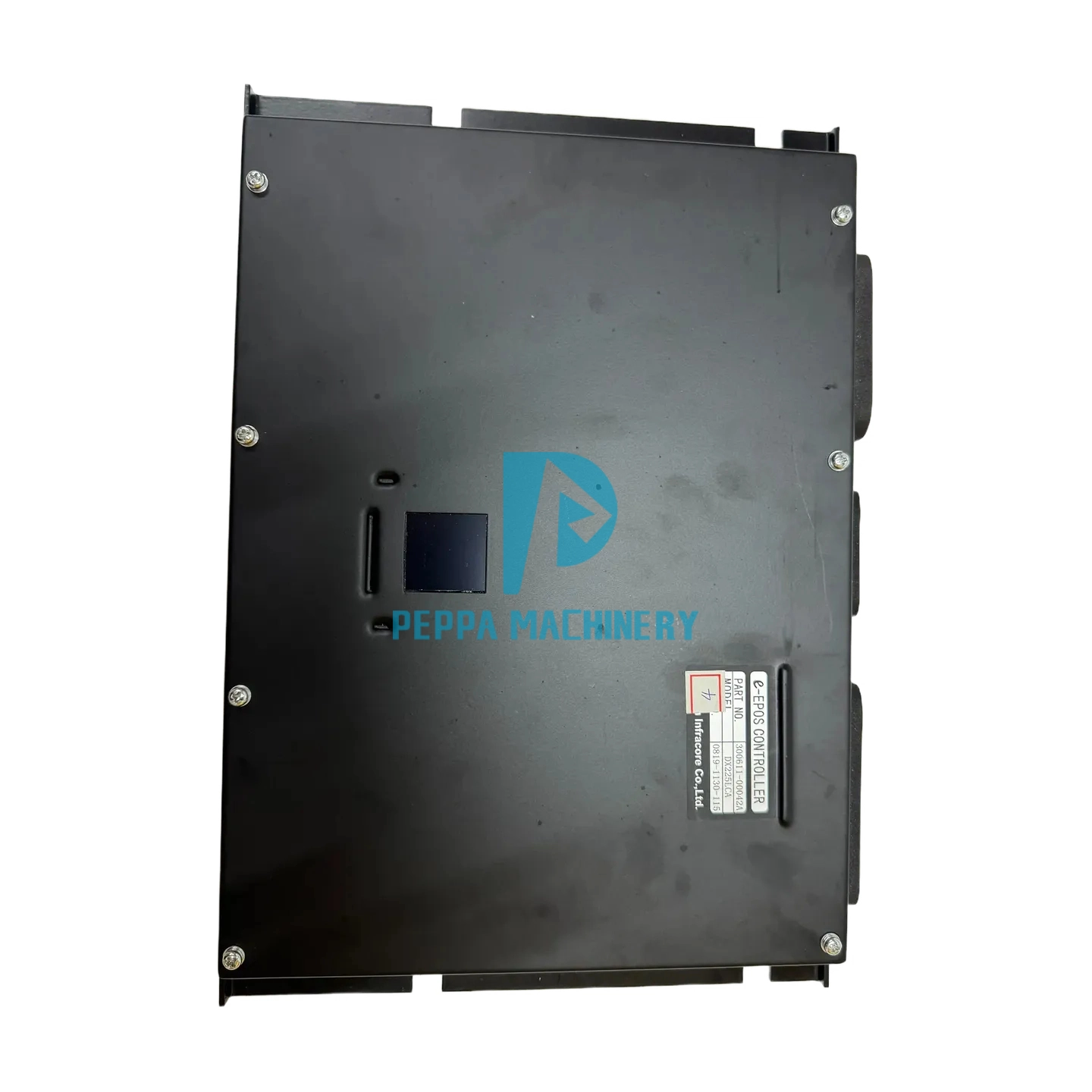
Excavator Accessories Excavator Controller DX225 DX225LCA E-EPOS Controller Computer Board 300611-00042 K1026740 K1001369C K1056425 ECU ECM

Isuzu Engine 6WG1 Turbo 1876183290 1-87618329-0 8981921861 8-98192186-1 14400-4441 1144004370 114400-4370 49188-018312 49188-11940
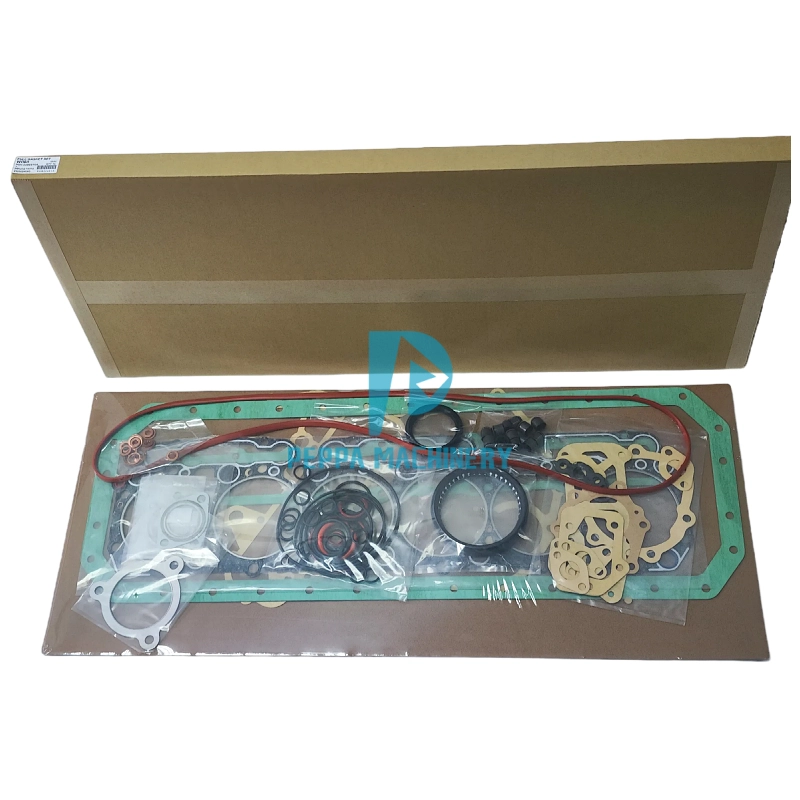
W06D W06DT Engine Overhaul Repair Kit Full Gasket
Excavator Parts
How can I verify compatibility before placing an order?
Please provide us with your machine brand, model number, and the part number (if available). Our team will double-check the compatibility to ensure you receive the correct parts.
What brands of excavator parts do you supply?
We supply a full range of parts compatible with major international and Chinese brands, including Caterpillar, Komatsu, Hitachi, Volvo, Doosan, Hyundai, Sany, Liugong, XCMG, Zoomlion, and more.
Can I get help choosing the right parts for my machine?
Yes. Our experienced sales team is here to provide professional recommendations and solutions based on your excavator model, part number, or specific requirements.
Are your parts genuine or OEM?
We offer both genuine parts and high-quality OEM alternatives. You can choose according to your budget and application needs. All OEM products are tested to meet or exceed original specifications.
Do you provide technical support or installation guidance?
While we do not offer on-site installation, we can provide basic technical advice, diagrams, or documentation to assist your technicians with installation and troubleshooting.
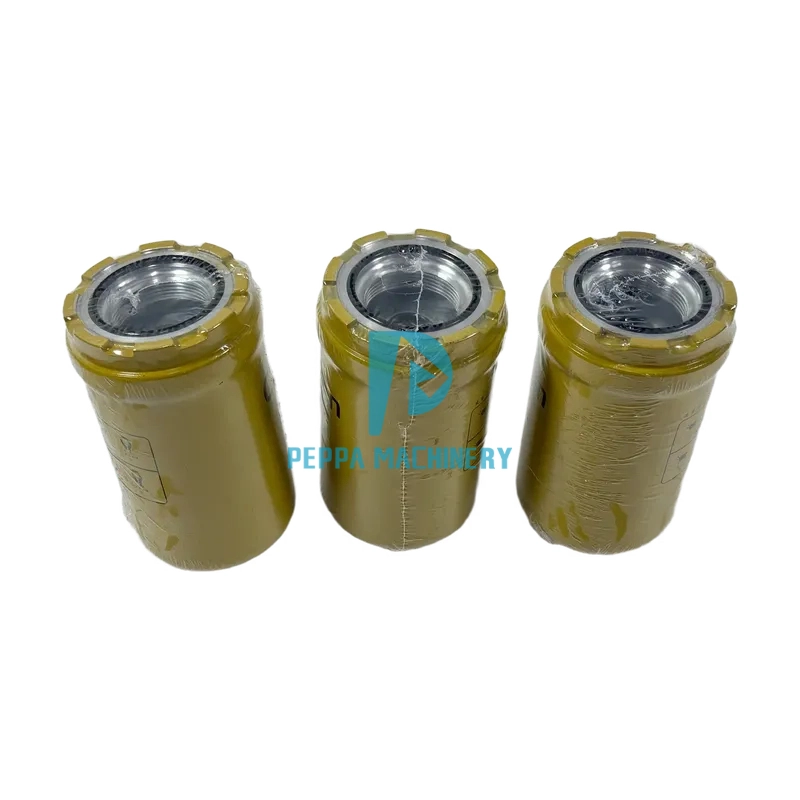
51-8670 Hydraulic Filter Applicable to HF35519 518670 2897836 518670X 1588987 Compatible with Caterpillar 352FVG 325CL
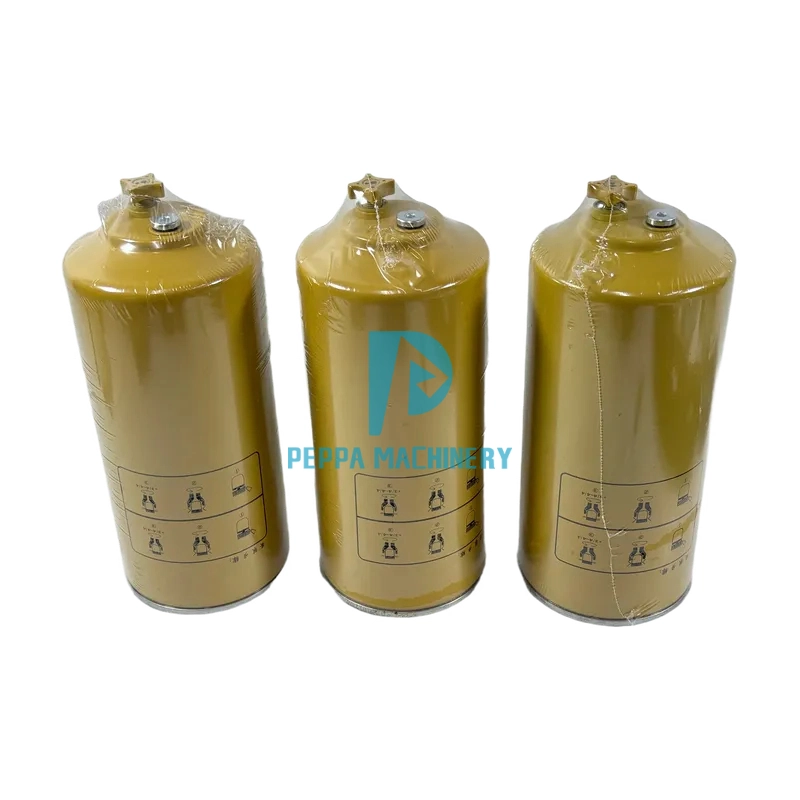
4385386 Fuel Water Separator Fuel Filter 382-0664 Oil-water Separator Hydraulic Oil Filter for CAT 312D2 320D2
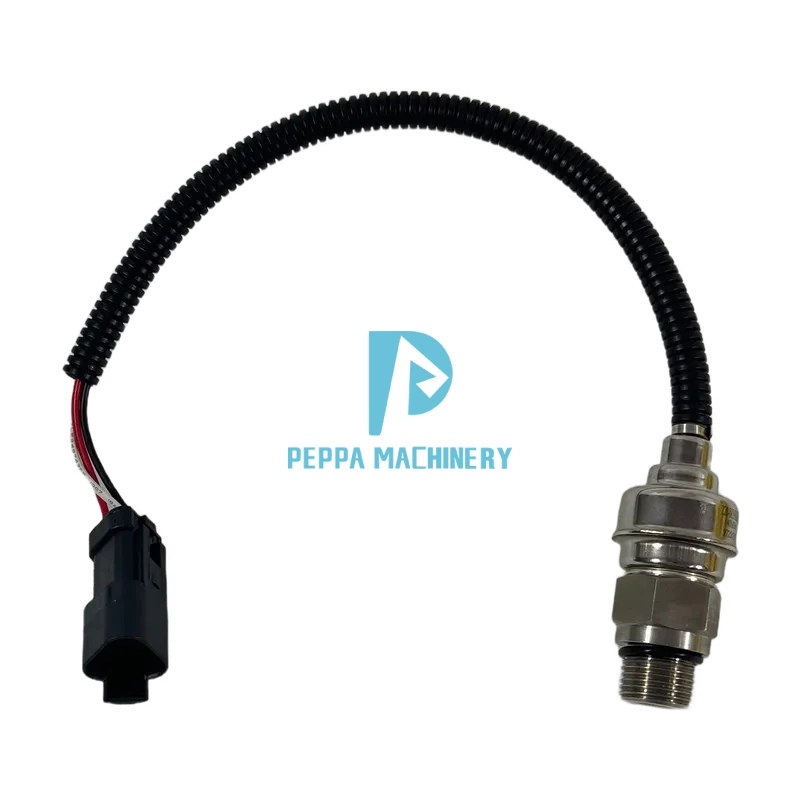
Pressure Sensor 221-8859 106-0178 for Caterpillar CAT 311B 311C 312C 314D 315B 320C 323D 324D 330C 336D 345B 385C
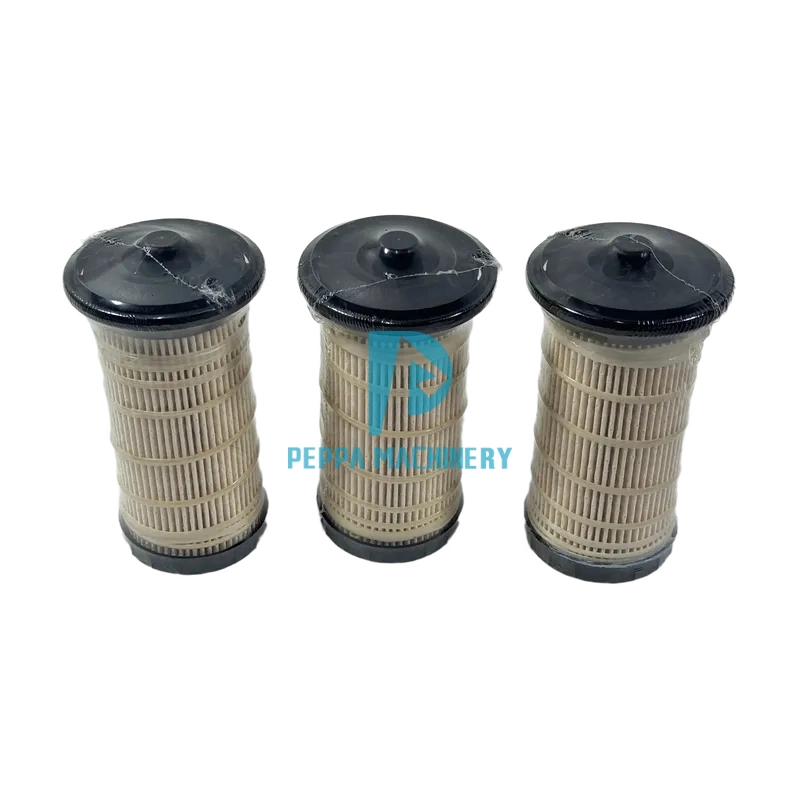
360-8960 Fuel Filter Element for Caterpillar C4.4 & C7.1 Engines | Fits 312D, 320D, 312E, 320E, 326D2, 336D2 Excavators
Get more information
Want to know more? Contact us today to get detailed product specifications, customized solutions, and a free consultation tailored to your needs.
Rest assured that your privacy is important to us, and all information provided will be handled with the utmost confidentiality.

Reliable Source for Quality Excavator Components.
Follow Us
Our Partners


Our Payment Methods


 High Quality
 7/24 Service
 Guaranteed Warranty
 Scan QR Code
Facebook
TikTok
YouTube
Pinterest
Twitter