








OEM vs aftermarket camshaft and crankshaft: Which should buyers choose?
- How can I non-destructively verify the heat treatment and surface hardness of an aftermarket camshaft before installation?
- When rebuilding a high-hour excavator engine, should I choose a remanufactured OEM crankshaft core or a new aftermarket forged crankshaft for long-term uptime?
- What machining, fillet radii, and surface-finish red flags indicate an inferior camshaft or crankshaft likely to fail prematurely?
- How will a mismatched aftermarket camshaft profile or incorrect cam timing affect oil pressure, valve-train wear, and turbocharged excavator engines?
- What traceability, inspection reports, and warranty terms must I demand from suppliers when buying camshafts and crankshafts in bulk to avoid counterfeit or low-quality parts?
- Can aftermarket camshaft and crankshaft upgrades improve excavator performance without compromising service intervals — and how do I validate life-cycle cost?
How can I non-destructively verify the heat treatment and surface hardness of an aftermarket camshaft before installation?
A lot of premature cam lobe and journal failures trace back to inadequate case hardening or inconsistent surface hardness. Before installing an aftermarket camshaft, insist on documented proof and perform non-destructive checks:
- Require documentation: ask the vendor for a Material Test Report (MTR), process sheets showing forging/casting route, and a nitriding or induction-hardening process record with temperature/time parameters. These are the primary pieces of evidence that the cam lobes received an appropriate case-hardening cycle.
- Request a microhardness/case-depth report or a cross-section test result from a qualified metallurgical lab done on a representative sample from the same production batch. This shows surface hardness values and effective case depth.
- Use portable hardness testers (Leeb/Rebound or portable Rockwell) on non-critical areas to verify the presence of a hardened layer. While not as precise as lab tests, noticeable low readings are a red flag.
- Ask for non-destructive crack testing: magnetic particle inspection (MPI) reports for ferrous cams and ultrasonic testing (UT) for cast/forged parts. MPI/UT detect heat-treatment-induced quench cracks and core defects.
- Visually inspect: look for uniform surface finish on lobes and journals, absence of burnish discoloration or grinding chatter marks, and clean, deburred oil holes. Inconsistent finishes often indicate poor or uneven heat-treatment or machining.
If the supplier cannot produce MTRs, hardness profiles, or NDT reports, use an independent third-party laboratory to sample-test a part from the lot before approving a bulk purchase. For fleet-critical machines, this upfront validation prevents costly field failures.
When rebuilding a high-hour excavator engine, should I choose a remanufactured OEM crankshaft core or a new aftermarket forged crankshaft for long-term uptime?
Decision factors are: current condition of cores, expected remaining service life, lead time, total cost of ownership, and supplier quality control.
- Remanufactured OEM core: benefits include reusing a proven geometry and retaining original part numbers, which preserves fitment for oil galleries, thrust faces, and dynamic balance. OEM reman programs that perform full NDT (MPI/UT), align grinding, dynamic balancing, and certified heat treatment can restore fatigue life and provide traceability plus warranty. Choose reman cores from suppliers who certify core acceptance limits and provide NDT reports and balancing certificates.
- New aftermarket forged crankshaft: when sourced from a reputable manufacturer with documented forging chemistry, controlled heat treatment, precise CNC machining, and dynamic balancing, a new forged crank can offer similar or better fatigue life than a reman core. Advantages include no prior service damage and often longer useful life if production controls are strict.
Practical guidance:
- If cores show previous crack repairs, excessive wear in thrust faces, or out-of-round journals beyond machining limits, favor a new forged crankshaft.
- If fleet uptime is paramount and lead time matters, a quality reman core with certification can be quicker and cost-efficient. Be certain the reman supplier performs full NDT and provides balancing and hardness reports.
- For long-term fleet planning, compare cost-per-service-life (purchase price divided by expected remaining hours until overhaul). Include downtime costs and warranty coverage in the calculation.
What machining, fillet radii, and surface-finish red flags indicate an inferior camshaft or crankshaft likely to fail prematurely?
Fatigue cracks often initiate at stress concentrators caused by poor machining or finishing. Inspect replacement parts for:
- Sharp fillet transitions: sharp or inconsistent fillet radii at crankpin-to-throw transitions or cambase-to-lobe junctions increase stress concentration. Look for uniform, smooth fillet blends; improper radii are a primary failure cause.
- Visible chatter or grinding marks: longitudinal or circular chatter on journals or lobes indicates poor grinding setup. These marks act as crack initiation sites and degrade bearing life.
- Poor oil-hole deburring: burrs or plugs in oil galleries reduce lubrication and lead to bearing failures. Oil passages should be clean and chamfered per OEM design.
- Inconsistent surface finish: lobes and journals should have an even finish appropriate for the engine (not coarse machining marks). Excessively smooth or glazed finishes might indicate removed nitriding layers.
- Evidence of reheat or discoloration: areas with blue/black discoloration suggest overheating during machining or improper heat treatment, indicating compromised material properties.
- Non-uniform nitriding or case depth: when visible as inconsistent coloration or from spot hardness testing, it shows process control issues.
If you observe one or more red flags, request a dimensional inspection report, hardness profiles, and NDT results from the supplier. For critical fleet engines, sample one piece per lot for independent NDT and metallurgical review before accepting large quantities.
How will a mismatched aftermarket camshaft profile or incorrect cam timing affect oil pressure, valve-train wear, and turbocharged excavator engines?
A camshaft controls valve events and indirectly impacts oiling, valve-train loads, and engine breathing. Mismatched cam geometry or timing can cause:
- Increased valve-train loads: more aggressive lobe ramps or higher lift without matching spring rates or hydraulic lash adjusters can overload valve springs and followers, increasing wear or causing valve float.
- Altered oil flow characteristics: different cam profiles or journal sizes can change bearing clearances and oil film behavior. Poorly finished journals or mis-sized journals reduce hydrodynamic film strength and lower effective oil pressure at bearings.
- Turbo and scavenging mismatch: excavator diesel engines (especially turbocharged ones) rely on matched valve timing for turbo spool, EGR, and aftertreatment. A different cam profile can change exhaust pulse timing, affecting turbocharger response and exhaust soot/soot loading of particulate traps.
- Emissions and regeneration impact: timing shifts can affect combustion temperature and particulate formation, potentially disrupting regeneration cycles and increasing maintenance costs.
Mitigation steps:
- Only use camshafts with verified geometry for the specific engine family. Request cam lift curves, timing events, lobe separation angle, and check dynamic timing against OEM specifications.
- Ensure valve train components (pushrods, lifters, springs) are compatible with the new profile. If the aftermarket cam is performance-oriented, use upgraded valve-train hardware proven for that profile.
- After installation, monitor oil pressure, engine noise, exhaust temperature, and soot load during initial break-in and the first 100 operating hours. Early monitoring will catch adverse effects before they escalate.
What traceability, inspection reports, and warranty terms must I demand from suppliers when buying camshafts and crankshafts in bulk to avoid counterfeit or low-quality parts?
For bulk purchases, aim for full-process traceability and contractual inspection deliverables:
- Material Test Reports (MTRs): include chemistry and mechanical properties for the heat of material used.
- Heat-treatment records and case-depth/hardness reports: show the process used (nitriding/induction/ carburizing), cycle parameters, and case depth/hardness distribution for a representative sample.
- Non-destructive testing (NDT): batch MPI/UT reports for crack detection and inclusion levels. Specify acceptance criteria in the purchase order.
- Dimensional inspection reports and runout/balance certificates: show journals, throws, cam lift, journal runout, and dynamic balancing results.
- Batch lot numbers and serialized marking: supplier should provide part numbers, batch codes, and ideally a unique serial or stamped number linked to inspection records.
- Supplier quality certifications: ask for ISO 9001/IATF 16949 (where applicable) and evidence of supplier audits for foundry/forging houses.
- Warranty and repair terms: require a clear warranty period, scope (material/ manufacturing defects), and RMA procedure. For fleet buys, negotiate extended warranties based on volume.
Contractual tips:
- Include acceptance sampling and right-to-audit clauses in your POs. Reserve the right to send parts for independent lab tests at supplier expense if failures occur within warranty.
- Require traceability to raw material heat numbers and signed inspection records for each batch. This allows targeted recalls instead of blanket replacements.
Can aftermarket camshaft and crankshaft upgrades improve excavator performance without compromising service intervals — and how do I validate life-cycle cost?
Upgrades can deliver measurable benefits (better torque curve, improved breathing, longer overhaul intervals) but only when the upgrade is engineered, tested, and validated for the specific engine and duty cycle.
Validation approach:
- Specification matching: ensure the upgraded cam/crank matches engine geometry (bearing journals, oil galleries, thrust faces) or is accompanied by a kit that addresses these differences.
- Dyno and field testing: require supplier-provided dynamometer test data showing torque/power curves, fuel consumption, and exhaust characteristics across the operating range relevant to excavator duty cycles (low-speed torque is critical).
- Accelerated life testing: seek evidence of bench endurance tests (hours-at-load) and field pilot programs that demonstrate durability under similar load and environmental conditions.
- Emissions and aftertreatment compatibility: verify that upgrade does not push the engine outside certification envelopes or cause excessive soot or NOx requiring more frequent aftertreatment service.
- Life-cycle cost (LCC) analysis: compare initial cost vs. expected additional hours between overhauls, fuel savings, predicted downtime reduction, and warranty/repair exposure. Use real fleet failure/operation data where possible.
If the aftermarket upgrade manufacturer provides independent test reports, third-party laboratory validation, and a warranty that aligns with expected service intervals, upgrades can be a net positive. Avoid undocumented “performance” parts without measurable durability data for excavator duty cycles.
For bespoke fleet evaluations, sample testing, or certified replacement parts, contact our team for a quote. We provide material certificates, NDT reports, and batch traceability for camshaft and crankshaft replacements tailored to excavator engines. Visit www.jbpartsgz.com or email jbparts@aliyun.com.
Conclusion — advantages of OEM vs reputable aftermarket solutions
OEM parts deliver guaranteed fit, original materials and processes, clear traceability to the engine design, and typically stronger manufacturer-backed warranties — making them the safest choice for critical machines or warranty-sensitive fleets. Reputable aftermarket or remanufactured parts can offer cost savings, reduced lead times, and in some cases equivalent or improved performance when sourced from suppliers with documented process controls, MTRs, NDT records, and independent testing. The best procurement decision balances proven quality evidence (heat-treatment and NDT reports, dimensional and balancing certificates), total cost of ownership, and fleet uptime priorities. Wherever possible, require supplier certification, batch traceability, and sample validation testing to avoid field failures and ensure long-term reliability.
Contact us for a quote and batch-certification options: www.jbpartsgz.com — jbparts@aliyun.com

Isuzu SP 4JG1 4JG2 4JG3 Cylinder Liner 1876182070 1-87618207-0 1876182080 1-87618208-0 1876182100 1-87618210-0
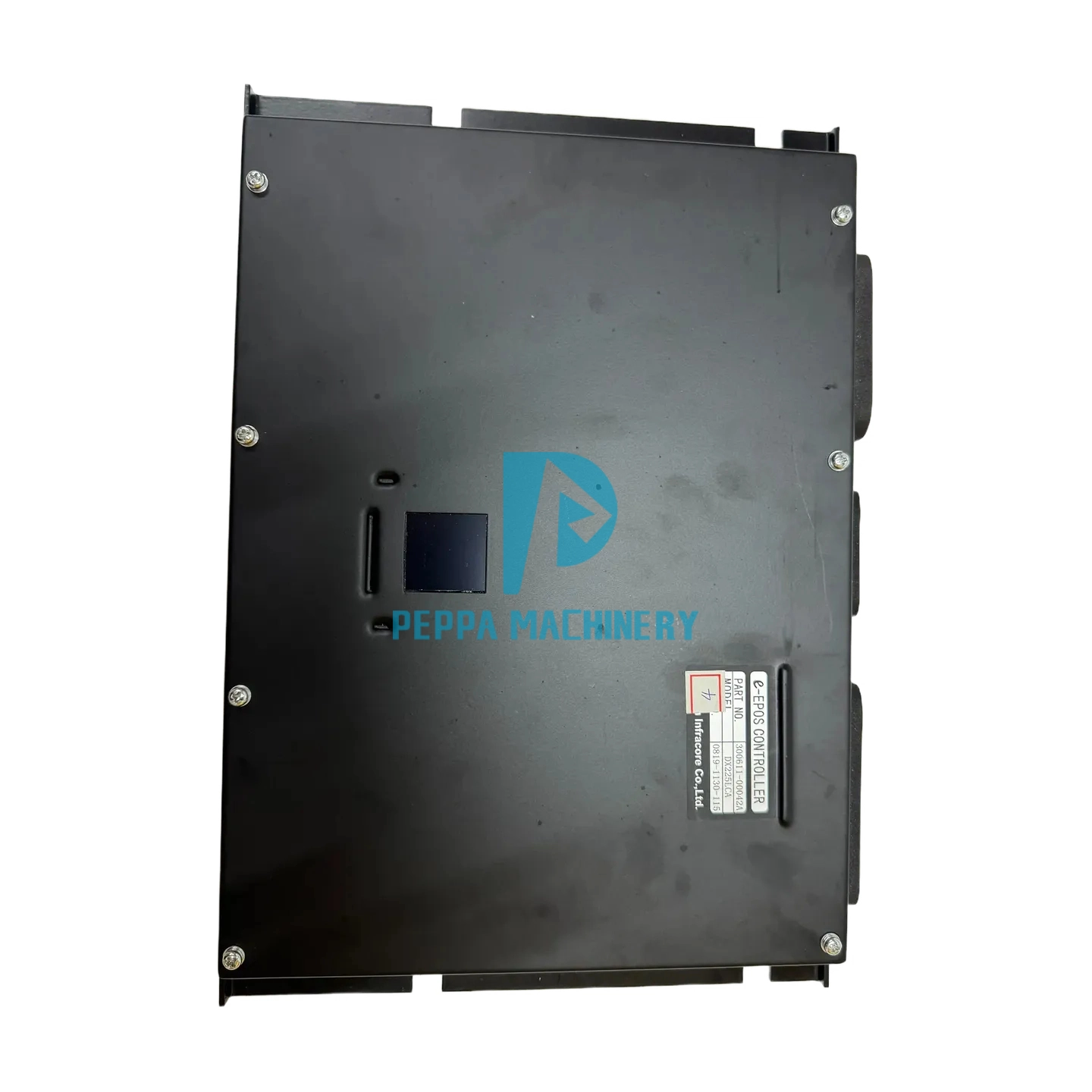
Excavator Accessories Excavator Controller DX225 DX225LCA E-EPOS Controller Computer Board 300611-00042 K1026740 K1001369C K1056425 ECU ECM

Isuzu Engine 6WG1 Turbo 1876183290 1-87618329-0 8981921861 8-98192186-1 14400-4441 1144004370 114400-4370 49188-018312 49188-11940
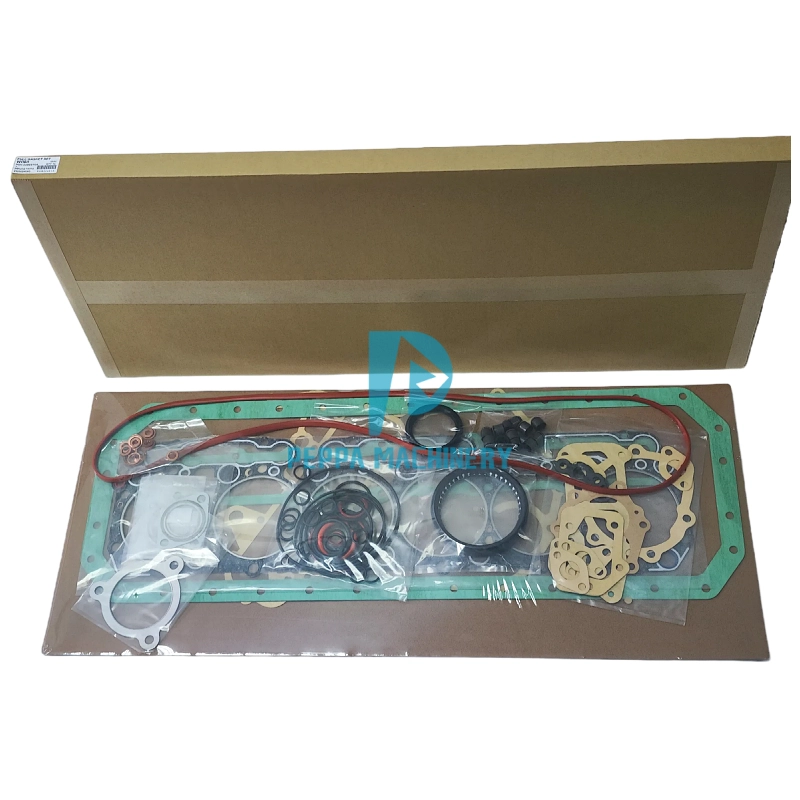
W06D W06DT Engine Overhaul Repair Kit Full Gasket
Excavator Parts
How can I verify compatibility before placing an order?
Please provide us with your machine brand, model number, and the part number (if available). Our team will double-check the compatibility to ensure you receive the correct parts.
Are your parts genuine or OEM?
We offer both genuine parts and high-quality OEM alternatives. You can choose according to your budget and application needs. All OEM products are tested to meet or exceed original specifications.
What types of parts do you mainly offer?
Our main product categories include:
• Engine parts (liner kits, crankshafts, water/oil pumps, etc.)
• Electrical parts (sensors, monitors, throttle motors, wiring harnesses)
• Hydraulic parts (pumps, valves, cylinders)
• Sealing kits (NOK, SKF, PQ brands, floating seals, O-rings)
What brands of excavator parts do you supply?
We supply a full range of parts compatible with major international and Chinese brands, including Caterpillar, Komatsu, Hitachi, Volvo, Doosan, Hyundai, Sany, Liugong, XCMG, Zoomlion, and more.
Do you provide technical support or installation guidance?
While we do not offer on-site installation, we can provide basic technical advice, diagrams, or documentation to assist your technicians with installation and troubleshooting.
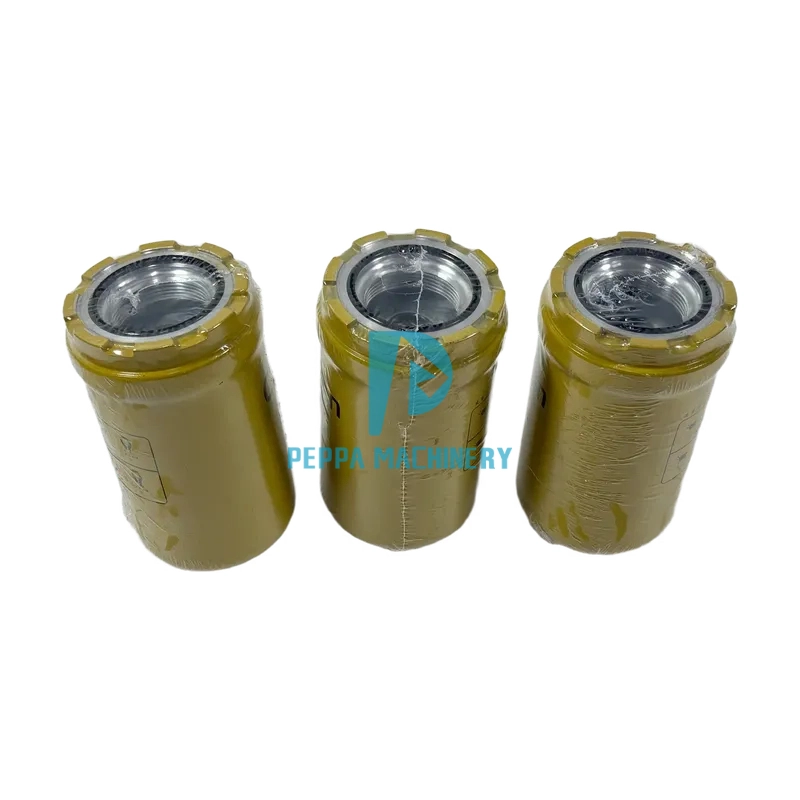
51-8670 Hydraulic Filter Applicable to HF35519 518670 2897836 518670X 1588987 Compatible with Caterpillar 352FVG 325CL
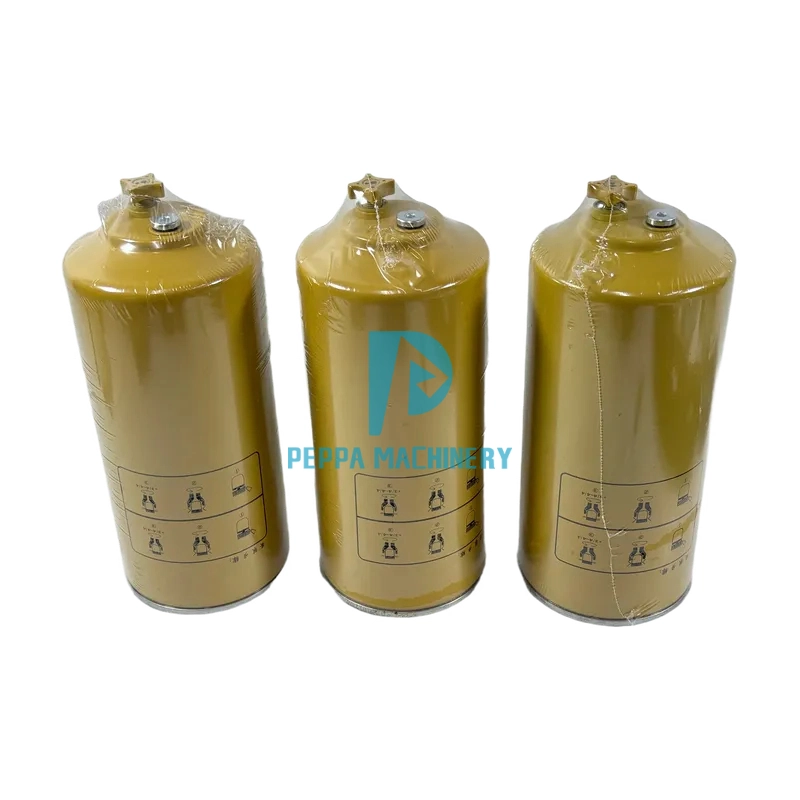
4385386 Fuel Water Separator Fuel Filter 382-0664 Oil-water Separator Hydraulic Oil Filter for CAT 312D2 320D2
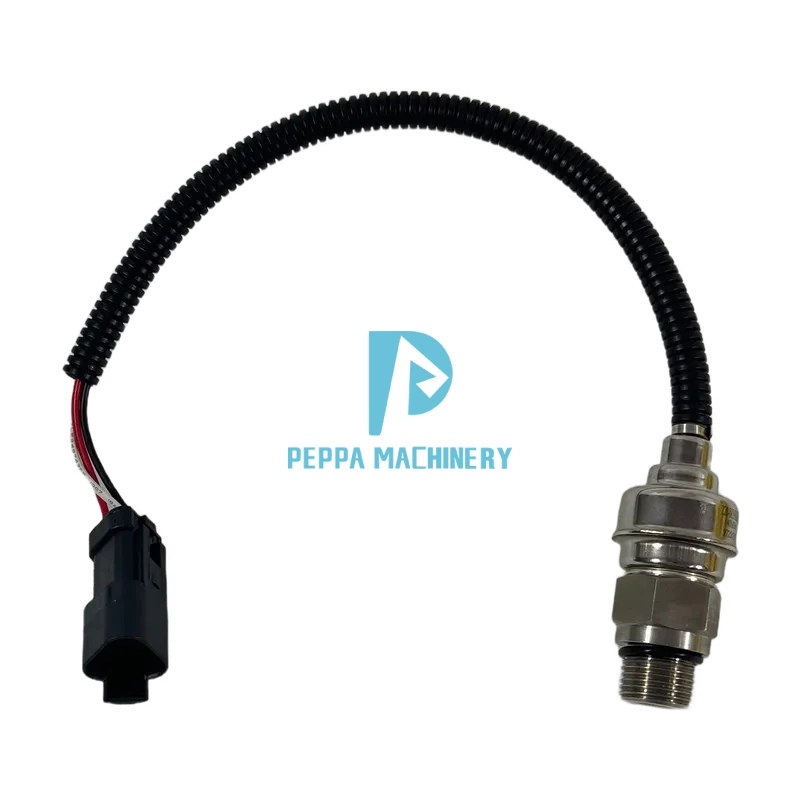
Pressure Sensor 221-8859 106-0178 for Caterpillar CAT 311B 311C 312C 314D 315B 320C 323D 324D 330C 336D 345B 385C
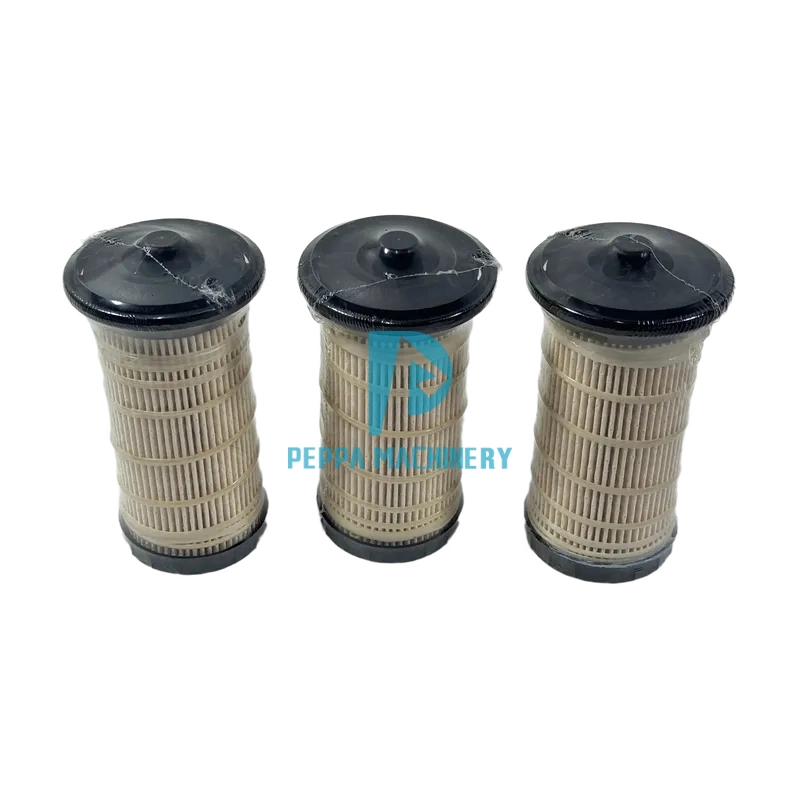
360-8960 Fuel Filter Element for Caterpillar C4.4 & C7.1 Engines | Fits 312D, 320D, 312E, 320E, 326D2, 336D2 Excavators
Get more information
Want to know more? Contact us today to get detailed product specifications, customized solutions, and a free consultation tailored to your needs.
Rest assured that your privacy is important to us, and all information provided will be handled with the utmost confidentiality.

Reliable Source for Quality Excavator Components.
Follow Us
Our Partners


Our Payment Methods


 High Quality
 7/24 Service
 Guaranteed Warranty
 Scan QR Code
Facebook
TikTok
YouTube
Pinterest
Twitter