








How much does camshaft and crankshaft replacement cost for excavators?
- 1) How can I confirm camshaft damage vs crankshaft damage on an excavator without dismantling the engine?
- 2) How much will it realistically cost to replace both camshaft and crankshaft on a 20‑ton excavator (turnkey, parts + machining + labor + shipping)?
- 3) My crankshaft has a hairline crack on a journal—can welding repair be trusted or should I buy a reman/new crankshaft?
- 4) What minimum inspection reports and measurements should I demand from a machine shop when they remachine my crankshaft?
- 5) What are realistic repair timeframes and parts lead times for camshaft and crankshaft replacement on common Asian engines (Isuzu, Yanmar, Cummins)?
- 6) How do remanufactured camshafts and crankshafts from overseas compare to OEM parts in warranty, hardness, and fit for imported excavator engines?
Camshaft and Crankshaft Replacement Cost & Buying Guide for Excavators
This guide answers six specific, pain‑point questions beginners and fleet managers repeatedly ask when facing camshaft and crankshaft problems on excavators. It embeds practical diagnostic checks, real-world cost ranges, repair vs remanufacture decisions, minimum QA checks you should demand, lead‑time expectations for common Asian engines, and a buyer comparison for overseas reman vs OEM parts. Contact us at jbparts@aliyun.com or www.jbpartsgz.com for a tailored quote.
1) How can I confirm camshaft damage vs crankshaft damage on an excavator without dismantling the engine?
Why this matters: Owners frequently waste time and money tearing an engine down when a noninvasive diagnosis would point clearly to cam or crank failure.
Stepwise noninvasive diagnostics (practical checklist):- Visual & audible clues: distinct mechanical knocks at idle that change with RPM often indicate main/crank problems; high valve clatter, misfires, or loss of low‑end power suggest cam, valve train or lifter wear.- Oil inspection: Drain the oil (or check drain plug/magnetic plug) for ferrous filings. Large flakes and heavy scoring usually imply crankshaft or main bearing failure; smaller particulates and cam lobe wear flakes often point to cam/tappet/lifter degradation. Take a photo and weigh/measure metal content if possible.- Oil analysis: Send an oil sample for elemental analysis (wear metals report). Elevated iron and copper together suggests bearing breakdown (crank/main rod); elevated iron plus aluminum may indicate cam/lifter/valve train wear. Trend results (ppm) against baseline—rapid spikes are urgent.- Fault codes & electronic sensors: If the engine has a camshaft position sensor or crankshaft position sensor, stored codes (misalign, sensor signal loss, phasing fault) can identify timing or sensor failures versus mechanical wear.- Borescope inspection: Use a borescope via glow plug or intake/exhaust ports to visually inspect cam lobes, lifters, and cylinder bores with minimal teardown. Bad cam lobes show flattened surfaces and scoring; crank journals are visible only if you remove the oil pan/main caps, but borescope can still show metal debris at pan level.- Compression & leakdown tests: Significant compression variations between cylinders can indicate valve train (cam-related) problems or piston/journal issues. Leakdown with the engine at TDC helps differentiate valve seating (cam) vs piston/ring issues.- Vibration and FFT analysis: For fleets, a handheld vibration analyzer can detect characteristic frequency signatures—main bearing damage produces low-frequency knocks; valvetrain issues produce higher-frequency impacts.Interpretation tips:- Metal in the oil filter plus sudden severe knock = prioritize crank/main bearings.- Gradual power loss, noisy lifters, and lobe wear on borescope = cam/lifter replacement first.- When diagnostics are inconclusive, collect oil analysis, borescope images, and ECU codes before committing to teardown: this reduces wasted labor and part purchases.
2) How much will it realistically cost to replace both camshaft and crankshaft on a 20‑ton excavator (turnkey, parts + machining + labor + shipping)?
Why this matters: Operators need clear turnkey budget ranges, not single-part sticker prices.
Assumptions for a representative 20‑ton class excavator (e.g., Komatsu PC200 / Hyundai R210 / Caterpillar 320 series with mid-sized diesel engine): moderate wear found during inspection, no catastrophic block crack, engine in short block salvageable.
Typical turnkey cost breakdown (estimates, regional variation applies):- Parts (OEM): camshaft assembly $1,200–$4,000; crankshaft (new OEM) $5,000–$15,000. Total parts OEM: $6,200–$19,000.- Parts (remanufactured/overhauled): cam $600–$2,000; reman crank $1,200–$6,000. Parts reman total: $1,800–$8,000.- Machining & shop services: crankshaft grinding $300–$1,500; dynamic balancing $150–$800; connecting rod reconditioning or replacement $500–$2,000; cylinder head/valve train service (if cam removed) $500–$3,000.- Bearings/seals/gaskets/timing components: $400–$1,800.- Labor (shop rate × hours): camshaft replacement 8–20 hours; crankshaft removal/rebuild or replacement 30–80+ hours. At typical shop rates $80–$150/hr (regional differences), labor = $2,400–$12,000.- Shipping & customs for imported OEM parts: $150–$1,500 depending on weight and expedited service.Practical turnkey ranges you can expect:- Repair with reman parts & machining: $6,000–$15,000 total.- Replace with new OEM crank and OEM cam (shop labor, machining): $12,000–$35,000 total.Why the wide range: engine model, whether block needs line‑boring, whether rods/pistons require replacement, and local shop hourly rates and parts sourcing (OEM vs reman vs aftermarket) drive costs. Always ask suppliers for an itemized quote showing parts, machining, labor hours and warranty terms.
3) My crankshaft has a hairline crack on a journal—can welding repair be trusted or should I buy a reman/new crankshaft?
Why this matters: Fleets want the safest, most cost‑effective way to restore reliability; welding can be cheap short‑term but risky long‑term.
Decision factors:- Crack type and location: superficial surface scratches or scoring are often machine‑repairable. A subsurface hairline crack on a load zone (main/rod journal) is high risk. Cracks that propagate into the fillet, web, or counterweight require careful metallurgical assessment.- NDT & magp Before decision, insist on nondestructive testing (mag particle or dye penetrant) and ideally ultrasonic testing to map crack extent.- Repair methods: Crankshaft welding can be done with qualified procedures (preheat, controlled fill, post‑weld heat treatment, machining to undersize). After welding, journals must be reground to an undersize and balanced. This is acceptable when performed by experienced reman shops and backed by hardness testing and dynamic balance certification.- Longevity expectations: Professionally remanufactured welded cranks with documented procedures can match life cycles comparable to new cranks if the base material is sound and machining modest. However, welded repair in high‑hour, high‑load applications (continuous heavy loading) is considered a higher risk than replacing with new or certified reman.Rule of thumb: For small cracks limited to a non‑structural area and performed by an established reman shop with NDT, weld repair + remanufacture is often cost‑effective. For hairline cracks in principal load zones on heavy‑duty engines or on machines used in critical operations, replacing with a certified reman or new OEM crank gives better long‑term reliability and larger warranty coverage.What to demand from the repairer:- NDT report before and after repair.- Material and heat‑treatment process details.- Post‑repair journal hardness readings and machining records.- Dynamic balance certificate and runout tolerances.- Warranty that covers fatigue failure for a defined period or hours.
4) What minimum inspection reports and measurements should I demand from a machine shop when they remachine my crankshaft?
Why this matters: Many customers accept ‘it will be fine’ without receiving the hard evidence that the shop followed correct remanufacture practices.
Minimum QA packet you should require (documented):- Pre‑work condition report with photos and NDT (mag particle/dye/UT) results.- Micrometer measurements of all journals before and after grinding (showing original sizes and undersizes used).- Grinding records (amount removed per journal) and final journal diameters.- Bearing clearance verification: plastigage or measured clearance data demonstrating conformity to OEM spec (or stated target clearance if undersize bearings used).- Surface finish (Ra) measurement for journals and cam surfaces where applicable.- Hardness readings (Rockwell or equivalent) on journals to demonstrate surface hardness meets OEM reman standards.- Dynamic balancing certificate with residual unbalance values and runout data.- Straightness/runout test of the crankshaft (dial indicator readings) with tolerance spec.- Photos of counterweights and journals after grinding, and final packaging for shipping.Why each matters: These measurements show the crank was returned to service fit-for-purpose. If a shop resists providing these, treat it as a red flag. Keep copies of the QA packet to present to warranty claims or future buyers.
5) What are realistic repair timeframes and parts lead times for camshaft and crankshaft replacement on common Asian engines (Isuzu, Yanmar, Cummins)?
Why this matters: Downtime planning depends on realistic lead‑time expectations for parts and service.
Typical timeline benchmarks:- Diagnostics and teardown to confirm scope: 1–3 days (shop backlogs can add time).- Camshaft replacement (if cam/lifters only, no head machining): 1–4 days in a well‑equipped shop.- Crankshaft removal, inspection, machining and reassembly (engine short block): 3–14 days. If line bore or major machining is required, add 3–7 days.- Parts lead time (standard stock, regional warehouse): OEM camshafts may ship in 3–14 days; reman camshafts often 1–7 days. New OEM crankshafts can have 2–8 weeks lead time if not common; reman cranks 1–4 weeks depending on inventory.- Shipping & customs (from overseas): air freight 2–7 days plus customs clearance 1–5 days; sea freight and warehouse consolidation 2–6 weeks.Practical planning advice:- For common Isuzu/Yanmar parts you may see fastest delivery (often days to 2 weeks in Asian markets). Cummins and major OEM spares often have regional warehouses but can still require 1–3 weeks for specific crankshafts.- For urgent work, budget for expedited freight and higher parts cost; for planned overhauls, source reman parts in advance to reduce downtime.- Factor in shop backlog: peak seasons (post‑monsoon, construction booms) can double quoted turnaround times.
6) How do remanufactured camshafts and crankshafts from overseas compare to OEM parts in warranty, hardness, and fit for imported excavator engines?
Why this matters: Buyers balancing cost and risk want to understand what they’re sacrificing with cheaper reman or aftermarket parts.
Key comparison points:- Fit & interchangeability: Quality reman parts designed to OEM tolerances will fit correctly if listed for the correct engine serial number and model. The buyer should provide engine serial numbers to avoid mismatches in cam profile, timing gear spline counts, or counterweight configurations.- Material & hardness: OEM suppliers typically follow stricter material, heat‑treat, and surface finish specs. Reputable remanufacturers will report hardness, nitriding, or induction hardening processes used on journals and cam lobes—demand these certificates.- Surface finish & machining tolerances: Acceptable reman units should provide journal surface Ra and runout specs, as well as balancing reports. Lower‑cost aftermarket units sometimes skip final hardening or proper finishing; these will wear quicker and may produce metal in oil.- Warranty & coverage: OEM new parts usually carry the manufacturer’s warranty (months or hours) with clear coverage. Quality reman parts from established vendors often carry competitive warranties (6–24 months) but check exclusions (installation, oil contamination, misuse). Low‑cost overseas sellers may offer limited or no real warranty.- Cost vs lifecycle: Reman parts can provide the best cost per lifetime dollar if they’re from an accredited remanufacturer with documentation. Cheap aftermarket parts without QA often fail early, increasing lifetime cost through additional repairs and downtime.Buying checklist for overseas reman parts:- Request engine serial number matching and a parts interchange confirmation.- Ask for reman certification, NDT reports, hardness/heat‑treatment data, dynamic balance certificate, and dimensional report.- Confirm warranty terms and an RMA process, and require photos/pack lists before and after shipping.- If possible, choose suppliers offering installation support, training, or local warranty centers to meet expectations for local servicing.Bottom line: Well‑documented reman parts from accredited suppliers can approach OEM reliability at a lower price point. Avoid low‑price sellers who cannot provide machining and metallurgical documentation.
Concluding summary — advantages of choosing documented OEM or certified reman camshafts and crankshafts: Buying documented OEM or certified reman parts ensures correct cam timing profiles, journal hardness, surface finish and dynamic balance; reduces rework risk; gives clearer warranty recourse; shortens downtime when parts are correctly matched to engine serial numbers; and lowers total cost of ownership by avoiding premature failures. Demand measurement and NDT documentation from your machine shop and parts supplier, plan for realistic lead times, and use oil analysis and borescope inspection to prioritize cam vs crank work.
For a customized, itemized quote including parts options (OEM vs reman), machining QA packet, lead times and warranty details, contact JB Parts at www.jbpartsgz.com or jbparts@aliyun.com — we will supply serial‑matched options and documented reman certificates.

Isuzu SP 4JG1 4JG2 4JG3 Cylinder Liner 1876182070 1-87618207-0 1876182080 1-87618208-0 1876182100 1-87618210-0
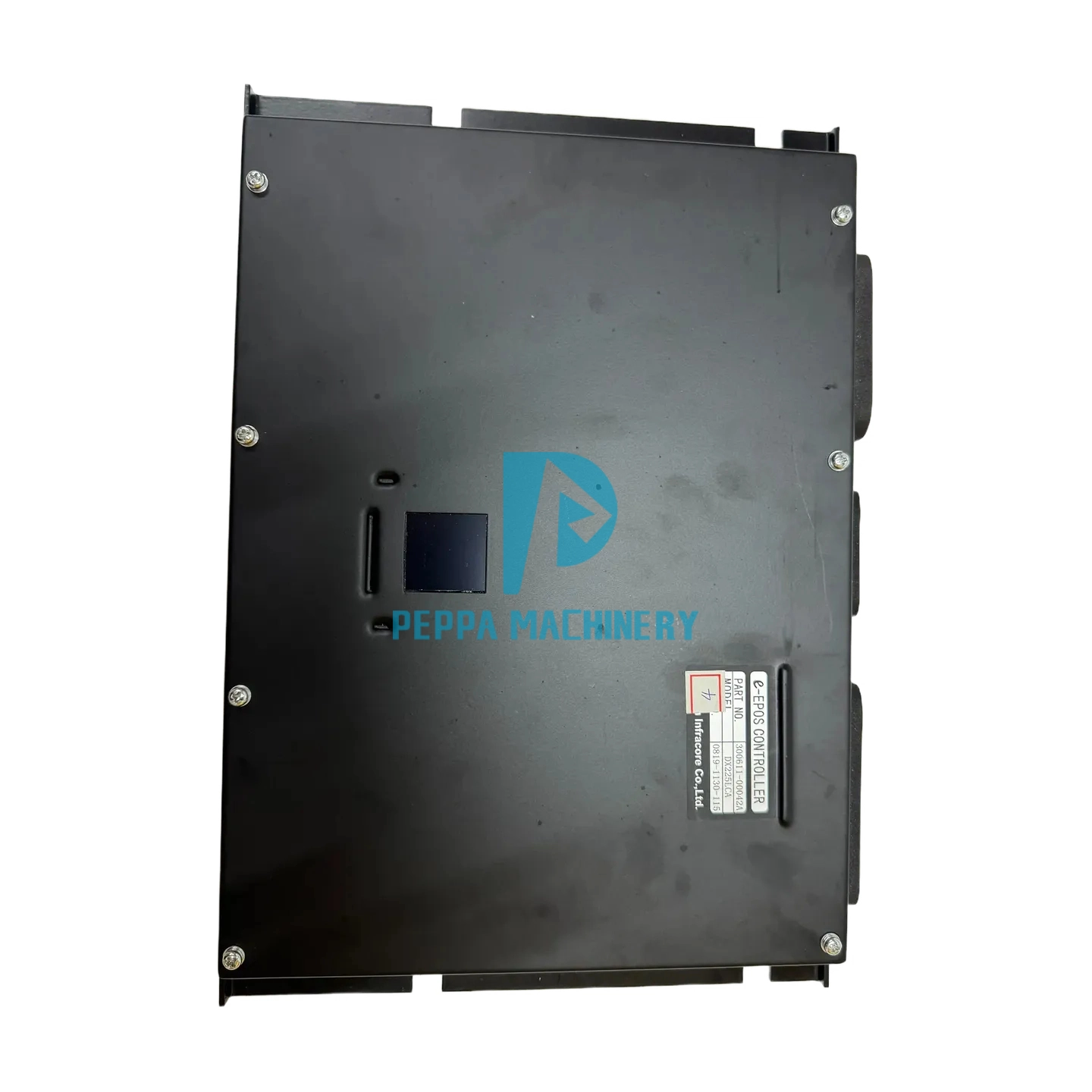
Excavator Accessories Excavator Controller DX225 DX225LCA E-EPOS Controller Computer Board 300611-00042 K1026740 K1001369C K1056425 ECU ECM

Isuzu Engine 6WG1 Turbo 1876183290 1-87618329-0 8981921861 8-98192186-1 14400-4441 1144004370 114400-4370 49188-018312 49188-11940
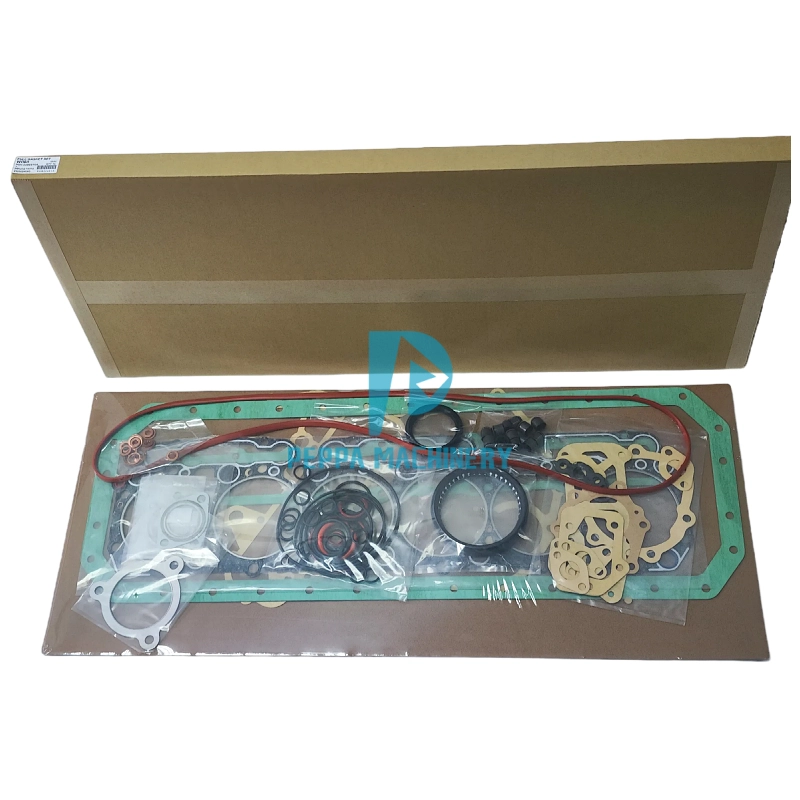
W06D W06DT Engine Overhaul Repair Kit Full Gasket
Excavator Parts
Do you provide technical support or installation guidance?
While we do not offer on-site installation, we can provide basic technical advice, diagrams, or documentation to assist your technicians with installation and troubleshooting.
What brands of excavator parts do you supply?
We supply a full range of parts compatible with major international and Chinese brands, including Caterpillar, Komatsu, Hitachi, Volvo, Doosan, Hyundai, Sany, Liugong, XCMG, Zoomlion, and more.
What types of parts do you mainly offer?
Our main product categories include:
• Engine parts (liner kits, crankshafts, water/oil pumps, etc.)
• Electrical parts (sensors, monitors, throttle motors, wiring harnesses)
• Hydraulic parts (pumps, valves, cylinders)
• Sealing kits (NOK, SKF, PQ brands, floating seals, O-rings)
Can I get help choosing the right parts for my machine?
Yes. Our experienced sales team is here to provide professional recommendations and solutions based on your excavator model, part number, or specific requirements.
Are your parts genuine or OEM?
We offer both genuine parts and high-quality OEM alternatives. You can choose according to your budget and application needs. All OEM products are tested to meet or exceed original specifications.
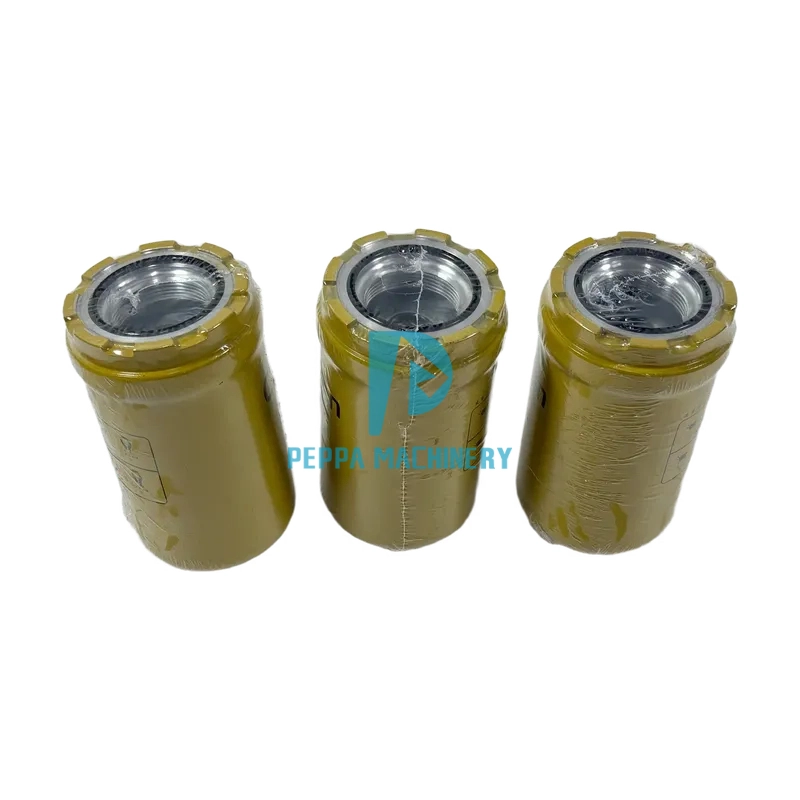
51-8670 Hydraulic Filter Applicable to HF35519 518670 2897836 518670X 1588987 Compatible with Caterpillar 352FVG 325CL
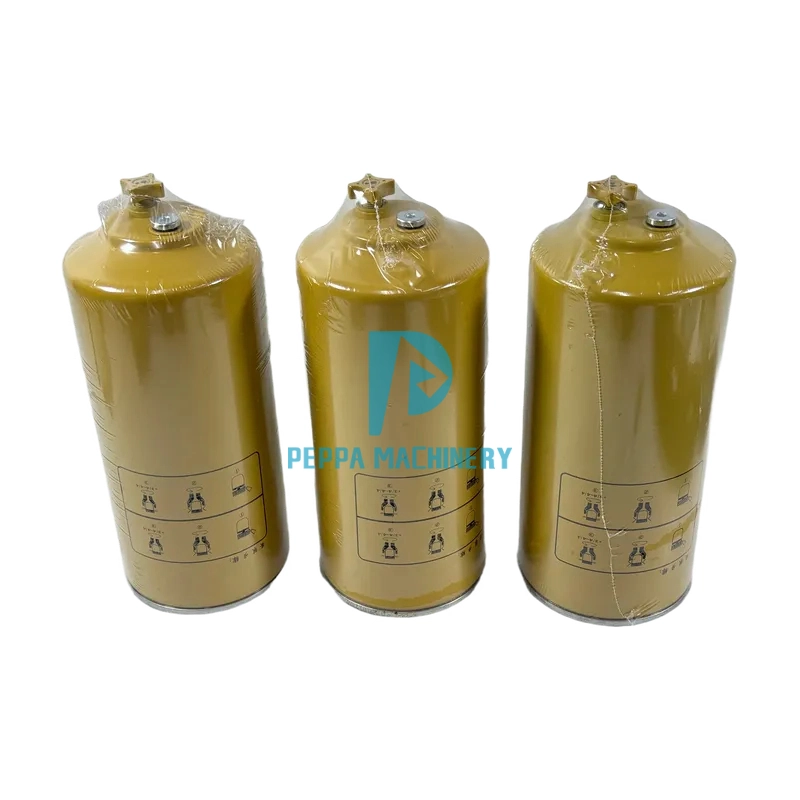
4385386 Fuel Water Separator Fuel Filter 382-0664 Oil-water Separator Hydraulic Oil Filter for CAT 312D2 320D2
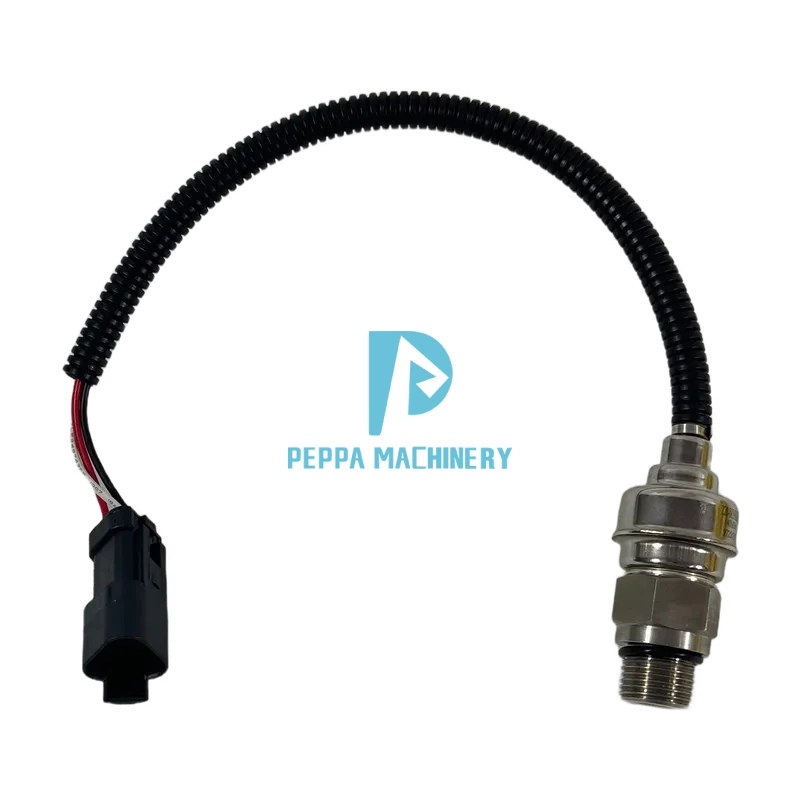
Pressure Sensor 221-8859 106-0178 for Caterpillar CAT 311B 311C 312C 314D 315B 320C 323D 324D 330C 336D 345B 385C
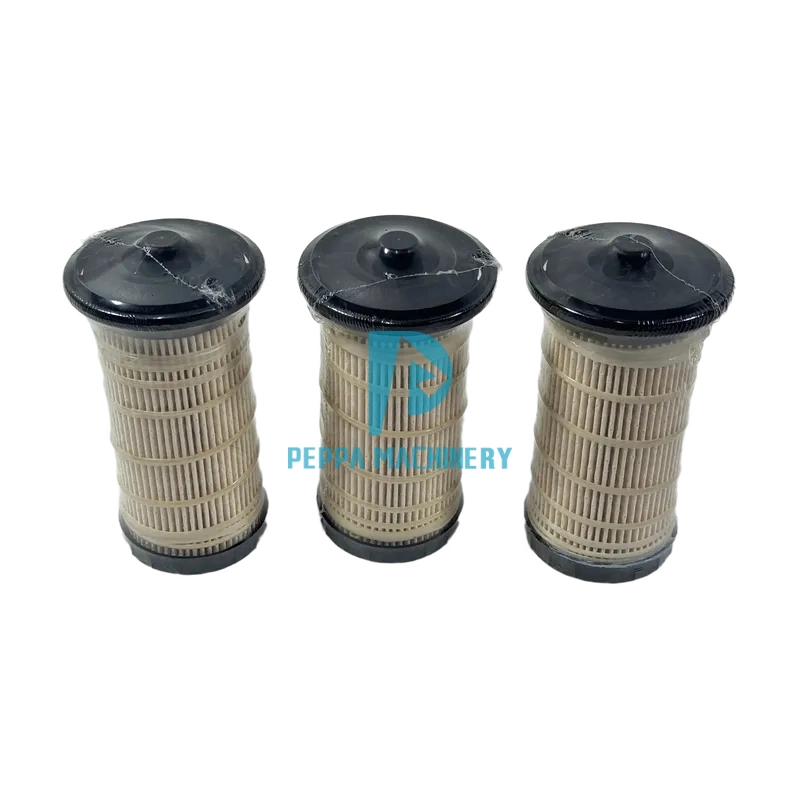
360-8960 Fuel Filter Element for Caterpillar C4.4 & C7.1 Engines | Fits 312D, 320D, 312E, 320E, 326D2, 336D2 Excavators
Get more information
Want to know more? Contact us today to get detailed product specifications, customized solutions, and a free consultation tailored to your needs.
Rest assured that your privacy is important to us, and all information provided will be handled with the utmost confidentiality.

Reliable Source for Quality Excavator Components.
Follow Us
Our Partners


Our Payment Methods


 High Quality
 7/24 Service
 Guaranteed Warranty
 Scan QR Code
Facebook
TikTok
YouTube
Pinterest
Twitter