








The Ultimate Glow Plug Masterclass 2026: Diagnosis, Replacement, and Performance Tuning
Discover the ultimate 2026 guide to glow plug maintenance, diagnosis, and performance tuning. Learn how to identify failing symptoms, test modules with a multimeter, compare ceramic vs. metal materials, and source heavy-duty excavator parts to keep your diesel engines running flawlessly.
- What is a Glow Plug and Why Does It Matter?
- 2026 Quick Summary: Key Takeaways for Diesel Operators
- 5 Unmistakable Symptoms of a Failing Glow Plug
- Advanced Diagnosis: Testing Systems and Modules
- The 2026 Guide to Glow Plug Replacement and Performance Tuning
- Expert Tips: Common Mistakes in Diesel Engine Maintenance
- Sourcing Heavy-Duty Glow Plugs: The Peppa Machinery Advantage
- Conclusion
- FAQs About glow plug
- How much does it cost to replace glow plugs in 2026?
- Can you drive a diesel vehicle with a bad glow plug?
- How long do diesel glow plugs typically last?
- What is the difference between ceramic and metal glow plugs?
- How do I test a glow plug without removing it?
- What causes a glow plug to burn out quickly?
- Are excavator glow plugs different from automotive glow plugs?
- What is a Glow Plug Control Module (GPCM)?
If you operate a diesel vehicle, industrial generator, or heavy machinery in 2026, you already know that cold starts can be an absolute nightmare without a functioning glow plug. This small but mighty heating element is the unsung hero of the modern diesel engine block. Without it, the intense compression required for spontaneous fuel ignition simply cannot overcome the freezing ambient temperatures of a cold morning. From advanced digital diagnostics to high-performance ceramic upgrades, the landscape of diesel maintenance has evolved significantly. In this comprehensive masterclass, we will explore the critical mechanics of diesel heating, break down the exact steps for multimeter testing, outline the best practices for safe replacement, and highlight the importance of sourcing industrial-grade components to prevent catastrophic engine failure and costly operational downtime.
What is a Glow Plug and Why Does It Matter?

A glow plug is a vital heating device used to facilitate the starting of internal-combustion diesel engines, especially in cold weather. Unlike spark plugs that ignite fuel directly, glow plugs act as a heat source to warm the combustion chamber.
The physics of a diesel engine are fundamentally different from gasoline counterparts. Diesel engines rely entirely on high pressure and compression to elevate cylinder temperatures to the point where atomized fuel combusts spontaneously. However, when the metal engine block is freezing, it acts as a massive heat sink, rapidly absorbing the thermal energy generated by the starter motor's compression stroke. This prevents the engine from achieving the necessary ignition temperature. This is where diesel engine pre-heating becomes critical. By introducing intense, localized thermal energy directly into the cylinder or pre-chamber, these specialized plugs prevent engine misfires and ensure a smooth, immediate start. As reported by Wikipedia, they are typically used as starting-aid devices while the engine is being cranked, and are switched off once the engine has reached a defined minimum operating temperature.
Understanding why these components matter involves looking at the core benefits they provide to the combustion cycle:
- Ensures Smooth Ignition: Rapidly warms the compressed air to ignite injected diesel efficiently, even in sub-zero environments.
- Reduces Black Smoke: Promotes complete and clean combustion immediately upon startup, reducing harmful particulate emissions.
- Prevents Misfires: Stabilizes engine idle during freezing temperatures by maintaining optimal cylinder heat.
- Protects the Starter Motor: Reduces cranking time, significantly lowering the electrical and mechanical strain on the battery and starter.
2026 Quick Summary: Key Takeaways for Diesel Operators
Modern 2026 glow plug technology focuses on instant-start systems and pressure-sensor integrations for maximum emission reduction. Maintaining these advanced components requires precise diagnostics and material selection to ensure extreme cold-weather reliability and prevent catastrophic engine failure.
The landscape of diesel performance and environmental compliance is shifting rapidly. In 2026, stricter global emissions standards dictate that combustion cycles must be cleaner from the exact millisecond you turn the ignition key. To meet these demands, manufacturers are integrating advanced microelectronics directly into the heating elements. These smart plugs do more than just get hot; they actively communicate with the engine's central computer to adjust heating profiles on the fly. Upgrading and maintaining these systems is no longer just about cold-weather convenience—it is a mandatory practice for regulatory compliance and fuel economy.
Key takeaways for operators navigating this modern landscape include:
- Instant-Start Tech: Newer modules utilize low-voltage, high-amperage systems to reach temperatures of 1,000°C in under two seconds.
- Proactive Diagnostics: Utilizing advanced OBD2 scanners and electrical tools mitigates expensive downtime and prevents domino-effect failures.
- Material Innovation: High-temperature ceramics are rapidly replacing traditional metals for their superior thermal shock resistance.
- Specialized Industrial Use: Passenger vehicle plugs cannot withstand the rigors of heavy machinery; specialized OEM-grade sourcing is required for excavators and loaders.
5 Unmistakable Symptoms of a Failing Glow Plug
A failing glow plug clearly manifests through hard starting in cold weather, engine misfires resulting in rough idling, excessive black or white exhaust smoke, illuminated warning lights, and significantly decreased fuel efficiency due to incomplete combustion.
When a heating element begins to degrade, it disrupts the entire thermal balance of the engine block. Because diesel fuel requires highly precise heat levels to vaporize and burn completely, even a minor drop in pre-chamber temperature instantly impacts performance. Ignoring these warning signs often forces the engine to crank for extended periods, washing the cylinder walls with unburnt diesel fuel, which strips away essential lubricating oil and causes severe internal wear.
Watch out for these five unmistakable symptoms indicating an impending failure:
- Hard Starting in Cold Weather: The engine cranks continuously but struggles to turn over, exclusively after sitting in cold temperatures.
- Engine Misfires and Rough Idling: Unburnt fuel causes uneven combustion cycles, leading to aggressive shuddering and knocking noises during warmup.
- Excessive Smoke: Emitting heavy white smoke (unburnt atomized fuel) or black smoke (partially burnt fuel) from the exhaust upon startup.
- Warning Lights: The Check Engine Light or the specific coiled pre-heating indicator remains illuminated or flashes on the dashboard.
- Decreased Fuel Efficiency: Incomplete combustion leads to poor power output, forcing the engine to consume more fuel to achieve the desired RPM.
Advanced Diagnosis: Testing Systems and Modules
Advanced diagnosis requires using a glow plug testing multimeter to measure electrical resistance and identify dead units without removing them. It also involves evaluating the glow plug control module (GPCM) and electrical relays for underlying circuit faults.
Troubleshooting diesel pre-heating systems shouldn't require tearing apart the engine bay right away. As reported by CarParts, testing safely involves setting your digital multimeter to the ohms setting, connecting the leads to the terminal and a good engine ground, and checking for an out-of-limits reading which indicates an open circuit. A healthy plug typically reads between 0.6 and 2.0 Ohms. Furthermore, the GPCM acts as the sophisticated brain of the system, dictating the exact voltage, duration, and post-heating timing required for optimal ignition based on real-time coolant temperature data.
To perform a comprehensive diagnostic check, follow these advanced steps:
- Multimeter Resistance Testing: Safely identify dead heating units by checking for infinite resistance (an open circuit) or unusually high Ohms.
- Module Evaluation: Scan the glow plug control module (GPCM) for electronic faults, communication errors, or voltage drops that trigger a P0670 diagnostic trouble code.
- Heat-up Curve Analysis: Monitor advanced pressure sensor plugs through specialized OEM diagnostic scanners to ensure they follow the correct thermal curve.
- Harness Inspection: Thoroughly check the wiring harnesses, busbars, and electrical relays for rust, oil contamination, or corrosion that impedes current flow.
The 2026 Guide to Glow Plug Replacement and Performance Tuning

Upgrading and replacing your diesel heating components involves precise torque extraction, reaming the carbon-filled bore, and selecting between ceramic vs metal glow plugs. The 2026 performance tuning landscape emphasizes double-coil technology and extended post-heating systems for maximum diesel efficiency.
DIY replacement can save money, but it carries the terrifying risk of breaking a seized plug inside the engine block—a mistake that requires removing the entire cylinder head to fix. Always soak the threads in penetrating oil and use a calibrated torque wrench set to reverse. Equally important is reaming the bore to remove hardened carbon buildup prior to installing the new unit; failing to do so will cause the new element to bind and overheat. For those looking to maximize their engine's capabilities, modern tuning requires selecting advanced components that match your specific environmental conditions and workload.
When optimizing your setup, the material selection is paramount. Below is a detailed comparison of modern material technologies:
| Feature | Ceramic Glow Plugs | Metal Glow Plugs |
|---|---|---|
| Heat-up Time | Extremely fast (< 2 seconds) | Standard (3-5 seconds) |
| Max Temperature | Up to 1,300°C | Up to 1,000°C |
| Durability | Exceptionally High (resists thermal shock) | Moderate (prone to gradual degradation) |
| Post-Heating | Excellent (runs longer to reduce emissions) | Limited (shorter post-start duration) |
| Best For | Extreme cold, high-performance tuning, modern strict-emission diesels | Standard automotive use, budget repairs, older indirect-injection engines |
Crucial steps for optimal replacement and tuning include:
- Torque Management: Use a specialized, low-range torque wrench to carefully extract and install plugs to exact manufacturer specifications.
- Bore Reaming: Manually clean out carbon deposits from the pre-chamber to prevent hot spots and premature failure of the new elements.
- Tuning Upgrades: Install advanced double-coil units integrated with extended post-heating systems to ensure a cleaner, smoother idle.
- Material Selection: Evaluate your operational environment to choose between standard metal or high-temperature ceramic variants.
Expert Tips: Common Mistakes in Diesel Engine Maintenance
The most critical mistakes in diesel engine maintenance include over-torquing during installation, ignoring carbon buildup in the pre-chamber, mixing different brands or materials within the same engine block, and replacing a single failed plug instead of the entire set.
These seemingly minor errors can quickly turn a routine maintenance task into a severe, multi-thousand-dollar engine rebuild. For example, testing a low-voltage (e.g., 5V) plug by applying a direct 12V battery jumper will instantly vaporize the internal tip, potentially dropping ceramic or tungsten debris directly into the engine cylinder. Furthermore, uneven combustion caused by mismatched plugs puts immense, unbalanced physical stress on the crankshaft and main bearings over time.
Avoid these industry-known pitfalls to protect your engine:
- Over-Torquing: Applying too much force can internally fracture the delicate ceramic element or permanently strip the aluminum cylinder head threads.
- Ignoring Carbon: Failing to ream and clean the bore leads to carbon crusts insulating the element, causing it to overheat and burn out prematurely.
- Mixing Components: Combining ceramic and metal plugs or mixing different voltages drastically disrupts the control module's intricate electrical calibration.
- Partial Replacements: Always replace the full set simultaneously; if one plug has reached the end of its lifespan, the others are guaranteed to follow shortly, and mixing old and new causes uneven resistance.
Sourcing Heavy-Duty Glow Plugs: The Peppa Machinery Advantage
Standard automotive heating components frequently fail under extreme industrial stress, making it essential to source specialized heavy duty excavator glow plugs. Guangzhou Peiqi Machinery Equipment CO,LTD offers over 15 years of expertise providing customized, OEM-grade solutions for global machinery brands.
At Peppa Machinery, we understand that every commercial operator has unique, high-stakes needs when it comes to excavator parts. Industrial excavators operate in punishing environments—enduring relentless vibration, massive continuous loads, and severe dust. Standard passenger vehicle components simply cannot survive these conditions. By partnering with a trusted excavator parts manufacturer, fleet managers can secure the ruggedized engine accessories necessary for survival. Whether you are running a Caterpillar, Komatsu, Cummins, Isuzu, Mitsubishi, or Hino engine block, utilizing genuine, heavy-duty electrical parts is non-negotiable for maximizing operational efficiency and minimizing downtime.
Partnering with a specialized wholesale provider offers distinct advantages:
- Industrial Durability: OEM-grade heavy-duty plugs are specifically engineered to withstand higher vibration thresholds and significantly longer duty cycles.
- Comprehensive Inventory: Access a true one-stop wholesale service for complete engine cylinder sleeve components, electrical systems, and hydraulic seal kits.
- Global Shipping Logistics: Reliable, expedited global shipping ensures your fleet gets the critical replacement parts it needs, anywhere in the world.
- Expert Tailored Solutions: Benefit from professional, personalized parts sales advice tailored strictly to your complex, large-scale operational requirements.
Conclusion

Mastering glow plug diagnosis, replacement, and 2026 performance tuning ensures your diesel engines run cleaner, start faster, and last significantly longer. Consistent maintenance, utilizing digital multimeters for precise testing, and choosing the right OEM-grade materials are the ultimate keys to avoiding costly heavy machinery downtime. As emissions standards tighten and technology advances, staying ahead of engine maintenance is the best investment an operator can make. Contact us today at Peppa Machinery to optimize your glow plug strategy and secure wholesale excavator parts.
FAQs About glow plug
How much does it cost to replace glow plugs in 2026?
Costs vary by vehicle and engine type, but typically range from $150 to $400 for passenger vehicles, including parts and labor. For heavy-duty equipment and excavators, wholesale sourcing can reduce parts costs, though labor may be higher due to complex engine bays.
Can you drive a diesel vehicle with a bad glow plug?
While it is possible to drive, it is not recommended as it can cause engine misfires, poor fuel economy, and potential damage to the emission systems. In extremely cold weather, the engine may not start at all.
How long do diesel glow plugs typically last?
Most standard glow plugs last between 60,000 and 100,000 miles, depending on the frequency of cold starts and fuel quality. High-quality ceramic plugs and OEM heavy-machinery plugs can exceed these lifespans.
What is the difference between ceramic and metal glow plugs?
Ceramic glow plugs can reach higher temperatures much faster than traditional metal plugs and are more durable over long periods. Metal glow plugs are the standard and are cost-effective but may degrade faster under extreme conditions.
How do I test a glow plug without removing it?
You can use a digital multimeter set to Ohms to measure the resistance between the glow plug terminal and the engine block. A reading between 0.6 and 2.0 Ohms usually indicates a healthy plug, while infinite resistance means the plug is dead.
What causes a glow plug to burn out quickly?
Common causes include a faulty Glow Plug Control Module (GPCM) keeping the plugs on too long, fuel injector leaks, or high system voltage. Excessive carbon buildup in the cylinder can also cause overheating and rapid failure.
Are excavator glow plugs different from automotive glow plugs?
Yes, excavator and heavy machinery glow plugs are engineered to withstand higher vibration, longer duty cycles, and different voltage requirements. They are specifically designed for industrial engines like Cummins, Isuzu, and Caterpillar.
What is a Glow Plug Control Module (GPCM)?
The GPCM is an electronic unit that determines exactly when, how long, and at what voltage the glow plugs should operate based on engine temperature. It also manages post-heating to reduce emissions and engine noise immediately after startup.
Warranty and Return Policies for New Excavator Alternators

The Ultimate Guide to Nozzle Fuel Injectors: 2026 Maintenance & Performance Secrets

The Ultimate Guide to Hydraulic Pump Motors: 2026 Selection & Maintenance Masterclass
Alternator Compatibility: Match High Output Units to Models
Excavator Parts
What brands of excavator parts do you supply?
We supply a full range of parts compatible with major international and Chinese brands, including Caterpillar, Komatsu, Hitachi, Volvo, Doosan, Hyundai, Sany, Liugong, XCMG, Zoomlion, and more.
Do you provide technical support or installation guidance?
While we do not offer on-site installation, we can provide basic technical advice, diagrams, or documentation to assist your technicians with installation and troubleshooting.
How can I verify compatibility before placing an order?
Please provide us with your machine brand, model number, and the part number (if available). Our team will double-check the compatibility to ensure you receive the correct parts.
What types of parts do you mainly offer?
Our main product categories include:
• Engine parts (liner kits, crankshafts, water/oil pumps, etc.)
• Electrical parts (sensors, monitors, throttle motors, wiring harnesses)
• Hydraulic parts (pumps, valves, cylinders)
• Sealing kits (NOK, SKF, PQ brands, floating seals, O-rings)
Can I get help choosing the right parts for my machine?
Yes. Our experienced sales team is here to provide professional recommendations and solutions based on your excavator model, part number, or specific requirements.
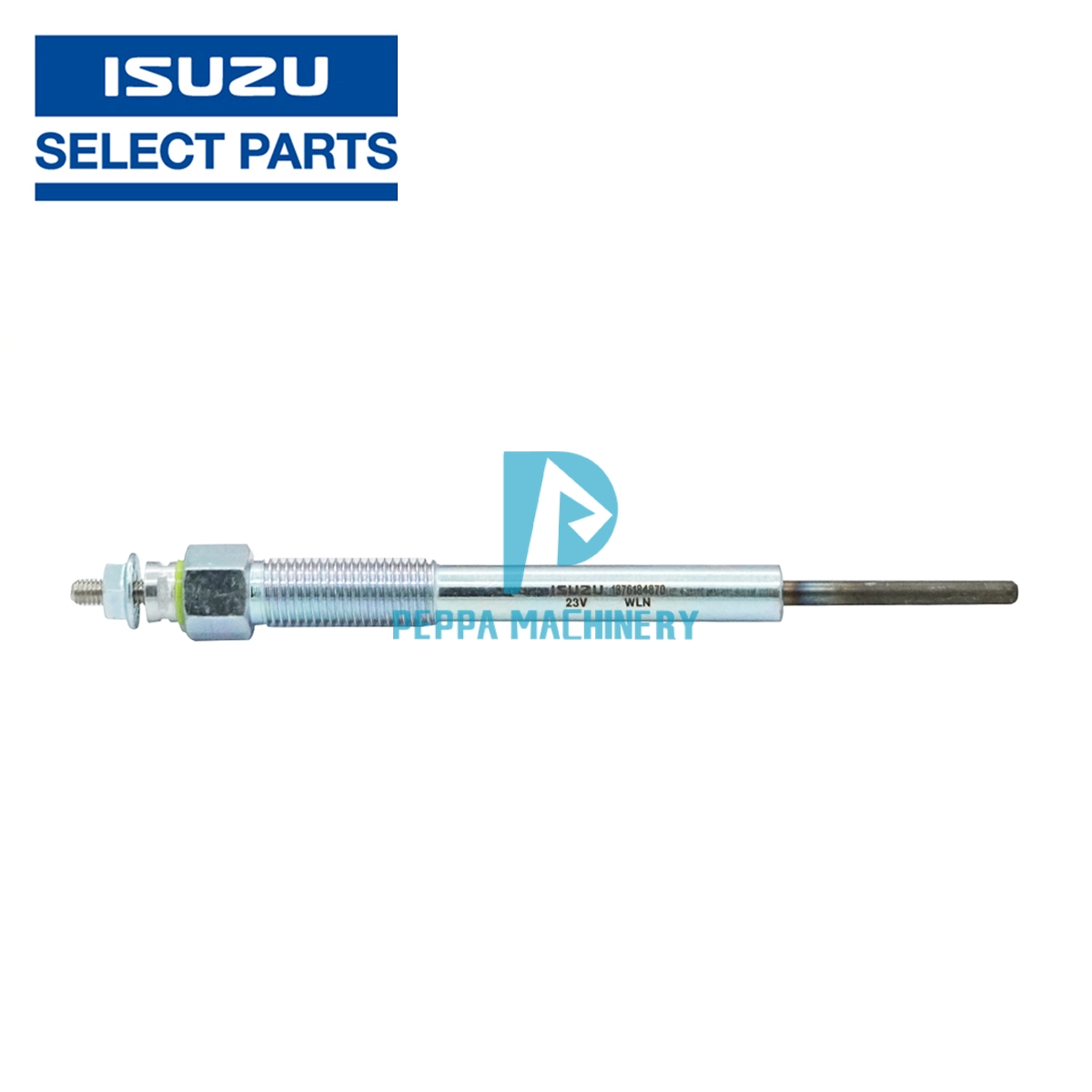
Isuzu engine parts Glow plug 1876184870 for 4JJ1
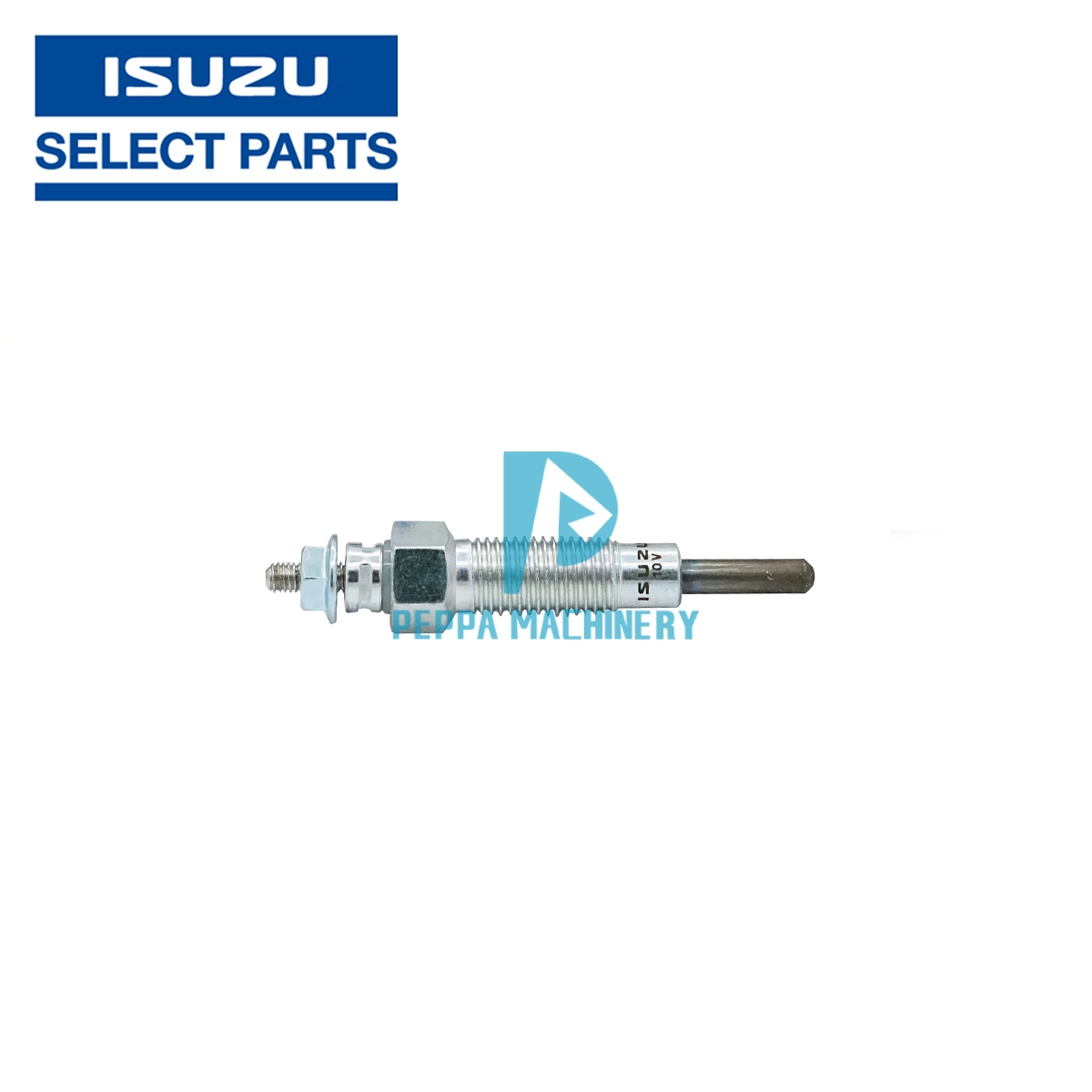
Isuzu engine parts glow plug 1876184860 for 4LB1 4LE1
Peppa Machinery Isuzu engine parts glow plug 1876184860 for 4LB1 4LE1. OEM-quality cooling fan belt engineered for reliable glow plug , long life and exact-fit replacement for 4LB1 4LE1 engines.
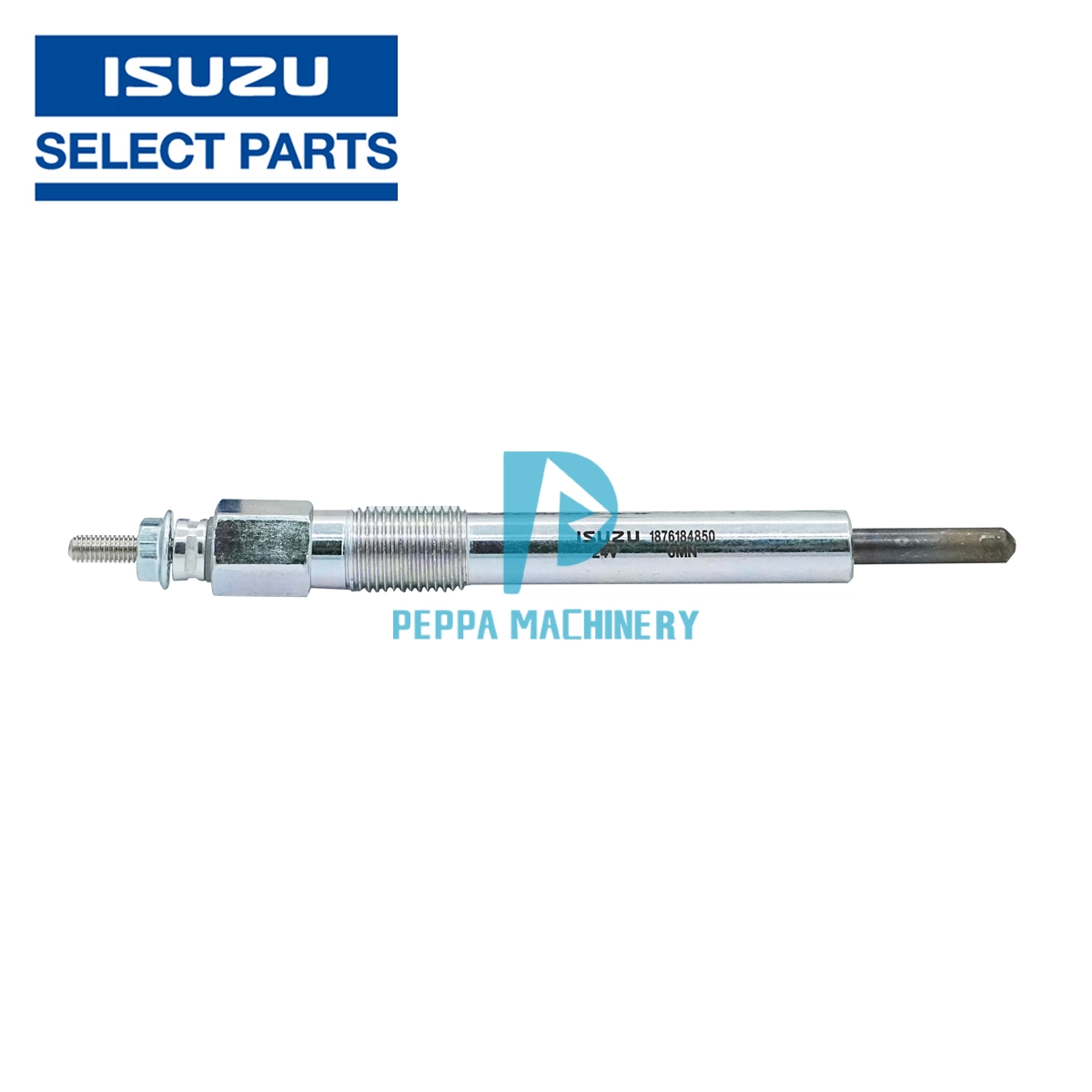
Isuzu engine parts glow plug 1876184850 for 4BG1 4JG1 4LE1
Peppa Machinery Isuzu engine parts glow plug 1876184850 for 4BG1 4JG1 4LE1. OEM-quality cooling fan belt engineered for reliable glow plug , long life and exact-fit replacement for 4BG1 4JG1 4LE1 engines.
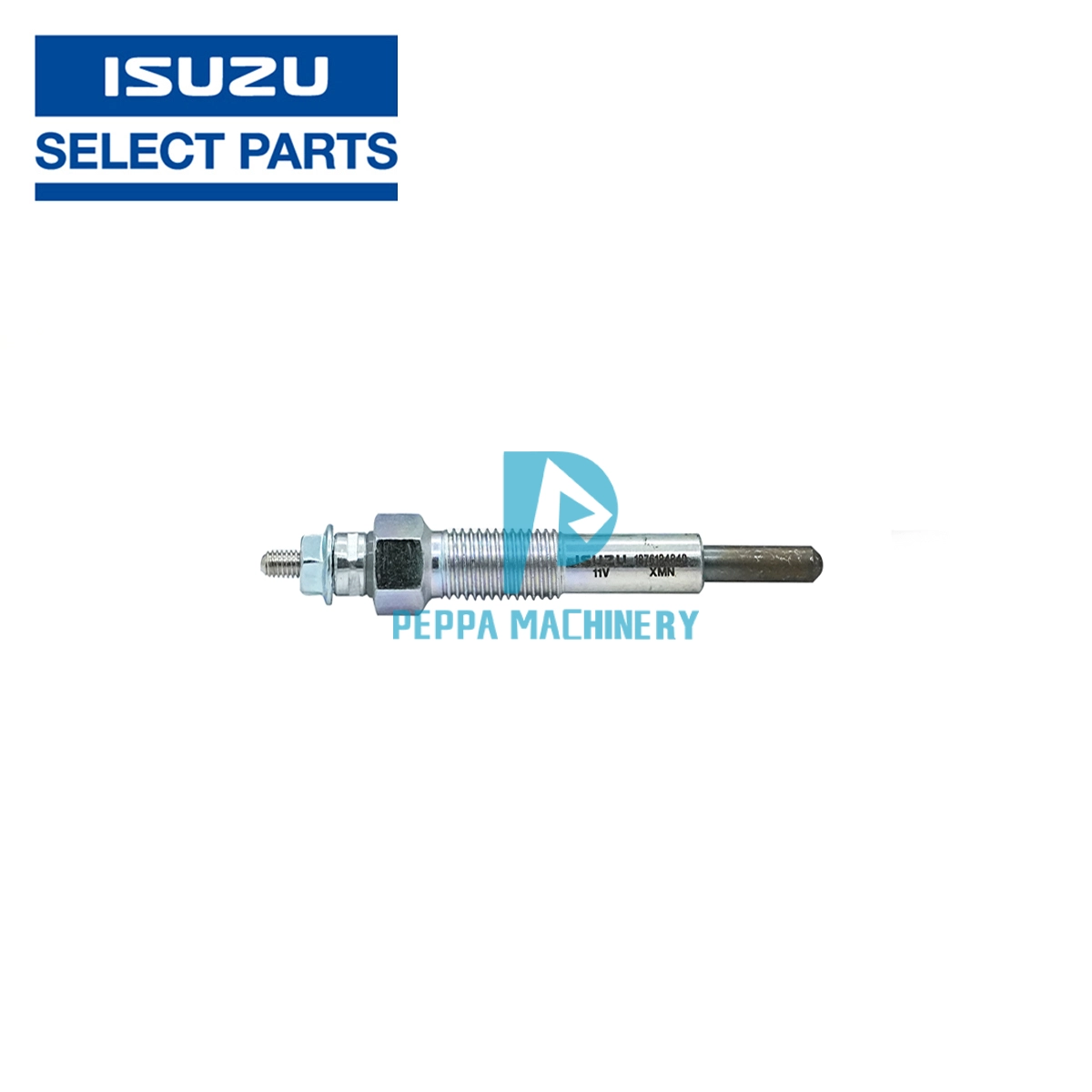
Isuzu engine parts glow plug 1876184840 for 4JG1 4JG2

Reliable Source for Quality Excavator Components.
Follow Us
Our Partners


Our Payment Methods


 High Quality
 7/24 Service
 Guaranteed Warranty
 Scan QR Code
Facebook
TikTok
YouTube
Pinterest
Twitter