








The Ultimate Guide to Hydraulic Pump Motors: 2026 Selection & Maintenance Masterclass
- What is a Hydraulic Pump Motor?
- Key Takeaways: Quick Summary for 2026
- The Push and Pull: Hydraulic Pump vs. Hydraulic Motor
- The 4 Main Types of Hydraulic Motors
- 2026 Masterclass: Hydraulic Motor Selection Criteria
- Expert Tips & Common Mistakes in Sizing and Installation
- Advanced Maintenance: Predictive Diagnostics & IoT
- Industry Leading Solution: High-Performance Hydraulic Applications
- Conclusion
- How do you size a hydraulic pump motor?
- What is the difference between a hydraulic pump and a hydraulic motor?
- Can a hydraulic pump be used as a motor?
- What causes a hydraulic motor to lose power?
- How long do hydraulic motors typically last?
- What is an orbital hydraulic motor used for?
- How do you test a hydraulic motor for internal leakage?
- What is the best hydraulic motor for high-torque applications?
What is a Hydraulic Pump Motor?
A hydraulic pump motor is a mechanical actuator that converts pressurized fluid flow into rotational motion and torque, serving as the essential powerhouse that receives hydraulic flow to drive industrial machinery, agricultural equipment, and heavy automotive systems.
While a pump is responsible for generating the initial hydraulic flow, the motor acts as the receiving end of the system. This fundamental conversion of hydrostatic energy into mechanical power is what enables heavy machinery to lift, push, and dig with incredible force. As detailed by Wikipedia, the motor is the rotary counterpart of the hydraulic cylinder.
To understand their applications, motors are categorized primarily by:
- Displacement: The volume of fluid required for one complete revolution.
- Torque Capacity: The twisting force the motor can exert on a physical load.
- Operating Pressure (PSI): The maximum fluid pressure the internal seals and components can safely handle.
Key Takeaways: Quick Summary for 2026
The fundamental dynamic in fluid power relies on a synergistic push and pull, where the system's pump creates fluid flow and the motor translates that pressurized flow into the physical rotational movement required to operate heavy machinery.
Modern hydraulic systems require precise synergy. If the pump and motor are mismatched, the entire system suffers from severe efficiency losses. In 2026, the industry is witnessing a massive shift toward intelligent diagnostics.
- Synergistic Relationship: The pump creates the flow, but the motor creates the movement.
- Primary Variations: The four main types include gear, vane, piston, and orbital configurations.
- Technological Advancements: 2026 advancements heavily emphasize predictive maintenance sensors and IoT integration to prevent catastrophic system failures.
- Precision Selection: Choosing the optimal motor requires matching torque, speed, and prime mover output perfectly.
The Push and Pull: Hydraulic Pump vs. Hydraulic Motor
The core difference in a hydraulic pump vs motor system is that pumps consume mechanical energy to push fluid, whereas motors consume that pressurized fluid energy to produce mechanical work and determine rotational output based on pressure drops.

Understanding this hydrostatic energy conversion is critical for system designers. As defined by Wikipedia, a hydraulic pump is a mechanical source of power that converts mechanical power into hydrostatic energy. The pressure drop that occurs across the motor is exactly what dictates the rotational output and overall mechanical power.
Failing to respect this push-and-pull dynamic leads to severe operational consequences:
- Cavitation: Mismatching flow rates can cause air bubbles to implode against metal surfaces, rapidly destroying internal components.
- Overheating: Forcing a motor to accept more flow than its design allows drastically increases fluid temperature, breaking down oil viscosity.
- Premature Failure: Incorrect pressure drops place excessive strain on shaft seals and internal bearings.
The 4 Main Types of Hydraulic Motors
The four primary hydraulic motor types include gear, vane, piston, and orbital models, each engineered for distinct pressure and rotational speed requirements to ensure optimal mechanical performance across varying industrial applications and heavy-duty load demands.
Selecting the right motor depends entirely on understanding the strengths and limitations of these four categories:
- Gear Motors: Highly cost-effective and featuring a simple, robust design. They are ideal for medium-pressure and medium-speed applications, making them a staple in agricultural implements and basic conveyors.
- Vane Motors: Known for their exceptionally low noise levels and strong volumetric efficiency. They are perfectly suited for indoor industrial machinery where workplace noise regulations are strict.
- Piston Motors (Radial and Axial): Unmatched for high-pressure, high-torque, and high-speed requirements. They dominate the heavy construction industry, powering massive excavators and mobile hydraulic systems.
- Orbital (Gerotor) Motors: An excellent high torque low speed hydraulic motor choice. Their internal gerotor design allows them to generate immense twisting force without needing a high-speed fluid flow, perfect for farming winches and sweeper drives.
2026 Masterclass: Hydraulic Motor Selection Criteria
A comprehensive hydraulic motor selection guide requires calculating required torque, matching operating speed, and evaluating pressure ratings, which together form the exact mathematical foundation needed for matching mechanical load requirements to minimize system energy loss.
Guesswork has no place in modern fluid power engineering. To ensure peak efficiency and future-proof your machinery, follow these critical selection criteria:
- Calculating Displacement and Torque: You must establish the mathematical foundation by ensuring the motor's displacement can deliver the necessary starting and running torque for the specific load.
- Evaluating RPM and PSI: Match the motor's operating speed (RPM) and maximum pressure ratings (PSI) perfectly with the hydraulic pump's output capabilities.
- Factoring Efficiencies: Always account for both mechanical efficiency (friction losses) and volumetric efficiency (internal fluid leakage) to gauge true real-world performance.
- Future-Proofing: Choose motors that are compatible with the latest eco-friendly synthetic hydraulic fluids and meet stringent 2026 global efficiency mandates.
Expert Tips & Common Mistakes in Sizing and Installation
Proper installation requires flushing the entire system to prevent fluid contamination and verifying mounting flange compatibility, ensuring that you avoid basic sizing errors that waste energy or compromise overall operational performance and equipment safety.
Even premium-grade hydraulic components will fail prematurely if they are installed incorrectly. Protect your investment by avoiding these common industry pitfalls:
- Mistake - Ignoring Case Drain Pressure: Failing to route the case drain line properly causes massive internal pressure spikes, immediately leading to blown shaft seals.
- Mistake - Over-Sizing the Motor: Bigger is not always better. Over-sizing results in wasted energy, sluggish performance, and highly inefficient fluid utilization.
- Expert Tip - Flush the System: Always flush the hydraulic lines thoroughly before installing a new motor. This removes abrasive metal shavings and debris left over from the previous component's failure.
- Expert Tip - Double-Check Compatibility: Always verify that the mounting flange (such as SAE vs. NEMA standards) and shaft splines match your equipment perfectly before making a purchase.
Advanced Maintenance: Predictive Diagnostics & IoT
Advanced hydraulic motor troubleshooting in 2026 relies on predictive maintenance sensors and integrated IoT networks to continuously monitor system vibration and fluid temperature in real-time, actively identifying early signs of internal wear before catastrophic failures occur.
Moving beyond the outdated model of reactive maintenance, the integration of digital diagnostics allows operators to maximize uptime and prevent expensive emergency repairs.
- Real-Time IoT Sensors: Modern wireless sensors continuously track heat signatures and microscopic vibrations, instantly alerting managers to potential bearing failures.
- Oil Analysis & Particle Counting: Regularly identifying microscopic metal fragments in the fluid helps pinpoint internal wear long before the motor binds up.
- Flow Meter Testing: Executing precise flow meter tests detects internal leakage bypassing the functional chambers, allowing technicians to rebuild the unit before it causes a total system shutdown.
Industry Leading Solution: High-Performance Hydraulic Applications
Upgrading legacy construction equipment with modern, high-efficiency components requires an expert excavator parts solution to significantly reduce unexpected downtime, utilizing integrated smart sensors and premium OEM-grade parts to deliver tailored torque solutions for heavy-duty operational needs.
At Guangzhou Peiqi Machinery Equipment CO,LTD, operating proudly under the brand Peppa Machinery, we have spent over 15 years mastering the complexities of heavy equipment performance. Located in the heart of the Guangzhou Wholesale Center, we provide a professional one-stop wholesale service, delivering specialized parts and tailored operational advice to the global market.
Our extensive inventory covers engine systems, electrical systems, advanced hydraulic systems, and complete sealing systems. When a global client recently struggled with catastrophic failures on their aging fleet, we provided a custom excavator parts solution that completely revitalized their operations.
- Massive Downtime Reduction: Upgrading to our premium OEM-grade piston motors reduced unexpected machine downtime by 40%.
- Integrated Smart Solutions: We implemented advanced monitoring systems to track fluid pressure continuously.
- Tailored Torque Delivery: We delivered custom torque configurations that perfectly balanced upfront capital costs with long-term reliability and drastically lower maintenance overhead.
Conclusion
Selecting and maintaining the right hydraulic pump motor is absolutely critical for maximizing machinery lifespan, operational efficiency, and workplace safety, while leveraging modern predictive maintenance tools drastically reduces unexpected downtime and lowers long-term operating costs.
By fully understanding the unique operational benefits of gear, vane, piston, and orbital motors, industrial facilities can significantly improve their overall throughput. The transition toward 2026 IoT predictive diagnostics ensures that equipment management shifts from reactive panic to proactive stability, protecting both your components and your bottom line.
Contact us today to optimize your hydraulic motor strategy.
How do you size a hydraulic pump motor?
To size a motor correctly, you must first determine the required torque to move the physical load. Next, calculate the desired rotational speed (RPM). Utilize the foundational formula: Required Displacement = (Torque x 2 x Pi) / Pressure drop. Finally, match these calculated specifications to the manufacturer's official performance charts to find the perfect unit.
What is the difference between a hydraulic pump and a hydraulic motor?
A hydraulic pump converts mechanical energy from a prime mover into fluid flow and pressure. A hydraulic motor does the exact opposite, converting that fluid flow and pressure back into mechanical energy, specifically rotational force. Ultimately, pumps are driven by external sources like electric motors or diesel engines, while motors drive the actual working load.
Can a hydraulic pump be used as a motor?
In some specific cases, certain designs like gear pumps can technically act as motors if plumbed correctly, but it is highly inefficient and not recommended. Motors are specifically engineered to handle continuous back-pressure and often feature different internal bearing structures and necessary case drains. It is always recommended to use a dedicated hydraulic motor for safe, reliable, and efficient operation.
What causes a hydraulic motor to lose power?
Power loss is most commonly caused by internal wear, which leads to excessive fluid bypass, known as internal leakage. Other culprits include a failing hydraulic pump that no longer supplies adequate flow or pressure, clogged filters starving the motor of fluid, and severe overheating which thins the hydraulic fluid and destroys volumetric efficiency.
How long do hydraulic motors typically last?
The lifespan of a motor depends heavily on preventative maintenance, fluid cleanliness, and operating conditions. A well-maintained unit operating strictly within its specified PSI and RPM limits can easily last 10,000 hours or more. Conversely, contaminated fluid is the number one cause of premature failure, capable of drastically reducing a motor's operational lifespan in a matter of weeks.
What is an orbital hydraulic motor used for?
Orbital motors, often referred to as Gerotor motors, are specifically designed for Low Speed High Torque (LSHT) applications. They are heavily utilized in demanding environments such as agricultural equipment, heavy conveyor belts, winches, and street sweepers. Their internal design allows them to generate immense twisting force without needing a high-speed, high-volume fluid flow.
How do you test a hydraulic motor for internal leakage?
To accurately test for internal leakage, safely disconnect the case drain line and route it into a measured container. Operate the motor under its normal load for a specific timeframe, such as one minute. Finally, measure the amount of fluid collected; if the volume exceeds the manufacturer's specified bypass limit, the motor has suffered excessive internal wear and requires rebuild or replacement.
What is the best hydraulic motor for high-torque applications?
For extreme pressure and maximum-torque operations, radial piston motors are generally considered the best in the industry. Axial piston motors also offer excellent torque density along with variable displacement options for finer control. For applications that require lower rotational speeds, orbital motors provide a highly cost-effective, high-torque performance alternative.
Alternator Compatibility: Match High Output Units to Models
Cost to Replace an Excavator Fuel Pump: Budgeting Tips
Stop Solenoid Compatibility: Find the Right Part Number
OEM vs Aftermarket Excavator Injector Nozzles: Buyer Guide
Excavator Parts
Can I get help choosing the right parts for my machine?
Yes. Our experienced sales team is here to provide professional recommendations and solutions based on your excavator model, part number, or specific requirements.
Are your parts genuine or OEM?
We offer both genuine parts and high-quality OEM alternatives. You can choose according to your budget and application needs. All OEM products are tested to meet or exceed original specifications.
What brands of excavator parts do you supply?
We supply a full range of parts compatible with major international and Chinese brands, including Caterpillar, Komatsu, Hitachi, Volvo, Doosan, Hyundai, Sany, Liugong, XCMG, Zoomlion, and more.
Do you provide technical support or installation guidance?
While we do not offer on-site installation, we can provide basic technical advice, diagrams, or documentation to assist your technicians with installation and troubleshooting.
How can I verify compatibility before placing an order?
Please provide us with your machine brand, model number, and the part number (if available). Our team will double-check the compatibility to ensure you receive the correct parts.

Isuzu SP 4JG1 4JG2 4JG3 Cylinder Liner 1876182070 1-87618207-0 1876182080 1-87618208-0 1876182100 1-87618210-0
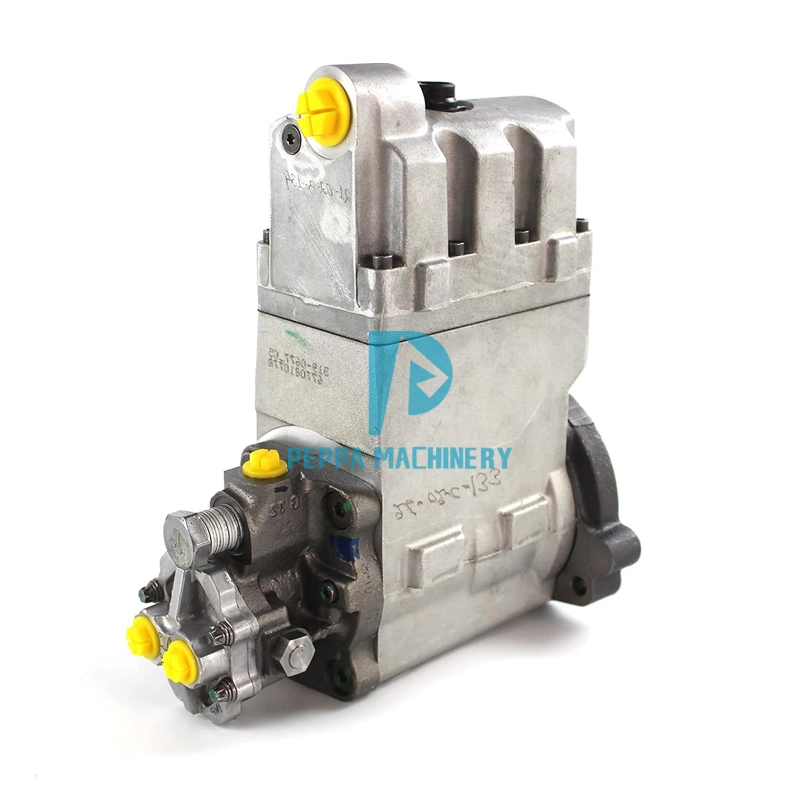
Fuel Feed / Transfer Pump Assembly for Caterpillar C7 & C9 Engines | Direct Replacement for OEM Parts #319-0678, 254-4358, 304-0678, 295-4778, 228-589
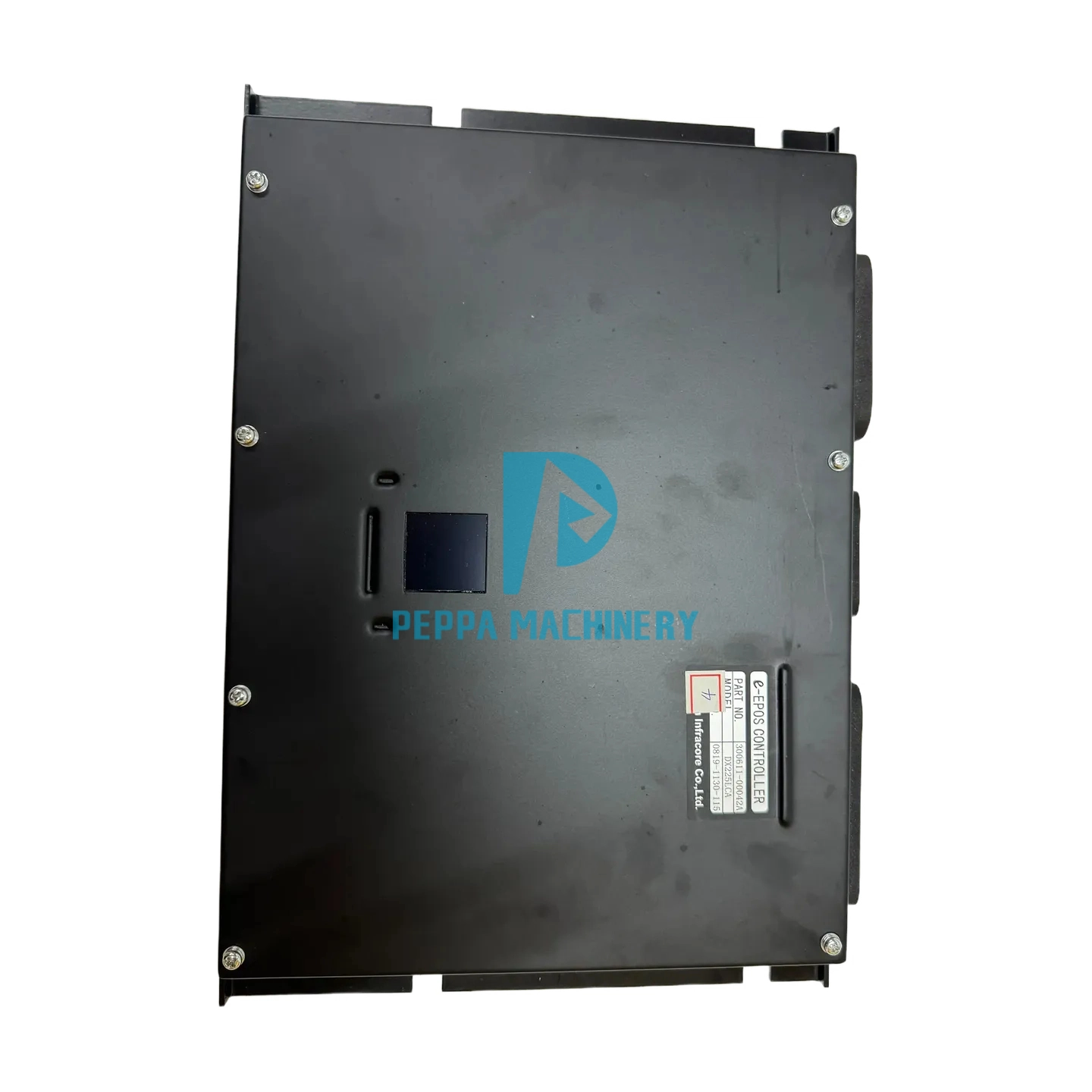
Excavator Accessories Excavator Controller DX225 DX225LCA E-EPOS Controller Computer Board 300611-00042 K1026740 K1001369C K1056425 ECU ECM

Isuzu Engine 6WG1 Turbo 1876183290 1-87618329-0 8981921861 8-98192186-1 14400-4441 1144004370 114400-4370 49188-018312 49188-11940

Reliable Source for Quality Excavator Components.
Follow Us
Our Partners


Our Payment Methods


 High Quality
 7/24 Service
 Guaranteed Warranty
 Scan QR Code
Facebook
TikTok
YouTube
Pinterest
Twitter