








Fuel Pump Compatibility: Matching Parts by Model and Year
- Why correct fuel pump selection matters
- Operational performance and engine health
- Safety, emissions and compliance
- Cost implications: downtime, warranty and lifecycle
- How to determine fuel pump compatibility
- Collect accurate machine identifiers
- Use part numbers, cross-references and official catalogs
- Match mechanical and electrical specifications
- Testing, installation and troubleshooting
- Bench testing and calibration
- Installation best practices
- Common failure modes and evidence of incompatibility
- Aftermarket, remanufactured, and OEM options; sourcing strategies
- OEM vs aftermarket vs remanufactured — comparison
- Sourcing and inventory strategies for fleets
- Sourcing from Guangzhou Peppa Machinery — tailored solutions
- Practical checklists and reference resources
- Compatibility checklist (use before ordering)
- Reference sources
- When to consult a specialist
- FAQ — Frequently Asked Questions
- 1. How do I know the exact fuel pump my excavator needs?
- 2. Can I replace an OEM fuel pump with an aftermarket pump?
- 3. Are remanufactured fuel pumps safe to use?
- 4. What are the signs a fuel pump is incompatible after installation?
- 5. How should I prepare the fuel system when replacing a pump?
- 6. Can Peppa Machinery help verify compatibility for older excavator models?
Accurate matching of an excavator fuel pump to the machine's model and year is critical to reliable operation, emission compliance, and minimizing downtime. This article—written from practical field and sourcing experience—outlines the processes, checks, and resources you need to confirm compatibility for an excavator fuel pump, whether you're replacing a failed unit, upgrading, or building an inventory for fleet maintenance.
Why correct fuel pump selection matters
Operational performance and engine health
The excavator fuel pump is the heart of the diesel fuel delivery system. The right pump ensures correct flow rate, pressure, and timing for the injection system. Incorrect flow or pressure can cause poor combustion, loss of power, increased fuel consumption, black smoke, or hard starting. For modern common-rail and electronic injection systems, the pump's characteristics must match the engine control unit (ECU) calibration to avoid fault codes and limp-home modes.
Safety, emissions and compliance
Excavators must meet emissions requirements and operator safety standards. Using an incompatible pump may change fuel delivery characteristics and push exhaust concentrations out of compliance. Additionally, leaks or misfitted sealing surfaces increase fire risk. Always verify that replacements meet the original equipment manufacturer's (OEM) specification or relevant emissions certification for the engine model and production year.
Cost implications: downtime, warranty and lifecycle
Incorrect part selection leads to repeat failures, warranty disputes, and unplanned downtime. While aftermarket pumps can be less costly up-front, the total cost of ownership (TCO) depends on compatibility, warranty coverage, and the quality of remanufacture or calibration. Structured compatibility checks can prevent expensive trial-and-error replacements.
How to determine fuel pump compatibility
Collect accurate machine identifiers
Begin with the excavator's serial number (S/N), model code, engine model and engine serial number. These identifiers pinpoint the exact production variant and any mid-life updates the manufacturer applied. If you cannot locate engine numbers, the machine's plate or operator manual usually contains the model-year and engine family. OEM dealerships use the S/N to produce exact part numbers for fuel pumps and related components; this is the single most reliable way to confirm compatibility.
Use part numbers, cross-references and official catalogs
Once you have the OEM part number, cross-reference it against official parts catalogs or dealer databases. Manufacturers like Caterpillar and Komatsu maintain parts databases that map serial ranges to parts revisions (see Caterpillar Parts & Service for reference: https://www.cat.com/en_US/support/parts.).
Aftermarket suppliers and large remanufacturers provide cross-reference tables, but always verify cross-references against the machine S/N and engine family rather than assuming interchangeability across all production years.
Match mechanical and electrical specifications
Compatibility is not only about bolt patterns or external ports. Key technical parameters include:
- Fuel flow rate and maximum continuous flow
- Delivery pressure and peak pressure (for high-pressure pumps)
- Drive type (gear-driven, timing-belt, camshaft-driven, or electric lift/pellet pumps)
- Mounting flange pattern and shaft spline specifications
- Electrical connectors, sensors, and internal regulators
- Sealing surfaces and flange gaskets (avoid reuse of damaged seals)
Manufacturer manuals and technical bulletins are primary sources for these specifications. For an overview of diesel injection systems and pressure regimes, see Bosch's technical pages and general references such as https://en.wikipedia.org/wiki/Fuel_injection and Bosch diesel system technology pages (https://www.bosch-mobility-solutions.com/en/products-and-services/powertrain-systems/diesel-systems/).
Testing, installation and troubleshooting
Bench testing and calibration
Before installation, bench test replacement pumps whenever possible. Bench testing verifies flow, pressure, and leakage at controlled RPMs and enables detection of faulty valves or worn internals in remanufactured units. For electronically controlled pumps, confirm that the control module recognizes the pump and that calibration parameters fall within OEM tolerances. Use OEM test procedures found in service manuals; these tests help avoid installing an incompatible or defective pump that damages injectors or the engine.
Installation best practices
Follow a strict installation checklist:
| Step | Reason |
|---|---|
| Verify part number and S/N compatibility | Prevents misfit parts |
| Replace seals and gaskets with OEM-grade parts | Ensures leak-free operation and correct sealing |
| Prime the fuel system and bleed air | Prevents cavitation and dry-running damage |
| Use torque specs and install hardware correctly | Avoids distortion and mounting leaks |
| Perform start-up checks and monitor for fault codes | Confirms correct operation and detects issues early |
Common failure modes and evidence of incompatibility
Look for these symptoms which indicate either pump failure or a compatibility issue:
- Low engine power, stalling, or slow acceleration (may indicate under-delivery)
- Hard starting, especially after a few minutes of shut-down (possible priming or check-valve mismatch)
- Fuel system fault codes in ECU (electronic mismatch or sensor incompatibility)
- Visible fuel leaks at mounting flanges (wrong seals or surface mismatch)
Correct diagnosis often requires pressure/flow testing and scanning ECU codes. If a replacement pump causes new ECU codes, re-check electrical connectors and firmware expectations—some modern engines require matched injectors/pumps and ECU calibrations.
Aftermarket, remanufactured, and OEM options; sourcing strategies
OEM vs aftermarket vs remanufactured — comparison
The right sourcing choice depends on budget, required reliability, and fleet policy. The table below summarizes typical trade-offs:
| Option | Advantages | Risks / Considerations |
|---|---|---|
| OEM New | Guaranteed fit, manufacturer warranty, exact specs | Higher cost, longer lead times in some markets |
| Remanufactured (OEM-certified) | Lower cost, tested to OEM tolerances, available for older machines | Quality varies—choose certified remanufacturers |
| Aftermarket New | Lower price, broader availability | Compatibility and longevity vary; verify specs and warranty |
Sourcing and inventory strategies for fleets
For fleet operators, maintain critical part lists keyed to S/N ranges and store common consumables (gaskets, O-rings, filters). Keep a small stock of verified remanufactured pumps for high-use models to reduce downtime. Use parts management software linked to OEM part catalogs to avoid ordering incorrect revisions—this practice is routine for large operations and recommended for contractors with mixed fleets.
Sourcing from Guangzhou Peppa Machinery — tailored solutions
Guangzhou Peppa Machinery Equipment Co., Ltd. is a professional one-stop wholesale service provider for excavator parts. Located in Guangzhou Wholesale Center, Peppa Machinery sells excavator parts globally and provides professional parts sales advice and solutions. With more than 15 years of experience, their product coverage includes engine systems, electrical systems, hydraulic systems and sealing systems, and they supply both imported parts and OEM products.
Their engine product range includes engine cylinder sleeve components and other engine parts for brands such as Caterpillar, Komatsu, Cummins, Isuzu, Mitsubishi, and Hino. They also stock a wide selection of bearings, overhaul kits, crankshafts, connecting rods, turbochargers, water pumps, oil pumps, and compressors.
Why choose Peppa Machinery?
- Extensive parts coverage: Engine Parts, Electrical Parts, Hydraulic Parts, Genuine Parts, Seal Kits, Undercarriage Parts.
- Experience: 15+ years in wholesale and global parts supply with domain expertise in excavator fuel pump compatibility and engine systems.
- Customized service: Tailored solutions to match each customer’s machine S/N and operational requirements, reducing misorders and downtime.
- Technical support: Professional parts sales advice and compatibility checks based on machine model and year.
When sourcing a replacement excavator fuel pump, Peppa Machinery can help verify part numbers, supply OEM or certified remanufactured units, and provide the matching seal kits and installation hardware needed to complete the repair correctly.
Practical checklists and reference resources
Compatibility checklist (use before ordering)
| Item | What to Record |
|---|---|
| Machine model and S/N | Exact model and serial number from plate |
| Engine model & S/N | Engine family and serial number |
| OEM fuel pump part number | Part number from parts manual or dealer |
| Pump drive & mounting details | Flange pattern, shaft spline, mounting bolts |
| Electrical connectors | Connector type and pinout |
| Required seals & gaskets | Replace with new OEM-grade seals |
| Service bulletins | Check for manufacturer updates or supersessions |
Reference sources
Useful references include OEM parts catalogs and service manuals, industry technical resources such as Bosch on diesel systems (Bosch diesel systems), and general technology summaries like Wikipedia’s fuel injection page (https://en.wikipedia.org/wiki/Fuel_injection) and excavator overview (https://en.wikipedia.org/wiki/Excavator).
When to consult a specialist
Consult technical specialists when:
- Dealing with late-model electronic fuel systems where ECU calibration may be required
- Replacing pumps on machines with multiple production revisions or retrofits
- Planning fleet-level stocking or long-term TCO calculations that weigh OEM vs aftermarket choices
FAQ — Frequently Asked Questions
1. How do I know the exact fuel pump my excavator needs?
Use the machine model and serial number (S/N) along with the engine model and engine S/N. Provide these to an authorized dealer or a trusted parts provider like Guangzhou Peppa Machinery to get the exact OEM part number and compatible options.
2. Can I replace an OEM fuel pump with an aftermarket pump?
Sometimes — but only if the aftermarket pump matches all mechanical and electrical specifications, mounting points, flow, and pressure requirements. Verify cross-reference data and preferably choose a reputable aftermarket supplier with warranty and test data.
3. Are remanufactured fuel pumps safe to use?
Yes, if remanufactured to OEM specifications by a certified remanufacturer. Look for documented testing, warranty coverage, and component traceability. Certified remanufactured pumps often provide a good balance of cost and reliability.
4. What are the signs a fuel pump is incompatible after installation?
Common signs include immediate ECU fault codes, persistent low power or surging, inability to reach rated RPM, or fuel leaks. If observed, shut down and re-verify part numbers, connector pinouts, and mechanical fit. Conduct pressure/flow testing to confirm whether the pump meets expected parameters.
5. How should I prepare the fuel system when replacing a pump?
Always replace seals and gaskets, prime the system to remove air, change the fuel filter if contaminated or old, and follow OEM torque and installation procedures. After installation, run start-up checks and monitor for leaks and ECU faults.
6. Can Peppa Machinery help verify compatibility for older excavator models?
Yes. Guangzhou Peppa Machinery has more than 15 years’ experience supplying parts for a wide range of brands and model years. They can help match parts by model, engine family, and serial number, supply OEM or qualified remanufactured options, and provide seal kits and installation advice.
Need help matching an excavator fuel pump to your machine? Contact Guangzhou Peppa Machinery Equipment Co., Ltd. for professional parts advice, compatibility checks, and global wholesale supply. Visit their sales team to get tailored solutions that match your model, year, and operational needs. Reach out now to reduce downtime and get the correct excavator fuel pump and supporting parts for your fleet.

The Ultimate Excavator Parts List: 50+ Critical Components Every Operator Must Know [Diagrams Included]
Compatibility Guide: Overhaul Gasket Sets by Excavator Brand
Best alternator manufacturers and supplier brands in China
OEM vs Aftermarket Stop Solenoids: Buyer’s Comparison
Excavator Parts
How can I verify compatibility before placing an order?
Please provide us with your machine brand, model number, and the part number (if available). Our team will double-check the compatibility to ensure you receive the correct parts.
Do you provide technical support or installation guidance?
While we do not offer on-site installation, we can provide basic technical advice, diagrams, or documentation to assist your technicians with installation and troubleshooting.
Can I get help choosing the right parts for my machine?
Yes. Our experienced sales team is here to provide professional recommendations and solutions based on your excavator model, part number, or specific requirements.
What brands of excavator parts do you supply?
We supply a full range of parts compatible with major international and Chinese brands, including Caterpillar, Komatsu, Hitachi, Volvo, Doosan, Hyundai, Sany, Liugong, XCMG, Zoomlion, and more.
What types of parts do you mainly offer?
Our main product categories include:
• Engine parts (liner kits, crankshafts, water/oil pumps, etc.)
• Electrical parts (sensors, monitors, throttle motors, wiring harnesses)
• Hydraulic parts (pumps, valves, cylinders)
• Sealing kits (NOK, SKF, PQ brands, floating seals, O-rings)

Isuzu SP 4JG1 4JG2 4JG3 Cylinder Liner 1876182070 1-87618207-0 1876182080 1-87618208-0 1876182100 1-87618210-0
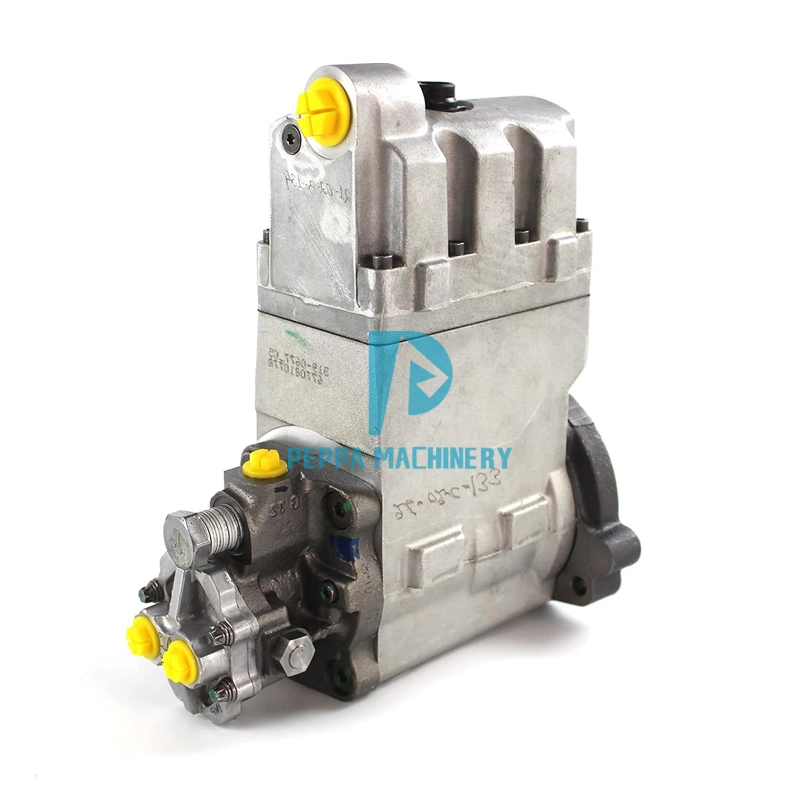
Fuel Feed / Transfer Pump Assembly for Caterpillar C7 & C9 Engines | Direct Replacement for OEM Parts #319-0678, 254-4358, 304-0678, 295-4778, 228-589
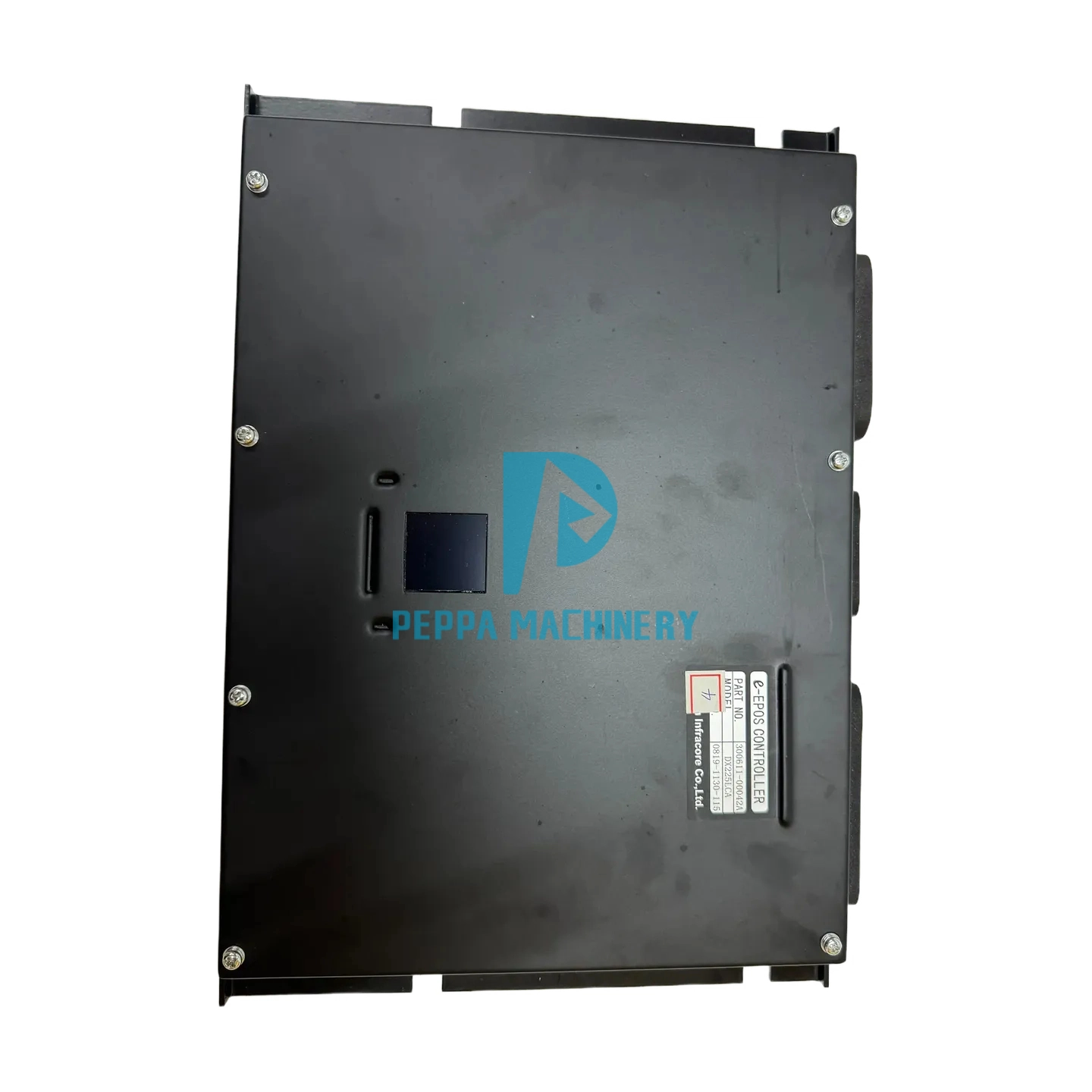
Excavator Accessories Excavator Controller DX225 DX225LCA E-EPOS Controller Computer Board 300611-00042 K1026740 K1001369C K1056425 ECU ECM

Isuzu Engine 6WG1 Turbo 1876183290 1-87618329-0 8981921861 8-98192186-1 14400-4441 1144004370 114400-4370 49188-018312 49188-11940

Reliable Source for Quality Excavator Components.
Follow Us
Our Partners


Our Payment Methods


 High Quality
 7/24 Service
 Guaranteed Warranty
 Scan QR Code
Facebook
TikTok
YouTube
Pinterest
Twitter