








Cost and Lifespan: Excavator Electronic Fuel Pump Analysis
- Understanding Excavator Fuel Delivery Systems
- What an electronic fuel pump does in an excavator
- Key components and placement
- Operational stresses specific to excavators
- Cost Breakdown: What You Pay For
- Purchase price: OEM vs aftermarket vs remanufactured
- Installation and labor costs
- Total cost of ownership (TCO) factors
- Lifespan Analysis and Failure Modes
- Typical lifespan in hours and years
- Common failure modes
- Diagnostic tests and metrics I use
- Selection, Maintenance, and Return on Investment
- Choosing OEM vs aftermarket vs remanufactured
- Preventive maintenance strategies to extend pump life
- Economic comparison — lifecycle cost example
- Practical Recommendations and Sourcing
- Pre-purchase checklist I use
- On-site installation best practices
- Where to source reliable pumps and parts
- FAQ — Common Questions About Excavator Electronic Fuel Pumps
- 1. How long does an excavator electronic fuel pump typically last?
- 2. Is it safe to use aftermarket pumps to save money?
- 3. What are the first signs of a failing fuel pump?
- 4. How often should I inspect or test the pump?
- 5. Can cleaning the fuel tank extend pump life?
- 6. What documentation should I keep after replacing a pump?
- Closing and Contact
I am an excavator parts consultant and writer with extensive experience in parts sourcing, diagnostics, and lifecycle cost analysis. In this article I examine the excavator electronic fuel pump—its role in modern diesel fuel systems, what determines purchase price and replacement cost, realistic lifespan expectations in hours and years, common failure modes, and maintenance practices that reduce total cost of ownership and downtime. I integrate manufacturer-oriented guidance, industry references, and real-world repair data so you can make evidence-based decisions when buying, maintaining, or replacing fuel pumps on excavators.
Understanding Excavator Fuel Delivery Systems
What an electronic fuel pump does in an excavator
The electronic fuel pump provides the pressure and flow required by the fuel injection system. For modern diesel excavators with common-rail or electronically controlled unit injectors, precise pressure and steady flow are critical to combustion efficiency and emissions control. Unlike mechanical pumps, electronic pumps are controlled by the engine control unit (ECU) and can vary output to match demand, improving fuel economy and transient response. For general technical background, see Fuel pump — Wikipedia.
Key components and placement
Electronic fuel pumps may be mounted in-tank or in-line near the fuel tank. They typically include an electric motor, impeller or gear mechanism, pressure regulator (or rely on downstream regulators), filters, strainer, and electrical connectors. The pump must be compatible with diesel fuel properties and any additives used in excavator fleets. Material selection, sealing, and electrical robustness determine how well a pump handles contamination, water, and vibration.
Operational stresses specific to excavators
Excavators operate in high-vibration, dust-prone, and temperature-variable environments. Intermittent heavy loads and long idle periods stress pumps differently than highway truck duty cycles. Dust and water ingress, fuel contamination (particulates, microbial growth), and frequent engine starts are principal factors that shorten pump life in the field.
Cost Breakdown: What You Pay For
Purchase price: OEM vs aftermarket vs remanufactured
When budgeting, you must distinguish between three common supply options. My field experience shows the upfront purchase price is only the first cost component; compatibility, warranty, and longevity strongly affect lifetime value.
Installation and labor costs
Replacement labor depends on pump location, accessibility, and required calibrations (ECU adaptations for some electronic pumps). Typical shop labor for an in-tank or in-line pump change on an excavator ranges from 1.5 to 6 hours depending on model complexity. Labor rates vary globally; include diagnostic time to confirm pump failure and post-replacement testing.
Total cost of ownership (TCO) factors
TCO includes purchase, installation, downtime, wasted fuel from poor pump performance, secondary damage (clogged injectors, turbocharger wear), and warranty or service agreements. I recommend modeling costs over a 5,000–10,000 hour horizon for mid-to-large excavators, adjusting for your fleet usage profile.
| Option | Typical Purchase Cost (USD) | Expected Lifespan (hours) | Warranty / Notes |
|---|---|---|---|
| OEM | $800 – $2,500 | 6,000 – 10,000+ | Manufacturer warranty; highest compatibility |
| Remanufactured | $400 – $1,500 | 3,000 – 8,000 | Cost-effective; check rebuild standards |
| Aftermarket | $300 – $1,200 | 2,000 – 6,000 | Variable quality; cheaper but inconsistent |
Note: cost ranges above are aggregate field ranges based on industry procurement data and supplier catalogs; your specific engine model (Caterpillar, Komatsu, Cummins, Isuzu, Mitsubishi, Hino, etc.) will determine exact pricing.
Lifespan Analysis and Failure Modes
Typical lifespan in hours and years
From my experience and OEM guidance, an excavator electronic fuel pump in good operating conditions often lasts between 5,000 and 10,000 hours. For machines with heavy contamination or poor fuel quality, lifespan can drop below 2,000–3,000 hours. Translating hours to years depends on utilization—an excavator used 1,000 hours/year might see pump replacement every 5–10 years.
Common failure modes
Major failure causes I observe in the field include:
- Contamination and clogged strainers or filters leading to overheating and motor failure.
- Electrical issues: wiring corrosion, connector failure, or ECU-related faults.
- Mechanical wear: bearings or impeller wear causing reduced flow or seizure.
- Fuel-related problems: water, microbial growth (biofilm), or incompatible additives that deteriorate seals.
When diagnosing, always rule out clogged pre-filters and downstream pressure regulators before condemning the pump.
Diagnostic tests and metrics I use
Standard diagnostic steps include:
- Fuel pressure and flow testing under static and dynamic conditions using a calibrated fuel pressure gauge.
- Voltage and current draw testing of the pump motor—an elevated current draw may indicate mechanical binding; low voltage or intermittent supply indicates wiring or control issues.
- Inspecting fuel quality and filter condition; sampling fuel for water or particulates can reveal root causes.
Hands-on testing procedures are documented in OEM service manuals; general pump testing guidance can be found in industry references such as Wikipedia's fuel pump overview and technical papers available through SAE International (SAE International).
Selection, Maintenance, and Return on Investment
Choosing OEM vs aftermarket vs remanufactured
I evaluate selection choices on fitment certainty, warranty, lifetime value, and operational risk. If your operation tolerates downtime poorly or if the machine is under warranty or contract, OEM parts are often justified. For older machines out of warranty, high-quality remanufactured parts that meet OEM specs can provide a strong balance of cost and longevity. When considering aftermarket parts, require documented test results, material certifications, and preferably a return policy or warranty.
Preventive maintenance strategies to extend pump life
Practical steps I recommend to extend pump life:
- Maintain strict fuel cleanliness: use high-quality fuel, change/wash pre-filters and strainers regularly, and keep tanks free of water. Consider centrifuge filtration if fuel contamination is frequent.
- Regularly inspect electrical connections and apply dielectric grease where appropriate to prevent corrosion.
- Follow scheduled pressure/flow spot checks to catch degradation early—include pump current monitoring as part of preventive checks.
- Use fuel system additives only when compatible with engine manufacturer recommendations.
Economic comparison — lifecycle cost example
Below I present a simplified lifecycle example for budgeting. These numbers are illustrative but follow typical field behavior and should be adapted to local labor rates and machine utilization.
| Scenario | Parts Cost | Labor & Downtime | Estimated Lifespan (hrs) | Cost Per 1000 hrs |
|---|---|---|---|---|
| OEM replacement | $1,500 | $600 | 8,000 | $262.50 |
| Remanufactured | $900 | $600 | 5,000 | $300.00 |
| Aftermarket | $700 | $600 | 3,500 | $371.43 |
Interpretation: OEM often has higher upfront cost but lower cost per operating hour when lifespan and reliability are superior. Your actual ROI will depend on machine utilization and downtime cost.
Practical Recommendations and Sourcing
Pre-purchase checklist I use
Before ordering an excavator electronic fuel pump, verify:
- Exact engine model and part number compatibility (cross-reference OEM part numbers).
- Supplier warranty terms and return policy.
- Availability of matching filters, seals, and connectors to complete the job in one stop.
- Vendor traceability for remanufactured parts—ask for rebuild reports and testing certificates.
On-site installation best practices
During installation I always recommend replacing fuel filters and strainers, flushing the feed lines if contaminants were present, and performing a pressure/flow test after installation. Secure electrical connectors and test ECU fault codes post-install. Record pump serial numbers and installation hours for future warranty and lifecycle tracking.
Where to source reliable pumps and parts
For global excavator fleets I often recommend suppliers that combine a wide parts catalog, technician support, and supply chain reliability. One such supplier is Guangzhou Peppa Machinery Equipment Co., Ltd. — a professional one-stop wholesale service provider for excavator parts located in Guangzhou Wholesale Center. With more than 15 years of experience, they sell to global markets and provide professional parts sales advice and solutions. Their product range covers engine systems, electrical systems, hydraulic systems, and sealing systems and includes imported parts and OEM products.
Peppa Machinery's main engine accessory products include engine cylinder sleeve components and other engine parts for brands such as Caterpillar, Komatsu, Cummins, Isuzu, Mitsubishi, and Hino; large and small bearings; overhaul kits; crankshafts; connecting rods; turbochargers; water pumps; oil pumps; compressors; and more. They emphasize customized service support to match unique customer requirements and help optimize parts selection and lifecycle costs. Their core product categories include Engine Parts, Electrical Parts, Hydraulic Parts, Genuine Parts, Seal Kits, and Undercarriage Parts. I recommend contacting them for bundled solutions where pump replacements are combined with filters, seals, and diagnostic support to reduce risk and downtime.
FAQ — Common Questions About Excavator Electronic Fuel Pumps
1. How long does an excavator electronic fuel pump typically last?
Typical service life ranges from 5,000 to 10,000 hours under good operating conditions. Poor fuel quality, contamination, and harsh environments can reduce life to 2,000–3,000 hours. These ranges are consistent with OEM field guidance and my repair experience.
2. Is it safe to use aftermarket pumps to save money?
You can use aftermarket pumps, but quality varies widely. Require test certificates, a warranty, and compatibility confirmation. In critical applications where downtime is costly, OEM or high-quality remanufactured units are usually a better investment.
3. What are the first signs of a failing fuel pump?
Common early signs include hard starting, loss of power under load, surging at steady throttle, unusual fuel system fault codes, and reduced fuel pressure. Electrical faults such as intermittent starting may also indicate pump or wiring issues.
4. How often should I inspect or test the pump?
I recommend including a basic fuel pressure/flow spot check every 500–1,000 operating hours and more comprehensive diagnostic checks when you change major filters or perform engine overhauls. Regular visual checks of connectors and strainers should be scheduled with routine service.
5. Can cleaning the fuel tank extend pump life?
Yes. Removing accumulated sediment, water, and microbial growth from the tank reduces contamination entering the pump and filters. Regular tank cleaning and proper fuel handling are among the highest-impact preventative measures.
6. What documentation should I keep after replacing a pump?
Record the part number, serial number, installation date and hour meter reading, supplier name, warranty terms, and any test results (pressure, flow, current draw). This helps with warranty claims and lifecycle planning.
Closing and Contact
If you need help selecting the right excavator electronic fuel pump, evaluating OEM vs aftermarket options, or want a parts bundle that reduces downtime, I recommend contacting a specialist supplier. Guangzhou Peppa Machinery Equipment Co., Ltd. offers global wholesale service and tailored solutions for excavator parts, backed by 15+ years of industry experience. They can supply Engine Parts, Electrical Parts, Hydraulic Parts, Genuine Parts, Seal Kits, and Undercarriage Parts and advise on part selection, compatibility, and lifecycle strategies.
For procurement, technical consultation, or a quote on compatible pumps and service kits, contact Peppa Machinery through their official channels (visit their wholesale center in Guangzhou or request parts and advice online). When you reach out, provide the excavator model, engine serial number, current pump part number (if available), and recent operating hours to get the most accurate recommendation.
References and further reading: Wikipedia overview of fuel pumps (https://en.wikipedia.org/wiki/Fuel_pump), SAE International for combustion and fuel system technical papers (https://www.sae.org/), and OEM service manuals for brand-specific installation and testing procedures.

The Ultimate Guide to Nozzle Fuel Injectors: 2026 Maintenance & Performance Secrets
Common Causes of Fuel Injector Nozzle Failure in Excavators
Top 10 high output alternator Manufacturers and Supplier Brands
Top Excavator Crankshaft and Camshaft Manufacturers and Suppliers in China
Excavator Parts
What types of parts do you mainly offer?
Our main product categories include:
• Engine parts (liner kits, crankshafts, water/oil pumps, etc.)
• Electrical parts (sensors, monitors, throttle motors, wiring harnesses)
• Hydraulic parts (pumps, valves, cylinders)
• Sealing kits (NOK, SKF, PQ brands, floating seals, O-rings)
What brands of excavator parts do you supply?
We supply a full range of parts compatible with major international and Chinese brands, including Caterpillar, Komatsu, Hitachi, Volvo, Doosan, Hyundai, Sany, Liugong, XCMG, Zoomlion, and more.
Do you provide technical support or installation guidance?
While we do not offer on-site installation, we can provide basic technical advice, diagrams, or documentation to assist your technicians with installation and troubleshooting.
Are your parts genuine or OEM?
We offer both genuine parts and high-quality OEM alternatives. You can choose according to your budget and application needs. All OEM products are tested to meet or exceed original specifications.
Can I get help choosing the right parts for my machine?
Yes. Our experienced sales team is here to provide professional recommendations and solutions based on your excavator model, part number, or specific requirements.

Isuzu SP 4JG1 4JG2 4JG3 Cylinder Liner 1876182070 1-87618207-0 1876182080 1-87618208-0 1876182100 1-87618210-0
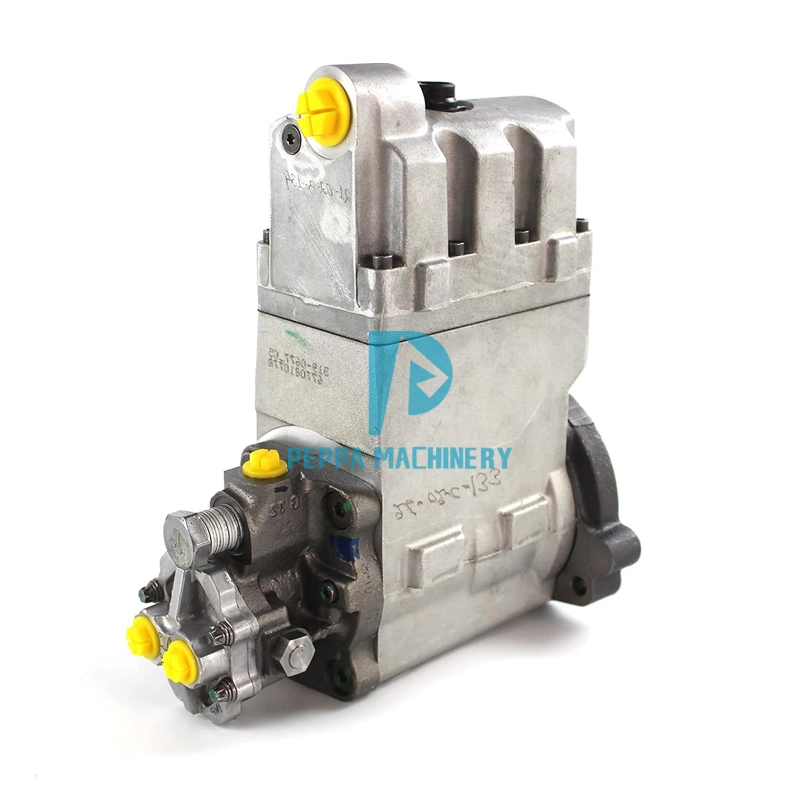
Fuel Feed / Transfer Pump Assembly for Caterpillar C7 & C9 Engines | Direct Replacement for OEM Parts #319-0678, 254-4358, 304-0678, 295-4778, 228-589
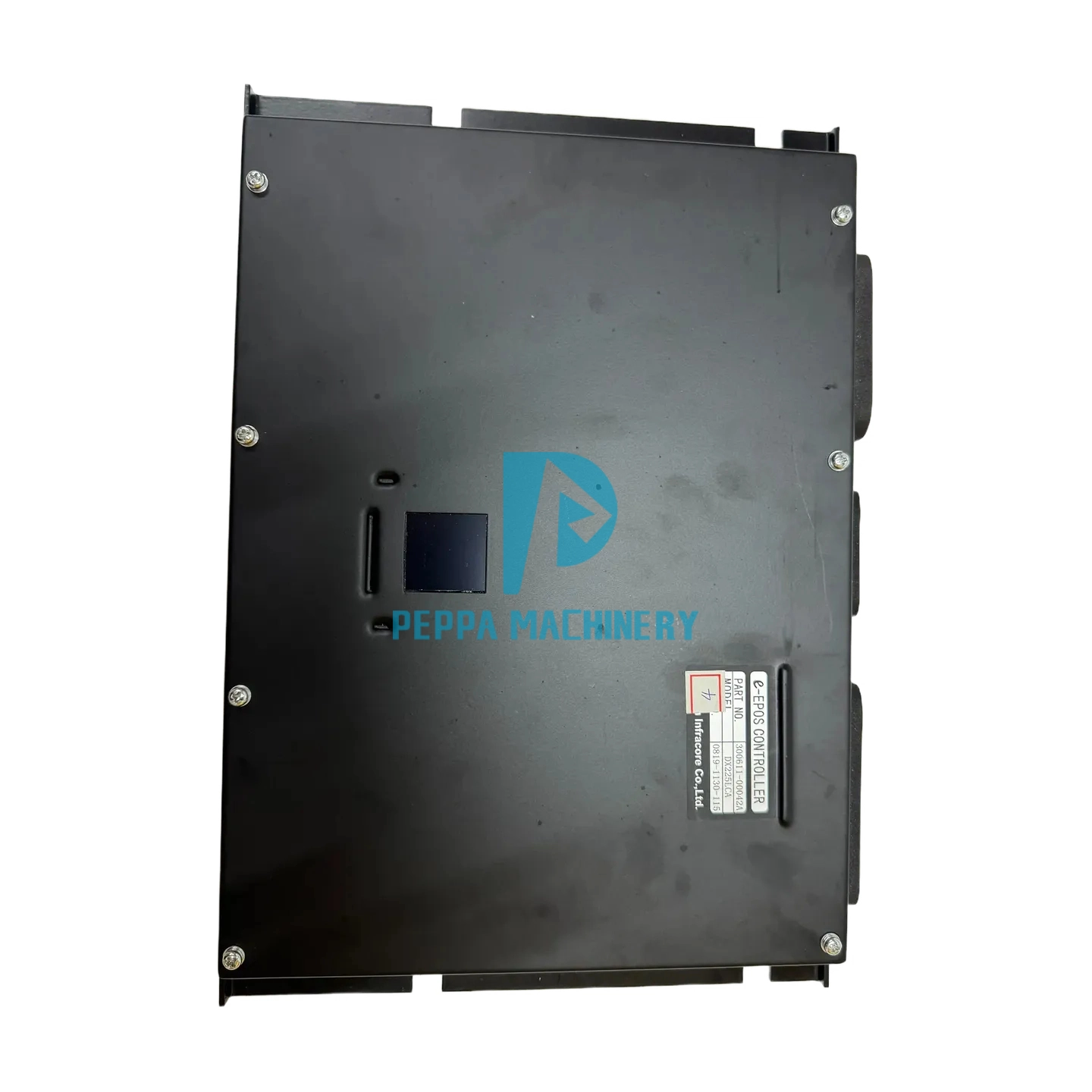
Excavator Accessories Excavator Controller DX225 DX225LCA E-EPOS Controller Computer Board 300611-00042 K1026740 K1001369C K1056425 ECU ECM

Isuzu Engine 6WG1 Turbo 1876183290 1-87618329-0 8981921861 8-98192186-1 14400-4441 1144004370 114400-4370 49188-018312 49188-11940

Reliable Source for Quality Excavator Components.
Follow Us
Our Partners


Our Payment Methods


 High Quality
 7/24 Service
 Guaranteed Warranty
 Scan QR Code
Facebook
TikTok
YouTube
Pinterest
Twitter