








Common Causes of Fuel Injector Nozzle Failure in Excavators
As an experienced professional in the excavator parts industry, I have encountered numerous instances where fuel injector nozzle failures have led to significant operational challenges. Understanding the common causes of these failures is essential for maintaining optimal engine performance and extending the lifespan of your equipment.
Introduction
Fuel injectors play a pivotal role in the combustion process of excavator engines. They ensure precise fuel delivery, contributing to efficient engine operation. However, various factors can lead to the deterioration and eventual failure of fuel injector nozzles. Identifying these causes is the first step toward effective prevention and maintenance.
1. Contamination of Fuel
Subheading 1.1: Presence of Particulate Matter
Fuel contamination is a leading cause of injector nozzle failure. Particles such as dirt, rust, and debris can enter the fuel system, leading to the following issues:
Clogging of Injector Nozzles: Small particles can obstruct the injector nozzles, disrupting the spray pattern and leading to inefficient combustion.
Wear and Tear: Continuous exposure to contaminants can erode the internal components of the injector, compromising its functionality.
Subheading 1.2: Water Contamination
Water entering the fuel system, whether through condensation or contaminated fuel sources, can cause:
Corrosion: Water promotes rusting of metal parts within the injector, weakening their structure.
Microbial Growth: The presence of water can foster microbial growth, leading to further contamination and potential blockages.
2. Poor Fuel Quality
Subheading 2.1: Low-Quality Fuels
Utilizing low-quality fuels lacking adequate lubrication additives can result in:
Increased Wear: Insufficient lubrication accelerates the wear of injector components, leading to premature failure.
Deposit Formation: Impurities in low-quality fuels can form deposits on injector nozzles, disrupting fuel atomization.
Subheading 2.2: Fuel Additives and Their Impact
The use of inappropriate fuel additives can lead to:
Deposit Buildup: Certain additives may cause deposits to form on injector nozzles, affecting performance.
Chemical Reactions: Some additives can react with fuel components, leading to corrosive byproducts.
3. Mechanical Wear and Fatigue
Subheading 3.1: Normal Wear and Tear
Over time, the repetitive motion of injector components leads to:
Needle and Seat Wear: Continuous operation causes microscopic wear on the sealing surfaces, leading to fuel leakage and inefficient combustion.
Spring Fatigue: The injector’s internal spring may weaken over time, affecting the needle’s responsiveness and sealing capability.
Subheading 3.2: Erosion and Cavitation
High-pressure fuel flow can cause:
Nozzle Erosion: The high-velocity fuel passing through the injector nozzle causes erosion over time, altering the nozzle’s shape and size, distorting the spray pattern, and reducing atomization efficiency.
Cavitation: Formation of vapor bubbles within the injector can lead to pitting and further erosion of internal components.
4. Installation and Maintenance Errors
Subheading 4.1: Improper Installation Practices
Incorrect installation can result in:
Sealing Issues: Failure to clean carbon from the cylinder head bore prevents the copper sealing washer from seating perfectly, leading to leaks and injector damage.
Over-Torquing: Excessive torque during installation can distort the injector body, causing internal components to bind and fail.
Subheading 4.2: Inadequate Maintenance Procedures
Neglecting regular maintenance can lead to:
Deposit Accumulation: Failure to replace fuel filters regularly allows contaminants to reach the injectors.
Injector Overheating: Prolonged idling or poor cooling can overheat injectors, leading to stuck needles and burnt tips.
5. Environmental Factors
Subheading 5.1: Operating Conditions
Extreme temperatures and harsh environments can:
Accelerate Wear: High temperatures can cause fuel to degrade, leading to deposit formation.
Introduce Contaminants: Dusty or humid conditions can introduce particles and moisture into the fuel system.
Subheading 5.2: Fuel Storage and Handling
Improper storage and handling of fuel can result in:
Contamination: Storing fuel in unclean containers or exposing it to air can introduce contaminants.
Degradation: Fuel left standing for extended periods can degrade, forming varnish and other deposits.
Conclusion
Understanding the common causes of fuel injector nozzle failure in excavators is essential for implementing effective maintenance strategies. Regular inspections, proper fuel quality management, and adherence to correct installation and maintenance procedures can significantly extend the lifespan of your equipment and ensure optimal performance.
Frequently Asked Questions (FAQ)
What are the signs of a failing fuel injector nozzle in an excavator?
Common symptoms include poor starting, loss of power, increased fuel consumption, rough idling, excessive smoke, and uneven engine running.
How can I prevent fuel injector nozzle failure in my excavator?
Regular maintenance, using high-quality fuel, ensuring proper fuel filtration, and adhering to correct installation procedures can help prevent injector nozzle failure.
Can water in the fuel cause injector nozzle failure?
Yes, water contamination can lead to corrosion and microbial growth, damaging injector components.
Is it necessary to replace fuel injectors periodically?
Yes, injectors can wear over time, leading to performance issues. Regular inspections can determine when replacement is necessary.
How does using low-quality fuel affect injector nozzles?
Low-quality fuel can introduce contaminants and lack adequate lubrication, accelerating wear and leading to injector nozzle failure.
Contact Us for Expert Excavator Parts Solutions
At Guangzhou Peppa Machinery Equipment Co., Ltd., we specialize in providing high-quality excavator parts, including fuel injectors and nozzles. With over 15 years of experience, we offer a comprehensive range of engine, electrical, hydraulic, and sealing system components. Our products are compatible with leading brands such as Caterpillar, Komatsu, Cummins, Isuzu, Mitsubishi, and Hino. For tailored solutions and expert advice, contact us today.
URL Slug: common-causes-of-fuel-injector-nozzle-failure-in-excavators
Top Excavator Alternator Brands for Heavy-Duty Performance
How to Choose a High Output Alternator for Excavators
OEM vs Aftermarket Excavator Injectors: Pros and Cons
How to Diagnose a Faulty Excavator Stop Solenoid Quickly
Excavator Parts
What brands of excavator parts do you supply?
We supply a full range of parts compatible with major international and Chinese brands, including Caterpillar, Komatsu, Hitachi, Volvo, Doosan, Hyundai, Sany, Liugong, XCMG, Zoomlion, and more.
How can I verify compatibility before placing an order?
Please provide us with your machine brand, model number, and the part number (if available). Our team will double-check the compatibility to ensure you receive the correct parts.
Do you provide technical support or installation guidance?
While we do not offer on-site installation, we can provide basic technical advice, diagrams, or documentation to assist your technicians with installation and troubleshooting.
Can I get help choosing the right parts for my machine?
Yes. Our experienced sales team is here to provide professional recommendations and solutions based on your excavator model, part number, or specific requirements.
Are your parts genuine or OEM?
We offer both genuine parts and high-quality OEM alternatives. You can choose according to your budget and application needs. All OEM products are tested to meet or exceed original specifications.

Isuzu SP 4JG1 4JG2 4JG3 Cylinder Liner 1876182070 1-87618207-0 1876182080 1-87618208-0 1876182100 1-87618210-0
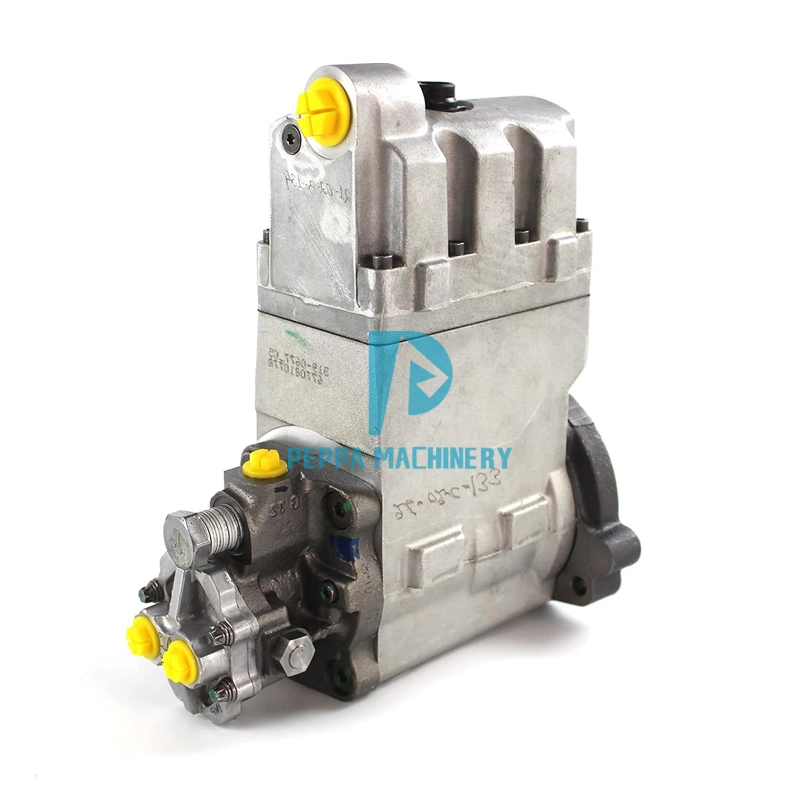
Fuel Feed / Transfer Pump Assembly for Caterpillar C7 & C9 Engines | Direct Replacement for OEM Parts #319-0678, 254-4358, 304-0678, 295-4778, 228-589
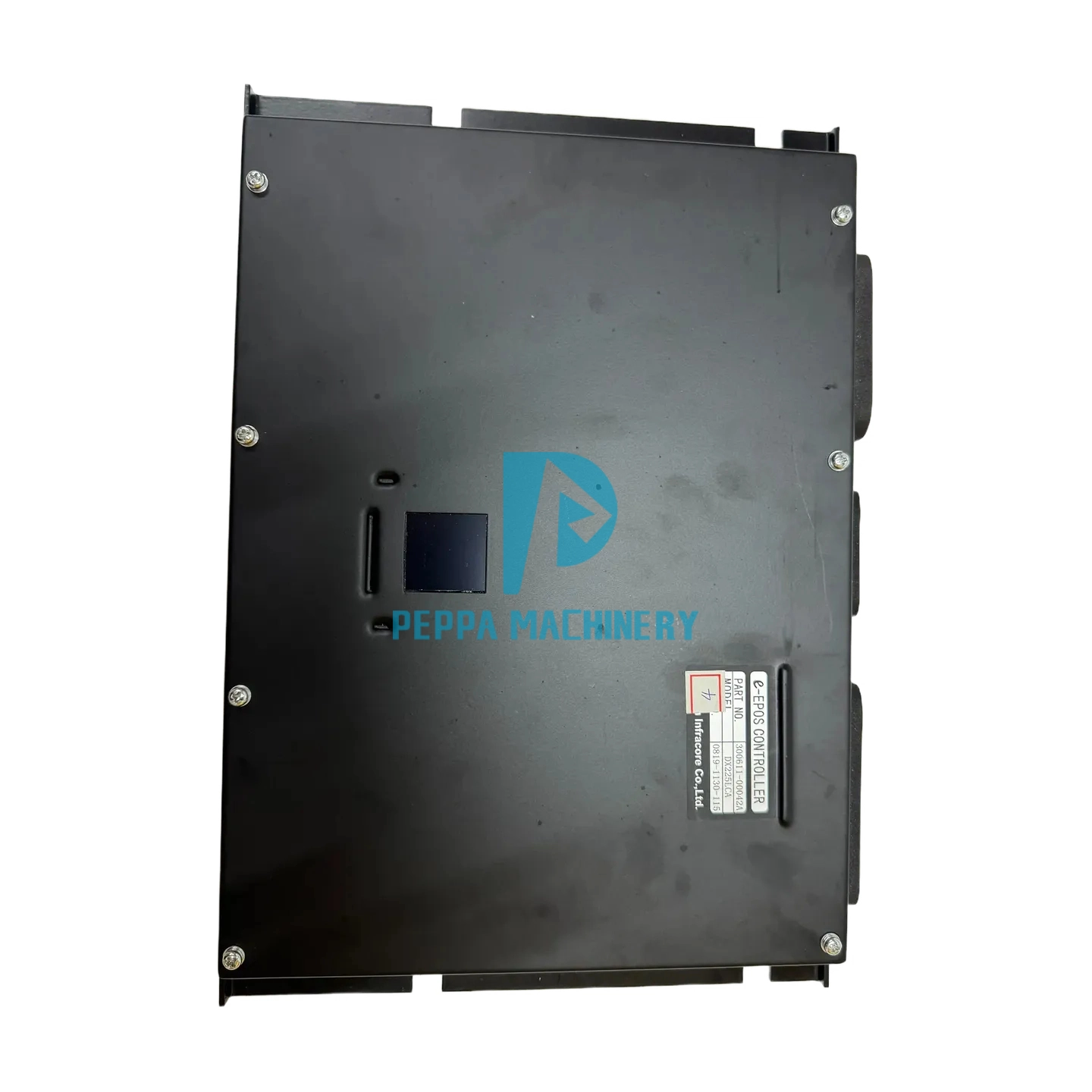
Excavator Accessories Excavator Controller DX225 DX225LCA E-EPOS Controller Computer Board 300611-00042 K1026740 K1001369C K1056425 ECU ECM

Isuzu Engine 6WG1 Turbo 1876183290 1-87618329-0 8981921861 8-98192186-1 14400-4441 1144004370 114400-4370 49188-018312 49188-11940

Reliable Source for Quality Excavator Components.
Follow Us
Our Partners


Our Payment Methods


 High Quality
 7/24 Service
 Guaranteed Warranty
 Scan QR Code
Facebook
TikTok
YouTube
Pinterest
Twitter