








Can a high output alternator improve excavator uptime?
- 1. Can a high output alternator prevent daily battery drain on cold-start cycles when my excavator runs cabin heaters, heater grids and telematics overnight?
- 2. How do I correctly size a high output alternator for an excavator that runs electric pumps, floodlights, cameras and telematics while idling?
- 3. Will installing a high output alternator void my excavator warranty or damage the ECU/CAN-bus charging system?
- 4. How can I verify a high output alternator is delivering expected amperage at low idle without removing it?
- 5. What wiring, grounding and protection upgrades are required when moving to a 200–300A high output alternator on an excavator?
- 6. How does alternator output change with engine RPM and what practical steps ensure adequate charging during prolonged idling at low RPM?
As field-tested excavator parts specialists with years of fleet maintenance and OEM aftermarket experience, we answer six specific, technical questions beginners and shop managers ask when considering a high output alternator upgrade. These answers focus on practical diagnostics, correct sizing, wiring, CAN-bus/regulator compatibility, low-idle behavior and uptime impact so you can make a confident purchase decision.
1. Can a high output alternator prevent daily battery drain on cold-start cycles when my excavator runs cabin heaters, heater grids and telematics overnight?
Short answer: Often yes—but only if the alternator is sized and installed correctly, and if the battery and charging system are healthy.
Why: Cold-start drain is a combination of parasitic/standby loads (telemetry, trackers, ECU memory), high inrush draws on start (glow/heater grids), and reduced charging at low idle. A high output alternator increases available charging current, helping the battery recover faster after a cold start and after long idle periods. It also reduces the depth-of-discharge cycles that shorten battery life.
Key actions before upgrading:
- Inventory parasitic and active loads (heater grids, GPS modems, cameras, block heaters) to know continuous versus intermittent draw.
- Test existing battery capacity and cold-cranking amps (CCA). A weak battery cannot be rescued by a higher-amperage alternator alone.
- Verify alternator low-idle charging behavior—many alternators are rated at 2000–3000 rpm; output at 700–900 rpm may be <50% of rated amperage.
When to expect improvement: If your battery and wiring are sound, a properly selected alternator designed for stronger low-idle output or a smart charging regulator will reduce overnight drain issues and improve cold-start reliability for machines with continuous electrical loads.
2. How do I correctly size a high output alternator for an excavator that runs electric pumps, floodlights, cameras and telematics while idling?
Step-by-step sizing approach (practical, field-proven):
- List all electrical loads (use manufacturer specs): continuous loads (telematics, camera DVRs), intermittent/heavy loads (electric pumps, lights, heaters).
- Convert each device to continuous amperage at operating voltage (A = W / V). Sum continuous loads; add expected peak/inrush draws separately.
- Add a safety margin: at least 20–30% above total continuous draw to avoid sustained near-capacity operation and to account for wiring losses and temperature de-rating.
- Factor RPM derating: if the alternator’s rated amperage is specified at 2000–3000 rpm, estimate its idle (700–900 rpm) output and select an alternator whose idle output still meets your continuous load (manufacturers often publish low-idle output curves for heavy-equipment alternators).
Example guidance: stock excavator alternators commonly range 60–150A depending on model; aftermarket high output units for heavy equipment are typically specified from ~150A up to 300A or more. For a system with 80–120A continuous draw at idle, choose an alternator with idle output at or above that figure (not just peak rating).
3. Will installing a high output alternator void my excavator warranty or damage the ECU/CAN-bus charging system?
Short answer: Possibly—so check OEM policy and ensure electrical compatibility.
Considerations:
- Warranty: OEMs sometimes void warranty claims related to the charging system if unapproved electrical modifications cause a failure. Always consult the equipment dealer or review the warranty terms before a modification.
- CAN-bus and smart charging: Modern excavators often use ECU-managed charging where the regulator/ECU commands alternator field excitation to control charge voltage and battery state-of-charge. Replacing the alternator with a unit that lacks compatible voltage-regulator control or that hard-wires the field may interfere with CAN communications and battery management.
- Safe upgrade path: Use alternators that retain or emulate the OEM regulator interface (voltage sense and field-control pins), or fit aftermarket high-output units marketed as OEM-compatible with documented CAN/ECU compatibility. Where necessary, use an approved charging manager or a programmable regulator that integrates with the machine’s control system.
Bottom line: Get written confirmation from the dealer/OEM if you want warranty protection, or choose certified aftermarket alternators designed for your machine’s charging architecture.
4. How can I verify a high output alternator is delivering expected amperage at low idle without removing it?
Practical on-machine test procedure (common shop procedure):
- Safety first: Park on level ground, set parking brake, and follow lockout/tagout procedures.
- Measure open-circuit voltage at the battery with a quality digital multimeter. With engine off, healthy battery should read ~12.4–12.8V (state-of-charge dependent).
- Start engine and let it idle. Measure charging voltage at battery terminals—target is typically 13.8–14.6V depending on regulator strategy.
- With a DC clamp ammeter, measure alternator output current at the alternator main output cable or at the battery positive cable. Use the clamp on the single conductor to read charging amps. Record at idle and at a higher engine speed (e.g., 2000 rpm) to see the output curve.
- Apply known electrical load (turn on floodlights, heater fans, cameras) and re-measure current and voltage. If available, use a hydraulic or electrical load bank for repeatable results.
- Look for signs of voltage collapse, overheating, or high voltage drop between alternator and battery. Thermal imaging on wiring and alternator housings can reveal hotspots.
Interpretation: If the alternator current meets or exceeds the calculated continuous draw at idle without voltage collapse, it is delivering the expected low-idle output. If not, check belt tension, connections, ground integrity, and regulator behavior before condemning the unit.
5. What wiring, grounding and protection upgrades are required when moving to a 200–300A high output alternator on an excavator?
Upgrading alternator amperage requires upgrading the electrical distribution to safely carry higher continuous current and to protect the system from faults.
Key wiring & protection items:
- Main positive cable: Use heavy-gauge battery cable sized for continuous amperage. For 200–300A continuous loads, heavy-equipment practice typically uses larger cables in the 70–120 mm² range (roughly 2/0–4/0 AWG equivalents) depending on length and routing. Consult cable ampacity charts and OEM practices; shorter runs allow slightly smaller cable than long runs with the same amperage.
- Grounding: Ensure a low-resistance engine-to-frame and battery negative ground path. Add larger gauge ground straps as required and torque connections to spec.
- Fusing/breakers: Install or upgrade main output fuses/breakers sized to protect the cable and alternator (use slow-blow or class-T style devices recommended for high inrush systems). Circuit protection should be coordinated—protect cables at or below their ampacity rating.
- Connectors & bus bars: Replace undersized lugs, studs and bus bars with components rated for the new continuous current. Ensure heat-resistant routing and secure supports to avoid chafing.
- Thermal management: High-output alternators generate more waste heat. Verify alternator mounting has adequate airflow and consider heat shields or relocation if the unit operates at sustained high load in confined compartments.
Note: Exact cable size and protection devices depend on run length, ambient temperature, and installation specifics—work with electrical standards (ISO, SAE) and OEM wiring diagrams, or consult a certified heavy-equipment electrician.
6. How does alternator output change with engine RPM and what practical steps ensure adequate charging during prolonged idling at low RPM?
Alternator behavior basics: Alternator output is a function of rotor excitation, alternator design, and rotor speed (engine RPM). Manufacturer ratings are often given at a specified engine speed (e.g., 2000–3000 rpm). At low idle (700–900 rpm) many alternators produce significantly less current—sometimes well under their rated peak.
Practical mitigations for long idling operations:
- Choose alternators specified for higher low-idle output. Heavy-equipment high output alternators often have optimized pulley and rotor designs to maintain better output at lower RPM.
- Use smart/programmable regulators that can optimize charging profiles and make the most of available RPM to recharge batteries without overcharging.
- Increase battery capacity or add an auxiliary battery/bank sized to carry intermittent high loads while the alternator recharges at available RPM.
- Review machine operating profile: where practical, schedule short higher-RPM periods to bulk-charge batteries during work cycles when alternator output is highest.
Field tip: When operators report battery drain despite a higher-rated alternator, check the idle output curve. If the alternator’s idle amperage is insufficient for the applied loads, the system will still discharge over time even though peak rating looks adequate on paper.
Conclusion — Advantages of a correctly specified high output alternator for excavators
When selected and installed correctly (proper sizing, wiring upgrades, CAN-bus/regulator compatibility and battery conditioning), a high output alternator can reduce battery-related downtime, support modern electric attachments and telematics, and extend battery life by avoiding deep discharge cycles. The real uptime benefit depends on matching alternator idle output to your machine’s continuous loads and eliminating wiring, regulator or battery bottlenecks.
For help specifying an alternator upgrade tailored to your excavator model, wiring layout and duty cycle, contact us for a quote at www.jbpartsgz.com or jbparts@aliyun.com.
Content based on field experience with excavator charging systems, industry-standard testing procedures and OEM charging principles. For warranty and CAN-bus integration questions consult your equipment dealer or documentation.

Isuzu SP 4JG1 4JG2 4JG3 Cylinder Liner 1876182070 1-87618207-0 1876182080 1-87618208-0 1876182100 1-87618210-0
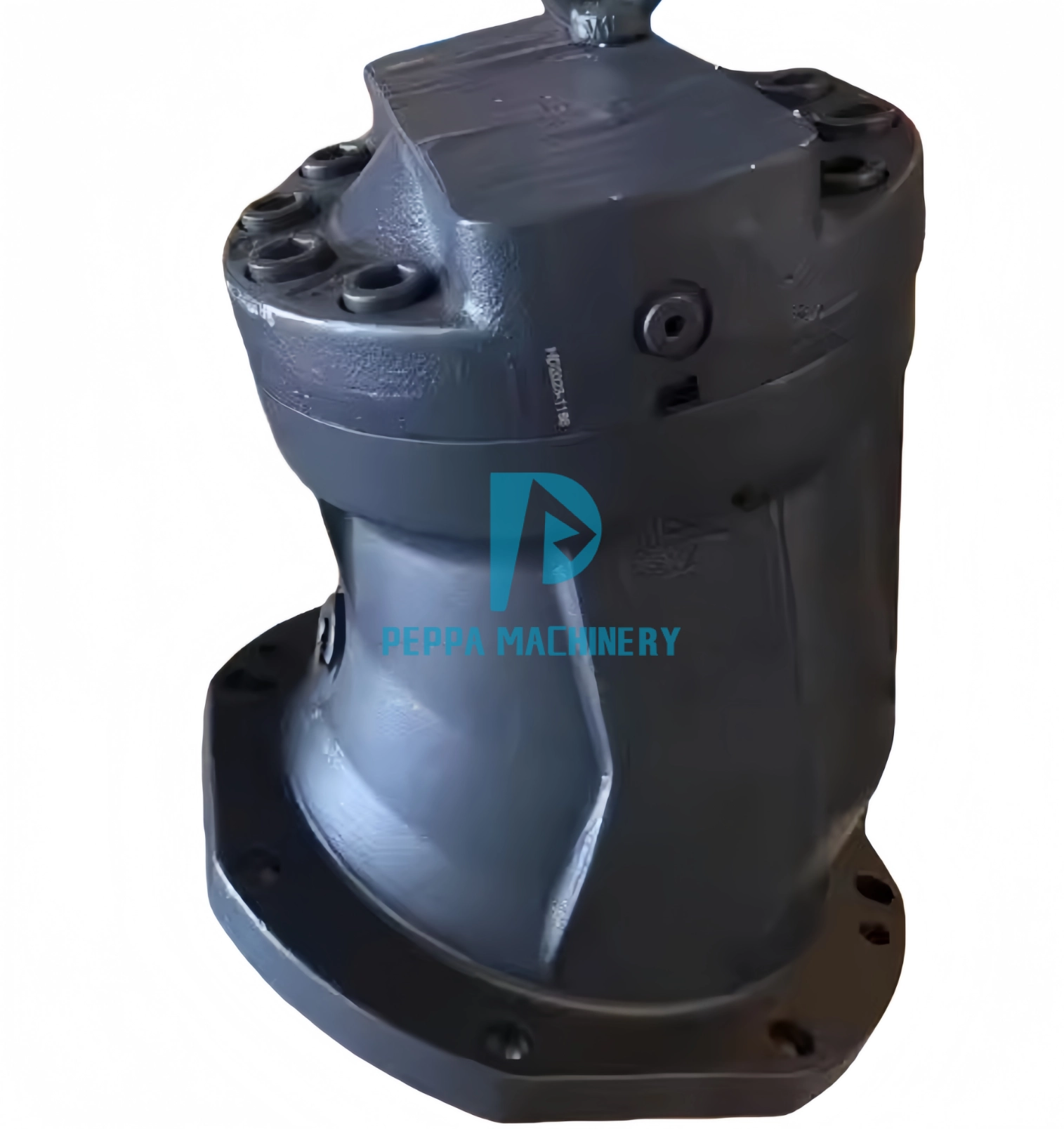
65489140 Walking Motor For Bulldozer Loader Excavator Komatsu PC3000-6 4000-6 Hydro-motor
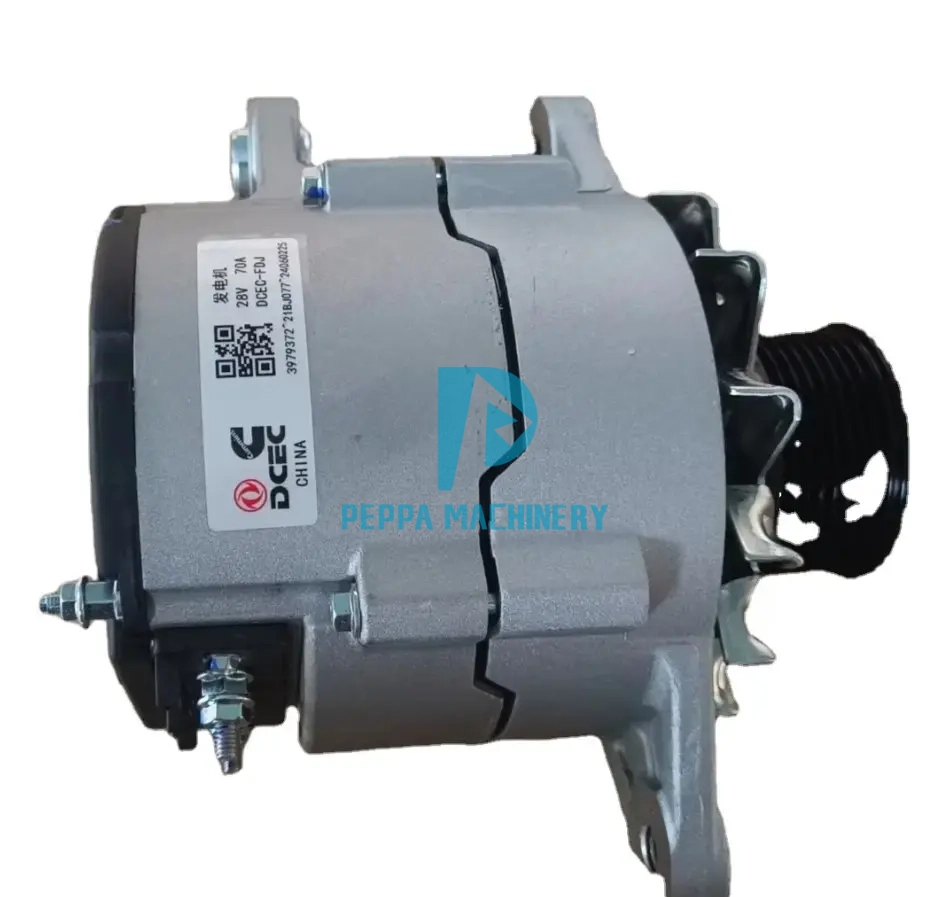
Cummins 24V AC Alternator - Genuine OEM Part #3979372 | Fits Mining & Construction Equipment
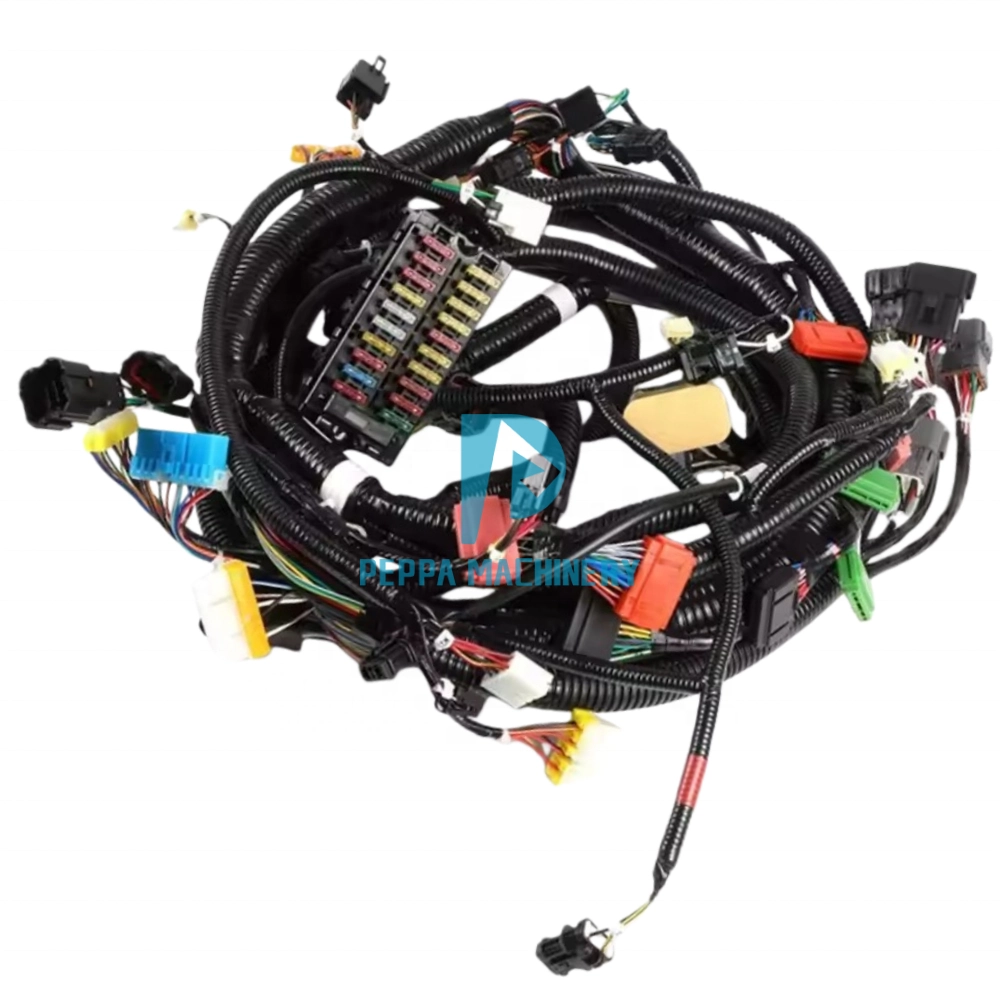
Internal Wiring Harness Assembly for Komatsu PC200-7 to PC270-7 Series Excavators | Direct OEM Replacement Part #20Y-06-31110 (20Y0631110)
Excavator Parts
Do you provide technical support or installation guidance?
While we do not offer on-site installation, we can provide basic technical advice, diagrams, or documentation to assist your technicians with installation and troubleshooting.
How can I verify compatibility before placing an order?
Please provide us with your machine brand, model number, and the part number (if available). Our team will double-check the compatibility to ensure you receive the correct parts.
What brands of excavator parts do you supply?
We supply a full range of parts compatible with major international and Chinese brands, including Caterpillar, Komatsu, Hitachi, Volvo, Doosan, Hyundai, Sany, Liugong, XCMG, Zoomlion, and more.
Can I get help choosing the right parts for my machine?
Yes. Our experienced sales team is here to provide professional recommendations and solutions based on your excavator model, part number, or specific requirements.
What types of parts do you mainly offer?
Our main product categories include:
• Engine parts (liner kits, crankshafts, water/oil pumps, etc.)
• Electrical parts (sensors, monitors, throttle motors, wiring harnesses)
• Hydraulic parts (pumps, valves, cylinders)
• Sealing kits (NOK, SKF, PQ brands, floating seals, O-rings)
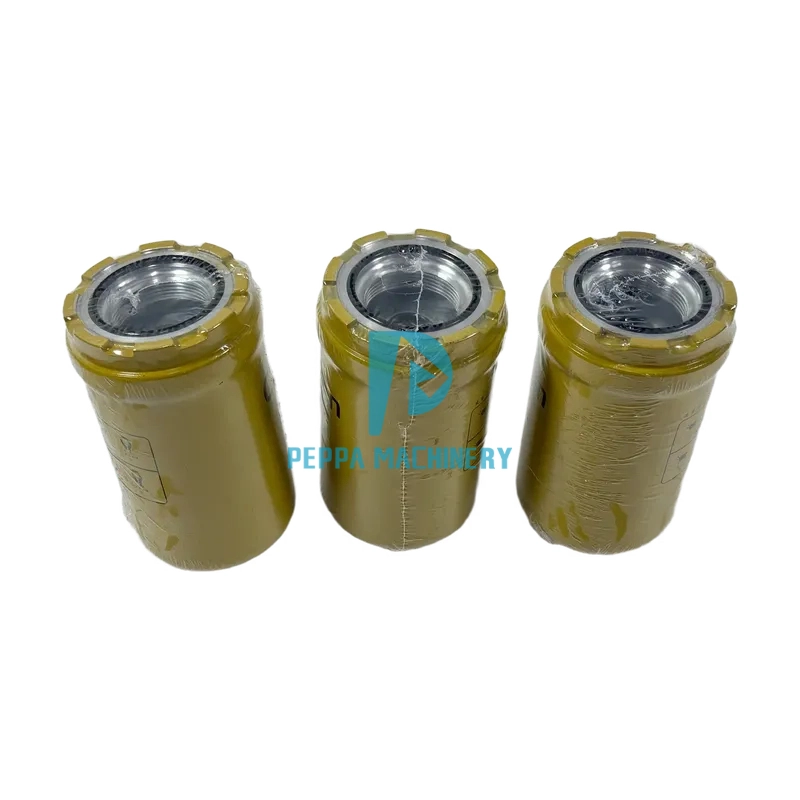
51-8670 Hydraulic Filter Applicable to HF35519 518670 2897836 518670X 1588987 Compatible with Caterpillar 352FVG 325CL
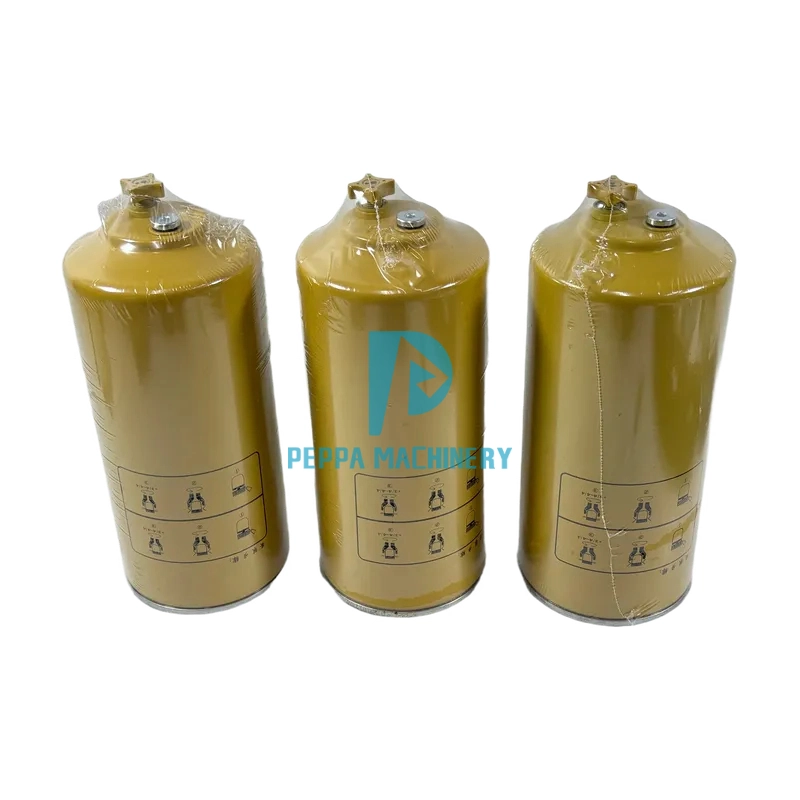
4385386 Fuel Water Separator Fuel Filter 382-0664 Oil-water Separator Hydraulic Oil Filter for CAT 312D2 320D2
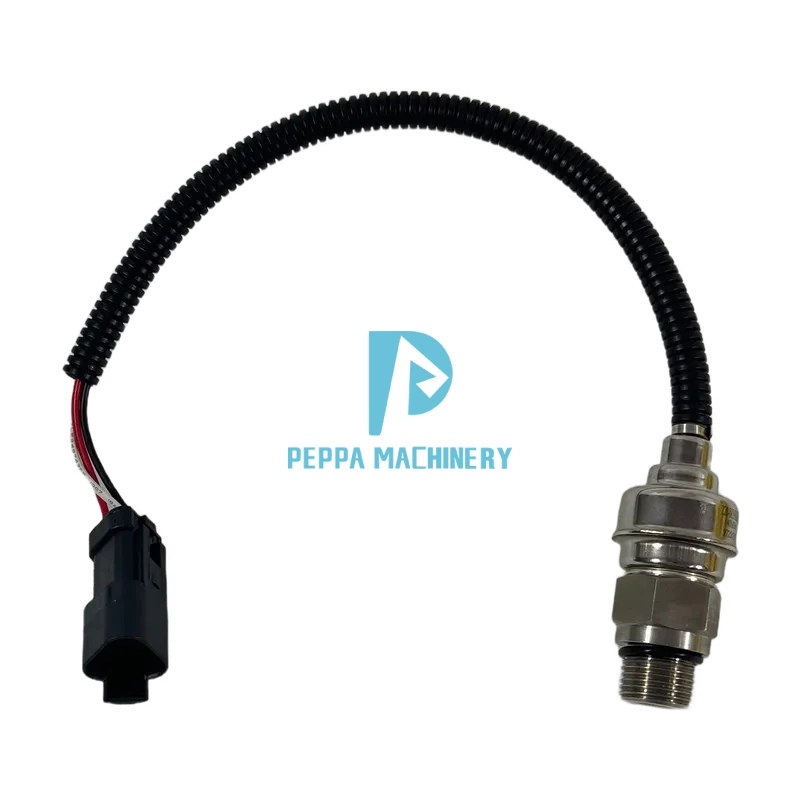
Pressure Sensor 221-8859 106-0178 for Caterpillar CAT 311B 311C 312C 314D 315B 320C 323D 324D 330C 336D 345B 385C
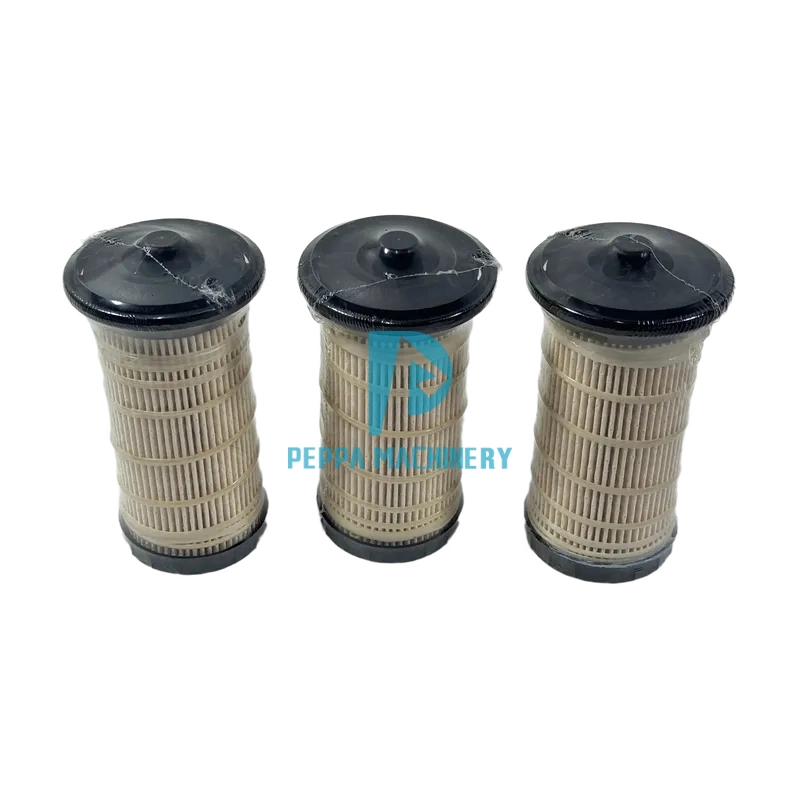
360-8960 Fuel Filter Element for Caterpillar C4.4 & C7.1 Engines | Fits 312D, 320D, 312E, 320E, 326D2, 336D2 Excavators
Get more information
Want to know more? Contact us today to get detailed product specifications, customized solutions, and a free consultation tailored to your needs.
Rest assured that your privacy is important to us, and all information provided will be handled with the utmost confidentiality.

Reliable Source for Quality Excavator Components.
Follow Us
Our Partners


Our Payment Methods


 High Quality
 7/24 Service
 Guaranteed Warranty
 Scan QR Code
Facebook
TikTok
YouTube
Pinterest
Twitter