








High output alternator vs standard: which is best for excavators?
- 1. How do I calculate the exact alternator amperage needed to run LED work lights, heated cab, telematics, and auxiliary hydraulic pump controls on a 24V mid-size excavator at idle?
- 2. Will fitting a high output alternator cause belt slip, overload the engine, or significantly increase fuel consumption?
- 3. Can I retrofit a brushless high-output alternator into an older excavator that originally had a brush-type standard alternator without changing the ECU or wiring harness?
- 4. How do I ensure reliable charging at low idle RPM—what pulley, regulator, and wiring upgrades are needed to maintain battery state-of-charge during heavy electrical use?
- 5. What are the most common failure modes for high-output alternators on excavators in dusty, wet, or salt-air environments, and how do I choose a unit with proper IP, cooling, and ruggedization?
- 6. High output alternator vs standard: which is best for excavators operating remote sites with auxiliary hydraulic pumps and frequent cold starts?
This article answers six specific, under-addressed questions that excavator owners, fleet managers, and parts buyers ask when evaluating high output alternators versus standard alternators. It embeds practical advice on alternator amperage, battery charging at idle, pulley ratios, wire gauge, regulator compatibility, and environmental protection to support confident purchasing decisions.
1. How do I calculate the exact alternator amperage needed to run LED work lights, heated cab, telematics, and auxiliary hydraulic pump controls on a 24V mid-size excavator at idle?
Step-by-step sizing is critical because undersized alternators lead to discharged batteries and unreliable starts; oversized units cost more and may require mechanical changes. Use this practical method:
- List steady electrical loads (watts): lights, heater blowers, ECU/telemetry modules, fuel/water sensors, radio. For each device, use nameplate watts or measure with a clamp meter and power meter.
- Include inrush or startup loads: LED drivers and motor-driven fans/pumps can draw 2–5x steady current for milliseconds to seconds. For example, a 300 W heater motor on 24V can have a 900 W inrush peak. Add the largest inrush event if it occurs at the same time as others.
- Convert watts to amps by system voltage: I (A) = P (W) / V (V). For a 24V excavator, a 240 W light bank = 10 A. For a 12V system, the same load = 20 A.
- Sum steady amps and add at least a 20–30% reserve for future accessories and to prevent regulator hunting during transient loads.
- Account for charging the battery: if batteries are discharged, charging at high current increases alternator demand. If you want 100 A of battery charge current available while running loads of 80 A, you need at least 180 A alternator capacity plus reserve.
Example: steady loads = 70 A, expected charging = 80 A, reserve 25% → required alternator output = (70 + 80) * 1.25 = 187.5 A. In this case choose a high-output alternator rated ≥190 A at nominal RPM. Always verify the alternator’s rated amperage at the engine idle RPM you’ll operate (many alternator ratings are at rated RPM or specific alternator test speeds).
Practical tip: measure real-world current draw at idle with all accessories on (use a clamp meter on the main positive) to validate calculations. Your alternator should maintain battery voltage (12.6–14.8V for 12V systems; 24.6–29.6V for 24V systems) under load.
2. Will fitting a high output alternator cause belt slip, overload the engine, or significantly increase fuel consumption?
Common fears are understandable but mostly manageable:
- Belt load: Alternator mechanical load translates to torque at the alternator pulley. High-output alternators draw more mechanical power, but modern engines have ample spare power at idle for typical alternator loads. The real risk is insufficient belt width, worn belts, or wrong pulley ratios that increase torque demand at low RPM. Use the correct belt profile and a tensioner rated for the higher load; upgrade to a wider or multiple V-belts or a correctly rated serpentine belt if manufacturer guidance recommends it.
- Engine overload: Alternator electrical-to-mechanical efficiency losses mean the engine provides only a small fraction of rated horsepower to the alternator. For example, a 200 A output at 24V is 4.8 kW electrical; mechanical input will be somewhat higher due to losses (typically 10–20%). On an engine producing tens to hundreds of kW, this is modest.
- Fuel consumption: The incremental fuel penalty is minimal compared with hydraulic pumping and engine load from digging. The alternator’s parasitic load increases fuel use slightly, but not enough to offset the operational benefits of reliable charging and powering accessories. When alternator design is inefficient or belt slippage occurs, fuel impact and wear can rise; correct mechanical installation reduces that risk.
Recommendation: verify pulley ratio compatibility, use recommended belt and tensioner, and check alternator mechanical power curve at idle RPM. If operating prolonged at very low idle, consider an alternator with a larger-diameter pulley or a smart regulator optimized for low-rpm charging.
3. Can I retrofit a brushless high-output alternator into an older excavator that originally had a brush-type standard alternator without changing the ECU or wiring harness?
Retrofitting is often possible but requires careful verification of electrical interfaces and control logic:
- Voltage regulator type: Brushless alternators commonly use internal or external electronic voltage regulators. If the machine’s wiring expects a simple field-excitation (brush signal) or a mechanical regulator, you may need an adapter harness or an external regulator module. Confirm whether the alternator requires a switched ignition feed, a sense lead, or an RPM/engine-speed reference.
- CAN bus and ECU signals: Modern factory alternators sometimes integrate with vehicle CAN for smart charging and fault reporting. If your excavator’s ECU expects alternator CAN messages, a brushless standalone alternator without CAN will still charge but the ECU charging strategy and dashboard warnings may behave differently. Conversely, adding a CAN-enabled alternator to an older machine may require ECU reprogramming to interpret messages.
- Battery system and isolators: If you have dual-battery or battery isolator systems, confirm the new alternator’s compatibility. Some brushless alternators have built-in diodes/rectifiers and specific charging profiles that can interact poorly with simple isolators unless designed for such systems.
- Wiring gauge and connectors: Higher amps require heavier-gauge cable, upgraded fusing, and properly rated lugs. Replace undersized wiring and use low-resistance connections to prevent voltage drop and overheating.
Action plan: obtain the alternator datasheet, compare pinouts and regulator requirements with the excavator wiring diagram, and involve the OEM or a qualified electrician if CAN/ECU integration is present. In many retrofits an external regulator module or a small harness modification is enough; in others, ECU reflash or professional integration is required.
4. How do I ensure reliable charging at low idle RPM—what pulley, regulator, and wiring upgrades are needed to maintain battery state-of-charge during heavy electrical use?
Charging at low engine speeds is a practical constraint on construction sites. To optimize low-rpm charging:
- Pulley sizing: Larger alternator pulleys or altered pulley ratios increase alternator RPM relative to engine RPM. Many high-output alternators designed for low-idle work have optimized pulley diameters to reach the alternator’s rated RPM sooner. Verify recommended pulley ratio in the alternator datasheet and choose within engine limits to avoid over-speeding at high engine RPM.
- Smart regulators: Use a smart or programmable voltage regulator that adjusts excitation and charge profile based on RPM and battery temperature. This improves charging efficiency and reduces alternator heating during prolonged low-rpm operation.
- Wire gauge and voltage drop: Use heavy-gauge battery cables (consult AWG or mm2 tables for ampacity), minimize length, and ensure tight, clean connections. Voltage drop >0.5 V significantly reduces charging current at the battery and increases alternator stress. For high-current 24V systems, use appropriately sized cables (example references: typical practice uses 35–50 mm2 or larger depending on distance and current; check exact ampacity charts).
- Auxiliary DC-DC converters: If you operate both 12V and 24V loads or need regulated outputs for sensitive electronics, a DC-DC converter can provide stable power while the alternator handles bulk charging.
Verification: measure alternator output voltage and battery charging current at minimum idle and full accessory load; confirm battery voltage rises into the specified charging window. If charging current is inadequate, review pulley ratio first, then regulator behavior, then wiring conductance.
5. What are the most common failure modes for high-output alternators on excavators in dusty, wet, or salt-air environments, and how do I choose a unit with proper IP, cooling, and ruggedization?
Excavators operate in harsh conditions; alternator selection must prioritize ingress protection, thermal design, and serviceability:
- Common failures: bearing failure due to contamination, rectifier or diode failure from overheating, regulator failure from moisture or voltage spikes, and connector corrosion causing high resistance and heat. Brush wear is less of an issue with brushless designs.
- Ingress protection (IP): Choose alternators with sealed housings and IP ratings appropriate for the environment—IP65 or higher for heavy dust and water spray; IP67 for occasional deep water exposure. Sealed connectors (Deutsch or equivalent) reduce corrosion risk.
- Thermal management: High-output units generate more heat. Look for units with improved cooling fins, internal blowers, or designs that place the alternator where airflow and engine bay cooling provide adequate heat dissipation. Also consider proven temperature-rated components and high-temperature insulation classes.
- Corrosion resistance: Salt-air jobs require corrosion-resistant fasteners, plated housings, and coated electronics. Ask suppliers for corrosion-resistance test data or long-term field performance references in similar environments.
- Serviceability: Modular rectifier/regulator assemblies and accessible bearings simplify field repair. OEM-replaceable rectifier plates and regulator plugs cut downtime.
Procurement tip: request datasheets showing IP rating, thermal derating curves, vibration specs (e.g., MIL-STD or equivalent), and field test references. Prefer alternators with sealed, brushless designs and rugged connectors for the most reliable performance.
6. High output alternator vs standard: which is best for excavators operating remote sites with auxiliary hydraulic pumps and frequent cold starts?
Decision framework for remote-site operation:
- Load profile: If your excavator runs multiple high-draw accessories simultaneously—electric hydraulic pump controls, heater grids, multiple LED arrays, telemetry and autonomous control systems—a high-output alternator is usually necessary to maintain battery charge and system voltage, especially during prolonged idle.
- Cold starts and battery health: Cold climate increases cranking amps and reduces battery effective capacity. High-output alternators can provide faster post-crank recharge and maintain battery state-of-charge to prevent repeated hard starts. However, if the machine is parked and left for long periods, a battery warming system or auxiliary charging (shore power or portable charger) may still be required.
- Remote reliability: In remote sites, reducing failure risk is paramount. Choose heavy-duty, sealed high-output alternators with proven field reliability and local service network, or select a standard alternator only if electrical demands remain low and a battery bank is sized to handle peaks and recharge cycles.
- Cost-benefit: High-output alternators cost more upfront and may need wiring/pulley upgrades. But they reduce battery replacements, downtime, and the need for portable chargers. For fleets, lifecycle cost (downtime + parts + labor) frequently favors investing in an appropriately rated high-output alternator.
Recommendation: use the load-sizing method from question one. If required continuous output at idle exceeds what a standard alternator provides (plus reserve), upgrade to a heavy-duty high-output alternator with sealed construction and high-temperature components. Always match alternator selection with proper battery capacity (higher CCA in cold climates) and site serviceability considerations.
Concluding summary: High-output alternators offer clear advantages for excavators with significant electrical loads, demanding remote operation, or heavy accessory use. They provide higher alternator amperage for simultaneous loads, faster battery charging at idle when properly matched with pulley and regulator choices, and better long-term resilience when specifying sealed housings, brushless designs, and correct wiring. Standard alternators remain suitable for machines with low accessory loads and limited retrofit budgets—but undersizing risks battery drains and downtime. When choosing, always validate required alternator amperage via measured load profiles, verify mechanical fit (pulley, belt, tensioner), confirm regulator and CAN/ECU compatibility, and specify ruggedized IP-rated units for harsh sites.
For a custom quote, alternator datasheets, and retrofit support, contact us at www.jbpartsgz.com or email jbparts@aliyun.com. Our team will help size, source, and supply alternators and related electrical parts with OEM-level specifications and installation guidance.

Isuzu SP 4JG1 4JG2 4JG3 Cylinder Liner 1876182070 1-87618207-0 1876182080 1-87618208-0 1876182100 1-87618210-0
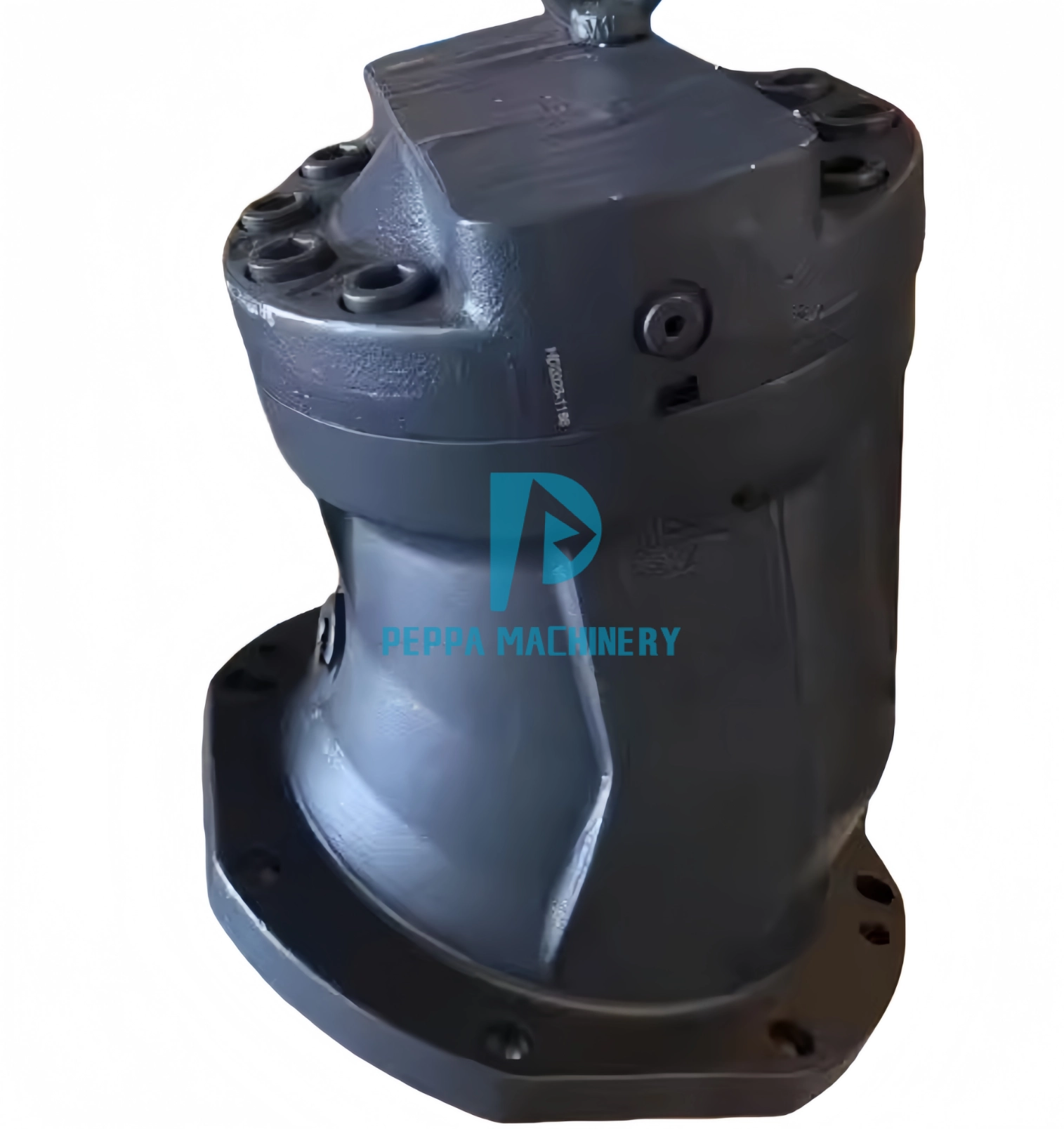
65489140 Walking Motor For Bulldozer Loader Excavator Komatsu PC3000-6 4000-6 Hydro-motor
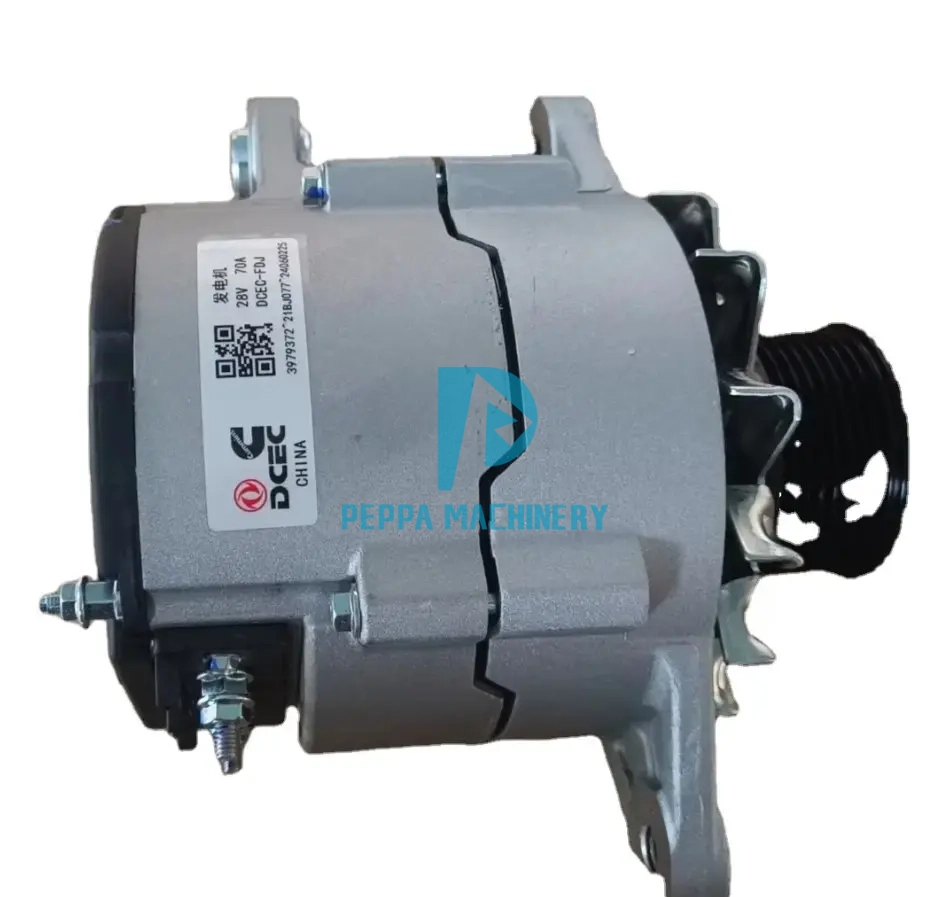
Cummins 24V AC Alternator - Genuine OEM Part #3979372 | Fits Mining & Construction Equipment
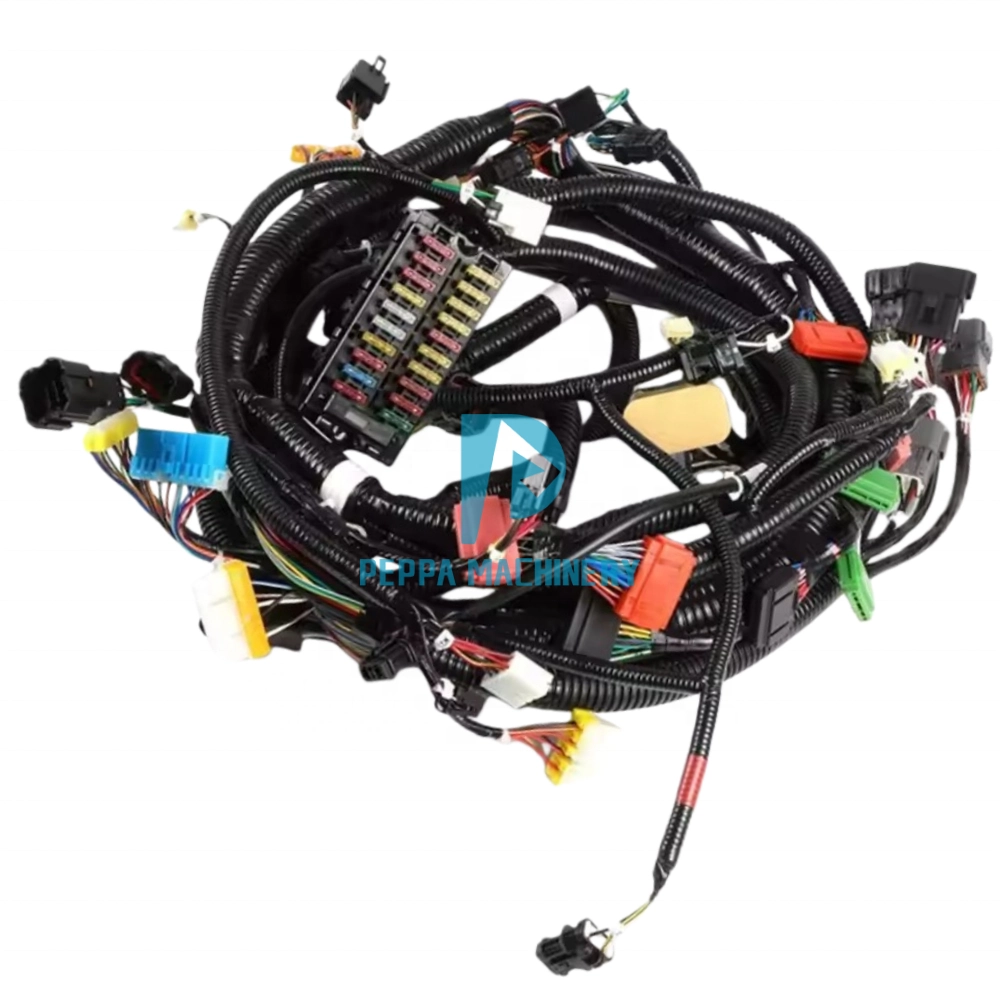
Internal Wiring Harness Assembly for Komatsu PC200-7 to PC270-7 Series Excavators | Direct OEM Replacement Part #20Y-06-31110 (20Y0631110)
Excavator Parts
What brands of excavator parts do you supply?
We supply a full range of parts compatible with major international and Chinese brands, including Caterpillar, Komatsu, Hitachi, Volvo, Doosan, Hyundai, Sany, Liugong, XCMG, Zoomlion, and more.
Do you provide technical support or installation guidance?
While we do not offer on-site installation, we can provide basic technical advice, diagrams, or documentation to assist your technicians with installation and troubleshooting.
What types of parts do you mainly offer?
Our main product categories include:
• Engine parts (liner kits, crankshafts, water/oil pumps, etc.)
• Electrical parts (sensors, monitors, throttle motors, wiring harnesses)
• Hydraulic parts (pumps, valves, cylinders)
• Sealing kits (NOK, SKF, PQ brands, floating seals, O-rings)
How can I verify compatibility before placing an order?
Please provide us with your machine brand, model number, and the part number (if available). Our team will double-check the compatibility to ensure you receive the correct parts.
Are your parts genuine or OEM?
We offer both genuine parts and high-quality OEM alternatives. You can choose according to your budget and application needs. All OEM products are tested to meet or exceed original specifications.
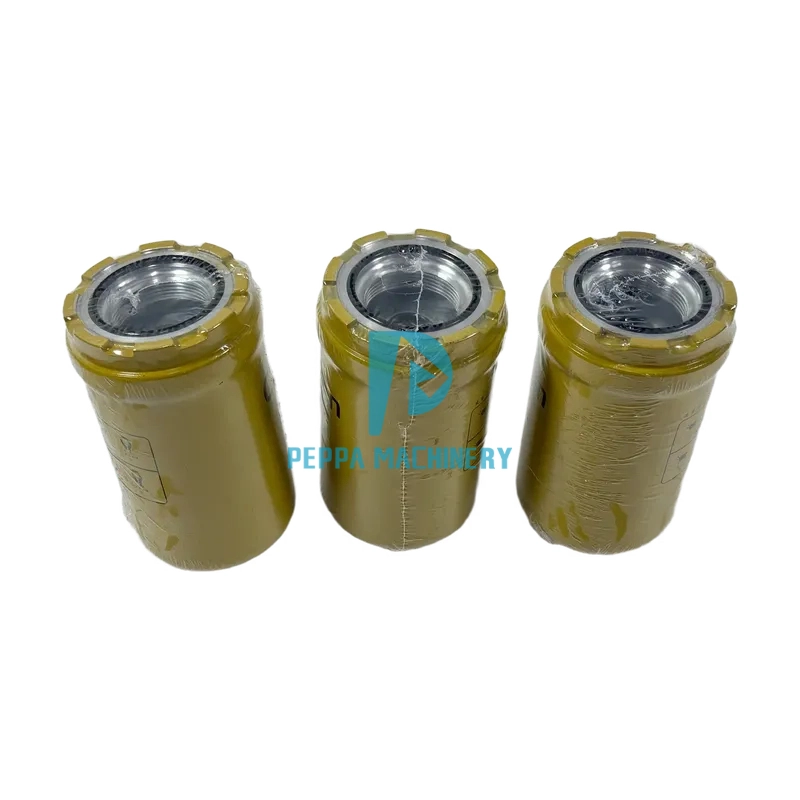
51-8670 Hydraulic Filter Applicable to HF35519 518670 2897836 518670X 1588987 Compatible with Caterpillar 352FVG 325CL
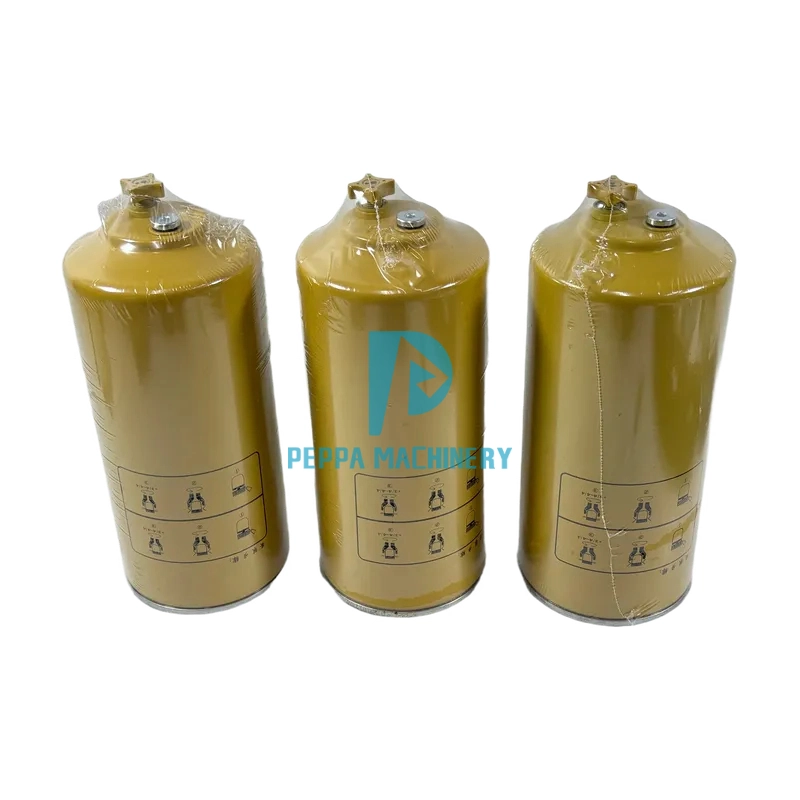
4385386 Fuel Water Separator Fuel Filter 382-0664 Oil-water Separator Hydraulic Oil Filter for CAT 312D2 320D2
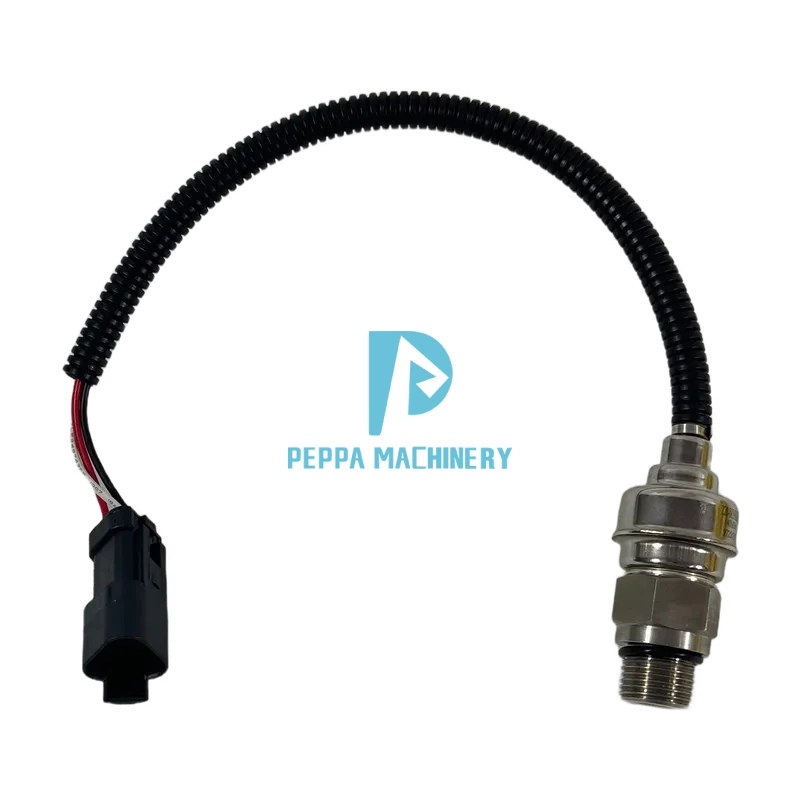
Pressure Sensor 221-8859 106-0178 for Caterpillar CAT 311B 311C 312C 314D 315B 320C 323D 324D 330C 336D 345B 385C
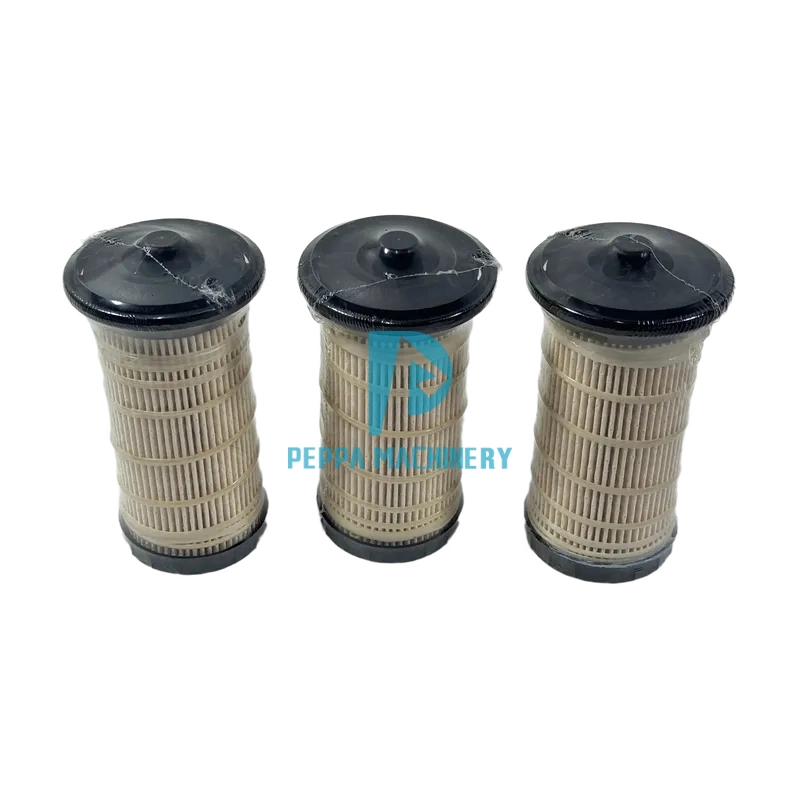
360-8960 Fuel Filter Element for Caterpillar C4.4 & C7.1 Engines | Fits 312D, 320D, 312E, 320E, 326D2, 336D2 Excavators
Get more information
Want to know more? Contact us today to get detailed product specifications, customized solutions, and a free consultation tailored to your needs.
Rest assured that your privacy is important to us, and all information provided will be handled with the utmost confidentiality.

Reliable Source for Quality Excavator Components.
Follow Us
Our Partners


Our Payment Methods


 High Quality
 7/24 Service
 Guaranteed Warranty
 Scan QR Code
Facebook
TikTok
YouTube
Pinterest
Twitter