








How to choose a high output alternator for your excavator?
- 1. How do I accurately calculate my excavator's total electrical amp load so I can size a high output alternator?
- 2. Will a high-output alternator really deliver its rated amps at my excavator's low idle RPM?
- 3. What mechanical and electrical modifications are usually required to retrofit a high capacity alternator onto older Caterpillar/Komatsu/Hitachi excavators?
- 4. How can I verify the quality and reliability of an aftermarket high-output alternator (diodes, regulator, bearings) before purchase?
- 5. What battery, cable and protection upgrades are required when increasing alternator output to 150–250 A?
- 6. After installing a high-output alternator, I see voltage spikes or intermittent charging—what diagnostic steps fix this?
- Concluding summary: advantages of a properly chosen high output alternator
How to choose a high output alternator for your excavator?
Upgrading to a high-output alternator for heavy equipment requires more than picking a higher amp number. This guide answers six specific, pain-point questions beginners and fleet techs often face when selecting a high capacity alternator for excavators, embedding practical checks for alternator output, pulley ratios, regulator types, thermal performance, wiring upgrades and installation troubleshooting.
1. How do I accurately calculate my excavator's total electrical amp load so I can size a high output alternator?
Why it matters: Undersizing causes constant battery draw, frequent downtime and failing electronics. Many online answers say add some margin but omit how to quantify accessory and peak loads.
Step-by-step method:
- Inventory all electrical consumers: ECM/engine controllers, ECU sensors, fuel heaters, cab heaters/blowers, lights (work + beacon), wipers, radio, GPS, cameras, telematics, battery heaters, additional hydraulic control valves, and any aftermarket welders or in-cab chargers.
- Find each device's current draw in amps (A) at system voltage (typically 12–14.4 V for excavators). Check OEM manuals, label data, or measure with a clamp ammeter. If only watts (W) are given, use A = W / V (use 14 V for charging calculations).
- Estimate continuous vs. intermittent loads. Continuous loads are devices that run for long periods (ECM, telematics, lights). Intermittent loads are starter motors (huge but not charged by alternator), spot welders or hydraulic heaters.
- Account for start/engage surges: for example, hydraulic valve actuators and some pumps have brief inrush currents. For sizing alternator capacity, focus on average continuous and common peak charging demands rather than starter surge.
- Example calculation: continuous loads sum to 120 A at 14 V → required output = 120 A. Add alternator inefficiency and real-world losses (~10%): 132 A. Add a safety/future-proofing margin of 20–30%: choose ~160–170 A alternator.
Practical rule: add up continuous amp draw, multiply by 1.1 for inefficiency, then add 20–30% for margin. That gives a realistic high-output alternator target instead of relying on generic amp numbers.
2. Will a high-output alternator really deliver its rated amps at my excavator's low idle RPM?
Why it matters: Excavators often idle at 700–1,000 RPM; alternator ratings are frequently specified at higher speeds (e.g., 2,000 RPM). A mismatch causes low charging at idle despite a high amp rating on paper.
Key checks:
- Check the alternator rating specification carefully: is the amp rating given at a specified alternator RPM (e.g., 2,000 rpm) or at engine rpm? Manufacturers sometimes state peak amperage at high rpm—not continuous output at idle.
- Check pulley ratio: excavator front-end drive pulleys often use a reduction or overdrive ratio. If engine idle is 800 rpm and alternator pulley gives a 2.5:1 step-up, alternator sees ~2,000 rpm and may reach rated output. Verify physical pulley diameters and belt horsepower capacity.
- Consider a high-output alternator designed for low-idle torque: look for designs with higher excitation efficiency, larger stator surface area, better cooling, or integrated voltage regulators optimized for continuous low-rpm output.
- Practical test: measure charging amps at actual idle using a clamp meter on the B+ cable and measure system voltage with a multimeter. If you do not see expected current, review pulley ratio, belt slipping, and regulator behavior.
Recommendation: Select alternators that publish output curves showing amp vs. rpm or request a datasheet. If unavailable, design for a higher amp rating or change pulley ratio so the alternator reaches rated rpm during typical idle.
3. What mechanical and electrical modifications are usually required to retrofit a high capacity alternator onto older Caterpillar/Komatsu/Hitachi excavators?
Why it matters: Fitting a larger alternator often requires bracket, pulley, belt and wiring changes. Generic suggestions online omit critical mechanical and electrical compatibility checks.
Common modification checklist:
- Mounting brackets: high-output alternators can be larger/heavier. Confirm bolt pattern and bracket strength. Custom brackets or adapter plates are often required.
- Belt and pulley alignment: higher loads require multi-groove belts (serpentine or multiple V-grooves) and possibly a different pulley diameter to maintain proper alternator RPM at low engine speeds. Ensure belt tensioners and pulleys can handle the load.
- Spin and clearance: verify clearance for cooling fins and wiring. Alternators with larger cooling fans may need additional space or shims to avoid interference.
- Electrical harness and connectors: the high capacity alternator will have larger B+ output and ground connections—ensure cables and lugs are upgraded to the correct gauge and crimp quality. Confirm the presence of a proper voltage-sense wire to the battery/busbar location used as reference by the regulator.
- Grounds and chassis bonding: ensure strong chassis ground paths—poor grounding causes regulation problems and voltage spikes.
- ECM/vehicle electronics considerations: some excavator ECUs monitor charge system voltage. If switching from external to internal regulator, confirm compatibility so the ECM won't trigger fault codes.
Tip: Work with a parts supplier or alternator remanufacturer to get a drop-in kit which includes bracket, pulley, belt and wiring harness adapted to your machine model to minimize custom fabrication and ensure reliable installation.
4. How can I verify the quality and reliability of an aftermarket high-output alternator (diodes, regulator, bearings) before purchase?
Why it matters: Many aftermarket offerings advertise high amps but skimp on diode packs, brush materials, cooling and bearings—leading to premature failure under continuous heavy-duty use.
What to inspect or request from suppliers:
- Datasheet with duty-cycle curves and output vs. rpm graphs. Look for continuous vs. peak ratings.
- Construction details: a robust heat sink and larger diode/rectifier stack, quality bearings rated for heavy vibration, and high-temperature-insulation on windings (class H or F are preferable for heavy equipment).
- Type of regulator: external vs. internal. External regulators can be replaced separately and sometimes provide better thermal isolation; internal regulators are simpler but harder to service—choose based on serviceability needs.
- IP and thermal ratings: alternators exposed to dust, mud and high ambient heat should have sufficient ingress protection and a proven cooling design (fan and venting). Ask for test reports if available.
- Warranty, failure rate data, and references: request mean time between failure (MTBF) or return statistics. Prefer suppliers with certification (ISO 9001) and documented heavy-equipment application cases.
- Bench testing: reputable sellers provide bench-tested output curves and diode leak tests. If possible, request a cold and hot load test report (diode forward drop and leakage under temperature extremes).
Red flags: vague amp specs without rpm reference, no datasheet, plastic housings with minimal heat sinking, or no warranty. Good suppliers will provide alternator stator/rotor construction details and cooling performance for continuous, low-rpm duty cycles found in excavators.
5. What battery, cable and protection upgrades are required when increasing alternator output to 150–250 A?
Why it matters: A bigger alternator stresses existing cabling, fuses and batteries. Insufficient upgrades cause heat, voltage drop and potential fire hazards.
Upgrade checklist:
- Cable gauge: increase B+ and ground cable cross-section to handle peak alternator current. For 150–250 A continuous, use correctly rated cables (consult AWG or mm2 guides). For example, typical guidance: 150 A may need 35–50 mm2 (approx), 250 A 70–95 mm2; always consult a certified cable ampacity table and derating factors for high temperatures and bundled runs.
- Fusing and protection: fit appropriately rated fusible links or circuit breakers on the alternator output to protect wiring. Use slow-blow or alternator-specific protection devices sized for alternator capacity and inrush behavior.
- Battery bank capacity: larger alternators recharge faster, but battery bank AH and CCA should be adequate for cranking and for absorbing charge. If telematics or long idling is expected, consider adding an auxiliary battery or deep-cycle bank for accessories with an isolator or DC-to-DC charger.
- Voltage sensing location: wire the voltage sense lead to the main battery positive or chassis busbar near the battery to give accurate regulation—long thin sense wires cause overcharging at one end and undercharging at another.
- Terminal hardware and lugs: upgrade lugs and tightening torque specs to match larger cables. Use anti-corrosive treatments and lock washers for vibration resistance.
Important: Have a qualified heavy-equipment electrician evaluate cable runs, fusing and battery capacity. Avoid under-gauged connections—they are a common failure point after alternator upgrades.
6. After installing a high-output alternator, I see voltage spikes or intermittent charging—what diagnostic steps fix this?
Why it matters: Installation mistakes, regulator issues or diode failures can cause overvoltage, undercharging or electrical noise that damages sensitive electronics and telematics units.
Stepwise troubleshooting:
- Measure static system voltage at battery with engine off (should be ~12.4–12.8 V). With engine running at normal idle, measure at the same battery terminal: healthy charging voltage should be ~13.8–14.6 V depending on regulator setpoint.
- Use a clamp ammeter on the alternator B+ to confirm actual charging amps at idle and at operating rpm. Compare with expected output curve from the alternator datasheet.
- Check the voltage sense wire routing and connection. If the regulator senses voltage at a point distant from the battery or after a high-resistance fusible link, it can overcompensate and create spikes.
- Inspect diodes and rectifier: diode leakage or intermittent failure causes voltage instability. Perform a diode test on a bench or ask the supplier for a diode pack test report.
- Examine grounds: poor chassis or engine grounding causes erratic regulator behavior and electrical noise. Clean and tighten all major grounds and use additional bonding straps if necessary.
- Verify regulator type and compatibility with ECM: some ECUs expect certain charge profiles. If the alternator uses an aftermarket regulator with an aggressive charging algorithm, it might conflict—consider switching to an alternator/regulator with OEM-compatible characteristics or program the regulator if possible.
- If spikes persist, capture a scope trace across the battery while cranking and under load to see transient events. Persistent unusual transients may point to rectifier failure or poor suppression and require alternator replacement or professional bench rework.
Documentation: keep a measured before/after data log (voltage and amp readings at idle and at higher rpm) to validate the installation and to aid warranty claims with the alternator supplier.
Concluding summary: advantages of a properly chosen high output alternator
When chosen and installed correctly, a high-output alternator for your excavator delivers stable charging at low idle, supports added telematics, lighting and accessories, reduces battery cycling and downtime, and improves overall machine uptime. Key advantages include reliable power for continuous electronic loads, faster recharge times, and the ability to add future electrical upgrades without rewiring the entire machine.
For installation kits, compatible alternators and custom-fit solutions, contact JB Parts at www.jbpartsgz.com or email jbparts@aliyun.com for a quote and technical support.

Isuzu SP 4JG1 4JG2 4JG3 Cylinder Liner 1876182070 1-87618207-0 1876182080 1-87618208-0 1876182100 1-87618210-0
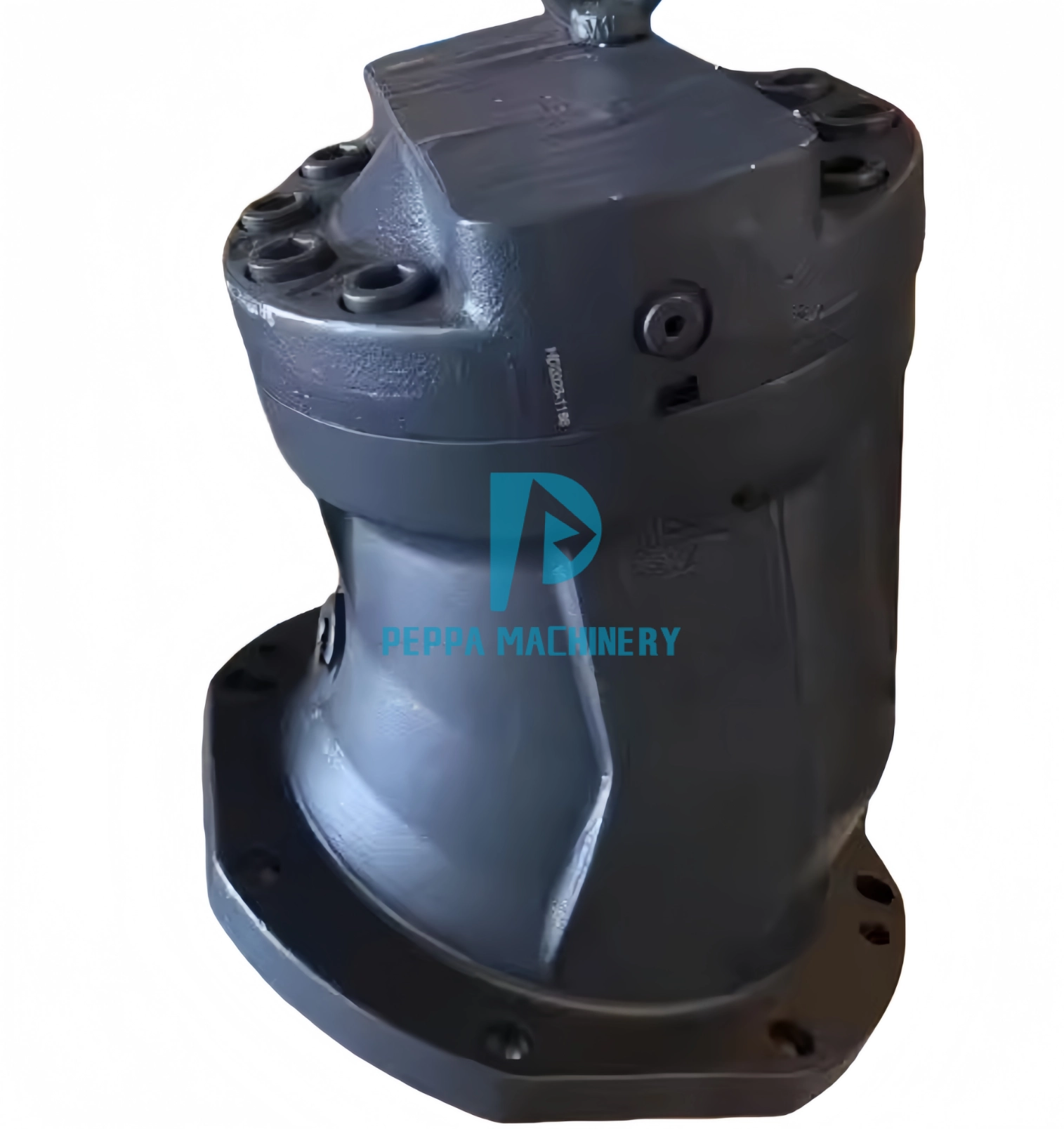
65489140 Walking Motor For Bulldozer Loader Excavator Komatsu PC3000-6 4000-6 Hydro-motor
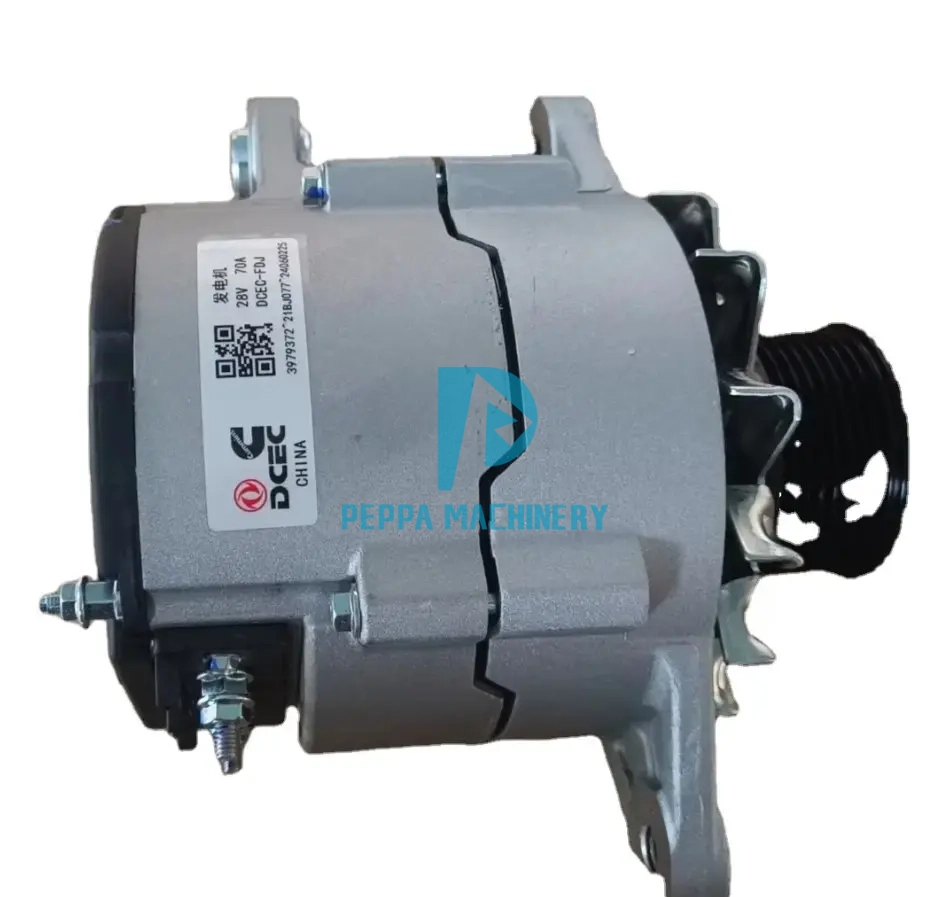
Cummins 24V AC Alternator - Genuine OEM Part #3979372 | Fits Mining & Construction Equipment
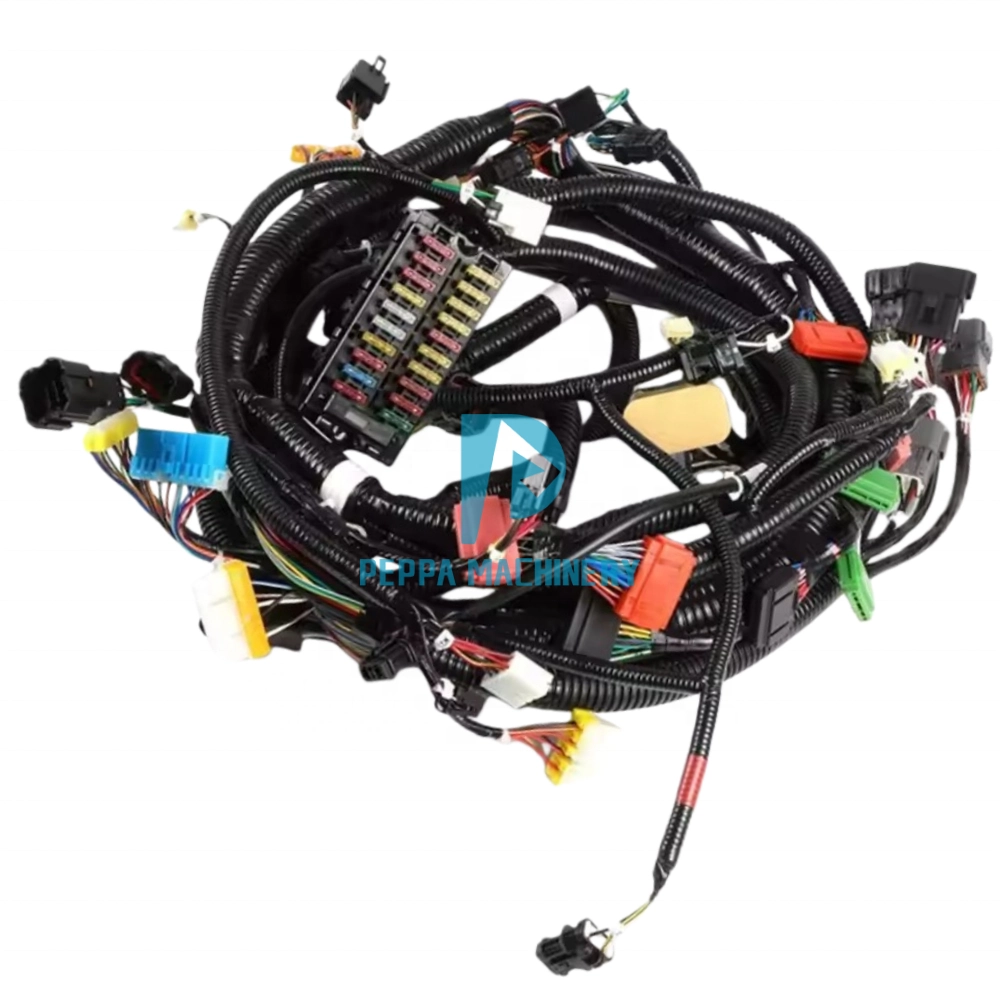
Internal Wiring Harness Assembly for Komatsu PC200-7 to PC270-7 Series Excavators | Direct OEM Replacement Part #20Y-06-31110 (20Y0631110)
Excavator Parts
Can I get help choosing the right parts for my machine?
Yes. Our experienced sales team is here to provide professional recommendations and solutions based on your excavator model, part number, or specific requirements.
How can I verify compatibility before placing an order?
Please provide us with your machine brand, model number, and the part number (if available). Our team will double-check the compatibility to ensure you receive the correct parts.
What brands of excavator parts do you supply?
We supply a full range of parts compatible with major international and Chinese brands, including Caterpillar, Komatsu, Hitachi, Volvo, Doosan, Hyundai, Sany, Liugong, XCMG, Zoomlion, and more.
What types of parts do you mainly offer?
Our main product categories include:
• Engine parts (liner kits, crankshafts, water/oil pumps, etc.)
• Electrical parts (sensors, monitors, throttle motors, wiring harnesses)
• Hydraulic parts (pumps, valves, cylinders)
• Sealing kits (NOK, SKF, PQ brands, floating seals, O-rings)
Do you provide technical support or installation guidance?
While we do not offer on-site installation, we can provide basic technical advice, diagrams, or documentation to assist your technicians with installation and troubleshooting.
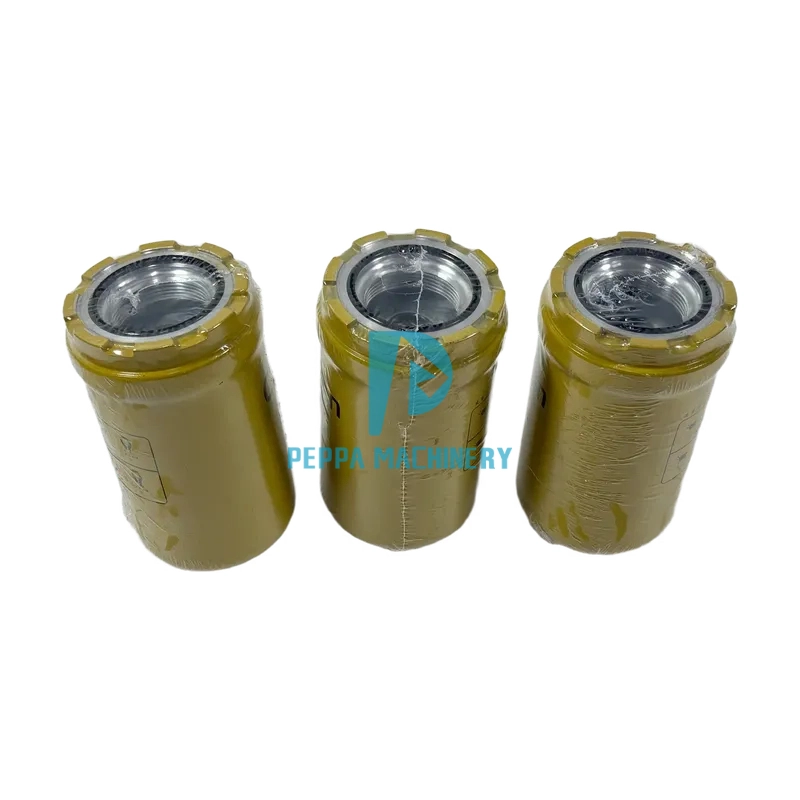
51-8670 Hydraulic Filter Applicable to HF35519 518670 2897836 518670X 1588987 Compatible with Caterpillar 352FVG 325CL
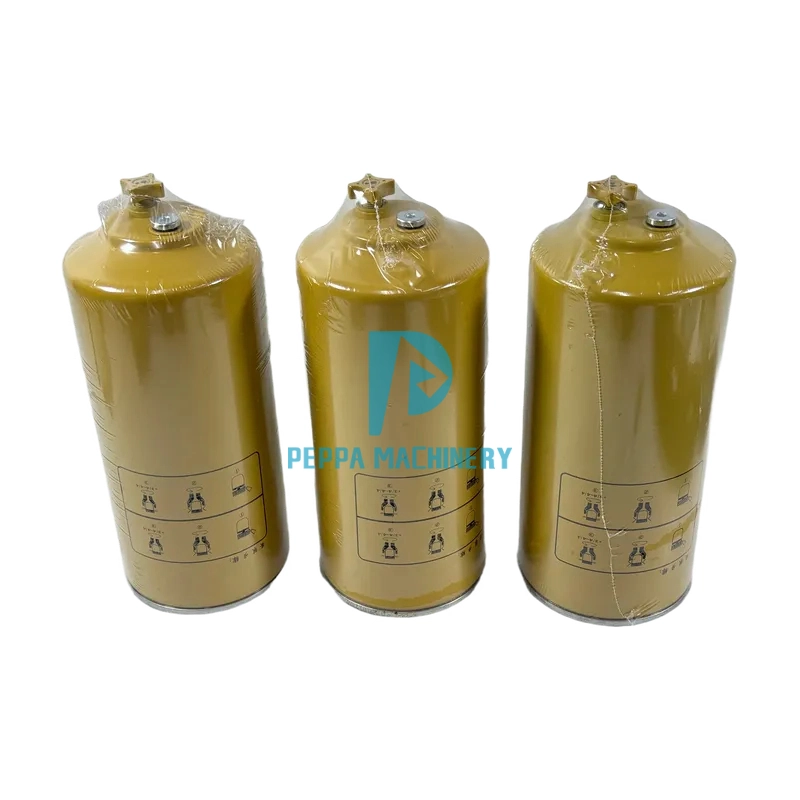
4385386 Fuel Water Separator Fuel Filter 382-0664 Oil-water Separator Hydraulic Oil Filter for CAT 312D2 320D2
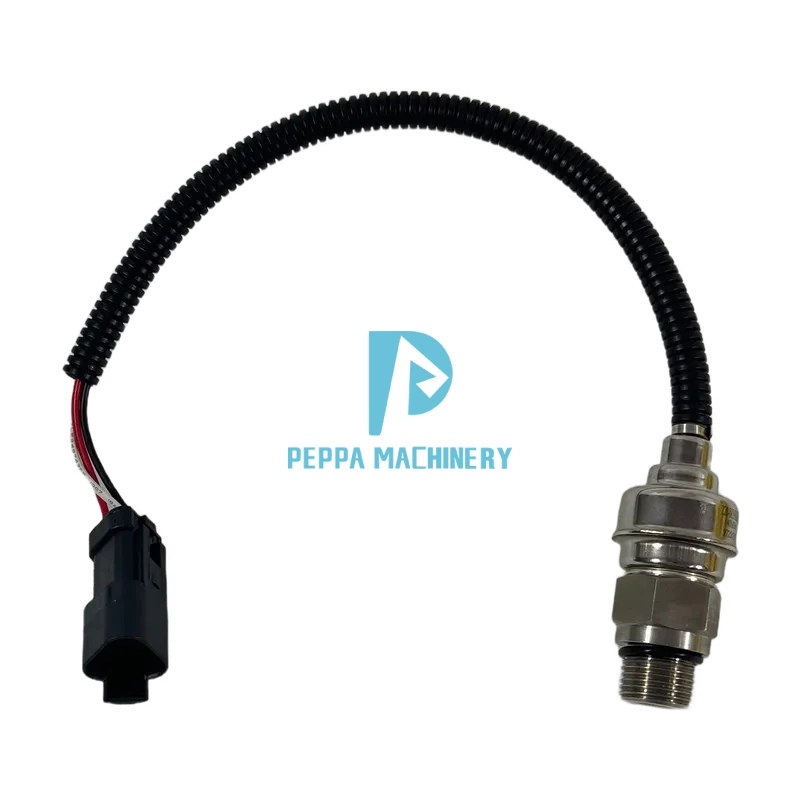
Pressure Sensor 221-8859 106-0178 for Caterpillar CAT 311B 311C 312C 314D 315B 320C 323D 324D 330C 336D 345B 385C
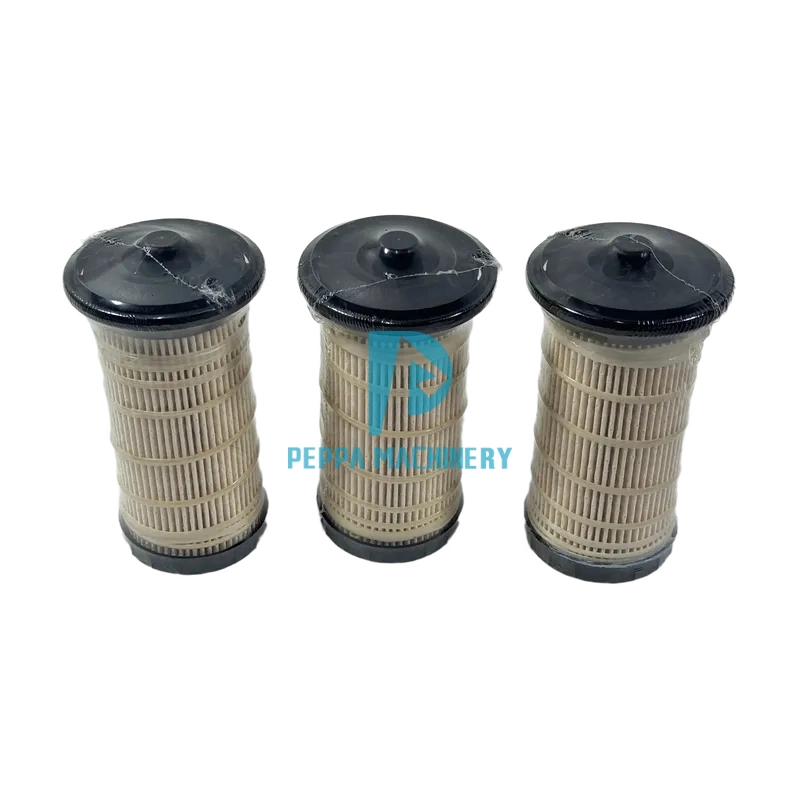
360-8960 Fuel Filter Element for Caterpillar C4.4 & C7.1 Engines | Fits 312D, 320D, 312E, 320E, 326D2, 336D2 Excavators
Get more information
Want to know more? Contact us today to get detailed product specifications, customized solutions, and a free consultation tailored to your needs.
Rest assured that your privacy is important to us, and all information provided will be handled with the utmost confidentiality.

Reliable Source for Quality Excavator Components.
Follow Us
Our Partners


Our Payment Methods


 High Quality
 7/24 Service
 Guaranteed Warranty
 Scan QR Code
Facebook
TikTok
YouTube
Pinterest
Twitter