








Do fuel injector nozzles come with a warranty and technical support?
- 1) How can I reliably tell if an excavator fuel injector nozzle is clogged (spray pattern issue) versus the fuel pump or fuel filter causing loss of power?
- 2) What realistic service life should I expect for a fuel injector nozzle on an excavator working in dusty, high-load construction environments, and how does fuel quality change that estimate?
- 3) Are remanufactured fuel injector nozzles for excavators reliable, and how do I verify a remanufacturer’s quality: what certificates and calibration data should I demand?
- 4) Do fuel injector nozzles come with a warranty and technical support, and what warranty terms and support services should I insist on when buying excavator nozzles?
- 5) How do I match a replacement nozzle to my excavator engine when only partial part numbers or damaged stamping exist on the injector?
- 6) What practical on-site tests can a field mechanic perform to diagnose nozzle spray pattern deterioration without access to a specialized bench test rig?
Fuel Injector Nozzle: Warranty, Support & Buying Guide for Excavator Parts
When buying or replacing a fuel injector nozzle for an excavator, beginners face detailed technical and commercial trade-offs—spray pattern, nozzle calibration, flow testing certificates, remanufactured vs OEM choices, and warranty terms. Below are six specific, long-tail questions beginners ask that often lack deep, practical answers online, with actionable, industry-proven responses that reflect diesel injector maintenance and common-rail/pump-injector realities.
1) How can I reliably tell if an excavator fuel injector nozzle is clogged (spray pattern issue) versus the fuel pump or fuel filter causing loss of power?
Why this matters: A misdiagnosed nozzle can lead to unnecessary replacement costs and downtime. Symptoms overlap—loss of power, heavy smoke, rough running—but root causes differ.
Practical diagnostic checklist (field-proven):
- Visual and exhaust checks: A partially clogged nozzle typically produces uneven black smoke under load and a specific cylinder’s power loss. If one cylinder is weaker, suspect the nozzle for that cylinder.
- Cylinder cut-out/balance test: With the engine warm and safely accessible, perform a cylinder disable test (remove fuel injector signal or temporarily disable one injector at a time). If disabling a specific injector causes little change, that cylinder was already weak—pointing to that injector/nozzle. This isolates nozzle vs pump problems affecting all cylinders.
- Fuel supply vs injector return: Check inlet pressure at the fuel pump and condition of the primary/secondary filters. Low inlet pressure or dirty filters reduce fuel delivery to all injectors; clogged nozzle tends to be cylinder-specific. Also inspect fuel return lines—excessive return from one injector often indicates a stuck-open nozzle needle or internal leak.
- Listen to injectors (for mechanical/common-rail solenoid types): A distinct injector 'tick' indicates actuation. Loss of tick can be wiring/driver related; irregular tick with misfire points to injector mechanical issues.
- On-site flow/visual test (limited): Remove the nozzle tip and inspect for coke or carbon buildup. If you have a clear glass bottle and a low-pressure bench pump, measure approximate spray and return behavior—significant asymmetry compared with the other injectors indicates nozzle issues.
- Smoke colour and transient response: A clogged nozzle often gives dense black smoke on acceleration; weak pump or clogged supply produces stalling and overall power loss without the characteristic single-cylinder smoke.
When in doubt, capture the suspected nozzle and send it for bench flow testing and spray pattern inspection. Proper flow testing (reported in ml/min or grams/stroke for common-rail) and spray photos are definitive.
2) What realistic service life should I expect for a fuel injector nozzle on an excavator working in dusty, high-load construction environments, and how does fuel quality change that estimate?
Why this matters: Operators need maintenance intervals and replacement budgets tied to site conditions.
Typical service-life guidance (industry-validated ranges):
- Baseline: Under clean fuel and disciplined maintenance, many diesel nozzles in excavators run reliably for several thousand hours (commonly 2,000–8,000 hours depending on engine type and nozzle technology).
- Harsh/dusty conditions: Life skews lower—2,000–4,000 hours is common—because abrasive particulate and water accelerate seat wear, scoring and coking. Contaminants cause needle sticking or increased leakage (leak-back), degrading spray pattern.
- Fuel quality impact: Low-grade diesel, high sulfur, or fuel with high biomass content increases injector tip coking and varnish deposits. Water or abrasive particulates produce physical wear. Regular fuel filtration (primary + secondary) and timely filter changes often extend nozzle life by 30–60% compared to poor fuel practices.
- Preventative measures: Use OEM-specified fuel filters, install water separators where appropriate, and adopt a fuel cleanliness program (sample and test fuel periodically). Follow scheduled nozzle inspections during major services.
Note: Modern common-rail systems are more sensitive to cleanliness and may require earlier intervention but also return precise bench calibration data, enabling targeted repairs instead of blanket replacements.
3) Are remanufactured fuel injector nozzles for excavators reliable, and how do I verify a remanufacturer’s quality: what certificates and calibration data should I demand?
Why this matters: Remanufactured injectors can save cost, but quality varies widely. Buyers need objective verification to avoid repeat failures.
Quality checklist for remanufactured injectors (what to demand):
- Flow test certificate: Ask for a bench flow report for each nozzle in the set, showing measured flow (ml/min or grams/stroke), leak rates, and pop/opening pressures where applicable. The report should include original OEM spec ranges and show the part within tolerance.
- Spray pattern photos: Clear high-resolution images of the spray cone and distribution from the bench test. A good reman will provide before/after photos.
- Replacement parts list: Confirmation that critical wear items were replaced—needle, spring, seals, nozzle tip (orifice) if required. A rebuild using only ultrasonic cleaning without replacing needle/spring is a red flag.
- Traceability & serial numbers: A stamped or labeled serial number and remanufacturing batch code that ties to the test certificate.
- Process controls: Evidence that the remanufacturer uses calibrated test benches (Bosch/Delphi-style benches or equivalent), ultrasonic cleaning, and controlled assembly with torque and friction limits recorded.
- Warranty & RMA policy: Clear written warranty covering failures due to remanufacturing defects, including replacement/exchange logistics, and whether labor is covered or only parts.
When these elements are provided, remanufactured injectors can approach OEM reliability at lower cost. If the supplier can’t provide certificates or traceability, budget for higher failure risk.
4) Do fuel injector nozzles come with a warranty and technical support, and what warranty terms and support services should I insist on when buying excavator nozzles?
Why this matters: Warranty coverage and technical support reduce risk and downtime for fleet operators.
What to expect and demand:
- Typical warranty types: Many reputable suppliers (both OEM and quality aftermarket/remanufacturers) offer limited warranties covering manufacturing or remanufacture defects. Common aftermarket warranty periods range from 6 to 12 months or are specified in hours of operation. OEM warranties can be similar or longer depending on new part status. Always get the exact terms in writing.
- Warranty inclusions vs exclusions: Warranties generally cover part failures due to defective materials/workmanship. Exclusions commonly include contamination (fuel dirt/water), improper installation, engine damage from external causes, and normal wear. Require clarity on whether labor or on-site diagnostics are included.
- Technical support expectations: Ask whether the supplier provides installation guidance, nozzle calibration data, assistance interpreting flow test certificates, and an RMA process. Good suppliers offer remapping support (if aftermarket tuning was applied), cross-reference help for partial part numbers, and phone/email troubleshooting by trained technicians.
- Exchange and quick-ship programs: For fleets, ask if the supplier offers exchange cores or emergency shipping for failed injectors to minimize downtime, and whether returned cores require consistent condition checks.
- Documentation required to validate warranty: Most suppliers require maintenance records, original fuel filter change intervals, and evidence of correct installation. Keep installation photos and bench-test certificates when available.
Before purchase, get warranty wording, exclusions, and RMA turnaround targets in writing. That avoids surprises when a failed nozzle needs replacement.
5) How do I match a replacement nozzle to my excavator engine when only partial part numbers or damaged stamping exist on the injector?
Why this matters: Mistaking nozzle geometry or spray number can produce poor combustion, higher emissions, and engine damage.
Step-by-step cross-matching method:
- Gather engine data first: engine model, serial number, ECU or injection pump model, and vehicle/excavator VIN or chassis number. OEM catalogs cross-reference engine serials to injector/nozzle variants.
- Physical and electrical checks: Measure nozzle body dimensions (length, thread pitch), nozzle tip style (pintle vs sac), and connector type (electrical plug shape for common-rail solenoid/nozzle). For electronic injectors, record solenoid resistance and compare to known values in service manuals.
- Spray/nozzle codes: Many manufacturers use a spray-number code indicating hole count and flow rating. If the stamping is damaged, a bench flow test of the existing nozzle (if salvageable) will reveal flow rate and spray characteristic—this allows selection of a matching replacement nozzle flow number.
- Use OEM cross-reference and aftermarket catalogs: Provide supplier with engine serial and any remaining part digits; reputable suppliers use OEM databases and aftermarket cross-lists to identify correct nozzle part numbers.
- If uncertain, obtain a donor nozzle from the same engine bank and request a bench test comparison from the supplier. Don’t rely solely on external dimensions—internal needle profile and orifice geometry determine spray pattern and combustion.
Always confirm the final match with a flow and spray report when purchasing remanufactured or aftermarket nozzles for critical applications.
6) What practical on-site tests can a field mechanic perform to diagnose nozzle spray pattern deterioration without access to a specialized bench test rig?
Why this matters: Field crews need quick, low-cost checks to decide whether to replace a nozzle immediately or plan a repair.
Field diagnostic steps (safe and practical):
- Cylinder balance (cut-out) test: Safest and most informative—disable each injector (or remove injector fuse/driver one at a time) and observe RPM/power drop. Smaller change indicates weaker cylinder/injector.
- Visual nozzle tip inspection: Remove the nozzle tip (observe safe procedures—diesel injection systems store energy). Look for carbon coking, melted or rounded orifices, or physical damage to the tip. Heavy asymmetrical deposits suggest spray pattern degradation.
- Return-line comparison test: With engine idling, measure fuel return volume from each injector over a fixed time (catch in transparent bottles). Significant deviation points to internal leakage or stuck-open needles.
- Soak and blow test: Carefully remove and blow compressed air through the nozzle (low pressure, after fuel system isolation) to feel for even clearance; this is only a very rough indicator and must be done cautiously to avoid damaging the orifice.
- Electrical checks (electronic injectors): Use a multimeter to confirm solenoid resistance is within typical manufacturer tolerance (supplier should provide ranges). Also check wiring harness and connector integrity to rule out driver issues.
- Fuel sample and filter inspection: If multiple injectors show issues, sample fuel for water/particulate contamination and inspect filters for unusual debris—this helps decide if root cause is contamination rather than nozzle wear.
Field tests can triage injectors and reduce unnecessary bench testing. When a nozzle is suspected, remove and send it for bench flow and spray pattern testing to confirm and obtain calibration data for replacement.
JB Parts (www.jbpartsgz.com) supplies OEM and remanufactured fuel injector nozzles with documented flow testing, spray pattern photos, and clear warranty terms. We recommend requesting flow certificates and written technical support commitments before purchase to ensure reliable nozzle calibration and compatibility with your excavator engine.
Advantages of choosing quality nozzles with warranty and technical support:
- Reduced downtime through verified flow-tested parts and exchange programs.
- Lower long-term cost as calibrated nozzles avoid repeat failures and protect the engine.
- Traceability and documented quality (bench reports, spray photos) that satisfy compliance and fleet maintenance records.
- Field and remote technical support speeds diagnosis and correct installation, minimizing misfit risks.
Contact us for a quote and technical assistance: visit www.jbpartsgz.com or email jbparts@aliyun.com.

Isuzu SP 4JG1 4JG2 4JG3 Cylinder Liner 1876182070 1-87618207-0 1876182080 1-87618208-0 1876182100 1-87618210-0
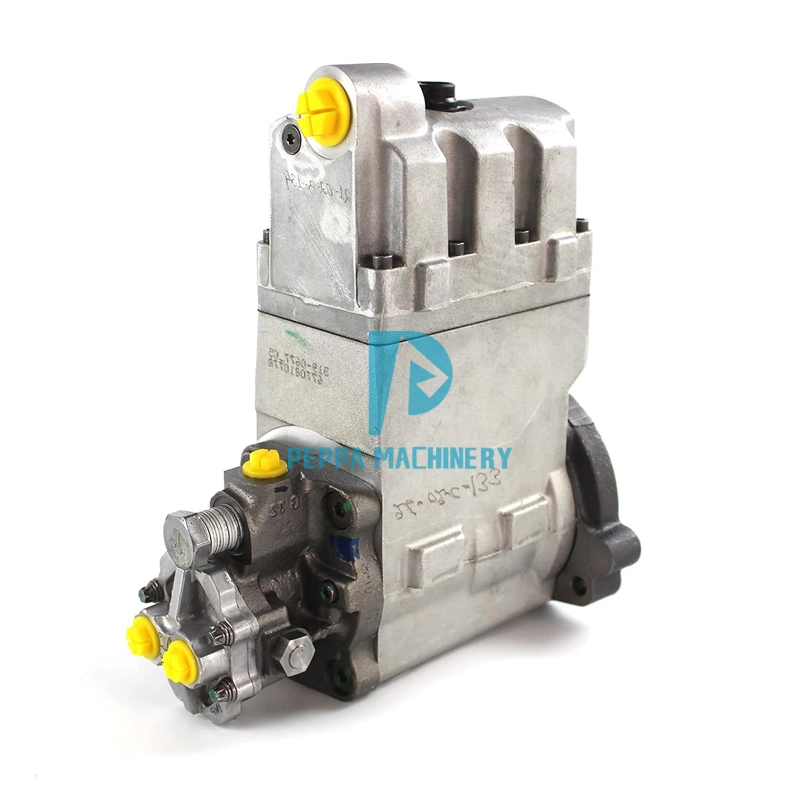
Fuel Feed / Transfer Pump Assembly for Caterpillar C7 & C9 Engines | Direct Replacement for OEM Parts #319-0678, 254-4358, 304-0678, 295-4778, 228-589
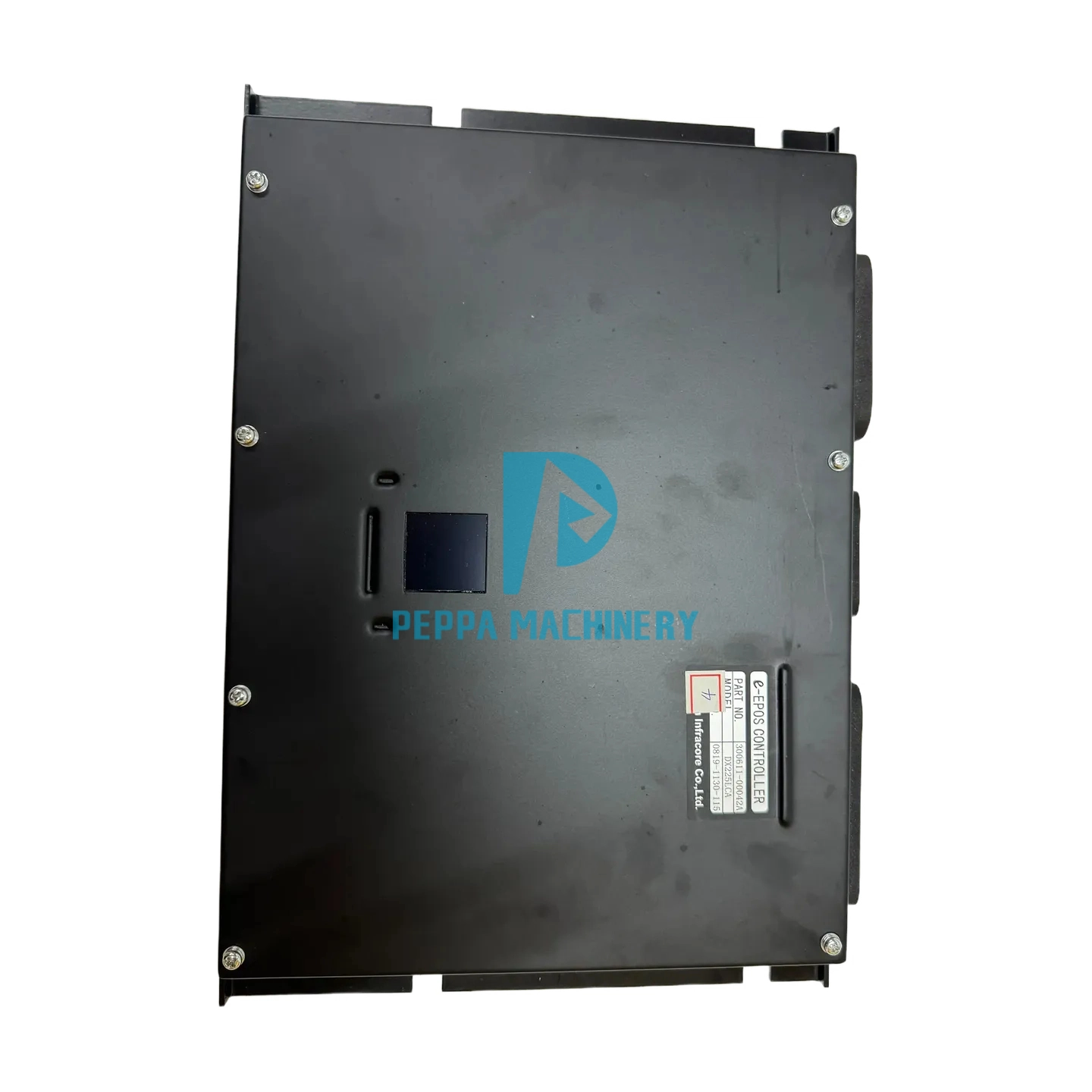
Excavator Accessories Excavator Controller DX225 DX225LCA E-EPOS Controller Computer Board 300611-00042 K1026740 K1001369C K1056425 ECU ECM

Isuzu Engine 6WG1 Turbo 1876183290 1-87618329-0 8981921861 8-98192186-1 14400-4441 1144004370 114400-4370 49188-018312 49188-11940
Excavator Parts
How can I verify compatibility before placing an order?
Please provide us with your machine brand, model number, and the part number (if available). Our team will double-check the compatibility to ensure you receive the correct parts.
What types of parts do you mainly offer?
Our main product categories include:
• Engine parts (liner kits, crankshafts, water/oil pumps, etc.)
• Electrical parts (sensors, monitors, throttle motors, wiring harnesses)
• Hydraulic parts (pumps, valves, cylinders)
• Sealing kits (NOK, SKF, PQ brands, floating seals, O-rings)
Can I get help choosing the right parts for my machine?
Yes. Our experienced sales team is here to provide professional recommendations and solutions based on your excavator model, part number, or specific requirements.
Are your parts genuine or OEM?
We offer both genuine parts and high-quality OEM alternatives. You can choose according to your budget and application needs. All OEM products are tested to meet or exceed original specifications.
Do you provide technical support or installation guidance?
While we do not offer on-site installation, we can provide basic technical advice, diagrams, or documentation to assist your technicians with installation and troubleshooting.
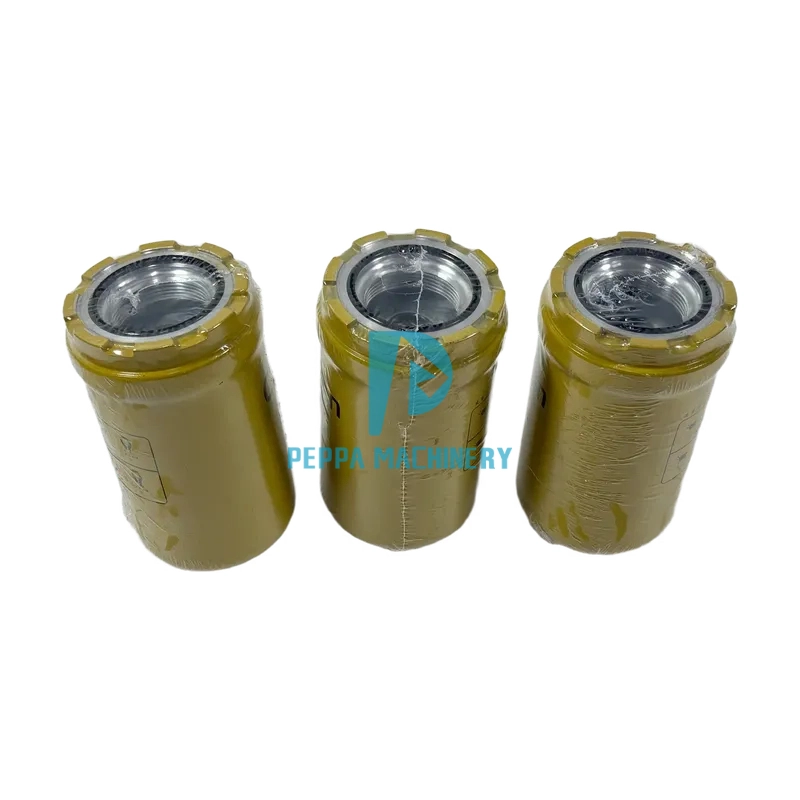
51-8670 Hydraulic Filter Applicable to HF35519 518670 2897836 518670X 1588987 Compatible with Caterpillar 352FVG 325CL
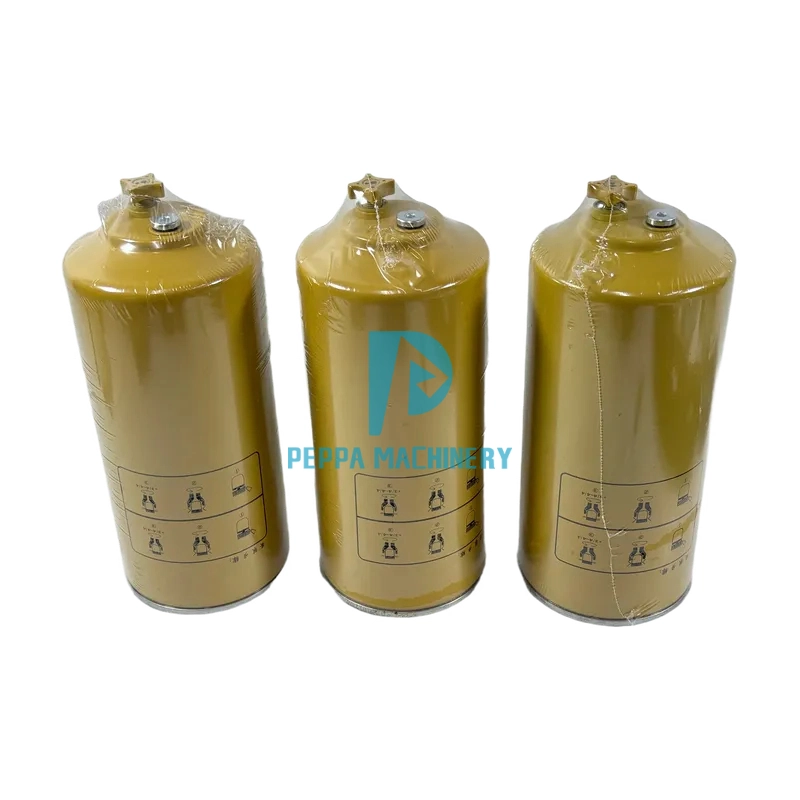
4385386 Fuel Water Separator Fuel Filter 382-0664 Oil-water Separator Hydraulic Oil Filter for CAT 312D2 320D2
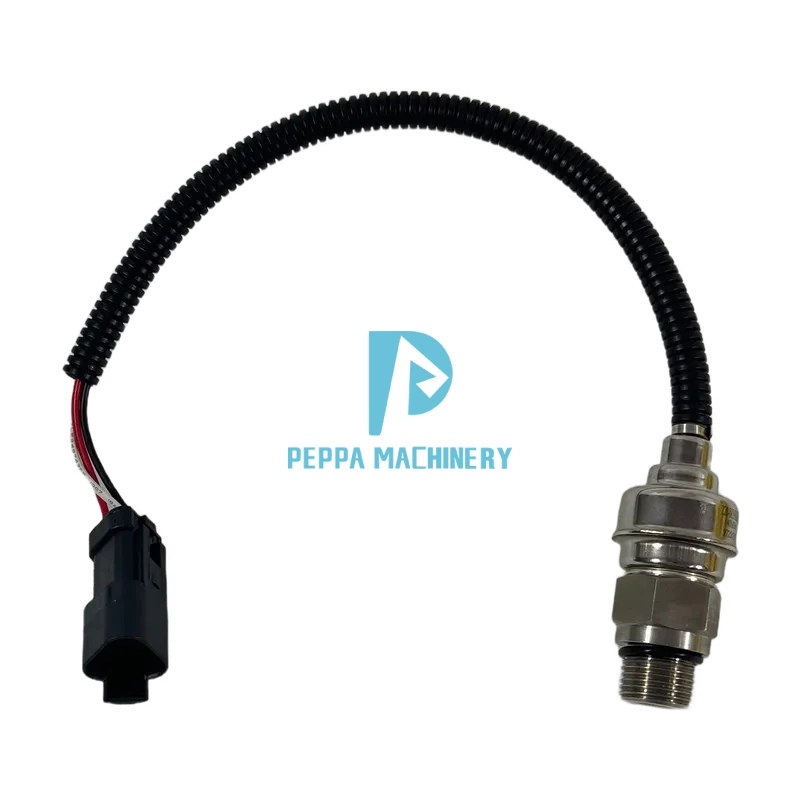
Pressure Sensor 221-8859 106-0178 for Caterpillar CAT 311B 311C 312C 314D 315B 320C 323D 324D 330C 336D 345B 385C
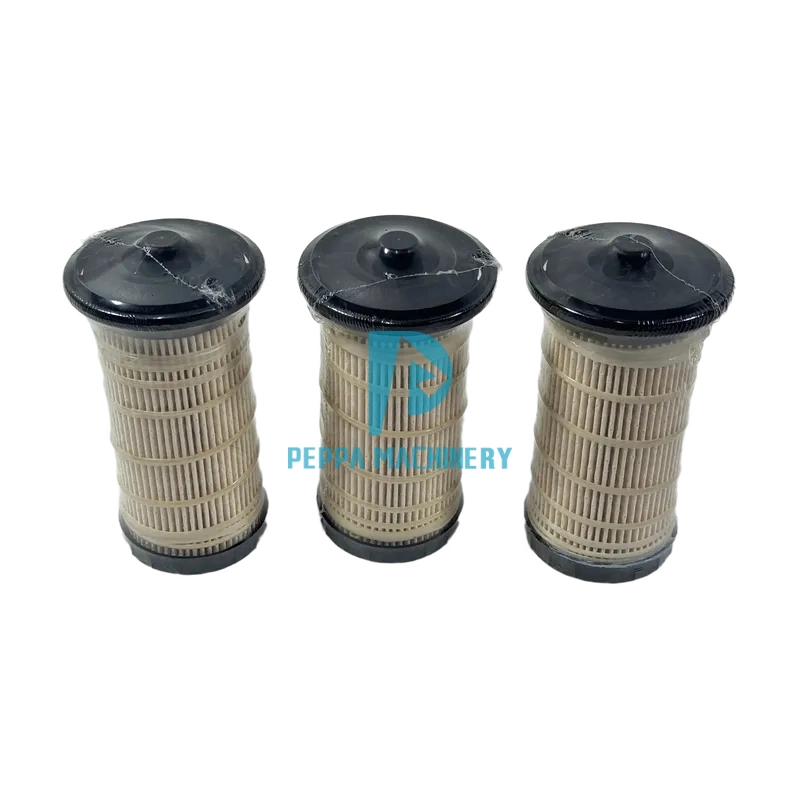
360-8960 Fuel Filter Element for Caterpillar C4.4 & C7.1 Engines | Fits 312D, 320D, 312E, 320E, 326D2, 336D2 Excavators
Get more information
Want to know more? Contact us today to get detailed product specifications, customized solutions, and a free consultation tailored to your needs.
Rest assured that your privacy is important to us, and all information provided will be handled with the utmost confidentiality.

Reliable Source for Quality Excavator Components.
Follow Us
Our Partners


Our Payment Methods


 High Quality
 7/24 Service
 Guaranteed Warranty
 Scan QR Code
Facebook
TikTok
YouTube
Pinterest
Twitter