








What specifications to request when sourcing fuel injector nozzles?
- 1. What flow-rate (cc/min) values and test pressure should I require for replacement fuel injector nozzles on older mechanical vs modern common-rail excavator engines?
- 2. How do I verify nozzle spray pattern and orifice size when the supplier provides only part numbers and no bench-test images?
- 3. Which nozzle tip geometry (pintle vs. multi-hole) and hole-count restores performance best on a clogged, 2,000-hour excavator engine?
- 4. What materials, heat treatments, and coatings should I request for nozzles used with biodiesel or high-sulfur fuel to reduce coking and erosion?
- 5. How should I interpret dimensional drawings and tolerances to ensure nozzle interchangeability with my existing injector body and seat?
- 6. What acceptance tests and certificates must I insist on from the supplier, and what pass/fail criteria should I set to avoid receiving low-quality nozzles?
- Summary: Why demanding detailed nozzle specifications and documentation saves time and money
When sourcing fuel injector nozzles for excavators — whether mechanical inline pump systems or modern common-rail engines — superficial spec sheets and mismatched part numbers cause downtime, high fuel consumption, and rapid nozzle wear. Below are six specific, pain-point-oriented questions beginners and purchasing engineers frequently ask but rarely find deep, practical answers to. Each answer includes the exact data and documentation you should request from suppliers (flow curves, bench-test images, material certificates, dimensional drawings, and acceptance criteria) to avoid costly mistakes.
1. What flow-rate (cc/min) values and test pressure should I require for replacement fuel injector nozzles on older mechanical vs modern common-rail excavator engines?
Why this matters: Flow rate and the pressure at which it is measured define the nozzle’s fuel delivery and atomization. Specifying the wrong test pressure or using a nozzle rated at a different pressure will change injected mass, timing characteristics and combustion quality.
What to request and why:
- Ask the supplier to provide a calibrated flow curve (volume vs. pressure) measured on a bench at multiple, clearly-stated test pressures. For mechanical pump/VE/inline systems, common bench reference pressures are in the 100–200 bar range; for unit injectors/unit-pumps and common-rail injectors bench tests frequently include 200, 500, 1000 and up to the system's maximum working pressure (modern common-rail: 1000–2500 bar). Always demand the exact pressure used for each flow data point and the fixture used for the test.
- Specify flow units as cc/min (or mg/shot for common-rail) and ask for at least three representative data points (e.g., at 100 bar, 300 bar, 1000 bar for a high-pressure nozzle) so you can compare curves rather than single numbers.
- Require the manufacturer to state the nominal flow and the tolerance (recommended: ±3% for matched-cylinder systems; ±5% is the maximum acceptable for less-critical applications). When balancing cylinders, aim for nozzle flows within ±3% or within ±2 cc/min depending on engine size to avoid misfires and unequal wear.
Practical example: If your excavator engine’s fuel pump and injection system are designed for 150 bar peak (older mechanical), insist the supplier provide flow values at 150 bar. For a common-rail 1600 bar system, require flow measurements at 1600 bar or at standard intermediate pressures with a clearly defined extrapolation method.
2. How do I verify nozzle spray pattern and orifice size when the supplier provides only part numbers and no bench-test images?
Why this matters: Spray pattern and orifice geometry (number/diameter of holes, hole angle, tip shape) control atomization and combustion. A visually similar nozzle can have a different spray cone or hole count and cause soot, smoke, and power loss.
What to request and how to verify:
- Mandatory deliverables: high-resolution spray pattern photographs taken on a calibrated test bench (with pressure and nozzle-to-screen distance noted), microscopic images of the orifice face, and a dimensional drawing showing orifice diameters and pitch.
- Orifice specification: require the exact number of holes, individual hole diameters in millimeters (e.g., 0.25 mm × 5 holes), and the spray cone angle for each hole. For many diesel excavator nozzles, hole diameters range from ~0.18 mm to 0.35 mm depending on power and injector type. Ask for the tolerance on hole diameter (typically ±0.01–0.02 mm for precision nozzles).
- Inspection steps on receipt: if you or your shop have access to a bench, compare the supplier’s spray images with your own test shot at the stated pressure. If you lack a bench, request serial-numbered photos and a signed bench report. Insist that spray pattern photos include a scale or grid to verify cone angles and penetration characteristics.
3. Which nozzle tip geometry (pintle vs. multi-hole) and hole-count restores performance best on a clogged, 2,000-hour excavator engine?
Why this matters: Tip geometry and hole count affect how quickly a fouled nozzle will degrade performance and whether cleaning or replacement will restore correct combustion. Replacing with a different geometry can temporarily restore power but may reduce longevity or change emissions.
How to choose:
- Match the original geometry to restore original combustion characteristics. If your excavator came with a pintle tip single-orifice nozzle, replacement with a multi-hole design will typically change atomization pattern and could require engine recalibration. Always prioritize OEM geometry unless an engineered upgrade has been validated for that engine model.
- For badly fouled engines, inspect the combustion chamber and check for carbon deposits. If deposits recur quickly after replacement, request nozzles with anti-coking finishes or tighter orifice tolerances and consider fuels/filters change. Multi-hole nozzles generally provide better atomization and lower smoke at light loads but are more susceptible to partial blockage—so hole diameter and tolerance control are critical.
- Practical guideline: If your engine originally used 4–6 hole nozzles, ask for the same hole count and matching spray cone. If switching geometry for performance reasons, do it as a controlled test on one cylinder and compare cylinder balance and emissions before fleet-wide change.
4. What materials, heat treatments, and coatings should I request for nozzles used with biodiesel or high-sulfur fuel to reduce coking and erosion?
Why this matters: Fuel chemistry (biodiesel, FAME blends, high-sulfur fuels) accelerates corrosion, coking and nozzle-tip erosion. Material and surface treatment extend nozzle life and maintain consistent spray pattern and opening pressure.
What to specify:
- Material certificates: require an EN 10204 3.1 (or equivalent) material certificate showing alloy composition. Standard nozzle bodies are made from high-strength, heat-treated alloy steels; nozzles that encounter corrosive fuels benefit from stainless or specially alloyed steels and surface hardening.
- Heat treatment and hardness: request documented heat-treat cycles and hardness values (HRC or HV) for the critical sealing and orifice areas; surface hardening such as induction hardening or nitriding is commonly used to resist wear and maintain seat sealing. Ask for target hardness ranges and measured values.
- Anti-coking/coating options: ask whether the supplier offers plasma-based coatings, DLC, or anti-coking surface finishes for the orifice face and internal flow paths. These coatings reduce deposit adhesion and erosion from abrasive particles in low-quality fuels. Request lab test data showing reduced coke build-up or extended cycle life.
- Fuel compatibility statement: ask the supplier to provide a written compatibility statement for biodiesel blends (e.g., up to B20 or B100), high-sulfur fuels, and expected service intervals when using such fuels.
5. How should I interpret dimensional drawings and tolerances to ensure nozzle interchangeability with my existing injector body and seat?
Why this matters: A nozzle that does not match seat diameter, chamfer angles, or shaft length will leak, change nozzle closing behavior, or not seat at all. Suppliers often show part numbers without full mechanical drawings.
Checklist of required drawing data and tolerances:
- Full dimensional drawing: O/D of the nozzle boss, shaft length, seat diameter and cone angle, locating collar dimensions, and any anti-rotation features. Drawings must include reference datums and a revision level.
- Tolerances: request manufacturing tolerances for critical dimensions (for orifice exit diameter, ±0.01–0.02 mm; for seating diameters, typically ±0.02–0.05 mm depending on size). If the supplier provides only nominal dimensions, insist on a Maximum Material Condition (MMC) and Minimum Material Condition (LMC) for fit-critical features.
- Interchange validation: ask for a sample-fit report where the nozzle is trial-fitted in your injector body or a certified equivalent fixture and results documented (no leaks, correct protrusion, confirmed seat contact). If possible, send your old nozzle or sample injector to the supplier for direct reverse engineering and 1:1 match.
- Traceability: require serial numbers and batch records that tie each nozzle to its dimensional inspection report and bench-test report.
6. What acceptance tests and certificates must I insist on from the supplier, and what pass/fail criteria should I set to avoid receiving low-quality nozzles?
Why this matters: A supplier certificate that lists a part number without test evidence is insufficient. You need documented, serial-numbered results showing the nozzle meets your acceptance criteria for flow, opening pressure, leakage and geometry.
Minimum documentation and tests to demand:
- Flow curve report: serial-numbered PDF with at least three flow points and the bench used (make/model). Include units, measurement uncertainty, and calibration status of the bench. Acceptance: each nozzle’s nominal flow within the agreed tolerance (recommended ±3%).
- Opening (cracking) pressure: bench-measured and documented. Acceptance: cracking pressure within ±3–5% of nominal or as specified for your engine system. For common-rail systems, include dynamic response characteristics.
- Spray pattern photos: calibrated images at the test pressure used during the flow test. Acceptance: spray cone angles and uniformity matching OEM sample or supplier reference.
- Leak test / closure test: proof of zero-dribble at closing conditions; supplier should provide test method and results. Acceptance: no visible leakage under specified conditions.
- Dimensional inspection report: CMM or microscopic measurement report with tolerances and measured values for orifice diameters, seat geometry and critical lengths.
- Material certificate: EN 10204 3.1 or equivalent and heat-treatment/hardness record.
- Batch traceability: serial numbers linked to each certificate, and a date code. If you need regulatory traceability (e.g., for rental fleets), request traceable lot records and ISO 9001 or IATF certification evidence for the manufacturer.
Additional pass/fail guidance: include a clause in your purchase order that rejects any nozzle lacking serial-numbered test data or failing more than one acceptance criterion. For critical fleets, require a sample inspection of each batch before shipment or pre-shipment video/photographic evidence of bench testing.
Summary: Why demanding detailed nozzle specifications and documentation saves time and money
Insisting on complete data — flow curves at defined pressures, spray-pattern images, dimensional drawings with tolerances, material certificates (EN 10204 3.1), and serial-numbered bench reports — prevents misfits, combustion issues, and premature nozzle wear. Properly specified nozzles maintain cylinder balance (target ±3% flow variation), ensure consistent atomization, and reduce service intervals and fuel costs. For excavator fleets running biodiesel or poor-quality fuel, materials, surface treatment and anti-coking coatings significantly extend nozzle life and reduce downtime.
At JB Parts we provide serial-numbered bench reports, spray images, dimensional drawings and material certificates for all fuel injector nozzles. Contact us for a quote and to discuss nozzle interchange validation: www.jbpartsgz.com or jbparts@aliyun.com

Isuzu SP 4JG1 4JG2 4JG3 Cylinder Liner 1876182070 1-87618207-0 1876182080 1-87618208-0 1876182100 1-87618210-0
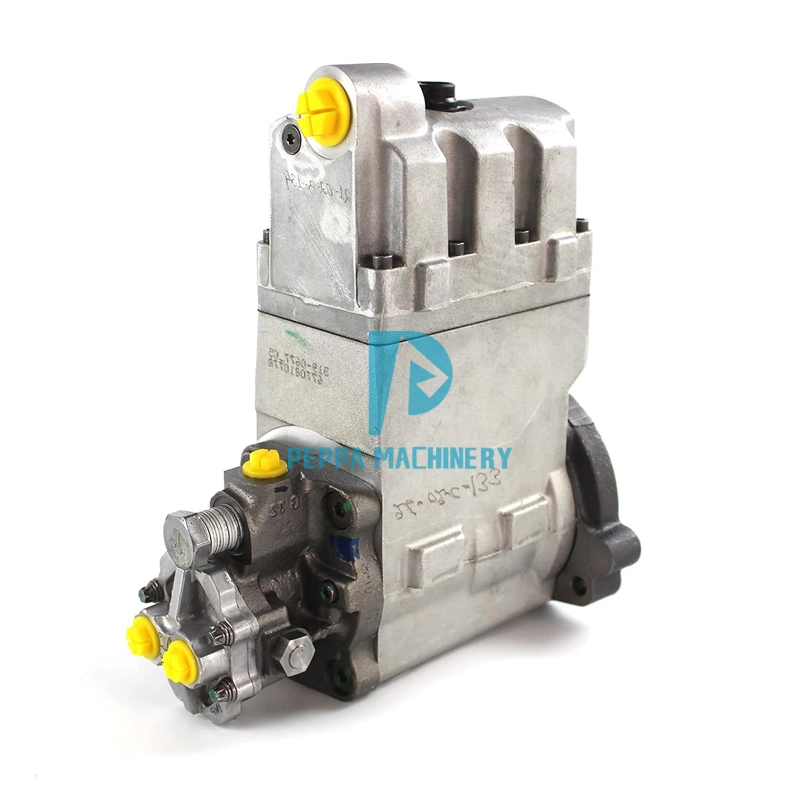
Fuel Feed / Transfer Pump Assembly for Caterpillar C7 & C9 Engines | Direct Replacement for OEM Parts #319-0678, 254-4358, 304-0678, 295-4778, 228-589
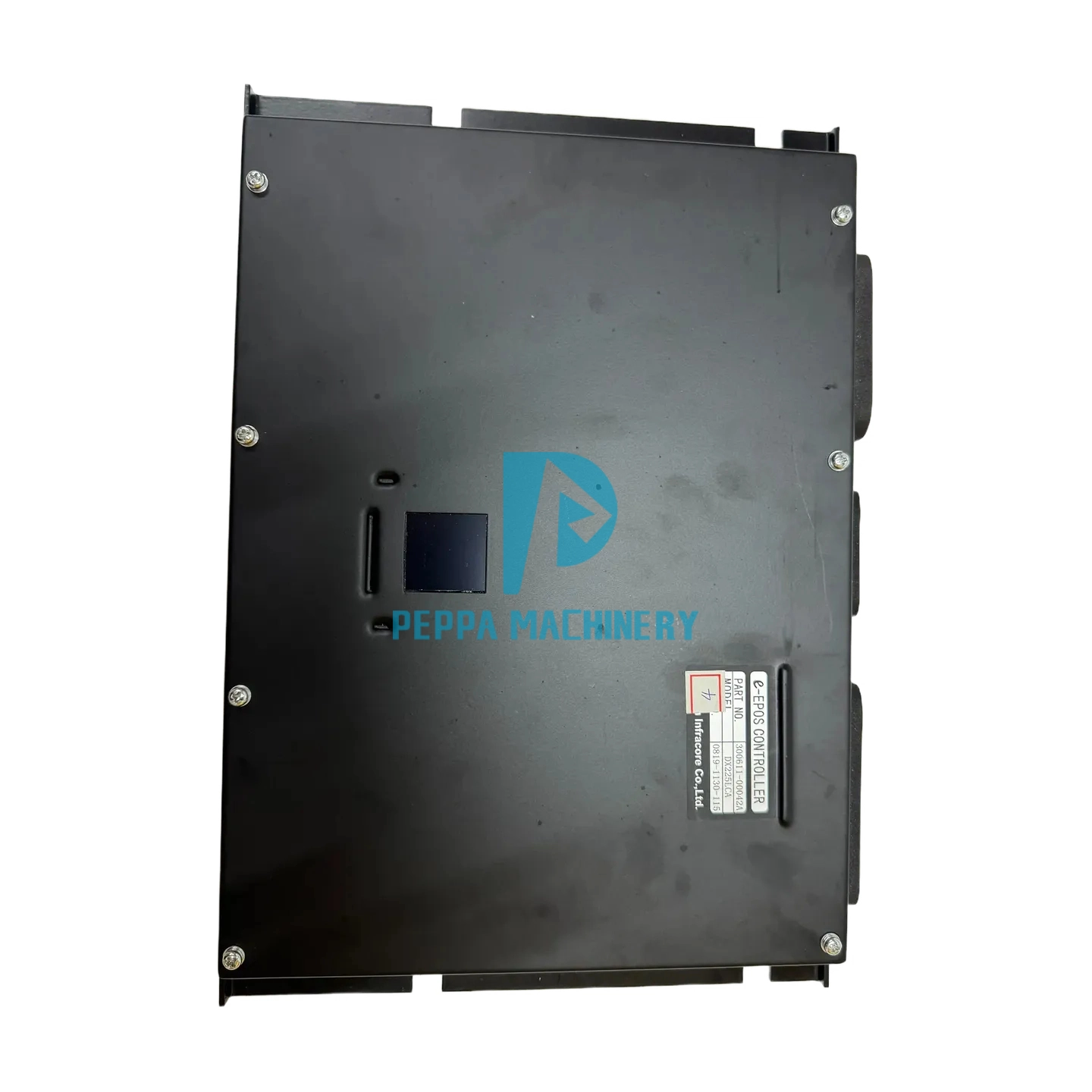
Excavator Accessories Excavator Controller DX225 DX225LCA E-EPOS Controller Computer Board 300611-00042 K1026740 K1001369C K1056425 ECU ECM

Isuzu Engine 6WG1 Turbo 1876183290 1-87618329-0 8981921861 8-98192186-1 14400-4441 1144004370 114400-4370 49188-018312 49188-11940
Excavator Parts
How can I verify compatibility before placing an order?
Please provide us with your machine brand, model number, and the part number (if available). Our team will double-check the compatibility to ensure you receive the correct parts.
What brands of excavator parts do you supply?
We supply a full range of parts compatible with major international and Chinese brands, including Caterpillar, Komatsu, Hitachi, Volvo, Doosan, Hyundai, Sany, Liugong, XCMG, Zoomlion, and more.
Can I get help choosing the right parts for my machine?
Yes. Our experienced sales team is here to provide professional recommendations and solutions based on your excavator model, part number, or specific requirements.
What types of parts do you mainly offer?
Our main product categories include:
• Engine parts (liner kits, crankshafts, water/oil pumps, etc.)
• Electrical parts (sensors, monitors, throttle motors, wiring harnesses)
• Hydraulic parts (pumps, valves, cylinders)
• Sealing kits (NOK, SKF, PQ brands, floating seals, O-rings)
Do you provide technical support or installation guidance?
While we do not offer on-site installation, we can provide basic technical advice, diagrams, or documentation to assist your technicians with installation and troubleshooting.
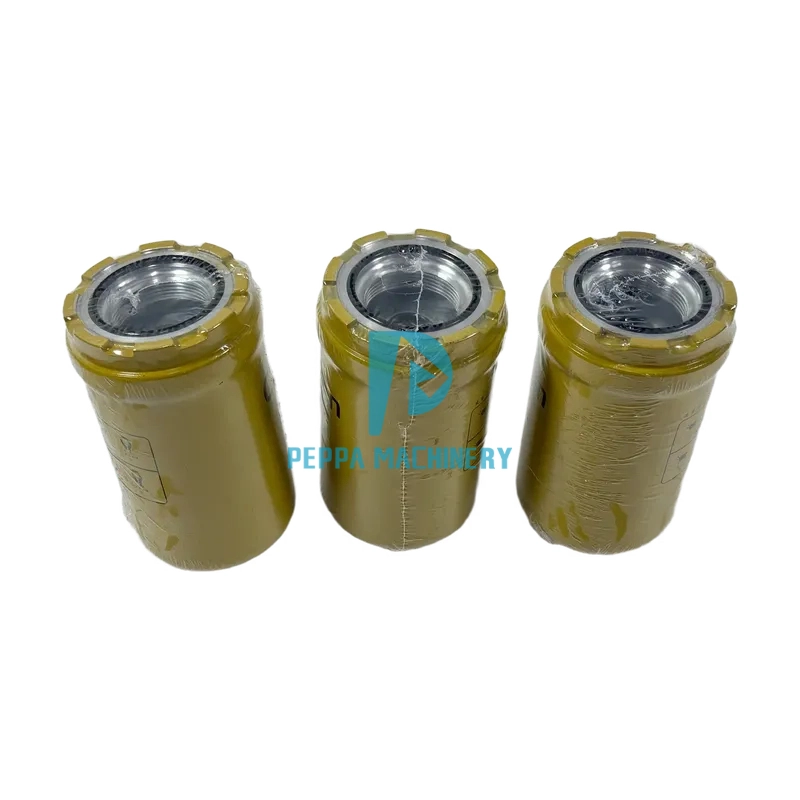
51-8670 Hydraulic Filter Applicable to HF35519 518670 2897836 518670X 1588987 Compatible with Caterpillar 352FVG 325CL
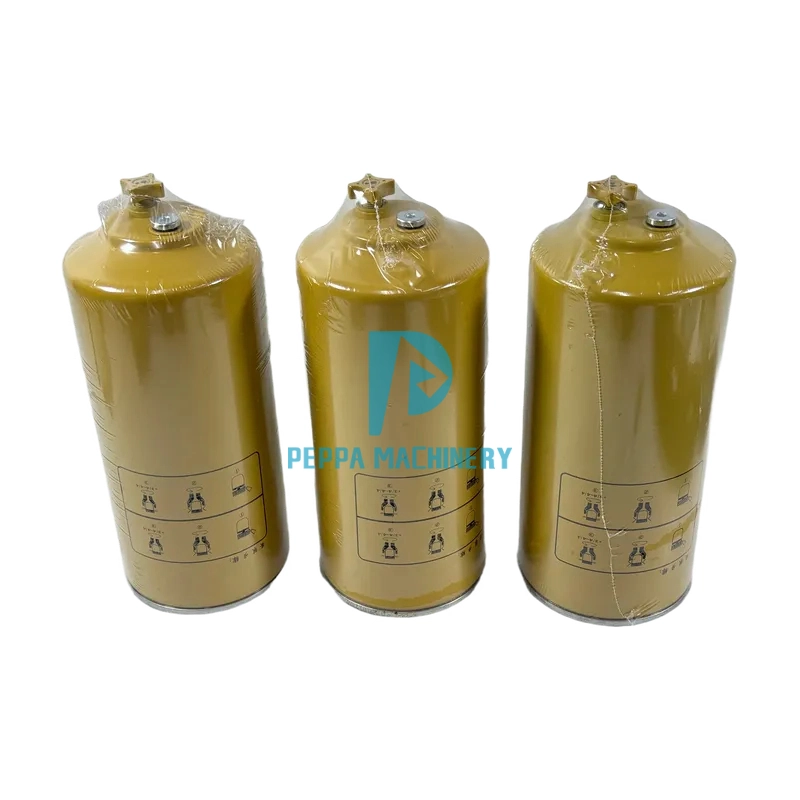
4385386 Fuel Water Separator Fuel Filter 382-0664 Oil-water Separator Hydraulic Oil Filter for CAT 312D2 320D2
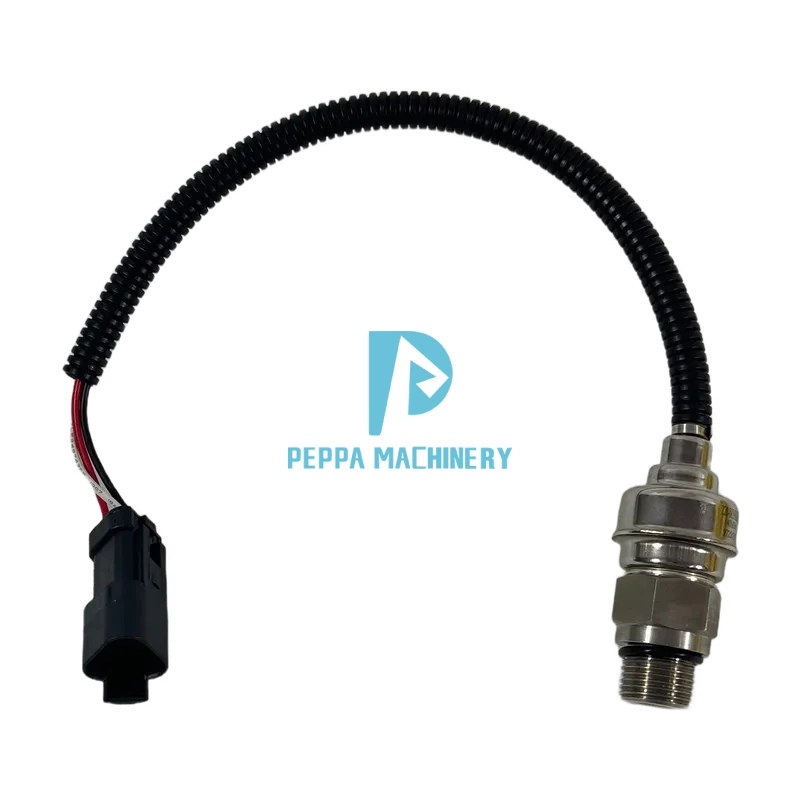
Pressure Sensor 221-8859 106-0178 for Caterpillar CAT 311B 311C 312C 314D 315B 320C 323D 324D 330C 336D 345B 385C
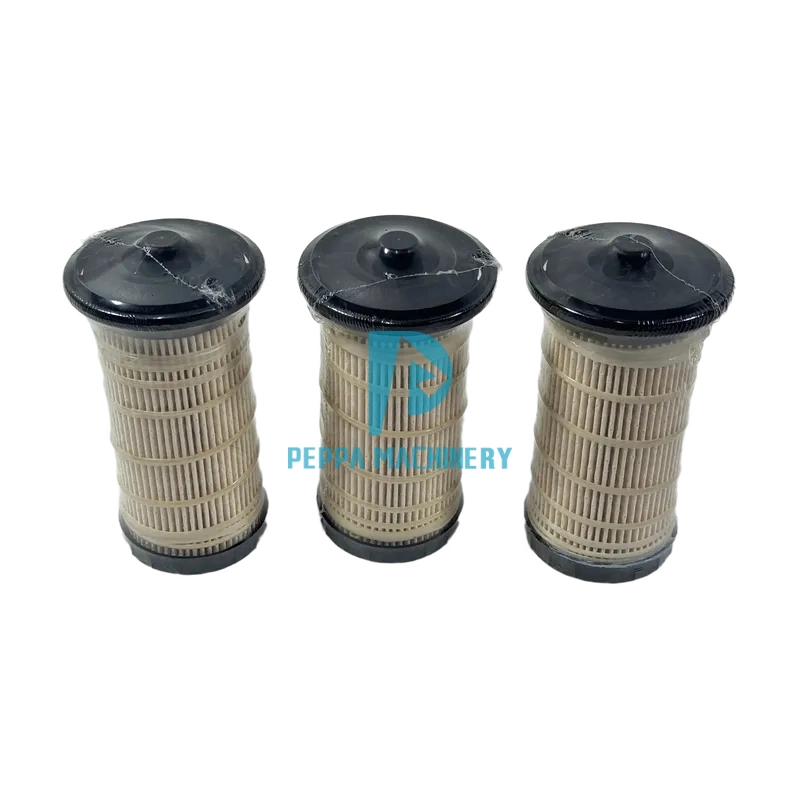
360-8960 Fuel Filter Element for Caterpillar C4.4 & C7.1 Engines | Fits 312D, 320D, 312E, 320E, 326D2, 336D2 Excavators
Get more information
Want to know more? Contact us today to get detailed product specifications, customized solutions, and a free consultation tailored to your needs.
Rest assured that your privacy is important to us, and all information provided will be handled with the utmost confidentiality.

Reliable Source for Quality Excavator Components.
Follow Us
Our Partners


Our Payment Methods


 High Quality
 7/24 Service
 Guaranteed Warranty
 Scan QR Code
Facebook
TikTok
YouTube
Pinterest
Twitter