








OEM vs aftermarket: Which engine gasket kit should you buy?
- 1. How can I verify an engine overhaul gasket kit contains the correct MLS head gasket thickness and material for my Komatsu/Cat/Cummins excavator engine?
- 2. Can I reuse original head bolts on a diesel excavator during an engine overhaul, and how do I identify torque-to-yield bolts?
- 3. What diagnostic checks should I perform to determine if the gasket failure is due to cylinder head warpage, cracked head, or liner wear before buying an engine gasket kit?
- 4. For older excavator engines using copper or composite gaskets, how do aftermarket kits match sealing surfaces and when is head resurfacing required?
- 5. OEM vs aftermarket: Which engine gasket kit should you buy for heavy‑duty mining and construction excavators to minimize downtime and warranty risk?
- 6. How to inspect and verify a shipped complete rebuild gasket set for excavator engines to avoid returning parts and costly delays?
- Concluding summary: advantages of choosing the right engine overhaul gasket kit and picking OEM vs aftermarket
Engine Overhaul Gasket Kit — OEM vs Aftermarket: Which Engine Gasket Kit Should You Buy?
This article answers six specific, frequently-asked long-tail questions excavator owners and engine rebuild technicians struggle to find authoritative answers for. It uses industry maintenance practice, OEM guidance patterns, and experienced teardown checks to help you choose the correct engine overhaul gasket kit and reduce downtime and warranty risk.
1. How can I verify an engine overhaul gasket kit contains the correct MLS head gasket thickness and material for my Komatsu/Cat/Cummins excavator engine?
Why this matters: Modern diesel excavator engines commonly use multi-layer steel (MLS) head gaskets. Wrong thickness or incorrect layer design changes clamping load, sealing reliability, and can cause coolant or combustion leaks under the higher cylinder pressures in turbocharged engines.
Steps to verify the MLS head gasket in a supplied overhaul gasket kit:
- Check part numbers and traceability: Compare kit component part numbers against the engine’s service manual parts list (e.g., Cylinder head gasket part number listed in OEM parts catalog). Reputable suppliers include a printed parts list and manufacturer part numbers inside the kit packaging.
- Inspect the gasket stamping and material marking: Genuine MLS gaskets normally have visible stamping or etching with the part number, material grade, or manufacturer logo. If the gasket is unmarked, request material certification from the seller.
- Measure compressed thickness (if possible): Uncompressed MLS thickness varies by engine design. When interested in accuracy, measure gasket free thickness with a micrometer and ask for the OEM spec. If the service manual specifies a compressed or assembled thickness, confirm that the provided gasket’s nominal thickness matches ranges used by the OEM. If you cannot match exact values, opt for OEM or manufacturer-certified aftermarket that provides a data sheet.
- Ask for material data sheets (MDS): For MLS gaskets, request composition details and recommended temperature/pressure limits. Trusted aftermarket manufacturers provide these and show compliance with engine OEM requirements.
- Validate sealing bead configuration and valve relief geometry: Compare the gasket’s combustion sealing bead layout and valve pocket cutouts with the removed OEM gasket (or OEM drawings). Differences here can indicate an ill-fitting gasket that will not properly center or seal the combustion chamber.
Practical tip: If the kit doesn’t include an MLS head gasket specific to your engine model, don’t assume interchangeability. Use exact OEM part numbers for cross-reference; mismatched thickness or bead design often shows up as early coolant ingress or uneven head bolt torque readings during re-torque checks.
2. Can I reuse original head bolts on a diesel excavator during an engine overhaul, and how do I identify torque-to-yield bolts?
Why this matters: Reusing head bolts can lead to loss of clamping force and sealing failures. Many modern diesel engines use torque-to-yield (TTY) head bolts that stretch and must be replaced.
How to determine reuse suitability and identify TTY bolts:
- Check the OEM service manual: It will explicitly state whether head bolts are single-use. For many heavy-duty diesel engines (Cummins, some CAT and Komatsu models), head bolts are TTY and marked as one-time use.
- Visual and physical checks: TTY bolts often have a distinctive head marking (a dot or groove) or come with the head bolt kit stating replace after removal. If markings are absent, treat them as TTY when in doubt—replacing head bolts is cheap insurance relative to a failed head gasket.
- Thread condition: If bolts show galling, corrosion, or damaged threads, replace them. Use a thread chaser to clean block threads but do not chase a damaged thread without inspection—rethreading can change torque outcomes.
- Torque strategy: For non-TTY bolts, follow OEM torque sequence and values (sometimes multiple steps). For TTY bolts, follow the OEM procedure which typically uses an angle tightening step that permanently stretches the bolt—reusing these bolts reduces clamping accuracy.
Recommendation: For excavator engine overhauls where downtime and reliability are critical (mining, rental fleets, civil works), replace head bolts with OEM or OEM-equivalent TTY bolts provided in a quality engine overhaul gasket kit. This minimizes risk of head gasket failure and subsequent downtime.
3. What diagnostic checks should I perform to determine if the gasket failure is due to cylinder head warpage, cracked head, or liner wear before buying an engine gasket kit?
Why this matters: Buying a complete rebuild gasket set and simply installing it without diagnosing the root cause can lead to repeated failures and wasted parts.
Key diagnostic checks and thresholds used in the field:
- Compression and leak-down testing: Perform a cold and/or warm compression test on each cylinder. Large variance between cylinders (>15–20%) suggests head or liner problems. Follow with a leak-down test to differentiate between piston/ring leaks vs. head gasket/exhaust valve leaks.
- Coolant and oil analysis: Look for combustion gases in coolant (block tester) and coolant in oil (milky oil). Presence of combustion gases in coolant indicates a coolant-to-combustion breach consistent with head gasket failure or cracked head.
- Surface flatness check: Use a precision straightedge and feeler gauges to check cylinder head-to-block mating surfaces. Warpage commonly triggers a head resurfacing if it exceeds 0.05–0.10 mm (0.002–0.004 in) across the recommended measurement grid—many OEMs publish exact limits, so confirm with the engine manual.
- Magnaflux or dye penetrant test: For suspected cracked cylinder heads, perform a magnetic particle inspection (ferrous heads) or dye penetrant (non-ferrous) to locate hairline cracks, especially around valve seats and combustion chamber corners.
- Cylinder liner runout and taper: Measure liner taper and out-of-round with a bore gauge. Excessive taper/out-of-round will prevent proper sealing and may necessitate liner replacement or machining; replacing gaskets alone will not solve it.
Decision flow: If flatness is within OEM limits and no cracks are found, a quality engine overhaul gasket kit plus new head bolts and proper resurfacing usually restores reliability. If warpage/cracks/liner wear exceed OEM limits, include machining or part replacement in the repair scope before installing gaskets.
4. For older excavator engines using copper or composite gaskets, how do aftermarket kits match sealing surfaces and when is head resurfacing required?
Why this matters: Older engines (or some heavy-duty diesels) use thick copper or composite head gaskets. Aftermarket replicas may use different finishes or copper alloys, affecting the mating surface contact and sealing effectiveness.
How to ensure compatibility and when to resurface:
- Match gasket type to OEM design: Confirm whether the engine originally used copper, composite, or MLS. Don’t substitute MLS for copper unless the OEM specifically allows it—the sealing behavior and required surface finish differ.
- Surface finish and flatness: Copper and composite gaskets require a very flat mating surface and, for copper, often a lightly polished finish for proper sealing. If the head surface is scored, pitted, or has surface finish that doesn’t match supplier recommendations, resurfacing or polishing is required.
- Thickness and crushability: Copper gaskets often depend on a specific amount of crush to form the seal; verify the gasket’s nominal thickness and the required clamp load. If the head or block has material removed by resurfacing, compensate with the correct gasket thickness to maintain compression ratio and valve-to-piston clearance.
- Aftermarket matching: High-quality aftermarket kits for copper/composite gaskets provide a material spec sheet, recommended mating surface Ra, and sometimes a thin coat of proprietary sealant. Lower-end kits may not, increasing the risk of leaks.
Practical guidance: Before ordering a copper/composite gasket kit, measure the current head thickness, check for corrosion/pitting, and consult the gasket vendor’s mating-surface recommendations. If in doubt, have the head resurfaced by a reputable machine shop and request a surface finish report. This upfront step prevents repeated seal failures.
5. OEM vs aftermarket: Which engine gasket kit should you buy for heavy‑duty mining and construction excavators to minimize downtime and warranty risk?
Why this matters: Fleet owners and maintenance managers must balance purchase cost, downtime risk, and warranty exposure when choosing between OEM and aftermarket overhaul gasket kits.
Decision factors to weigh:
- Fit and traceability: OEM kits come with manufacturer part numbers, fitment assurance, and often direct technical support. They provide full traceability which simplifies warranty claims. If your operation requires strict traceability (mining contracts, leased fleets), OEM is usually safer.
- Material and design parity: High Quality aftermarket kits from established suppliers often match OEM designs (MLS, copper, composite) and may come with test data and material certificates. Lower-cost aftermarket kits sometimes cut corners (different steel layers, thinner sealing beads) which elevates failure risk in high-load environments.
- Certifications and QA: Look for aftermarket suppliers with ISO 9001 or IATF 16949 quality management certifications, batch material testing, and written performance guarantees. These attributes narrow the quality gap with OEMs.
- Cost vs. downtime analysis: Calculate net cost including expected downtime and failure probability. If a gasket failure in the field costs you days of downtime and heavy recovery expenses, the High Quality for OEM or manufacturer-certified aftermarket is often justified.
- Service support and documentation: OEM kits typically ship with installation notes and torque sequences. If your team relies on supplier technical support during a rebuild, OEM or authorized aftermarket distributors will be more responsive and accountable.
Recommendation: For mission-critical heavy-duty excavators where downtime and warranty exposure are major concerns (mining, large civil projects), prefer OEM or high-grade aftermarket kits from certified suppliers with material documentation. For lower-stress applications or cost-controlled rebuilds on non-critical units, validated aftermarket kits can provide acceptable performance—only after verifying part numbers, materials, and warranty terms.
6. How to inspect and verify a shipped complete rebuild gasket set for excavator engines to avoid returning parts and costly delays?
Why this matters: Receiving an incomplete or incorrect overhaul gasket kit to a remote job site leads to delay and extra shipping costs. A pre-inspection checklist reduces rework and prevents wasted labor.
Inspection and acceptance checklist you can use on delivery:
- Unpack and verify the printed parts list: The kit should include a packing list with OEM part numbers, quantities, and a diagram or label for each item (head gasket, intake/exhaust gaskets, valve cover gasket, oil pan gasket, rear main seal, timing cover seals, head bolts, valve stem seals, turbo and EGR gaskets, O-rings and washers).
- Match part numbers and visual fit: Cross-check head gasket and other major gaskets against OEM part numbers and visually compare key features (combustion sealing beads, valve reliefs, bolt hole locations).
- Material and marking checks: Inspect head gaskets for manufacturer stamps, and check elastomer seals for correct compound color/durometer as specified. For critical items (MLS head gasket, head bolts), request batch certificates if not supplied.
- Count consumables and small parts: Ensure the kit contains the correct number of valve stem seals, O-rings, dowels, washers, and nuts. Missing small parts are the most common cause of returns.
- Check bolting hardware: Verify head bolts are the correct type (TTY vs reusable), correct thread length, and supplied in a sealed pack. If bolts are not included but required by OEM, obtain them before starting teardown.
- Quick-fit test: Where practical, lay major gaskets on the mating surfaces (cold) to visually confirm fit—hole alignment, port coverage, and sealing bead placement must match before installation.
- Documentation and torque specs: The kit should include or reference torque sequences and final torque/angle values. If it doesn’t, obtain OEM torque data before beginning assembly.
Accept/reject criteria: Reject the kit if major components (correct head gasket or head bolts) are missing or mismatched. For non-critical items or minor variations, consult the supplier for a written confirmation before using parts. Insist on a replacement or credit—using suspect parts on a rebuild is a false economy.
Concluding summary: advantages of choosing the right engine overhaul gasket kit and picking OEM vs aftermarket
Choosing the correct engine overhaul gasket kit—matched to the engine model, with certified MLS/head gasket specifications, single‑use head bolts handled per OEM guidance, and a complete parts list—reduces repeat failures and downtime. OEM kits provide traceability, fitment guarantee, and easier warranty support. High-quality aftermarket kits from certified manufacturers can match OEM performance at lower cost when you verify material data, part numbers, and warranty terms. For mission-critical excavator operations, the reduced downtime and lower risk of catastrophic failure usually justify OEM or manufacturer-certified kits; for non-critical or cost-constrained rebuilds, validated aftermarket kits can be acceptable with proper inspection and diagnostics.
Authoritative practices referenced: follow OEM engine service manuals for torque sequences and single‑use fastener rules; use compression and leak‑down testing and straightedge flatness checks (common warpage limits are often specified in the OEM manual, typically in the 0.05–0.10 mm range) to diagnose gasket-related failures; request material certification and production traceability from suppliers to comply with quality requirements.
For a verified quote on a complete engine overhaul gasket kit (OEM or certified aftermarket) for excavator parts, contact us at www.jbpartsgz.com or email jbparts@aliyun.com. We can provide part-number cross-references, material certificates, and kit packing lists to match your engine model and downtime requirements.

Isuzu SP 4JG1 4JG2 4JG3 Cylinder Liner 1876182070 1-87618207-0 1876182080 1-87618208-0 1876182100 1-87618210-0
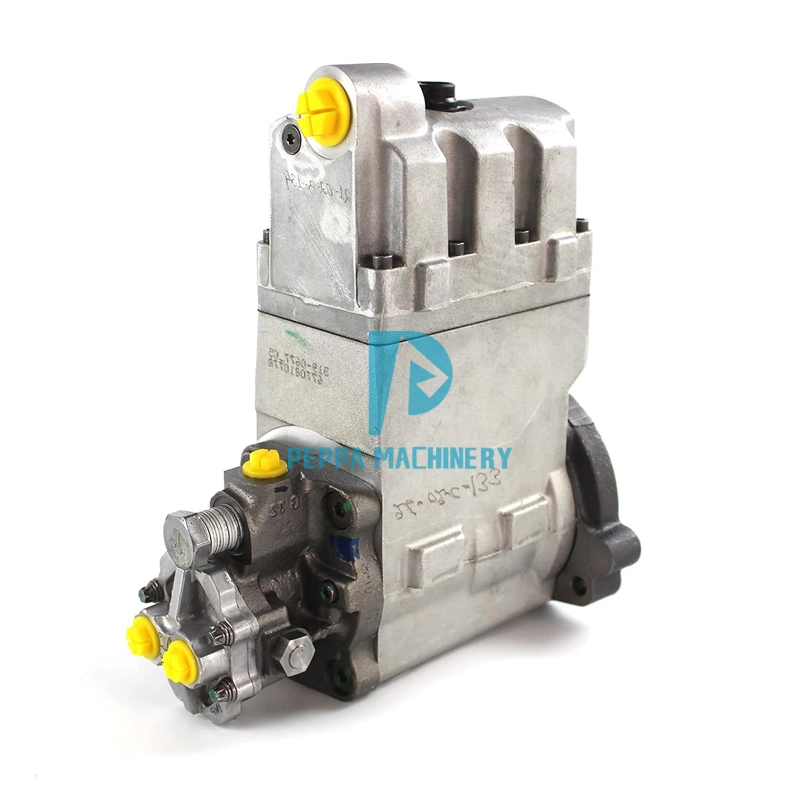
Fuel Feed / Transfer Pump Assembly for Caterpillar C7 & C9 Engines | Direct Replacement for OEM Parts #319-0678, 254-4358, 304-0678, 295-4778, 228-589
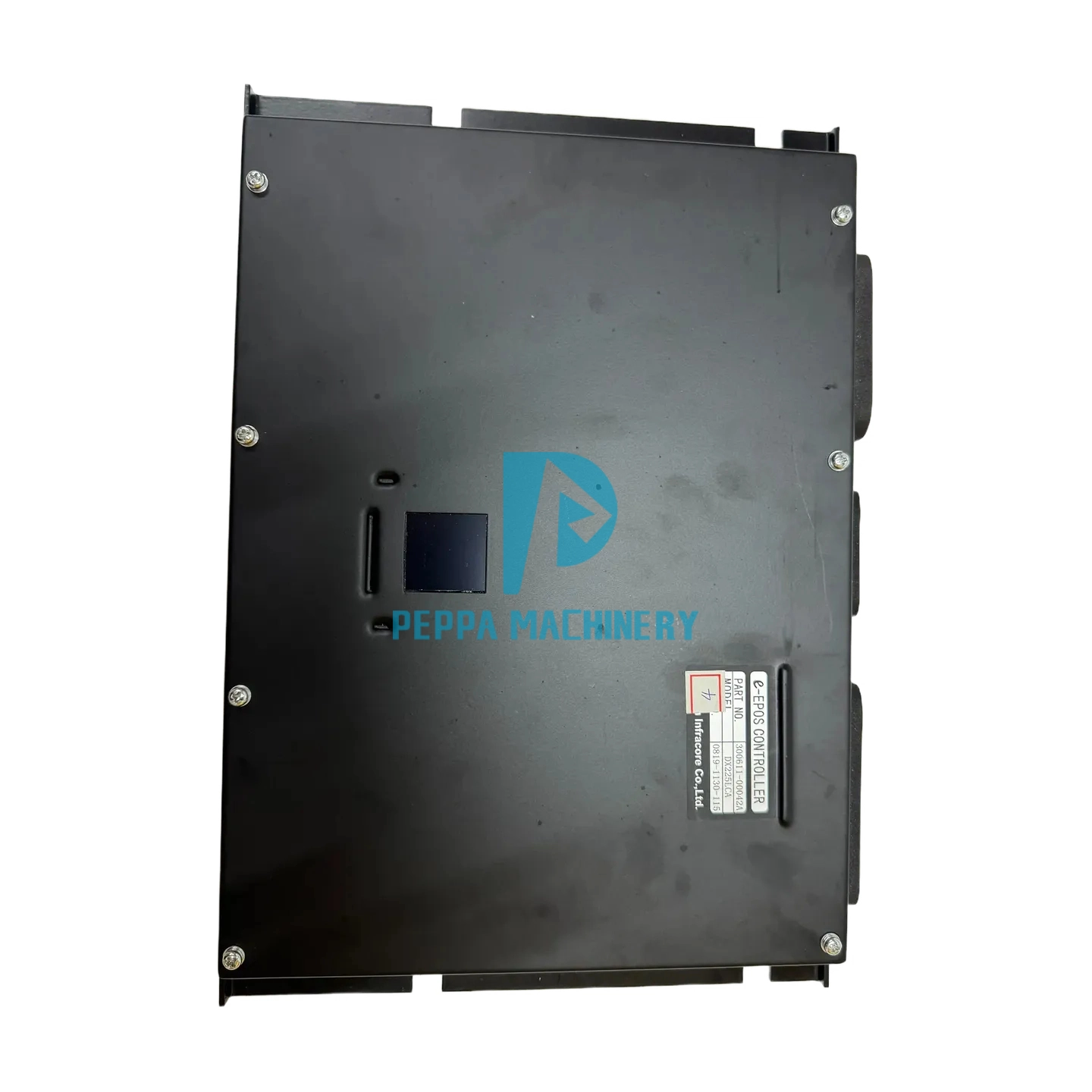
Excavator Accessories Excavator Controller DX225 DX225LCA E-EPOS Controller Computer Board 300611-00042 K1026740 K1001369C K1056425 ECU ECM

Isuzu Engine 6WG1 Turbo 1876183290 1-87618329-0 8981921861 8-98192186-1 14400-4441 1144004370 114400-4370 49188-018312 49188-11940
Excavator Parts
Can I get help choosing the right parts for my machine?
Yes. Our experienced sales team is here to provide professional recommendations and solutions based on your excavator model, part number, or specific requirements.
What types of parts do you mainly offer?
Our main product categories include:
• Engine parts (liner kits, crankshafts, water/oil pumps, etc.)
• Electrical parts (sensors, monitors, throttle motors, wiring harnesses)
• Hydraulic parts (pumps, valves, cylinders)
• Sealing kits (NOK, SKF, PQ brands, floating seals, O-rings)
Are your parts genuine or OEM?
We offer both genuine parts and high-quality OEM alternatives. You can choose according to your budget and application needs. All OEM products are tested to meet or exceed original specifications.
How can I verify compatibility before placing an order?
Please provide us with your machine brand, model number, and the part number (if available). Our team will double-check the compatibility to ensure you receive the correct parts.
What brands of excavator parts do you supply?
We supply a full range of parts compatible with major international and Chinese brands, including Caterpillar, Komatsu, Hitachi, Volvo, Doosan, Hyundai, Sany, Liugong, XCMG, Zoomlion, and more.
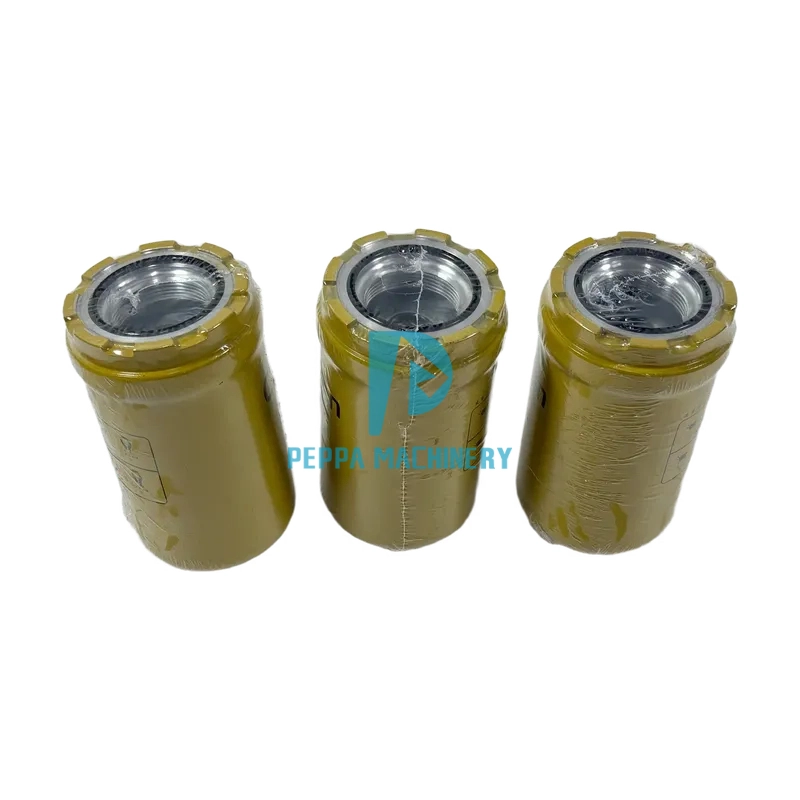
51-8670 Hydraulic Filter Applicable to HF35519 518670 2897836 518670X 1588987 Compatible with Caterpillar 352FVG 325CL
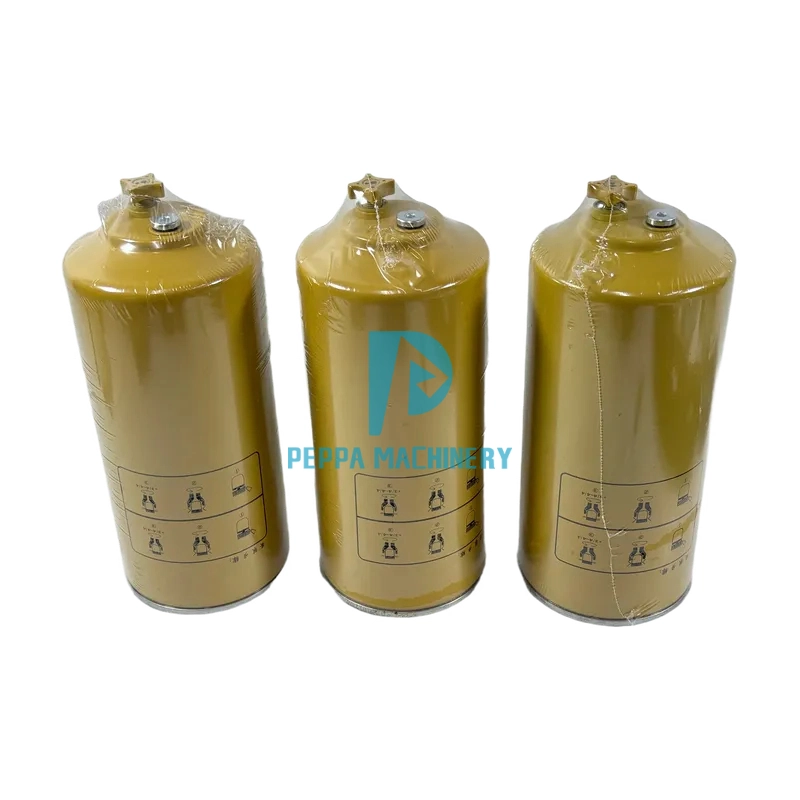
4385386 Fuel Water Separator Fuel Filter 382-0664 Oil-water Separator Hydraulic Oil Filter for CAT 312D2 320D2
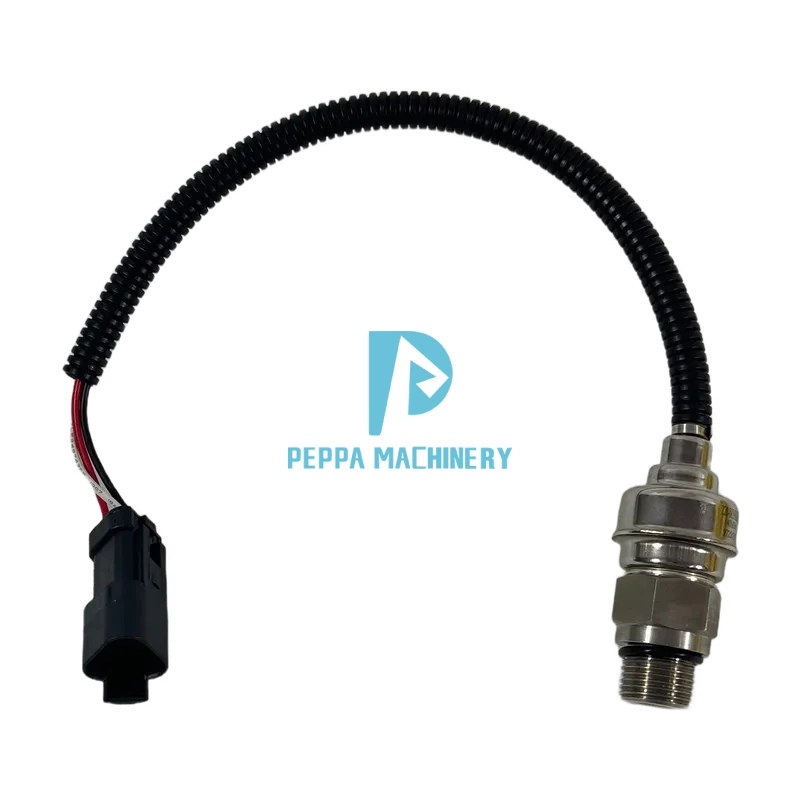
Pressure Sensor 221-8859 106-0178 for Caterpillar CAT 311B 311C 312C 314D 315B 320C 323D 324D 330C 336D 345B 385C
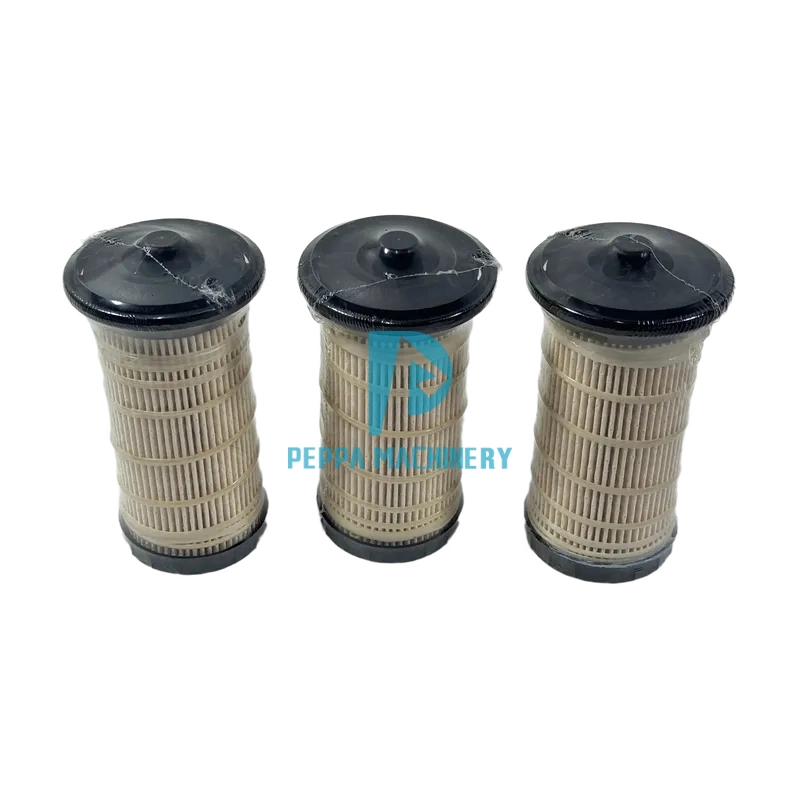
360-8960 Fuel Filter Element for Caterpillar C4.4 & C7.1 Engines | Fits 312D, 320D, 312E, 320E, 326D2, 336D2 Excavators
Get more information
Want to know more? Contact us today to get detailed product specifications, customized solutions, and a free consultation tailored to your needs.
Rest assured that your privacy is important to us, and all information provided will be handled with the utmost confidentiality.

Reliable Source for Quality Excavator Components.
Follow Us
Our Partners


Our Payment Methods


 High Quality
 7/24 Service
 Guaranteed Warranty
 Scan QR Code
Facebook
TikTok
YouTube
Pinterest
Twitter