








How long will an engine overhaul gasket kit last under load?
- 1. How long will an engine overhaul gasket kit last under continuous heavy excavator load (8–12 hours/day)?
- 2. Which gasket materials reliably survive hot, contaminated, dusty construction environments?
- 3. How does reusing head bolts or improper torque affect gasket life under load?
- 4. Can I mix OEM head gaskets with aftermarket valve cover or oil pan gaskets in one overhaul kit?
- 5. What installation checks and preparation steps extend overhaul gasket kit life under continuous load?
- 6. What are the earliest field signs of gasket failure under load, and what immediate actions should technicians take on-site?
- Concluding advantages of using a high-quality engine overhaul gasket kit
Engine Overhaul Gasket Kit: Lifespan, Materials & Field-Proven Practices
As an excavator parts specialist with extensive field and OEM-aligned experience, this guide answers six high-value, under-covered questions beginners and fleet technicians ask when selecting and installing an engine overhaul gasket kit for diesel excavator engines. The guidance below integrates real-world maintenance cycles, common OEM recommendations (head bolt replacement and torque-to-yield practices), and component-level troubleshooting used across heavy-equipment workshops.
1. How long will an engine overhaul gasket kit last under continuous heavy excavator load (8–12 hours/day)?
Real-world lifespan for an engine overhaul gasket kit depends on three classes of variables: component materials, engine operating environment, and installation quality. In heavy-duty excavator service the most influential factors are cylinder pressure cycles, coolant chemistry, operating temperature, and whether critical fasteners (head bolts) were replaced and torqued correctly.
Guidance based on industry practice and OEM overhaul intervals:- Many excavator diesel engines are scheduled for major overhaul based on engine hours; typical heavy-duty fleets plan major overhauls between preventive intervals and full rebuilds. In practice, a correctly installed, OEM-grade overhaul gasket kit including MLS (multi-layer steel) head gaskets will usually remain serviceable for the interval between major overhauls — commonly the next 8,000–15,000 engine hours depending on engine model and duty cycle. That interval aligns with typical heavy-equipment maintenance planning rather than gasket failure alone.- Secondary gaskets and seals in the kit (valve cover gaskets, oil pan gaskets, rubber O-rings, and coolant seals) are more sensitive to heat, oil contamination and abrasion. Expect these softer gaskets to require attention sooner (often 2–7 years or fewer operating hours in aggressive service) if exposed to high heat cycles or contaminated fluids.
Practical takeaway: For excavator work under sustained heavy load, choose OEM or high-grade MLS head gaskets and replace torque-to-yield head bolts during overhaul. Doing so will align gasket life with the engine’s planned overhaul interval; soft and elastomer seals must be inspected more frequently and replaced proactively when signs of hardening, shrinkage or blow-by appear.
2. Which gasket materials reliably survive hot, contaminated, dusty construction environments?
Select materials to match pressure, temperature, and chemical exposure:- MLS (multi-layer steel) head gaskets: Best for high-cylinder-pressure diesel engines. MLS handles high clamping forces, thermal cycling and cylinder pressure without creeping. This is the recommended choice for modern heavy-duty excavator engines.- Composite head gaskets: Acceptable for older or low-compression engines but less tolerant of high thermal cycling and combustion pressure. Composite is more likely to degrade under continuous heavy load.- Elastomers (Viton, nitrile): Use Viton or high-temp fluoroelastomers for oil and coolant seals exposed to high heat or chemical contamination; nitrile is cheaper but less heat-resistant. For valve cover gaskets and oil pan seals on excavators, Viton or high-grade silicone often extends service life.- Cork and paper: Avoid primary sealing surfaces with cork in heavy-duty diesel applications. Cork works for static low-pressure covers but shrinks/deteriorates in prolonged heat and oil exposure.
Match the gasket material to its function: use MLS for combustion sealing, high-temp elastomers for fluid seals, and engineered composites where manufacturer specifies. Choosing the right materials up front reduces mid-life failures in harsh on-site conditions.
3. How does reusing head bolts or improper torque affect gasket life under load?
Head-bolt management is one of the most common, high-impact mistakes in engine rebuilds:- Torque-to-yield (TTY) bolts: Many diesel engines use TTY head bolts that permanently stretch to achieve clamping force. Reusing TTY bolts is a known point of failure; OEMs almost always specify replacement when the head is removed. Reused TTY bolts risk inadequate clamp and progressive loss of sealing under load.- Incorrect torque sequence or insufficient torque: Uneven clamping causes localized gasket extrusion, hot spots, and loss of combustion seal. Under heavy cyclic loading this leads to head gasket failure, cylinder leakage, and coolant/oil cross-contamination.
Best practice: Always follow the engine OEM torque sequence, final torque values, and bolt replacement rules. Use calibrated torque tools (or angle gauges where specified) and recheck torques after a break-in run. Proper bolt replacement and torque application is as important to gasket longevity as gasket material selection.
4. Can I mix OEM head gaskets with aftermarket valve cover or oil pan gaskets in one overhaul kit?
Mixing parts is common for budget constrained rebuilds, but carries compatibility and warranty risks. Key points:- Interface compatibility: Different manufacturers use proprietary sealing profiles and thicknesses. OEM head gaskets are matched to OEM head and block surface finish and torque specs. Combining an OEM head gasket with lower-grade aftermarket head seals or incorrect thicknesses for intake/exhaust runners can change sealing dynamics.- Material mismatch: High-quality MLS head gaskets paired with low-grade elastomer seals can lead to the softer seals failing first and contaminating the engine environment, which indirectly stresses the head gasket.- Warranty and traceability: Using a mixed kit complicates root-cause analysis if failure occurs and may void OEM reman warranties.
Recommendation: Prioritize OEM or quality aftermarket equivalents for the head gasket and all adjacent critical seals (head bolts, intake manifold gaskets, turbo oil seals). If cost is a constraint, document part numbers and opt for proven aftermarket brands with published material data sheets and field references.
5. What installation checks and preparation steps extend overhaul gasket kit life under continuous load?
Preventable installation errors cause the majority of early gasket failures. Follow these steps during overhaul:- Surface inspection and machining: Check block and head flatness with a straightedge and feeler gauges. Mill or resurface if warpage exceeds OEM limits. Clean all gasket surfaces of old sealants and corrosion.- Clean fluids and cooling system: Flush cooling passages and replace coolant with OEM-specified chemistry. Corrosive or mineral-heavy coolant shortens gasket life and accelerates head corrosion.- Replace torqued fasteners per OEM: Always replace TTY head bolts and use the correct torque procedure (stages, angle sequences). Use calibrated tools and document torques.- Dry-run fit: Ensure correct gasket orientation, alignment dowels or locator tabs, and confirm no interference from coolant or oil passages.- Use recommended sealants sparingly: Some modern gaskets require no additional sealant; others call for a bead of RTV or anaerobic compound at specific points. Follow manufacturer instructions precisely.- Post-assembly checks: Perform a controlled break-in procedure — moderate loads, temperature cycling, and re-torque (if manufacturer calls for re-torque) before returning to full-duty cycles.
Consistent adherence to these steps reduces blow-by, prevents coolant/oil mixing, and extends service life under heavy loads.
6. What are the earliest field signs of gasket failure under load, and what immediate actions should technicians take on-site?
Early detection prevents catastrophic engine damage. Key symptoms and immediate responses:- Symptom: Rapid coolant loss without external leaks. Action: Stop use, pressure-test cooling system and inspect for hairline head gasket leaks. Avoid prolonged operation — coolant loss risks overheating and warped heads.- Symptom: White exhaust smoke after startup or under load (diesel): indicates coolant entering combustion. Action: Shut down, inspect coolant and oil for cross-contamination, perform compression or leak-down testing on suspect cylinders.- Symptom: Milky oil (oil/coolant emulsification): strong indicator of coolant in oil. Action: Change oil and filters; diagnose head gasket or cracked head/block. Continued operation will damage bearings and turbochargers.- Symptom: Loss of power, misfires, or uneven cylinder pressures: Action: Perform compression tests and coolant chemical tests (combustion gas in coolant). If head gasket breach is confirmed, plan controlled recovery to workshop to prevent secondary damage.
Temporary site repairs (sealants, stop-leaks) can be used only as emergency, short-term measures to relocate equipment; they are not substitutes for proper gasket replacement. Always document symptoms, operating conditions, and any temporary measures for the rebuild shop.
Concluding advantages of using a high-quality engine overhaul gasket kit
Choosing a properly specified overhaul gasket kit for excavator diesel engines (MLS head gaskets, OEM-grade elastomers, and new torque-to-yield bolts) delivers these advantages:- Reliability: Proper materials and bolt replacement reduce the risk of combustion leaks, coolant-oil cross-contamination, and unplanned downtime under load.- Longer service intervals: Correct installation and high-grade materials align gasket life with the engine’s planned overhaul hours, reducing partial repairs.- Lower lifecycle cost: Higher up-front parts quality lowers the probability of repeat teardown and collateral damage to heads, blocks and ancillary components.- Predictable maintenance planning: Using OEM or proven aftermarket kits makes overhaul intervals and spare-parts stocking predictable for fleet managers.
For professional quotations, OEM cross-references, and assembled excavator engine overhaul gasket kits (including MLS head gaskets and torque-to-yield bolt sets), contact us for a quote. Visit www.jbpartsgz.com or email jbparts@aliyun.com for part numbers, pricing and lead times.

Isuzu SP 4JG1 4JG2 4JG3 Cylinder Liner 1876182070 1-87618207-0 1876182080 1-87618208-0 1876182100 1-87618210-0
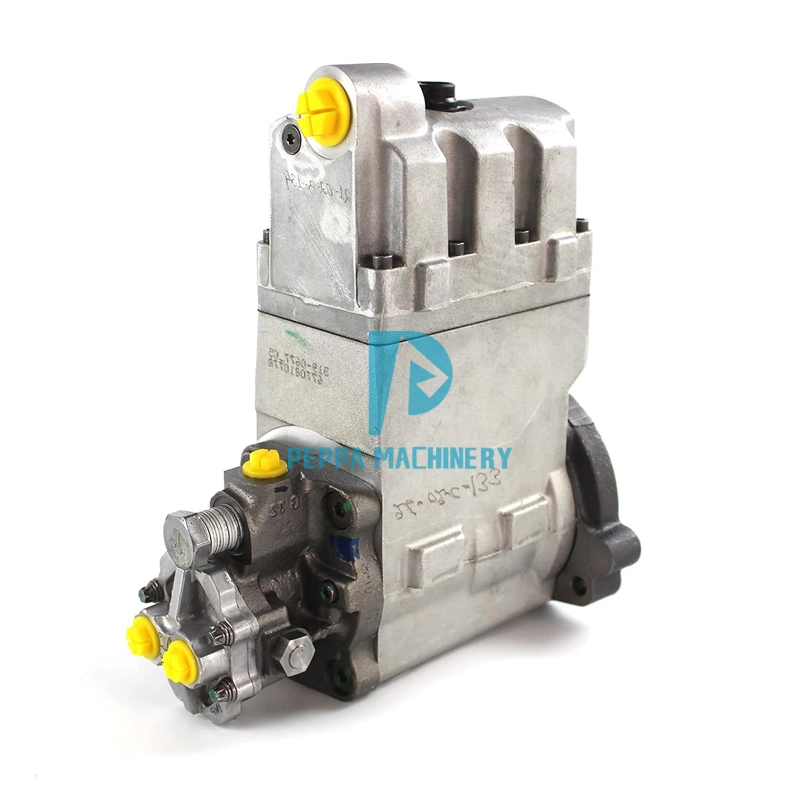
Fuel Feed / Transfer Pump Assembly for Caterpillar C7 & C9 Engines | Direct Replacement for OEM Parts #319-0678, 254-4358, 304-0678, 295-4778, 228-589
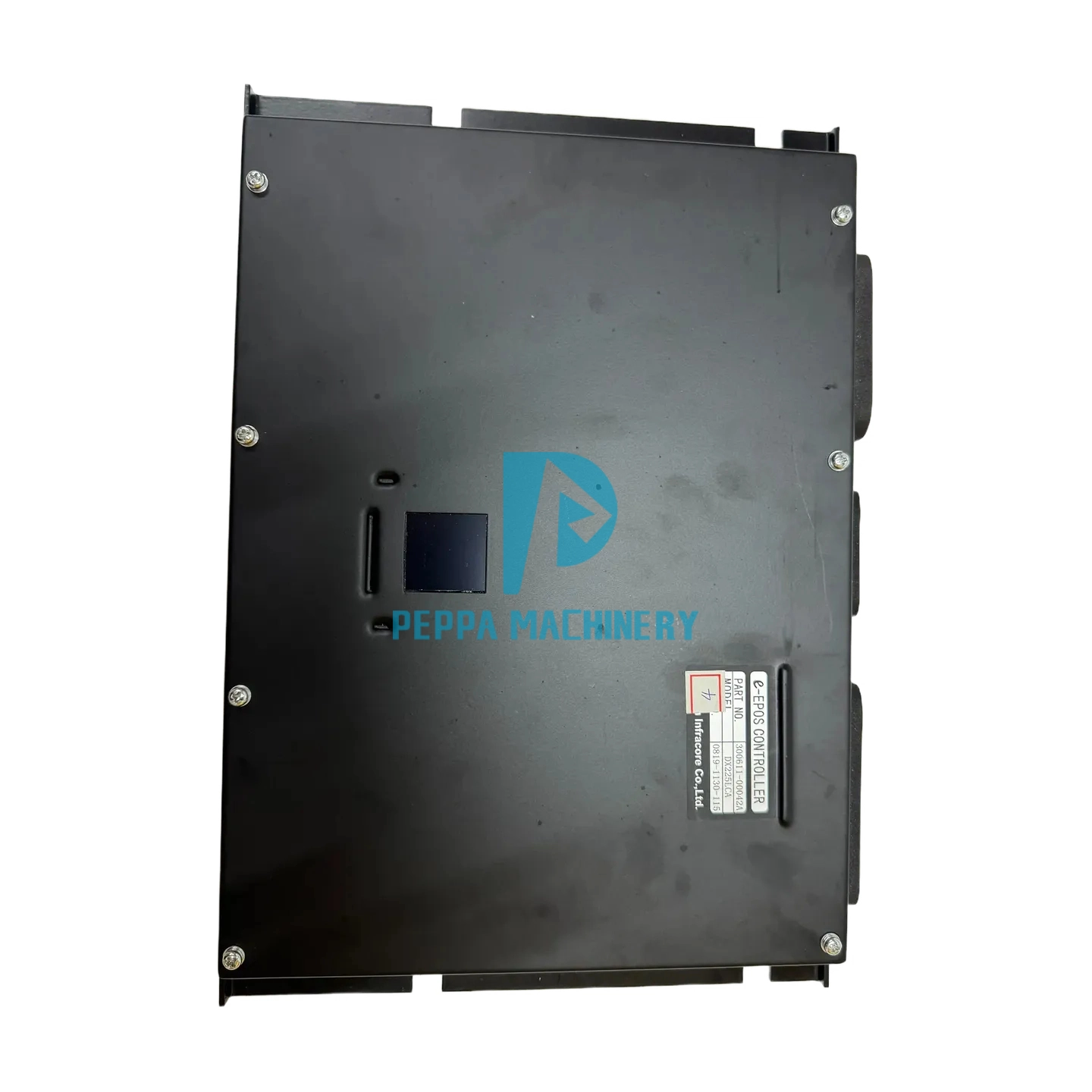
Excavator Accessories Excavator Controller DX225 DX225LCA E-EPOS Controller Computer Board 300611-00042 K1026740 K1001369C K1056425 ECU ECM

Isuzu Engine 6WG1 Turbo 1876183290 1-87618329-0 8981921861 8-98192186-1 14400-4441 1144004370 114400-4370 49188-018312 49188-11940
Excavator Parts
Are your parts genuine or OEM?
We offer both genuine parts and high-quality OEM alternatives. You can choose according to your budget and application needs. All OEM products are tested to meet or exceed original specifications.
Do you provide technical support or installation guidance?
While we do not offer on-site installation, we can provide basic technical advice, diagrams, or documentation to assist your technicians with installation and troubleshooting.
What types of parts do you mainly offer?
Our main product categories include:
• Engine parts (liner kits, crankshafts, water/oil pumps, etc.)
• Electrical parts (sensors, monitors, throttle motors, wiring harnesses)
• Hydraulic parts (pumps, valves, cylinders)
• Sealing kits (NOK, SKF, PQ brands, floating seals, O-rings)
How can I verify compatibility before placing an order?
Please provide us with your machine brand, model number, and the part number (if available). Our team will double-check the compatibility to ensure you receive the correct parts.
Can I get help choosing the right parts for my machine?
Yes. Our experienced sales team is here to provide professional recommendations and solutions based on your excavator model, part number, or specific requirements.
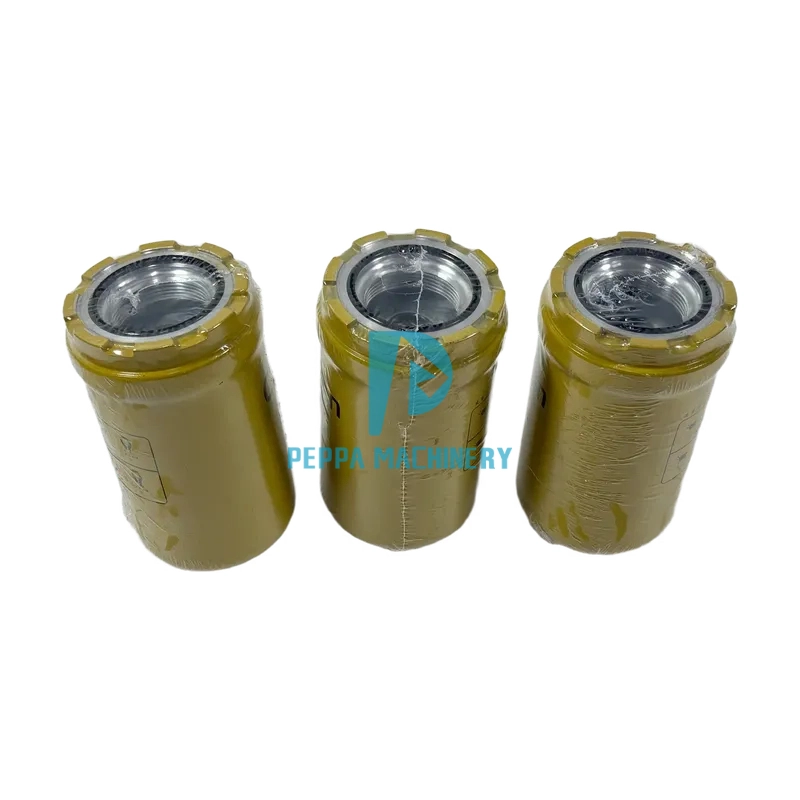
51-8670 Hydraulic Filter Applicable to HF35519 518670 2897836 518670X 1588987 Compatible with Caterpillar 352FVG 325CL
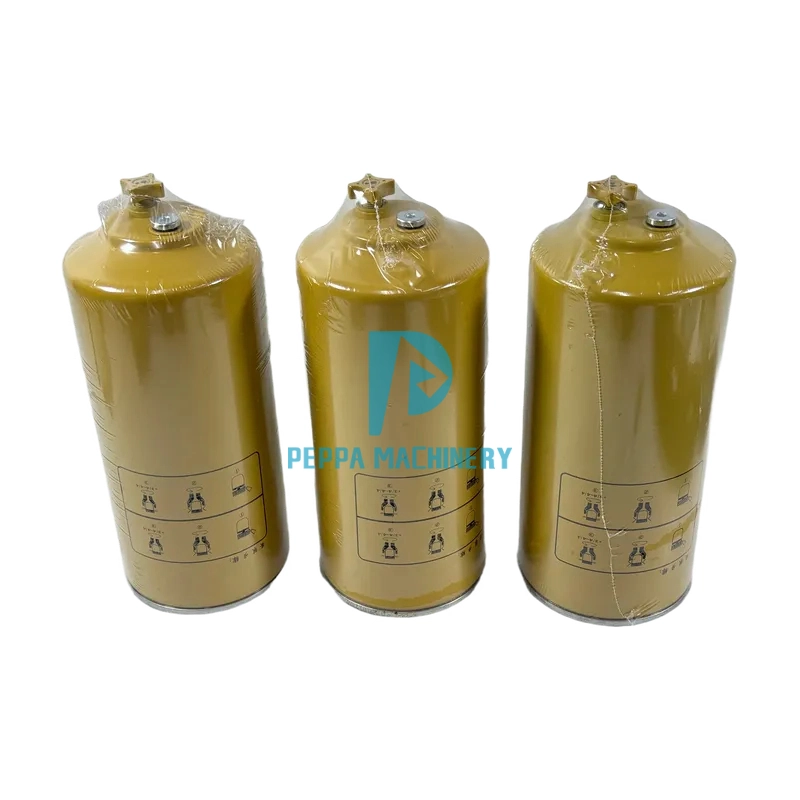
4385386 Fuel Water Separator Fuel Filter 382-0664 Oil-water Separator Hydraulic Oil Filter for CAT 312D2 320D2
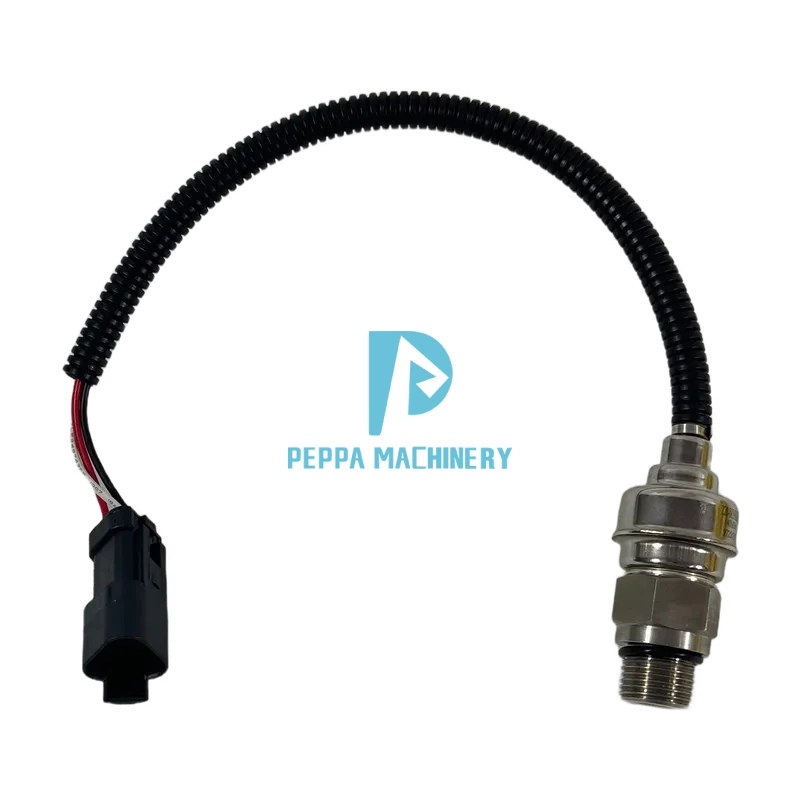
Pressure Sensor 221-8859 106-0178 for Caterpillar CAT 311B 311C 312C 314D 315B 320C 323D 324D 330C 336D 345B 385C
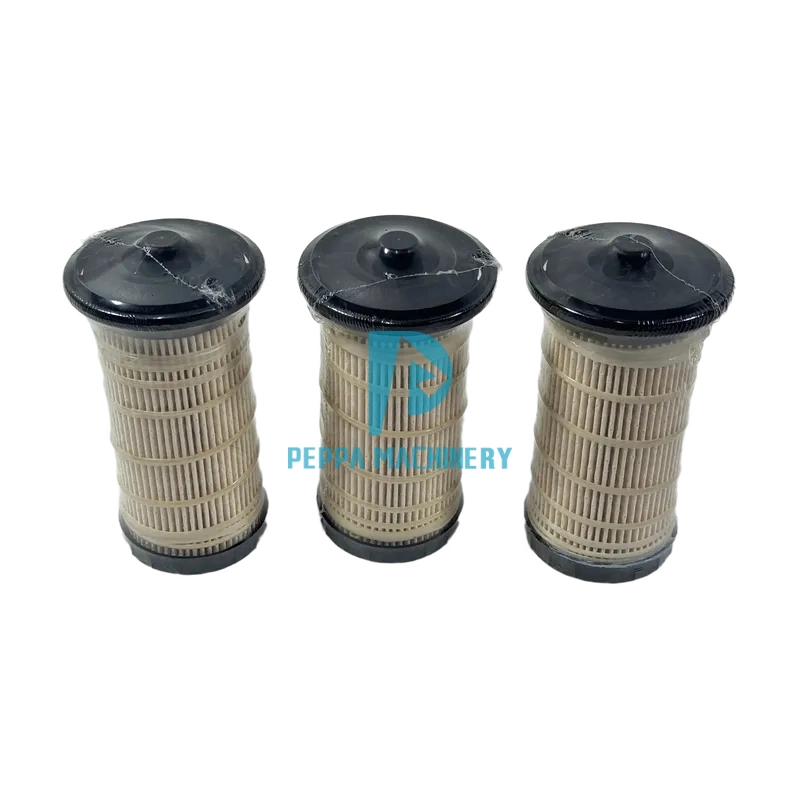
360-8960 Fuel Filter Element for Caterpillar C4.4 & C7.1 Engines | Fits 312D, 320D, 312E, 320E, 326D2, 336D2 Excavators
Get more information
Want to know more? Contact us today to get detailed product specifications, customized solutions, and a free consultation tailored to your needs.
Rest assured that your privacy is important to us, and all information provided will be handled with the utmost confidentiality.

Reliable Source for Quality Excavator Components.
Follow Us
Our Partners


Our Payment Methods


 High Quality
 7/24 Service
 Guaranteed Warranty
 Scan QR Code
Facebook
TikTok
YouTube
Pinterest
Twitter