








What does an engine overhaul gasket kit include for excavators?
- 1. What specific gaskets and seals must an engine overhaul gasket kit include to prevent repeated head and oil-pan leaks on high-hour excavator diesel engines?
- 2. Can I reuse cylinder head bolts and which fasteners must always be replaced when using an engine overhaul gasket kit?
- 3. How should I verify cylinder head and block surface flatness before installing an engine overhaul gasket kit to avoid early gasket failures?
- 4. Which gasket materials (MLS, composite, copper) are best for turbocharged excavator engines operating in extreme hot/cold climates?
- 5. What injector seal types and sealing washers should be included in an engine overhaul gasket kit to prevent high-pressure fuel or oil leaks, and how should they be installed?
- 6. How to cost-effectively source a complete engine overhaul gasket kit for excavators — OEM vs aftermarket, cross-referencing parts, and red flags to avoid?
1. What specific gaskets and seals must an engine overhaul gasket kit include to prevent repeated head and oil-pan leaks on high-hour excavator diesel engines?
An effective engine overhaul gasket kit for excavators must be a complete sealing solution — not only head gaskets. At minimum expect: multilayer steel (MLS) head gaskets (or OEM-specified type), valve cover gaskets, intake and exhaust manifold gaskets, turbocharger gaskets (if applicable), oil pan gasket, timing cover gasket, front and rear crankshaft seals, camshaft seals, rocker arm and valve cover seals, valve stem seals, cylinder head O-rings (where used), injector seals and copper sealing washers, coolant flange gaskets, water pump gasket (if removed in overhaul), thermostat gasket, oil cooler gaskets and all needed sealing washers and O-rings.
Why this breadth matters: repeated leaks are often due to omitted seals (for example turbo or oil cooler gaskets) or degraded sealing washers at injectors. A “complete gasket set” for an overhaul replaces all accessible sealing interfaces that are disturbed during disassembly, so you don’t have to reopen the engine and disturb torque sequences again.
Practical checklist when purchasing: confirm the kit includes injector seals and sealing washers, crankshaft front/rear seals, and all manifold gaskets for your specific engine model. If a kit is labeled a “top overhaul set” it may omit crankshaft seals, freeze plugs, or oil pan gaskets — verify before purchase.
Semantic note: look for a kit described as an excavator engine gasket kit or engine overhaul gasket kit that explicitly lists head, oil pan, timing cover, and injector seals to ensure full protection against oil and coolant leaks.
2. Can I reuse cylinder head bolts and which fasteners must always be replaced when using an engine overhaul gasket kit?
Many modern diesel engines used in excavators utilize torque-to-yield (TTY) or stretch-type head bolts. These are designed to plastically deform to maintain clamping force and therefore must be replaced whenever the head gasket is replaced. Reusing TTY bolts risks under-clamping and subsequent head gasket failure. Other fasteners that commonly must be replaced include:
- Head bolts (if specified as TTY)
- Main bearing cap bolts (if the engine manual specifies torque-stretch or single-use)
- Connecting rod bolts on some designs
- Turbocharger stud nuts and studs if damaged/corroded
What to do: always consult the engine’s service manual or parts catalog using the engine serial number. If manuals are unavailable, a safe practice is to replace head bolts and any critical stretch bolts during an overhaul. High-quality replacement fasteners from OEM or reputable aftermarket suppliers are recommended. Also replace any sealing washers or crush washers (injector and oil line washers) as they are single-use.
3. How should I verify cylinder head and block surface flatness before installing an engine overhaul gasket kit to avoid early gasket failures?
Surface flatness and finish are critical for gasket sealing. Steps used in industry and machine shops:
- Clean: Remove old gasket residue with non-abrasive methods (scrapers designed for metal) and solvent. Ensure coolant and oil passages are clear.
- Inspect visually: Look for cracks, pitting around combustion chambers, or corrosion at coolant passages.
- Straightedge & feeler gauges: Place a precision straightedge across multiple axes of the head and block mating surfaces and check for gaps with feeler gauges. Common acceptable flatness ranges used by many manufacturers fall between 0.05–0.10 mm (0.002–0.004 in), but exact limits vary by engine — always follow the OEM spec. Anything beyond the limit requires resurfacing.
- Surface finish: MLS head gaskets are sensitive to surface roughness; machine shops will finish to the OEM-specified Ra value. An overly rough or glazed surface can prevent proper sealing.
- Pressure test: Have the head pressure- and leak-tested (water or pneumatic) to detect invisible cracks or porosity.
If machining is required, the machine shop must not remove more material than allowed by OEM guidelines, otherwise piston-to-valve and compression ratio problems can arise. Document measurements and include them when ordering or validating a complete engine overhaul gasket kit.
4. Which gasket materials (MLS, composite, copper) are best for turbocharged excavator engines operating in extreme hot/cold climates?
Material choice matters for longevity under high cylinder pressure and thermal cycling found in turbocharged diesel excavators.
- MLS (multilayer steel): Current best practice for modern high-compression turbo diesels. MLS gaskets handle higher pressures and repeated thermal cycles better than older composites. Use MLS head gaskets where the OEM specifies them.
- Composite/asbestos-free: Older engines may accept composite head gaskets, but they are less tolerant of repeated thermal shock and higher boost pressures.
- Copper: Very good thermal conductivity and used in high-performance or specialty rebuilds; copper can require a precise mating surface and often uses sealing rings. These are not common for standard excavator diesel rebuilds unless specified.
For cold climates (freeze risk): ensure coolant passages are clean and use OEM-specified freeze plugs; gasket materials must tolerate thermal shock and resist embrittlement. In hot climates: MLS is preferable due to its ability to cope with higher combustion temperatures and boost. Always match gasket material to the engine design and manufacturer recommendation — incorrect material is a frequent cause of early failures.
5. What injector seal types and sealing washers should be included in an engine overhaul gasket kit to prevent high-pressure fuel or oil leaks, and how should they be installed?
Injectors and high-pressure fuel lines are common leak sources on diesel excavators. A correct overhaul kit should include:
- Injector copper/crush sealing washers (common single-use items)
- Injector O-rings and high-pressure seals (where applicable)
- Injector holder or sleeve O-rings for engines using wet-type or sleeve-mounted injectors
Installation best practices:
- Always use new crush washers for each injector; copper washers deform to create a metal-to-metal seal.
- Clean the injector bore and seating surfaces thoroughly; old carbon or corrosion will prevent a seal.
- Lightly lubricate O-rings with compatible engine oil or assembly lubricant — do not use grease that can degrade rubber.
- Torque injector hold-downs and line unions to manufacturer spec using the correct sequence; use new sealing washers on fuel line banjo bolts.
Failure to replace injector sealing components or reuse old crush washers is a leading cause of high-pressure fuel leaks and subsequent smoke, loss of power, and possible fire risk. Confirm the kit lists injector washers and specify OEM cross-reference for your engine serial number.
6. How to cost-effectively source a complete engine overhaul gasket kit for excavators — OEM vs aftermarket, cross-referencing parts, and red flags to avoid?
Sourcing strategy:
- Start with the engine serial number and OEM parts manual to identify exact part numbers. This avoids buying the wrong head gasket thickness or missing model-specific manifold gaskets.
- OEM kits: Pros are guaranteed fitment and material compatibility. Cons are higher cost and sometimes longer lead times.
- Quality aftermarket: A good aftermarket kit (from known suppliers specializing in heavy equipment) can be cost-effective. Ensure the kit provides part cross-references to the OEM numbers, lists all included items, and has clear material specs (e.g., MLS head gasket with specified layers).
- Red flags: kits missing injector washers, crankshaft seals, or crankcase breathers; kits that do not include a parts list; very low prices without brand or material information; no warranty or return policy.
- Local vs. global sourcing: For faster turnaround, local distributors can supply OEM or equivalent kits. For bulk or fleet rebuilds, direct sourcing from reputable manufacturers (with ISO or automotive industry certifications) can lower unit cost.
Quality checks before buying: request a detailed inventory list, confirm head gasket type and thicknesses, ask for material specs (MLS vs composite), and verify that single-use fasteners like head bolts/torque-to-yield bolts are noted. When possible, buy from suppliers who allow returns if the kit is incomplete for your engine serial number.
Concluding paragraph:A complete engine overhaul gasket kit — including MLS head gaskets (where specified), injector seals and copper washers, crankshaft seals, oil pan and timing-cover gaskets, manifold gaskets, and necessary O-rings — prevents the most common post-overhaul leaks and reduces downtime. Proper fastener replacement (especially torque-to-yield head bolts), precise surface flatness verification, and material compatibility for turbocharged diesel engines are essential advantages of buying a well-documented, model-specific kit. Choosing the right kit (OEM or a proven aftermarket equivalent) and following OEM torque and installation procedures will extend service life and reduce repeat repairs.
For a tailored quote and to confirm exact parts for your excavator engine serial number, contact us for a quote. Visit www.jbpartsgz.com or email jbparts@aliyun.com.

Isuzu SP 4JG1 4JG2 4JG3 Cylinder Liner 1876182070 1-87618207-0 1876182080 1-87618208-0 1876182100 1-87618210-0
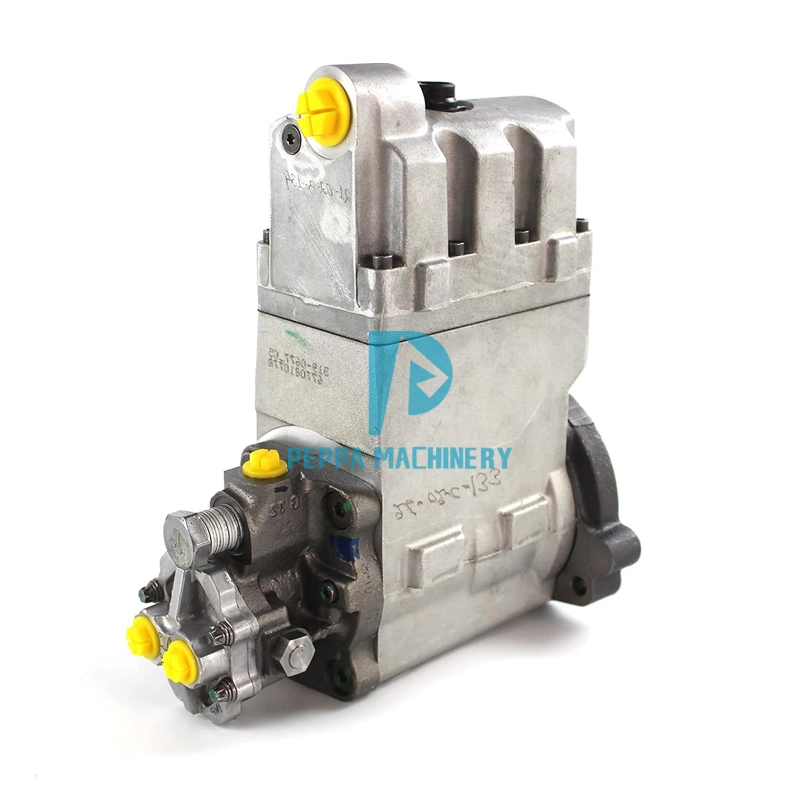
Fuel Feed / Transfer Pump Assembly for Caterpillar C7 & C9 Engines | Direct Replacement for OEM Parts #319-0678, 254-4358, 304-0678, 295-4778, 228-589
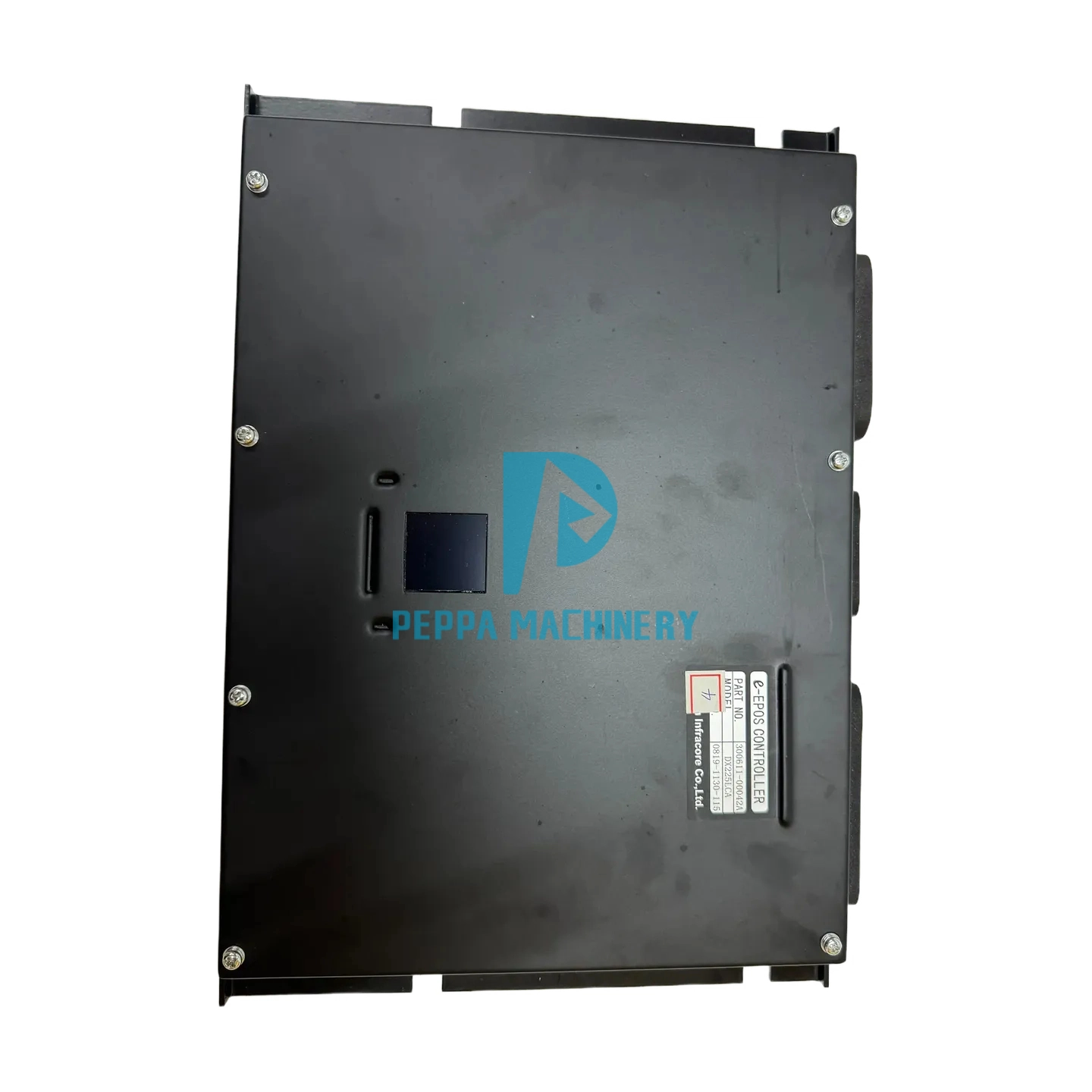
Excavator Accessories Excavator Controller DX225 DX225LCA E-EPOS Controller Computer Board 300611-00042 K1026740 K1001369C K1056425 ECU ECM

Isuzu Engine 6WG1 Turbo 1876183290 1-87618329-0 8981921861 8-98192186-1 14400-4441 1144004370 114400-4370 49188-018312 49188-11940
Excavator Parts
Do you provide technical support or installation guidance?
While we do not offer on-site installation, we can provide basic technical advice, diagrams, or documentation to assist your technicians with installation and troubleshooting.
Can I get help choosing the right parts for my machine?
Yes. Our experienced sales team is here to provide professional recommendations and solutions based on your excavator model, part number, or specific requirements.
What types of parts do you mainly offer?
Our main product categories include:
• Engine parts (liner kits, crankshafts, water/oil pumps, etc.)
• Electrical parts (sensors, monitors, throttle motors, wiring harnesses)
• Hydraulic parts (pumps, valves, cylinders)
• Sealing kits (NOK, SKF, PQ brands, floating seals, O-rings)
What brands of excavator parts do you supply?
We supply a full range of parts compatible with major international and Chinese brands, including Caterpillar, Komatsu, Hitachi, Volvo, Doosan, Hyundai, Sany, Liugong, XCMG, Zoomlion, and more.
Are your parts genuine or OEM?
We offer both genuine parts and high-quality OEM alternatives. You can choose according to your budget and application needs. All OEM products are tested to meet or exceed original specifications.
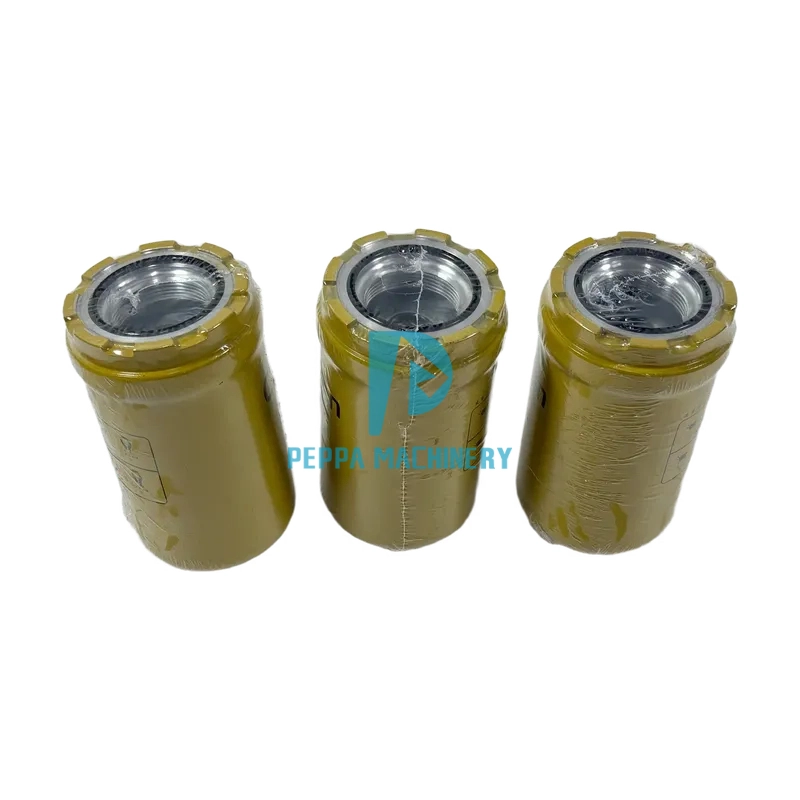
51-8670 Hydraulic Filter Applicable to HF35519 518670 2897836 518670X 1588987 Compatible with Caterpillar 352FVG 325CL
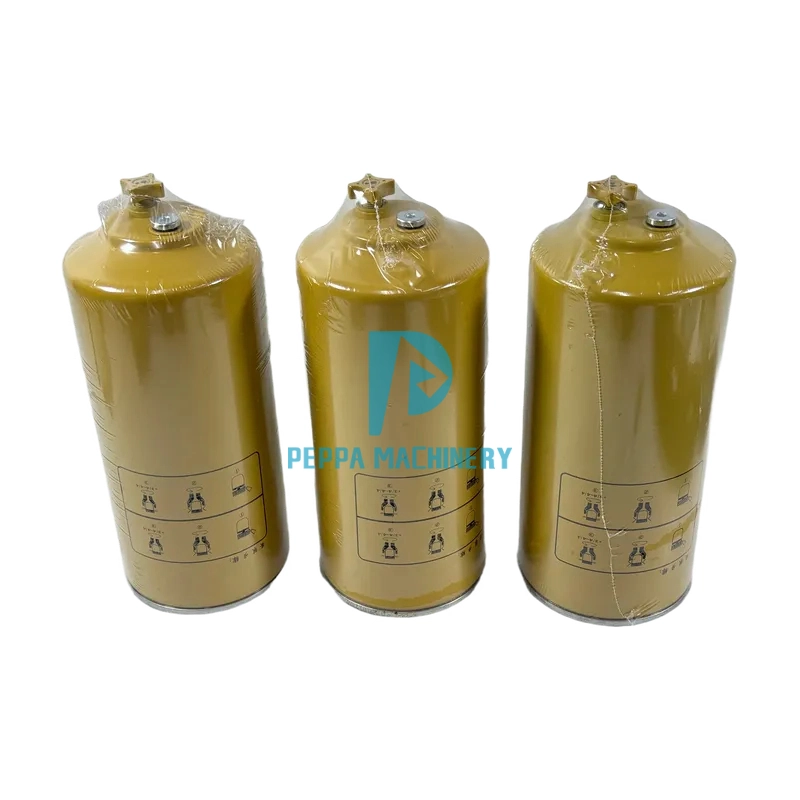
4385386 Fuel Water Separator Fuel Filter 382-0664 Oil-water Separator Hydraulic Oil Filter for CAT 312D2 320D2
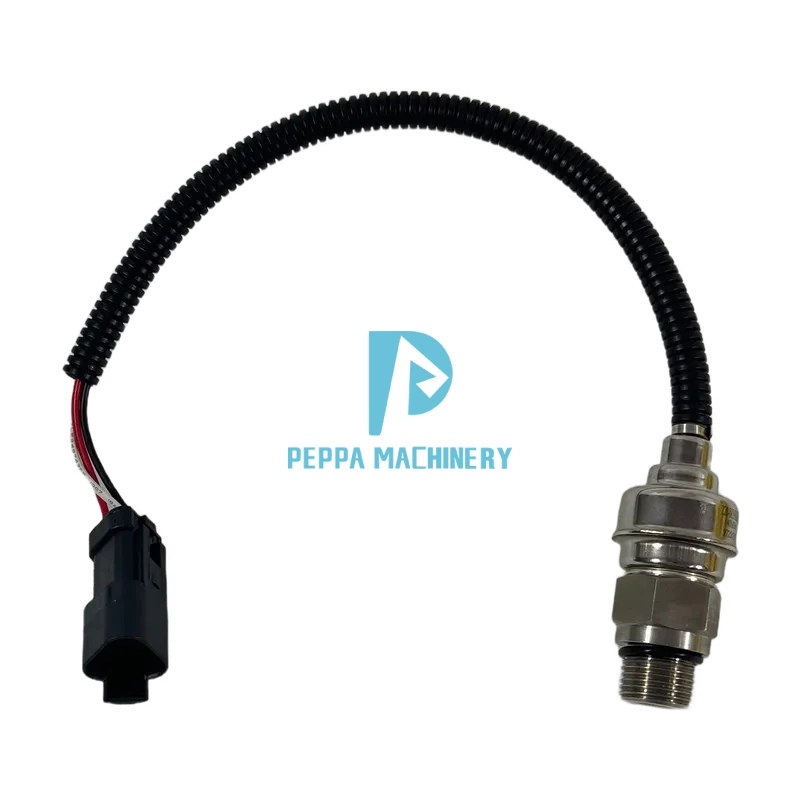
Pressure Sensor 221-8859 106-0178 for Caterpillar CAT 311B 311C 312C 314D 315B 320C 323D 324D 330C 336D 345B 385C
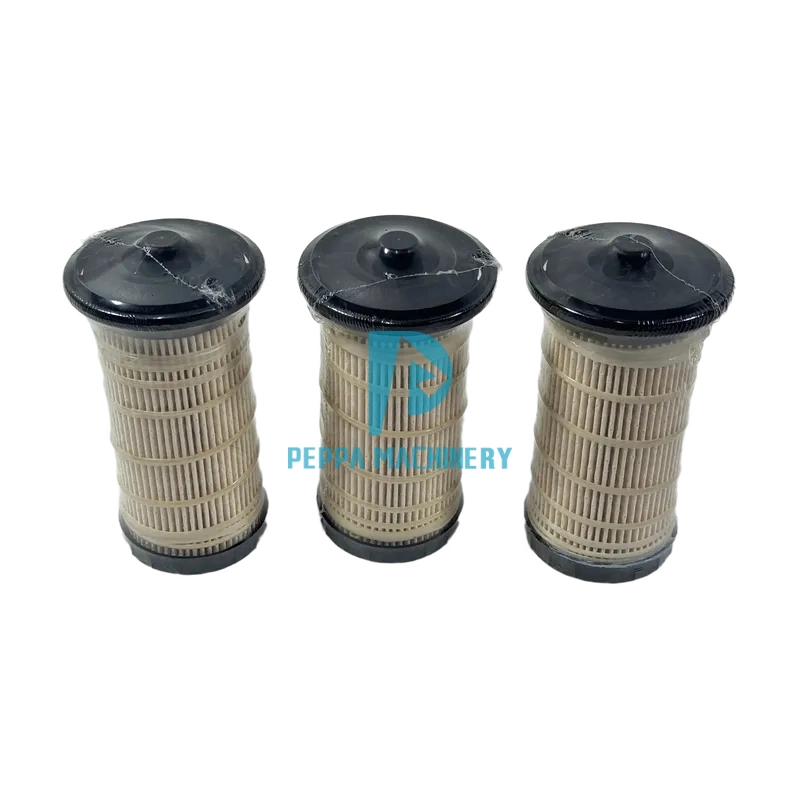
360-8960 Fuel Filter Element for Caterpillar C4.4 & C7.1 Engines | Fits 312D, 320D, 312E, 320E, 326D2, 336D2 Excavators
Get more information
Want to know more? Contact us today to get detailed product specifications, customized solutions, and a free consultation tailored to your needs.
Rest assured that your privacy is important to us, and all information provided will be handled with the utmost confidentiality.

Reliable Source for Quality Excavator Components.
Follow Us
Our Partners


Our Payment Methods


 High Quality
 7/24 Service
 Guaranteed Warranty
 Scan QR Code
Facebook
TikTok
YouTube
Pinterest
Twitter