








How to Choose the Best Nozzle Fuel Injector for Your Excavator?
- 1. How do I verify nozzle compatibility with my excavator beyond just matching part numbers?
- 2. What measurable bench tests and tolerances should I demand from a replacement nozzle fuel injector?
- 3. How can I tell if low power or visible smoke is caused by nozzle clogging versus injector mechanical wear?
- 4. Is it safe to use remanufactured or aftermarket nozzle fuel injectors for high-load excavator work, and what certifications or proofs should I require?
- 5. What fuel cleanliness and filtration levels are required to protect modern high-pressure nozzle fuel injectors in excavators?
- 6. How do nozzle spray pattern and hole geometry affect fuel economy and injector longevity, and what specs should I prioritize when ordering a replacement?
- Conclusion — Advantages of choosing the right nozzle fuel injector
How to Choose the Best Nozzle Fuel Injector for Your Excavator?
As an excavator parts specialist with years of field and test-bench experience, I’ll answer six specific beginner questions that are often poorly covered online. You’ll get actionable checks, measurable tolerances, and purchase criteria for nozzle fuel injector selection, testing, and maintenance. This content embeds practical terms like injector nozzle, common rail injector, injection pressure, spray pattern, atomization, nozzle clogging, injector calibration and flow testing to help you evaluate parts and vendors.
1. How do I verify nozzle compatibility with my excavator beyond just matching part numbers?
Problem: Buyers commonly assume a part number match is enough. In practice, several mechanical and performance attributes must align with your engine and ECU mapping.
Checklist to verify compatibility:
- Physical fit: check nozzle shank diameter, overall length, mounting flange dimensions, and connector type. Even small differences in seat height or sealing surface can change injection timing or cause leaks.
- Nozzle tip geometry: number of holes, hole diameter and angle (spray cone), and sac volume. These determine spray pattern and combustion. Multi-hole nozzles vs pintle/nozzle-pintle types behave differently in the same combustion chamber.
- Opening/injection pressure and spring preload: the injector’s designed nozzle opening pressure (NOP) or required system pressure must be compatible with your fuel pump/common rail. Modern excavator common-rail systems can operate at very high pressures (often in the 1600–2000 bar range on newer machines), while older pump-line-nozzle or unit injector systems operate at lower pressures (hundreds to low thousands of bar). Using a nozzle with incompatible opening pressure changes injection timing and quantity.
- Electrical/mechanical actuator type: solenoid vs piezo, and electrical connector pinout. A piezo-type common rail injector cannot be driven by a solenoid driver and vice versa.
- Calibration/flow characteristics: even if the nozzle is physically correct, its calibrated flow (mg/stroke or mm3/str) must match engine injector maps. Mismatched flow requires ECM reprogramming or causes imbalance, smoke, power loss.
- OEM cross-reference and ECM compatibility: confirm the vendor’s cross-reference with the OEM parts catalog or service manual. Request a documented cross-check rather than a simple aftermarket catalog number.
- Flow (quantity) test: measure injection quantity at a set rail pressure and pulse width. Modern practice reports flow in mg/stroke or mm3/str. Acceptance: matched injectors for the same engine should be within a small deviation—aim for ≤3% difference between cylinders for complete sets; best practice is ≤2% for high-performance or turbocharged excavators.
- Spray pattern imaging: visual or optical test under pressure to detect tip blockages, asymmetry, or early needle float. Spray images should match OEM pattern (multi‑hole cone, plume shape). A distorted pattern increases soot and reduces efficiency.
- Leak/backflow test: measure static and dynamic leakage at rated pressures. Excessive return flow indicates seat wear or needle/guide issues.
- Opening pressure / needle lift curve: record the injector opening pressure and lift vs. pressure curve. Deviations shift injection timing and quantity.
- Return flow measurement: some systems are sensitive to return flow differences. Measured return volumes should be within OEM tolerances.
- Electrical / actuator test: solenoid resistance, insulation, piezo capacitance and actuation consistency must be checked to ensure predictable response times.
- Observe smoke color and condition: continuous black smoke under load often signals over-fuelling (poor atomization or excessive flow). White or thin smoke at cold start can be normal; persistent white/gray smoke may indicate delayed injection or poor atomization.
- Use a cylinder contribution/balance test with a scan tool or manual balance procedure: reduce fuel to each injector in turn (via test harness or ECU) and measure torque or RPM drop. A cylinder with a clogged nozzle may show reduced contribution and low flow on bench testing, while a worn injector may leak or show erratic flow.
- Measure return flow and compare to baseline: high return flow or variable return suggests internal leakage (wear). Low flow with a distorted spray pattern indicates nozzle or tip clogging.
- Spray pattern check after removal: visually examine the nozzle tip. Carbon glazing, partial blockages, or varnish deposits change plume shape. Ultrasonic cleaning may restore some clogged nozzles; mechanical wear will not be resolved by cleaning.
- Flow/quantity bench test: clogs usually show reduced flow but normal sealing; mechanical wear often shows excessive leakage and abnormal needle seating behavior across pressures.
- Source traceability: the seller should provide full traceability—original part numbers, serials, and a remanufacture record. Certified remanufacturers retain records for audit.
- Calibration & test certificates: request detailed test bench reports for each injector delivered (flow curve, spray image, opening pressure, leak tests). Accept only parts with a matching test report.
- Quality management: prefer suppliers with ISO 9001 or industry-recognized quality systems and clear reman processes. OEM-authorized remanufacturers are preferable when available.
- Warranty & return policy: confirm a clear warranty (minimum 6–12 months typical for reman injectors) and a no-questions return policy if the injectors fail to meet reported specs during installation checks.
- OEM vs aftermarket differences: OEM new injectors carry the least risk but higher cost. Properly remanufactured injectors with documented calibration offer a reliable middle ground. Generic aftermarket injectors with no test data are high risk for high-load excavator applications.
- Filtration rating: follow the engine OEM specification—commonly modern high-pressure common-rail systems require filtration in the 2–4 µm range (absolute) to protect injector nozzle holes and valve surfaces. Using coarser filters dramatically increases nozzle wear and clogging risk.
- Water separation: water in diesel damages injectors and causes corrosion. Use reliable water separators and drain them at scheduled intervals.
- Fuel storage and handling: keep bulk tanks clean, use sediment bowls, and avoid topping off tanks from unverified sources. Contaminated storage is a major root cause of nozzle clogging.
- Routine sampling: periodically send fuel samples for particulate and contamination analysis, especially after fuel deliveries or if you experience injector issues.
- Filter change intervals: adhere to OEM filter change schedules; if operating in dusty or humid environments, shorten service intervals. When in doubt, change the primary and secondary filters—cheap insurance against injector failure.
- Atomization and hole count: smaller hole diameters and optimized hole counts produce finer atomization, improving combustion efficiency and reducing soot. However, the geometry must match the combustion chamber design; more holes are not inherently better if angle or diameter mismatch the chamber.
- Spray cone angle and penetration: the spray angle controls where fuel vaporizes in the chamber. Too much penetration causes wall wetting and deposits; too short penetration leads to incomplete combustion. Match the OEM spray angle and penetration characteristics for your engine.
- Sac volume and deposit susceptibility: nozzles with larger sac volumes can retain more fuel and carbon, promoting deposits that alter spray pattern over time. Many modern designs minimize sac volume to reduce deposit formation.
- Operating pressures: nozzle geometry is optimized for a given injection pressure range. Using a nozzle designed for lower pressures in a high-pressure system or vice versa compromises atomization and increases wear.
- Match OEM spray pattern and hole geometry exactly (hole count, diameter, angle, sac design).
- Confirm injection pressure compatibility and opening pressure specs for the injector nozzle assembly.
- Require a spray-pattern report from the supplier and flow calibration that matches OEM curves.
Actionable step: when you request a quote, ask the supplier to provide a dimensional drawing, nozzle tip photo, hole count/diameter, opening pressure spec, and a recent flow/spray report. If they can’t supply these, treat the part as unverified.
2. What measurable bench tests and tolerances should I demand from a replacement nozzle fuel injector?
Problem: Many online answers say “test the injector” but don’t define what tests or tolerances matter for engine balance and reliability.
Essential bench tests and acceptance criteria:
Request a test report: insist on a stamped printout from a calibrated test bench (e.g., Bosch, Delphi or similar calibrated equipment) showing the above metrics. If the supplier cannot provide verifiable bench reports dated within the last 30 days, insist on fresh testing prior to acceptance.
3. How can I tell if low power or visible smoke is caused by nozzle clogging versus injector mechanical wear?
Problem: Symptoms overlap—both clogged nozzle and worn injectors can cause power loss, white/black smoke, rough idle, or higher fuel consumption. The correct remedy differs dramatically.
Diagnostic flow:
Practical decision tree: if bench tests show correct sealing but poor spray pattern and reduced flow, attempt controlled ultrasonic cleaning and retest. If the injector shows internal leakage, inconsistent opening pressure, or flow instability, replace or order a remanufactured unit with calibration.
4. Is it safe to use remanufactured or aftermarket nozzle fuel injectors for high-load excavator work, and what certifications or proofs should I require?
Problem: Buyers choose the cheapest aftermarket nozzle fuel injector without confirming remanufacturing quality or calibration—this risks downtime and engine damage.
Guidelines for safe remanufactured/aftermarket use:
Bottom line: yes, remanufactured injectors are safe when supplied by a reputable remanufacturer that provides calibrated test reports and warranty. Don’t accept bulk-supplied injectors without per-unit validation data.
5. What fuel cleanliness and filtration levels are required to protect modern high-pressure nozzle fuel injectors in excavators?
Problem: Many operators underestimate the sensitivity of high-pressure common rail injector nozzles to particulate and water contamination.
Practical fuel cleanliness rules:
Actionable advice: when procuring nozzle fuel injectors, also evaluate fuel filtration upgrades (2–4 µm in-line filters, high-capacity water separators) and maintenance practices to protect the injectors you buy.
6. How do nozzle spray pattern and hole geometry affect fuel economy and injector longevity, and what specs should I prioritize when ordering a replacement?
Problem: Buyers focus on part numbers and price but ignore nozzle hole geometry and spray pattern—these directly affect combustion, soot formation, and thermal loads on the injector and engine.
Key technical points:
Priorities when ordering:
Choosing the correct nozzle geometry optimizes fuel economy and reduces soot-related wear—this is a long-term cost saving often overlooked in initial purchase decisions.
Conclusion — Advantages of choosing the right nozzle fuel injector
Selecting the correct nozzle fuel injector for your excavator delivers measurable advantages: improved fuel economy, reduced smoke and emissions, better cylinder balance and power output, fewer unplanned downtimes, and extended injector and engine life. Prioritize parts with documented bench flow and spray reports, verified dimensional compatibility, OEM or certified remanufacture traceability, and install strong filtration practices (2–4 µm guidance) to protect your investment. When in doubt, demand proof: per-unit test bench certificates, calibration curves, and a warranty from the supplier.
For a verified quote, certified test reports, and reliable OEM/reman nozzle fuel injectors, contact us for a quote: www.jbpartsgz.com or jbparts@aliyun.com.

Isuzu SP 4JG1 4JG2 4JG3 Cylinder Liner 1876182070 1-87618207-0 1876182080 1-87618208-0 1876182100 1-87618210-0
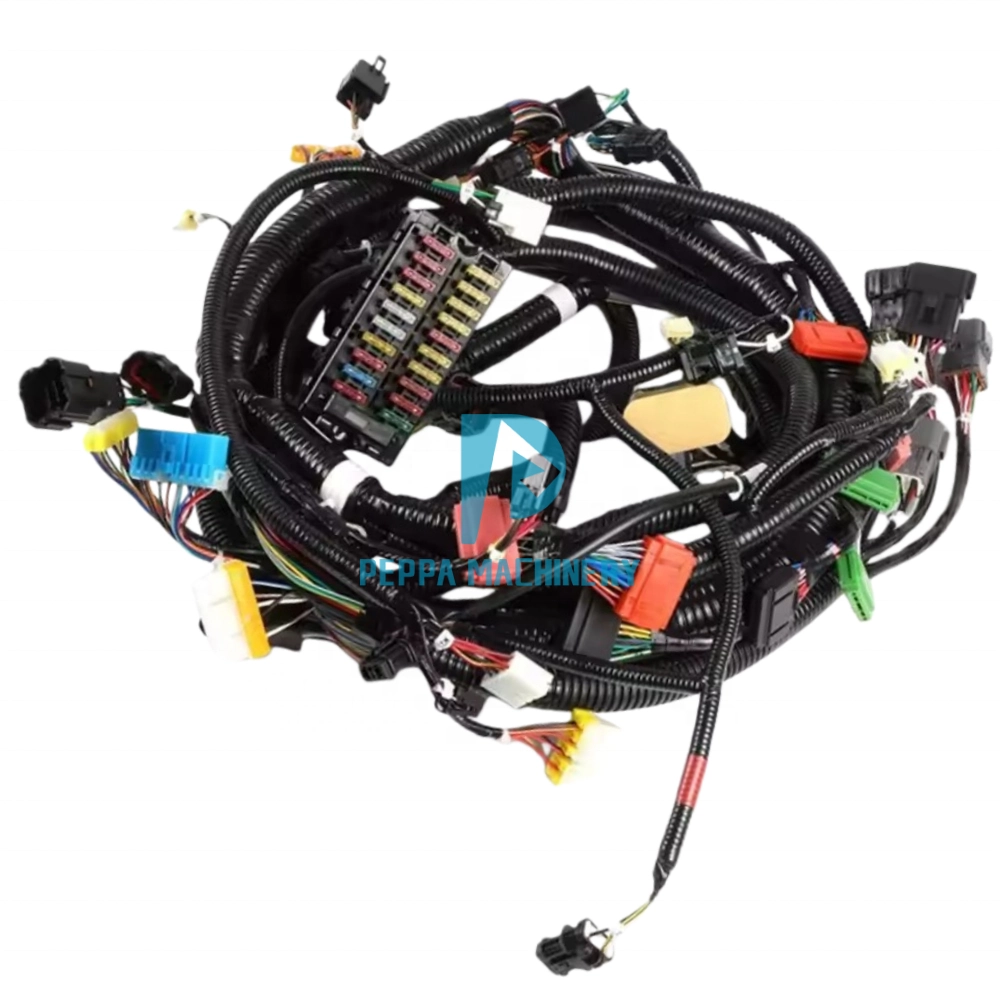
Internal Wiring Harness Assembly for Komatsu PC200-7 to PC270-7 Series Excavators | Direct OEM Replacement Part #20Y-06-31110 (20Y0631110)
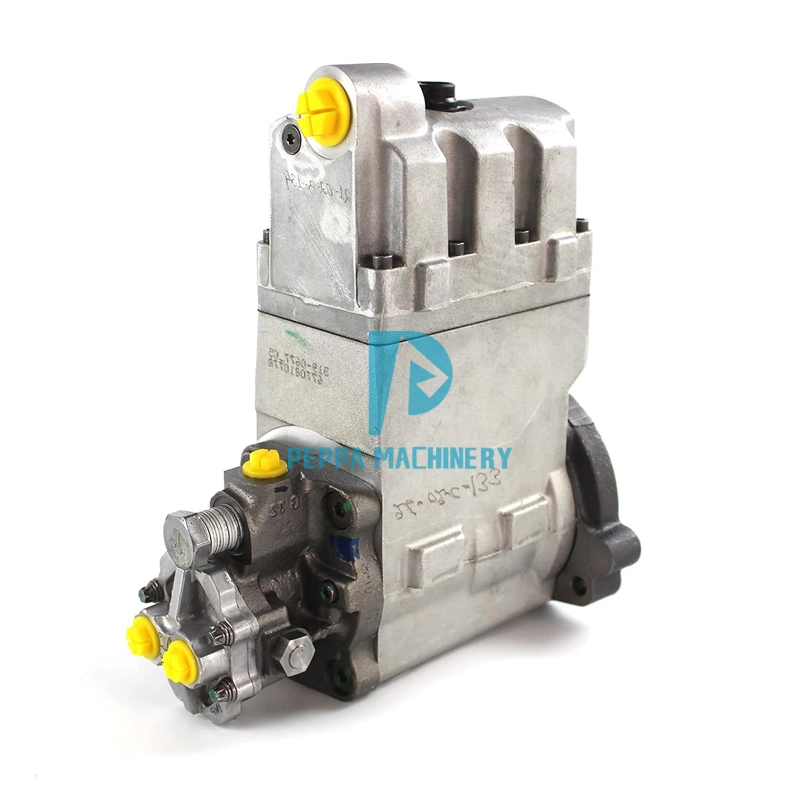
Fuel Feed / Transfer Pump Assembly for Caterpillar C7 & C9 Engines | Direct Replacement for OEM Parts #319-0678, 254-4358, 304-0678, 295-4778, 228-589
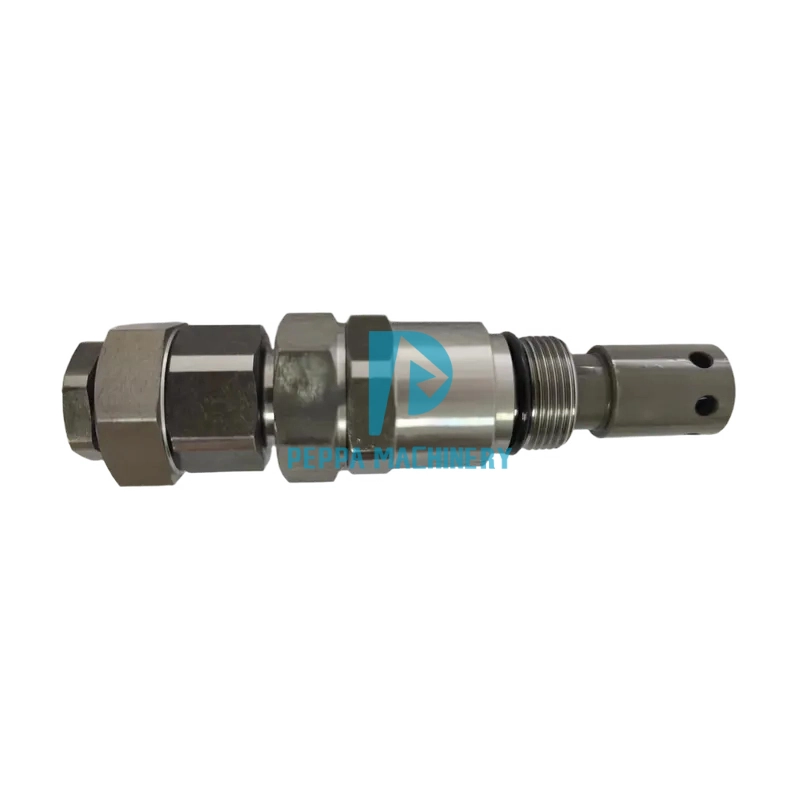
DH220-5 Main Control Valve Relief Valve 2420-1225 for Daewoo Doosan Excavator Solenoid Valve Hydraulic Accessories
Excavator Parts
Are your parts genuine or OEM?
We offer both genuine parts and high-quality OEM alternatives. You can choose according to your budget and application needs. All OEM products are tested to meet or exceed original specifications.
Do you provide technical support or installation guidance?
While we do not offer on-site installation, we can provide basic technical advice, diagrams, or documentation to assist your technicians with installation and troubleshooting.
What brands of excavator parts do you supply?
We supply a full range of parts compatible with major international and Chinese brands, including Caterpillar, Komatsu, Hitachi, Volvo, Doosan, Hyundai, Sany, Liugong, XCMG, Zoomlion, and more.
What types of parts do you mainly offer?
Our main product categories include:
• Engine parts (liner kits, crankshafts, water/oil pumps, etc.)
• Electrical parts (sensors, monitors, throttle motors, wiring harnesses)
• Hydraulic parts (pumps, valves, cylinders)
• Sealing kits (NOK, SKF, PQ brands, floating seals, O-rings)
Can I get help choosing the right parts for my machine?
Yes. Our experienced sales team is here to provide professional recommendations and solutions based on your excavator model, part number, or specific requirements.
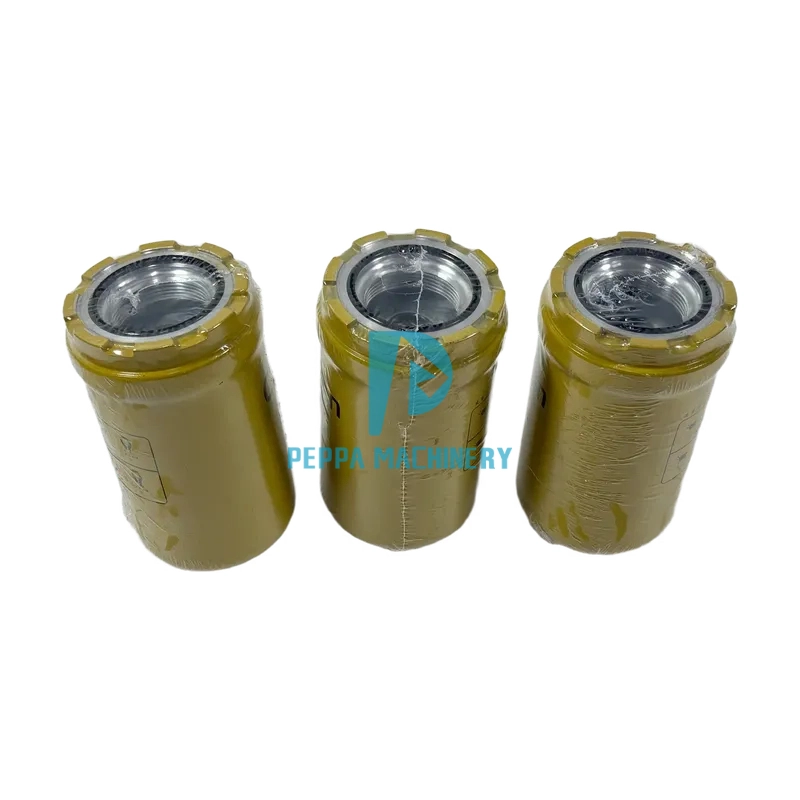
51-8670 Hydraulic Filter Applicable to HF35519 518670 2897836 518670X 1588987 Compatible with Caterpillar 352FVG 325CL
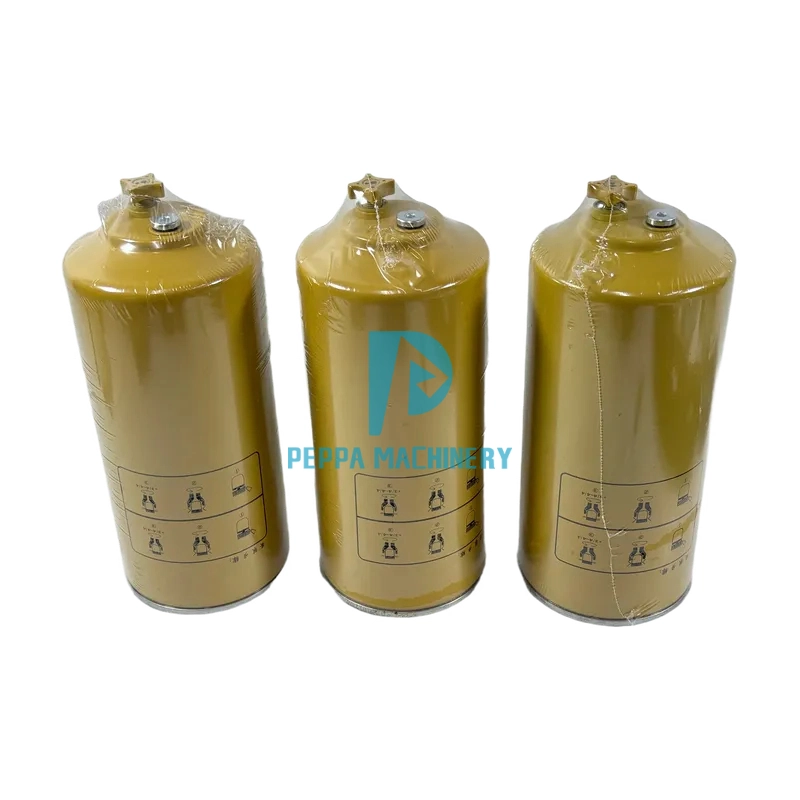
4385386 Fuel Water Separator Fuel Filter 382-0664 Oil-water Separator Hydraulic Oil Filter for CAT 312D2 320D2
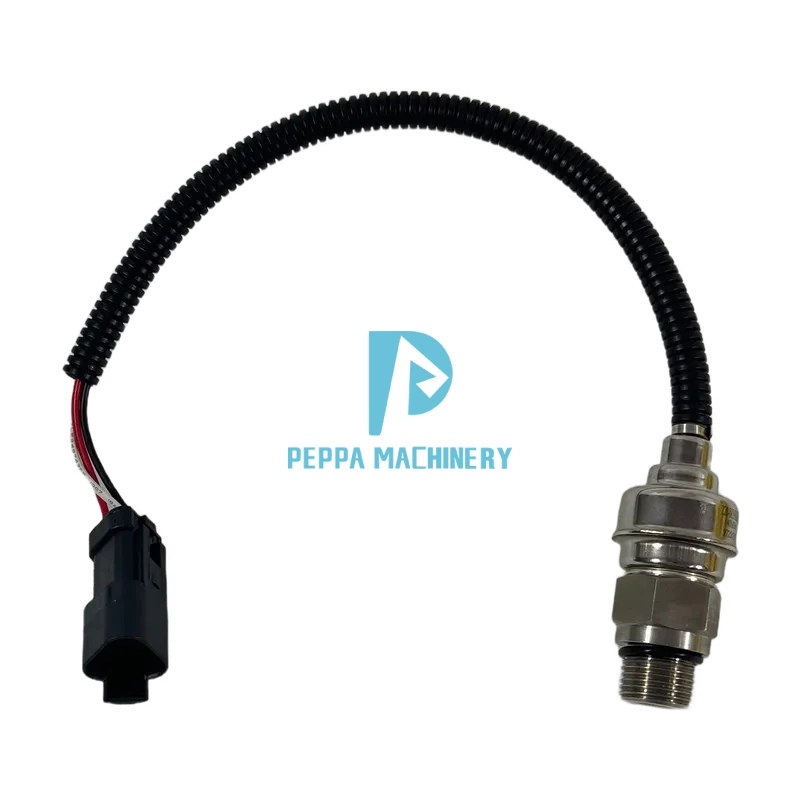
Pressure Sensor 221-8859 106-0178 for Caterpillar CAT 311B 311C 312C 314D 315B 320C 323D 324D 330C 336D 345B 385C
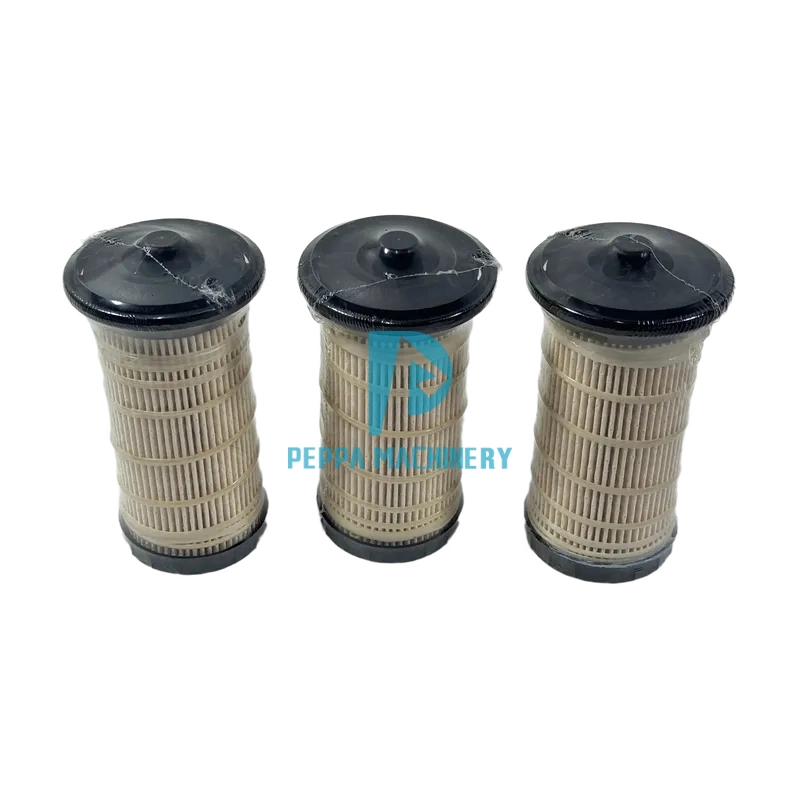
360-8960 Fuel Filter Element for Caterpillar C4.4 & C7.1 Engines | Fits 312D, 320D, 312E, 320E, 326D2, 336D2 Excavators
Get more information
Want to know more? Contact us today to get detailed product specifications, customized solutions, and a free consultation tailored to your needs.
Rest assured that your privacy is important to us, and all information provided will be handled with the utmost confidentiality.

Reliable Source for Quality Excavator Components.
Follow Us
Our Partners


Our Payment Methods


 High Quality
 7/24 Service
 Guaranteed Warranty
 Scan QR Code
Facebook
TikTok
YouTube
Pinterest
Twitter