








The Ultimate Guide to Hydraulic Drive Motors (2026): Selection, Maintenance & Efficiency
- What Are Hydraulic Drive Motors?
- Quick Summary: Key Takeaways for 2026
- Understanding the Different Types of Hydraulic Motors
- Selection Criteria: Sizing, Displacement, and Torque
- Motor Feature Comparison
- 2026 Trends in Hydraulic Drives: Efficiency and Innovation
- Expert Tips: Common Mistakes in Hydraulic Motor Maintenance
- Sourcing the Best Excavator Hydraulic Parts: The Peppa Machinery Advantage
- Conclusion
- FAQs About hydraulic drive motors
- What is the difference between a hydraulic pump and a hydraulic motor?
- How do you calculate the torque of a hydraulic drive motor?
- What causes a hydraulic motor to fail prematurely?
- Can a hydraulic motor be used in reverse?
- What is a low speed high torque (LSHT) hydraulic motor?
- How long do excavator hydraulic drive motors typically last?
- Which type of hydraulic motor is the most efficient?
- How do I choose the right replacement hydraulic motor for my equipment?
What Are Hydraulic Drive Motors?

A hydraulic drive motor is a mechanical actuator that converts hydraulic pressure and fluid flow into torque and angular displacement (rotation). Unlike pumps that generate flow, motors consume it to drive machinery like excavators and winches.
How They Work: In essence, these actuators receive pressurized fluid (usually oil) from a pump and use it to force internal components to rotate. This process creates the mechanical energy necessary to move heavy loads. Conceptually, they perform the opposite function of a pump. In fact, as detailed by Wikipedia, the hydraulic motor is the rotary counterpart to the hydraulic cylinder, taking pressurized fluid from closed circuits and converting it into rotational energy. This seamless conversion of fluid power into immense mechanical strength is what makes these actuators indispensable in modern heavy industry. Without them, the compact, high-power-density designs of contemporary construction equipment would be impossible.
Key Performance Metrics to Monitor:
- Operating Pressure: Determines the maximum force the motor can handle without internal damage. High-pressure systems require robust casing materials.
- Flow Rate: Dictates the rotational speed of the motor's shaft, usually measured in gallons per minute (GPM) or liters per minute (LPM).
- Torque Output: The actual twisting force delivered to the driven machinery, essential for lifting, digging, or pulling operations.
- Rotational Speed (RPM): How fast the motor spins under a given load, which must be carefully matched to the application to prevent mechanical fatigue.
Quick Summary: Key Takeaways for 2026
The key takeaway for 2026 is that modern hydraulic drive motors prioritize higher volumetric efficiency, predictive maintenance through digital sensor integration, and careful selection to ensure system longevity and peak performance in heavy-duty machinery.
The hydraulic industry is rapidly evolving. To stay competitive, equipment operators and fleet managers must adapt to new technologies. Here is what matters most this year:
- Efficiency is Paramount: Upgrading to motors that minimize internal leakage is crucial for lowering fuel consumption.
- Digital Integration: Utilizing smart sensors allows operators to monitor fluid conditions and predict failures before they happen.
- Strategic Selection: Matching the exact motor type (piston, gear, vane) to the operational load is the best way to prevent premature breakdowns.
- Reliable Sourcing: Partnering with experienced wholesale suppliers significantly reduces equipment downtime and guarantees part compatibility.
Understanding the Different Types of Hydraulic Motors
The different types of hydraulic motors are categorized into gear, vane, piston, and orbital designs, with each offering unique advantages in terms of operating pressure, speed, and torque output for specific industrial and mobile applications.
When mastering hydraulic motor types and selection, it is essential to understand the mechanical differences between each category to optimize your machinery's lifespan.
- Gear Motors (Gerotor/Geroler): These are highly compact and cost-effective. They work well for medium-pressure and medium-speed applications where budget and space are primary concerns. While their mechanical efficiency is lower than piston models, their rugged simplicity makes them highly reliable.
- Vane Motors: Known for their relatively simple design, vane motors provide good low-speed performance and smooth rotation. They are commonly used in industrial automation, injection molding machines, and lighter mobile applications.
- Piston Motors (Axial and Radial): These offer the highest efficiency and pressure ratings available. Radial piston motors, in particular, provide excellent low speed high torque (LSHT) motors capabilities, making them perfect for moving massive loads at low RPMs without the need for an external gearbox.
- Orbital Motors: Frequently found in mobile hydraulics and agricultural equipment, orbital motors provide reliable, heavy-duty rotation in harsh environments. Their internal designs allow them to absorb significant shock loads during field operations.
Selection Criteria: Sizing, Displacement, and Torque
To select the right motor, you must accurately calculate the required torque, determine whether fixed or variable displacement is needed, and match the motor's specifications directly to the excavator hydraulic pump and motor system capacity.
Sizing a motor incorrectly can lead to severe system failures. Engineers must rely on strict operational parameters to ensure compatibility.
- Fixed vs. Variable Displacement: Fixed displacement motors provide a constant torque and speed for a given flow and pressure, making them ideal for straightforward, constant-load applications. Variable displacement motors allow operators to adjust the internal swashplate angle to change flow, offering greater flexibility for varying loads and maximizing fuel efficiency.
- Calculating Torque and Horsepower: Use standard engineering formulas to guarantee the motor can handle the physical demands of the job. Engineers must also account for the mechanical efficiency loss in these calculations.
- Pressure Ratings: Differentiate between continuous pressure (what the motor can handle safely all day) and intermittent pressure (short spikes the motor can survive during sudden load shifts).
- System Matching: The motor must be perfectly matched to the hydraulic pump to ensure balanced fluid flow and prevent cavitation. Over-sizing the motor will result in sluggish performance, while under-sizing it will lead to excessive heat generation and premature failure.
Motor Feature Comparison
| Motor Type | Best Application | Efficiency Level | Pressure Rating | Key Benefit |
|---|---|---|---|---|
| Gear Motors | Medium pressure/speed | Moderate | Medium | Compact and cost-effective |
| Vane Motors | Industrial automation | Moderate | Medium | Simple design, good low-speed performance |
| Axial Piston | High speed/pressure | Very High | High | Excellent power density |
| Radial Piston | Heavy-duty (LSHT) | Very High | High | Maximum torque at low RPMs |
| Orbital Motors | Mobile/Agricultural | High | Medium/High | Reliable, heavy-duty rotation |
2026 Trends in Hydraulic Drives: Efficiency and Innovation

The leading trends in 2026 emphasize the integration of electro-hydraulic systems, advanced smart sensors for real-time diagnostics, and the ongoing push for exceptional radial piston motor efficiency to meet stricter global emissions and performance standards.
The industry is shifting rapidly toward smarter, cleaner, and more efficient operations. The shift toward variable-displacement control continues to win market share, as reported by Mordor Intelligence, because load-sensing accuracy yields measurable fuel savings for off-road equipment fleets.
- Electro-Hydraulic Hybridization: Mobile equipment is increasingly using hybrid systems that combine electric control with hydraulic power for maximum precision. This reduces the dependency on continuous diesel engine power, lowering overall carbon emissions.
- Downsizing with Advanced Materials: Manufacturers are creating smaller, lighter motors that deliver the same power density as older, bulkier models. This space-saving innovation is highly sought after in compact excavators and tight industrial automation layouts.
- Smart Sensors: New motors feature built-in IoT sensors that monitor fluid temperature, pressure drops, and vibration, enabling true predictive maintenance. By analyzing this data, fleet managers can schedule repairs long before a catastrophic failure occurs.
- Leak-Free Seal Kits: Stricter environmental regulations demand high-efficiency seals to prevent toxic fluid leaks. Advancements in polyurethane and PTFE seal materials in 2026 are drastically reducing the risk of soil and water contamination on job sites.
Expert Tips: Common Mistakes in Hydraulic Motor Maintenance
The most frequent mistakes in hydraulic system troubleshooting and maintenance involve ignoring fluid contamination, operating beyond established thermal or pressure limits, and allowing poor shaft alignment to cause excessive bearing loads and premature failure.
Preventative maintenance is the only way to ensure your hydraulic drive motors reach their expected lifespan of 10,000+ hours.
- Mistake 1: Ignoring Fluid Contamination: Dirt, water, and debris are the number one killers of hydraulic systems. Contaminated oil causes rapid, abrasive wear on internal precision components. Maintaining proper ISO cleanliness codes for your fluid is non-negotiable.
- Mistake 2: Ignoring Thermal and Pressure Limits: Continuously pushing a motor past its maximum rated pressure generates excessive heat, which quickly degrades internal seal kits, breaks down the fluid's viscosity, and causes catastrophic leaks.
- Mistake 3: Poor Shaft Alignment: Improper installation places severe, unintended mechanical stress on the motor's bearings, leading to rapid mechanical failure. Always use flexible couplings where appropriate and verify alignment with precision tools.
- Best Practice: Implement a strict, calendar-based schedule for changing hydraulic filters and conducting routine oil analysis. Oil analysis acts as a blood test for your machinery, identifying microscopic wear metals before they cause major damage.
Sourcing the Best Excavator Hydraulic Parts: The Peppa Machinery Advantage
Sourcing the best parts requires partnering with an experienced wholesale provider like Guangzhou Peiqi Machinery Equipment CO,LTD, which offers customized service support and an extensive inventory of high-quality components for global excavator platforms.
When your machinery goes down, you need reliable replacement parts fast. Peppa Machinery, the premier brand of Guangzhou Peiqi Machinery Equipment CO,LTD, understands that every customer has unique needs.
- 15+ Years of Experience: Located in the Guangzhou Wholesale Center, we provide professional parts sales advice and tailored solutions that ensure maximum operational efficiency for fleets worldwide.
- Comprehensive Inventory: Our extensive catalog covers engine systems, electrical systems, genuine hydraulic parts, and advanced sealing systems, ensuring you never have to wait for the components you need most.
- Top Brands Supported: We supply engine cylinder sleeve components, crankshafts, turbochargers, and large and small bearings for industry giants like Caterpillar, Komatsu, Cummins, Isuzu, Mitsubishi, and Hino.
- OEM & Imported Solutions: Whether you need a complete overhaul kit or a specific replacement motor, we combine our extensive industry expertise with personalized attention to deliver exactly what your operation requires.
Conclusion

Hydraulic drive motors remain a foundational technology in industrial and mobile machinery, with 2026 bringing new standards in efficiency, smart diagnostics, and rigorous maintenance protocols.
Properly evaluating your torque and displacement needs is the first step to success. By combining careful motor selection with a strict contamination-control maintenance schedule, operators can significantly extend the lifespan of their heavy machinery. Whether you are dealing with a compact gear motor or a massive radial piston assembly, treating the hydraulic system with care ensures peak operational output. For high-quality components and expert wholesale support tailored to your exact needs, trust our decades of proven industry experience.
Contact us today to optimize your hydraulic drive motors strategy.
FAQs About hydraulic drive motors
What is the difference between a hydraulic pump and a hydraulic motor?
A hydraulic pump converts mechanical energy into hydraulic energy (fluid flow). A hydraulic motor does the exact opposite, converting hydraulic energy back into mechanical energy (rotational motion). While they look similar and share internal designs, their functions in the hydraulic circuit are entirely reversed.
How do you calculate the torque of a hydraulic drive motor?
Torque is determined by the motor's displacement, the pressure differential across the motor, and its mechanical efficiency. The standard formula is: Torque (in-lbs) = (Pressure (PSI) x Displacement (cu. in./rev)) / (2 x Pi). Consulting engineering catalogs or your equipment manufacturer is crucial for exact specifications.
What causes a hydraulic motor to fail prematurely?
The most common cause is fluid contamination (dirt, water, or debris) scoring internal components. Other causes include excessive heat, operating over the rated pressure limit, and cavitation. Improper installation, such as shaft misalignment, can also destroy bearings quickly.
Can a hydraulic motor be used in reverse?
Yes, most hydraulic motors are bi-directional. By reversing the direction of the fluid flow through the motor's ports, the motor will rotate in the opposite direction. However, some specialized motors are uni-directional, so always check the manufacturer specifications.
What is a low speed high torque (LSHT) hydraulic motor?
LSHT motors are designed to generate a massive amount of rotational force (torque) at relatively low RPMs. They are typically radial piston or orbital (geroler) designs. These are ideal for heavy applications like driving excavator tracks, winches, and massive conveyor belts.
How long do excavator hydraulic drive motors typically last?
With proper maintenance, high-quality excavator hydraulic motors can last upwards of 10,000 operating hours. Lifespan depends heavily on the operating environment, fluid cleanliness, and strict adherence to maintenance schedules. Replacing worn seal kits early can significantly extend the life of the motor.
Which type of hydraulic motor is the most efficient?
Axial and radial piston motors are generally the most efficient type of hydraulic motors. They offer volumetric efficiencies often exceeding 95%. While they are more expensive than gear or vane motors, their efficiency makes them ideal for high-pressure, continuous-duty applications.
How do I choose the right replacement hydraulic motor for my equipment?
First, match the exact displacement, pressure rating, and mounting flange of the original motor. Determine the required shaft type (keyed, splined, or tapered) and port configurations. Consulting an experienced wholesale provider like Peppa Machinery ensures you get the correct OEM or high-quality imported equivalent.
Choosing Fuel Injector Nozzles for Different Excavator Models

The Ultimate Guide to Nozzle Fuel Injectors: 2026 Maintenance & Performance Secrets
Top Excavator Alternator Brands for Heavy-Duty Performance
OEM vs Aftermarket Alternators: Best Choice for Excavators
Excavator Parts
Can I get help choosing the right parts for my machine?
Yes. Our experienced sales team is here to provide professional recommendations and solutions based on your excavator model, part number, or specific requirements.
What brands of excavator parts do you supply?
We supply a full range of parts compatible with major international and Chinese brands, including Caterpillar, Komatsu, Hitachi, Volvo, Doosan, Hyundai, Sany, Liugong, XCMG, Zoomlion, and more.
Are your parts genuine or OEM?
We offer both genuine parts and high-quality OEM alternatives. You can choose according to your budget and application needs. All OEM products are tested to meet or exceed original specifications.
What types of parts do you mainly offer?
Our main product categories include:
• Engine parts (liner kits, crankshafts, water/oil pumps, etc.)
• Electrical parts (sensors, monitors, throttle motors, wiring harnesses)
• Hydraulic parts (pumps, valves, cylinders)
• Sealing kits (NOK, SKF, PQ brands, floating seals, O-rings)
Do you provide technical support or installation guidance?
While we do not offer on-site installation, we can provide basic technical advice, diagrams, or documentation to assist your technicians with installation and troubleshooting.

Isuzu SP 4JG1 4JG2 4JG3 Cylinder Liner 1876182070 1-87618207-0 1876182080 1-87618208-0 1876182100 1-87618210-0

4BG1 6BG1 Liner Set 1878141050 1-87814105-0 1878141060 1-87814106-0 1878141070 1-87814107-0 Genuine Engine Parts
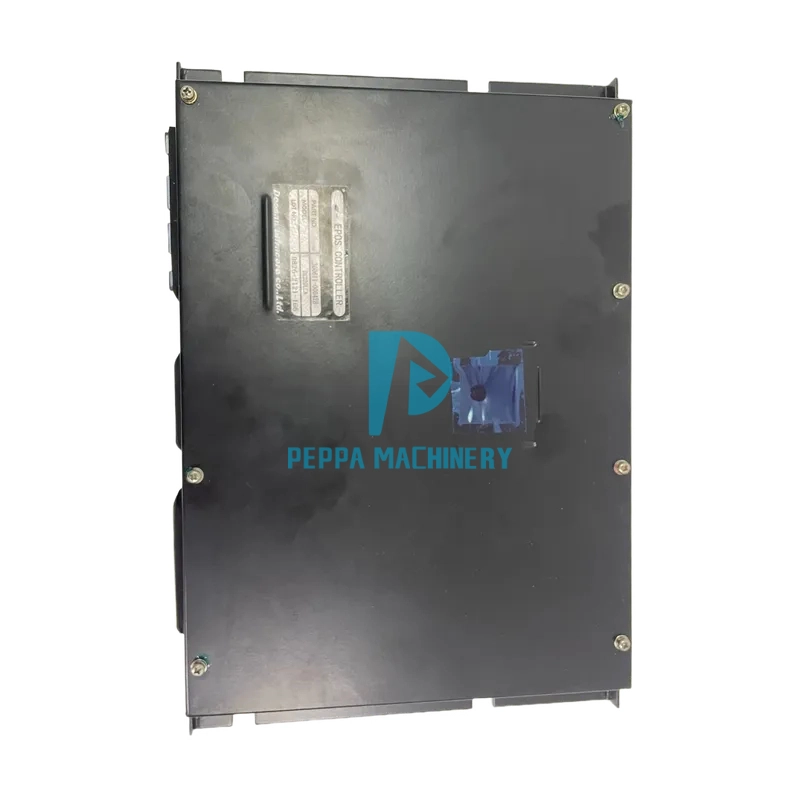
Direct-Injection Engine ECU Electric Controller 300611-00042B New Condition Iron Material for DX220LCA Excavator
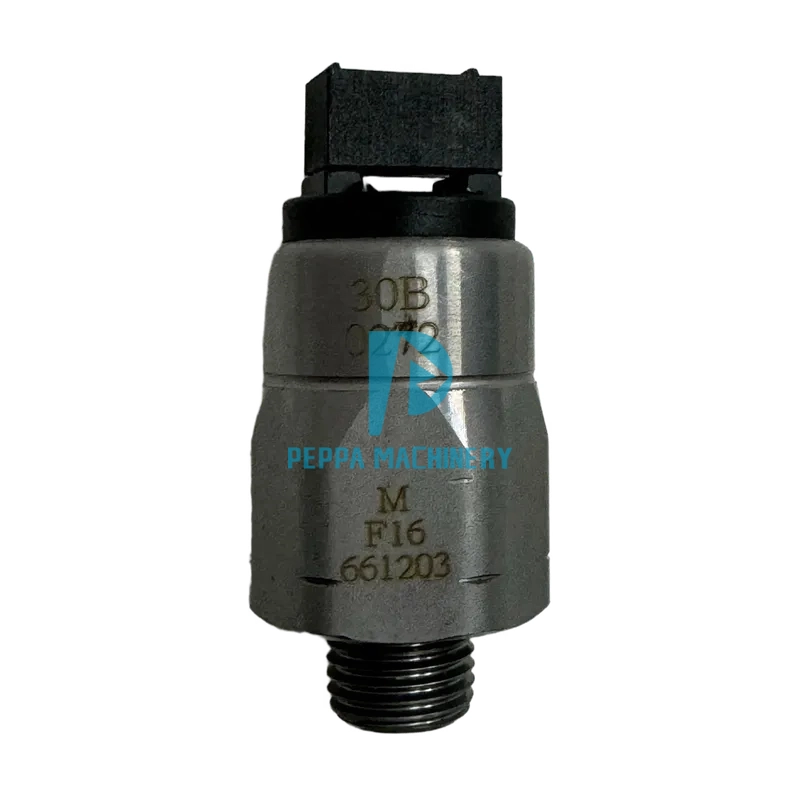
Sany Excavator Electric Oil Pressure Switch Hydraulic Oil Pressure Sensor for Engine Model 661203 661204 660404

Reliable Source for Quality Excavator Components.
Follow Us
Our Partners


Our Payment Methods


 High Quality
 7/24 Service
 Guaranteed Warranty
 Scan QR Code
Facebook
TikTok
YouTube
Pinterest
Twitter