








Testing and Quality Checks for New Alternators
Ensuring the reliability and longevity of a new alternator is paramount for vehicle performance. Comprehensive testing and quality checks are essential to confirm that the alternator meets industry standards and operates efficiently under various conditions.
Understanding the Role of an Alternator
An alternator is a crucial component in a vehicle's electrical system, responsible for converting mechanical energy into electrical energy to charge the battery and power electrical systems. Its proper functioning is vital for the vehicle's overall performance and reliability.
Key Testing Methods for New Alternators
Visual Inspection
A thorough visual examination is the first step in assessing a new alternator. This inspection focuses on identifying any physical defects, such as cracks, corrosion, or signs of damage that may have occurred during manufacturing or shipping.
Electrical Performance Testing
This test evaluates the alternator's ability to generate the required voltage and current. It involves running the alternator under controlled conditions to measure its output and ensure it meets the specified electrical parameters.
Load Testing
Load testing simulates the alternator's performance under typical operating conditions. By applying a controlled load, technicians can assess the alternator's response to varying electrical demands and its capacity to maintain consistent output.
Regulator Response Testing
The voltage regulator controls the alternator's output voltage. Testing ensures that the regulator responds appropriately to changes in engine speed and electrical load, maintaining a stable voltage output.
Vibration and Heat Endurance Testing
Alternators operate in environments subject to vibrations and temperature fluctuations. Subjecting the alternator to simulated conditions helps assess its durability and performance stability over time.
Quality Standards and Certifications
Adhering to recognized quality standards is essential for ensuring the reliability of new alternators. Manufacturers often comply with certifications such as ISO 9001, which outlines criteria for a quality management system. These standards ensure that the alternators are produced under stringent quality controls, leading to consistent and dependable products.
The Importance of Thorough Quality Checks
Implementing comprehensive quality checks during the manufacturing process is crucial for several reasons:
Reliability: Ensures the alternator performs consistently over its expected lifespan.
Safety: Reduces the risk of electrical failures that could lead to vehicle malfunctions or accidents.
Customer Satisfaction: Delivers a product that meets or exceeds customer expectations, fostering trust and brand loyalty.
Common Issues Detected During Testing
During the testing phase, several issues may be identified, including:
Insufficient Voltage Output: Indicates potential problems with the alternator's windings or voltage regulator.
Excessive Noise or Vibration: May suggest issues with bearings or internal components.
Overheating: Could be due to inadequate cooling or electrical inefficiencies.
Addressing these issues before the alternator reaches the market is essential for maintaining product quality and customer trust.
Conclusion
Thorough testing and quality checks are indispensable in the production of new alternators. By implementing rigorous testing protocols and adhering to established quality standards, manufacturers can ensure that their alternators deliver reliable performance, contributing to the overall safety and satisfaction of vehicle owners.
Frequently Asked Questions (FAQ)
What is the primary function of an alternator in a vehicle?
An alternator converts mechanical energy from the engine into electrical energy, charging the battery and powering the vehicle's electrical systems.
Why is load testing important for new alternators?
Load testing simulates real-world operating conditions, ensuring the alternator can handle varying electrical demands without performance degradation.
What quality standards should manufacturers adhere to when producing alternators?
Manufacturers should comply with recognized quality standards such as ISO 9001 to ensure consistent product quality and reliability.
How can vibration and heat endurance testing benefit alternator performance?
These tests assess the alternator's durability under environmental stresses, ensuring it maintains performance and longevity in diverse operating conditions.
What are common issues detected during alternator testing?
Common issues include insufficient voltage output, excessive noise or vibration, and overheating, which can indicate underlying mechanical or electrical problems.
Contact Us for More Information
At Guangzhou Peppa Machinery Equipment Co., Ltd., we specialize in providing high-quality excavator parts, including alternators, to meet your equipment needs. With over 15 years of industry experience, we offer a comprehensive range of engine, electrical, hydraulic, and sealing system components. Our products are compatible with leading brands such as Caterpillar, Komatsu, Cummins, Isuzu, Mitsubishi, and Hino. For more information or to place an order, please contact us at jbparts@aliyun.com or visit our website at (https://www.jbexcavatorparts.com/).
OEM vs Aftermarket High Output Alternators for Excavators
Fuel Pump Maintenance Checklist to Prevent Excavator Downtime
OEM vs Aftermarket Alternators: Best Choice for Excavators
Top 10 Overhaul Gasket Sets for Popular Excavator Models
Excavator Parts
What brands of excavator parts do you supply?
We supply a full range of parts compatible with major international and Chinese brands, including Caterpillar, Komatsu, Hitachi, Volvo, Doosan, Hyundai, Sany, Liugong, XCMG, Zoomlion, and more.
How can I verify compatibility before placing an order?
Please provide us with your machine brand, model number, and the part number (if available). Our team will double-check the compatibility to ensure you receive the correct parts.
Do you provide technical support or installation guidance?
While we do not offer on-site installation, we can provide basic technical advice, diagrams, or documentation to assist your technicians with installation and troubleshooting.
What types of parts do you mainly offer?
Our main product categories include:
• Engine parts (liner kits, crankshafts, water/oil pumps, etc.)
• Electrical parts (sensors, monitors, throttle motors, wiring harnesses)
• Hydraulic parts (pumps, valves, cylinders)
• Sealing kits (NOK, SKF, PQ brands, floating seals, O-rings)
Can I get help choosing the right parts for my machine?
Yes. Our experienced sales team is here to provide professional recommendations and solutions based on your excavator model, part number, or specific requirements.

Isuzu SP 4JG1 4JG2 4JG3 Cylinder Liner 1876182070 1-87618207-0 1876182080 1-87618208-0 1876182100 1-87618210-0

4BG1 6BG1 Liner Set 1878141050 1-87814105-0 1878141060 1-87814106-0 1878141070 1-87814107-0 Genuine Engine Parts
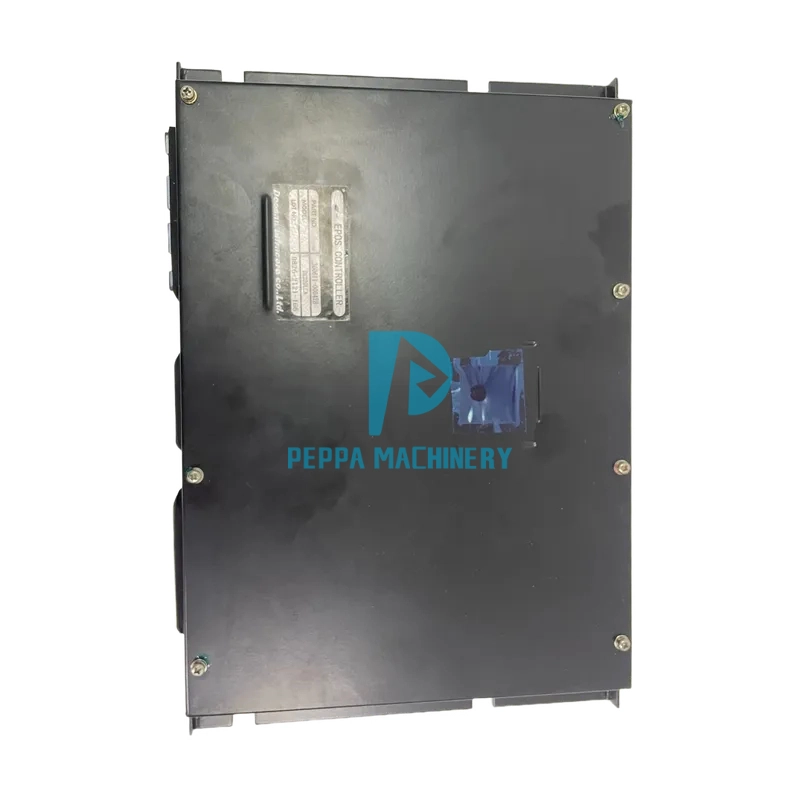
Direct-Injection Engine ECU Electric Controller 300611-00042B New Condition Iron Material for DX220LCA Excavator
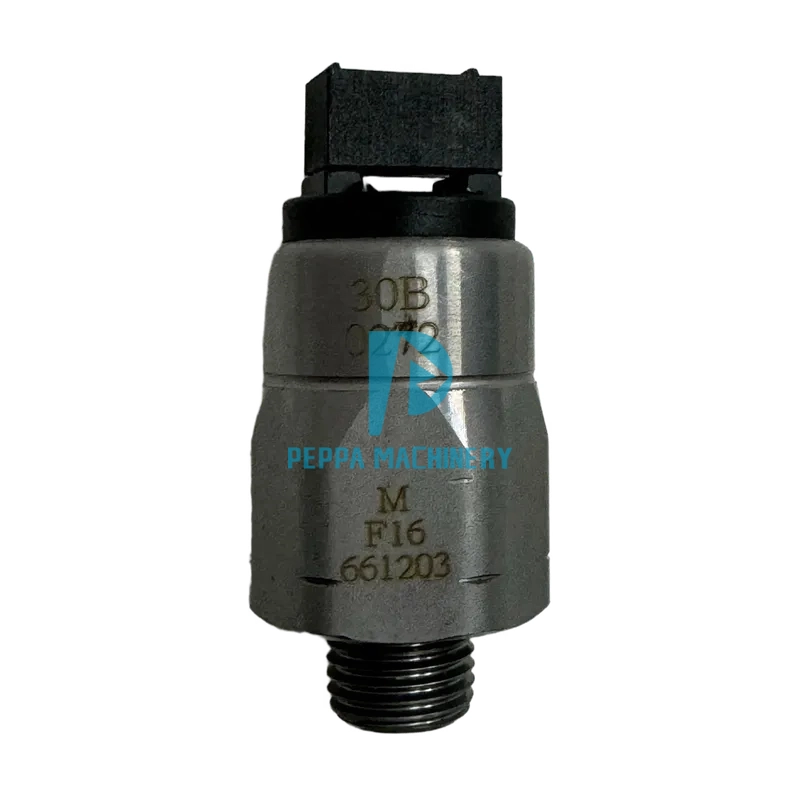
Sany Excavator Electric Oil Pressure Switch Hydraulic Oil Pressure Sensor for Engine Model 661203 661204 660404

Reliable Source for Quality Excavator Components.
Follow Us
Our Partners


Our Payment Methods


 High Quality
 7/24 Service
 Guaranteed Warranty
 Scan QR Code
Facebook
TikTok
YouTube
Pinterest
Twitter