








Replacement Guide: Nozzle Fuel Injector Installation Tips
Installing a nozzle fuel injector is a critical procedure that directly influences your engine's efficiency and longevity. Proper installation ensures optimal fuel atomization, combustion, and overall engine performance. In this guide, we'll delve into the essential steps and considerations for a successful installation.
Understanding the Nozzle Fuel Injector
The nozzle fuel injector is a pivotal component in the engine's fuel system. Its primary function is to atomize the fuel, allowing for efficient combustion. A well-functioning injector ensures smooth engine operation, reduced emissions, and optimal fuel economy.
Preparation Before Installation
1. Gather Necessary Tools and Equipment
Before commencing the installation, ensure you have the following tools:
- Socket and wrench set
- Torque wrench
- Clean rags
- Engine oil for lubrication
- New O-rings and seals
2. Safety Precautions
- Always wear appropriate personal protective equipment (PPE).
- Work in a well-ventilated area.
- Keep all ignition sources away from the work area to prevent potential fire hazards.
Step-by-Step Installation Process
1. Remove the Existing Injector
- Disconnect Fuel Lines: Carefully detach the fuel lines connected to the injector.
- Remove the Injector: Using the appropriate tools, extract the old injector from its seat.
2. Inspect and Clean the Injector Seat
- Clean the Seat: Ensure the injector seat is free from debris and carbon deposits.
- Inspect for Damage: Check for any signs of wear or damage that might affect the new injector's performance.
3. Prepare the New Injector
- Lubricate O-Rings: Apply a light coat of engine oil to the new O-rings to facilitate a proper seal.
- Check Alignment: Ensure the injector is correctly oriented to align with the fuel rail and other components.
4. Install the New Injector
- Position the Injector: Place the injector into its seat, ensuring it sits flush and correctly aligned.
- Secure the Injector: Tighten the injector hold-down bolts to the manufacturer's specified torque settings.
5. Reconnect Fuel Lines and Components
- Attach Fuel Lines: Reconnect the fuel lines to the injector, ensuring all connections are tight and leak-free.
- Reinstall Components: Replace any components removed during the process, such as engine covers or shields.
6. Final Checks and Testing
- Inspect for Leaks: After installation, start the engine and check for any fuel leaks around the injector.
- Monitor Engine Performance: Listen for any irregular sounds and observe the engine's performance to ensure the injector operates correctly.
Common Mistakes to Avoid
- Using Old Seals: Always replace O-rings and seals with new ones to ensure a proper seal and prevent leaks.
- Over-tightening Bolts: Excessive torque can damage the injector or surrounding components. Always adhere to the manufacturer's torque specifications.
- Ignoring Manufacturer Specifications: Each engine may have unique requirements. Always refer to the specific service manual for detailed instructions.
Maintenance Tips for Longevity
- Regular Inspections: Periodically check injectors for signs of wear or clogging.
- Use Quality Fuel: Opt for high-quality fuel to minimize carbon buildup and injector wear.
- Follow Service Intervals: Adhere to the manufacturer's recommended service intervals for injector maintenance.
Conclusion
Proper installation of a nozzle fuel injector is essential for maintaining engine performance and longevity. By following the outlined steps and avoiding common pitfalls, you can ensure a successful installation. Always prioritize safety and consult the manufacturer's guidelines for specific instructions.
Frequently Asked Questions (FAQ)
How do I know if my fuel injector needs replacement?
Signs include engine misfires, decreased fuel efficiency, and increased exhaust emissions.
Can I install a fuel injector myself?
While it's possible, it's recommended to consult a professional mechanic to ensure proper installation.
What tools are required for fuel injector installation?
Essential tools include a socket and wrench set, torque wrench, and clean rags.
How often should fuel injectors be serviced?
Refer to your engine's service manual for recommended maintenance intervals.
What are the risks of improper fuel injector installation?
Potential issues include engine misfires, reduced performance, and increased emissions.
Contact Us for Professional Assistance
If you require expert guidance or high-quality replacement parts, consider reaching out to Guangzhou Peppa Machinery Equipment Co., Ltd. With over 15 years of experience, we offer a comprehensive range of excavator parts, including engine systems, electrical systems, hydraulic systems, and sealing systems. Our products cover engine cylinder sleeve components and other engine parts compatible with brands such as Caterpillar, Komatsu, Cummins, Isuzu, Mitsubishi, and Hino. We provide both imported parts and OEM products, ensuring reliability and performance. Our customized service support is designed to provide tailored solutions that ensure maximum efficiency and satisfaction. We combine our extensive industry expertise with personalized attention to deliver services that perfectly match your operational requirements.
Article Summary: This guide provides detailed steps for the proper installation of nozzle fuel injectors, emphasizing preparation, execution, and maintenance to ensure engine efficiency and longevity.
URL Slug: nozzle-fuel-injector-installation-guide
Cleaning and Maintaining Excavator Fuel Injectors
Top 10 excavator oil pump Manufacturers and Supplier Brands
Excavator Alternator Compatibility: Models, Specs, Fitment
How to Verify Gasket Kit Compatibility by Engine Model/Serial
Excavator Parts
How can I verify compatibility before placing an order?
Please provide us with your machine brand, model number, and the part number (if available). Our team will double-check the compatibility to ensure you receive the correct parts.
What brands of excavator parts do you supply?
We supply a full range of parts compatible with major international and Chinese brands, including Caterpillar, Komatsu, Hitachi, Volvo, Doosan, Hyundai, Sany, Liugong, XCMG, Zoomlion, and more.
Do you provide technical support or installation guidance?
While we do not offer on-site installation, we can provide basic technical advice, diagrams, or documentation to assist your technicians with installation and troubleshooting.
What types of parts do you mainly offer?
Our main product categories include:
• Engine parts (liner kits, crankshafts, water/oil pumps, etc.)
• Electrical parts (sensors, monitors, throttle motors, wiring harnesses)
• Hydraulic parts (pumps, valves, cylinders)
• Sealing kits (NOK, SKF, PQ brands, floating seals, O-rings)
Can I get help choosing the right parts for my machine?
Yes. Our experienced sales team is here to provide professional recommendations and solutions based on your excavator model, part number, or specific requirements.

Isuzu SP 4JG1 4JG2 4JG3 Cylinder Liner 1876182070 1-87618207-0 1876182080 1-87618208-0 1876182100 1-87618210-0
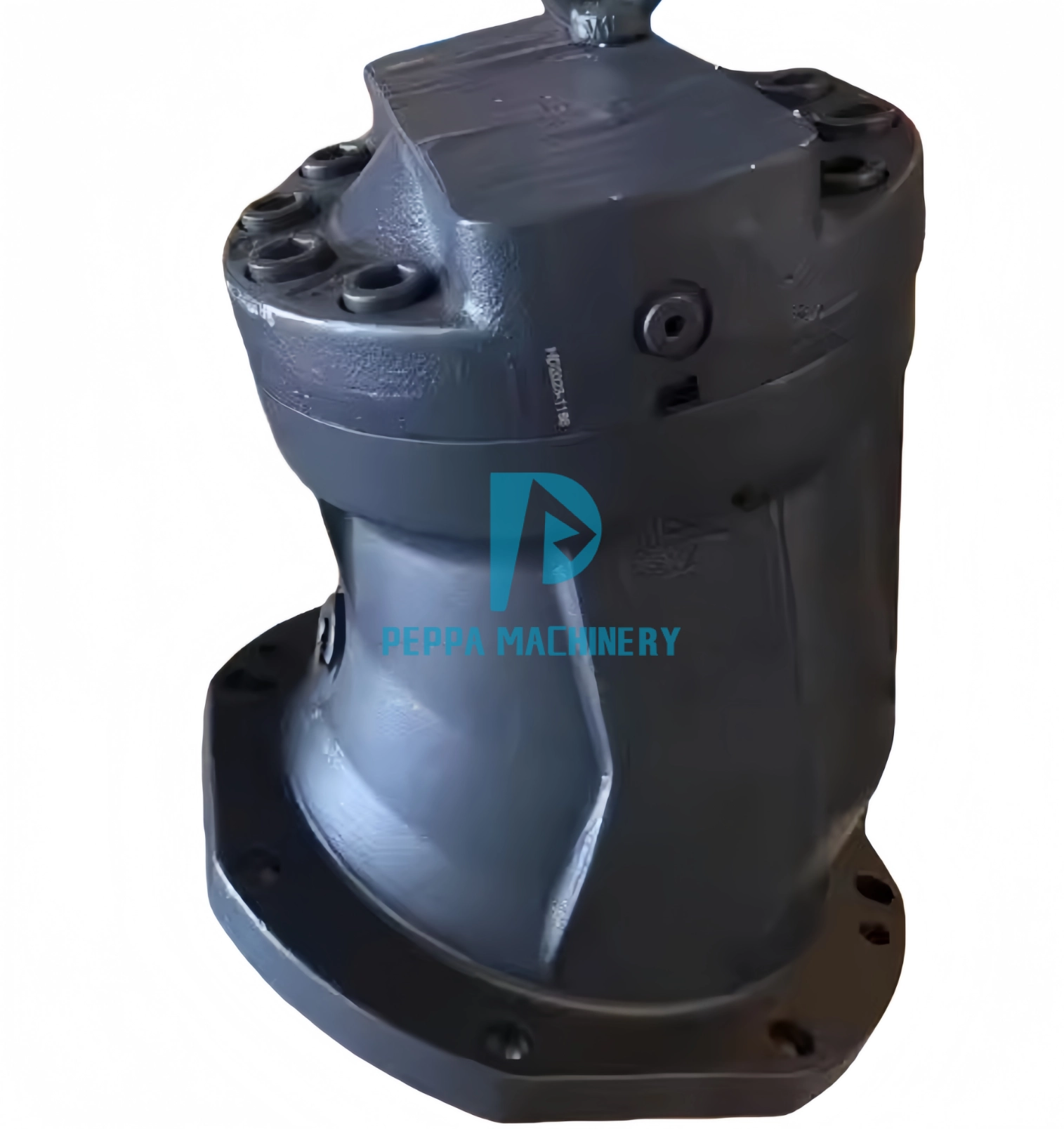
65489140 Walking Motor For Bulldozer Loader Excavator Komatsu PC3000-6 4000-6 Hydro-motor
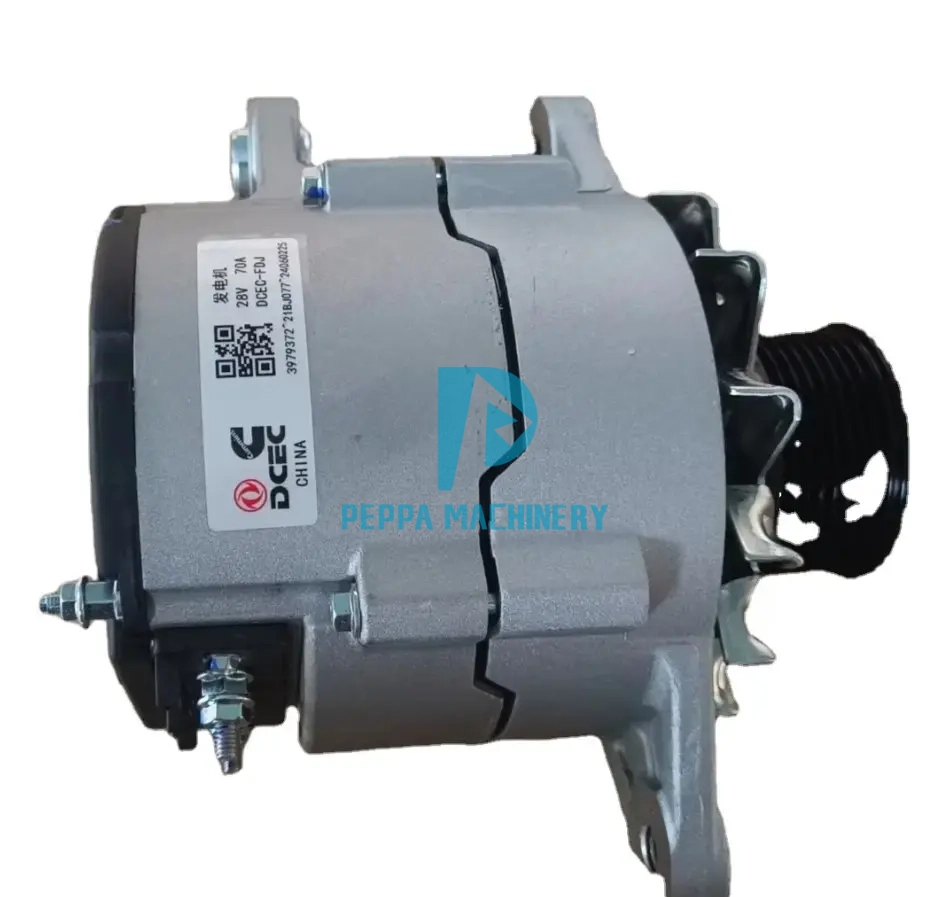
Cummins 24V AC Alternator - Genuine OEM Part #3979372 | Fits Mining & Construction Equipment
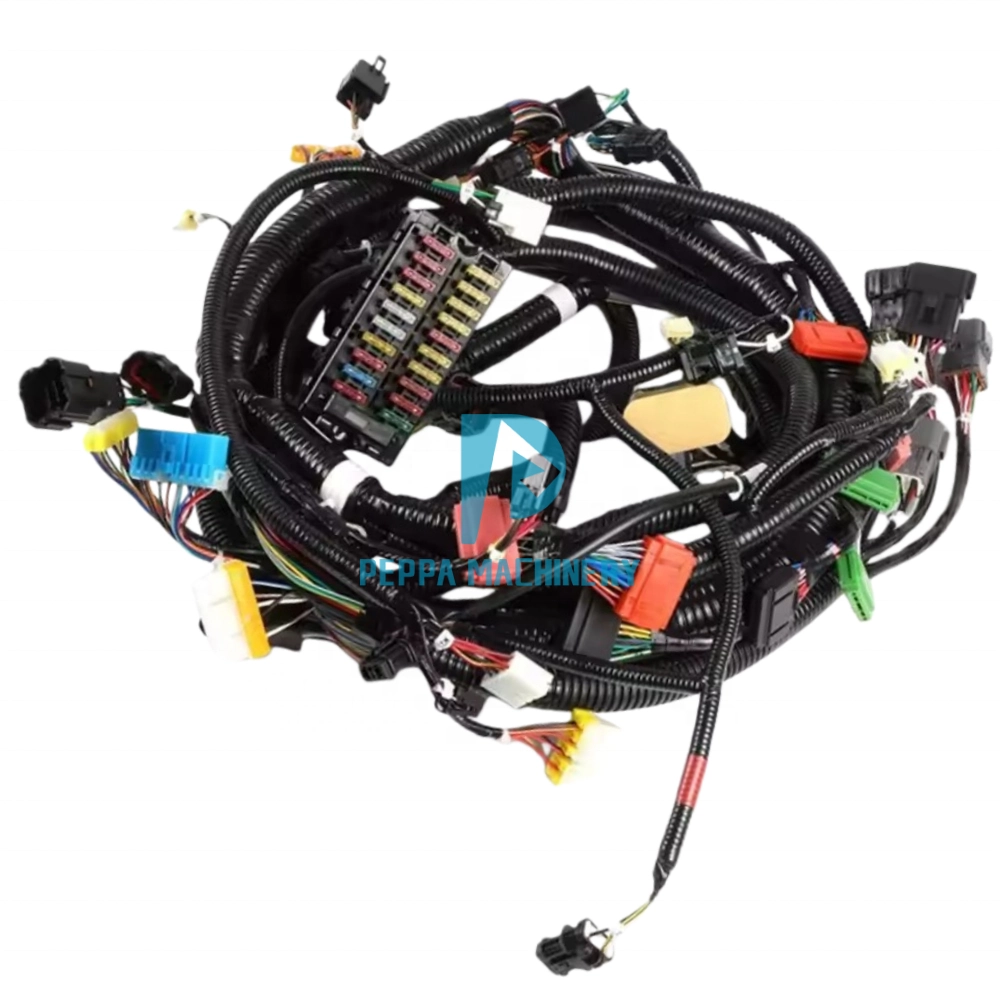
Internal Wiring Harness Assembly for Komatsu PC200-7 to PC270-7 Series Excavators | Direct OEM Replacement Part #20Y-06-31110 (20Y0631110)

Reliable Source for Quality Excavator Components.
Follow Us
Our Partners


Our Payment Methods


 High Quality
 7/24 Service
 Guaranteed Warranty
 Scan QR Code
Facebook
TikTok
YouTube
Pinterest
Twitter