








Cleaning and Maintaining Excavator Fuel Injectors
- Why injector health matters for excavator performance
- Role of the injector in diesel excavator engines
- Consequences of poor injector condition
- Standards and verifiable references
- Diagnosing injector problems: symptoms and tests
- Common symptoms and quick checks
- On-vehicle diagnostic tests
- Off-vehicle bench testing
- Cleaning methods and step-by-step procedures
- Preventive vs. restorative cleaning
- On-vehicle cleaning: fuel additives and pressurized cleaning
- Off-vehicle cleaning: ultrasonic and flow restoration
- Comparison table: cleaning methods, pros and cons
- Preventive maintenance and parts support
- Service schedule and filtration
- Sourcing injectors and parts — what to look for
- How a trusted supplier adds value
- Peppa Machinery: parts supply and tailored solutions
- Company capabilities and scope
- Main product lines relevant to injector maintenance
- Why choose Peppa Machinery — competitive advantages
- Practical checklist and workshop tips
- Pre-cleaning checklist
- Post-cleaning verification
- Record-keeping and traceability
- FAQ
- 1. How often should I clean excavator injectors?
- 2. Can I clean injectors on the machine or must they be removed?
- 3. Are aftermarket injectors reliable?
- 4. What are the signs of a failing injector?
- 5. How much does injector cleaning cost compared to replacement?
- 6. What fuel filtration should I use to protect injectors?
- Contact and product consultation
I write from years of hands-on service and parts-supply experience in the excavator parts industry. Proper maintenance of the excavator injector is one of the highest-impact actions you can take to maintain engine efficiency, reduce fuel consumption, and avoid costly downtime. This guide explains why injector health matters, how to diagnose common injector problems, step-by-step cleaning and testing methods, and practical preventive strategies you can implement on-site or in a workshop. I also explain where to source reliable parts and how a trusted supplier can support tailored solutions.
Why injector health matters for excavator performance
Role of the injector in diesel excavator engines
The excavator injector (fuel injector) atomizes diesel and meters fuel precisely into the combustion chamber. Its spray pattern, timing, and quantity directly affect combustion efficiency, emissions, and engine power. You can read a general primer on fuel injectors on Wikipedia which explains basic principles applicable to excavator engines.
Consequences of poor injector condition
When injectors clog, leak, or lose calibration, symptoms include rough idle, reduced power, increased smoke, higher fuel consumption, and difficulty starting. Left unchecked, injector problems accelerate cylinder wear and may cause catastrophic engine damage. My field experience shows that many catastrophic failures start as small issues in the fuel system that were ignored until they escalated.
Standards and verifiable references
Diesel engine performance and emissions are covered by many technical standards; for general context on diesel engine operation see Wikipedia on diesel engines. For industry-standard best practices, consult OEM workshop manuals and applicable ISO standards related to engine testing and emissions (see ISO).
Diagnosing injector problems: symptoms and tests
Common symptoms and quick checks
I begin every diagnostic with a simple symptom checklist: increased smoke (black/white/blue), erratic idle, loss of power under load, fuel odor, and increased fuel consumption. A visual inspection of fuel lines, filters, and injector boots often reveals obvious issues such as leaks or cracked seals.
On-vehicle diagnostic tests
On-site tests I regularly use include:
- Valve cover (compression) checks to rule out valve or piston issues before focusing on injectors.
- Listening test with a mechanic's stethoscope — mechanical injectors produce a distinct knocking when functioning; lack of sound on a cylinder suggests no injection.
- Injector balance (drop) testing using a calibrated gauge or specialized tester; significant deviation indicates a weak or leaking injector.
Off-vehicle bench testing
When practical, I remove suspect injectors for bench testing: spray pattern, leakage, and flow rate are verified on an injector test bench. Bench testing provides quantitative data you can use to decide if cleaning, calibration, or replacement is necessary. Many repair shops will provide a test report showing flow rates and spray pattern images.
Cleaning methods and step-by-step procedures
Preventive vs. restorative cleaning
Preventive cleaning (periodic fuel system treatment, filtration upgrades) reduces deposit formation. Restorative cleaning is required for injectors already affected by carbon, varnish, or particulate deposits. I recommend preventive measures as part of a maintenance schedule and restorative cleaning only after diagnostics indicate need.
On-vehicle cleaning: fuel additives and pressurized cleaning
On-vehicle methods are useful for mild to moderate deposits and for minimizing downtime. Common on-vehicle approaches include:
- Fuel injector cleaning additives: pour-in treatments that clean injectors during regular engine operation. Useful as a preventive tool but limited when deposits are heavy.
- Pressurized on-vehicle cleaning: specialized machines supply a cleaning solvent into the fuel rail or directly to the injectors (with engine controlled as required). This method can restore spray pattern without removing injectors.
Note: Always follow OEM guidance and safety protocols when using solvents or pressurized equipment. For serious issues, on-vehicle cleaning may not be sufficient.
Off-vehicle cleaning: ultrasonic and flow restoration
Off-vehicle cleaning provides the most reliable restoration when injectors have heavy carbon or varnish. The two main methods I recommend are:
- Ultrasonic cleaning combined with solvent soak to remove carbon deposits from nozzles and internal passages.
- Flow and spray bench cleaning, where the injector is cycled with cleaning fluids and then bench-tested to confirm restoration of flow rates and spray pattern.
After ultrasonic cleaning, reassemble with new seals and perform a bench test to confirm acceptable performance before reinstallation.
Comparison table: cleaning methods, pros and cons
| Method | Typical Use | Pros | Cons |
|---|---|---|---|
| Fuel Additives | Preventive, mild deposits | Quick, low-cost, field-friendly | Limited effectiveness for heavy deposits |
| On-vehicle Pressurized Cleaning | Moderate deposits, minimize downtime | Doesn't require injector removal | Requires special equipment and safety precautions |
| Ultrasonic + Bench Cleaning | Heavy deposits, precision restoration | Most thorough; measurable results on test bench | Requires removal, workshop equipment, skilled technician |
Sources: general technical descriptions based on injector technology fundamentals (see Fuel injector — Wikipedia).
Preventive maintenance and parts support
Service schedule and filtration
While exact intervals depend on engine type, fuel quality, and operating conditions, I recommend integrating injector checks into routine service events (e.g., at oil-change intervals or every 250–500 operating hours for machines in dirty environments). Prioritize high-quality fuel filtration and regular filter replacement; contaminated fuel is the single largest contributor to injector fouling.
Sourcing injectors and parts — what to look for
When replacement is necessary, choose between genuine OEM injectors and high-quality aftermarket units that meet OEM specifications. Look for traceability, calibrated flow data, and supplier support for warranty and calibration services. Always replace seals and O-rings when servicing injectors.
How a trusted supplier adds value
From my experience working with fleet operators, the best suppliers provide more than parts: they offer diagnostic advice, calibrated exchange options, and logistics support. That combination reduces downtime and lifecycle cost.
Peppa Machinery: parts supply and tailored solutions
Company capabilities and scope
Guangzhou Peppa Machinery Equipment Co., Ltd. is a professional one-stop wholesale service provider for excavator parts. It is located in Guangzhou Wholesale Center and sells excavator parts to the global region and provides professional parts sales advice and solutions. With more than 15 years of experience, the products cover engine systems, electrical systems, hydraulic system and sealing systems and can provide you with various imported parts and OEM products.
Main product lines relevant to injector maintenance
The main products of engine accessories are engine cylinder sleeve components and other engine parts of brands such as Caterpillar, Komatsu, Cummins, Isuzu, Mitsubishi, Hino, etc.; large and small bearings; overhaul kits; crankshafts; connecting rods; turbochargers; water pumps; oil pumps; compressors; etc. At Peppa Machinery, I have relied on their ability to deliver correct-engine-match components and seal kits when servicing injectors and engine systems.
Why choose Peppa Machinery — competitive advantages
Peppa Machinery blends global sourcing with local inventory in Guangzhou Wholesale Center, offering fast turnaround. Their 15+ years in the market means established quality control, access to imported OEM parts, and the ability to supply both genuine parts and reliable OEM alternatives. For fleet managers I advise selecting suppliers who provide technical consultation, customs/logistics support, and replacement warranty — qualities Peppa Machinery emphasizes in their service model. Their core categories include Engine Parts, Electrical Parts, Hydraulic Parts, Genuine Parts, Seal Kits, and Undercarriage Parts, which are directly relevant when you need coordinated repairs during injector service.
Practical checklist and workshop tips
Pre-cleaning checklist
Before cleaning or removing injectors, verify these items: fuel system pressure within spec, fuel filter condition, presence of water in fuel (drain/water separators), and availability of new seals and replacement parts. Have a parts kit ready: injector seals, O-rings, copper washers, and torque specs from the OEM manual.
Post-cleaning verification
After cleaning and bench testing, reinstall injectors with new seals, torque to OEM values, and perform a road/test-dyno check to confirm smoke reduction, improved idle, and correct performance under load. Re-run the injector balance test to ensure even cylinder contribution.
Record-keeping and traceability
Maintain a log of injector flow rates, bench test reports, cleaning dates, and replacement part serial numbers. Traceability helps identify recurring failures caused by fuel contamination, malpractice, or a systemic engine issue.
FAQ
1. How often should I clean excavator injectors?
There is no single interval for every machine. For many fleets I recommend preventive checks at routine service intervals (e.g., during scheduled oil and filter changes) and a more thorough inspection or cleaning annually or every 500–1,000 operating hours depending on fuel quality and working conditions. For definitive guidance, consult your engine OEM manual.
2. Can I clean injectors on the machine or must they be removed?
Mild deposits can sometimes be remedied with on-vehicle pressurized cleaning or fuel additive treatments. Heavy carbon or varnish deposits usually require removal and ultrasonic/bench cleaning for complete restoration.
3. Are aftermarket injectors reliable?
High-quality aftermarket injectors can meet OEM performance if sourced from reputable suppliers who provide calibration and warranty. Always demand flow-rate certificates and return/exchange support.
4. What are the signs of a failing injector?
Watch for increased black or white smoke, poor start-up, rough running, increased fuel consumption, and engine misfire symptoms. A systematic diagnostic approach (listening, balance tests, bench tests) will pinpoint the injector as the root cause.
5. How much does injector cleaning cost compared to replacement?
Costs vary by region and severity. Cleaning (on-vehicle) is typically lower-cost than replacement, while ultrasonic bench services cost more but are cheaper than buying new OEM injectors. Consider total cost of downtime and long-term reliability when deciding.
6. What fuel filtration should I use to protect injectors?
Use fuel filters that meet or exceed OEM micron ratings, and maintain water separators. Frequent filter changes and proper storage/handling of fuel reduce particulate and microbial contamination that damages injectors.
Contact and product consultation
If you need parts, bench testing, or tailored maintenance advice, I recommend contacting a trusted supplier. Guangzhou Peppa Machinery Equipment Co., Ltd. provides global wholesale service for excavator parts and technical support. For product lists, technical consultation, or to request a quote on engine parts, electrical parts, hydraulic parts, genuine parts, seal kits, or undercarriage parts, contact Peppa Machinery directly. Their experience and inventory in Guangzhou Wholesale Center help minimize lead times and ensure correct parts matching for excavator injector services.
For immediate assistance: request parts and professional advice from Guangzhou Peppa Machinery — they can support tailored solutions for your excavator injector needs and broader engine system work. Contact them for quotes, parts availability, and technical consultation.
Fuel Pump Maintenance Checklist to Prevent Excavator Downtime
Injector Nozzle Compatibility: Matching Nozzles to Excavator Models
How to Choose the Right Excavator Oil Pump for Your Machine
Top Signs Your Excavator Electric Fuel Pump Needs Replacement
Excavator Parts
How can I verify compatibility before placing an order?
Please provide us with your machine brand, model number, and the part number (if available). Our team will double-check the compatibility to ensure you receive the correct parts.
What brands of excavator parts do you supply?
We supply a full range of parts compatible with major international and Chinese brands, including Caterpillar, Komatsu, Hitachi, Volvo, Doosan, Hyundai, Sany, Liugong, XCMG, Zoomlion, and more.
Can I get help choosing the right parts for my machine?
Yes. Our experienced sales team is here to provide professional recommendations and solutions based on your excavator model, part number, or specific requirements.
Are your parts genuine or OEM?
We offer both genuine parts and high-quality OEM alternatives. You can choose according to your budget and application needs. All OEM products are tested to meet or exceed original specifications.
What types of parts do you mainly offer?
Our main product categories include:
• Engine parts (liner kits, crankshafts, water/oil pumps, etc.)
• Electrical parts (sensors, monitors, throttle motors, wiring harnesses)
• Hydraulic parts (pumps, valves, cylinders)
• Sealing kits (NOK, SKF, PQ brands, floating seals, O-rings)

Isuzu SP 4JG1 4JG2 4JG3 Cylinder Liner 1876182070 1-87618207-0 1876182080 1-87618208-0 1876182100 1-87618210-0
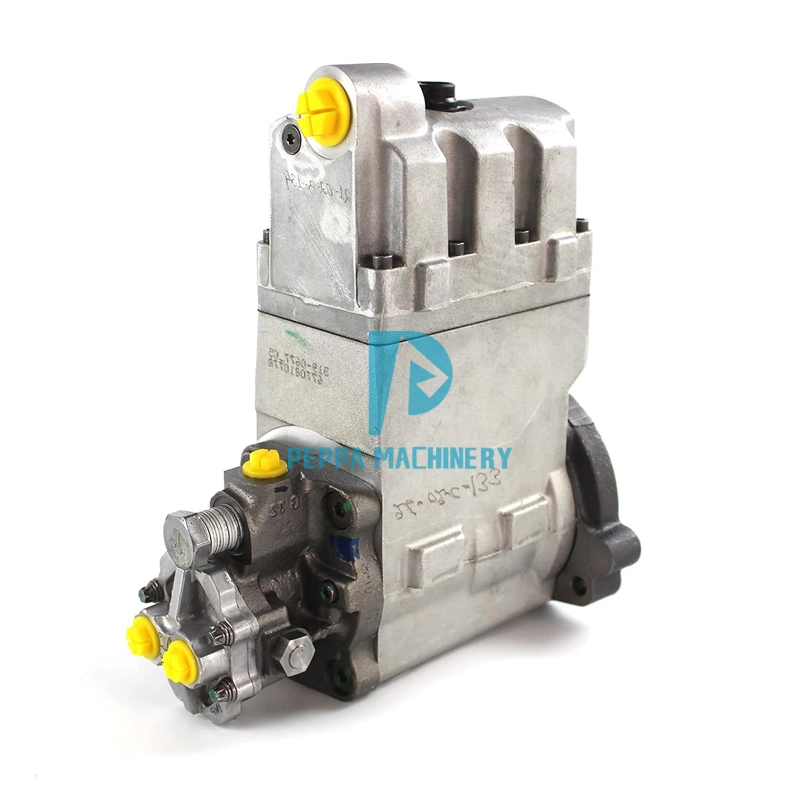
Fuel Feed / Transfer Pump Assembly for Caterpillar C7 & C9 Engines | Direct Replacement for OEM Parts #319-0678, 254-4358, 304-0678, 295-4778, 228-589
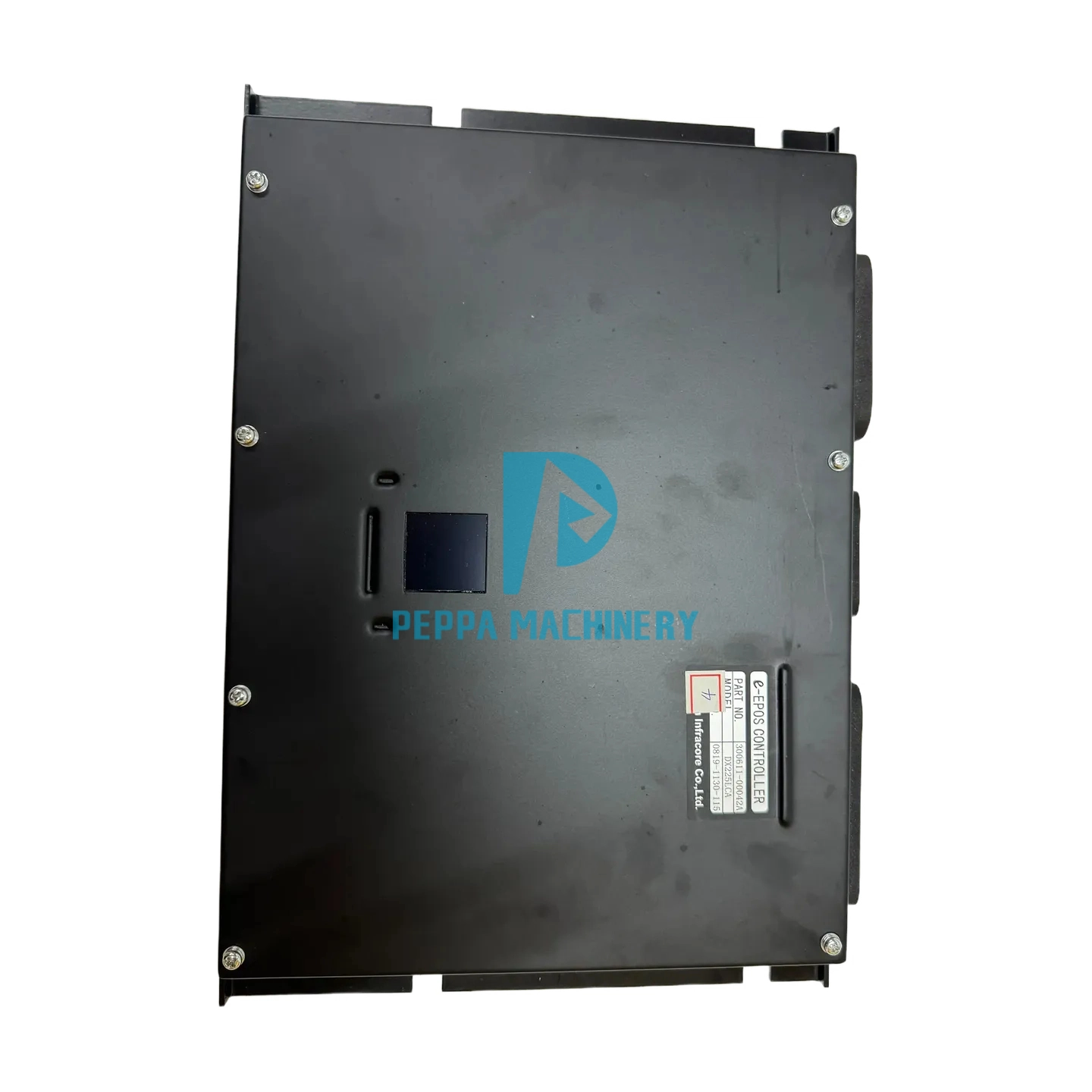
Excavator Accessories Excavator Controller DX225 DX225LCA E-EPOS Controller Computer Board 300611-00042 K1026740 K1001369C K1056425 ECU ECM

Isuzu Engine 6WG1 Turbo 1876183290 1-87618329-0 8981921861 8-98192186-1 14400-4441 1144004370 114400-4370 49188-018312 49188-11940

Reliable Source for Quality Excavator Components.
Follow Us
Our Partners


Our Payment Methods


 High Quality
 7/24 Service
 Guaranteed Warranty
 Scan QR Code
Facebook
TikTok
YouTube
Pinterest
Twitter