








The Ultimate Guide to Nozzle Diesel Injectors [2026 Edition]: Maintenance, Repair, and Performance Optimization
- What is a Nozzle Diesel Injector?
- Quick Summary & Key Takeaways
- How Diesel Injector Nozzles Work: Mechanics and Spray Patterns
- Common Symptoms of a Bad Diesel Injector Nozzle
- 2026 Maintenance Guide: Cleaning, Testing, and Repair
- Performance Optimization: Upgrading Your Diesel Nozzles
- Expert Tips and Common Mistakes to Avoid
- Sourcing High-Quality Parts: Why Top Brands Trust Peppa Machinery
- Conclusion
- FAQs About nozzle diesel injector
- How long do diesel injector nozzles last?
- Can you clean a diesel injector nozzle yourself?
- What are the symptoms of a clogged nozzle diesel injector?
- How much does it cost to replace a diesel injector nozzle?
- What is the difference between pintle and hole type nozzles?
- How does a bad nozzle affect fuel economy and emissions?
- What causes a diesel injector nozzle to fail?
- Are OEM diesel nozzles better than aftermarket?
Welcome to the 2026 edition of our comprehensive engineering and maintenance breakdown. The nozzle diesel injector is arguably the most critical component determining the efficiency, power, and environmental compliance of a modern diesel engine. Whether you are managing a fleet of heavy-duty construction vehicles or optimizing a commercial truck, understanding how to maintain, repair, and upgrade your fuel delivery system is essential to minimizing downtime and maximizing operational profitability.
What is a Nozzle Diesel Injector?
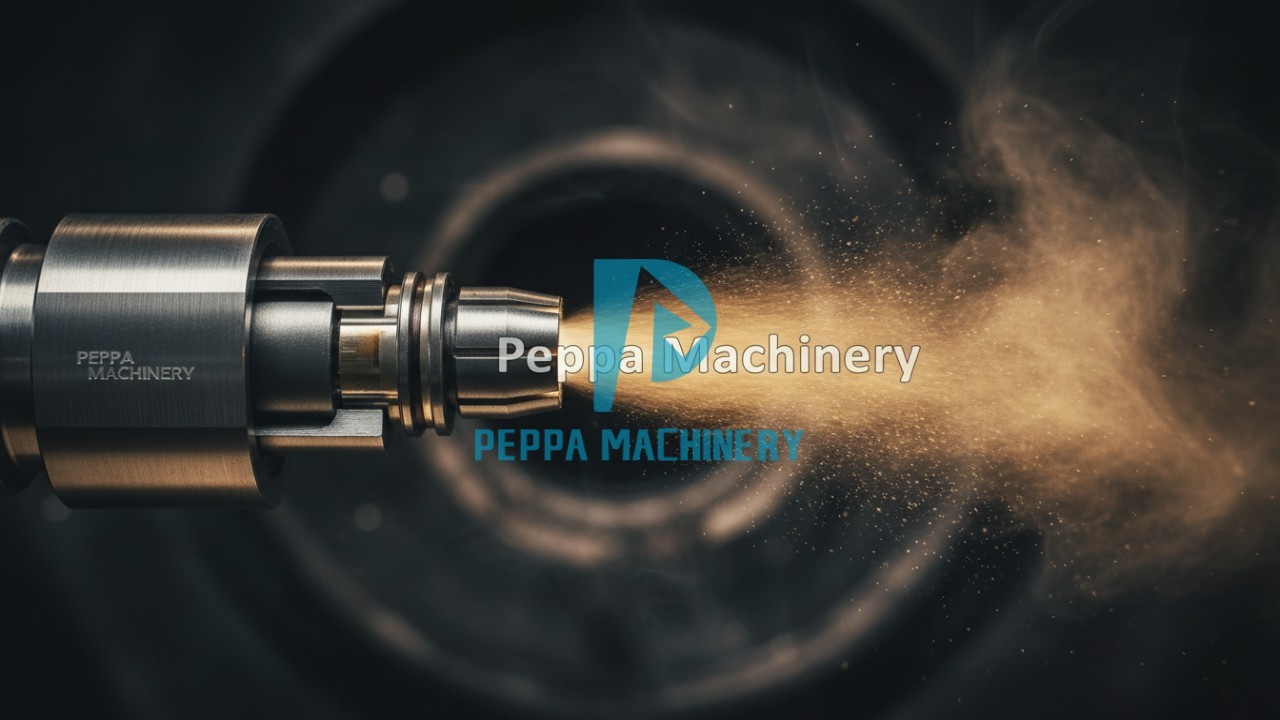
A nozzle diesel injector is the critical terminal component of a diesel fuel injection system responsible for delivering pressurized fuel into the combustion chamber. It functions by atomizing diesel fuel into a fine mist, ensuring optimal air-fuel mixture and maximized engine efficiency.
Modern nozzles are engineering marvels designed to withstand extreme cylinder temperatures and immense internal fuel pressures. They act as the precise gateway for fuel delivery in both direct and indirect injection systems. When fuel is delivered from the injection pump, the nozzle must open for a fraction of a millisecond to spray fuel into the highly compressed, super-heated air inside the cylinder. This instantaneous delivery sparks the combustion that powers the engine.
The core benefits and features of a high-quality nozzle include:
- Precision Metering: Delivering the exact micro-milliliter of fuel required for the current engine load.
- Fuel Atomization: Breaking liquid diesel into microscopic droplets for instantaneous ignition.
- Cylinder Sealing: Preventing high-pressure combustion gases from blowing back into the engine's delicate fuel system.
- Thermal Management: Dissipating extreme combustion heat away from the internal needle valves.
Quick Summary & Key Takeaways
Maintaining your nozzle diesel injector health directly dictates fuel efficiency, horsepower, and emissions compliance in modern diesel engines. Upgrading or replacing nozzles requires precision matching to your specific engine type to avoid performance degradation and ensure regulatory compliance.
As emission standards become stricter in 2026, the margin for error in fuel delivery is virtually zero. Ignoring early warning signs of component wear can lead to catastrophic engine failures that cost tens of thousands of dollars to rectify.
Key takeaways for fleet managers and operators include:
- Identify Symptoms Early: Common failure symptoms include rough idling, black exhaust smoke, and sudden drops in fuel economy.
- System Matching: Upgrading requires precision matching to your engine type (e.g., common rail injection, PD injector) to maintain ECU synchronization.
- Reliable Sourcing: Partnering with a trusted wholesale provider like Peppa Machinery ensures access to OEM-quality parts for heavy-duty applications.
- Proactive Maintenance: Routine ultrasonic cleaning and testing extend the operational lifespan of the injection system.
How Diesel Injector Nozzles Work: Mechanics and Spray Patterns
Diesel injector nozzles work by utilizing pressurized fuel to lift a needle valve against a pressure spring, forcing fuel through precisely machined spray holes. This creates a specific nozzle spray pattern required for optimal fuel atomization and efficient combustion.
The anatomy of a nozzle relies heavily on advanced fluid dynamics and the prevention of internal cavitation to avoid rapid carbon buildup. As reported by Wikipedia [1], fuel injection systems atomize fuel through a small nozzle under high pressure, drastically differing from older carburetion methods that relied on intake suction. The microscopic droplet size is strictly regulated because it directly impacts how cleanly the fuel burns, which is essential for meeting rigorous 2026 combustion standards.
Understanding the differences in nozzle types is crucial for proper engine maintenance:
| Feature | Pintle Nozzles | Multi-Hole Nozzles |
|---|---|---|
| Primary Application | Older indirect injection engines | Modern direct injection & common rail injection |
| Spray Pattern | Hollow cone spray | Highly atomized fine mist across multiple axes |
| Operating Pressure | Lower pressure tolerances (often under 3,000 PSI) | Extremely high pressure (frequently exceeding 30,000 PSI) |
| Hole Geometry | Single pin protruding through a main orifice | Multiple micro-drilled holes (typically 4 to 8) |
Common Symptoms of a Bad Diesel Injector Nozzle
The most common symptoms of a failing nozzle include a diesel engine misfire, rough idling, excessive black smoke, and a noticeable loss of horsepower. These issues arise from uneven fuel distribution, incorrect opening pressures, or clogged nozzle tips.
When a nozzle begins to fail, it typically does so by losing its ability to properly atomize the diesel fuel. Instead of a fine mist, the fuel enters the combustion chamber as large droplets or a solid stream. This "fuel wash" can strip the lubricating oil off the cylinder walls, leading to rapid piston ring wear and severe engine damage. When inspecting these symptoms, checking your Fuel Injector is the critical first step before committing to a complete engine teardown.
Be on the lookout for these critical warning signs:
- Engine Misfires: A highly audible diesel engine misfire and rough idling upon cold starts.
- Excessive Black Smoke: Plumes of dark soot from the exhaust indicating unburnt fuel.
- Engine Knock: A loud metallic knocking sound due to incorrect opening pressures and premature ignition.
- Poor Fuel Economy: Severe drops in miles-per-gallon (MPG) or high fuel consumption per operating hour.
2026 Maintenance Guide: Cleaning, Testing, and Repair
In 2026, maintaining your diesel nozzles involves adhering to strict service intervals, utilizing step-by-step ultrasonic cleaning techniques, and performing a pop test. These steps verify opening pressure and spray patterns to determine if repair or replacement is necessary.
Heavy-duty machinery requires strict adherence to maintenance schedules. For excavator engines (such as Cummins or Caterpillar), inspecting the nozzles every 3,000 to 5,000 operating hours is highly recommended.
The standard professional maintenance workflow includes:
- Ultrasonic Cleaning: Completely submerging the disassembled nozzle components in a heated, specialized solvent within an ultrasonic bath to safely remove hardened carbon deposits without scratching the microscopic metal tolerances.
- Visual Inspection: Using high-powered magnification to check the internal needle and seat for scoring, pitting, or heat discoloration.
- Pop Testing: Using a manual or digital test bench to verify the exact bar pressure at which the needle lifts. This also allows the technician to visually analyze the nozzle spray pattern for uniformity.
- Repair vs. Replace: Evaluating when reconditioning is no longer viable. If the needle is deeply scored or the spray holes are warped by heat, a brand new nozzle is strictly required.
Performance Optimization: Upgrading Your Diesel Nozzles
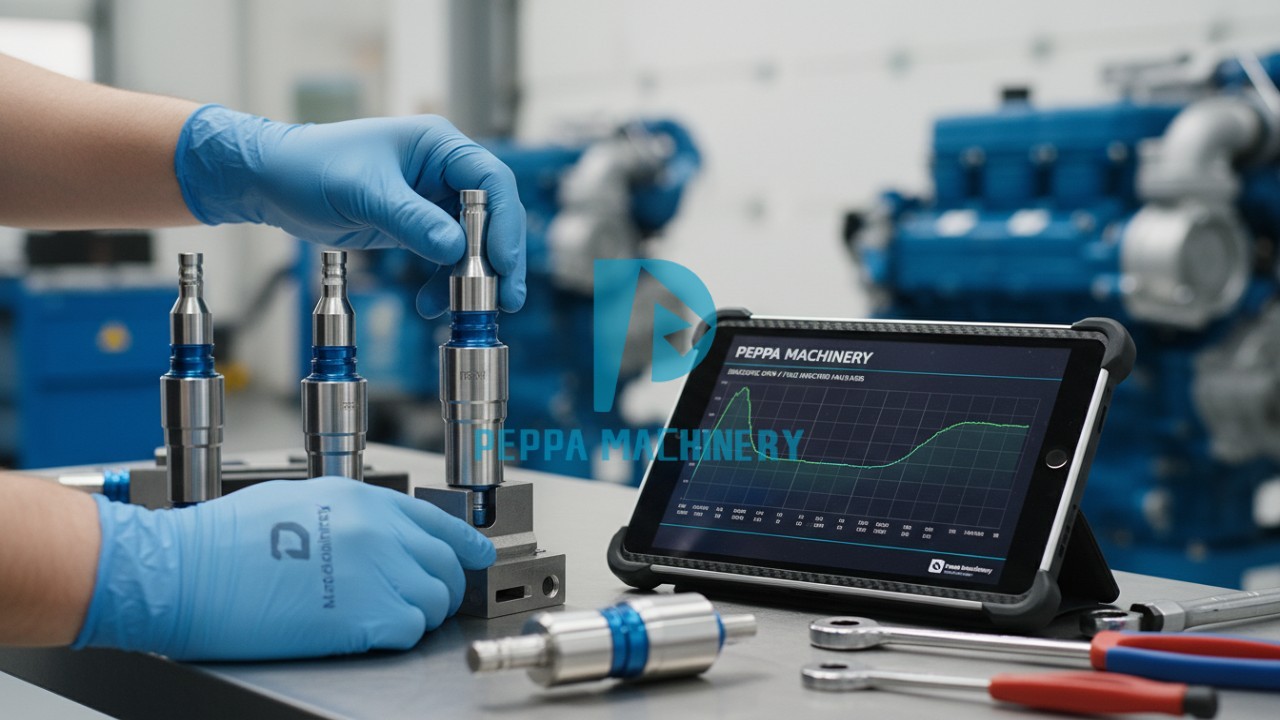
Upgrading your diesel nozzles involves utilizing larger nozzle hole geometry to increase fuel flow rate and overall horsepower. You must also properly calibrate the Engine Control Unit (ECU) to match the new high-flow specifications and optimize turbocharger performance.
Balancing performance upgrades with Euro 6 and upcoming 2026 emission regulations requires precision engineering. Slapping a massive set of high-flow nozzles into a stock engine will only result in extreme exhaust gas temperatures (EGTs) and a clogged Diesel Particulate Filter (DPF).
To safely optimize performance, follow these steps:
- Match Fuel Flow Rates: Larger hole geometry increases horsepower, but must be matched with adequate air supply.
- ECU Calibration (Remapping): Custom tuning is essential to shorten the injection pulse width and adjust timing to match the new, faster-flowing nozzle specs.
- Turbocharger Synchronization: Upgraded nozzles expel more exhaust energy, which dramatically improves turbocharger spool times and low-end torque delivery.
- Monitor Emissions: Ensure the upgrade maintains a clean burn to pass regulatory inspections.
Expert Tips and Common Mistakes to Avoid
A critical mistake to avoid is ignoring fuel filter maintenance, which allows microscopic debris to destroy the nozzle needle. Always replace nozzle sealing washers and torque them to exact manufacturer specifications to prevent severe engine damage.
The extreme pressures inside modern fuel systems mean that even a microscopic particle of dirt or water can cause catastrophic failure. Preventative care is much cheaper than reactionary repair.
Expert advice from seasoned diesel mechanics includes:
- Mistake - Poor Filtration: Ignoring primary and secondary fuel filters. Water in the fuel will flash-boil at the nozzle tip, blowing the tip completely off.
- Mistake - Aggressive Chemicals: Using harsh chemical cleaners or wire brushes that degrade the microscopic tolerances of the nozzle holes.
- Expert Tip - Sealing Washers: Always use brand new copper sealing washers during installation. They are designed to crush once; reusing them leads to compression leaks.
- Expert Tip - Italian Tune-ups: Running the engine at high RPMs under heavy load occasionally can help clear light soot, but it is never a substitute for mechanical testing and professional cleaning.
Sourcing High-Quality Parts: Why Top Brands Trust Peppa Machinery
Sourcing reliable excavator engine parts and diesel injectors is paramount to minimizing heavy machinery downtime. Guangzhou Peiqi Machinery Equipment CO,LTD (Peppa Machinery) offers 15+ years of wholesale experience providing OEM-quality engine components for global industrial brands.
When dealing with heavy machinery, downtime translates directly into massive financial losses. As detailed by Wikipedia [2], modern common rail injection systems require extremely high-pressure tolerances, making OEM-quality components non-negotiable for modern fleets. You cannot afford to compromise on quality when sourcing engine system parts.
At Peppa Machinery, our customized service support is designed to provide tailored solutions that ensure maximum efficiency. We offer:
- Global Solutions: Located in the Guangzhou Wholesale Center, we sell premium parts to the global region.
- Extensive Inventory: We supply engine cylinder sleeve components, large and small bearings, overhaul kits, crankshafts, turbochargers, and fuel system parts.
- Top Brands Covered: Providing genuine and OEM products for Caterpillar, Komatsu, Cummins, Isuzu, Mitsubishi, and Hino.
- Customized Support: We combine our 15+ years of industry expertise with personalized attention to deliver solutions that perfectly match your specific operational requirements.
Conclusion
Maintaining your nozzle diesel injector is crucial for preserving the longevity, efficiency, and power of your heavy-duty diesel engine. By understanding the mechanics and spotting failure symptoms early, you can ensure optimal operational performance well into the future.
Whether you are maintaining a single commercial truck or an entire fleet of heavy excavators, reliable components and proactive maintenance are the ultimate keys to success. Ignoring your fuel system will only lead to expensive breakdowns, whereas investing in high-quality OEM replacements guarantees that your machinery remains powerful, efficient, and compliant with all 2026 regulations.
Contact us today at Peppa Machinery to optimize your nozzle diesel injector strategy and secure top-tier replacement parts.
FAQs About nozzle diesel injector
How long do diesel injector nozzles last?
Diesel injector nozzles typically last between 90,000 to 150,000 miles depending on fuel quality and maintenance. In heavy machinery and excavators, lifespan is often measured in operating hours, generally requiring inspection every 3,000 to 5,000 hours.
Can you clean a diesel injector nozzle yourself?
Yes, surface cleaning can be done using specialized diesel fuel additives or ultrasonic cleaners. However, disassembling and mechanically cleaning the internal needle requires precision tools and a sterile environment to prevent damage.
What are the symptoms of a clogged nozzle diesel injector?
The most common symptoms include heavy black exhaust smoke, engine hesitation, rough idling, and poor fuel economy. A severe clog can also cause engine misfires or an audible knocking sound from the cylinders.
How much does it cost to replace a diesel injector nozzle?
Individual nozzle tips can range from $30 to $150 each, depending on the brand and application. Replacing the entire injector assembly for heavy-duty applications can cost between $300 to over $1,000 per cylinder including labor.
What is the difference between pintle and hole type nozzles?
Pintle nozzles have a pin that protrudes through the spray hole, creating a hollow cone spray, commonly used in older indirect injection engines. Hole type nozzles feature multiple precisely drilled holes to create a highly atomized mist, essential for modern direct injection and common rail systems.
How does a bad nozzle affect fuel economy and emissions?
A worn nozzle fails to properly atomize the fuel, causing it to enter the cylinder as large droplets that do not burn completely. This incomplete combustion wastes fuel, lowers MPG, and drastically increases soot and particulate matter emissions.
What causes a diesel injector nozzle to fail?
The leading causes of failure are contaminated fuel containing water or dirt, which causes corrosion and scoring of the internal needle. Carbon buildup from incomplete combustion and general wear from millions of high-pressure cycles also lead to failure.
Are OEM diesel nozzles better than aftermarket?
OEM nozzles guarantee exact factory specifications, ensuring optimal spray patterns and pressure matching for your specific engine. High-quality aftermarket parts from verified wholesalers like Peppa Machinery can offer equivalent performance and durability at a better value, but cheap unverified aftermarket nozzles should be avoided.

The Ultimate Guide to Hydraulic Drive Motors (2026): Selection, Maintenance & Efficiency
Sourcing High-Quality Stop Solenoids: Supplier Checklist
Top Stop Solenoids for Kubota/CAT/Komatsu Excavators
Top 10 excavator electrical parts Manufacturers and Supplier Brands
Excavator Parts
Can I get help choosing the right parts for my machine?
Yes. Our experienced sales team is here to provide professional recommendations and solutions based on your excavator model, part number, or specific requirements.
Are your parts genuine or OEM?
We offer both genuine parts and high-quality OEM alternatives. You can choose according to your budget and application needs. All OEM products are tested to meet or exceed original specifications.
What types of parts do you mainly offer?
Our main product categories include:
• Engine parts (liner kits, crankshafts, water/oil pumps, etc.)
• Electrical parts (sensors, monitors, throttle motors, wiring harnesses)
• Hydraulic parts (pumps, valves, cylinders)
• Sealing kits (NOK, SKF, PQ brands, floating seals, O-rings)
What brands of excavator parts do you supply?
We supply a full range of parts compatible with major international and Chinese brands, including Caterpillar, Komatsu, Hitachi, Volvo, Doosan, Hyundai, Sany, Liugong, XCMG, Zoomlion, and more.
Do you provide technical support or installation guidance?
While we do not offer on-site installation, we can provide basic technical advice, diagrams, or documentation to assist your technicians with installation and troubleshooting.

Isuzu SP 4JG1 4JG2 4JG3 Cylinder Liner 1876182070 1-87618207-0 1876182080 1-87618208-0 1876182100 1-87618210-0

4BG1 6BG1 Liner Set 1878141050 1-87814105-0 1878141060 1-87814106-0 1878141070 1-87814107-0 Genuine Engine Parts
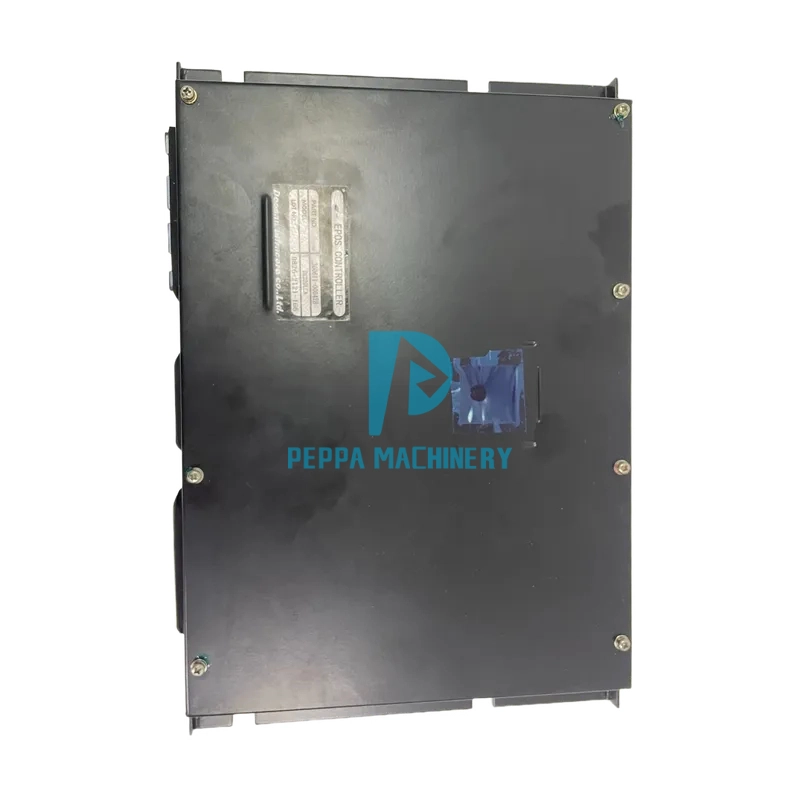
Direct-Injection Engine ECU Electric Controller 300611-00042B New Condition Iron Material for DX220LCA Excavator
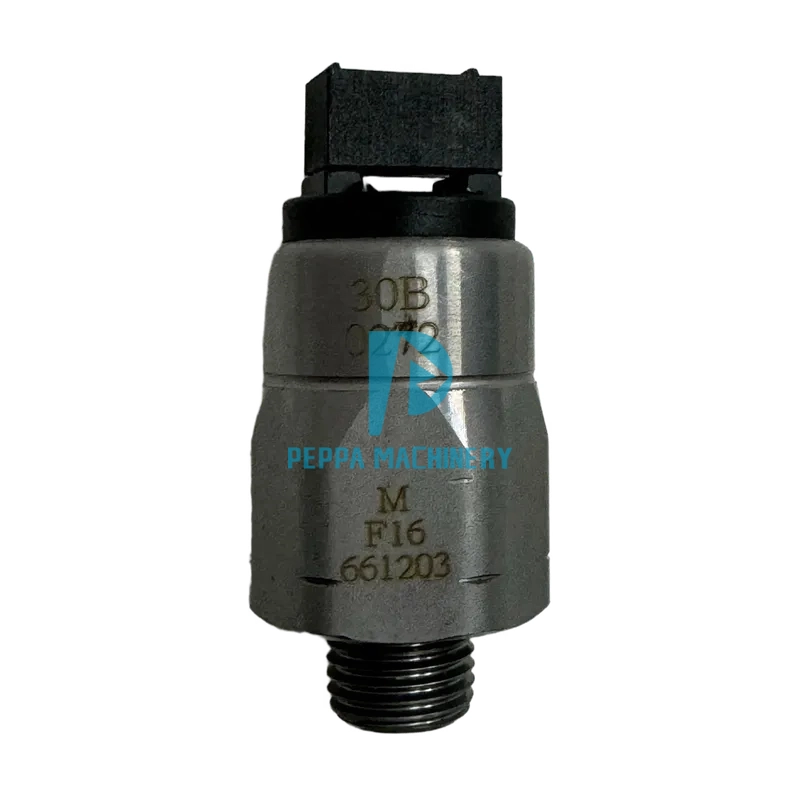
Sany Excavator Electric Oil Pressure Switch Hydraulic Oil Pressure Sensor for Engine Model 661203 661204 660404

Reliable Source for Quality Excavator Components.
Follow Us
Our Partners


Our Payment Methods


 High Quality
 7/24 Service
 Guaranteed Warranty
 Scan QR Code
Facebook
TikTok
YouTube
Pinterest
Twitter