








The Ultimate Guide to Mini Turbochargers in 2026: Boost Your Small Engine Performance
- What is a Mini Turbocharger?
- Key Takeaways for Small Engine Forced Induction in 2026
- How Micro Turbos Overcome Spool Lag and Engine Pulsation
- Top Applications for Miniature Turbochargers
- Expert Tips & Common Mistakes When Installing Small Engine Turbos
- Sourcing Reliable Mini Turbos: The Peppa Machinery Advantage
- 2026 Sourcing Guide: Maximizing Efficiency and ROI
- Conclusion
- FAQs About mini turbocharger
- Can you put a turbocharger on a 200cc engine?
- What is the smallest turbocharger available in 2026?
- Does a mini turbocharger require an intercooler?
- How much horsepower does a mini turbo add?
- Can I use a mini turbo on a compact excavator engine?
- What is the difference between a micro turbo and a standard turbo?
- How do you provide oil feed to a small engine turbo?
- Where can I buy wholesale OEM mini turbochargers?
What is a Mini Turbocharger?

A mini turbocharger, or micro turbo, is a compact forced-induction device designed specifically for small displacement engines under 1.0L. It utilizes exhaust gases to spin a small turbine, which forces compressed air into the engine's combustion chamber.
This process significantly increases both power output and fuel efficiency for applications ranging from recreational ATVs to compact heavy machinery. As reported by Wikipedia, a turbocharger is uniquely powered by the kinetic energy of the engine's exhaust gases, distinguishing it from mechanically driven superchargers. This kinetic energy transfer is highly effective, although it requires precise engineering when scaled down for smaller motor applications. By forcing excess oxygen into the combustion chamber, these devices allow smaller engines to burn fuel more completely, extracting maximum mechanical energy from every drop of gasoline or diesel.
Key benefits of integrating a micro turbo include:
- Increased Horsepower: Maximizes volumetric efficiency by physically pushing more oxygen into the combustion chamber than naturally aspirated systems.
- Enhanced Fuel Efficiency: Extracts waste heat and kinetic energy from the exhaust gas, fundamentally improving the overall thermodynamic efficiency of the motor.
- Altitude Compensation: Actively maintains optimal manifold pressure even in high-altitude environments where the ambient air is notably thinner.
- Compact Power Density: Allows manufacturers to downsize engine blocks while maintaining the torque curves of much larger engines.
Key Takeaways for Small Engine Forced Induction in 2026
In 2026, a high-quality small engine turbo kit relies on advanced miniature turbos like the VZ21 mini turbocharger, which can safely double the horsepower of small engines ranging from 190cc to 900cc. Proper integration ensures maximum efficiency without compromising long-term engine life.
Advancements in 2026 have pushed the boundaries of what these tiny forced-induction units can realistically achieve in both recreational and commercial spheres. The primary focus of modern micro-turbo technology continuously revolves around reducing rotational mass and improving bearing friction. A modern micro turbocharger 190cc setup now heavily benefits from aerospace-grade materials that were once exclusively reserved for massive industrial machines and race cars.
- Billet Compressor Wheels: Replacing historically heavy cast wheels, billet aluminum reduces weight and improves aerodynamic efficiency, allowing for faster rotation.
- Z-Micro Bearing Technology: Advanced journal and ceramic ball bearings drastically reduce friction, allowing the internal shaft to spin faster with significantly less exhaust pressure.
- Critical Fluid Management: Ensuring proper oil feed pressure and utilizing dedicated gravity-fed drain lines remain the most critical factors for long-term micro turbo longevity.
- Commercial Sourcing: Acquiring OEM-grade parts from experienced wholesale providers actively guarantees reliability, especially in high-stress commercial and industrial environments.
How Micro Turbos Overcome Spool Lag and Engine Pulsation
Modern micro turbos overcome spool lag and engine pulsation by utilizing specialized internal wastegates, optimized A/R ratios, and lightweight billet compressor wheels to capture intermittent exhaust pulses efficiently. This setup actively prevents the exhaust flow disruption that is common in single-cylinder and twin-cylinder engines.
Single-cylinder and twin-cylinder engines inherently create severe exhaust pulsation. Instead of a smooth, continuous flow of exhaust gas, the turbine is hit with aggressive, intermittent bursts of pressure. Historically, this caused standard turbines to stall, surge, or suffer from immense miniature turbo spool time. However, recent advancements in Computational Fluid Dynamics (CFD) allow manufacturers to mathematically scale down aerodynamic blade designs perfectly, capturing energy from every single pulse without stalling the compressor wheel.
To better illustrate the technological leap, consider the differences between standard legacy turbos and modern micro turbos designed for 2026:
| Feature | Legacy Micro Turbos | 2026 Advanced Mini Turbos |
|---|---|---|
| Compressor Material | Heavy Cast Aluminum | Ultra-Lightweight Billet Aluminum |
| Exhaust Pulsation Handling | Poor (High Spool Lag) | Excellent (Optimized A/R Ratios) |
| Spool RPM Requirement | High Exhaust Volume Needed | Low Exhaust Volume Capable |
| Wastegate Integration | Clunky External or Fixed | Precision Internal Wastegate |
With highly durable, lightweight ceramic and billet components now acting as the industry standard, these modern turbos require far less exhaust gas energy to seamlessly reach their optimal spool RPM, completely transforming how small engines deliver power.
Top Applications for Miniature Turbochargers
Miniature turbochargers are utilized across a wide variety of applications, ranging from recreational DIY builds like snowmobiles to compact heavy machinery, demanding high continuous torque outputs. These specialized devices provide critical power enhancements for diverse, small-displacement engine types.
While many people associate turbos solely with high-performance sports cars, the industrial and recreational sectors are heavily reliant on them for daily operations. As highlighted by Garrett Motion, modern micro size turbos are actively engineered to meet the stringent requirements of the absolute smallest engines, dynamically supporting significant horsepower gains for displacements as small as 0.4L.
Primary applications in today's market include:
- Recreational and DIY Builds: Incredibly popular in customizing go-karts, snowmobiles, and modified motorcycles where physical engine space is limited but power demands remain exceptionally high.
- Lawn and Utility Equipment: Dramatically enhancing the torque and operational efficiency of heavy-duty commercial mowers, utility terrain vehicles (UTVs), and agricultural equipment.
- Compact Heavy Machinery: Absolutely critical for boosting hydraulic power and engine performance. Utilizing high-quality compact excavator turbo parts inherently ensures that mini excavators and skid steers can lift heavier loads much faster.
- Commercial Fleet Operations: Commercial applications require flat, predictable torque curves, continuously highlighting the pressing need for commercial-grade OEM replacements rather than cheap, universal hobbyist turbos.
Expert Tips & Common Mistakes When Installing Small Engine Turbos

When installing a small engine turbocharger, the most critical expert tip is to carefully maintain proper oil feed pressure and ensure a strict downward gravity angle for the oil drain line. Neglecting these fundamental fluid dynamics frequently causes catastrophic internal seal failures.
Because these turbos are so remarkably small, their internal operational tolerances are incredibly tight. Even a slight miscalculation in oil pressure, thermal management, or the air-fuel ratio can physically destroy the unit in a matter of minutes. Builders must take extreme care during the installation phase.
- Mistake: Neglecting the Oil Drain Angle. Failing to provide a steep, unobstructed gravity angle for the oil return line strictly causes oil to back up into the center cartridge and physically blow past the delicate internal turbo seals.
- Tip: Utilize a Precision Restrictor Fitting. Always use an appropriately sized restrictor fitting on the oil feed line if your small engine's baseline oil pressure exceeds the strict specifications set by the turbo manufacturer.
- Mistake: Running Lean in Blow-Through Setups. Failing to properly pressurize the carburetor bowl in a blow-through carburetor setup results in a dangerously lean fuel mixture under boost, which will quickly melt pistons.
- Tip: Retain Essential Exhaust Heat. Actively use high-quality thermal heat wrapping on the small exhaust manifold. This intelligently maintains exhaust gas velocity and heat energy, which dramatically improves spool time and overall turbine efficiency.
Sourcing Reliable Mini Turbos: The Peppa Machinery Advantage
For demanding commercial applications, sourcing reliable mini turbochargers requires proven OEM-grade durability, which is exactly what Guangzhou Peiqi Machinery Equipment CO,LTD (Peppa Machinery) provides globally. We systematically deliver industry-leading, customized forced-induction solutions designed specifically for compact machinery.
While incredibly cheap, universal turbos might be perfectly fine for a weekend DIY go-kart project, rigorous commercial applications like earthmoving excavators require absolute reliability. A mechanical failure on an active job site translates directly to lost revenue and severe schedule delays. With more than 15 years of dedicated experience, Peppa Machinery prominently stands out as a professional one-stop wholesale service provider safely located in the Guangzhou Wholesale Center.
We specialize in intelligently providing global clients with professional parts sales advice and customized solutions. Our extensive inventory aggressively covers genuine and imported parts for major brands such as Caterpillar, Komatsu, Cummins, Isuzu, Mitsubishi, and Hino. When you need a highly reliable turbocharger or complete engine cylinder sleeve components, large and small bearings, overhaul kits, crankshafts, connecting rods, water pumps, oil pumps, and compressors, we consistently have the exact OEM-grade match.
Furthermore, reading through our comprehensive Excavator Parts Guide can successfully assist you in identifying the exact hydraulic and engine components required to keep your commercial fleet of compact excavators operating at absolute peak efficiency.
2026 Sourcing Guide: Maximizing Efficiency and ROI
Maximizing efficiency and ROI in your 2026 sourcing strategy involves clearly understanding the true operational cost difference between recreational hobby turbos and heavy-duty commercial replacements. Partnering directly with a reputable global B2B wholesale provider streamlines your supply chain effectively.
At Peppa Machinery, we deeply understand that every single commercial customer has entirely unique needs when it comes to excavator parts, sealing systems, and engine upgrades. Our customized service support is purposefully designed to provide tailored solutions that ensure maximum operational efficiency and complete client satisfaction.
- Understand Total Cost of Ownership: A cheaper upfront turbo can immediately cost thousands of dollars in machine downtime if it fails prematurely on a busy commercial site.
- Streamlined Supply Chains: Consolidating your large-scale purchases for electrical, hydraulic, and engine systems directly with one trusted global B2B provider heavily reduces shipping logistics and corporate overhead costs.
- Tailored Engineering Solutions: We seamlessly combine our extensive industry expertise with personalized attention to deliver wholesale services that perfectly match your exact operational requirements.
- Expert Sales Advice: Access our professional parts sales advice to definitively prevent incorrect fitment, actively ensuring your replacement parts work perfectly right out of the box.
Conclusion

In 2026, mini turbochargers consistently offer unparalleled performance upgrades for small displacement engines, effectively boosting total horsepower and maximizing fuel efficiency across multiple global industries. Whether you are painstakingly working on a custom 190cc recreational dirt bike build or professionally maintaining a massive fleet of commercial compact excavators, precise turbo sizing and sourcing highly reliable internal components are absolutely vital to your success. By actively bridging the gap between advanced micro-turbo technology and B2B wholesale reliability, equipment operators can significantly extend the productive lifespan of their machinery. Contact us today to optimize your mini turbocharger strategy.
FAQs About mini turbocharger
Can you put a turbocharger on a 200cc engine?
Yes, mini turbochargers like the VZ21 or RHB31 are specifically designed to operate efficiently on engines ranging from 190cc to 600cc. Proper carburetor modifications and meticulous oil routing are inherently required to guarantee safe and reliable continuous operation.
What is the smallest turbocharger available in 2026?
The VZ21 and Garrett's GT06 series remain among the smallest commercially available turbochargers on the active market today. They are expertly engineered for extremely small engines, effortlessly handling displacements as low as 0.1L up to 0.5L efficiently.
Does a mini turbocharger require an intercooler?
While not strictly required for ultra low-boost applications (typically running under 5 psi), utilizing an intercooler is highly recommended by professionals. It actively cools the compressed intake air, effectively preventing engine detonation and maximizing the overall horsepower gains in small displacement engines.
How much horsepower does a mini turbo add?
A properly tuned mini turbocharger can reliably increase a small engine's baseline horsepower output by 50% to 100%. For example, a standard 15 HP engine can realistically and safely be boosted to produce between 25 and 30 HP with the right forced-induction kit.
Can I use a mini turbo on a compact excavator engine?
Absolutely. Many modern compact excavators utilize small displacement diesel engines that benefit significantly from turbocharging. It is strongly recommended to source OEM-grade replacements from specialized suppliers like Peppa Machinery to reliably withstand the harsh rigors of heavy machinery use.
What is the difference between a micro turbo and a standard turbo?
A micro turbo is mathematically scaled down in virtually every aspect, featuring significantly smaller turbine housings, application-specific A/R ratios, and ultra-lightweight compressor wheels. These specialized elements allow it to spool rapidly using the very low exhaust gas volume produced by standard 1- and 2-cylinder engines.
How do you provide oil feed to a small engine turbo?
Oil is typically tapped directly from the engine's main oil pressure port using a durable braided steel line. Crucially, it must be returned safely to the crankcase above the resting oil level via a strictly gravity-fed drain line to completely prevent catastrophic internal seal blowout.
Where can I buy wholesale OEM mini turbochargers?
For highly reliable commercial and heavy-duty applications, partnering with specialized wholesale providers is definitively the best route. Companies like Guangzhou Peiqi Machinery Equipment CO,LTD (Peppa Machinery) offer premium, one-stop sourcing for industrial turbochargers and comprehensive excavator engine parts.
Best excavator undercarriage parts manufacturers and supplier brands
Top Excavator Water Pump Manufacturers and Suppliers in China
Best excavator oil pump manufacturers and supplier brands
Overhaul Gasket Set Storage, Shelf Life and Handling Best Practices
Excavator Parts
What types of parts do you mainly offer?
Our main product categories include:
• Engine parts (liner kits, crankshafts, water/oil pumps, etc.)
• Electrical parts (sensors, monitors, throttle motors, wiring harnesses)
• Hydraulic parts (pumps, valves, cylinders)
• Sealing kits (NOK, SKF, PQ brands, floating seals, O-rings)
Do you provide technical support or installation guidance?
While we do not offer on-site installation, we can provide basic technical advice, diagrams, or documentation to assist your technicians with installation and troubleshooting.
Can I get help choosing the right parts for my machine?
Yes. Our experienced sales team is here to provide professional recommendations and solutions based on your excavator model, part number, or specific requirements.
Are your parts genuine or OEM?
We offer both genuine parts and high-quality OEM alternatives. You can choose according to your budget and application needs. All OEM products are tested to meet or exceed original specifications.
What brands of excavator parts do you supply?
We supply a full range of parts compatible with major international and Chinese brands, including Caterpillar, Komatsu, Hitachi, Volvo, Doosan, Hyundai, Sany, Liugong, XCMG, Zoomlion, and more.

Isuzu SP 4JG1 4JG2 4JG3 Cylinder Liner 1876182070 1-87618207-0 1876182080 1-87618208-0 1876182100 1-87618210-0
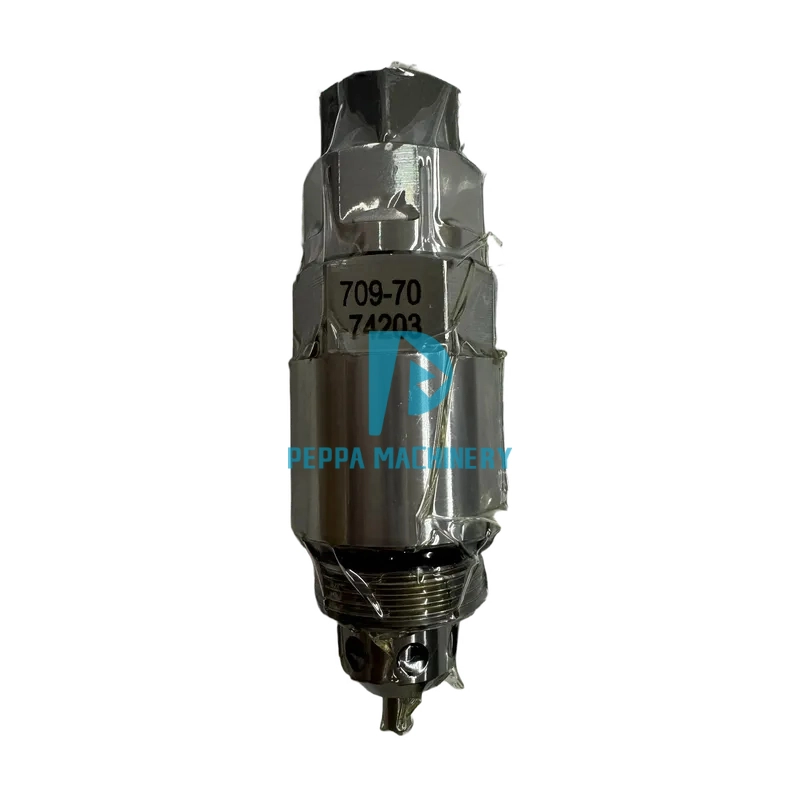
709-70-74203 7097074203 Relief Valve for PC200-5 PC200-6
Peppa Machinery’s Relief Valve PC200-5 PC200-6 delivers. Designed for durability and high performance, this Relief Valve ensures reliable operation in industrial applications. Ideal for efficient Relief Valve .

4BG1 6BG1 Liner Set 1878141050 1-87814105-0 1878141060 1-87814106-0 1878141070 1-87814107-0 Genuine Engine Parts
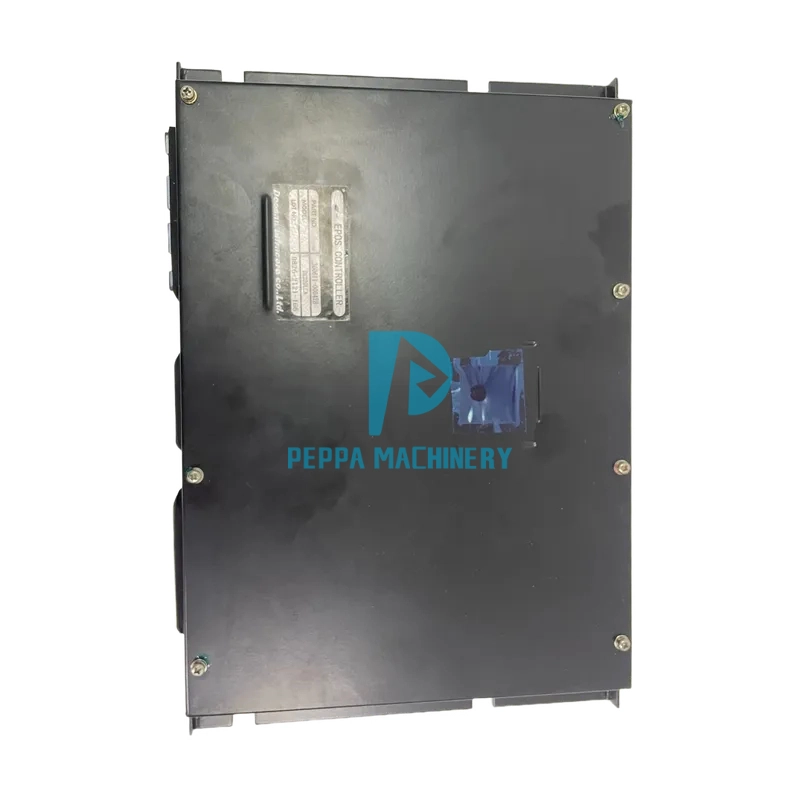
Direct-Injection Engine ECU Electric Controller 300611-00042B New Condition Iron Material for DX220LCA Excavator

Reliable Source for Quality Excavator Components.
Follow Us
Our Partners


Our Payment Methods


 High Quality
 7/24 Service
 Guaranteed Warranty
 Scan QR Code
Facebook
TikTok
YouTube
Pinterest
Twitter