








Hydraulic Pump Motor Comparison: OEM vs Aftermarket Options
When it comes to maintaining or repairing hydraulic systems, one of the most critical decisions is choosing between Original Equipment Manufacturer (OEM) parts and aftermarket alternatives. This choice significantly impacts the performance, reliability, and longevity of your equipment.
Understanding Hydraulic Pump Motors
Hydraulic pump motors are essential components in various machinery, converting mechanical energy into hydraulic energy to power systems like excavators, loaders, and other heavy equipment. Their efficiency and durability are paramount to ensure optimal machine performance.
OEM Hydraulic Pump Motors
OEM parts are produced by the original manufacturer of your equipment. These parts are designed to meet the exact specifications and standards set by the manufacturer, ensuring seamless compatibility and performance.
Advantages of OEM Hydraulic Pump Motors:
Guaranteed Compatibility: OEM parts are engineered to fit your equipment precisely, reducing the risk of installation issues and operational problems.
Reliability and Durability: Manufactured under strict quality control, OEM parts are known for their longevity and consistent performance.
Warranty and Support: Using OEM parts often ensures that your equipment remains under warranty, and you have access to the manufacturer's technical support.
Considerations:
Cost: OEM parts are typically more expensive than aftermarket options, which can be a significant factor for budget-conscious operations.
Availability: For older equipment, OEM parts may be discontinued or harder to find, potentially leading to longer downtime.
Aftermarket Hydraulic Pump Motors
Aftermarket parts are produced by third-party manufacturers and are designed to fit and function like OEM parts. They often serve as cost-effective alternatives.
Advantages of Aftermarket Hydraulic Pump Motors:
Cost Savings: Aftermarket parts are generally less expensive, offering a more budget-friendly option for repairs and maintenance.
Availability: These parts are often readily available, even for older or discontinued equipment models, reducing potential downtime.
Variety and Innovation: Some aftermarket manufacturers offer parts that may enhance performance or provide additional features not available in OEM parts.
Considerations:
Quality Variability: The quality of aftermarket parts can vary significantly between manufacturers, making it crucial to choose reputable suppliers.
Compatibility Risks: If not properly matched, aftermarket parts may not fit correctly or could affect the performance of your equipment.
Comparative Analysis
To make an informed decision, it's essential to compare OEM and aftermarket hydraulic pump motors across several key factors:
| Factor | OEM Parts
| Aftermarket Parts |||||| Cost | Higher initial investment
| Lower upfront cost
|| Quality | Consistent and reliable performance | Varies; some may match or exceed OEM standards, others may fall short | Availability | Limited for older or discontinued models | Often readily available, even for older equipment | |
|---|---|---|---|---|---|---|
| Warranty | Typically includes manufacturer's warranty | |||||
| Varies; some reputable suppliers offer warranties, others may not | ||||||
| Lead Time | Longer due to manufacturing and shipping times | |||||
| Generally shorter, facilitating quicker repairs and reduced downtime |
Making the Right Choice
The decision between OEM and aftermarket hydraulic pump motors depends on several factors:
Equipment Age and Model: For newer equipment under warranty, OEM parts may be preferable to maintain warranty coverage.
Budget Constraints: If cost savings are a priority, and the aftermarket parts are from reputable manufacturers, they can offer a viable alternative.
Urgency of Repair: Aftermarket parts may provide quicker availability, reducing downtime for critical operations.
Performance Requirements: If specific performance enhancements are desired, some aftermarket parts may offer features not available in OEM options.
Conclusion
Choosing between OEM and aftermarket hydraulic pump motors requires careful consideration of your equipment's needs, budget, and operational priorities. By evaluating the advantages and considerations of each option, you can make a decision that ensures the optimal performance and longevity of your machinery.
Frequently Asked Questions (FAQ)
What is the primary difference between OEM and aftermarket hydraulic pump motors?
OEM parts are made by the original equipment manufacturer, ensuring exact compatibility and quality, while aftermarket parts are produced by third-party manufacturers and may vary in quality and compatibility.
Are aftermarket hydraulic pump motors reliable?
Reliability varies among aftermarket parts; it's crucial to source them from reputable manufacturers to ensure quality and performance.
Can using aftermarket parts void my equipment's warranty?
Using aftermarket parts may void the manufacturer's warranty, especially if the parts are not approved by the OEM. It's advisable to check warranty terms before making a decision.
How can I ensure compatibility when choosing aftermarket hydraulic pump motors?
Consult with experienced suppliers or technicians, and refer to equipment manuals to verify that aftermarket parts meet the necessary specifications for your machinery.
What are the cost implications of choosing OEM over aftermarket parts?
OEM parts typically cost more upfront but may offer longer-term reliability, while aftermarket parts are less expensive initially but could lead to higher maintenance costs if they don't meet OEM standards.
Contact Us for Expert Advice and Quality Parts
At Guangzhou Peppa Machinery Equipment Co., Ltd., we specialize in providing high-quality excavator parts, including hydraulic pump motors, both OEM and aftermarket. With over 15 years of experience, we offer tailored solutions to meet your equipment needs. Our product range includes engine systems, electrical systems, hydraulic systems, and sealing systems, ensuring comprehensive support for your machinery. For personalized assistance and to explore our product offerings, please contact us today.
How to Verify Gasket Kit Compatibility by Engine Model/Serial
Best alternator manufacturers and supplier brands in China
OEM vs Aftermarket Stop Solenoids: What Buyers Should Know
How to Diagnose a Faulty Excavator Stop Solenoid Quickly
Excavator Parts
What brands of excavator parts do you supply?
We supply a full range of parts compatible with major international and Chinese brands, including Caterpillar, Komatsu, Hitachi, Volvo, Doosan, Hyundai, Sany, Liugong, XCMG, Zoomlion, and more.
What types of parts do you mainly offer?
Our main product categories include:
• Engine parts (liner kits, crankshafts, water/oil pumps, etc.)
• Electrical parts (sensors, monitors, throttle motors, wiring harnesses)
• Hydraulic parts (pumps, valves, cylinders)
• Sealing kits (NOK, SKF, PQ brands, floating seals, O-rings)
How can I verify compatibility before placing an order?
Please provide us with your machine brand, model number, and the part number (if available). Our team will double-check the compatibility to ensure you receive the correct parts.
Do you provide technical support or installation guidance?
While we do not offer on-site installation, we can provide basic technical advice, diagrams, or documentation to assist your technicians with installation and troubleshooting.
Are your parts genuine or OEM?
We offer both genuine parts and high-quality OEM alternatives. You can choose according to your budget and application needs. All OEM products are tested to meet or exceed original specifications.

Isuzu SP 4JG1 4JG2 4JG3 Cylinder Liner 1876182070 1-87618207-0 1876182080 1-87618208-0 1876182100 1-87618210-0
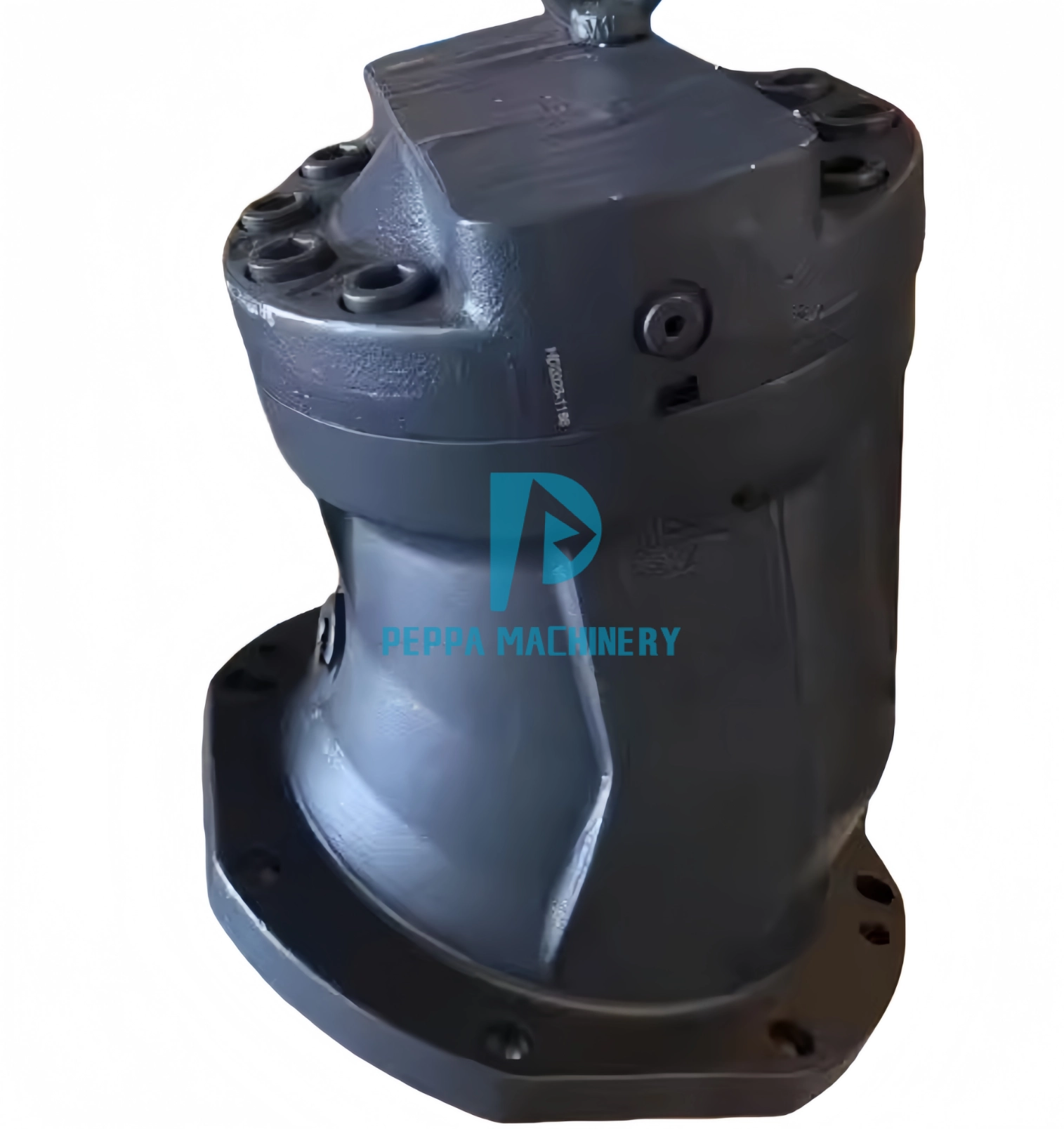
65489140 Walking Motor For Bulldozer Loader Excavator Komatsu PC3000-6 4000-6 Hydro-motor
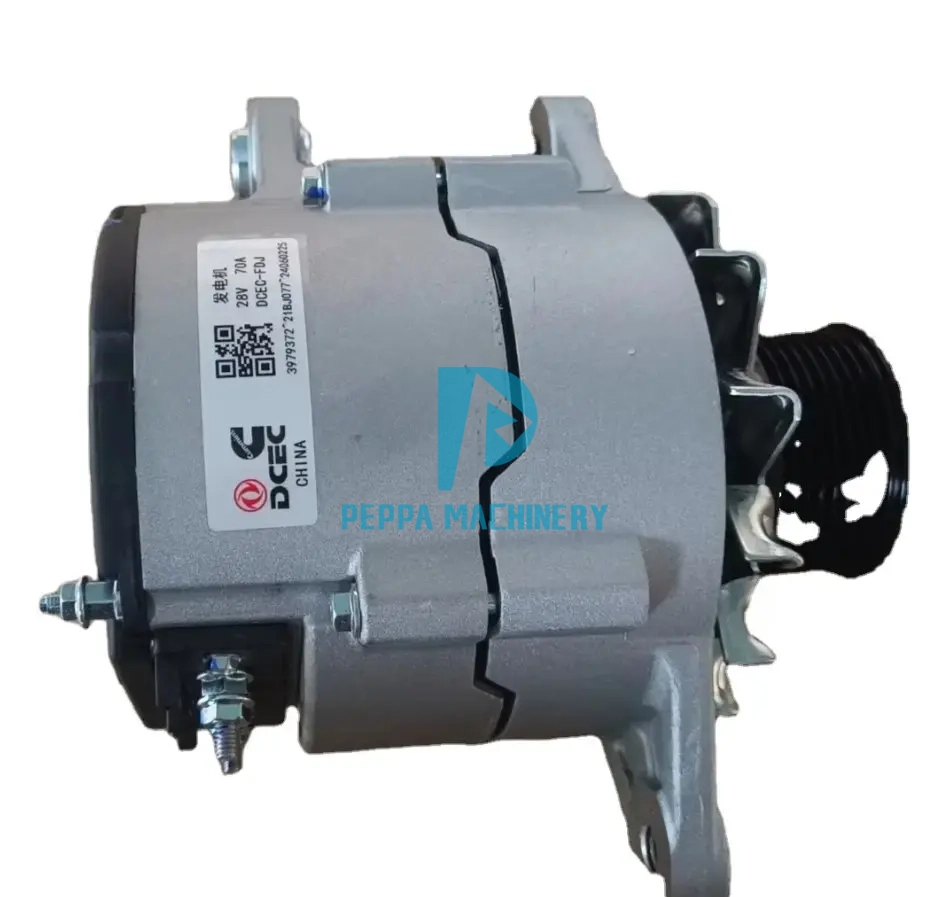
Cummins 24V AC Alternator - Genuine OEM Part #3979372 | Fits Mining & Construction Equipment
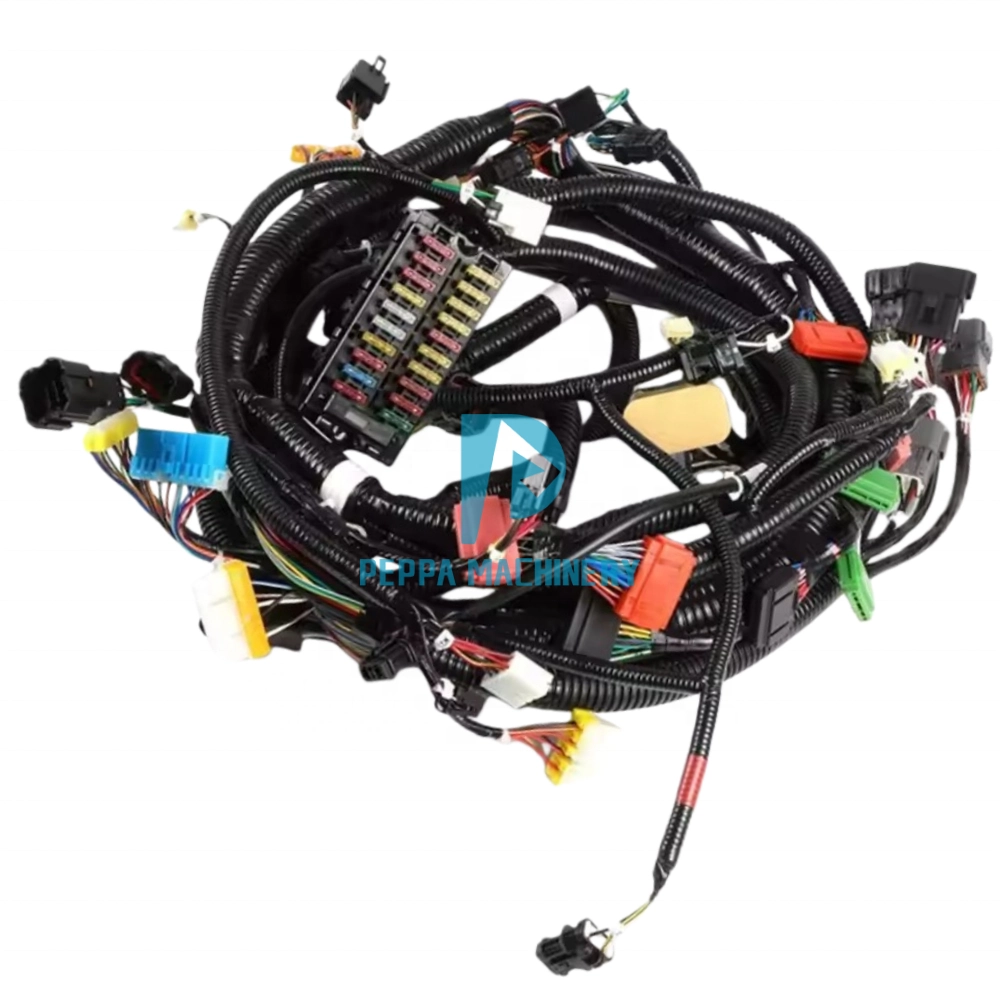
Internal Wiring Harness Assembly for Komatsu PC200-7 to PC270-7 Series Excavators | Direct OEM Replacement Part #20Y-06-31110 (20Y0631110)

Reliable Source for Quality Excavator Components.
Follow Us
Our Partners


Our Payment Methods


 High Quality
 7/24 Service
 Guaranteed Warranty
 Scan QR Code
Facebook
TikTok
YouTube
Pinterest
Twitter