








The Complete Guide to Excavator Oil Pumps 2026: Maintenance, Troubleshooting & Top Brands
- What is an Oil Pump in an Excavator?
- Quick Summary & Key Takeaways for 2026
- Engine Oil Pumps vs. Hydraulic Pumps: Understanding the Difference
- Common Signs of Excavator Oil Pump Failure (Troubleshooting)
- Expert Tips: Preventative Maintenance Checklist
- Top Excavator Brands & OEM Oil Pump Compatibility
- Choosing the Right Parts: Peppa Machinery's Wholesale Solutions
- 2026 Future Trends in Excavator Oil Pumps
- Conclusion
- FAQs About oil pump excavator
- How much does it cost to replace an excavator oil pump?
- How long do excavator engine oil pumps last?
- Can I use aftermarket oil pumps in my Caterpillar excavator?
- What causes an excavator oil pump to lose pressure?
- How do I test the oil pressure on my excavator?
- What is the difference between a gear pump and a piston pump?
- How often should I change the oil to protect my excavator's oil pump?
- Where can I buy wholesale OEM excavator oil pumps?
Welcome to the ultimate 2026 guide for heavy machinery maintenance. Whether you are managing a massive construction fleet or performing routine repairs, understanding the functionality of an oil pump excavator setup is critical to your operational success. The engine oil pump is the beating heart of your machinery's lubrication system, preventing catastrophic metal-on-metal friction during intense digging operations. In this comprehensive guide, we will explore advanced troubleshooting techniques, daily maintenance checklists, and the best sources for purchasing high-quality replacement parts. Read on to discover how to keep your excavator running efficiently and avoid costly project downtimes.
What is an Oil Pump in an Excavator?

An oil pump excavator component is a critical mechanical device responsible for circulating engine oil under pressure to rotating bearings, sliding pistons, and camshafts. It ensures proper lubrication, reduces friction, and assists in cooling the engine block during heavy-duty operations.
In the realm of heavy earthmoving equipment, the engine oil pump serves as the literal heart of the machine's internal combustion engine. Without it, the immense friction generated by heavy-duty lifting and digging would destroy the motor in minutes. As reported by Wikipedia, the oil pump forces motor oil through passages in the engine block to properly distribute oil to different components, and failing to properly lubricate an engine will result in catastrophic failure.
Core Functions of the Oil Pump:
- Pressurized Circulation: It draws oil from the lower sump (oil pan) and forces it upward through a micron-rated oil filter.
- Targeted Lubrication: It delivers a constant protective film of oil to the crankshaft main bearings, connecting rods, and the upper valvetrain.
- Thermal Regulation: By constantly flowing over hot internal parts, the oil absorbs and carries away extreme combustion heat, assisting the primary liquid cooling system.
Quick Summary & Key Takeaways for 2026
The primary takeaway for 2026 is that proactive maintenance of your excavator engine oil pump prevents catastrophic engine failure. Routine pressure testing and utilizing high-quality replacement parts can successfully extend your heavy machinery's overall engine life by up to 30%.
As the construction and mining industries evolve into 2026, fleet managers are placing an unprecedented emphasis on equipment longevity and minimizing total cost of ownership (TCO).
Key 2026 Industry Highlights:
- Shift Toward OEM-Equivalent Parts: Due to ongoing global supply chain optimizations, operators are increasingly turning to premium wholesale aftermarket suppliers that offer OEM-level reliability at more competitive price points.
- High-Flow Integrated Designs: Modern excavators are featuring more advanced, high-capacity oil pump designs to handle the extreme thermal loads of modern low-emission diesel engines.
- Data-Driven Maintenance: There is a significant industry transition away from reactive repairs ("fix it when it breaks") toward proactive, scheduled replacement intervals based on strict operating hour milestones.
Engine Oil Pumps vs. Hydraulic Pumps: Understanding the Difference
The main difference is that engine oil pumps provide internal lubrication to reduce engine friction, whereas a heavy machinery hydraulic pump utilizes pressurized hydraulic fluid to generate the raw lifting, moving, and digging power required by the excavator's external boom.
It is a common misconception among novice operators to confuse these two completely separate systems.
Engine Oil Pumps (Lubrication):
- Primary Function: To constantly circulate engine oil to the moving parts of the internal combustion engine (crankshaft, pistons, camshaft).
- Operating Pressure: Typically operates at a lower, steady pressure (e.g., 30 to 60 PSI) designed purely for flow and friction reduction.
- Core Benefit: Prevents the engine from literally melting itself from the inside out due to high-friction heat.
Hydraulic Pumps (Actuation):
- Primary Function: To apply Pascal's Law, multiplying force to push hydraulic fluid through heavy-duty cylinders, giving the excavator its massive digging strength.
- Operating Pressure: Operates at extreme high pressures (often exceeding 4,000 PSI) to lift tons of earth and rock.
- Core Benefit: Translates engine horsepower into physical, external mechanical work.
Both systems are intrinsically linked; the engine powers the hydraulic pump, but if the engine oil pump fails, the entire machine will violently seize, instantly neutralizing your hydraulic capabilities.
Common Signs of Excavator Oil Pump Failure (Troubleshooting)
The most common signs requiring immediate excavator oil pump troubleshooting include low oil pressure dashboard warnings, abnormal engine overheating, loud clanking or whining noises from the engine block, and the visual presence of metallic shavings inside the primary oil filter.
Ignoring these critical warning signs is the fastest way to destroy a valuable piece of heavy construction equipment. In 2026, the cost of a complete engine rebuild makes proactive diagnostics more important than ever.
Key Troubleshooting Indicators:
- Low Oil Pressure Warnings: Modern excavators are equipped with highly sensitive sensors. If your dashboard gauge drops unexpectedly or the warning light illuminates, shut the engine down immediately. Continuing to operate under load will cause irreversible damage.
- Overheating Engine Block: While a faulty radiator is often blamed for overheating, a lack of circulating oil means excessive friction is generating uncontrollable heat deep within the engine block.
- Auditory Cues (Clanking and Whining): A whining sound often indicates that the oil pump gears are worn out or starving for fluid (cavitation). A clanking or knocking noise is far worse—it signifies that the engine bearings are no longer separated by a protective film of oil and are grinding directly against the crankshaft.
- Visual Contamination: During routine maintenance, inspect the used oil filter. The presence of glittering metallic shavings is a definitive sign of internal component wear, often caused by a failing oil pump.
Furthermore, as reported by H.O. Penn, low oil pressure indicates that not enough lubricant is moving through the system, leading to severe metal-on-metal contact that can cause an engine to fail in a matter of hours or even minutes.
Expert Tips: Preventative Maintenance Checklist
A comprehensive preventative maintenance checklist involves conducting daily visual inspections for leaks, verifying correct fluid levels before operation, and adhering to strict manufacturer-recommended intervals for complete oil and filter replacements to ensure the lubrication system operates at peak efficiency.
Preventative maintenance is the ultimate defense against unexpected machinery breakdowns. For construction crews in 2026, establishing a standardized daily routine is non-negotiable. Moreover, as reported by the Association of Equipment Manufacturers, following consensus-written, equipment-specific safety manuals is essential for the proper preparation, safe operation, and routine maintenance of off-highway construction equipment.
Daily Operator Checklist:
- Check Fluid Levels: Always use the dipstick to verify the engine oil is within the safe operating range before the morning startup.
- Inspect for External Leaks: Look under the excavator for any pooling fluids that might indicate a cracked oil pan or compromised gasket.
- Monitor Startup Pressure: Watch the oil pressure gauge carefully upon cold startup. The pressure should stabilize within a few seconds.
Monthly Maintenance Checklist:
- System Pressure Testing: Connect a mechanical gauge to verify that the internal pressure matches the dashboard electronic readings.
- Inspect Relief Valves: Ensure the pressure relief bypass valves are not stuck in the open position, which would bleed off critical oil pressure.
Common Mistakes to Avoid:
- Mixing Viscosities: Never mix different weights of engine oil, as this can lead to sludge formation and block the oil pump's suction screen.
- Extending Service Intervals: Skipping a scheduled 250-hour or 500-hour oil and filter change directly accelerates pump gear wear.
Top Excavator Brands & OEM Oil Pump Compatibility

Ensuring correct OEM oil pump compatibility requires exact part number matching, as top heavy machinery brands like Caterpillar, Komatsu, Cummins, Isuzu, and Hino each uniquely engineer specific flow rates and internal pressure tolerances designed exclusively for their proprietary engine blocks.
When replacing an oil pump, installing a generic or visually similar part is a critical error. For example, a Caterpillar excavator oil pump is engineered to integrate flawlessly with Cat's specific Heavy Duty Diesel configurations, often tying directly into advanced fuel injection systems like HEUI (Hydraulically Actuated Electronically Controlled Unit Injection).
Understanding Brand-Specific Requirements:
- Flow Rate Demands: Larger engines require higher gallons-per-minute (GPM) flow rates to maintain the necessary hydrodynamic wedge inside the bearings.
- Mounting Clearances: A pump designed for a compact Isuzu engine will have vastly different gear housing dimensions than a massive Cummins mining engine.
- Relief Valve Calibration: Every brand sets their internal pressure relief valves to pop off at different PSI thresholds to prevent cold-start seal blowouts.
Below is a quick reference guide comparing the oil pump characteristics of top excavator engine brands:
| Machinery Brand | Typical Field Application | Core Oil Pump Characteristics | Primary Maintenance Focus |
|---|---|---|---|
| Caterpillar | Heavy-duty mining & construction | High-capacity gear-driven flow | Monitor HEUI system pressure |
| Komatsu | Earthmoving & intensive forestry | Precision-machined cast iron | Strict fluid viscosity adherence |
| Cummins | Multi-purpose heavy machinery | High-efficiency gerotor design | Routine pressure relief valve checks |
| Isuzu | Compact & mid-size excavators | Lightweight aluminum housing | Frequent oil filter replacements |
| Hino | Highway and urban construction | Durable dual-gear mechanism | Monitor for cold-start cavitation |
Choosing the Right Parts: Peppa Machinery's Wholesale Solutions
Choosing the right replacement components is effortless with Guangzhou Peiqi Machinery Equipment CO,LTD, a premier supplier offering professional OEM excavator parts wholesale solutions, including high-quality engine cylinders, bearings, and oil pumps, to global fleet managers seeking maximum operational efficiency.
When it comes time for an excavator engine oil pump replacement, sourcing reliable components is the difference between a quick repair and ongoing mechanical nightmares. Operating under the brand name Peppa Machinery, this industry-leading company is located in the prestigious Guangzhou Wholesale Center. They specialize in selling premium excavator parts to the global region, providing professional parts sales advice and highly tailored solutions.
Why Choose Peppa Machinery?
- Extensive Industry Experience: With more than 15 years of dedicated experience, Peppa Machinery understands that every single customer has unique needs when it comes to maintaining heavy excavators.
- Comprehensive Product Range: Their vast inventory covers critical engine systems, electrical systems, hydraulic systems, and sealing systems. Whether you need genuine imported parts or high-quality OEM products, they have you covered.
- Specific Engine Accessories: They supply everything required for a full rebuild, including engine cylinder sleeve components, large and small bearings, complete overhaul kits, crankshafts, connecting rods, turbochargers, water pumps, compressors, and, of course, precision-engineered oil pumps.
- Support for Major Brands: Peppa Machinery provides exact-match parts for industry giants such as Caterpillar, Komatsu, Cummins, Isuzu, Mitsubishi, and Hino.
- Customized Service Support: Their customized service support is designed to provide tailored solutions that ensure maximum efficiency and satisfaction. They combine extensive industry expertise with personalized attention to deliver services that perfectly match your specific operational requirements.
2026 Future Trends in Excavator Oil Pumps
In 2026, the future of heavy machinery lubrication centers on intelligent hydraulic components, where smart IoT sensors provide predictive maintenance alerts by instantly detecting microscopic oil pressure drops long before a catastrophic mechanical pump failure can physically occur on-site.
The heavy machinery sector is undergoing a rapid technological revolution. The traditional mechanical oil pump is slowly becoming part of a larger, interconnected digital ecosystem.
Emerging Innovations:
- Smart Sensor Integration: Next-generation excavators are utilizing integrated Internet of Things (IoT) sensors directly within the oil galleries. These sensors transmit real-time viscosity, temperature, and pressure data directly to fleet management software.
- Predictive Diagnostics: Instead of waiting for a dashboard warning light, AI-driven software can analyze micro-fluctuations in oil pressure to accurately predict exactly when an oil pump gear will reach the end of its fatigue life.
- Eco-Friendly Advancements: Future pump designs are focusing on variable-flow technology. Rather than pumping at a fixed volume regardless of engine RPM, these advanced pumps adjust their output dynamically, reducing parasitic horsepower loss and improving overall fuel economy.
Conclusion

In conclusion, protecting your heavy equipment investment requires a strict dedication to routine preventative maintenance, rapid diagnostic troubleshooting, and consistently utilizing premium replacement parts. Overlooking your engine's lubrication system will inevitably lead to devastating mechanical failures and highly expensive operational downtime.
Whether you are managing a single compact digger or an entire fleet of heavy-duty mining machines, understanding the vital role of your oil pump is essential. By adhering to 2026 best practices, conducting daily checks, and knowing the early warning signs of pressure loss, you can ensure your machinery operates at peak performance. When the time inevitably comes for replacement, always trust experienced wholesale providers like Peppa Machinery to supply the exact OEM-grade components your engine requires.
Contact us today to optimize your oil pump excavator strategy.
FAQs About oil pump excavator
How much does it cost to replace an excavator oil pump?
Costs vary significantly based on the excavator size and brand, typically ranging from $300 to over $1,500 for the part alone. Labor costs will add to the total, but purchasing wholesale from experienced suppliers like Peppa Machinery can reduce expenses.
How long do excavator engine oil pumps last?
With proper maintenance and regular oil changes, an OEM or high-quality aftermarket oil pump can last 5,000 to 10,000 operating hours. Operating in extreme conditions without proper filtration can drastically reduce this lifespan.
Can I use aftermarket oil pumps in my Caterpillar excavator?
Yes, as long as the aftermarket parts are OEM-spec and purchased from a reputable supplier. High-quality aftermarket parts provide excellent reliability and are often more cost-effective.
What causes an excavator oil pump to lose pressure?
Common causes include worn pump gears, a stuck pressure relief valve, clogged oil suction screens, or simply low oil levels. Internal engine wear (like worn bearings) can also mimic a weak oil pump.
How do I test the oil pressure on my excavator?
Connect a mechanical oil pressure gauge to the engine block's oil pressure sending unit port. Start the engine and compare the readings at idle and under load to the manufacturer's specifications.
What is the difference between a gear pump and a piston pump?
Gear pumps use meshing gears to pump fluid and are typically used for engine lubrication due to their durability and simplicity. Piston pumps generate higher pressures and variable flow, making them standard for the main hydraulic lifting systems.
How often should I change the oil to protect my excavator's oil pump?
Most manufacturers recommend changing engine oil every 250 to 500 hours of operation. Using the correct viscosity and regularly changing the filter is crucial to prevent pump cavitation and wear.
Where can I buy wholesale OEM excavator oil pumps?
You can purchase genuine and OEM-spec oil pumps from professional one-stop wholesale providers like Guangzhou Peiqi Machinery Equipment CO,LTD. They offer extensive catalogs for brands like Komatsu, Cummins, and Isuzu with global shipping capabilities.
How to Choose the Right Excavator Injector for Your Model
Excavator Injector Types and Compatibility Guide
Buyer's Guide: Choosing the Right Excavator Alternator
Cost and ROI: Buying a High-Quality Excavator Oil Pump
Excavator Parts
What brands of excavator parts do you supply?
We supply a full range of parts compatible with major international and Chinese brands, including Caterpillar, Komatsu, Hitachi, Volvo, Doosan, Hyundai, Sany, Liugong, XCMG, Zoomlion, and more.
Can I get help choosing the right parts for my machine?
Yes. Our experienced sales team is here to provide professional recommendations and solutions based on your excavator model, part number, or specific requirements.
What types of parts do you mainly offer?
Our main product categories include:
• Engine parts (liner kits, crankshafts, water/oil pumps, etc.)
• Electrical parts (sensors, monitors, throttle motors, wiring harnesses)
• Hydraulic parts (pumps, valves, cylinders)
• Sealing kits (NOK, SKF, PQ brands, floating seals, O-rings)
How can I verify compatibility before placing an order?
Please provide us with your machine brand, model number, and the part number (if available). Our team will double-check the compatibility to ensure you receive the correct parts.
Are your parts genuine or OEM?
We offer both genuine parts and high-quality OEM alternatives. You can choose according to your budget and application needs. All OEM products are tested to meet or exceed original specifications.

Isuzu SP 4JG1 4JG2 4JG3 Cylinder Liner 1876182070 1-87618207-0 1876182080 1-87618208-0 1876182100 1-87618210-0
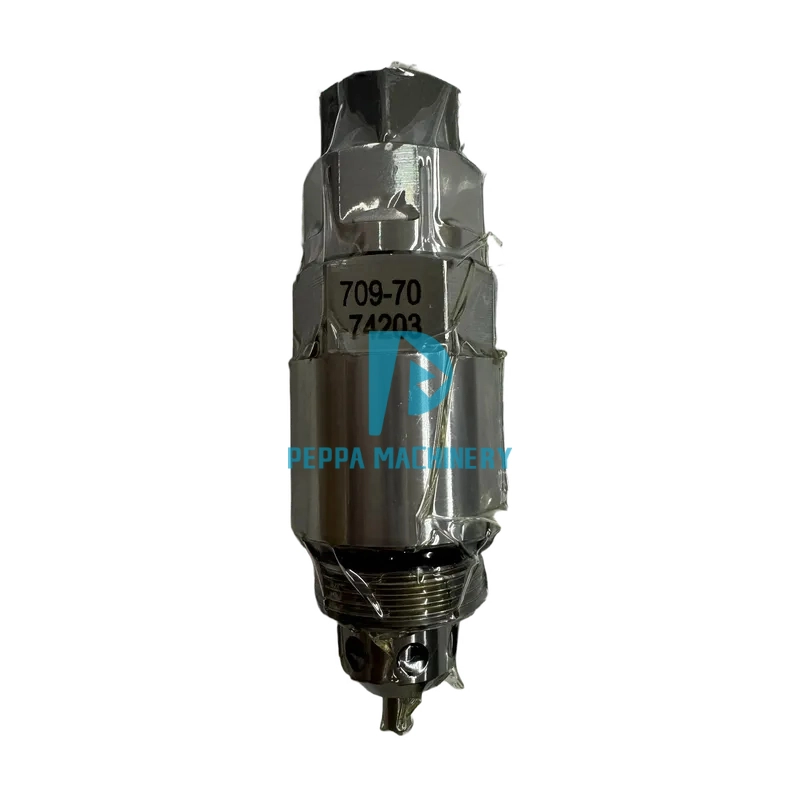
709-70-74203 7097074203 Relief Valve for PC200-5 PC200-6
Peppa Machinery’s Relief Valve PC200-5 PC200-6 delivers. Designed for durability and high performance, this Relief Valve ensures reliable operation in industrial applications. Ideal for efficient Relief Valve .

New for CAT 312D 320D Excavator Spare Parts 4343436 434-3436 221-8859 Metal Pressure Switch and Sensor
Peppa Machinery offers New for CAT 312D/320D Excavator Spare Parts — Metal Pressure Switch & Sensor 4343436 / 434-3436 / 221-8859. Durable, precision OEM-fit replacement with fast shipping and warranty. Buy genuine CAT parts now.
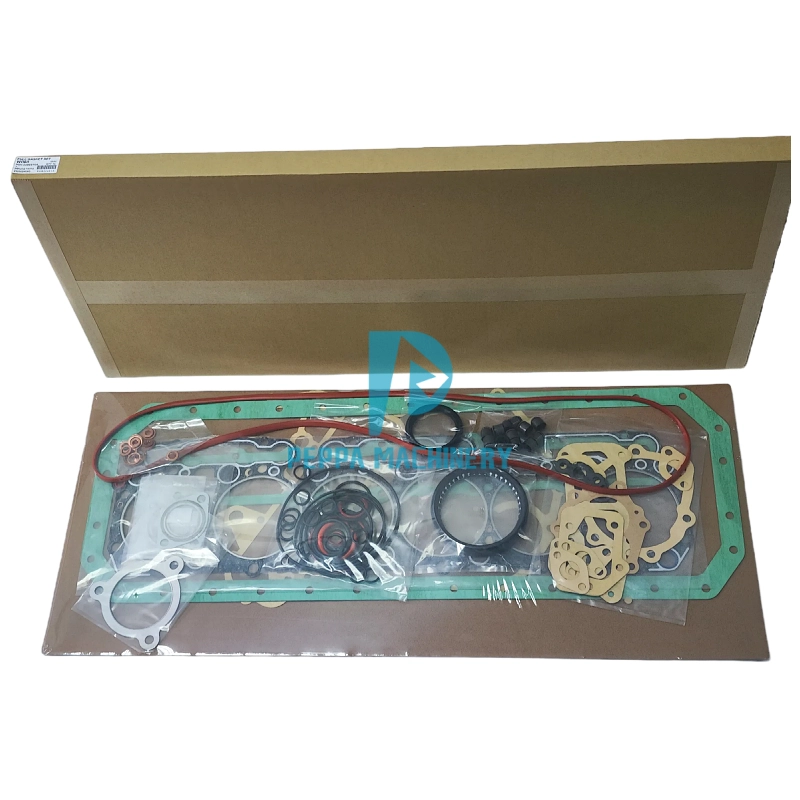
W06D W06DT Engine Overhaul Repair Kit Full Gasket
Peppa Machinery W06D Overhaul Repair Kit Full Gasket — complete engine overhaul kit with precision-fit full gasket set, seals and components for dependable WO6D performance, OEM-quality durability and easy installation.

Reliable Source for Quality Excavator Components.
Follow Us
Our Partners


Our Payment Methods


 High Quality
 7/24 Service
 Guaranteed Warranty
 Scan QR Code
Facebook
TikTok
YouTube
Pinterest
Twitter