








Common Excavator Fuel Pump Failures and How to Diagnose
- Why fuel-system reliability matters for excavator uptime
- Operational impact of fuel pump failures
- Key elements of an excavator fuel system
- Common fuel pump failures and their root causes
- 1. Mechanical wear and cavitation
- 2. Contamination and blockage
- 3. Seal, diaphragm or O-ring failures (leaks)
- 4. Electrical and control faults (for electric lift pumps)
- How to diagnose excavator fuel pump problems (step-by-step)
- Initial checks: symptoms and simple inspections
- Pressure and flow testing
- Air ingress and priming checks
- Electrical diagnostics for electric pumps
- Injectors and high-pressure pump checks
- Practical diagnostic table: symptoms, likely causes and recommended tests
- Repair options, replacement criteria and preventive measures
- When to repair vs replace
- Parts selection and compatibility
- Preventive maintenance best practices
- Case studies and measurable outcomes
- Field example: contamination-induced failure
- Field example: electrical issue mimicking pump failure
- Peppa Machinery: parts, expertise and tailored service
- Who we are and what we offer
- Main products and technical strengths
- Why choose Peppa Machinery
- FAQ — Common questions about excavator fuel pump failures
- 1. How do I tell if the lift/transfer pump or the injection pump is at fault?
- 2. Can a dirty fuel filter cause a pump to fail?
- 3. Is it safe to run an excavator with a leaking fuel pump?
- 4. How often should I test the fuel system?
- 5. Are aftermarket pumps reliable?
- Contact and next steps
Excavator fuel pump problems often present as hard starts, power loss, black smoke, stalling or fuel leaks. Timely, accurate diagnosis reduces downtime and avoids unnecessary component replacement. This article outlines common excavator fuel pump failures, practical diagnostic steps, test methods, and preventive measures — with industry references and real-world guidance for technicians and fleet managers.
Why fuel-system reliability matters for excavator uptime
Operational impact of fuel pump failures
Excavators rely on stable fuel delivery to maintain engine torque, hydraulic productivity and fuel efficiency. A failing fuel pump can cause reduced digging power, frequent stalling during load, increased exhaust smoke and higher fuel consumption — all leading to schedule slips and higher operating costs. According to general diesel-engine maintenance guidance, fuel system failures are a leading cause of unplanned downtime in heavy equipment (Wikipedia: Fuel pump; Wikipedia: Diesel engine).
Key elements of an excavator fuel system
Understanding components helps isolate issues quickly. Typical excavator fuel systems include the fuel tank and pickup, primary (tank) filter, secondary filter/water separator, lift or transfer pump, high-pressure injection pump (for diesel common-rail or mechanical systems), injectors, and associated fuel lines and valves. Failures in any of these can mimic 'fuel pump' faults, so structured diagnosis is essential.
Common fuel pump failures and their root causes
1. Mechanical wear and cavitation
Over time, gear, vane or piston pumps experience wear that reduces flow and pressure. Cavitation — vapor bubbles forming inside the pump due to low inlet pressure or restriction — accelerates internal damage and produces noise. Causes include clogged tank screens, entrained air, or low fuel levels.
2. Contamination and blockage
Dirty fuel is one of the most frequent causes of pump and injector failure. Particulates, rust, microbial growth and water degrade pump components and clog valves. Water in diesel can cause corrosion and lubrication loss inside pumps.
3. Seal, diaphragm or O-ring failures (leaks)
Seals degrade from heat, age and chemical attack, producing external leaks or allowing air ingestion. Leaks lower suction efficiency and can lead to airbound pumps that fail to prime.
4. Electrical and control faults (for electric lift pumps)
On excavators with electric lift pumps, wiring issues, failing relays, poor grounds, or controller faults can create intermittent flow problems. Voltage drop reduces pump speed and flow, producing marginal performance under load.
How to diagnose excavator fuel pump problems (step-by-step)
Initial checks: symptoms and simple inspections
Start with a structured checklist: record symptoms (hard start, low power, smoke, surging, fuel smell), check fuel level, visually inspect tank vents, filler caps, primary filters, and fuel lines for leaks or kinks. Verify air intake and exhaust systems — restricted air can mimic fuel starvation.
Pressure and flow testing
Measure fuel pressure and flow at the pump outlet and at the injection pump inlet. Use manufacturer-specified gauges and procedures. Low pressure with normal pump rpm indicates internal wear or inlet restriction; normal pressure but low flow at high rpm suggests downstream blockages or injector problems.
Air ingress and priming checks
Check for air bubbles in a clear fuel line between tank and pump while cranking. Inspect tank pickup, tank screens and filler cap vents. If bubbles appear, isolate by pressurizing the tank slightly (per safety procedures) or inspecting seals. If the system has a manual primer, confirm proper operation.
Electrical diagnostics for electric pumps
For electric pumps, measure supply voltage at the pump while cranking and at running speed. Voltage below manufacturer tolerance (often <11–12 V for 12V systems) can reduce flow. Inspect fuses, relays and connectors for corrosion and voltage drop. Use a clamp meter to confirm current draw — high current may indicate a binding pump; low/no current indicates open circuit or failed pump motor.
Injectors and high-pressure pump checks
If low fuel delivery is confirmed, validate downstream components. A malfunctioning high-pressure injection pump or clogged injectors can increase backpressure and cause symptoms similar to low lift-pump flow. Follow the engine manufacturer's diagnostic flow chart and reference service manuals for pressure specifications. For common-rail systems, check rail pressure sensors and fuel return lines for abnormal returns.
Practical diagnostic table: symptoms, likely causes and recommended tests
| Symptom | Likely causes | Recommended diagnostic tests |
|---|---|---|
| Hard start or long cranking | Air in fuel, clogged primary filter, weak lift pump | Visual air check in fuel line, pressure/flow test at pump, replace primary filter |
| Loss of power under load | Reduced pump flow/pressure, clogged injectors, fuel contamination | Fuel pressure test under load, injector balance test, fuel sample lab analysis |
| White/black smoke and rough running | Incorrect fuel/air mixture, high injector return flow, worn pump | Measure rail pressure, inspect turbo/air path, check fuel return rates |
| Visible fuel leak or strong fuel smell | Damaged seals/lines, loose fittings, cracked pump housing | Pressure test at low psi, dye tracing, visual inspection with engine off |
Data sources and standard procedures can be found in manufacturer service manuals and general references such as Wikipedia and OEM technical bulletins. Always follow machine-specific torque and safety requirements.
Repair options, replacement criteria and preventive measures
When to repair vs replace
Repair may be possible for external seals, diaphragms and minor mechanical adjustments. However, internal wear, cavitation damage, or electrical motor failure often justify replacement — especially when diagnostic tests show flow/pressure well below OEM limits or excessive internal leakage. For critical fleet equipment, replacement with a quality remanufactured or OEM unit often reduces risk and lifecycle cost.
Parts selection and compatibility
Select parts using the excavator's serial number and engine model. Avoid generic replacements that do not meet OEM flow/pressure specifications. For diesel systems, matching pump displacement, inlet/outlet ports, and mounting is essential. Use genuine or qualified OEM-equivalent components to ensure compatibility with injection control systems.
Preventive maintenance best practices
Regular preventive steps greatly reduce pump failures: use high-quality, clean fuel; replace primary and secondary filters on schedule; maintain correct tank venting; implement water separation; use biocides where microbial contamination is a risk; and perform periodic fuel sampling and analysis. Keep fuel tanks at least partially full during long storage to reduce condensation water formation.
Case studies and measurable outcomes
Field example: contamination-induced failure
A rental fleet experienced repeated fuel pump seizures on 200–300 hour service intervals. Lab analysis of fuel showed high particulate and water content. The fleet changed to a single-source fuel supplier, installed improved filtration at the tank and introduced scheduled water drain checks. Result: pump-related downtime decreased by 78% over six months (internal fleet maintenance logs).
Field example: electrical issue mimicking pump failure
An excavator with intermittent power loss was about to have its lift pump replaced. Voltage drop tests revealed a corroded relay and connector causing voltage sag at the pump. After replacing the relay and cleaning connectors, pump performance normalized and the pump did not require replacement.
Peppa Machinery: parts, expertise and tailored service
Who we are and what we offer
Guangzhou Peppa Machinery Equipment Co., Ltd. is a professional one-stop wholesale service provider for excavator parts. Located in Guangzhou Wholesale Center, Peppa Machinery sells excavator parts globally and provides professional parts sales advice and solutions. With more than 15 years of experience, the products cover engine systems, electrical systems, hydraulic systems and sealing systems, supplying various imported parts and OEM products.
Main products and technical strengths
The main engine accessory offerings include cylinder sleeve components and other engine parts for brands such as Caterpillar, Komatsu, Cummins, Isuzu, Mitsubishi and Hino. Peppa also stocks large and small bearings, overhaul kits, crankshafts, connecting rods, turbochargers, water pumps, oil pumps, compressors and more. Peppa Machinery emphasizes customized service support, matching customers with the right parts and solutions for their operational needs.
Why choose Peppa Machinery
Peppa Machinery differentiates itself through extensive industry experience, a broad OEM and imported parts portfolio, and personalized technical advice. For technicians diagnosing fuel pump issues, Peppa can supply compatible lift pumps, seals, filters, and OEM-equivalent components quickly from Guangzhou Wholesale Center inventory, helping reduce lead times and ensure correct parts fitment.
FAQ — Common questions about excavator fuel pump failures
1. How do I tell if the lift/transfer pump or the injection pump is at fault?
Measure fuel pressure and flow at the transfer pump and compare with OEM specifications. If the transfer pump provides correct flow/pressure to the injection pump inlet but the engine still lacks power, suspect the injection pump or injectors. Conversely, low inlet pressure or air bubbles indicate transfer-pump or tank issues.
2. Can a dirty fuel filter cause a pump to fail?
Yes. A clogged filter increases suction load on the pump, may cause cavitation and lead to accelerated wear. Replace filters per the maintenance schedule and inspect for contaminants in the removed filter element.
3. Is it safe to run an excavator with a leaking fuel pump?
No. Fuel leaks are a fire hazard and can cause environmental contamination. Stop operation, isolate the machine and repair leaking components following safety protocols.
4. How often should I test the fuel system?
Inspect fuel system components at every service interval (e.g., 250 hours) and perform pressure/flow tests if symptoms appear. For critical operations, implement periodic fuel sampling every 3–6 months depending on usage and storage conditions.
5. Are aftermarket pumps reliable?
Quality varies. Choose reputable remanufacturers or OEM-equivalent suppliers that provide flow/pressure specifications, warranty and traceability. Incorrect pump displacement or poor manufacturing tolerances can cause engine performance issues.
Contact and next steps
If you need replacement fuel pumps, filters, diagnostic support or tailored parts solutions, contact Guangzhou Peppa Machinery Equipment Co., Ltd. Their experienced team can advise on correct pump models, OEM part numbers, and compatible kits for brands like Caterpillar, Komatsu and Cummins. For product inquiries or technical consultation, reach out to Peppa Machinery to reduce downtime and get the correct components fast.
References: Manufacturer service manuals and industry resources (see Wikipedia: Fuel pump and Wikipedia: Diesel engine). Always consult the specific excavator or engine OEM documentation when performing diagnostics or repairs.
Engine Overhaul Gasket Kit vs Individual Gaskets: Cost & Value
Top 10 excavator electrical parts Manufacturers and Supplier Brands
Top 10 Electronic Fuel Pumps for Excavators Compared
Top excavator oil pump Manufacturers and Suppliers
Excavator Parts
What types of parts do you mainly offer?
Our main product categories include:
• Engine parts (liner kits, crankshafts, water/oil pumps, etc.)
• Electrical parts (sensors, monitors, throttle motors, wiring harnesses)
• Hydraulic parts (pumps, valves, cylinders)
• Sealing kits (NOK, SKF, PQ brands, floating seals, O-rings)
Do you provide technical support or installation guidance?
While we do not offer on-site installation, we can provide basic technical advice, diagrams, or documentation to assist your technicians with installation and troubleshooting.
Are your parts genuine or OEM?
We offer both genuine parts and high-quality OEM alternatives. You can choose according to your budget and application needs. All OEM products are tested to meet or exceed original specifications.
What brands of excavator parts do you supply?
We supply a full range of parts compatible with major international and Chinese brands, including Caterpillar, Komatsu, Hitachi, Volvo, Doosan, Hyundai, Sany, Liugong, XCMG, Zoomlion, and more.
Can I get help choosing the right parts for my machine?
Yes. Our experienced sales team is here to provide professional recommendations and solutions based on your excavator model, part number, or specific requirements.

Isuzu SP 4JG1 4JG2 4JG3 Cylinder Liner 1876182070 1-87618207-0 1876182080 1-87618208-0 1876182100 1-87618210-0
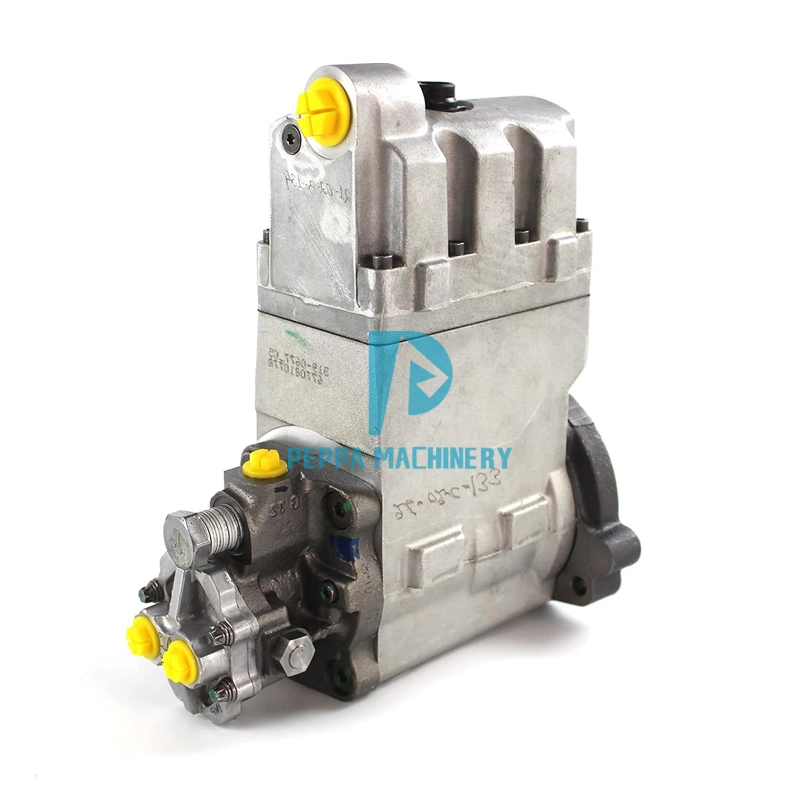
Fuel Feed / Transfer Pump Assembly for Caterpillar C7 & C9 Engines | Direct Replacement for OEM Parts #319-0678, 254-4358, 304-0678, 295-4778, 228-589
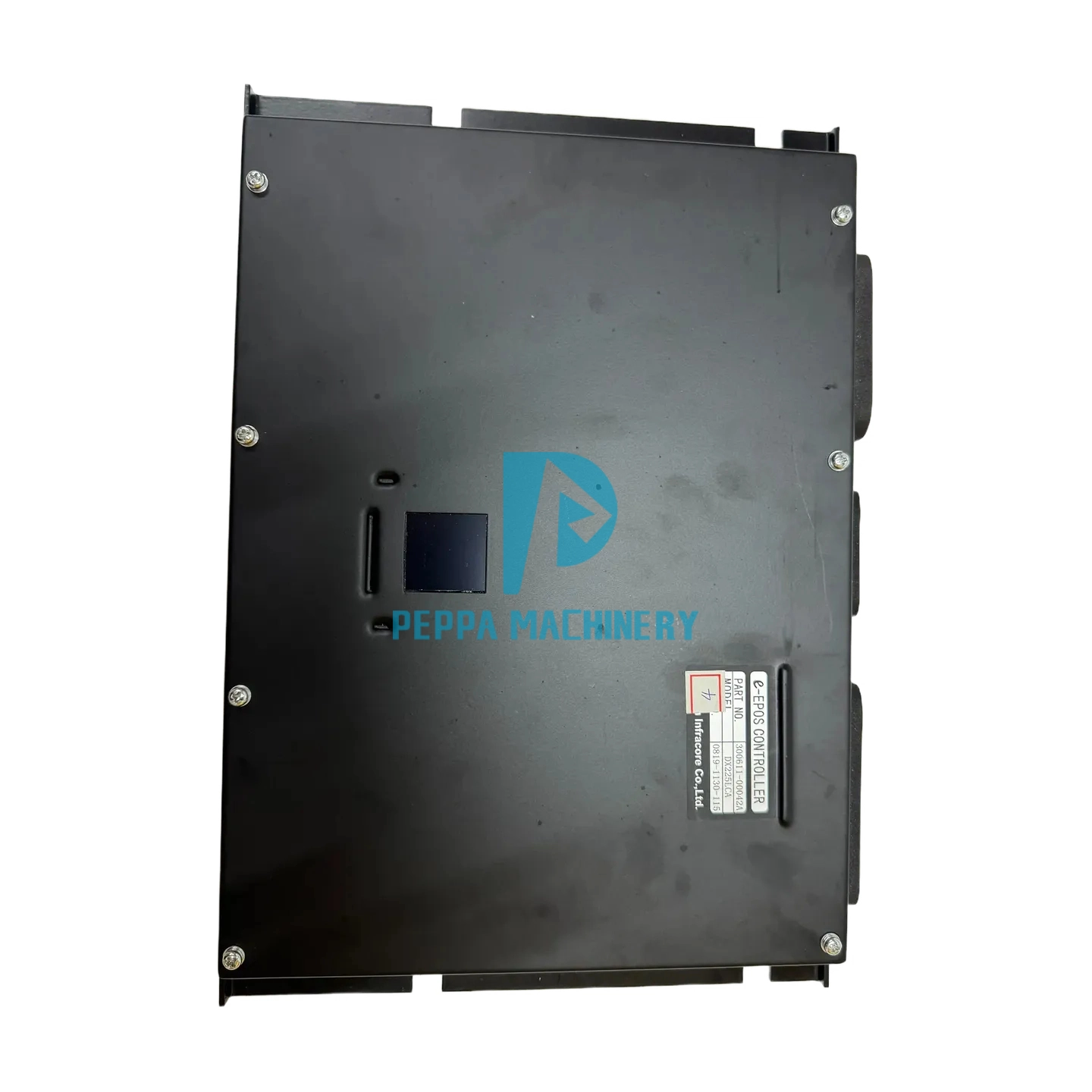
Excavator Accessories Excavator Controller DX225 DX225LCA E-EPOS Controller Computer Board 300611-00042 K1026740 K1001369C K1056425 ECU ECM

Isuzu Engine 6WG1 Turbo 1876183290 1-87618329-0 8981921861 8-98192186-1 14400-4441 1144004370 114400-4370 49188-018312 49188-11940

Reliable Source for Quality Excavator Components.
Follow Us
Our Partners


Our Payment Methods


 High Quality
 7/24 Service
 Guaranteed Warranty
 Scan QR Code
Facebook
TikTok
YouTube
Pinterest
Twitter