








What are the application scenarios of excavator alternator?
Excavator alternators are vital components that convert mechanical energy from the engine into electrical energy, powering essential systems such as lighting, control panels, and hydraulic controls. Understanding their application scenarios is crucial for ensuring optimal performance and longevity of excavators across diverse working conditions.
Understanding Excavator Alternators
An alternator in an excavator functions as a generator, transforming mechanical energy into electrical energy. This process is essential for charging the battery and supplying power to the machine's electrical systems, including lights, control panels, and electronic controls. A reliable alternator ensures that these systems operate efficiently, contributing to the overall productivity and safety of the excavator.
Key Application Scenarios of Excavator Alternators
1. Construction Sites
High Demand for Electrical Power
In construction environments, excavators often operate for extended periods, requiring a consistent power supply to support lighting, control systems, and additional equipment. A robust alternator ensures that the battery remains charged, preventing unexpected downtime and maintaining operational efficiency.
Harsh Operating Conditions
Construction sites are typically dusty and exposed to various contaminants. An alternator designed to withstand such conditions is essential to prevent premature wear and ensure reliable performance.
2. Mining Operations
Continuous Operation Under Heavy Loads
Excavators in mining applications often work continuously under heavy loads, demanding a high-capacity alternator to meet the increased electrical requirements. This ensures that all electrical systems function optimally, even during extended shifts.
Exposure to Harsh Environments
Mining environments can be harsh, with exposure to dust, moisture, and extreme temperatures. Alternators in these settings must be durable and capable of operating reliably under such challenging conditions.
3. Forestry and Land Clearing
Moisture and Impact Resistance
Forestry operations expose excavators to high humidity, sap, and physical impacts. Alternators used in these scenarios must be resistant to corrosion and capable of withstanding physical shocks to maintain consistent performance.
Electrical System Stability
The alternator plays a crucial role in maintaining the stability of the excavator's electrical system, ensuring that all components function correctly despite the challenging environmental factors.
4. Demolition and Recycling
Precision and Safety Controls
In demolition and recycling operations, excavators require precise control over their movements and functions. A reliable alternator ensures that the electrical systems responsible for these controls operate without interruption, enhancing safety and efficiency.
High-Impact Environments
The alternator must be robust enough to handle the vibrations and shocks associated with demolition work, preventing potential failures and ensuring continuous operation.
5. Ports and Material Handling
Continuous Operation and Lighting Needs
Excavators used in ports and material handling facilities often operate around the clock, requiring a steady power supply for lighting and operational controls. An efficient alternator ensures that the battery remains charged, supporting uninterrupted operations.
Exposure to Corrosive Elements
The marine environment introduces salt and moisture, which can accelerate corrosion. Alternators in these settings must be designed with materials and coatings that resist corrosion to maintain longevity and reliability.
6. Cold-Climate Operations
Low-Temperature Performance Challenges
In cold climates, excavators face challenges such as increased oil viscosity and potential freezing of coolant mixtures. Alternators must be capable of operating efficiently in low temperatures, ensuring that the electrical systems function correctly and the battery remains charged.
Design Considerations for Cold Environments
Alternators used in cold climates should be equipped with features like thermostats and coolant heaters to facilitate reliable operation during winter months.
Maintenance Best Practices for Excavator Alternators
Regular maintenance of the alternator is essential to ensure its longevity and reliable performance across various application scenarios. Key maintenance practices include:
Belt Tension Checks: Regularly inspect the alternator belt for proper tension to prevent slippage or excessive wear.
Electrical Connections Inspection: Ensure that all wiring and terminals are clean, secure, and free from corrosion to maintain optimal electrical conductivity.
Bearing Lubrication: Check and maintain proper lubrication of the alternator bearings to prevent overheating and premature failure.
Cleaning: Keep the alternator clean and free from dust and debris to ensure efficient cooling and operation.
By adhering to these maintenance practices, operators can enhance the reliability and lifespan of the alternator, ensuring consistent performance across diverse operational environments.
Conclusion
Excavator alternators are integral to the machine's electrical system, providing the necessary power for various functions across multiple application scenarios. Understanding the specific demands of each environment and implementing appropriate maintenance practices are crucial for ensuring optimal performance and extending the service life of the alternator.
Frequently Asked Questions (FAQs)
1. How do I know if my excavator's alternator is failing?
Common signs of a failing alternator include dim or flickering lights, a battery warning light on the dashboard, unusual noises from the alternator area, and difficulty starting the machine.
2. Can an alternator failure affect other parts of the excavator?
Yes, a failing alternator can lead to battery discharge, causing the machine to lose power and potentially damaging other electrical components due to voltage fluctuations.
3. How often should I perform maintenance on the alternator?
Regular inspections should be conducted as part of routine maintenance schedules, with more frequent checks in harsh operating conditions.
4. Are there specific alternators designed for extreme environments?
Yes, alternators can be selected based on the specific demands of the operating environment, such as high humidity, extreme temperatures, or exposure to corrosive elements.
5. What should I do if I suspect an alternator issue?
Consult with a qualified technician to diagnose the problem accurately and perform necessary repairs or replacements to prevent further damage.
For more information on excavator alternators and related components, visit (https://www.peppamachinery.com).
OEM vs Aftermarket Excavator Injector Nozzles: Buyer Guide

The Ultimate Guide to Hydraulic Drive Motors (2026): Selection, Maintenance & Efficiency
Top Excavator Cylinder Liner Kit Manufacturers and Suppliers in China
OEM vs Aftermarket Stop Solenoids: What Buyers Should Know
Excavator Parts
What brands of excavator parts do you supply?
We supply a full range of parts compatible with major international and Chinese brands, including Caterpillar, Komatsu, Hitachi, Volvo, Doosan, Hyundai, Sany, Liugong, XCMG, Zoomlion, and more.
How can I verify compatibility before placing an order?
Please provide us with your machine brand, model number, and the part number (if available). Our team will double-check the compatibility to ensure you receive the correct parts.
Are your parts genuine or OEM?
We offer both genuine parts and high-quality OEM alternatives. You can choose according to your budget and application needs. All OEM products are tested to meet or exceed original specifications.
Do you provide technical support or installation guidance?
While we do not offer on-site installation, we can provide basic technical advice, diagrams, or documentation to assist your technicians with installation and troubleshooting.
Can I get help choosing the right parts for my machine?
Yes. Our experienced sales team is here to provide professional recommendations and solutions based on your excavator model, part number, or specific requirements.

Isuzu SP 4JG1 4JG2 4JG3 Cylinder Liner 1876182070 1-87618207-0 1876182080 1-87618208-0 1876182100 1-87618210-0
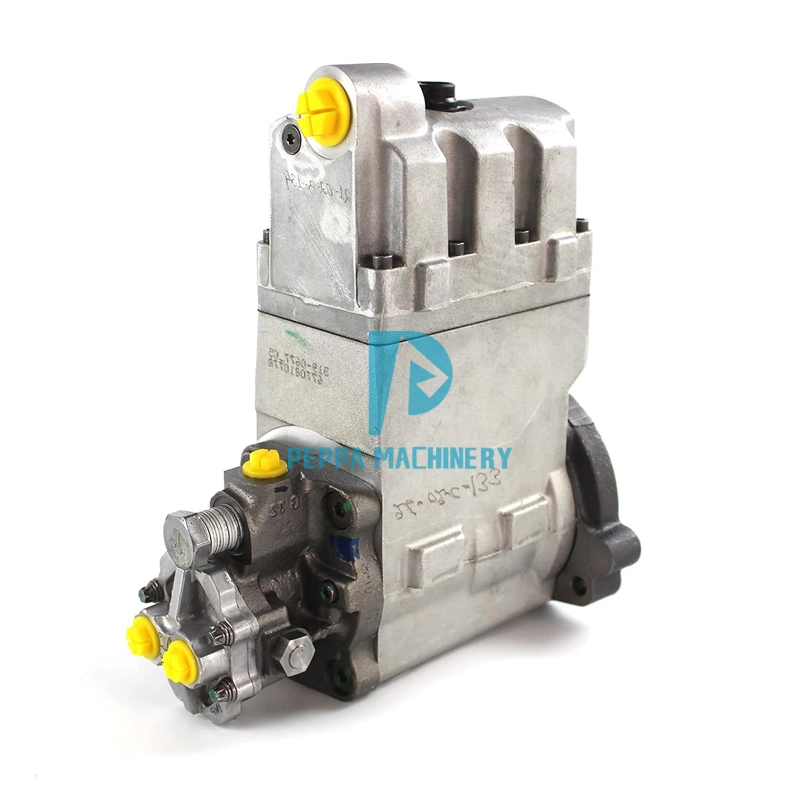
Fuel Feed / Transfer Pump Assembly for Caterpillar C7 & C9 Engines | Direct Replacement for OEM Parts #319-0678, 254-4358, 304-0678, 295-4778, 228-589
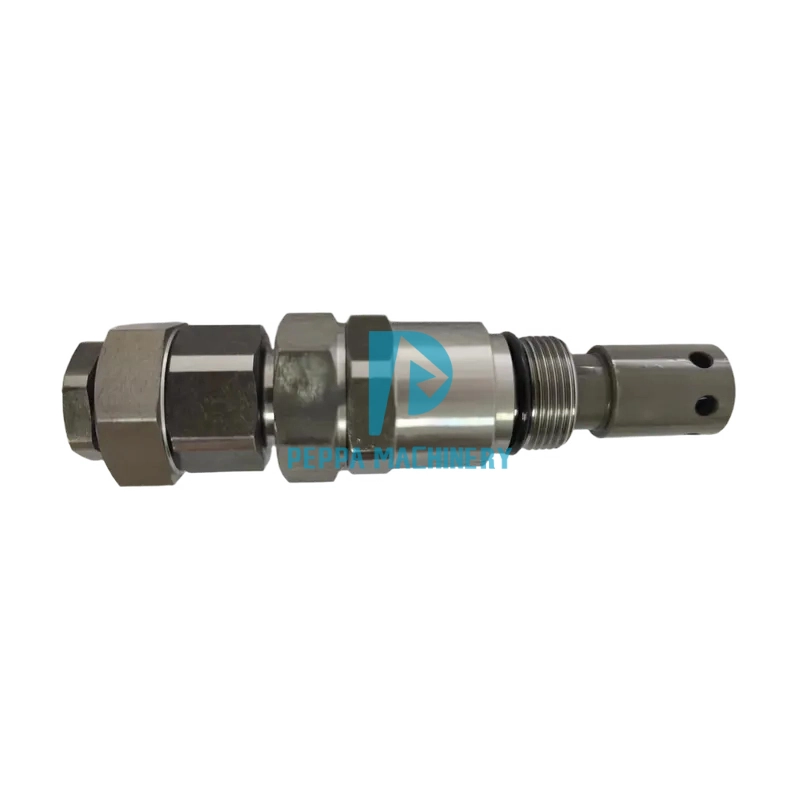
DH220-5 Main Control Valve Relief Valve 2420-1225 for Daewoo Doosan Excavator Solenoid Valve Hydraulic Accessories
Discover high-quality carrier rollers from Peppa Machinery, including models LQ64D00054F1, LQ64D00034F1, YN64D01144F1, and YN64D01068F1, designed for Sk200, Sk230, and Sk200-8 excavators. Durable and reliable—get your carrier roller for sale today!
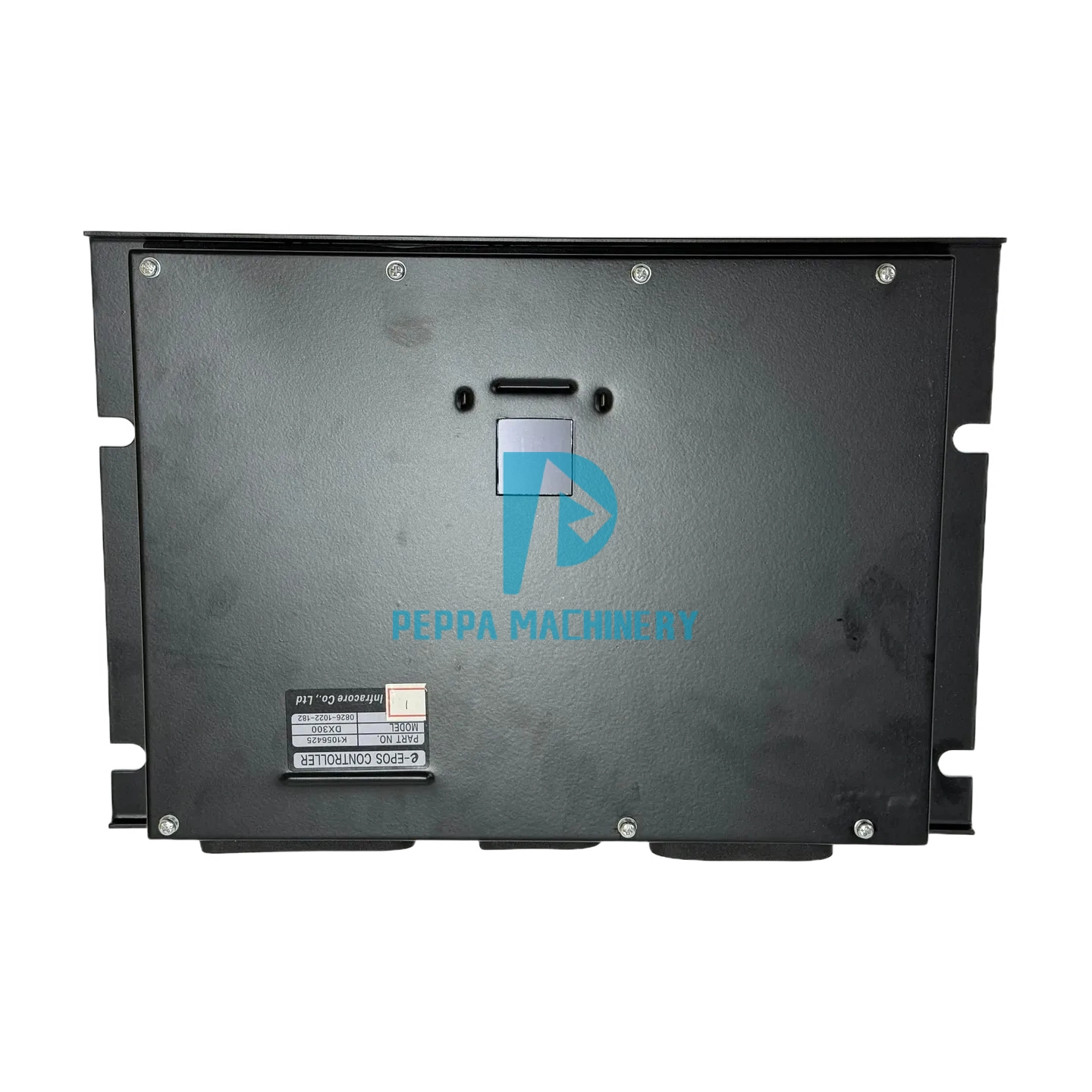
Excavator Control Unit Computer Board K1056425 0826-1022-182 New for Retail Construction Machinery Repair Shops DX300

Reliable Source for Quality Excavator Components.
Follow Us
Our Partners


Our Payment Methods


 High Quality
 7/24 Service
 Guaranteed Warranty
 Scan QR Code
Facebook
TikTok
YouTube
Pinterest
Twitter