








The Ultimate Guide to Hydraulic Coupler Selection: 2026 Performance Standards
- What is a Hydraulic Coupler and Why Does It Matter?
- Key Takeaways: 2026 Hydraulic Coupler Selection
- Types of Hydraulic Quick Connect Couplers
- 5 Critical Factors for Selecting the Right Coupler Hydraulic Setup
- Coupler Type Comparison Matrix
- Navigating 2026 Performance Standards and Industry Gaps
- Expert Tips: Common Mistakes in Coupler Selection
- Industry Leading Solution: Peppa Machinery's Hydraulic Expertise
- Conclusion
- FAQs About coupler hydraulic
- What is the difference between ISO A and ISO B hydraulic couplers?
- How do I properly measure my hydraulic quick disconnect size?
- Can you connect hydraulic couplers under pressure?
- Why is my hydraulic coupler leaking when connected?
- What are flat face hydraulic couplers used for?
- How often should hydraulic quick disconnects be replaced?
- Are hydraulic couplers universal across different brands?
- What seal material is best for excavator hydraulic systems?
Heavy machinery relies entirely on the secure, leak-free transmission of pressurized fluids. As we navigate the complex landscape of 2026 equipment regulations, understanding how to select the right hydraulic coupling system is more critical than ever. Whether you are outfitting a new fleet of modern excavators or maintaining traditional agricultural equipment, upgrading your fluid transfer systems ensures safety, environmental compliance, and peak operational performance.
What is a Hydraulic Coupler and Why Does It Matter?
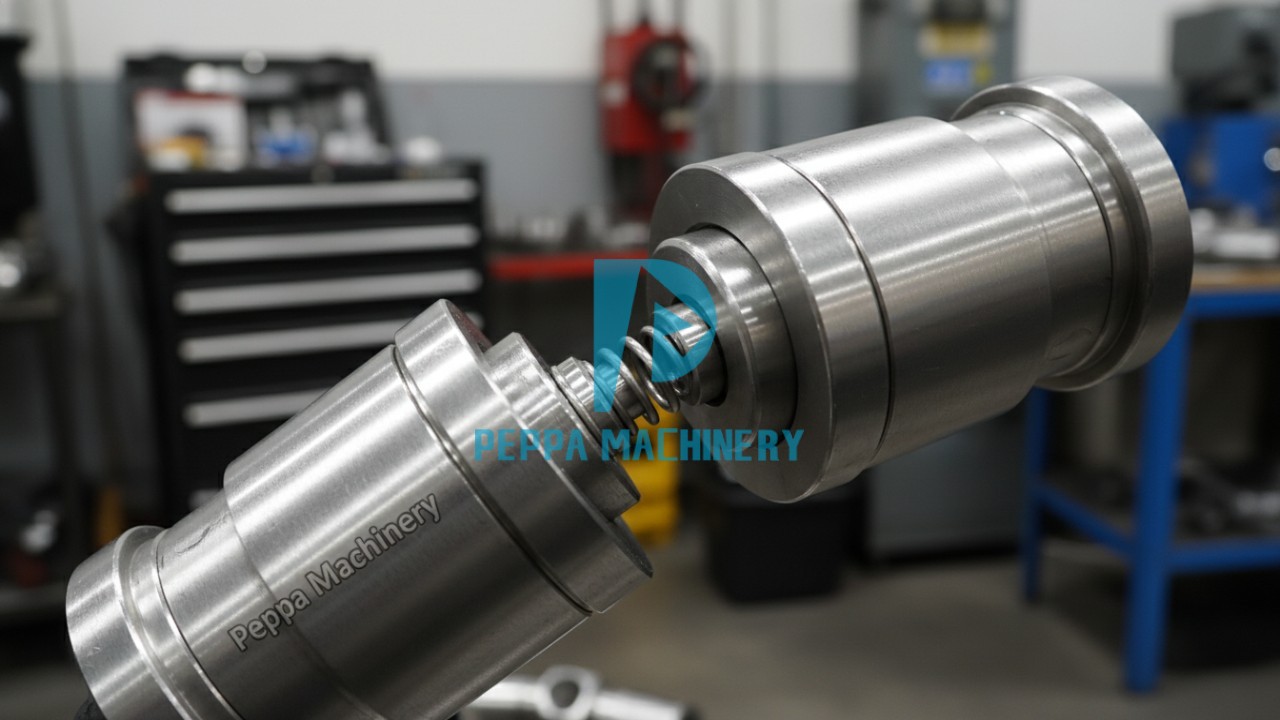
A coupler hydraulic (often referred to as a quick disconnect fitting) is a specialized mechanical fitting engineered to rapidly connect or disconnect fluid transfer lines without the need for tools, preventing fluid loss and air inclusion during operation.
How They Function: These vital components utilize internal valving mechanisms—such as spring-loaded poppets or precision flat faces—that automatically open when the male and female halves are connected, allowing fluid to flow. Upon disconnection, the internal valves instantly seal to trap the hydraulic oil inside the hose. This mechanism, related to broader power transmission principles as detailed by Wikipedia, ensures that hydraulic systems remain uncontaminated and fully pressurized.
Why It Matters:
- System Integrity: They are critical components for maintaining high system pressure in heavy machinery.
- Contamination Prevention: They prevent destructive dirt, dust, and environmental contamination from entering the delicate hydraulic pump system.
- Operational Efficiency: They allow operators to swap heavy attachments on machinery rapidly, significantly reducing expensive jobsite downtime.
Key Takeaways: 2026 Hydraulic Coupler Selection
In 2026, coupler hydraulic selection focuses heavily on zero-leak flat face designs, increased operating pressure capabilities, and advanced seal material compatibility like Nitrile and Viton to meet stringent environmental and heavy machinery standards.
How 2026 Standards Are Changing the Industry:
- Zero-Leak Environmental Mandates: The heavy machinery industry is rapidly shifting toward zero-leak flat face designs to comply with strict 2026 global environmental standards. Fluid spills are no longer legally or operationally acceptable on modern jobsites.
- Higher Pressure Thresholds: Operating pressure capabilities are constantly increasing. As excavators become exponentially more powerful, threaded flat face couplers are becoming an absolute necessity for heavy-duty applications to prevent dangerous blowout under high impulse pressures.
- Advanced Material Compatibility: Seal material compatibility remains the top factor for preventing premature coupling failure. With the introduction of new synthetic hydraulic fluids, selecting the correct O-ring material is more critical than ever to prevent chemical breakdown.
Types of Hydraulic Quick Connect Couplers
The primary types of hydraulic quick connect fittings include environmentally friendly flat face couplers, traditional poppet-style couplers conforming to ISO 7241 hydraulic standards, and heavy-duty threaded flat face couplers designed for extreme pressure.
Understanding the Different Profiles:
- Flat Face Couplers: The premier choice for modern construction. Their flush-face design minimizes fluid spillage to near zero and prevents air inclusion during connection. Their smooth surface makes them incredibly easy to wipe clean before connecting, a massive advantage in dirty, muddy environments.
- Poppet Style Couplers (ISO A and ISO B): These represent the traditional, highly reliable standard used predominantly in agricultural, forestry, and general industrial applications. As explained by Faster Couplings, ISO 7241 Series A is widely used globally for agriculture, while Series B is prevalent in North America and chemical industries. They use a standard poppet valve to seal the fluid but do allow a small drop of fluid to escape during disconnection.
- Threaded Flat Face Couplers: Specifically engineered for severe high-pressure pulses and heavy-duty machinery like modern excavators. Instead of a push-to-connect locking sleeve, these feature a heavy-duty threaded collar that screws together, providing ultimate resistance against mechanical vibrations and high-pressure surge spikes.
5 Critical Factors for Selecting the Right Coupler Hydraulic Setup
To choose the perfect coupler hydraulic configuration, operators must meticulously evaluate system operating pressure, optimize flow rates, ensure seal material compatibility, assess harsh environmental conditions, and determine requirements for connection under pressure.
How to Evaluate These Factors:
- Operating Pressure (PSI/Bar): Always ensure the coupler's maximum continuous pressure rating comfortably exceeds your system's highest possible pressure spikes. Never size a coupler solely based on average running pressure.
- Flow Rate Optimization: Match the internal diameter of the coupler to your system's required flow rate. Undersized couplers act as a severe bottleneck, causing drastic pressure drops, sluggish machine performance, and excess heat generation.
- Fluid and Seal Compatibility: Choose the right seal material based on your specific hydraulic fluid type and maximum operating temperature.
- Nitrile (NBR): Standard for petroleum-based mineral oils.
- Viton (FKM): Best for high temperatures and synthetic fluids.
- EPDM: Required for phosphate-ester fluids.
- Operating Environment: Account for external factors like silica dust, extreme weather, and mechanical vibrations. Always invest in high-quality protective sleeves and rubber dust caps to shield disconnected halves.
- Connection Under Pressure: Standard couplers suffer from hydraulic lock and cannot be pushed together if there is residual pressure in the line. Identify if your application requires specialized "connect-under-pressure" (residual pressure) couplers to safely connect lines without needing a full machine bleed-down.
Coupler Type Comparison Matrix
Navigating 2026 Performance Standards and Industry Gaps
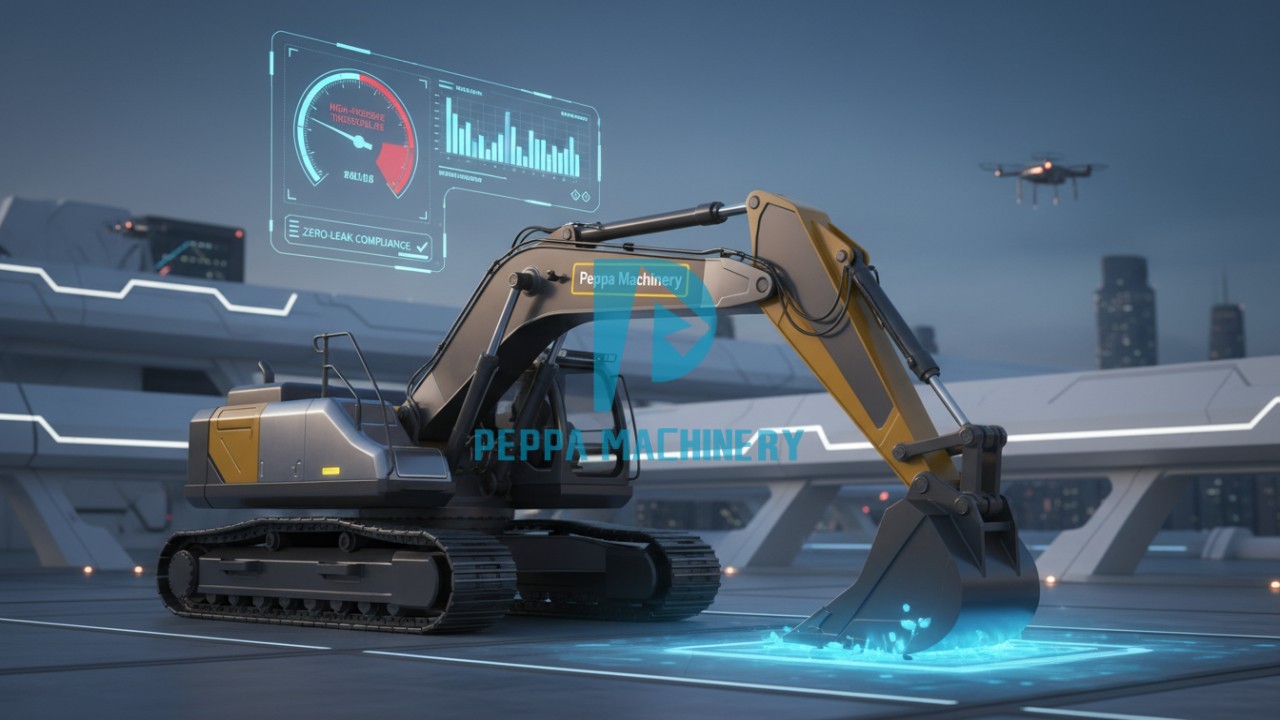
Navigating 2026 performance standards demands adopting coupler hydraulic systems with superior burst pressure thresholds and zero-leak environmental compliance, effectively replacing outdated traditional poppet designs in modern heavy-duty excavation equipment.
Why Standards Are Tightening:
- Environmental Protection: By 2026, standard requirements will legally demand stricter zero-leak compliance across all heavy equipment sectors to actively prevent soil and groundwater contamination.
- Technological Shifts: Many traditional poppet designs are actively being phased out of newly manufactured heavy-duty excavation equipment. Top-tier manufacturers are heavily favoring advanced multi-coupling plates and leak-free technology.
- Long-Term ROI: Understanding these future trends ensures your equipment upgrades remain compliant for the next decade. Investing in standard-compliant quick disconnect couplings now drastically reduces long-term maintenance costs and avoids expensive retrofitting operations down the line.
Expert Tips: Common Mistakes in Coupler Selection
The most frequent errors in coupler hydraulic selection involve ignoring thread type compatibility, failing to use protective dust caps against contamination, and dangerously mixing mismatched coupling halves from different manufacturers.
How to Avoid Catastrophic Failures:
- Ignoring Thread Compatibility: Mixing incompatible thread types—such as forcing NPT threads into BSPP or ORB ports—is the leading cause of dangerous micro-leaks and thread stripping. Always use precision thread gauges to verify.
- Neglecting Dust Caps: Leaving couplers exposed to the elements when disconnected introduces severe contamination directly into the hydraulic pump system upon reconnection. This can destroy an expensive hydraulic pump in a matter of hours.
- Mismatched Manufacturer Profiles: Attempting to connect male and female halves from different brands—even if they both claim generic ISO compliance—can lead to premature O-ring wear and catastrophic blowout under load. The tolerances often differ slightly. For best results, use the exact same brand for the complete assembly, an approach strongly advised in general industry practices for Quick connect fittings.
Industry Leading Solution: Peppa Machinery's Hydraulic Expertise
Guangzhou Peiqi Machinery Equipment CO,LTD, operating under the brand Peppa Machinery, is a global wholesale provider with over 15 years of experience supplying high-quality excavator hydraulic parts and customized coupler solutions.
Why Partner With Us:
- Extensive Experience: Located in the bustling Guangzhou Wholesale Center, we have spent more than 15 years supplying premium excavator parts to the global region. We deeply understand that every customer has highly unique operational requirements.
- Comprehensive Inventory: Our catalog goes far beyond simple fittings. We provide a one-stop wholesale service covering engine systems, electrical systems, hydraulic systems, and complete sealing systems. We heavily stock genuine OEM parts alongside premium imported alternatives.
- Brand Compatibility: We provide professional, customized parts sales advice to ensure you perfectly select the exact hydraulic couplers required for major excavator brands like Caterpillar, Komatsu, Cummins, Mitsubishi, Hino, and Isuzu.
- Customized Support: Our tailored service support is expressly designed to ensure maximum efficiency and operational satisfaction, properly matching your machinery to the upcoming 2026 performance standards.
Conclusion
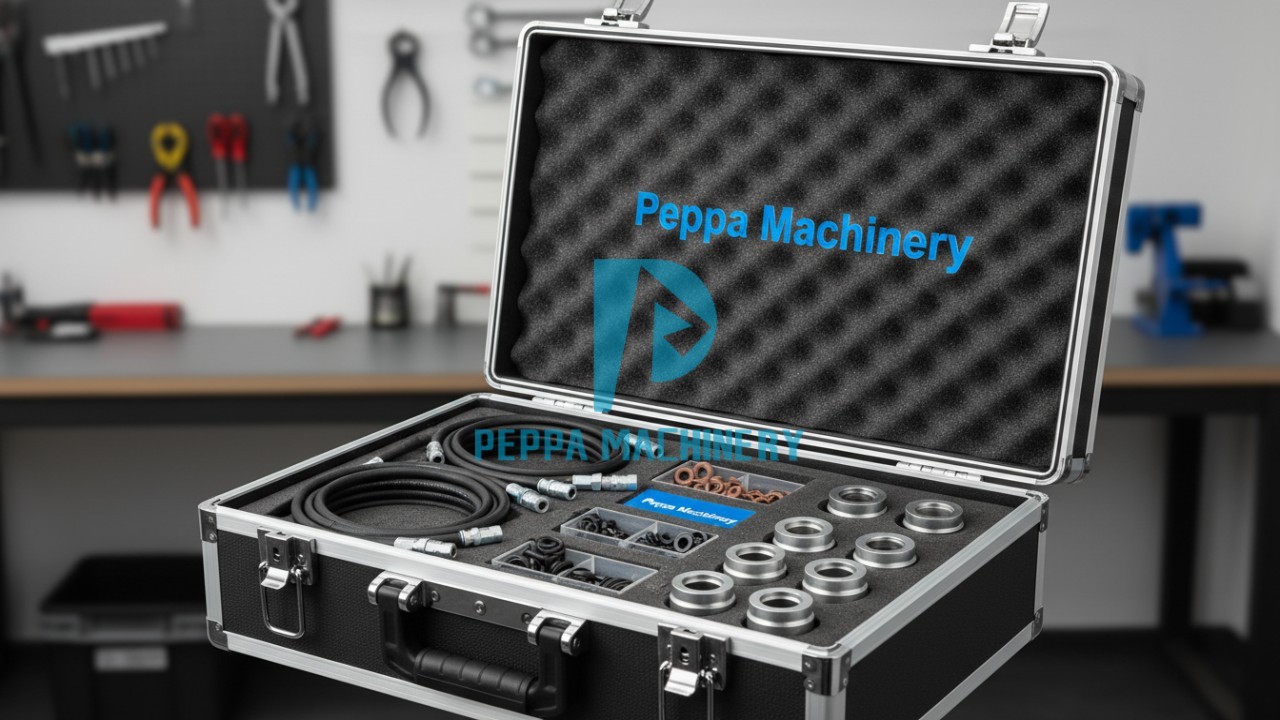
Selecting the right hydraulic coupler based on future 2026 standards is essential for ensuring maximum machinery safety, operational efficiency, and strict environmental compliance. Whether you are upgrading your entire excavator fleet to modern flat-face designs or sourcing reliable OEM hydraulic components to safely maintain older agricultural tractors, partnering with an experienced industry leader guarantees long-term success. By prioritizing manufacturing quality, matching correct ISO standards, and selectively choosing the right seal materials, you can eliminate environmental leaks and significantly extend the lifespan of your heavy machinery.
Contact us today to optimize your coupler hydraulic strategy.
FAQs About coupler hydraulic
What is the difference between ISO A and ISO B hydraulic couplers?
ISO A couplers are generally used for agricultural and mobile equipment, featuring a classic poppet valve design optimized for higher flow. ISO B couplers are primarily used in industrial and chemical applications, utilizing a slightly different internal valve design for varied flow characteristics and broader chemical compatibility.
How do I properly measure my hydraulic quick disconnect size?
Measure the outside diameter of the male plug tip and the internal thread diameter of the fitting end using precise digital calipers. Compare these precise measurements against manufacturer dimension charts or standard ISO sizing tables to ensure a correct and safe match before purchasing.
Can you connect hydraulic couplers under pressure?
Standard hydraulic couplers cannot be safely connected under pressure due to internal fluid lock, which makes pushing them together physically impossible. You must use specialized 'connect under pressure' or 'thread-to-connect' couplers engineered specifically with internal relief valves for environments with trapped residual pressure.
Why is my hydraulic coupler leaking when connected?
The most common cause of a leaking connected coupler is a damaged or worn-out internal O-ring seal. Other causes include severe fluid contamination scratching the mating surfaces, mismatched connection halves from different brands, or using a coupler that violently exceeds its rated pressure capacity.
What are flat face hydraulic couplers used for?
Flat face couplers are primarily used in applications where fluid spillage must be completely avoided, such as construction, mining, and environmentally sensitive areas. They are the standard on modern skid steers and excavators due to their non-spill valving and exceptionally easy-to-clean smooth surfaces.
How often should hydraulic quick disconnects be replaced?
Replacement frequency strictly depends on usage intensity and environmental harshness; in heavy-duty excavator applications, they may need replacement annually. Regularly inspect for weeping fluid, difficulty in connecting, or visible physical damage to determine the exact replacement timeline.
Are hydraulic couplers universal across different brands?
Not necessarily. While couplers adhering to specific ISO standards (like ISO 16028 or ISO 7241) should theoretically interchange, slight manufacturing tolerances can cause severe operational issues. It is highly recommended to use the exact same brand for both the male and female halves to ensure maximum safety, seal integrity, and longevity.
What seal material is best for excavator hydraulic systems?
Nitrile (Buna-N) is the standard and works exceptionally well for standard hydraulic oils operating at normal temperatures. For high-temperature applications or heavy systems utilizing specialized synthetic fluids, Viton (FKM) seals are highly recommended for optimal performance and fluid degradation resistance.
High Output Alternator Specs: Amps, Voltage and Fitment Guide
Top Excavator Overhaul Refurbishment Kit Manufacturers and Suppliers in China
How to Diagnose a Faulty Excavator Stop Solenoid Quickly
Best excavator undercarriage parts manufacturers and supplier brands
Excavator Parts
How can I verify compatibility before placing an order?
Please provide us with your machine brand, model number, and the part number (if available). Our team will double-check the compatibility to ensure you receive the correct parts.
What brands of excavator parts do you supply?
We supply a full range of parts compatible with major international and Chinese brands, including Caterpillar, Komatsu, Hitachi, Volvo, Doosan, Hyundai, Sany, Liugong, XCMG, Zoomlion, and more.
What types of parts do you mainly offer?
Our main product categories include:
• Engine parts (liner kits, crankshafts, water/oil pumps, etc.)
• Electrical parts (sensors, monitors, throttle motors, wiring harnesses)
• Hydraulic parts (pumps, valves, cylinders)
• Sealing kits (NOK, SKF, PQ brands, floating seals, O-rings)
Do you provide technical support or installation guidance?
While we do not offer on-site installation, we can provide basic technical advice, diagrams, or documentation to assist your technicians with installation and troubleshooting.
Can I get help choosing the right parts for my machine?
Yes. Our experienced sales team is here to provide professional recommendations and solutions based on your excavator model, part number, or specific requirements.

Isuzu SP 4JG1 4JG2 4JG3 Cylinder Liner 1876182070 1-87618207-0 1876182080 1-87618208-0 1876182100 1-87618210-0
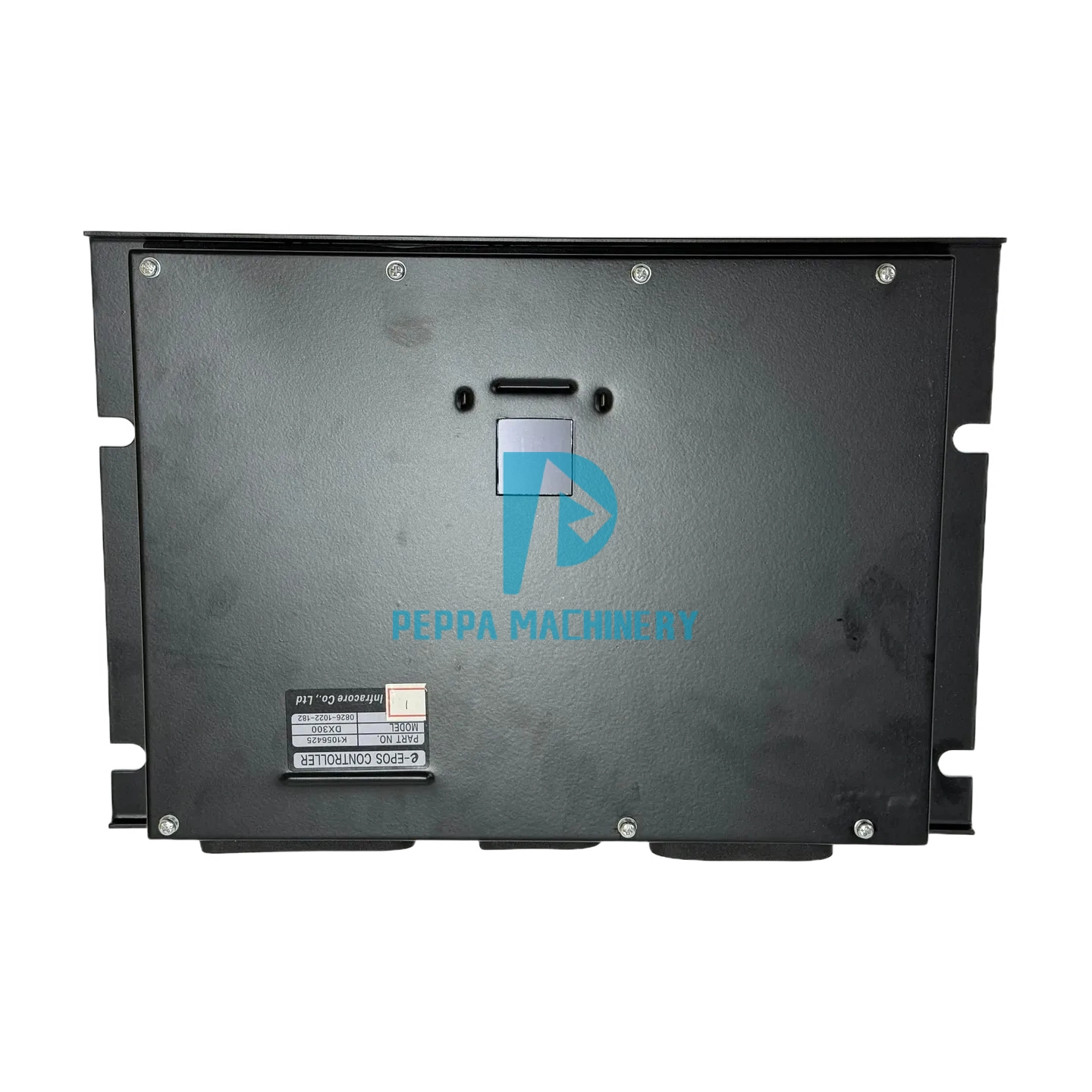
Excavator Control Unit Computer Board K1056425 0826-1022-182 New for Retail Construction Machinery Repair Shops DX300
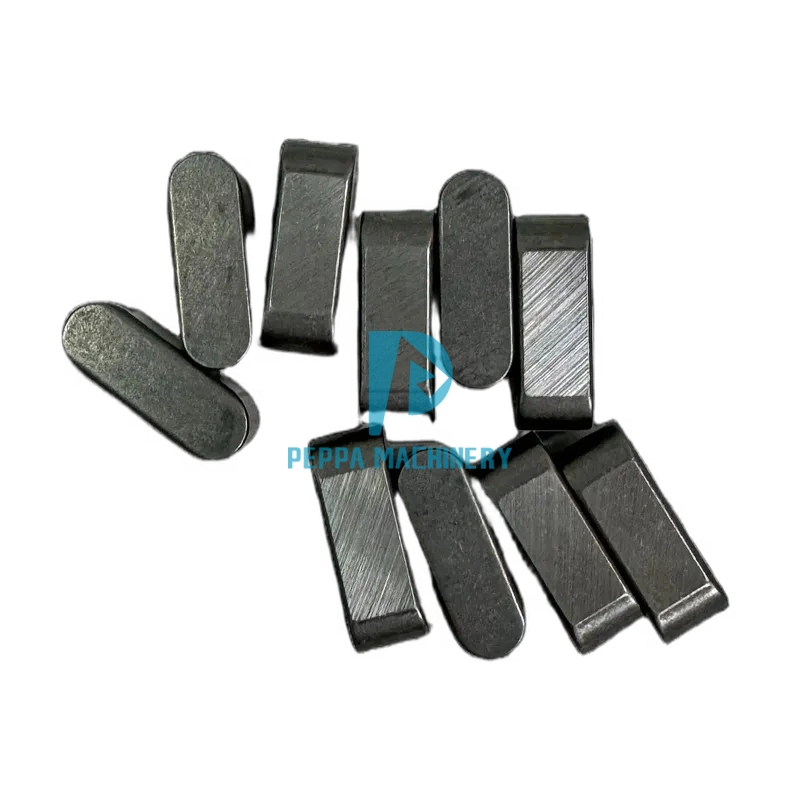
9080107200 9-08010720-0 9-08010-720-0 Camkshaft Feather Key
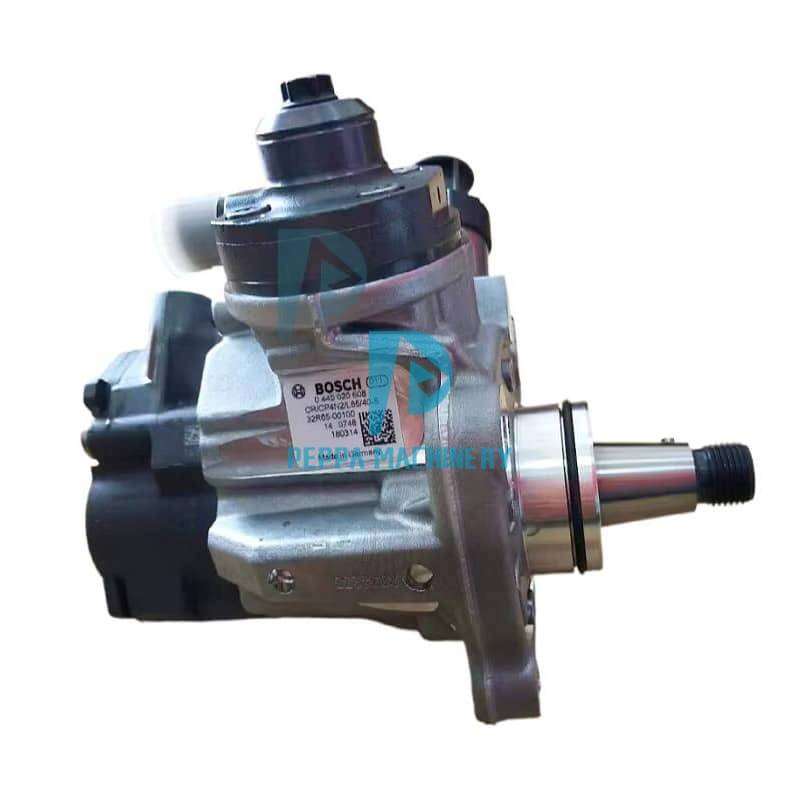
Diesel Fuel Injection Pump Assy 0445020608 32R65-00100 for BOSCH for Mitsubishi Engine in Construction Machinery Parts
Discover the reliable Diesel Fuel Injection Pump Assy 0445020608 32R65-00100 from Peppa Machinery, designed for BOSCH and Mitsubishi engines in construction machinery. This durable part enhances fuel efficiency and performance. Get your diesel fuel injection pump today!

Reliable Source for Quality Excavator Components.
Follow Us
Our Partners


Our Payment Methods


 High Quality
 7/24 Service
 Guaranteed Warranty
 Scan QR Code
Facebook
TikTok
YouTube
Pinterest
Twitter