








Which excavator models require specific nozzle fuel injector types?
- 1) How can I verify nozzle fuel injector compatibility for a used Komatsu PC-series excavator when the OEM injector number is missing?
- 2) Which excavator models require specific nozzle fuel injector types and how do I identify the required nozzle specification?
- 3) What are reliable methods to measure nozzle spray pattern and flow rate on a high-pressure common-rail excavator injector without specialized workshop equipment?
- 4) How do nozzle hole count and spray angle affect soot, fuel economy, and engine knock in Volvo EC and similar excavators?
- 5) When rebuilding injectors for Hitachi ZX excavators, what nozzle seating and torque checks must be performed to avoid leaks and poor atomization?
- 6) Can aftermarket universal nozzle tips be used on Caterpillar hydraulic excavators, and what tests should I run to ensure safety and emissions compliance?
- Concluding summary: Advantages of choosing the correct nozzle fuel injector and proper selection process
Nozzle Fuel Injector: Which Excavator Models Require Specific Nozzle Types?
Summary: Practical, expert answers for excavator owners and parts buyers about nozzle fuel injector compatibility, testing spray pattern and flow, OEM vs aftermarket nozzle tips, and which excavator families need model-specific injectors. Actionable checks to avoid downtime and emissions failures.
1) How can I verify nozzle fuel injector compatibility for a used Komatsu PC-series excavator when the OEM injector number is missing?
Problem: Many used injectors arrive with scratched or missing part numbers. Installing the wrong injector nozzle or nozzle tip can cause misfires, increased smoke, poor atomization, and ECU fault codes.
Step-by-step verification approach:
- Identify the engine model and serial number on the excavator (not just the machine model). The engine plate and service manual list the compatible injector families.
- Inspect the injector body for stamped codes, collar markings, or laser-etched numbers. Even partial digits often map to OEM catalogs.
- Measure critical physical dimensions: overall injector length, nozzle seat diameter, flange diameter, and tip protrusion. Compare to OEM drawings or parts diagrams in the service manual.
- Examine the nozzle tip: count spray holes, measure hole diameters, and check spray angle if visible. Nozzle hole count/geometry is often the defining parameter between nozzle types.
- If still uncertain, remove the nozzle tip and take it to a qualified injector bench tester for a flow and spray test. Bench results (flow rate and pattern) can be matched to OEM specifications.
- When in doubt, use a remanufactured OEM-matched injector assembly or buy a replacement from a trusted supplier who cross-references engine serial number to part number.
- Consult the excavator’s engine service manual or OEM parts catalog by engine serial number. The parts list specifies injector assembly and nozzle set part numbers.
- Check the injector family: common-rail (Bosch/Denso/Delphi variants) versus unit-pump/PLN. Common-rail injectors are often sold as complete assemblies and can require ECU coding; they are not compatible with pump-line-nozzle tips.
- Use OEM cross-reference tools or the injector manufacturer’s catalog. Suppliers like Bosch, Denso and Delphi publish nozzle tip geometries and flow ranges which you can match to the engine spec.
- When replacing nozzle tips only, ensure the nozzle hole count, spray angle, and flow rate match the original OEM specification. If replacing the entire injector, make sure the injector is designed for that engine control system (pressure rating and electrical interface).
- Visual spray-check: With the engine cold and fuel pressure bled, remove the injector return and use a clean clear hose to direct the return flow into a graduated container while cranking the engine briefly. This gives a rough flow comparison between injectors (not absolute flow).
- Spray-pattern proxy: Using a temporary adapter (commercially available low-cost spray-check adapters or a short fuel line with a transparent chamber), actuate the injector via a diagnostic jumper (or low-pressure test on a bench-mounted pump) and observe spray for irregular jets, dribbling, or asymmetric cone—these indicate nozzle wear or coking.
- Resistance and activation check: Measure injector coil resistance (for solenoid injectors) or verify wiring and connector signals with a multimeter/oscilloscope during cranking. An injector that doesn’t actuate electrically will never deliver proper spray regardless of nozzle condition.
- Return-flow balance: Compare return flow volumes among injectors during a timed cranking interval—significant deviations point to flow or nozzle problems.
- Higher hole counts with smaller holes typically improve atomization and reduce localized rich zones, so soot and smoke go down and fuel economy improves—provided the injector timing and pressure are correct.
- Too-large holes or worn holes cause poorer atomization, increased soot, black smoke, and can cause carbon buildup (nozzle coking) that further degrades spray pattern and increases fuel consumption.
- An incorrect spray angle can shift the combustion center, creating hot spots that lead to knocking, higher NOx, and uneven piston temperatures—this accelerates wear.
- Modern common-rail engines rely on precise metering and atomization; swapping in a nozzle with different hole geometry (even if it fits mechanically) will change emission profiles and can trigger diagnostics.
- Cleanliness: Work in a clean environment; even microscopic particles on the nozzle seat or in the nozzle tip will change spray pattern.
- Nozzle seat inspection: Inspect the nozzle seating face and injector body seat for burrs, pitting or carbon build-up. Replace or lap the seat per OEM instructions if damaged.
- Nozzle tip installation: Use only OEM-specified nozzle tips or OEM-equivalent remanufactured tips. Tighten the nozzle retaining nut and any sealing surfaces per the engine’s service manual torque sequence and values. Do not guess torque—under-torque causes leaks, over-torque can distort the nozzle and alter spray geometry.
- Seals and washers: Replace all copper crush washers, O-rings, or sealing elements with OEM equivalents. Reuse of old seals is the most common cause of fuel leaks and return-flow anomalies.
- Post-assembly bench test: After assembly, perform a calibrated flow and spray pattern test on an injector tester. Ensure the nozzle produces the OEM-specified spray cone and flow at the correct pressure.
- Certification: Only purchase aftermarket nozzle tips that come with manufacturer test reports showing flow rate, hole geometry, and a guarantee of OEM-equivalent performance for a specific part number.
- Flow-matching: After installation, have all injectors flow-matched on an injector test bench. A matched set of injectors is critical to balanced firing and combustion.
- Emissions testing: For Tier/Stage-compliant machines, perform emissions checks (smoke test, particulate, NOx when applicable) after replacement to ensure the engine still meets local regulatory limits.
- ECU coding and adaptation: Confirm whether the injector requires ECU coding or adaptation. Many common-rail injectors have serial numbers or coding values that must be uploaded to the engine control unit—unmatched injectors can trigger derate or limp-home modes.
- Warranty and legal risk: Verify whether aftermarket parts will void warranties or compliance certificates. For machines under contract or in regulated zones, non-OEM nozzles can create liability.
Why this works: Komatsu PC-series machines often use several different engine generations over a single machine family; injectors are engine-specific. Matching engine serial and physical nozzle characteristics is how professional workshops avoid interchange mistakes.
2) Which excavator models require specific nozzle fuel injector types and how do I identify the required nozzle specification?
Short answer: Modern excavators are split into families—older mechanical pump-line-nozzle (PLN) or unit-injector systems, and newer common-rail systems. Both categories require model- or engine-specific nozzle types. Examples of machine families that commonly require model-specific nozzles include many Komatsu PC, Hitachi ZX, Volvo EC, Caterpillar 300/3000 series, and JCB JS machines—but the exact nozzle type depends on the engine variant and production year.
How to identify the required nozzle specification:
Note: Because many manufacturers changed injection systems across model years, always reference the engine serial number rather than the excavator model name alone.
3) What are reliable methods to measure nozzle spray pattern and flow rate on a high-pressure common-rail excavator injector without specialized workshop equipment?
Problem: Field technicians often lack an injector bench but need to screen suspect injectors quickly.
Field screening steps (for preliminary assessment):
Limitations: These field checks are diagnostic only. Accurate flow rates and spray cone angles require a flow bench and optical spray-imaging equipment. For any injector that fails field screening, send it to an authorized bench service for calibrated flow and spray pattern testing and possible nozzle replacement.
4) How do nozzle hole count and spray angle affect soot, fuel economy, and engine knock in Volvo EC and similar excavators?
Technical background: Nozzle hole count, hole diameter, and spray cone angle determine fuel atomization and the fuel-air mixing rate. Better atomization (smaller droplets, uniform cone) promotes complete combustion, lowers particulate matter (soot), and reduces soot-related performance issues.
Practical effects:
Recommendation: Always match the original nozzle geometry in engines sensitive to emissions and power delivery—especially Volvo EC series and other Tier 3/4/Stage engines where combustion optimization is tight. Use OEM nozzle specs or a remanufactured nozzle set matched and flow-balanced by a certified bench service.
5) When rebuilding injectors for Hitachi ZX excavators, what nozzle seating and torque checks must be performed to avoid leaks and poor atomization?
Key rebuild controls (no speculative torque numbers—always use the service manual):
If you don’t have the exact torque values or procedures, request the service manual page from the OEM or a trusted parts supplier. Incorrect seating or torque is a frequent root cause of poor atomization and fuel leaks on rebuilt injectors.
6) Can aftermarket universal nozzle tips be used on Caterpillar hydraulic excavators, and what tests should I run to ensure safety and emissions compliance?
Short answer: Universal nozzle tips are a high-risk choice on many modern Caterpillar engines and are not recommended unless they are a certified, flow-matched replacement approved for that engine. Many modern Cat engines use specific common-rail injectors and nozzle geometries; substitutes can alter emissions and may void warranty.
What to check if considering aftermarket/nozzle-tip swaps:
Recommendation: For working construction equipment with compliance requirements, use OEM or certified remanufactured injectors and insist on post-install bench testing and coding where required.
Concluding summary: Advantages of choosing the correct nozzle fuel injector and proper selection process
Choosing the correct nozzle fuel injector—matching OEM nozzle geometry, flow rate, and injector family—improves fuel economy, reduces soot and emissions, prevents detonation or knocking, and extends engine life. Proper selection and installation reduce diagnostic time and downtime, and protect warranties and regulatory compliance. Use engine serial numbers, OEM parts catalogs, injector bench testing, and certified remanufacturers to ensure compatibility and performance.
If you need parts, bench testing, or a verified quote for nozzle fuel injectors and nozzle tips for any excavator model, contact us for a fast quote at www.jbpartsgz.com or email jbparts@aliyun.com.

Isuzu SP 4JG1 4JG2 4JG3 Cylinder Liner 1876182070 1-87618207-0 1876182080 1-87618208-0 1876182100 1-87618210-0
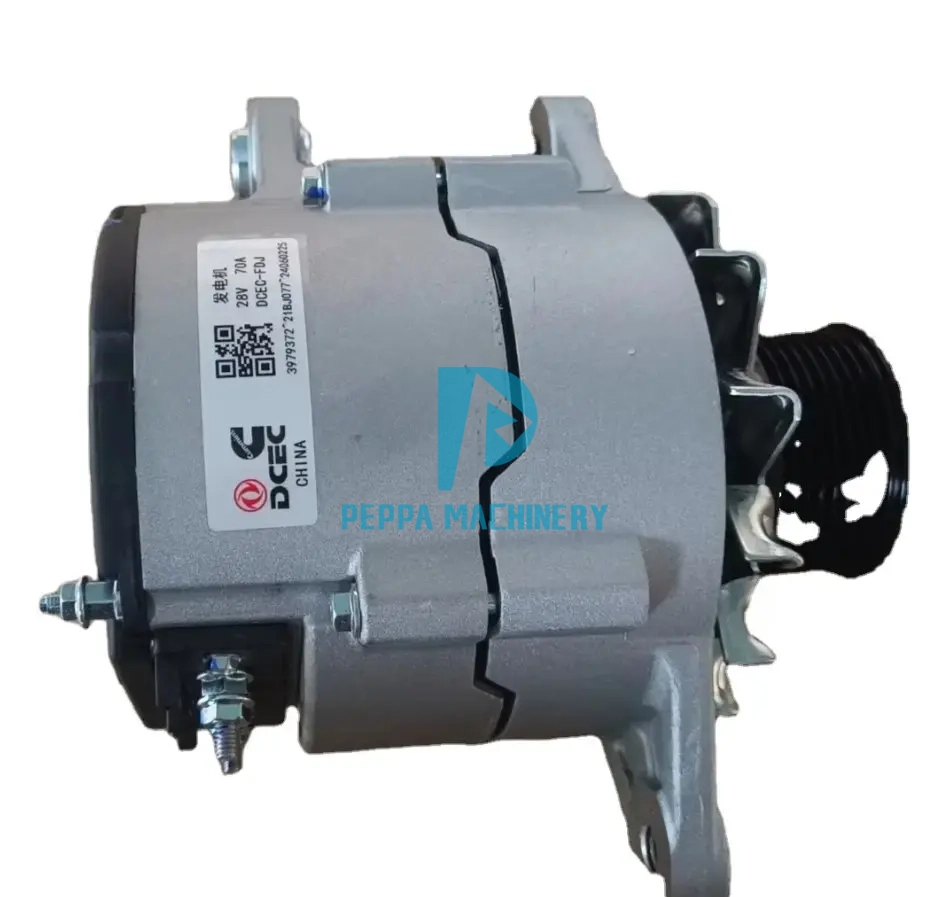
Cummins 24V AC Alternator - Genuine OEM Part #3979372 | Fits Mining & Construction Equipment
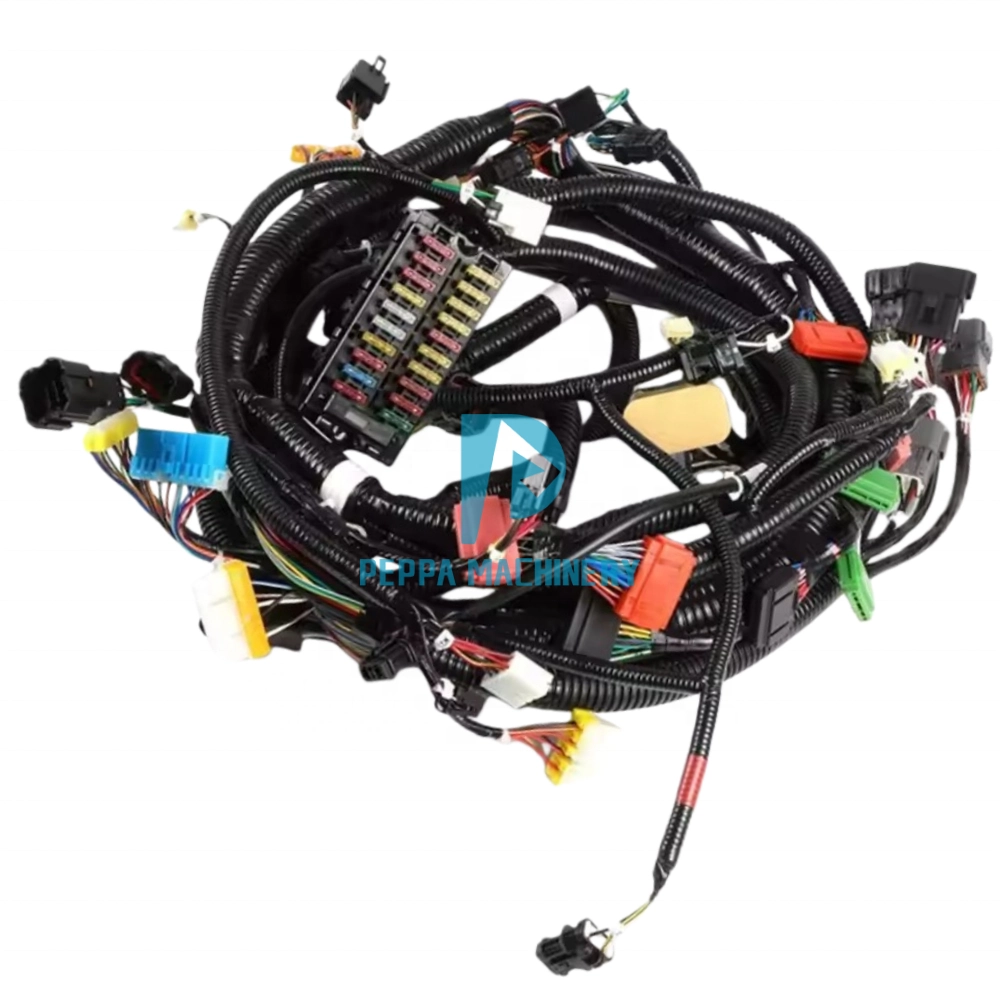
Internal Wiring Harness Assembly for Komatsu PC200-7 to PC270-7 Series Excavators | Direct OEM Replacement Part #20Y-06-31110 (20Y0631110)
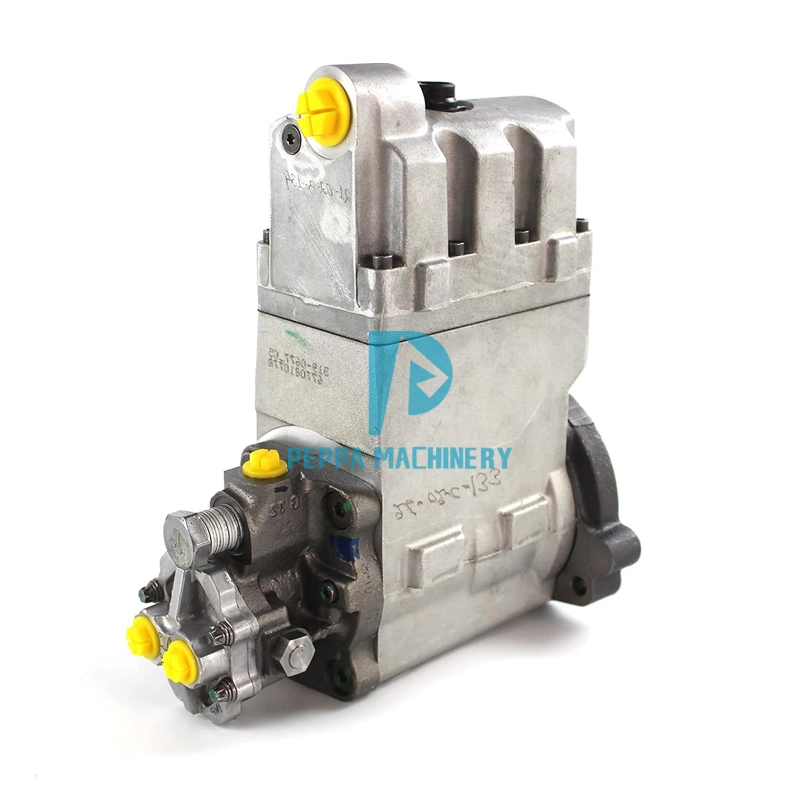
Fuel Feed / Transfer Pump Assembly for Caterpillar C7 & C9 Engines | Direct Replacement for OEM Parts #319-0678, 254-4358, 304-0678, 295-4778, 228-589
Excavator Parts
Do you provide technical support or installation guidance?
While we do not offer on-site installation, we can provide basic technical advice, diagrams, or documentation to assist your technicians with installation and troubleshooting.
Can I get help choosing the right parts for my machine?
Yes. Our experienced sales team is here to provide professional recommendations and solutions based on your excavator model, part number, or specific requirements.
What types of parts do you mainly offer?
Our main product categories include:
• Engine parts (liner kits, crankshafts, water/oil pumps, etc.)
• Electrical parts (sensors, monitors, throttle motors, wiring harnesses)
• Hydraulic parts (pumps, valves, cylinders)
• Sealing kits (NOK, SKF, PQ brands, floating seals, O-rings)
How can I verify compatibility before placing an order?
Please provide us with your machine brand, model number, and the part number (if available). Our team will double-check the compatibility to ensure you receive the correct parts.
Are your parts genuine or OEM?
We offer both genuine parts and high-quality OEM alternatives. You can choose according to your budget and application needs. All OEM products are tested to meet or exceed original specifications.
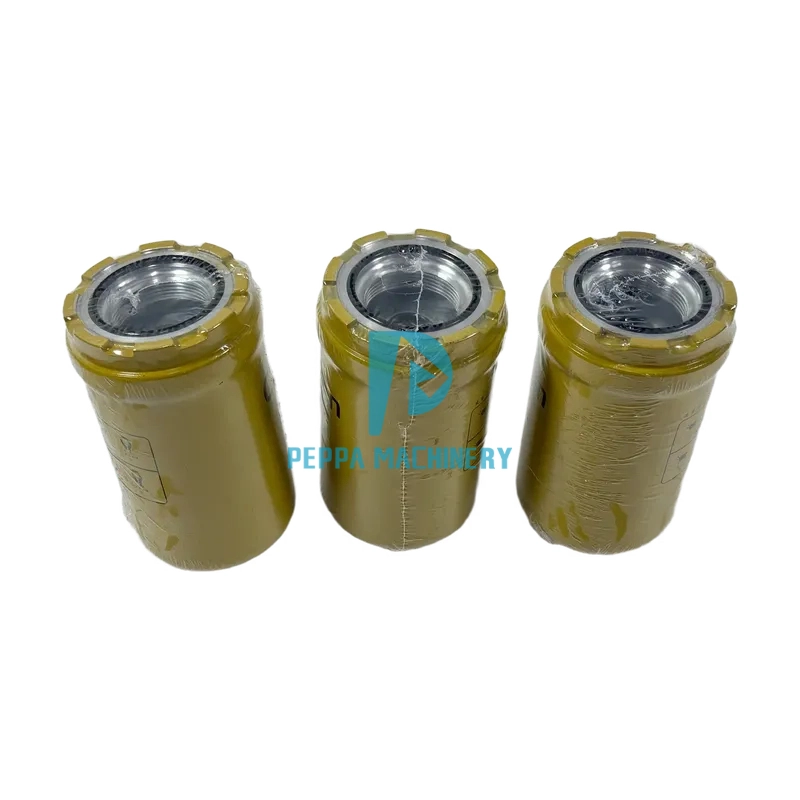
51-8670 Hydraulic Filter Applicable to HF35519 518670 2897836 518670X 1588987 Compatible with Caterpillar 352FVG 325CL
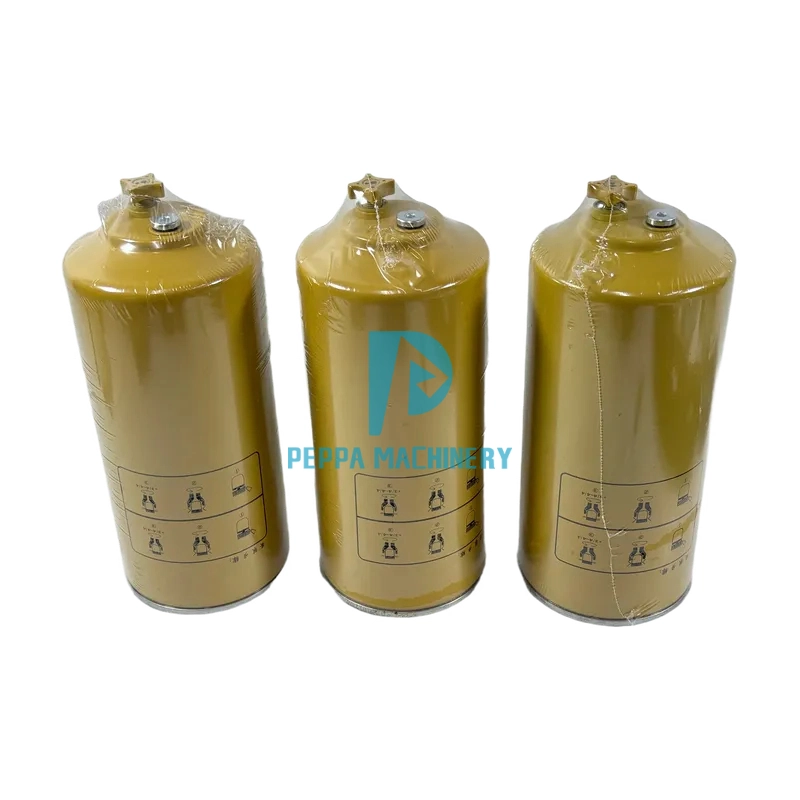
4385386 Fuel Water Separator Fuel Filter 382-0664 Oil-water Separator Hydraulic Oil Filter for CAT 312D2 320D2
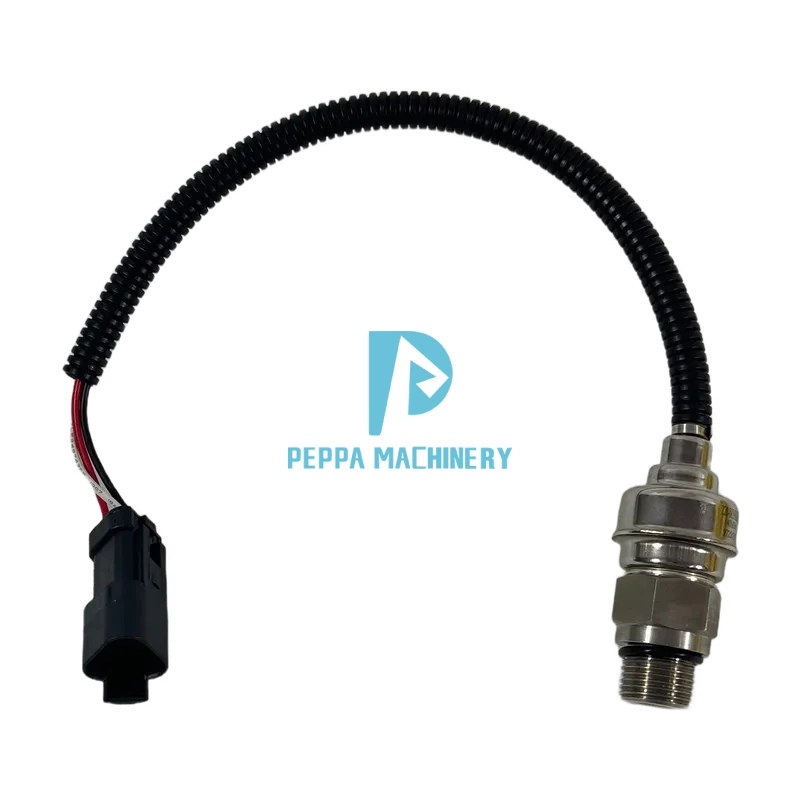
Pressure Sensor 221-8859 106-0178 for Caterpillar CAT 311B 311C 312C 314D 315B 320C 323D 324D 330C 336D 345B 385C
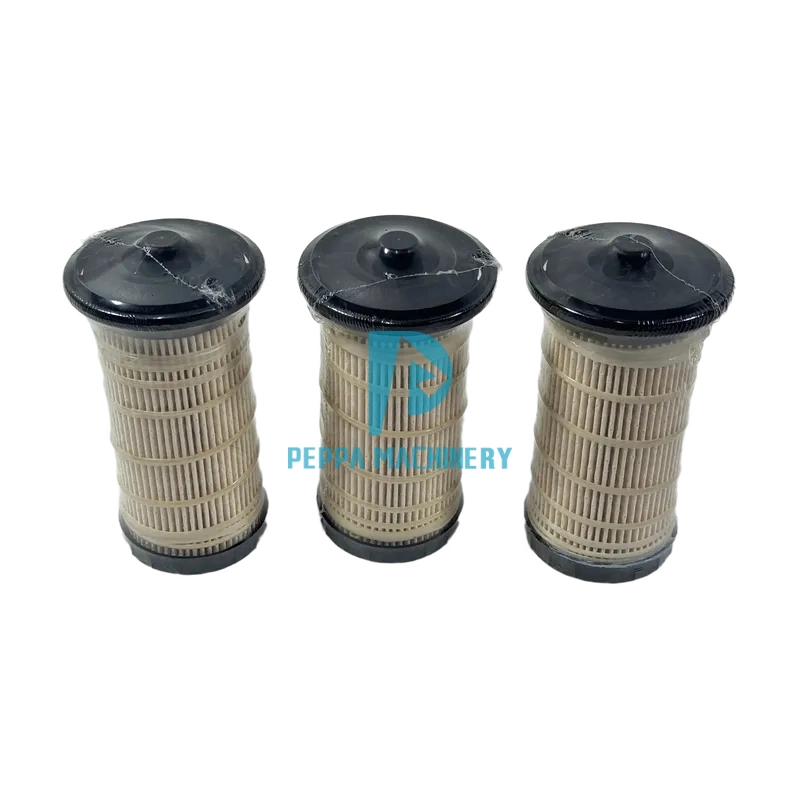
360-8960 Fuel Filter Element for Caterpillar C4.4 & C7.1 Engines | Fits 312D, 320D, 312E, 320E, 326D2, 336D2 Excavators
Get more information
Want to know more? Contact us today to get detailed product specifications, customized solutions, and a free consultation tailored to your needs.
Rest assured that your privacy is important to us, and all information provided will be handled with the utmost confidentiality.

Reliable Source for Quality Excavator Components.
Follow Us
Our Partners


Our Payment Methods


 High Quality
 7/24 Service
 Guaranteed Warranty
 Scan QR Code
Facebook
TikTok
YouTube
Pinterest
Twitter