








Mechanical vs. Electronic Fuel Pumps: Which is Best for Your Heavy Machinery?
- Key Takeaways: Quick Summary for Fleet Managers
- Mechanical vs. Electronic Fuel Pumps: What Is the Core Difference?
- Core Differences at a Glance
- The Case for Mechanical Pumps: Durability in Simplicity
- Who Should Stick with Mechanical?
- The Power of the Excavator Electronic Fuel Pump: Efficiency & Precision
- Benefits of Electronic Systems
- Head-to-Head Comparison: Performance Metrics
- Expert Tips: Preventing Failure in Electronic Fuel Systems
- Essential Maintenance Checklist
- Future-Proofing: Preparing Your Fleet for 2026 Standards
- Conclusion & Call to Action
Key Takeaways: Quick Summary for Fleet Managers
- Efficiency: Electronic fuel pumps offer superior fuel economy and cold-start performance by integrating with the excavator's ECU.
- Compliance: Mechanical pumps struggle to meet modern Tier 4 final engine fuel requirements, whereas electronic systems are designed for them.
- ROI: Upgrading to an excavator electronic fuel pump retrofit can reduce fuel consumption by up to 15% in heavy-duty cycles.
- Maintenance: Proper filtration is critical; electronic systems are less tolerant of contaminated fuel than mechanical ones.
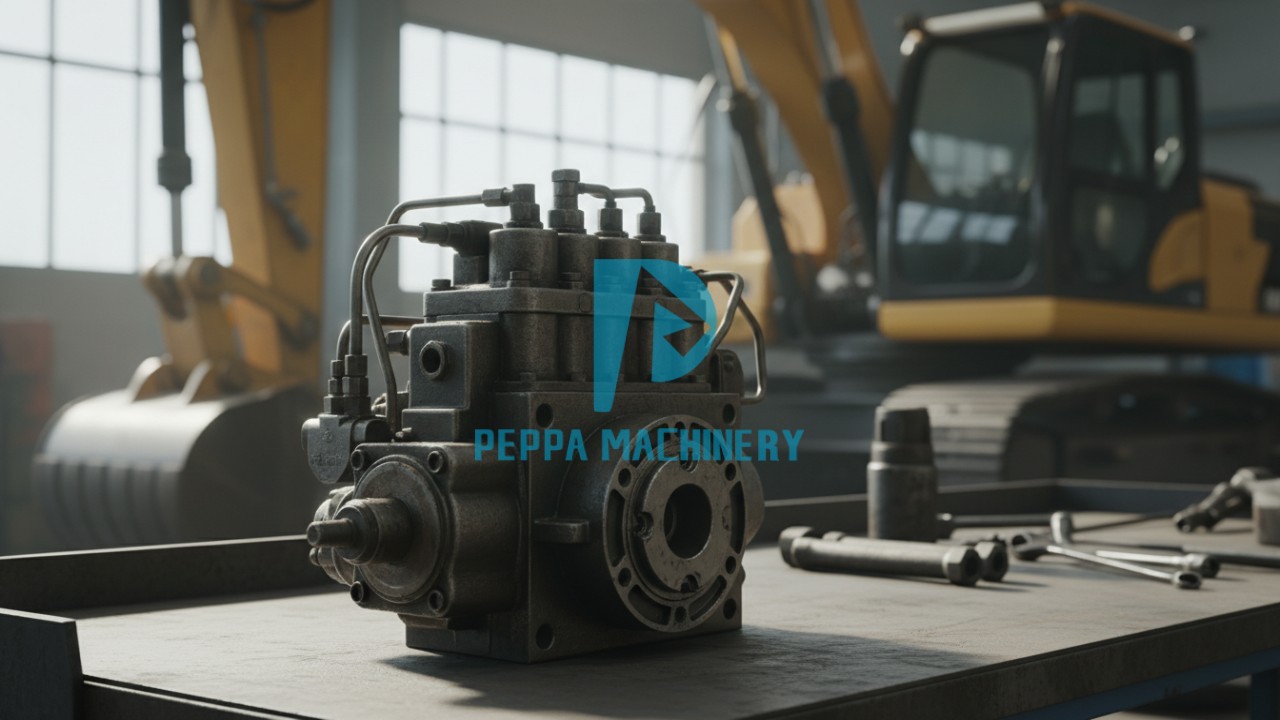
Mechanical vs. Electronic Fuel Pumps: What Is the Core Difference?
The core difference lies in actuation: mechanical fuel pumps rely on the engine's camshaft rotation to create physical pressure, whereas electronic fuel pumps utilize an ECU-controlled electric motor to deliver precise fuel flow independent of engine speed.
Understanding this distinction is vital for operators managing mixed fleets. While a mechanical pump's output is directly tied to RPM—meaning lower pressure at idle—an electronic system maintains constant, optimal pressure. This precision is the foundation of common rail diesel injection efficiency, allowing modern excavators to atomize fuel more effectively, resulting in cleaner combustion and more power from every drop of diesel. According to the Diesel Technology Forum, advanced fuel injection systems are the primary driver behind the 98% reduction in emissions seen in new-generation clean diesel technology.
Core Differences at a Glance
- Actuation: Camshaft lever (mechanical) vs. electric motor/solenoid (electronic).
- Control: Engine RPM dependent (mechanical) vs. ECU managed (electronic).
- Pressure: Variable/Pulsing (Mechanical) vs. Constant/High (Electronic).
The Case for Mechanical Pumps: Durability in Simplicity
Mechanical pumps are favored for their robust simplicity and ability to operate in remote, harsh environments without the need for complex wiring harnesses or diagnostic laptops.
For many operators running legacy equipment (Tier 1-3), the mechanical lift pump is a "fix-it-in-the-field" component. There are no sensors to fail and no voltage drops to worry about. However, this simplicity comes with a trade-off. Because they rely on the engine turning over to pump fuel, they can suffer from "vapor lock" in high heat and often struggle to prime the system after a filter change.
Who Should Stick with Mechanical?
- Remote Operations: Sites with zero access to electronic diagnostic tools.
- Legacy Fleets: Older engines (Komatsu PC200-6, CAT 320B) designed before strict emission mandates.
- Cost Sensitivity: Lower initial replacement cost compared to OEM electronic units.
The Power of the Excavator Electronic Fuel Pump: Efficiency & Precision
Electronic fuel pumps provide the dynamic flow control required by modern engines, optimizing combustion to meet strict emission standards while ensuring reliable cold starts and preventing engine starvation.
Modern heavy machinery, such as the latest Caterpillar or Komatsu excavators, relies on Tier 4 final engine fuel requirements that demand incredibly high pressure and precise timing. An electronic lift pump pushes fuel from the tank to the high-pressure injection pump, eliminating the vacuum capability issues of mechanical pumps. This positive pressure ensures that the high-pressure pump never cavitates, which is a leading cause of expensive injector failure.
Furthermore, common rail diesel injection efficiency is heavily dependent on this steady supply. By integrating with the ECU, the pump can ramp up flow milliseconds before a load is applied, providing instant power without the "black smoke" lag associated with mechanical governors.
Benefits of Electronic Systems
- Instant Priming: Pressurizes the system before the engine cranks (key-on).
- Safety: Automatic shut-off features if the engine stalls or a line ruptures.
- Economy: Reduces parasitic load on the engine, saving horsepower for digging.
Head-to-Head Comparison: Performance Metrics
When comparing performance metrics, electronic pumps outperform mechanical versions in fuel efficiency and emissions control, though mechanical units often win on initial durability and ease of repair.
To help you decide if an excavator electronic fuel pump retrofit is right for your machine, consider these factors:
- Fuel Efficiency:
- Electronic: High. ECU optimizes flow to match load exactly.
- Mechanical: Moderate. Pumps excess fuel that returns to the tank, wasting energy.
- Cold Weather Starts:
- Electronic: Superior. Primes instantly without cranking.
- Mechanical: Poor. Requires engine rotation to build pressure.
- Lifespan:
- Electronic: 5,000–12,000 hours (highly dependent on clean fuel).
- Mechanical: often matches engine overhaul intervals but wears physically.
- Diagnostics:
- Electronic: Smart. Throws codes for low pressure or voltage issues.
- Mechanical: None. Diagnosis requires manual pressure gauges.
Expert Tips: Preventing Failure in Electronic Fuel Systems
Preventing electronic fuel system failure requires strict adherence to filtration schedules and monitoring electrical voltage to ensure the pump motor does not overheat due to resistance.
At Guangzhou Peppa Machinery Equipment Co., Ltd., we have seen over 15 years of field data indicating that 80% of electronic pump failures are due to contamination or voltage issues, not manufacturing defects. Unlike mechanical pumps that might chew through some debris, electronic pumps have tight tolerances. Recognizing diesel lift pump symptoms early—such as a high-pitched whine from the tank or hesitation under load—can save you thousands in injector repairs.
Essential Maintenance Checklist
- Filtration is key: Adhere to ISO cleanliness standards. The International Organization for Standardization (ISO) recommends specific micron ratings for Common Rail systems (often 2 microns).
- Check Voltage: A corroded ground wire can cause a voltage drop, forcing the pump to pull more amps and burn out.
- Avoid Dry Runs: Never run an electronic pump dry; the diesel fuel acts as both a coolant and a lubricant for the internal motor.
- Premium Parts: Use high-quality replacements. Peppa Machinery supplies genuine and OEM parts for brands like Isuzu, Hino, and Cummins that are tested for voltage stability.
Future-Proofing: Preparing Your Fleet for 2026 Standards
As emission regulations tighten globally toward 2026, relying solely on mechanical pumps will become a compliance bottleneck, making excavator electronic fuel pump retrofit kits an essential upgrade for extending the life of mid-cycle machinery.
Regulators like the EPA continue to push for lower NOx and Particulate Matter (PM) outputs. Retrofitting older machines with auxiliary electronic lift pumps helps atomize fuel better, leading to complete combustion and reduced soot. For fleet managers, this means your older machines can operate cleaner and potentially meet site-specific environmental requirements without the capital expense of buying a brand-new excavator.
Conclusion & Call to Action
Choosing between mechanical and electronic pumps depends on your machine's age, but modern efficiency demands lean heavily towards electronic solutions for their precision and fuel-saving capabilities. Investing in a high-quality electronic fuel pump not only restores power but also lowers your total cost of ownership.
Contact Guangzhou Peppa Machinery Equipment Co., Ltd. today to discuss your specific needs, and let our 15 years of expertise help you select the perfect fuel system components for your fleet.

Isuzu SP 4JG1 4JG2 4JG3 Cylinder Liner 1876182070 1-87618207-0 1876182080 1-87618208-0 1876182100 1-87618210-0
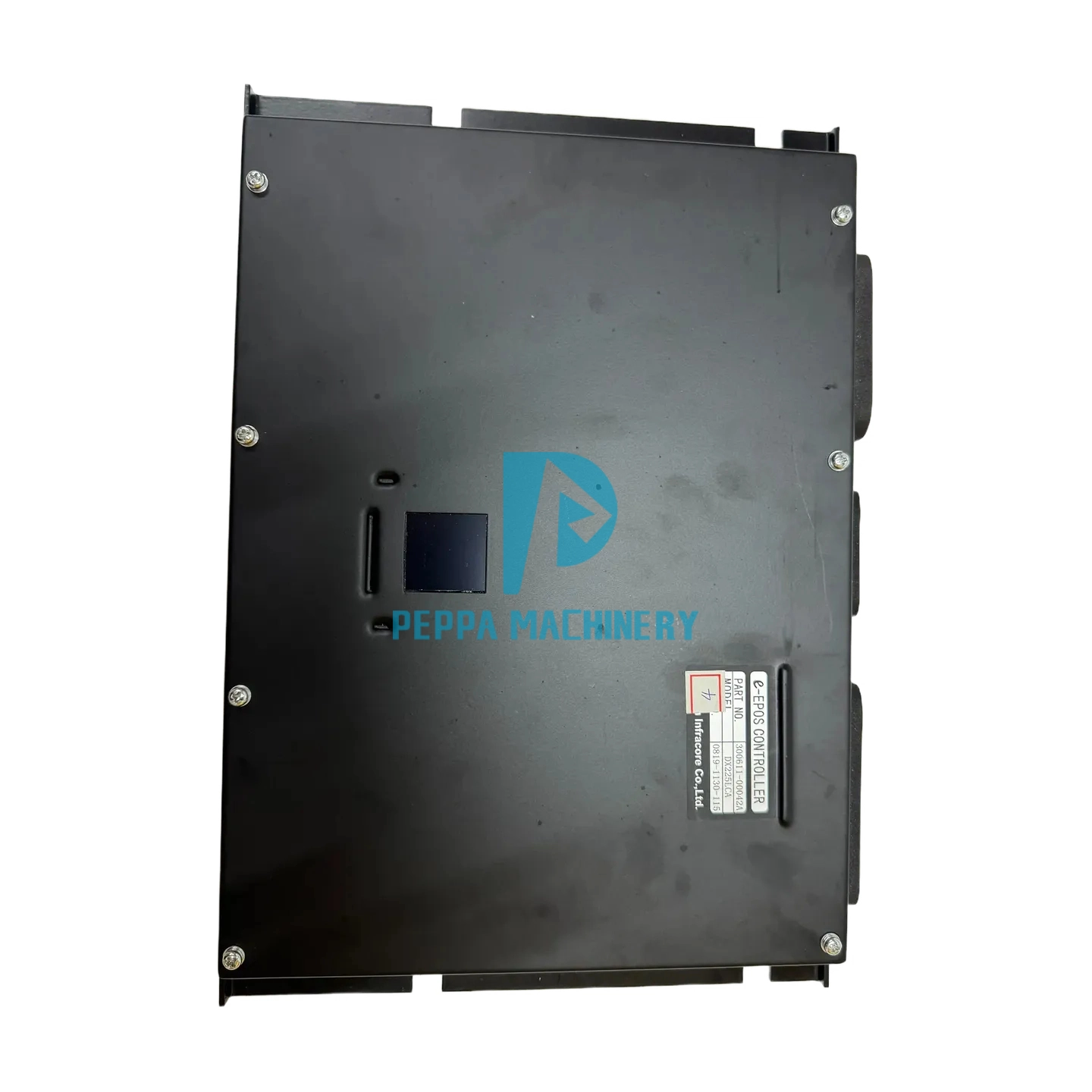
Excavator Accessories Excavator Controller DX225 DX225LCA E-EPOS Controller Computer Board 300611-00042 K1026740 K1001369C K1056425 ECU ECM

Isuzu Engine 6WG1 Turbo 1876183290 1-87618329-0 8981921861 8-98192186-1 14400-4441 1144004370 114400-4370 49188-018312 49188-11940
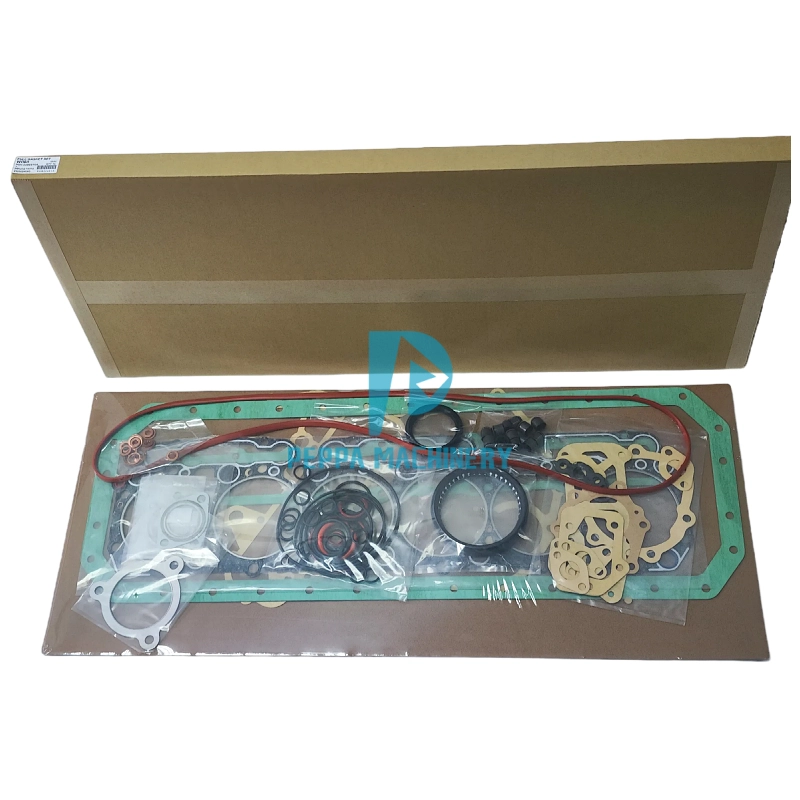
W06D W06DT Engine Overhaul Repair Kit Full Gasket
Excavator Parts
Do you provide technical support or installation guidance?
While we do not offer on-site installation, we can provide basic technical advice, diagrams, or documentation to assist your technicians with installation and troubleshooting.
Are your parts genuine or OEM?
We offer both genuine parts and high-quality OEM alternatives. You can choose according to your budget and application needs. All OEM products are tested to meet or exceed original specifications.
Can I get help choosing the right parts for my machine?
Yes. Our experienced sales team is here to provide professional recommendations and solutions based on your excavator model, part number, or specific requirements.
What types of parts do you mainly offer?
Our main product categories include:
• Engine parts (liner kits, crankshafts, water/oil pumps, etc.)
• Electrical parts (sensors, monitors, throttle motors, wiring harnesses)
• Hydraulic parts (pumps, valves, cylinders)
• Sealing kits (NOK, SKF, PQ brands, floating seals, O-rings)
What brands of excavator parts do you supply?
We supply a full range of parts compatible with major international and Chinese brands, including Caterpillar, Komatsu, Hitachi, Volvo, Doosan, Hyundai, Sany, Liugong, XCMG, Zoomlion, and more.
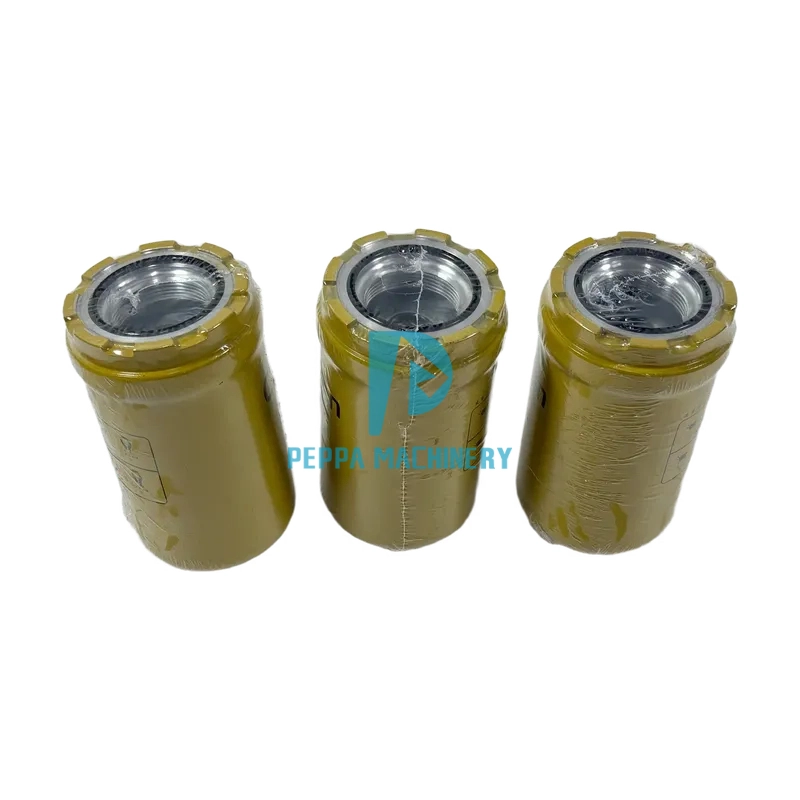
51-8670 Hydraulic Filter Applicable to HF35519 518670 2897836 518670X 1588987 Compatible with Caterpillar 352FVG 325CL
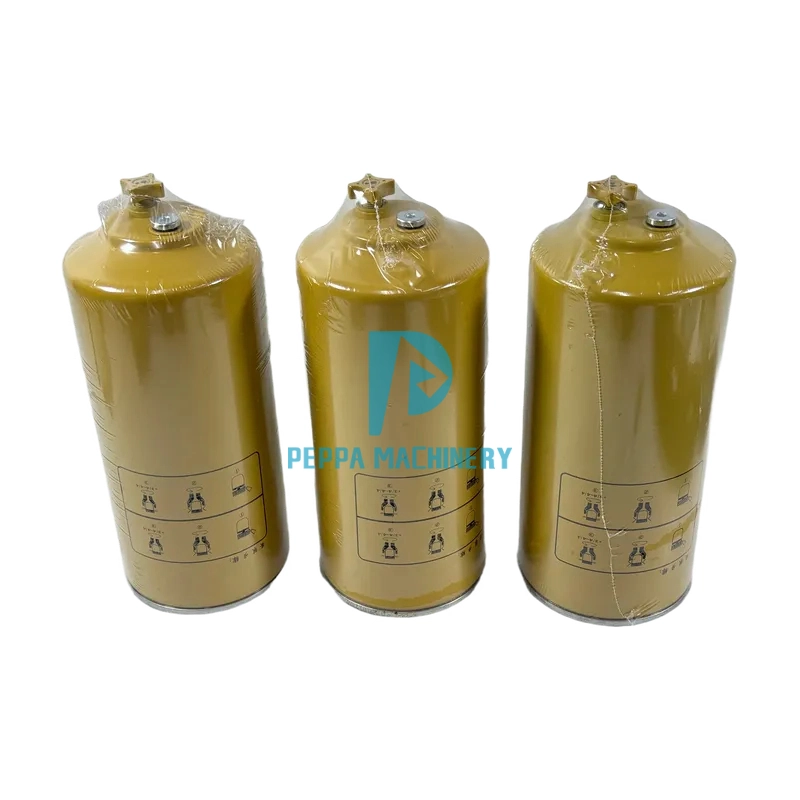
4385386 Fuel Water Separator Fuel Filter 382-0664 Oil-water Separator Hydraulic Oil Filter for CAT 312D2 320D2
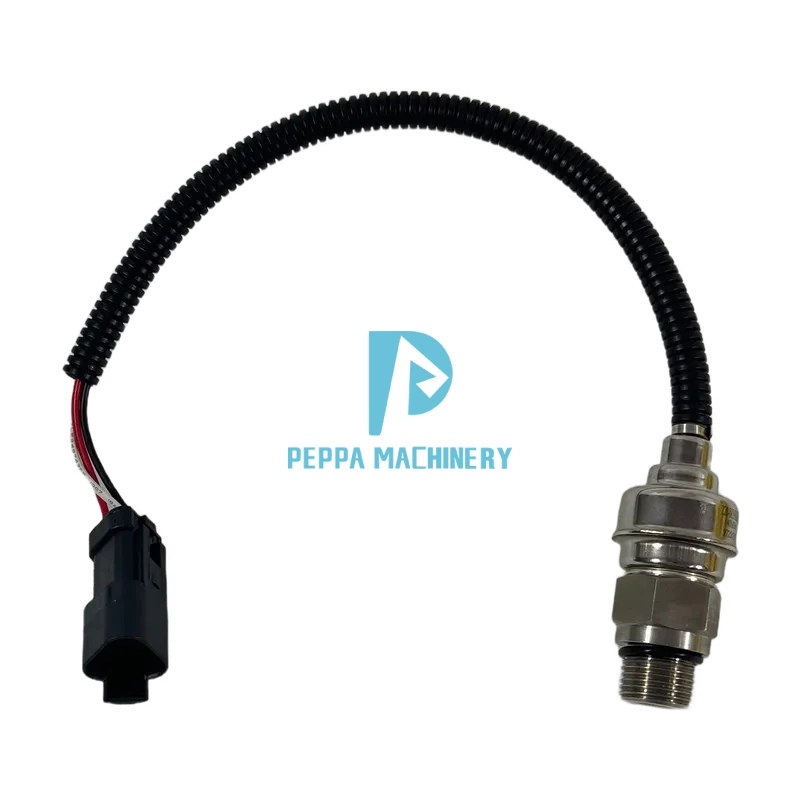
Pressure Sensor 221-8859 106-0178 for Caterpillar CAT 311B 311C 312C 314D 315B 320C 323D 324D 330C 336D 345B 385C
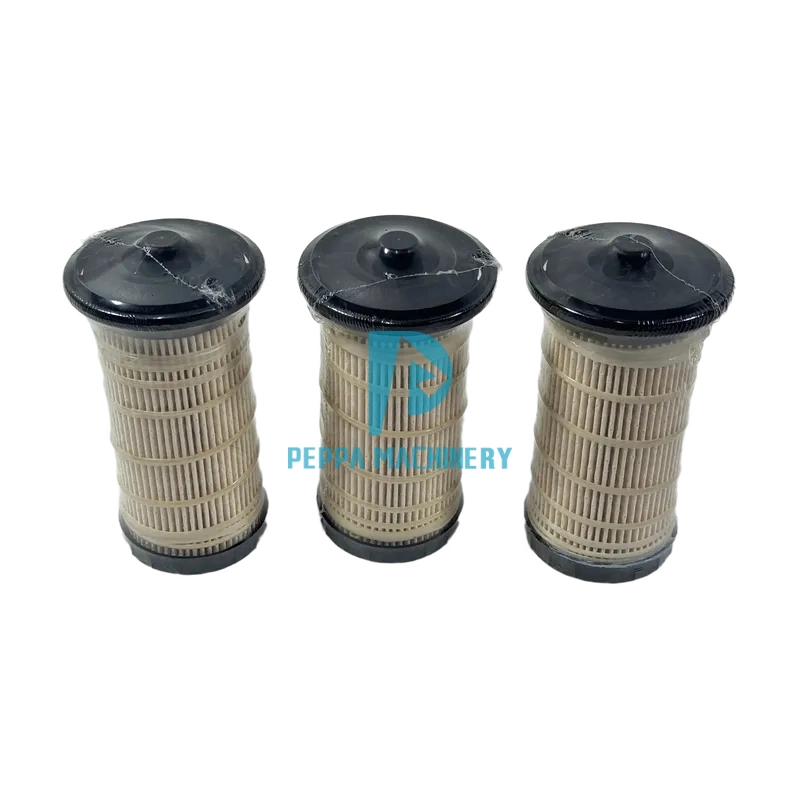
360-8960 Fuel Filter Element for Caterpillar C4.4 & C7.1 Engines | Fits 312D, 320D, 312E, 320E, 326D2, 336D2 Excavators
Get more information
Want to know more? Contact us today to get detailed product specifications, customized solutions, and a free consultation tailored to your needs.
Rest assured that your privacy is important to us, and all information provided will be handled with the utmost confidentiality.

Reliable Source for Quality Excavator Components.
Follow Us
Our Partners


Our Payment Methods


 High Quality
 7/24 Service
 Guaranteed Warranty
 Scan QR Code
Facebook
TikTok
YouTube
Pinterest
Twitter