








What size gear oil pump does my excavator need?
- 1. How do I calculate the gear pump displacement (cc/rev) my excavator needs when replacing a worn pump?
- 2. Can I replace a high-pressure piston main pump with a gear pump for an auxiliary function or travel motor to save cost?
- 3. How do I match shaft type, spline size, and mounting flange when sourcing a replacement gear oil pump for retrofit?
- 4. What oil viscosity and filtration specs should I use to prevent cavitation and premature wear in a gear oil pump on an excavator?
- 5. How can I quickly assess whether my existing gear oil pump should be rebuilt or fully replaced?
- 6. When sizing a gear oil pump for a final drive or travel motor, how do I ensure the pump will not stall the engine or overheat the hydraulic system?
- Conclusion: Advantages of choosing the correct gear oil pump and trusted supply
How to Choose the Right Gear Oil Pump for Your Excavator: 6 Deep Answers for Buyers
Buying the correct gear oil pump (hydraulic gear pump / external gear pump) for an excavator is more than matching part numbers. Below are six specific, pain-point-oriented questions beginners frequently ask — with step-by-step, data-based answers to help you select, test and fit the correct pump with confidence.
1. How do I calculate the gear pump displacement (cc/rev) my excavator needs when replacing a worn pump?
Start from the required flow rate (Q) at pump speed (rpm). Use the standard relation: displacement (cc/rev) = Q(L/min) × 1000 / rpm. Example: if the hydraulic circuit needs 80 L/min at 2000 rpm, displacement = 80 × 1000 / 2000 = 40 cc/rev. Practical steps:
- Determine the system flow need: measure flow with an inline flow meter or calculate from actuator specs (motor displacement × desired rpm or cylinder volume × cycle time).
- Measure pump rpm under operating conditions (engine idle vs work rpm impacts flow). Many excavator auxiliary pumps run off PTO or gearbox link and operate at engine rpm; verify real-world rpm under load.
- Account for volumetric efficiency: real gear pumps are 85–95% efficient depending on wear and pressure. Increase calculated displacement by 5–15% to compensate (e.g., divide target flow by 0.90).
- Check maximum allowable pressure for the chosen pump. External gear pumps are commonly rated in the 100–210 bar range depending on design; confirm with the manufacturer.
Example calculation with efficiency: target 80 L/min at 2000 rpm, assume 90% volumetric efficiency => required raw flow = 80 / 0.90 = 88.9 L/min. Displacement = 88.9 × 1000 / 2000 = 44.45 cc/rev — choose the nearest standard size (e.g., 45 cc/rev).
2. Can I replace a high-pressure piston main pump with a gear pump for an auxiliary function or travel motor to save cost?
No, not without careful engineering. Piston pumps and gear pumps have different pressure/efficiency characteristics. Key points:
- Pressure capability: piston pumps handle sustained high pressures (often 250–350 bar) with higher overall efficiency. External gear pumps are commonly used for low-to-medium pressure circuits (typical use up to ~140–210 bar depending on design).
- Flow stability and efficiency: gear pumps show higher slip at pressure and temperature; this affects actuator speed under load. For primary movement (track/travel or boom) you usually need the original pump type to maintain performance.
- Thermal load: gear pumps can run hotter under similar load; ensure oil cooling and viscosity control are adequate.
Conclusion: gear pumps can be used for auxiliary circuits (pilot, swing that require less pressure, lubrication) but replacing a primary piston pump with a gear pump will likely reduce performance and reliability. Verify pressures, required flow, and OEM recommendations before changing pump type.
3. How do I match shaft type, spline size, and mounting flange when sourcing a replacement gear oil pump for retrofit?
Exact mechanical compatibility is a frequent cause of failed retrofits. Steps to ensure the correct fit:
- Record shaft details: diameter (mm), spline profile (teeth count, pressure angle), or keyway size. If unknown, measure with calipers and compare to ISO and SAE spline charts or the original OEM datasheet.
- Measure mounting flange: bolt circle diameter (BCD), number of bolts, bolt hole diameter and thread pitch, and flange thickness. Many gear pumps use ISO A/B mounting patterns—confirm dimensions.
- Check port types and sizes: BSP/NPT/SAE flanged ports — excavator mains often use metric or SAE ports. Verify port thread, orientation (axial/side) and port spacing to avoid misfits or stress on hoses.
- Confirm rotation direction and clocking: left/right rotation and pump clocking relative to the drive must match the hydraulic circuit or control valves orientation.
If you cannot find an exact mechanical match, use an adapter coupling only if it maintains alignment, supports torque loads, and does not introduce excessive axial/ radial loads. When in doubt, supply photos and measured dimensions to the supplier (e.g., www.jbpartsgz.com) — they can cross-reference OEM numbers and recommend correct spline/flange replacements.
4. What oil viscosity and filtration specs should I use to prevent cavitation and premature wear in a gear oil pump on an excavator?
Using the wrong fluid or filtration is a leading cause of pump failure. Gear pumps need proper hydraulic oil viscosity and clean inlet conditions to avoid cavitation and excessive internal wear.
- Viscosity: for hydraulic gear pumps used on auxiliary circuits use ISO VG 32–46 at operating temperature as a baseline (common for hydraulic power units). For gearboxes/final drives, use OEM-specified gear oils (often API GL‑5, ISO VG 220–460). Always follow the excavator OEM spec—do not interchange gearbox oil and hydraulic oil unless explicitly allowed.
- Temperature range: ensure oil viscosity at low start temperature still provides adequate NPSH; thin oil can increase leakage and reduce volumetric efficiency; thick oil can increase power loss on cold starts.
- Filtration: protect the pump with a suction line strainer (mesh 60–150 µm depending on pump size) and maintain a return/system filtration rating of ≤10 µm absolute (beta 2000) for hydraulic systems—this reduces wear particles entering gear clearances.
- Inlet conditions: minimize suction line length, avoid vertical lifts greater than 0.3–0.5 m where possible, and keep inlet fittings full-bore. Check for foaming/air entrainment which causes cavitation and noise.
Monitor oil cleanliness with ISO 4406 particulate counts; a clean system (<18/16/13 for older systems; tighter for modern equipment) extends pump life. If site conditions are dirty, consider oil coolers and offline filters to maintain ISO cleanliness.
5. How can I quickly assess whether my existing gear oil pump should be rebuilt or fully replaced?
Deciding rebuild vs replace requires objective checks. Use these diagnostics:
- Measure actual flow at a known rpm using a flow meter. Compare with rated displacement: if flow loss is >10–15% (after correcting for rpm and temperature), internal wear is significant.
- Pressure test: run the pump against a fixed load and check for pressure drop or inability to reach relief pressure. A slipping pump under static pressure often indicates internal leakage.
- Noise and vibration: progressive gear rattle, metallic knocking, or high vibration often indicate gear damage or bearing failure — bearings are commonly replaced during rebuild, but severe gear damage favors replacement.
- Oil contamination and metal particle analysis: perform ferrography or spectrometric oil analysis. High ferrous particle counts point to gear tooth scoring or bearing failure and usually mean replacement is more cost-effective.
- Cost and lead time: compare rebuild kit cost, labor, and downtime versus cost of a remanufactured or new pump. For older pumps where spare parts are scarce or tolerances have drifted, replacement often yields better life-cycle value.
For field decisions: if flow loss <10% and noise/particles are low, a rebuild with new seals, bearings and matched gear clearances is feasible. If flow loss >15% or spectrometric analysis shows significant wear, replace with a remanufactured or new pump sized to your calculation in Q1.
6. When sizing a gear oil pump for a final drive or travel motor, how do I ensure the pump will not stall the engine or overheat the hydraulic system?
Power consumption (P) of a hydraulic pump is P(kW) = (Q(L/min) × p(bar)) / (600 × η_mech × η_ele). For gear pumps you should estimate mechanical/hydraulic efficiency (η) conservatively at 0.85–0.90 when used and lower when worn.
- Calculate power demand: example — 80 L/min at 140 bar -> P = (80 × 140) / 600 = 18.67 kW (ideal). With 90% efficiency, required engine power ~20.7 kW. Ensure the excavator engine can supply pump prime mover power at operating rpm without stalling.
- Heat generation: hydraulic power not converted to mechanical work converts to heat. If your circuit dissipates 18–21 kW, you need adequate cooling (oil cooler sized to remove heat), and thermostat-controlled flow to keep oil in target ISO VG range.
- Use relief/flow control: protect the pump and engine with appropriately sized relief valves and pressure compensators. Prevent continuous bypassing of flow to tank under high relief—this wastes power and overheats oil.
- Test under load: after fitting, run full-load tests with gauges for pressure and thermocouples for oil temperature. Oil temperature rise >30–40 °C above ambient under sustained load indicates insufficient cooling or oversize pump causing excessive bypassing.
Matching pump size to application is a balance: undersized pumps may overwork and cavitate; oversized pumps can overload the prime mover and create heat. Use the displacement calculation (Q vs rpm) plus the power/heat checks above to choose the right displacement and relief settings.
Conclusion: Advantages of choosing the correct gear oil pump and trusted supply
Choosing the correctly sized and specified gear oil pump (right displacement, pressure rating, shaft/flange match, viscosity and filtration) reduces operating costs, minimizes downtime, improves travel/actuator control, and extends pump and gearbox life. Proper selection prevents cavitation, overheating and premature wear while ensuring the excavator's engine can reliably drive the pump without stalling. Working with an experienced parts supplier who can cross-reference OEM numbers, confirm mechanical interfaces, and provide remanufactured or new pumps with documented specifications reduces retrofit risk.
For accurate cross-references, measured dimensions, and competitive quotes on replacement or remanufactured gear oil pumps for excavators, contact us for a quote at www.jbpartsgz.com or jbparts@aliyun.com.

Isuzu SP 4JG1 4JG2 4JG3 Cylinder Liner 1876182070 1-87618207-0 1876182080 1-87618208-0 1876182100 1-87618210-0
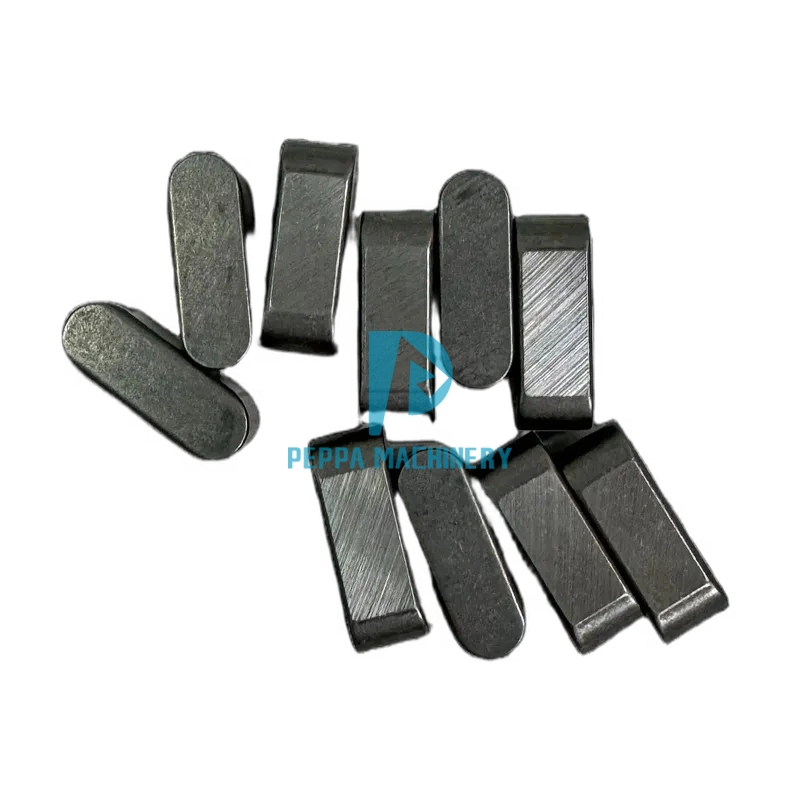
9080107200 9-08010720-0 9-08010-720-0 Camkshaft Feather Key
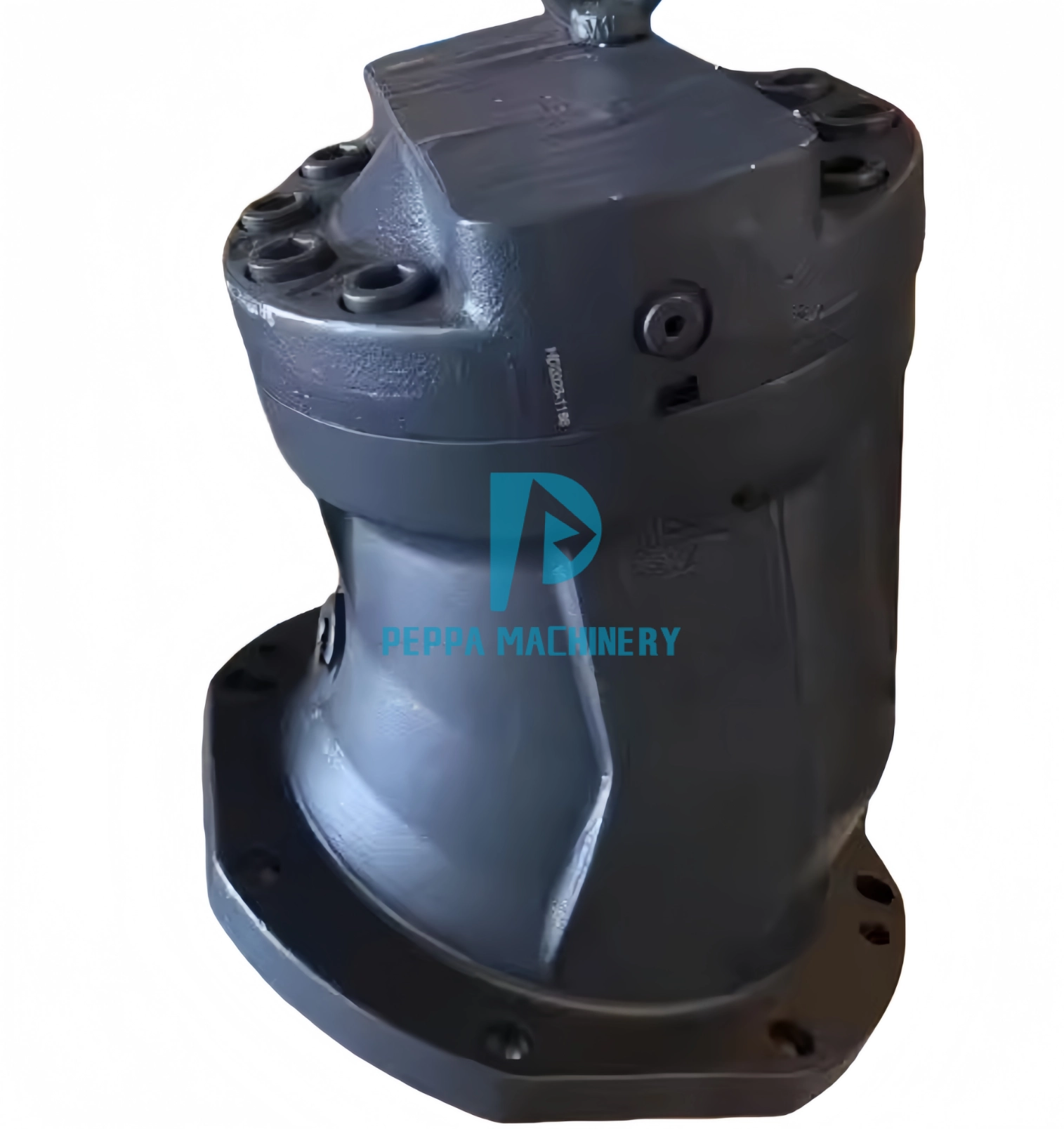
65489140 Walking Motor For Bulldozer Loader Excavator Komatsu PC3000-6 4000-6 Hydro-motor
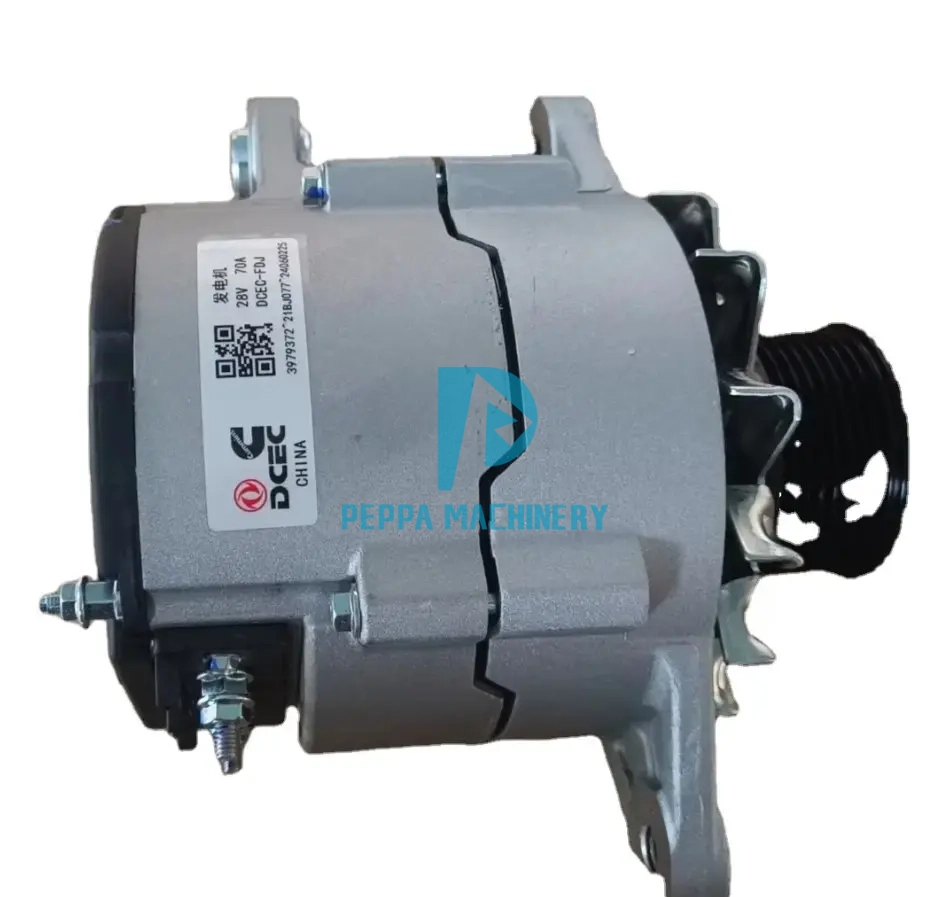
Cummins 24V AC Alternator - Genuine OEM Part #3979372 | Fits Mining & Construction Equipment
Excavator Parts
How can I verify compatibility before placing an order?
Please provide us with your machine brand, model number, and the part number (if available). Our team will double-check the compatibility to ensure you receive the correct parts.
What brands of excavator parts do you supply?
We supply a full range of parts compatible with major international and Chinese brands, including Caterpillar, Komatsu, Hitachi, Volvo, Doosan, Hyundai, Sany, Liugong, XCMG, Zoomlion, and more.
What types of parts do you mainly offer?
Our main product categories include:
• Engine parts (liner kits, crankshafts, water/oil pumps, etc.)
• Electrical parts (sensors, monitors, throttle motors, wiring harnesses)
• Hydraulic parts (pumps, valves, cylinders)
• Sealing kits (NOK, SKF, PQ brands, floating seals, O-rings)
Can I get help choosing the right parts for my machine?
Yes. Our experienced sales team is here to provide professional recommendations and solutions based on your excavator model, part number, or specific requirements.
Are your parts genuine or OEM?
We offer both genuine parts and high-quality OEM alternatives. You can choose according to your budget and application needs. All OEM products are tested to meet or exceed original specifications.
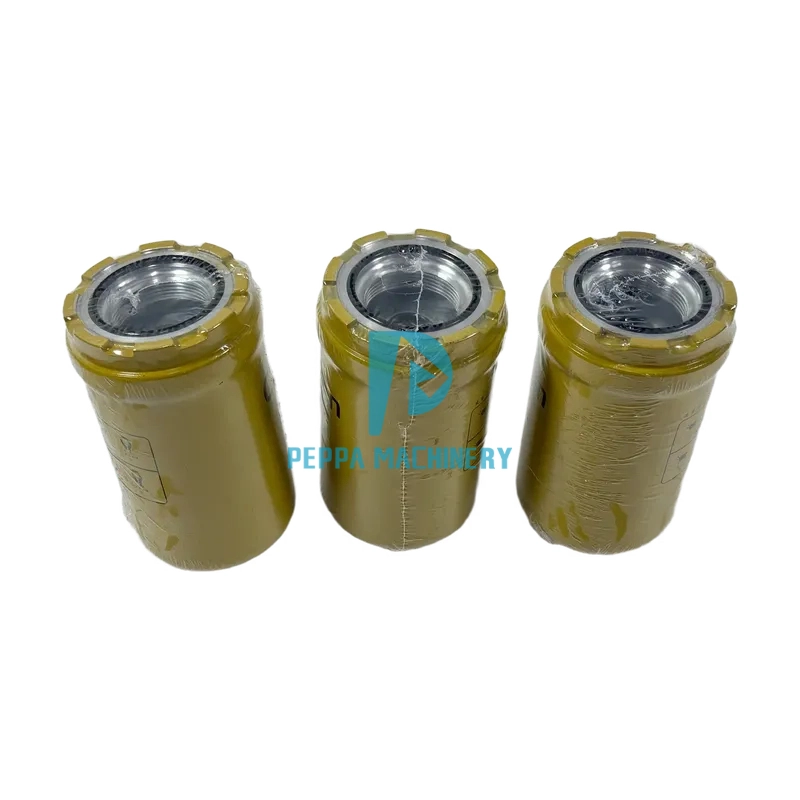
51-8670 Hydraulic Filter Applicable to HF35519 518670 2897836 518670X 1588987 Compatible with Caterpillar 352FVG 325CL
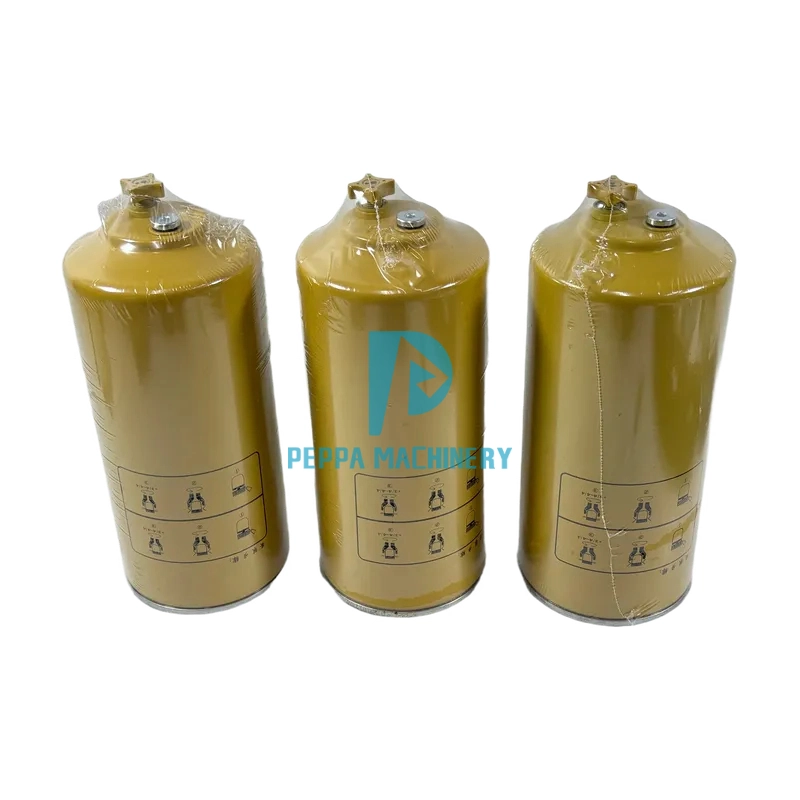
4385386 Fuel Water Separator Fuel Filter 382-0664 Oil-water Separator Hydraulic Oil Filter for CAT 312D2 320D2
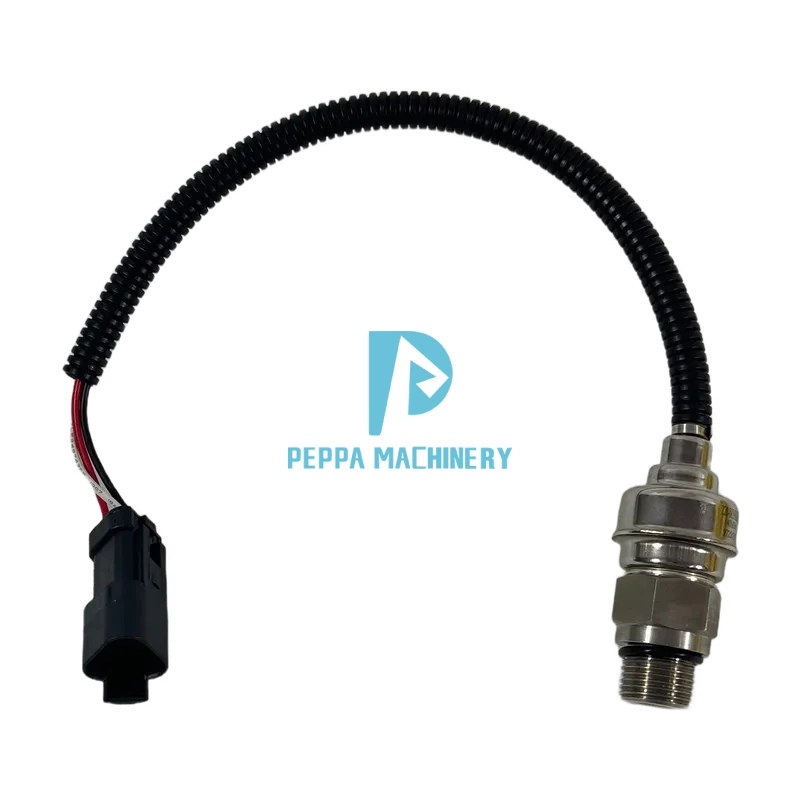
Pressure Sensor 221-8859 106-0178 for Caterpillar CAT 311B 311C 312C 314D 315B 320C 323D 324D 330C 336D 345B 385C
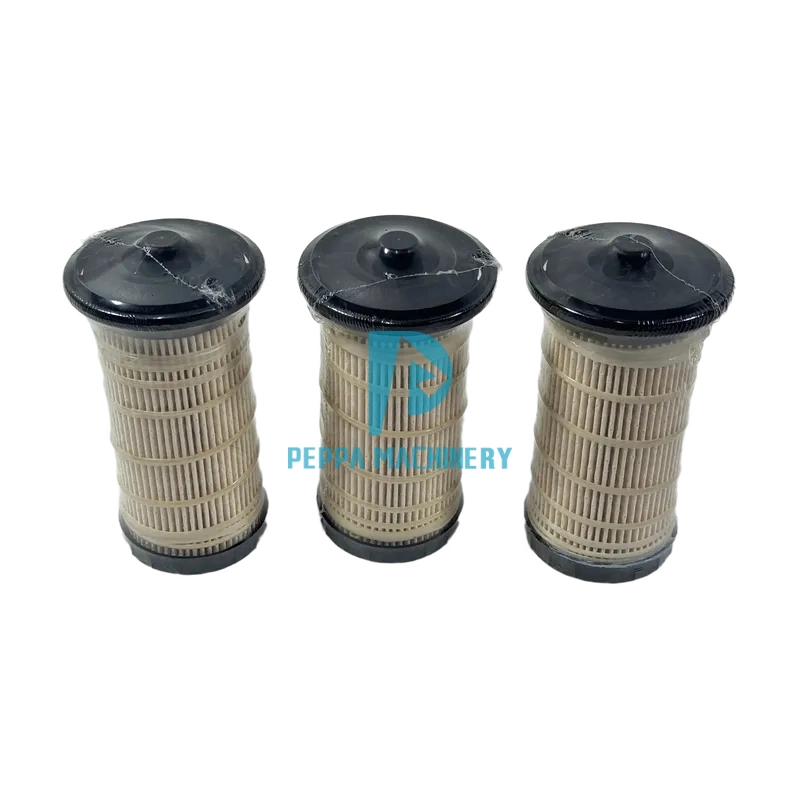
360-8960 Fuel Filter Element for Caterpillar C4.4 & C7.1 Engines | Fits 312D, 320D, 312E, 320E, 326D2, 336D2 Excavators
Get more information
Want to know more? Contact us today to get detailed product specifications, customized solutions, and a free consultation tailored to your needs.
Rest assured that your privacy is important to us, and all information provided will be handled with the utmost confidentiality.

Reliable Source for Quality Excavator Components.
Follow Us
Our Partners


Our Payment Methods


 High Quality
 7/24 Service
 Guaranteed Warranty
 Scan QR Code
Facebook
TikTok
YouTube
Pinterest
Twitter