








Excavator Fuel Injector Maintenance Guide: Double Your Engine's Lifespan (2026 Edition)
- What is Excavator Injector Maintenance, and Why is it Critical?
- Key Benefits of Proactive Maintenance
- Key Takeaways: Quick Summary for Fleet Managers
- Diagnosing the 5 Signs of Injector Failure
- Critical Warning Signs
- The "Skyscraper" Maintenance Schedule: Hours vs. Condition
- Recommended Protocol
- Contamination Control: The Root Cause of 80% of Failures
- The 2026 Bio-Fuel Challenge
- Repair vs. Replace: A Cost-Benefit Analysis
- Comparison Table
- Step-by-Step: Safe Removal and Installation Protocol
- The Technician's Checklist
- Conclusion & Call to Action
What is Excavator Injector Maintenance, and Why is it Critical?

Excavator fuel system preventive maintenance is the systematic process of cleaning, testing, and calibrating high-pressure fuel components to ensure precise atomization and prevent engine failure. It involves more than just changing filters; it requires managing fuel cleanliness to micron-level standards.
In modern heavy equipment, the fuel injector is the heart of the engine. With common rail systems operating at pressures exceeding 30,000 PSI, even microscopic debris can cause catastrophic damage. Proper maintenance prevents "dribbling"—a condition where fuel leaks into the cylinder continuously—leading to cylinder washing, oil dilution, and eventual piston seizure. Neglecting this system is widely recognized as the leading cause of premature overhaul requirements in heavy diesel equipment.
Key Benefits of Proactive Maintenance
- Fuel Economy: Optimal spray patterns ensure 100% combustion, saving up to 15% in daily fuel costs.
- Power Output: Clean injectors deliver the precise fuel quantity needed for maximum hydraulic breakout force.
- Longevity: prevents acid formation and soot buildup that degrade cylinder liners.
Key Takeaways: Quick Summary for Fleet Managers
To maximize uptime, fleet managers must shift from reactive repairs to proactive contamination control.
For those managing a busy site, here is the executive summary of what you need to know for 2026:
- ROI Focus: Proactive maintenance costs approximately 10x less than a full injector set replacement.
- The Enemy: According to industry data, 80% of injector failures are caused by water or particulate contamination in the fuel.
- The Schedule: Inspect water separators daily and perform deep system diagnostics every 1,000 hours.
- The Fix: Not all failed injectors need the scrap heap; professional remanufacturing can restore performance to OEM specs.
Diagnosing the 5 Signs of Injector Failure
Common rail diesel injector symptoms typically manifest as exhaust smoke variations, audible knocking, or specific ECU error codes before total failure occurs. Early detection is the only way to save the engine from a complete rebuild.
Operators often ignore the early warning signs, attributing them to "old age." However, modern excavators (Cat, Komatsu, Volvo) utilize sophisticated computers that scream for help if you know how to listen.
Critical Warning Signs
- The Smoke Signal:
- Black Smoke: Indicates over-fueling, often due to a clogged nozzle tip or stuck needle.
- White Smoke: Suggests timing issues, low compression, or water entering the combustion chamber.
- Blue Smoke: Points to oil intrusion or internal seal failure.
- Audible Knocking: A distinct, metallic "diesel knock" caused by pre-ignition when an injector leaks fuel into the cylinder prematurely.
- Hydraulic Lag: The engine bogs down under load, causing sluggish boom or arm movements due to insufficient fuel pressure.
- Oil Dilution: Rising oil levels on the dipstick indicate fuel is washing past the piston rings due to stuck-open injectors.
- Excavator Engine Diagnostic Codes: Watch for faults like P0201-P0206 (Injector Circuit Malfunction) or P0087 (Fuel Rail/System Pressure—Too Low).
The "Skyscraper" Maintenance Schedule: Hours vs. Condition
A proper maintenance schedule combines strict hourly protocols with condition-based monitoring to catch wear before it becomes critical.
Waiting for a breakdown is not a strategy. At Guangzhou Peiqi Machinery Equipment CO., LTD (Peppa Machinery), we recommend a "skyscraper" approach—building reliability layer by layer.
Recommended Protocol
- Daily (Pre-Start):
- Drain water from the fuel/water separator.
- Visually inspect high-pressure lines for weeping or leaks.
- 250 Hours:
- Replace primary fuel filters (10-micron).
- Inspect transfer pump pressure.
- 500 Hours:
- Change secondary filters (2-micron).
- Add a high-quality, detergent-based diesel system cleaner.
- 2,000 Hours:
- Perform a "leak-off" test to measure fuel return rates.
- Check for internal valve wear using diagnostic software.
- Gap Analysis: Unlike general guidelines, we recommend ultrasonic cleaning intervals at 3,000 hours to extend unit life.
Contamination Control: The Root Cause of 80% of Failures
Heavy equipment fuel contamination control requires filtration standards that meet or exceed ISO 4406 cleanliness codes (typically 12/9/6 for modern engines). Standard filtration is often insufficient for today's high-pressure systems.
According to AXI International, modern High-Pressure Common Rail (HPCR) systems have injector nozzle openings in the 2-3 micron range. This means particles invisible to the naked eye can act like bullets, destroying the valve seat.
The 2026 Bio-Fuel Challenge
With the rise of biodiesel blends, fleet managers face new risks. Biofuels are hygroscopic (they attract water) and prone to oxidation. According to Penn State Extension, this can lead to increased injector deposits and sludge formation.
Defense Strategy:
- Desiccant Breathers: Install these on bulk storage tanks to stop moisture ingress.
- Kidney Loop Filtration: Filter fuel before it enters the excavator tank.
- Biocides: Use additives to prevent algae growth in storage tanks.
Repair vs. Replace: A Cost-Benefit Analysis
The decision between diesel injector cleaning vs. replacement depends entirely on the condition of the internal solenoids and control valves.
Many operators throw away good money by replacing injectors that only need servicing. However, knowing when to replace is vital.
Comparison Table
- New OEM Injectors:
- Cost: $$$$
- Pros: Guaranteed reliability, updated engineering.
- Best For: Warrantied machines or critical production assets.
- Remanufactured (Reman):
- Cost: $$
- Pros: 60-70% of the cost of new; rebuilt to factory specs.
- Best For: Older fleets seeking value without compromising performance.
- Cleaning/Re-tipping:
- Cost: $
- Pros: Lowest cost.
- Cons: Short-term fix; does not address solenoid fatigue.
- Best For: Minor clogging issues with no electrical faults.
Expert Insight: Our remanufacturing process at Peppa Machinery tests injectors at operating pressures up to 30,000 PSI to ensure OEM-level performance.
Step-by-Step: Safe Removal and Installation Protocol
Safe injector replacement requires absolute cleanliness and strict adherence to torque specifications to prevent high-pressure leaks.
Handling high-pressure fuel systems can be dangerous. Always depressurize the system before cracking any lines.
The Technician's Checklist
- Safety First: Wait at least 15 minutes after shutdown for rail pressure to dissipate.
- Cleanliness: Thoroughly clean the engine valve cover area before removal. Use Capping Kits immediately on open lines to prevent debris entry.
- Seat Preparation: Clean the copper washer seating area in the cylinder head. Carbon buildup here causes blow-by.
- Coding (The Critical Step): You must program the IMA/QR codes into the ECU. This tells the engine the specific flow characteristics of the new injector. Failure to do this will result in rough idling and poor efficiency.
Conclusion & Call to Action
Excavator injector maintenance is not just about fixing a broken part; it is about securing the longevity of your entire heavy equipment investment. By following a strict filtration schedule, understanding the impact of biofuels, and recognizing early warning signs like smoke and power loss, you can effectively double your engine's operational lifespan.
Located in the Guangzhou Wholesale Center, Guangzhou Peiqi Machinery Equipment CO., LTD (Peppa Machinery) has over 15 years of experience providing customized engine solutions, including overhaul kits, turbochargers, and high-precision fuel systems for brands like Caterpillar, Komatsu, and Isuzu.
Contact us today to discuss your specific needs, and let our experts help you find the right parts to keep your fleet running.

Isuzu SP 4JG1 4JG2 4JG3 Cylinder Liner 1876182070 1-87618207-0 1876182080 1-87618208-0 1876182100 1-87618210-0
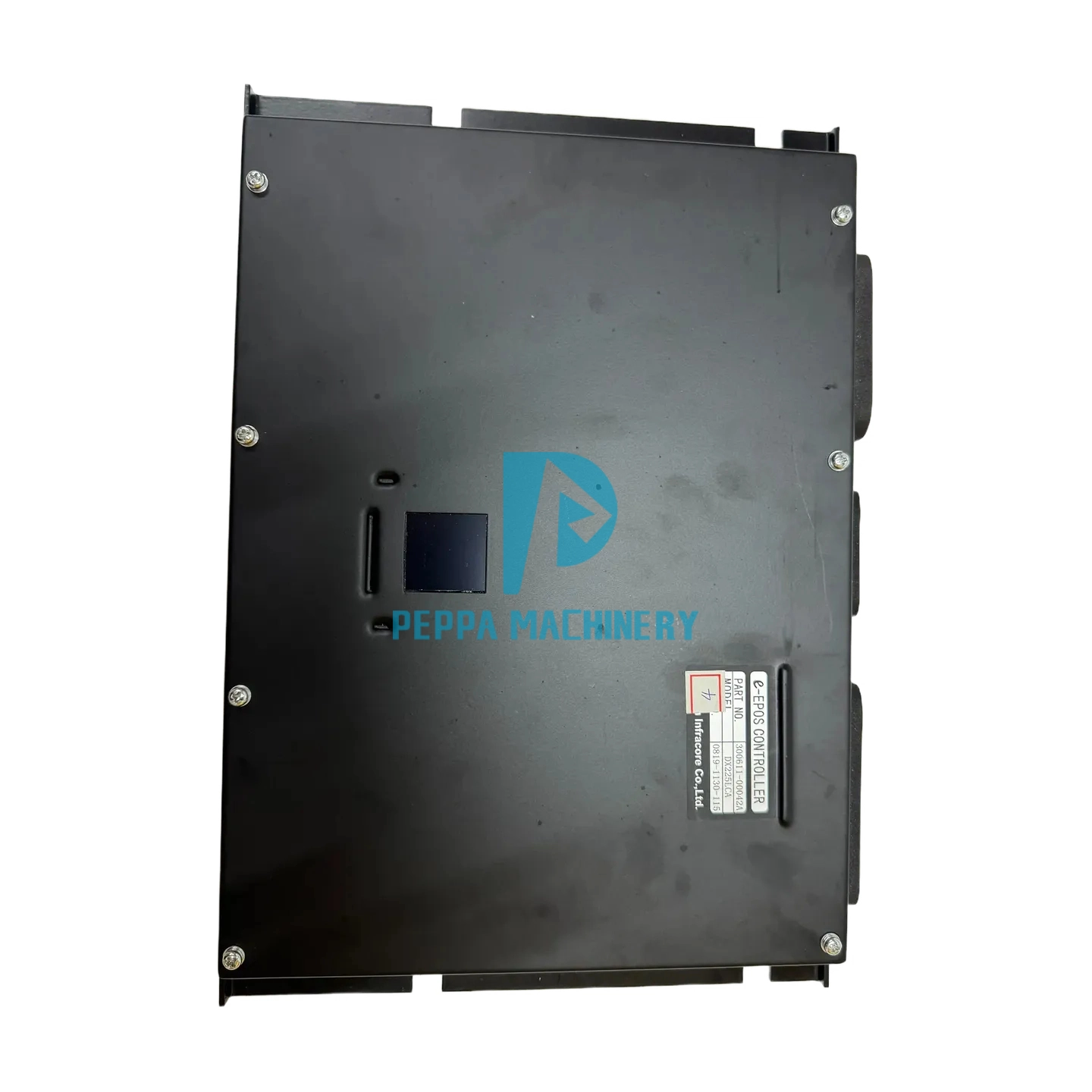
Excavator Accessories Excavator Controller DX225 DX225LCA E-EPOS Controller Computer Board 300611-00042 K1026740 K1001369C K1056425 ECU ECM

Isuzu Engine 6WG1 Turbo 1876183290 1-87618329-0 8981921861 8-98192186-1 14400-4441 1144004370 114400-4370 49188-018312 49188-11940
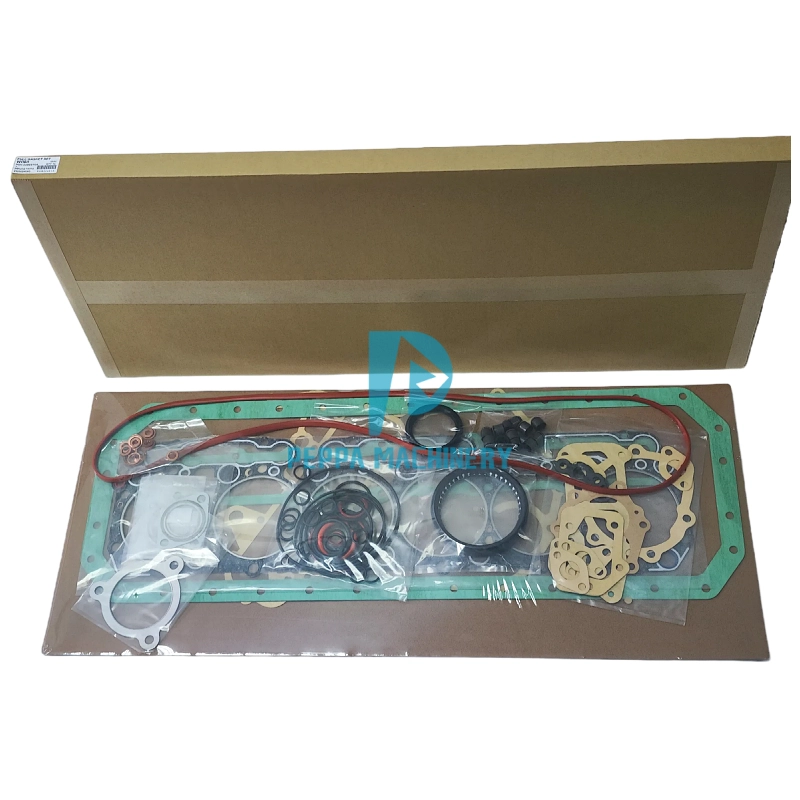
W06D W06DT Engine Overhaul Repair Kit Full Gasket
Excavator Parts
Can I get help choosing the right parts for my machine?
Yes. Our experienced sales team is here to provide professional recommendations and solutions based on your excavator model, part number, or specific requirements.
What brands of excavator parts do you supply?
We supply a full range of parts compatible with major international and Chinese brands, including Caterpillar, Komatsu, Hitachi, Volvo, Doosan, Hyundai, Sany, Liugong, XCMG, Zoomlion, and more.
How can I verify compatibility before placing an order?
Please provide us with your machine brand, model number, and the part number (if available). Our team will double-check the compatibility to ensure you receive the correct parts.
Do you provide technical support or installation guidance?
While we do not offer on-site installation, we can provide basic technical advice, diagrams, or documentation to assist your technicians with installation and troubleshooting.
Are your parts genuine or OEM?
We offer both genuine parts and high-quality OEM alternatives. You can choose according to your budget and application needs. All OEM products are tested to meet or exceed original specifications.
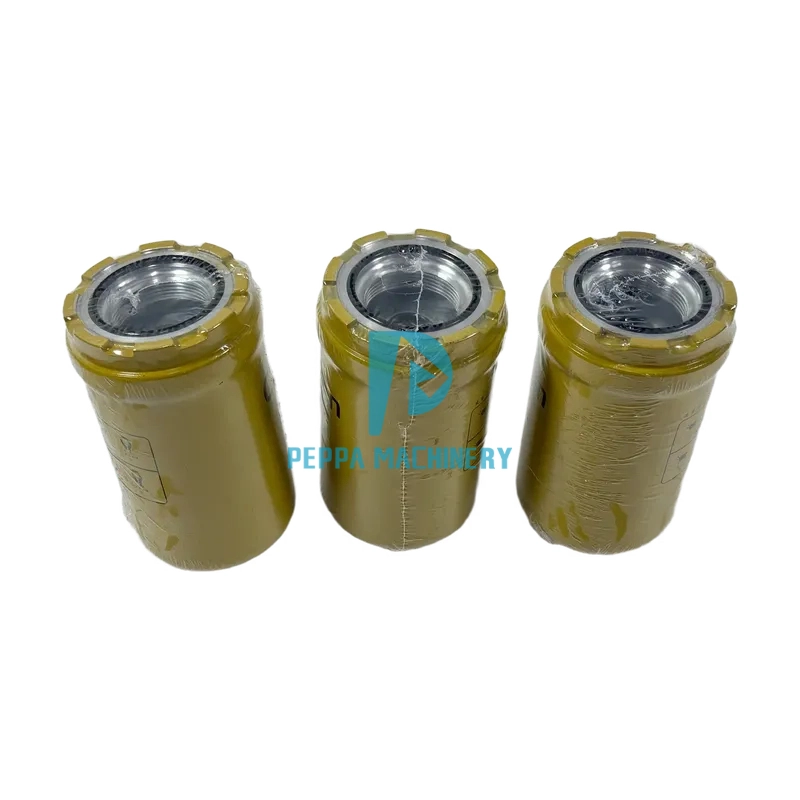
51-8670 Hydraulic Filter Applicable to HF35519 518670 2897836 518670X 1588987 Compatible with Caterpillar 352FVG 325CL
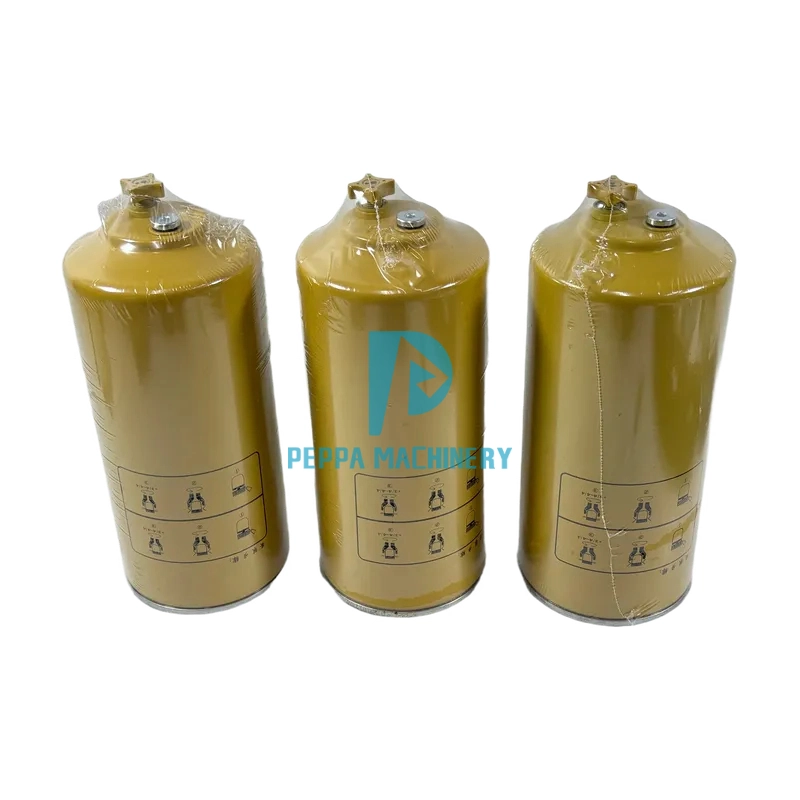
4385386 Fuel Water Separator Fuel Filter 382-0664 Oil-water Separator Hydraulic Oil Filter for CAT 312D2 320D2
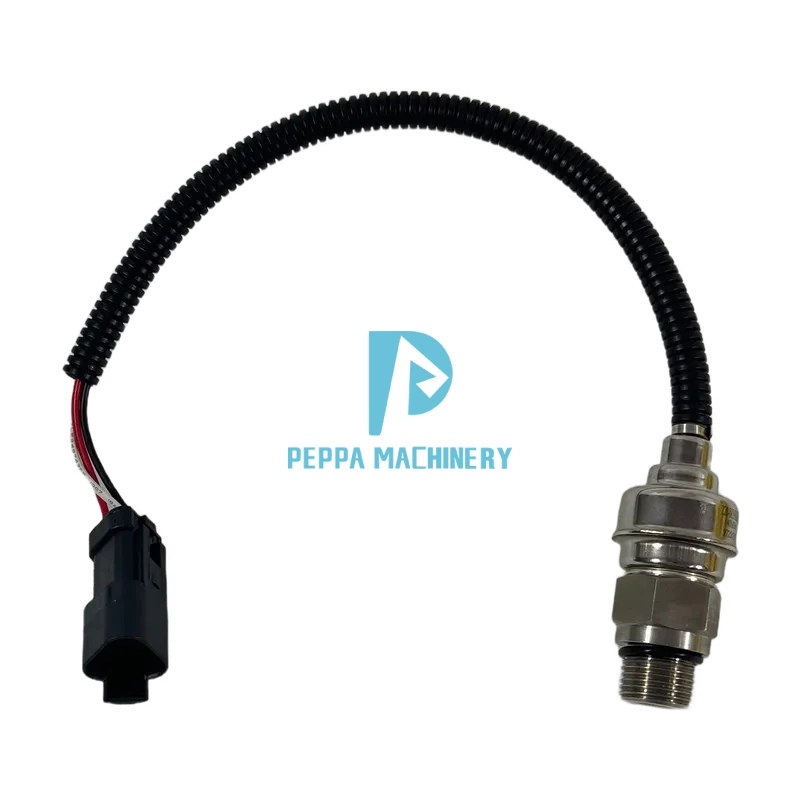
Pressure Sensor 221-8859 106-0178 for Caterpillar CAT 311B 311C 312C 314D 315B 320C 323D 324D 330C 336D 345B 385C
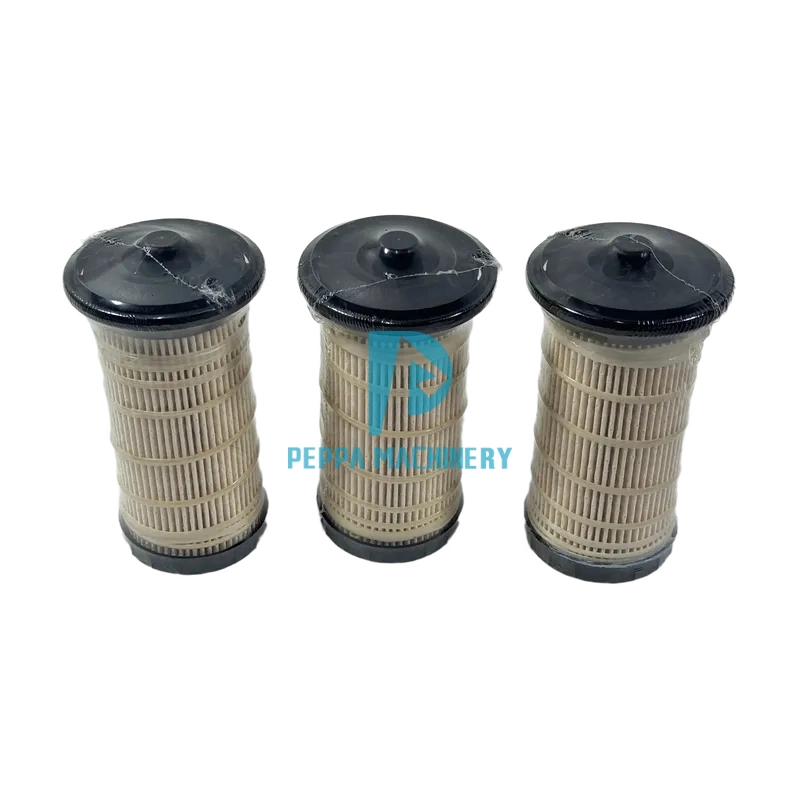
360-8960 Fuel Filter Element for Caterpillar C4.4 & C7.1 Engines | Fits 312D, 320D, 312E, 320E, 326D2, 336D2 Excavators
Get more information
Want to know more? Contact us today to get detailed product specifications, customized solutions, and a free consultation tailored to your needs.
Rest assured that your privacy is important to us, and all information provided will be handled with the utmost confidentiality.

Reliable Source for Quality Excavator Components.
Follow Us
Our Partners


Our Payment Methods


 High Quality
 7/24 Service
 Guaranteed Warranty
 Scan QR Code
Facebook
TikTok
YouTube
Pinterest
Twitter