








The 2026 Electric Fuel Pump Master Guide: Performance, Maintenance & Smart Technology
- Quick Summary: Key Takeaways for 2026
- What is an electric fuel pump and how does it work?
- How It Functions
- Technical Deep-Dive: In-Tank vs. External (Inline) Pumps
- Comparison Breakdown
- The Voltage Factor
- Common Mistakes and Expert Maintenance Tips
- Top 3 Mistakes to Avoid
- Expert Tips from the Field
- Future Trends: Smart Pumps and 2026 Technology
- Emerging Technologies (2026+)
- Frequently Asked Questions (FAQ)
- What are the first signs of a failing electric fuel pump?
- How long should a modern electric fuel pump last?
- What is the difference between LPH and PSI?
- Is it cheaper to replace the pump or the whole assembly?
- How does ethanol affect electric fuel pumps?
- References
In the rapidly evolving automotive landscape, the humble fuel pump has transformed into a sophisticated component critical to vehicle performance. With automakers recalling over five million vehicles between 2024 and 2025 due to fuel pump failures—affecting major brands like Honda and Toyota—understanding this technology is more vital than ever. Whether you are maintaining a fleet of heavy machinery or tuning a high-performance street car, the principles of flow, pressure, and reliability remain the same.
Drawing on over 15 years of industry experience from Guangzhou Peiqi Machinery Equipment CO,LTD (Peppa Machinery), this guide breaks down the complexities of modern fuel delivery systems. From Pulse Width Modulation (PWM) fuel control to the latest in brushless motor technology, we provide the technical insights you need to stay ahead.
Quick Summary: Key Takeaways for 2026
- Smart Evolution: Fuel pumps have evolved from simple DC motors to "Smart Pumps" that communicate directly with the ECU via PWM for precise fuel delivery.
- Flow vs. Pressure: Understanding the correct Fuel pump LPH flow rate is often more critical than PSI for high-horsepower and turbocharged applications.
- Material Science: Ethanol-safe fuel components are now the industry standard to prevent internal corrosion caused by E10, E15, and E85 blends.
- Diagnostics: Predictive diagnostics can now identify pump failure before the vehicle stalls, saving thousands in potential towing and repair costs.
What is an electric fuel pump and how does it work?

An electric fuel pump is a DC-motor-driven component that delivers pressurized fuel from the tank to the engine's fuel injectors to maintain optimal combustion.
Operating at speeds up to 10,000 RPM, it ensures a constant flow while simultaneously using the fuel itself for cooling and lubrication. Unlike older mechanical designs, modern electric pumps must generate immediate EFI fuel system pressure (typically 40-65 PSI) the moment the ignition key is turned. This instant priming capability is essential for the precise start-up requirements of today's fuel-injected engines.
How It Functions
- Intake: The pump draws fuel through a pre-filter (strainer) at the bottom of the tank.
- Pressurization: An internal impeller spins rapidly, forcing fuel through the outlet check valve.
- Regulation: A pressure regulator (often integrated) ensures the injectors receive a steady stream, bypassing excess fuel back to the tank.
- Monitoring: Modern systems utilize an integrated sender unit to monitor fuel levels and pressure simultaneously, feeding data to the dashboard and ECU.
Technical Deep-Dive: In-Tank vs. External (Inline) Pumps
An In-tank fuel pump assembly is submerged directly inside the fuel tank, using the surrounding liquid to dampen noise and dissipate heat, whereas inline pumps are mounted externally along the chassis.
While inline pumps were common in older vehicles and are still favored for specific racing applications due to accessibility, the automotive industry has overwhelmingly shifted toward in-tank solutions. This shift is driven by the need for longevity and quiet operation in passenger vehicles.
Comparison Breakdown
- In-Tank Pumps:
- Pros: Superior cooling (submerged in fuel), reduced fire risk, and significantly quieter operation.
- Cons: harder to replace (requires dropping the tank).
- Best For: Daily drivers, OEM replacements, and modern street performance.
- Inline (External) Pumps:
- Pros: Easy access for maintenance, flexible mounting locations.
- Cons: Prone to overheating, noisier (often requires rubber isolation mounts), and higher risk of vapor lock.
- Best For: Classic car retrofits, dedicated racing setups, and auxiliary booster pumps.
The Voltage Factor
Data from Peppa Machinery suggests that voltage stability is the "silent killer" of fuel pumps. A drop from 13.5V to 12V can reduce pump flow by up to 30%. Ensuring your wiring harness and relays are in top condition is as important as the pump itself.
Common Mistakes and Expert Maintenance Tips
The most frequent cause of premature pump failure is habitually driving with less than a quarter tank of fuel, which starves the pump of its primary cooling source.
At Guangzhou Peiqi Machinery Equipment CO,LTD, we have analyzed thousands of failed units. A recurring theme is "burnout" caused by overheating. When a pump runs dry or pulls in air (cavitation), the internal components expand and seize. This is particularly relevant for heavy machinery and excavators, where reliable fuel delivery is non-negotiable for uptime.
Top 3 Mistakes to Avoid
- Running on Empty: Regularly driving with the low-fuel light on exposes the pump body, causing it to overheat.
- Ignoring Electrical Health: Overlooking the fuel relay and wiring harness when diagnosing a "dead" pump. A corroded connector can mimic a failed pump.
- Skipping the Filter: failing to replace the fuel filter (or strainer) every 30,000 miles restricts flow, forcing the motor to work harder and draw excessive amperage.
Expert Tips from the Field
- Voltage Drop Test: Always perform a voltage drop test before replacing a suspected faulty pump. If the pump is receiving less than 12 volts, a new pump will fail just as quickly.
- Post-Filter Protection: Use a dedicated 10-micron post-filter for high-performance EFI setups. This protects sensitive injector needles from microscopic debris that might pass through the pump.
- Relay Replacement: As a rule of thumb, always install a fresh relay when installing a new pump. Old relays often have pitted contacts that add resistance.
Future Trends: Smart Pumps and 2026 Technology
By 2026, the industry is transitioning toward brushless DC (BLDC) motors and smart controllers that adjust flow rate in real-time based on engine demand.
This technology, known as Pulse Width Modulation (PWM) fuel control, allows the ECU to cycle the pump on and off thousands of times per second. This eliminates the need for a mechanical pressure regulator and return line, creating a "returnless" system that heats the fuel less and reduces evaporative emissions.
Emerging Technologies (2026+)
- Brushless Durability: New friction-less motor designs are targeting lifespans of 250,000 miles, significantly outlasting traditional brushed motors which typically degrade after 150,000 miles.
- Integrated Sensors: 2026 models are increasingly integrating pressure and temperature sensors directly into the pump assembly, providing richer data to the ECU for precise tuning.
- Sustainable Materials: Pump housings are moving toward recycled polymers and eco-friendly manufacturing processes.
- Ethanol Compatibility: With the rise of E15 and E85, the demand for Ethanol-safe fuel components is skyrocketing. These pumps utilize carbon commutators and specific polymers that resist the hygroscopic (water-absorbing) nature of ethanol, preventing internal rust and swelling.
Frequently Asked Questions (FAQ)
What are the first signs of a failing electric fuel pump?
Common symptoms include a high-pitched whining noise coming from the tank area, engine sputtering at high speeds, difficulty starting (long crank times), and a noticeable loss of power when driving uphill or under load.
How long should a modern electric fuel pump last?
Most OEM pumps are engineered to last between 100,000 and 150,000 miles. However, lifespan is heavily dependent on fuel quality and maintenance habits. Keeping the tank at least 1/4 full can significantly extend this duration.
What is the difference between LPH and PSI?
LPH (Liters Per Hour) measures the volume of fuel the pump can move, while PSI (Pounds per Square Inch) measures the pressure. A high-performance engine needs a pump with a high LPH rating to ensure it can maintain the target PSI even under wide-open throttle conditions.
Is it cheaper to replace the pump or the whole assembly?
While the pump motor itself is cheaper, experts recommend replacing the entire In-tank fuel pump assembly. This ensures you get a new fuel level sender, strainer, and regulator, preventing labor overlap if those older components fail shortly after.
How does ethanol affect electric fuel pumps?
Ethanol attracts water, which can corrode standard steel components. If you plan to use E85, you must ensure your pump is rated for it. Non-compliant pumps will suffer from seal degradation and internal rust, leading to rapid failure.
References

Isuzu SP 4JG1 4JG2 4JG3 Cylinder Liner 1876182070 1-87618207-0 1876182080 1-87618208-0 1876182100 1-87618210-0
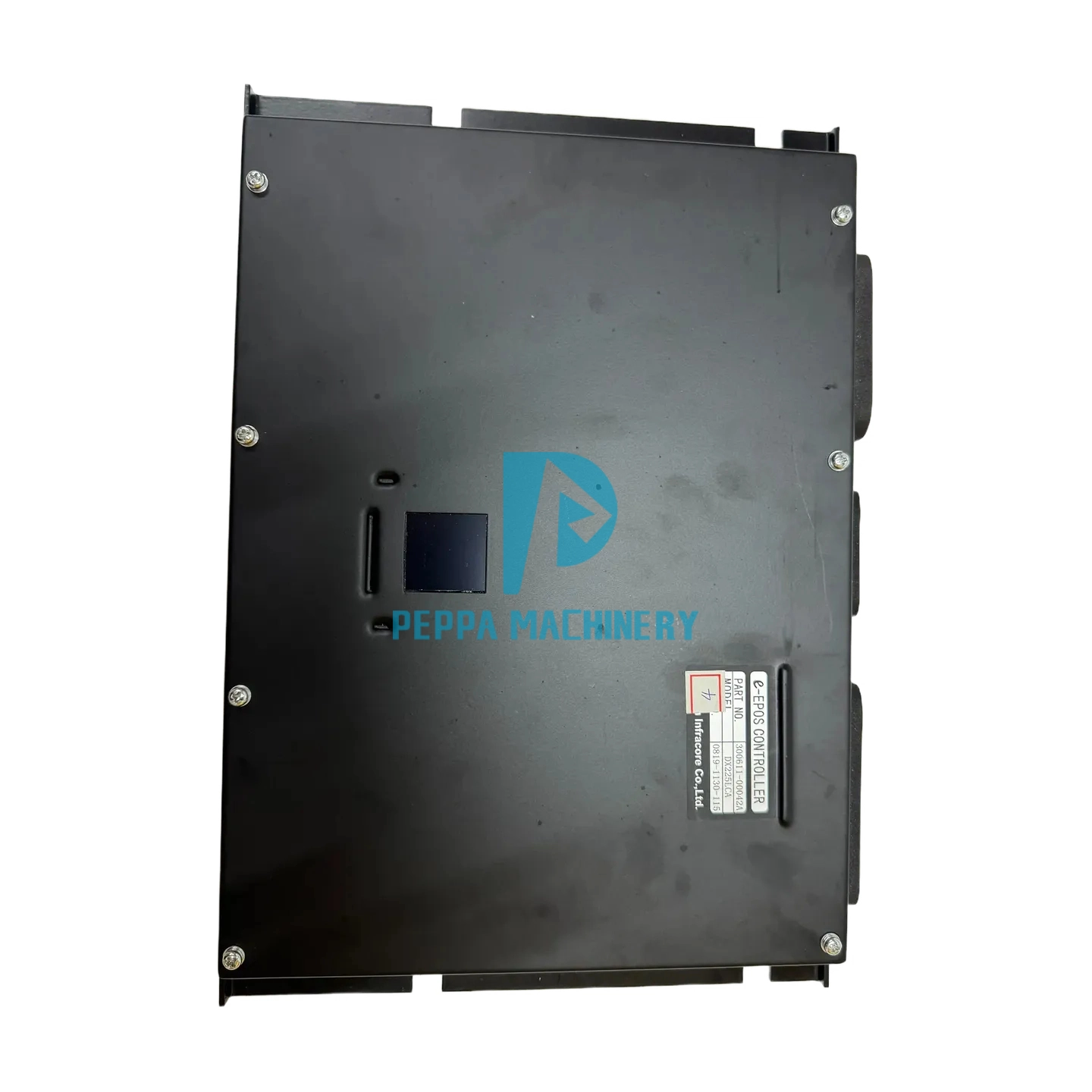
Excavator Accessories Excavator Controller DX225 DX225LCA E-EPOS Controller Computer Board 300611-00042 K1026740 K1001369C K1056425 ECU ECM

Isuzu Engine 6WG1 Turbo 1876183290 1-87618329-0 8981921861 8-98192186-1 14400-4441 1144004370 114400-4370 49188-018312 49188-11940
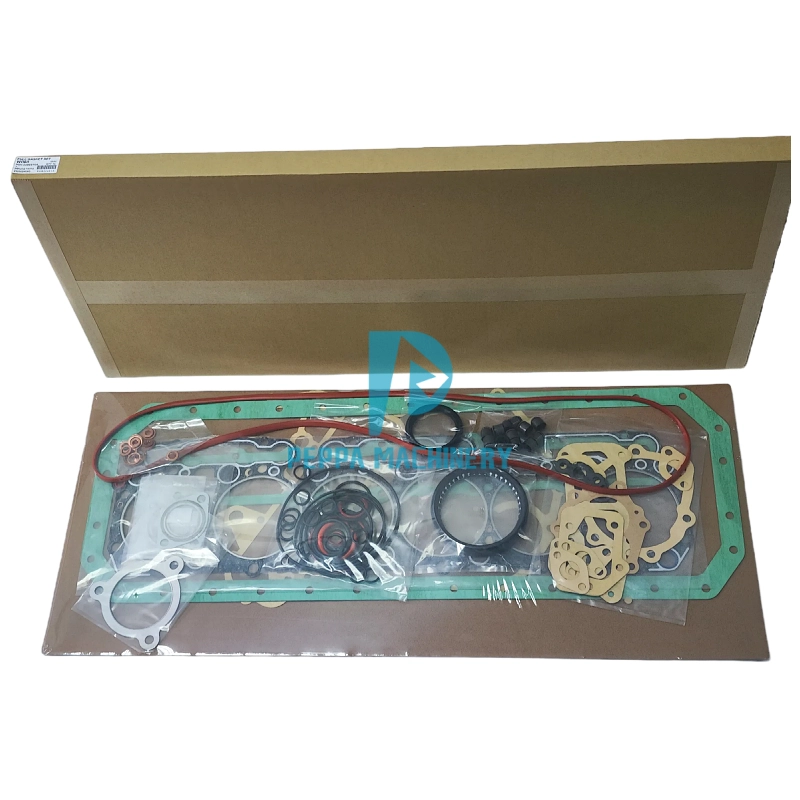
W06D W06DT Engine Overhaul Repair Kit Full Gasket
Excavator Parts
How can I verify compatibility before placing an order?
Please provide us with your machine brand, model number, and the part number (if available). Our team will double-check the compatibility to ensure you receive the correct parts.
What types of parts do you mainly offer?
Our main product categories include:
• Engine parts (liner kits, crankshafts, water/oil pumps, etc.)
• Electrical parts (sensors, monitors, throttle motors, wiring harnesses)
• Hydraulic parts (pumps, valves, cylinders)
• Sealing kits (NOK, SKF, PQ brands, floating seals, O-rings)
Can I get help choosing the right parts for my machine?
Yes. Our experienced sales team is here to provide professional recommendations and solutions based on your excavator model, part number, or specific requirements.
Are your parts genuine or OEM?
We offer both genuine parts and high-quality OEM alternatives. You can choose according to your budget and application needs. All OEM products are tested to meet or exceed original specifications.
Do you provide technical support or installation guidance?
While we do not offer on-site installation, we can provide basic technical advice, diagrams, or documentation to assist your technicians with installation and troubleshooting.
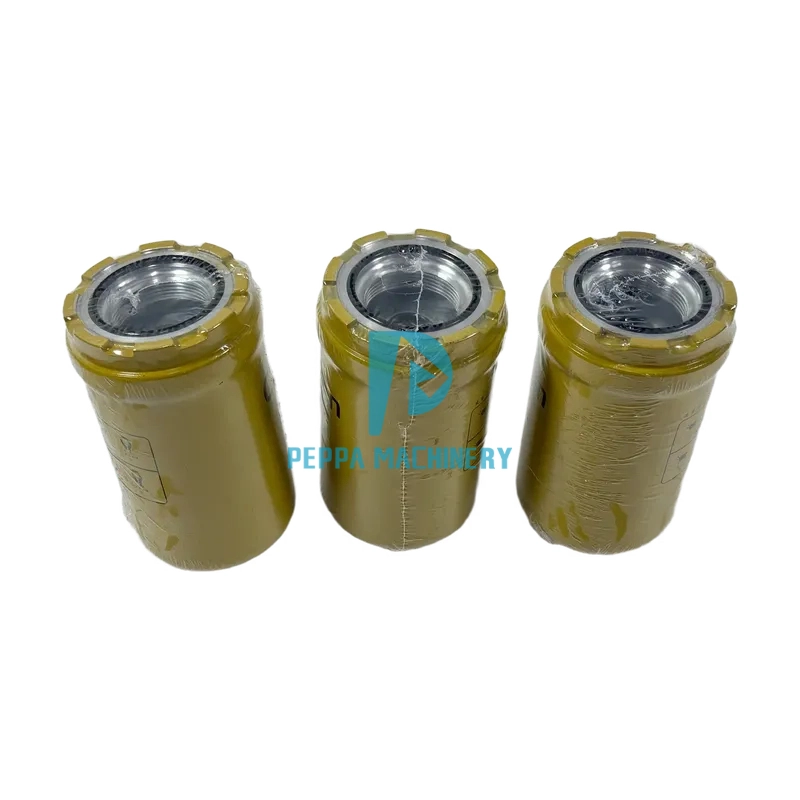
51-8670 Hydraulic Filter Applicable to HF35519 518670 2897836 518670X 1588987 Compatible with Caterpillar 352FVG 325CL
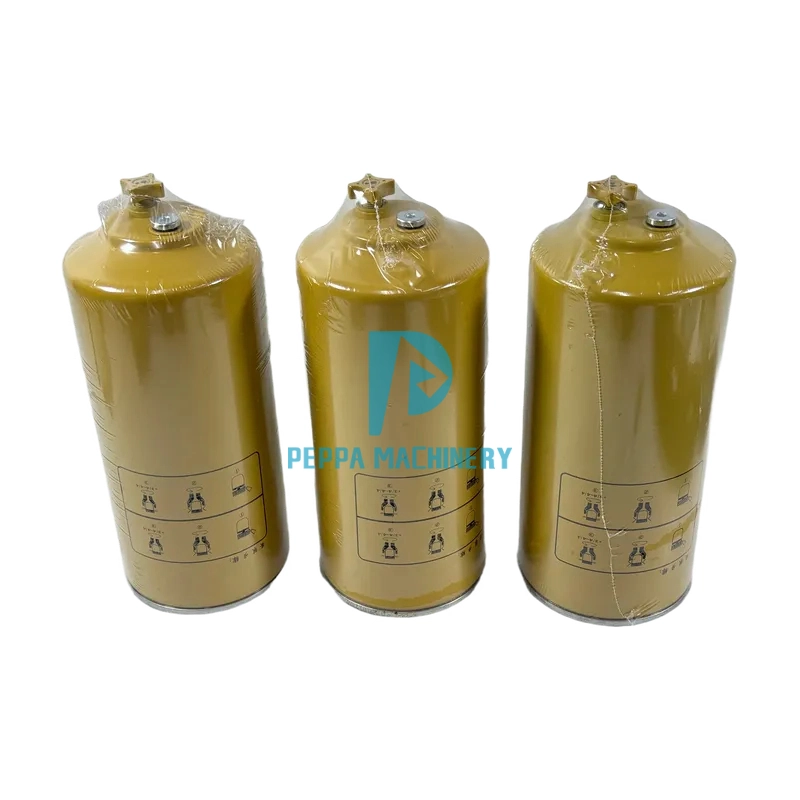
4385386 Fuel Water Separator Fuel Filter 382-0664 Oil-water Separator Hydraulic Oil Filter for CAT 312D2 320D2
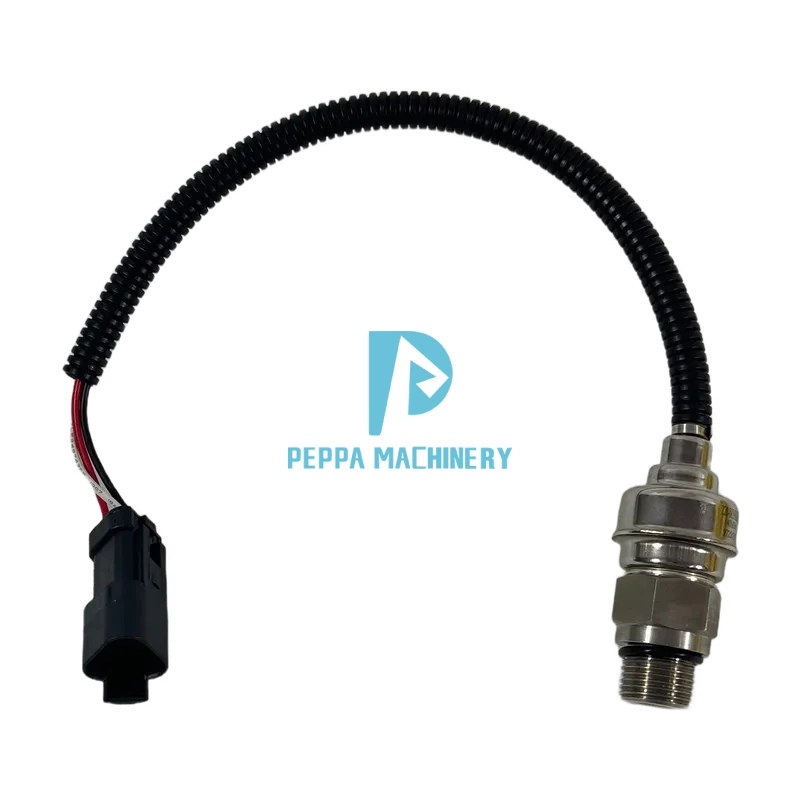
Pressure Sensor 221-8859 106-0178 for Caterpillar CAT 311B 311C 312C 314D 315B 320C 323D 324D 330C 336D 345B 385C
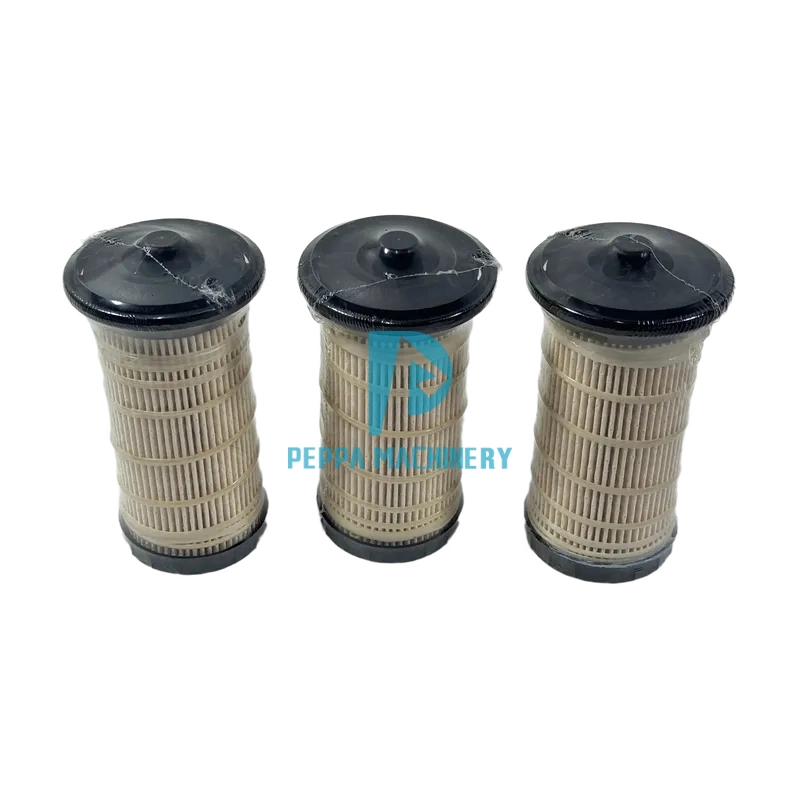
360-8960 Fuel Filter Element for Caterpillar C4.4 & C7.1 Engines | Fits 312D, 320D, 312E, 320E, 326D2, 336D2 Excavators
Get more information
Want to know more? Contact us today to get detailed product specifications, customized solutions, and a free consultation tailored to your needs.
Rest assured that your privacy is important to us, and all information provided will be handled with the utmost confidentiality.

Reliable Source for Quality Excavator Components.
Follow Us
Our Partners


Our Payment Methods


 High Quality
 7/24 Service
 Guaranteed Warranty
 Scan QR Code
Facebook
TikTok
YouTube
Pinterest
Twitter